Top 6 Natural Monuments around Głogów
Best natural monuments around Głogów are found within a region characterized by a post-glacial landscape, offering a naturally attractive environment. The area provides opportunities for outdoor activities such as hiking and biking. Głogów itself features green spaces like Park Słowiański and Bulwar Nadodrzański, contributing to its natural ambiance. This landscape is dotted with natural features that hold local significance.
Best natural monuments around Głogów
- The most popular natural monuments is St. James' Spring, a natural monument that was historically…
Last updated: August 18, 2026
St. James' Spring
Highlight • Natural Monument
Translated by Google •
Tip by

Pedunculate oak "Beautiful"
Highlight • Natural Monument
Translated by Google •
Tip by

Sign up now to discover places like this
Get recommendations on the best single tracks, peaks, & plenty of other exciting outdoor places.
Sign up for free
Tarnowski Młynarz Oak
Highlight • Natural Monument
Translated by Google •
Tip by
Old Oak
Highlight • Natural Monument
Showing Translation
Tip by

The Black Oak Mystery
Highlight • Natural Monument
Translated by Google •
Tip by

Sign up for free to discover even more natural monuments around Głogów.
Sign up for free
Already have an account?
Start today with a free account
Your next adventure awaits.
Login or Signup

Tips from the Community


A miraculous spring. A large plaque in the main tower entrance catches the eye: "THE MIRACLE-FOUNDED SPRING OF ST. JACOB IN JACOBÓW." To reach it, however, you must cross the sanctuary grounds and exit through the gate on the sacristy side. Head left toward the wooded area, where you'll notice steps leading down the ravine behind the sanctuary. The area is wooded and heavily overgrown, or rather, overgrown with bushes. A small square, a few benches, and the goal of our pilgrimage: the miraculous spring. It gushes at the foot of the hill on which the church stands. For centuries, the number of pilgrims to the church has been increased by those for whom St. JACOBÓW was an important additional destination. This was the case when, in the mid-14th century, King John II Casimir visited the church to discuss the future of Silesia with Charles IV, King of Bohemia and Emperor of the Holy Empire. Pilgrims from Silesia, Greater Poland, Bohemia, and Moravia came here. The water flowing from the spring was widely believed to have healing properties, particularly valued for healing wounds, improving eyesight, and treating infertility. Jakubów, with its miraculous spring, began to lose its importance as a pilgrimage destination in the mid-18th century, when Silesia fell under Prussian rule. Pilgrimages still occurred during the Second Polish Republic, but they disappeared completely after World War II. They have only returned in a grand way in recent years, but Prussian and communist barbarism deprived Jakubów of its testimonies and documents of grace. Source: https://cudownezrodelka.pl/miejsce/jakubow/
0
0

About 100 meters north of the Karolat Castle - Tarnowskie Młyny road stands the trunk of the "Tarnowski Młynarz" English oak. More precisely, it is forest unit 258, the boundary of compartments "n" and "j." It is impressive in size: circumference at breast height - 580 cm. Unfortunately, when I returned to this place in November 2020, it turned out that the oak was largely fallen on the ground. A fragment of the split trunk and one branch with remnants of leaves remained. It turned out that the tree was rotten and hollow inside. It most likely could not withstand a stronger gust of wind. During an inspection in October 2025, it turned out that the Tarnowski Młynarz, or more precisely, its trunk and one living branch, were still standing.
0
1
It is worth stopping and enjoying the eye of an old oak tree with a circumference of 630 cm at breast height. It grows by the road at the very bend, so caution is necessary.
0
1

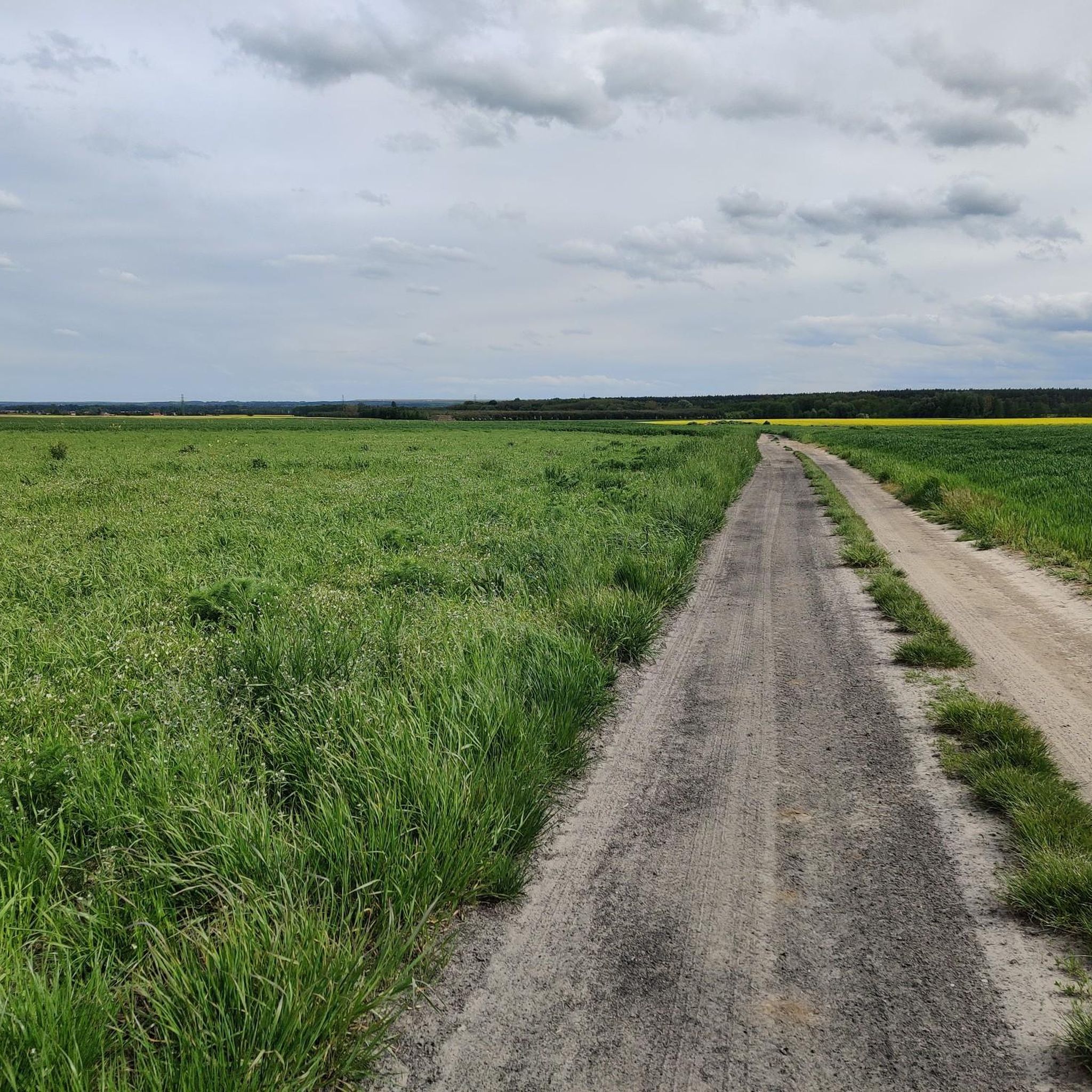
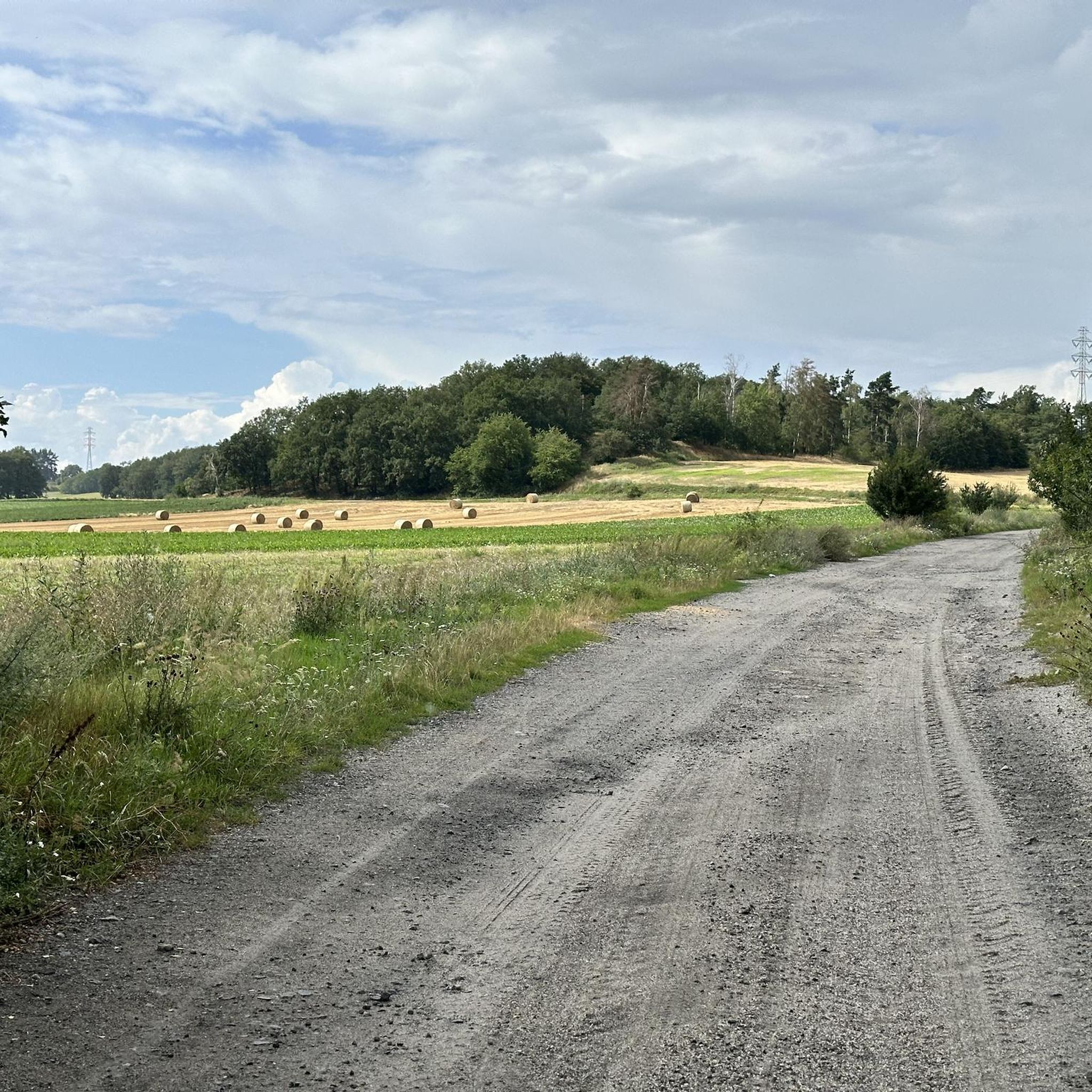
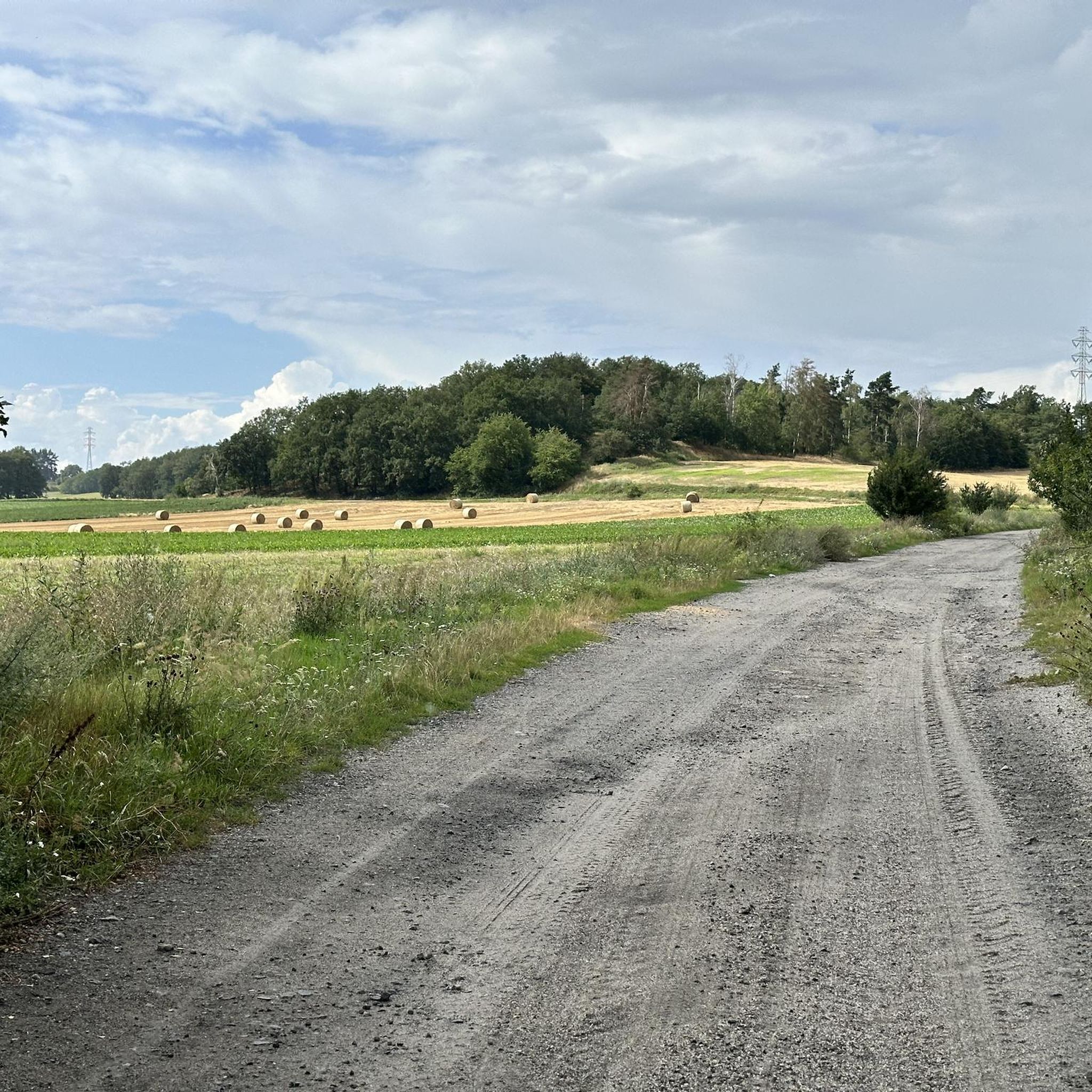
You have to drive through the forest for a while to find this place. A road made of aggregate leads to the place, but by mistake you can also get to a sand road on which the gravel will have something to do.
2
0
Frequently Asked Questions
What types of natural monuments can I find around Głogów?
The natural monuments around Głogów primarily feature significant trees and natural springs. Examples include the historically important St. James' Spring, known for its believed healing properties, and impressive old oaks like the Pedunculate oak "Beautiful" and the Tarnowski Młynarz Oak. You can also discover unique features such as the Lone "White Willow", which stands surprisingly in a dry field.
Are there any natural monuments with historical or cultural significance?
Yes, St. James' Spring holds significant historical and cultural importance. Located at the foot of a hill where a church stands, this spring was historically believed to possess healing properties, attracting pilgrims for centuries. It was even a meeting point for King John II Casimir and Charles IV in the mid-14th century to discuss the future of Silesia.
Are there family-friendly natural monuments around Głogów?
The Pedunculate oak "Beautiful" is considered family-friendly. It's an impressive old oak tree with a circumference of 630 cm, located by the roadside, making it easily accessible for a quick stop and observation.
What outdoor activities can I do near these natural monuments?
The post-glacial landscape around Głogów offers excellent opportunities for various outdoor activities. You can enjoy hiking, biking, and running. For easy hikes, explore routes like the "By bike loop from Brzostów" or the "St. J. von Kreitz Promenade loop from Głogów." Cyclists can find road cycling routes such as the "Tree-Lined Road – Głogów Castle loop." Runners have options like the "Running loop from Żarków Górny." You can find more details on these activities in the Easy hikes around Głogów, Road Cycling Routes around Głogów, and Running Trails around Głogów guides.
Are there any natural monuments located within a forest?
Yes, The Black Oak Mystery is a natural monument situated within a forest. To reach it, you'll need to drive through the forest on an aggregate road.
What is the terrain like for visiting natural monuments in the Głogów area?
The Głogów area is characterized by a post-glacial landscape, which generally provides a varied but often accessible terrain. While some natural monuments like The Black Oak Mystery require driving on aggregate or sand roads through a forest, others like the Pedunculate oak "Beautiful" are located directly by the roadside. The region is suitable for hiking and biking, suggesting a mix of easy to intermediate paths.
Are there any viewpoints among the natural monuments?
The Lone "White Willow" is noted as a viewpoint. It is visible from a dirt road north of Bielawy, offering a unique sight of a willow in an unexpected dry field setting.
What are some notable green spaces or parks within Głogów itself?
Within Głogów, you can explore green spaces like Park Słowiański and Bulwar Nadodrzański. These areas contribute to the city's natural ambiance and offer pleasant environments for relaxation and strolls.
What do visitors enjoy most about the natural monuments around Głogów?
Visitors appreciate the unique natural features and the sense of discovery. For instance, the historical and spiritual significance of St. James' Spring, with its believed healing properties, is a major draw. The impressive size and age of trees like the Pedunculate oak "Beautiful" also captivate visitors. The natural monuments are valued for offering a variety of natural features to see and explore within a beautifully landscaped region.
Are there any specific challenges or considerations when visiting these natural monuments?
When visiting the Pedunculate oak "Beautiful", caution is necessary as it grows by the roadside at a bend. For The Black Oak Mystery, be aware that you'll need to drive through a forest on an aggregate road, and there's a possibility of encountering sand roads.
Are there any other significant trees besides the oaks mentioned?
Yes, besides the prominent oaks, you can also find the Lone "White Willow". This white willow is notable for growing in a dry field, which is unusual for its species, and can be seen from a dirt road north of Bielawy.
Most popular routes around Głogów
Most popular attractions around Głogów

Get inspired with the komoot mobile app


Explore more
Extend your search for the best caves by checking out these guides of the top ones around Głogów:
