Staffordshire Moorlands
Staffordshire Moorlands
Top 3 Castles around Staffordshire Moorlands
Best castles around Staffordshire Moorlands offers a selection of historical sites, from medieval ruins to 19th-century follies. The region, characterized by its varied landscape, provides a backdrop for these structures, many of which are situated on elevated ground. While not abundant in traditional medieval fortresses, the area features notable sites with castle-like architecture or significant historical connections. These locations provide insight into centuries of regional history and offer opportunities for exploration.
Best castles around Staffordshire Moorlands
- The most popular castles…
Last updated: August 5, 2026
Alton Castle
Highlight • Historical Site
Tip by

Warden's Tower (Knypersley Castle)
Highlight • Monument
It is sometimes referred to as Knypersley Castle.
Tip by

Sign up now to discover places like this
Get recommendations on the best single tracks, peaks, & plenty of other exciting outdoor places.
Sign up for free
Technical Bridleway in Peak District National Park
Highlight (Segment) • Cycleway
Tip by

Pilsbury Castle and Panoramic Views of the Dove Valley
Highlight (Segment) • Castle
Tip by

Ratcliffe’s Folly, also known as Ecton Castle
Highlight • Monument
Tip by

Start today with a free account
Your next adventure awaits.
Login or Signup
Popular around Staffordshire Moorlands
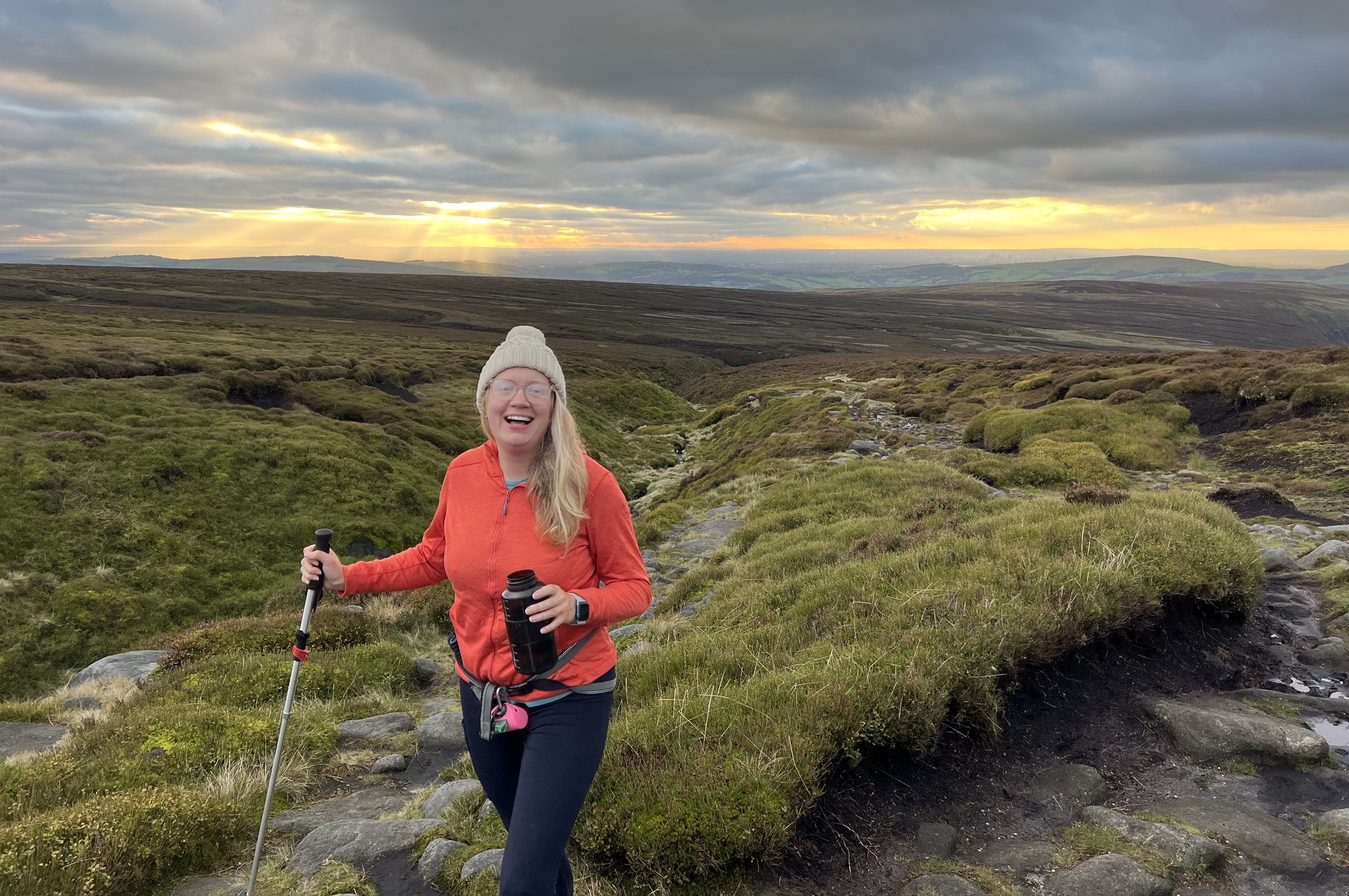
Peak District National Park – A Walk in the Parks
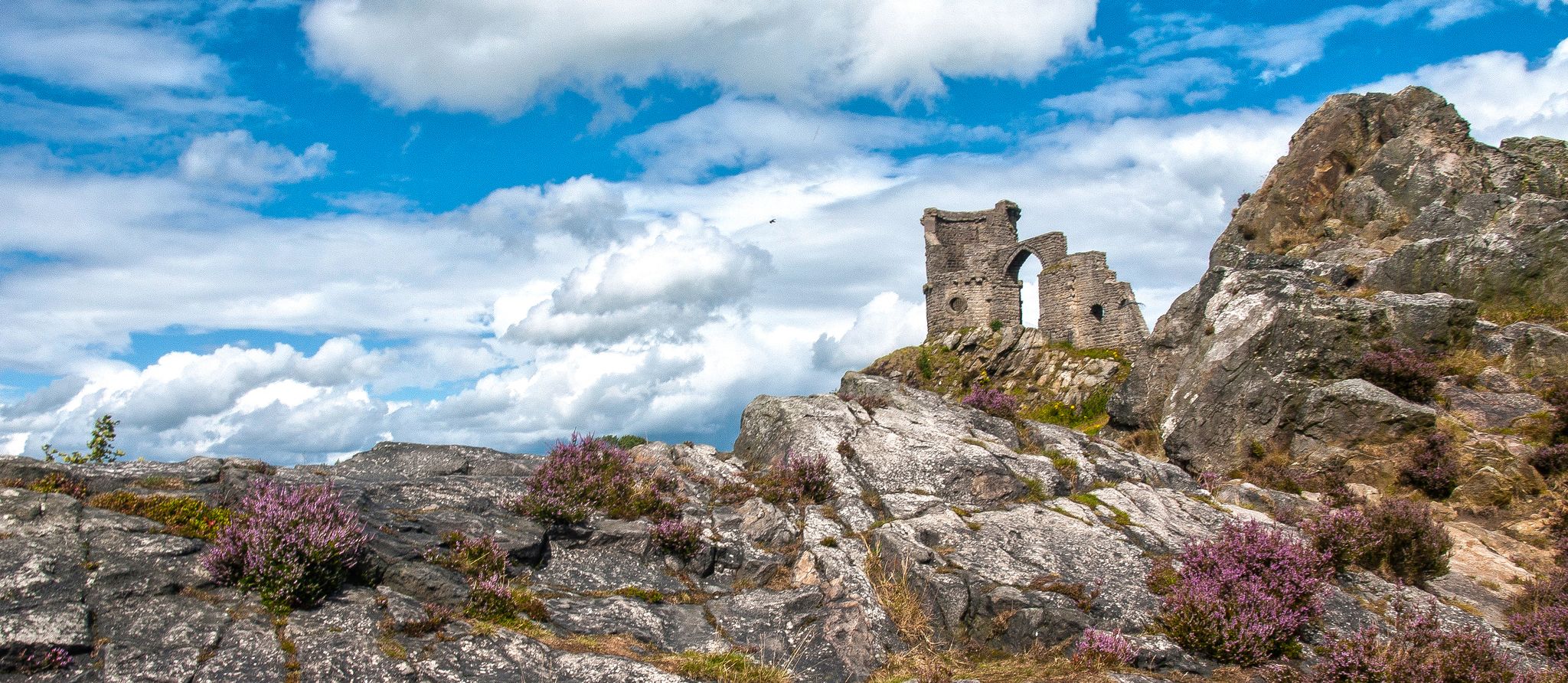
Staffordshire Way — Hike gritstone, woods, heath and scarps
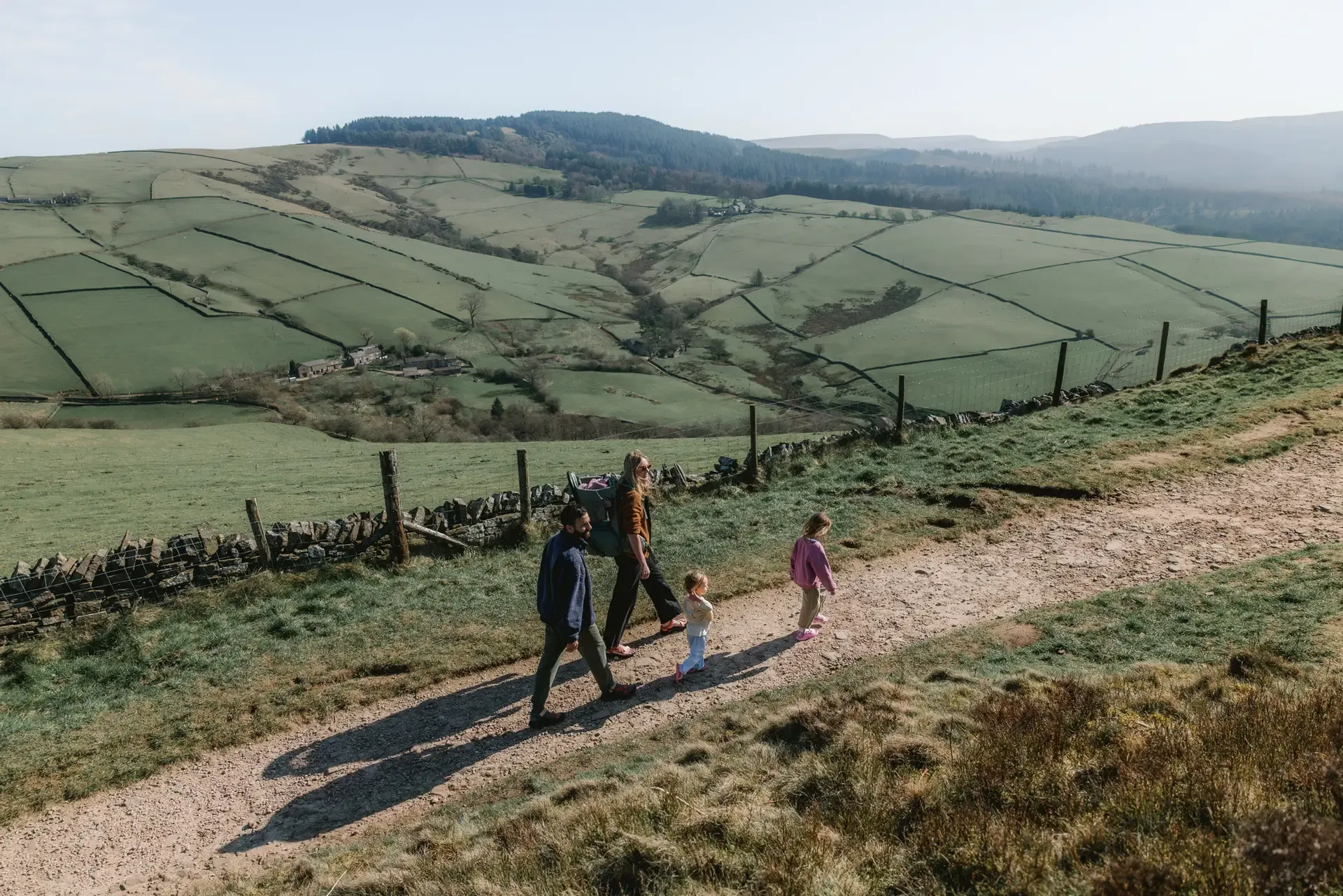
Family friendly UK trails for little explorers
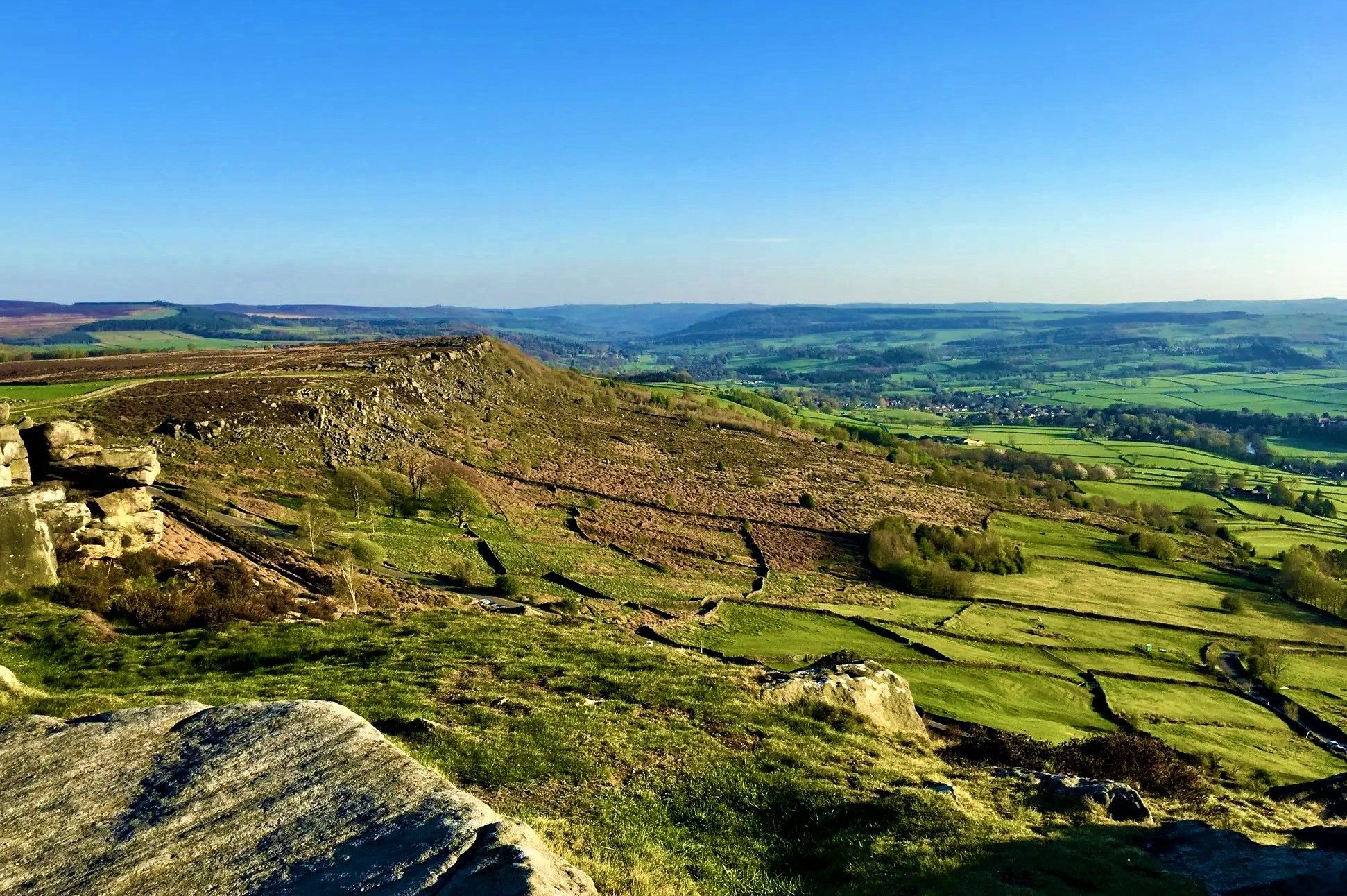
Mythical adventures and magical beauty – Peak District hikes
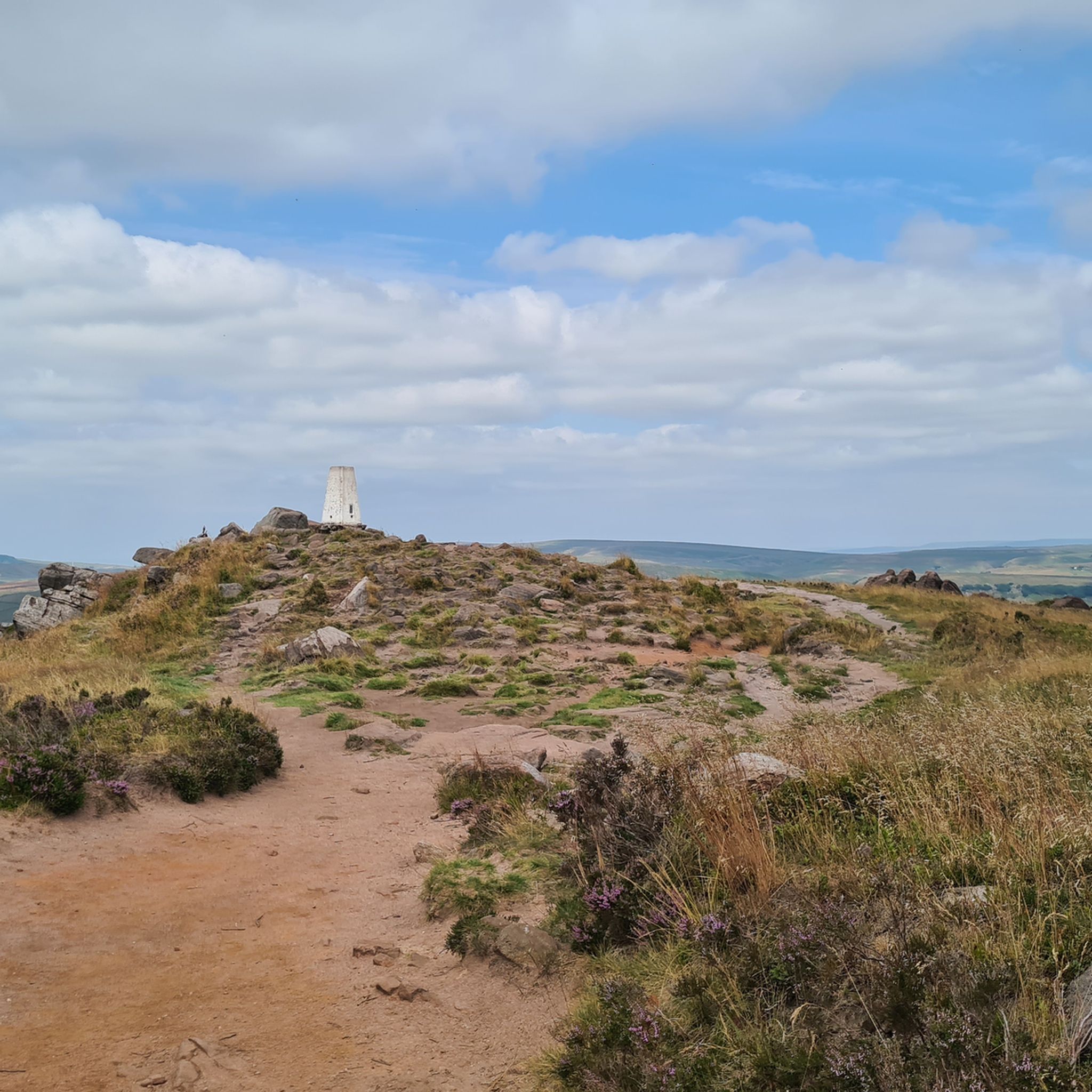
Hiking around Staffordshire Moorlands
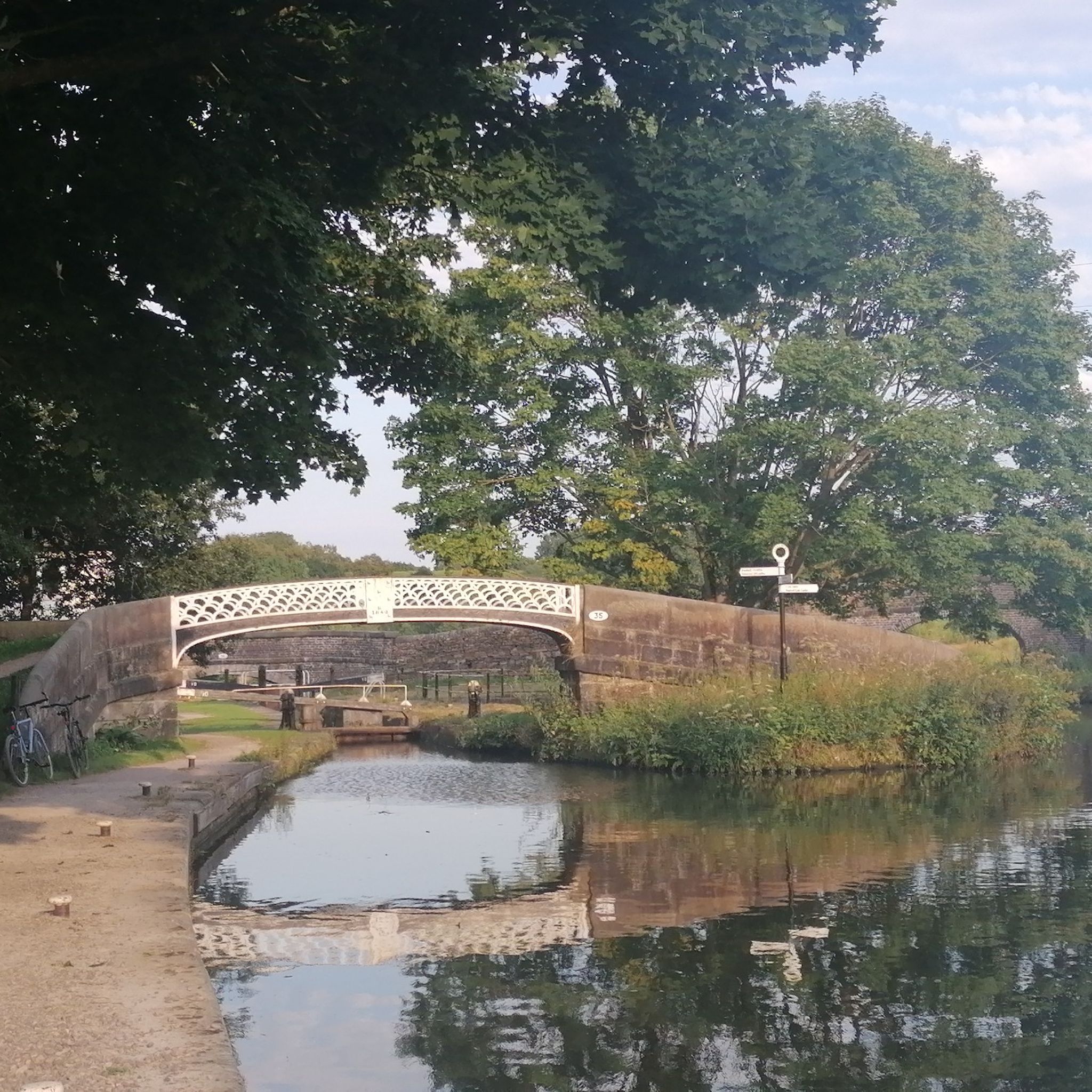
Cycling around Staffordshire Moorlands
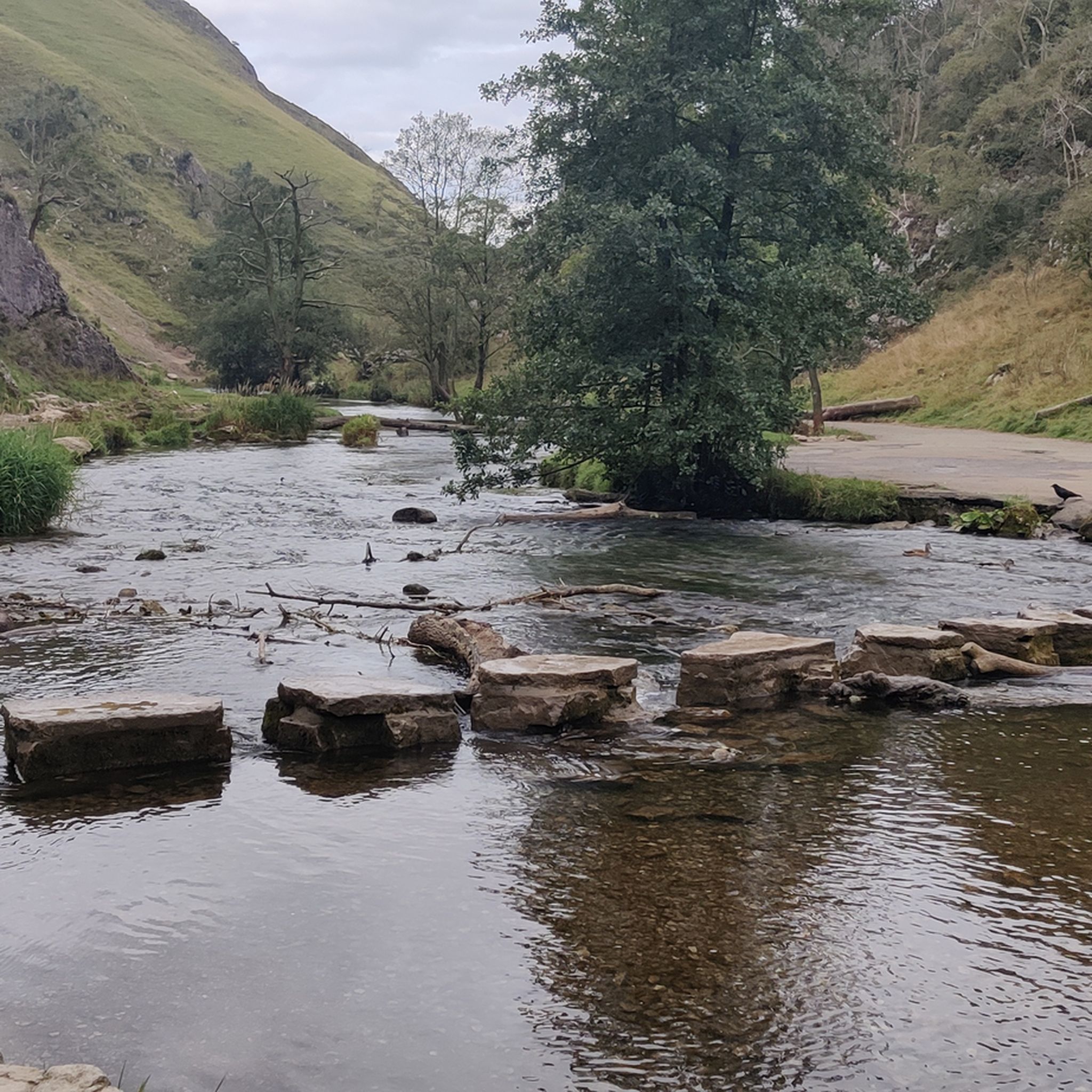
Running Trails around Staffordshire Moorlands
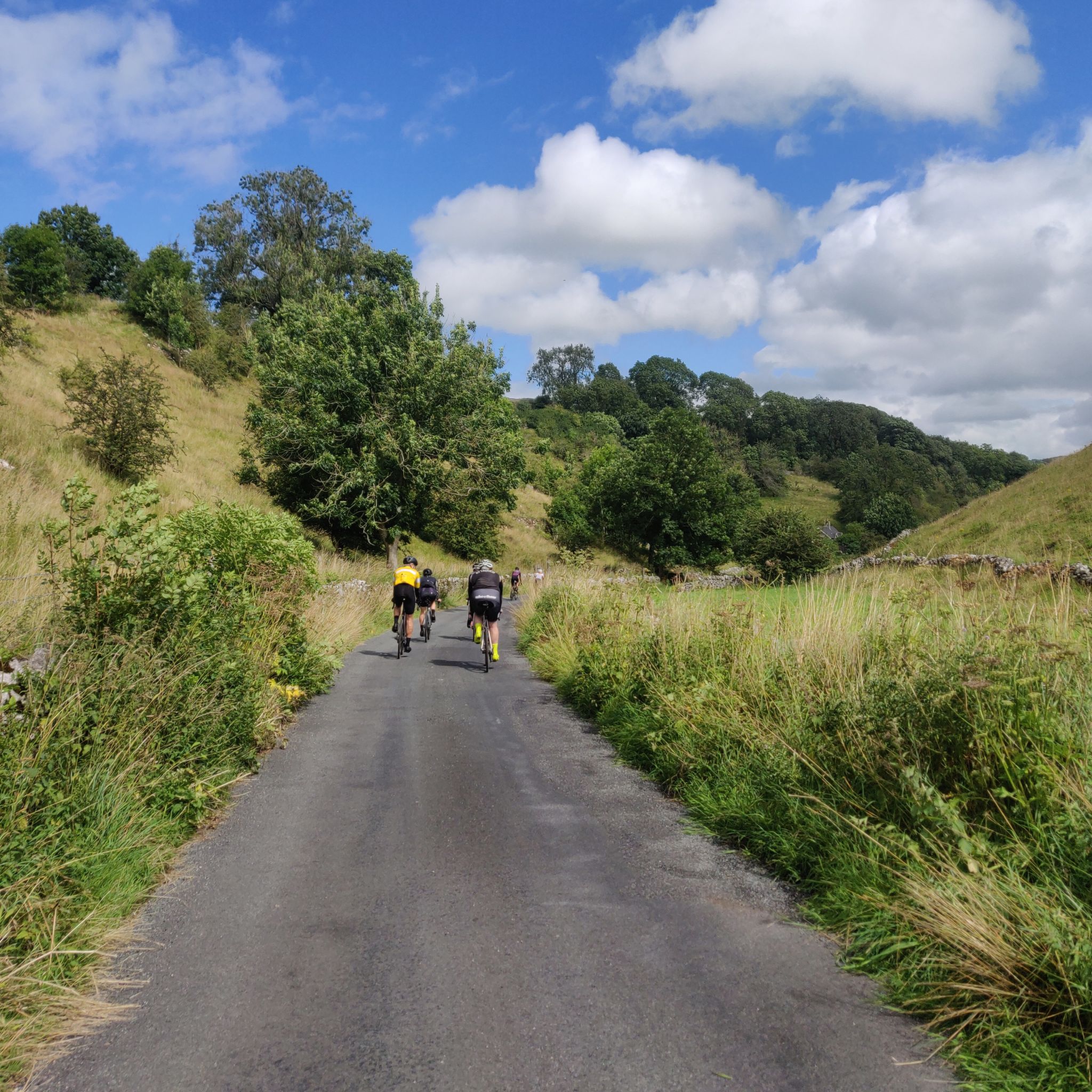
Road Cycling Routes around Staffordshire Moorlands
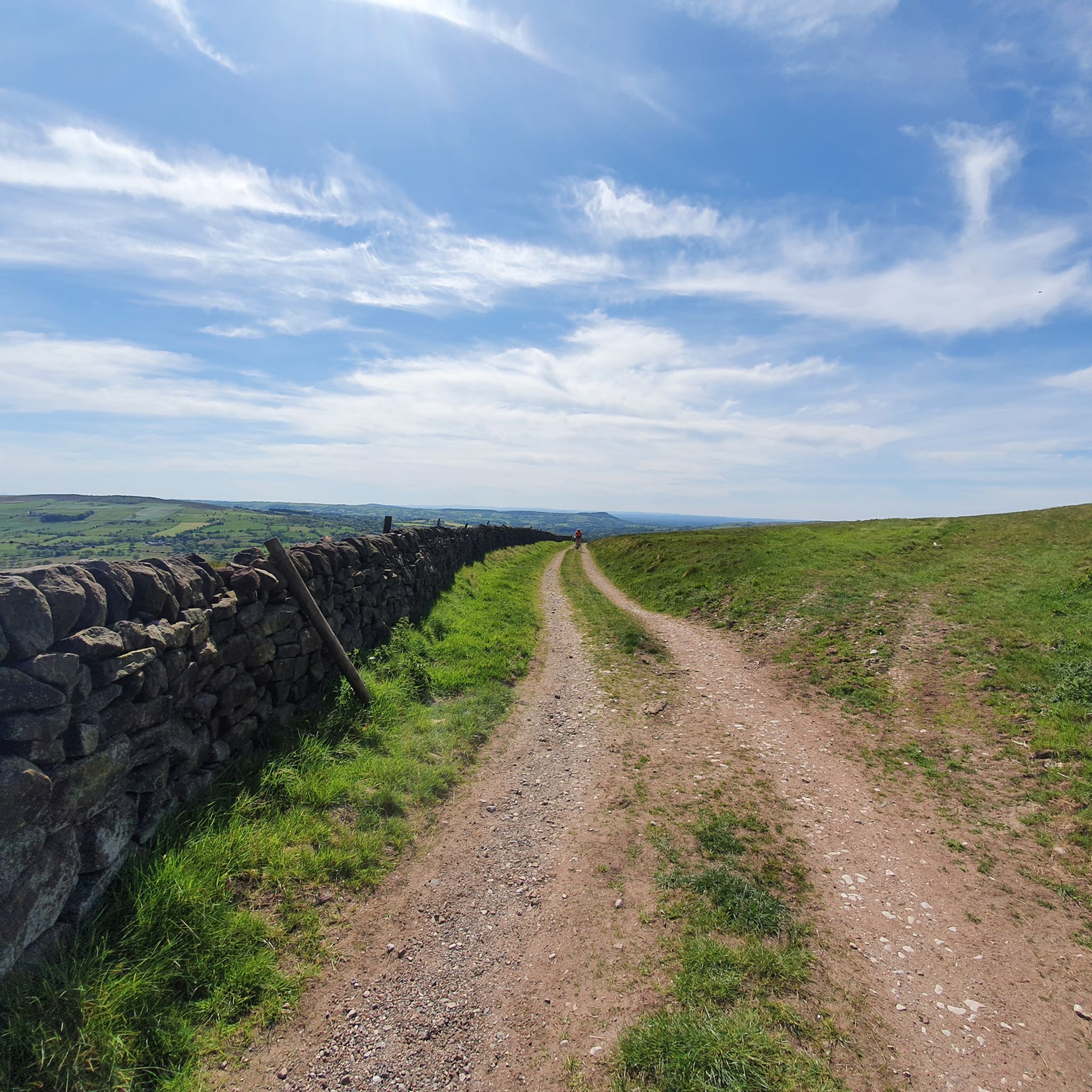
MTB Trails around Staffordshire Moorlands
Gravel biking around Staffordshire Moorlands
Other adventures around Staffordshire Moorlands


Tips from the Community

Ratcliffe’s Folly, or Ecton Castle, Ecton, Staffordshire – The Folly Flâneuse https://share.google/hVCl639PUpEA4cRMY
0
0

An alternative suggestion is that it was built by Robert de Ferrers or his father, around the period known as The Anarchy for, while the de Ferrers supported Stephen of England, the neighbouring Earl of Chester supported Empress Matilda. The castle itself includes a motte and two bailey enclosures, approximately 40 metres and 45 metres across respectively. It had timber defences, ditches and additional flanking earthworks. The castle appears to have been abandoned in subsequent years, and it may be that it was destroyed after William de Ferrers' part in the Revolt of 1173–74, or it might have become abandoned when the land passed to the Duchy of Lancaster after the sixth Earl was dispossessed. Alternatively, it may simply have become redundant as nearby Hartington grew in importance and the village of Pilsbury became increasingly depopulated.
0
0
Pilsbury Castle occupied an area of high ground approximately 175 by 150 yards overlooking the River Dove, near the village of Pilsbury. The castle was probably originally an Iron Age fortification before being used by the Normans, and the name "Pilsbury Castle" forms from the Celtic pil, the Saxon bury and the Norman castel, all meaning "fortified site". In early medieval times, the site would have been located along the River Dove routeway, and would also have overlooked a key crossing point. The Normans built a substantial motte-and-bailey castle on the site, and several theories have been put forward as to when and who did so. One theory is that the castle was built in the years following the Norman conquest of England. The area around Pilsbury was granted to Henry de Ferrers by King William; the area was devastated during the harrying of the North, and the castle may have been built in the aftermath by Henry to establish control.
0
0

Great views at the top of the hill, can get muddy and does have a few gates
1
0

Superb views up the valley, plus the fantastic ruins of Pillsbury castle. When we visited it was guarded by a cat who wouldn't let us pass until we'd fussed her plenty
0
0

lovely track, it was muddy when we rode it where we lost traction and ended up walking. Lovely views but very sticky mud!!!
1
0

Designed for the 16th Earl of Shrewsbury by AW Pugin, a leading exponent in gothic revivalism, Alton Castle is a romantic sight above the village of the same name. Work began in 1847 on the site of a much older Saxon castle. It is a Grade I-listed building and today operates as a Catholic Young Retreat centre, welcoming thousands of children through its doors every year.
0
0

This is a bridleway, but it's narrow and rocky in places. You'll probably need a mountain bike for this section.
3
0
Frequently Asked Questions
What types of castles and historical sites can I explore in the Staffordshire Moorlands?
The Staffordshire Moorlands offers a mix of historic sites, from genuine medieval castle ruins to picturesque follies and grand stately homes with castle-like features. You can find sites like the remains of a Norman motte-and-bailey at Pilsbury Castle, the impressive 19th-century Alton Castle built on older foundations, and the charming Warden's Tower (sometimes called Knypersley Castle). The region also features unique follies such as Mow Cop Castle, designed to look like a ruin, and Ratcliffe’s Folly, also known as Ecton Castle.
Are there any castles with unique architectural features or historical significance?
Absolutely. Caverswall Castle, though privately owned, is a Grade I listed building with a functioning moat and a blend of 13th-century foundations and 17th-century castellar style. Alton Castle, designed by AW Pugin, is a significant example of Gothic Revivalism. For a different historical perspective, the estate of Alton Towers has roots in ancient forts and a stately home that dates back to the Earls of Shrewsbury.
Which castles offer the best panoramic views?
For breathtaking vistas, Mow Cop Castle is an excellent choice. Perched atop a rocky ridge, it offers jaw-dropping panoramic views of the Staffordshire Moorlands and the Cheshire Plain. Similarly, Pilsbury Castle provides panoramic views of the Dove Valley from its elevated position.
Are there family-friendly castles or historical sites to visit?
While many sites are historical ruins, the broader Alton Towers estate offers a unique blend of history and modern entertainment. You can explore the Grade I listed gardens and the historic 'Towers' themselves, which provide a glimpse into the opulent lifestyle of its former aristocratic owners, alongside the theme park attractions. Alton Castle also operates as a Catholic Young Retreat centre, welcoming thousands of children annually.
What outdoor activities can I do near these castles?
The Staffordshire Moorlands is ideal for outdoor enthusiasts. Many castles are situated near excellent hiking and cycling routes. For instance, you can find various dog-friendly hikes, road cycling routes, and hikes from bus stations throughout the region. Some routes, like the Technical Bridleway in Peak District National Park, even pass by areas with castle views.
Are there good hiking trails around the castles?
Yes, many of the castle sites are integrated into or near popular walking routes. For example, a great view of Alton Castle can be had from along the old Churnet railway line. The area around Mow Cop Castle is also popular for walks, offering scenic views from its hilltop location. You can find numerous hiking guides for the Staffordshire Moorlands that include routes near historical sites.
What is the best time of year to visit the castles in Staffordshire Moorlands?
While specific opening times vary, visiting during spring and autumn generally offers pleasant weather for exploring the outdoor ruins and enjoying the scenic views without the peak summer crowds. The changing foliage in autumn can be particularly picturesque around sites like Mow Cop Castle. Always check individual site access before planning your trip.
Are there any hidden gem castles or lesser-known historical sites?
Beyond the more prominent sites, you might enjoy discovering Ratcliffe’s Folly, also known as Ecton Castle, which offers a unique historical curiosity. While not a castle, Croxden Abbey is a magnificent ruined Cistercian monastery that provides a poignant and impressive example of medieval architecture in a tranquil setting, often less crowded than other attractions.
What do visitors enjoy most about the castles and historical sites in Staffordshire Moorlands?
Visitors frequently appreciate the historical depth and the stunning natural surroundings. The panoramic views from sites like Mow Cop Castle are often highlighted. The blend of ancient ruins, architectural follies, and the opportunity to combine history with outdoor activities like hiking and cycling makes the region particularly appealing.
Is there parking available near these castle sites?
Parking availability varies by site. For popular locations like Mow Cop Castle, there is often roadside parking or small car parks nearby. For more remote ruins like Pilsbury Castle, parking might be more limited, requiring a short walk from a nearby village or designated area. It's advisable to check specific access details for each site before your visit.
How long should I allocate to visit these castles?
The time needed depends on the site. For ruins like Pilsbury Castle or follies such as Mow Cop Castle, you might spend 1-2 hours exploring the site and enjoying the views, especially if combined with a short walk. Larger estates or those with more extensive ruins, like the historical grounds of Alton Towers or Croxden Abbey, could easily fill half a day or more.
Most popular routes around Staffordshire Moorlands
Most popular attractions around Staffordshire Moorlands

Get inspired with the komoot mobile app


Didn’t find what you were looking for?
Explore Staffordshire Moorlands’s best castles region by region:
