Top 20 Natural Monuments around Zirndorf
Best natural monuments around Zirndorf are found within a landscape characterized by valleys, forests, and rivers. Zirndorf is situated near the Franconian landscape of Bavaria, offering natural areas for outdoor activities. The region includes the Biberttal, known for its cliffs and streams, and extensive forest areas like the Lorenzer Reichswald. These features provide diverse natural settings for exploration.
Best natural monuments around Zirndorf
- The most popular natural monuments is Wöhrder Lake, a lake that serves as a local recreation…
Last updated: September 28, 2026
Wöhrder Lake
Highlight • Lake
Translated by Google •
Tip by

Nuremberg Main Market
Highlight • Settlement
Translated by Google •
Tip by
Sign up now to discover places like this
Get recommendations on the best single tracks, peaks, & plenty of other exciting outdoor places.
Beautiful Fountain
Highlight • Monument
Translated by Google •
Tip by

Confluence of the Rednitz and Pegnitz (the Spitz)
Highlight • River
Translated by Google •
Tip by

Hainberg nature reserve
Highlight • Forest
Translated by Google •
Tip by

Sign up for free to discover even more natural monuments around Zirndorf.
Already have an account?
Start today with a free account
Your next adventure awaits.
Popular around Zirndorf
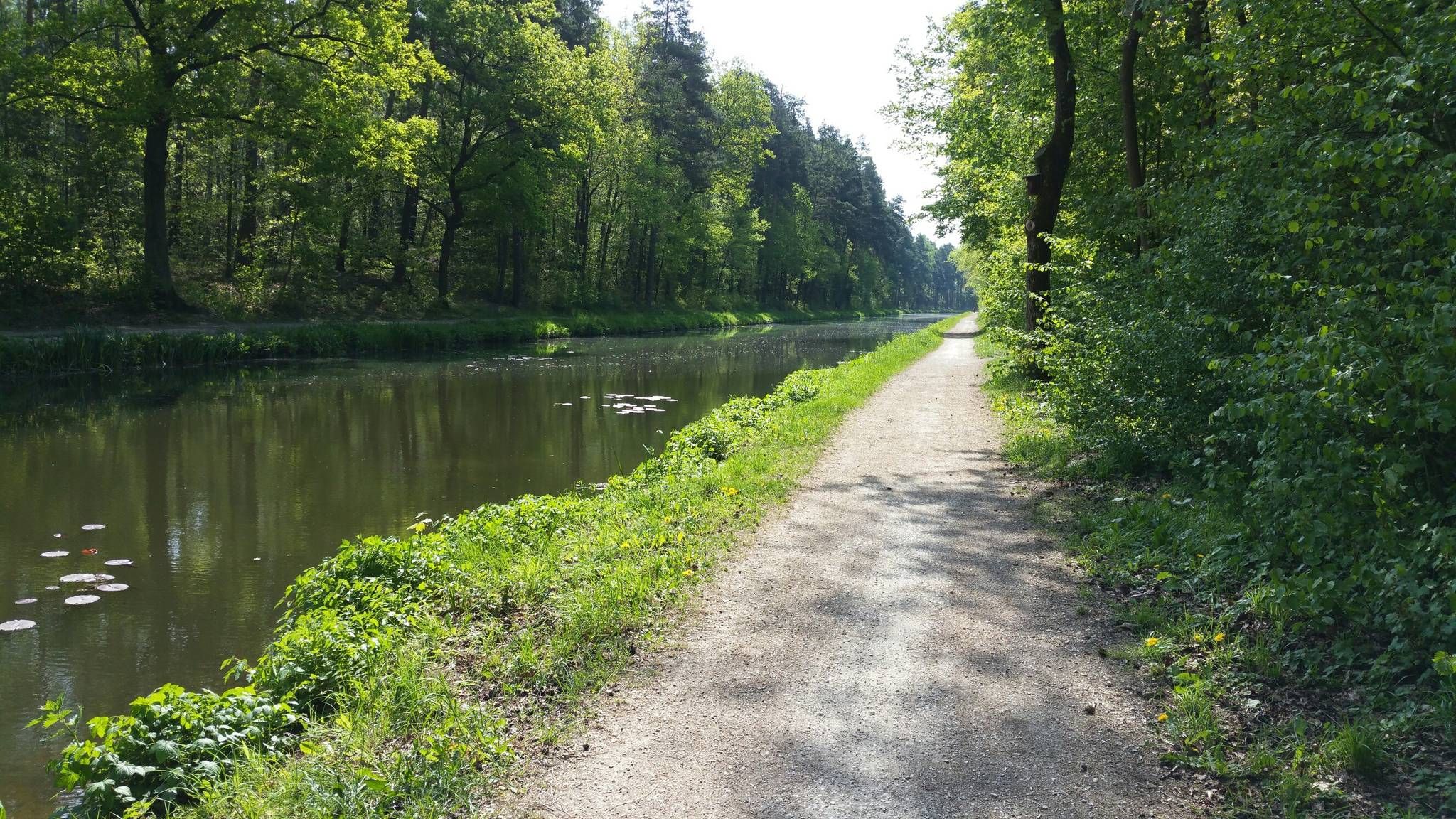
Culture & nature around Nuremberg – discovering Franconia by bike
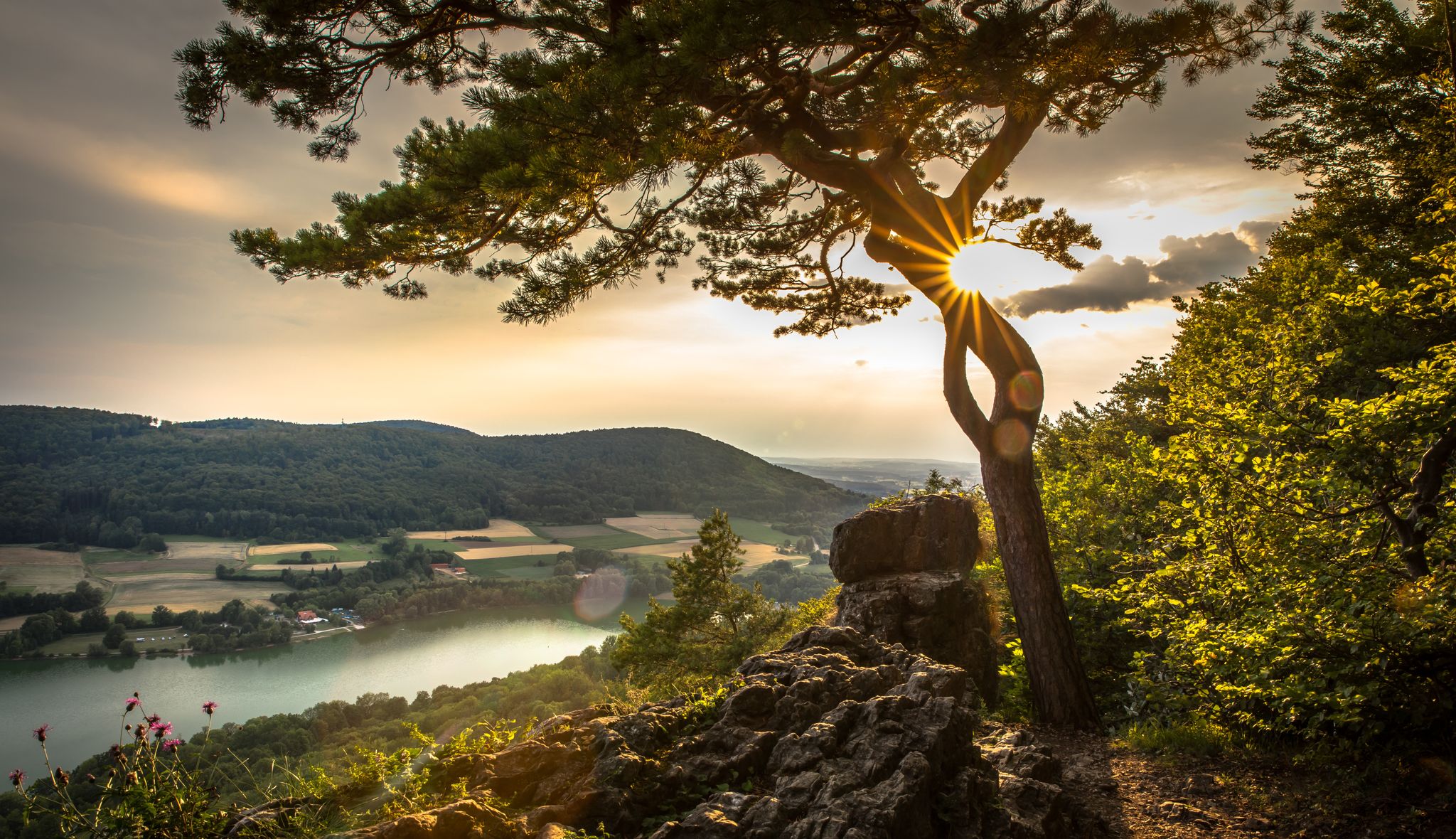
Start the adventure – your VGN summer train
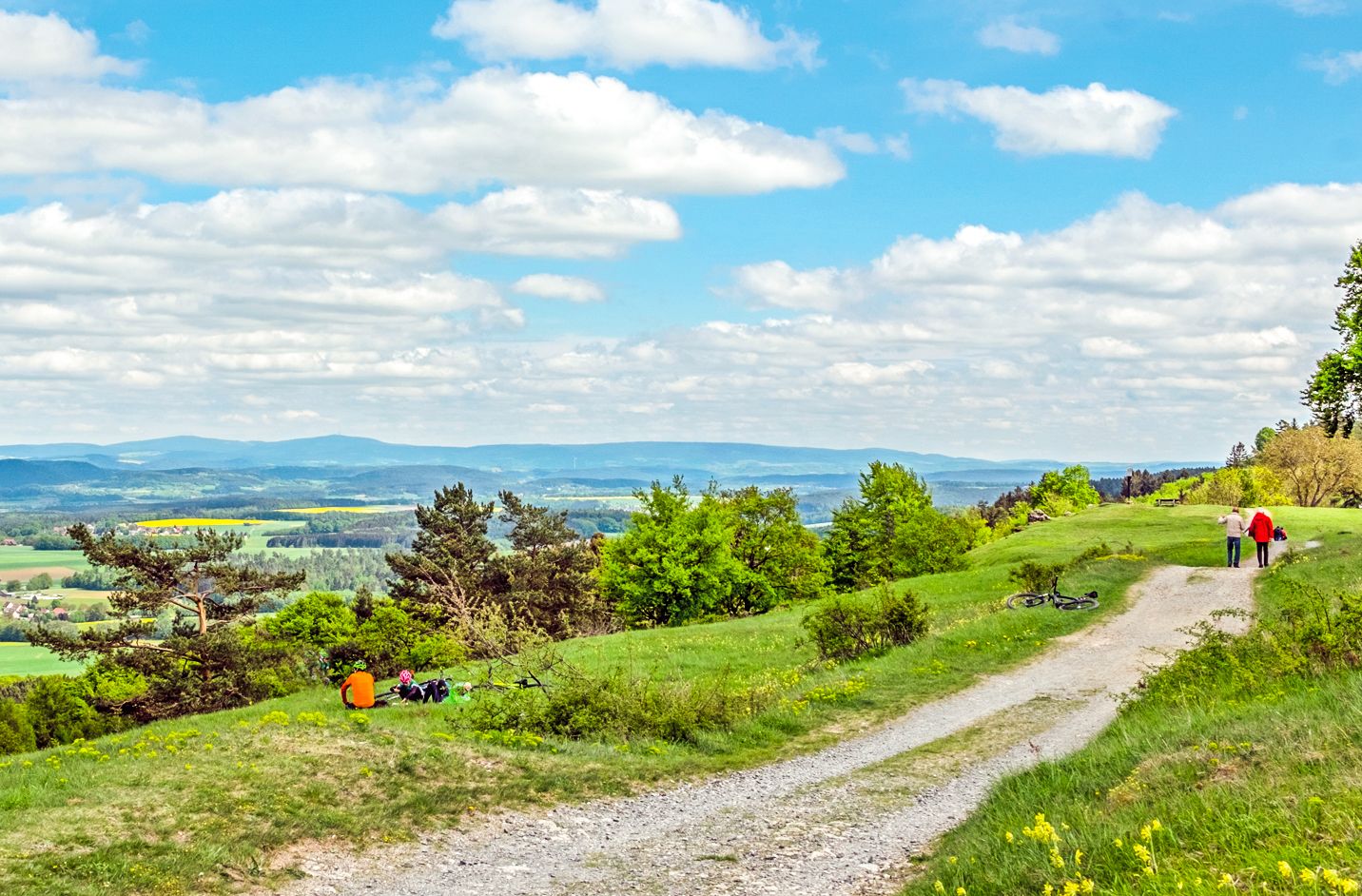
Ponds, woods and hills – the VGN recreational activities
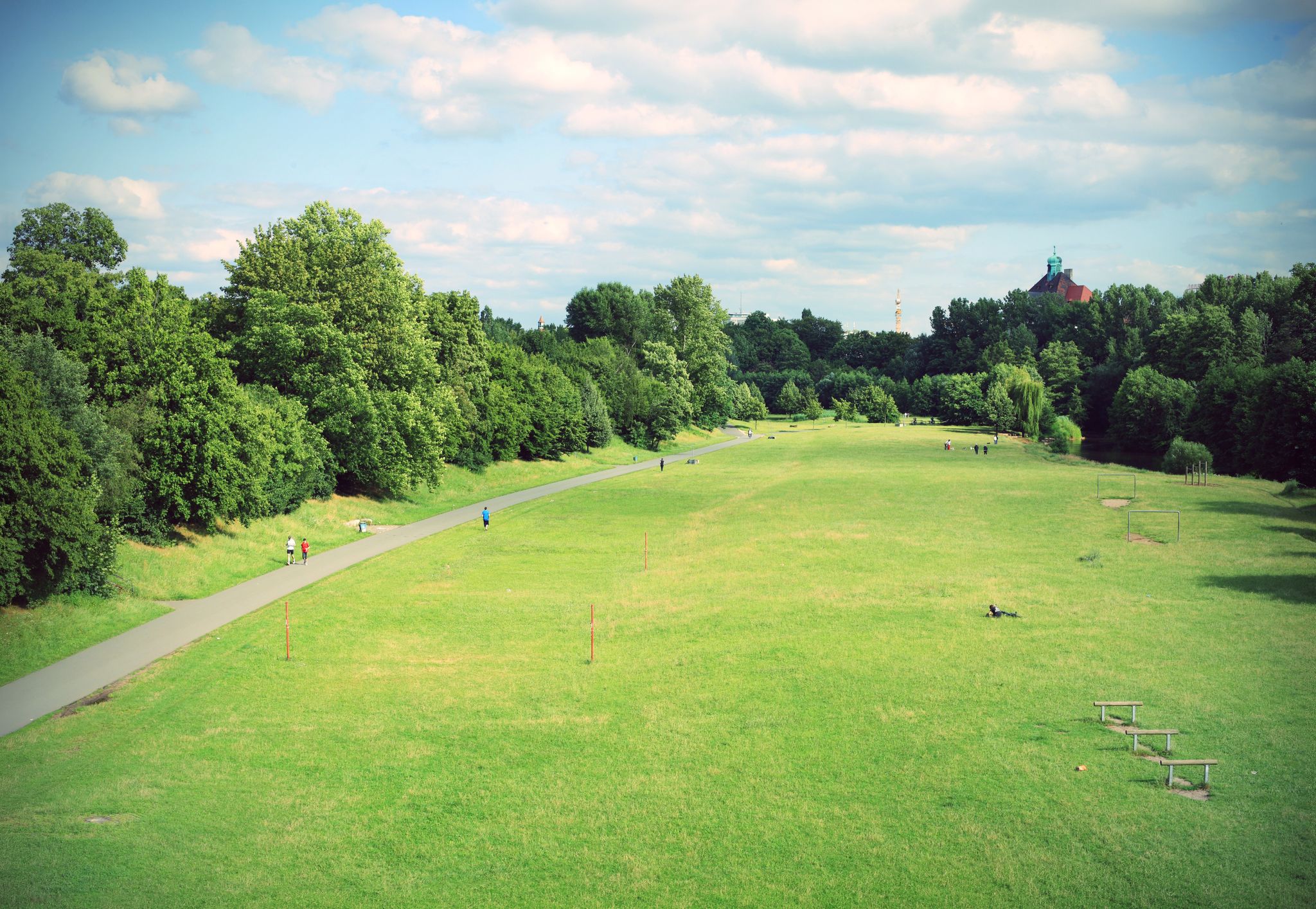
Einfach durch Nürnberg, Erlangen und Fürth
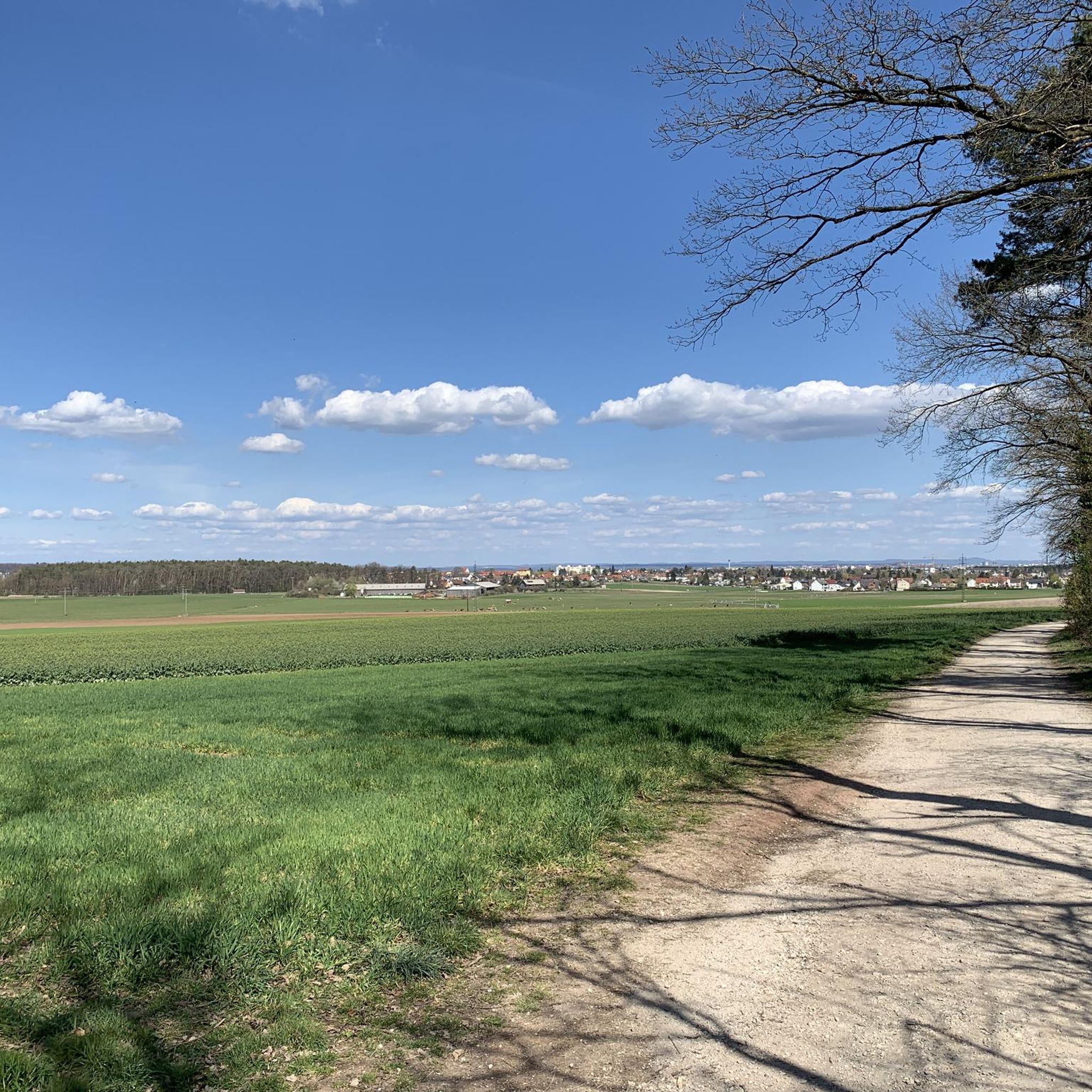
Cycling around Zirndorf
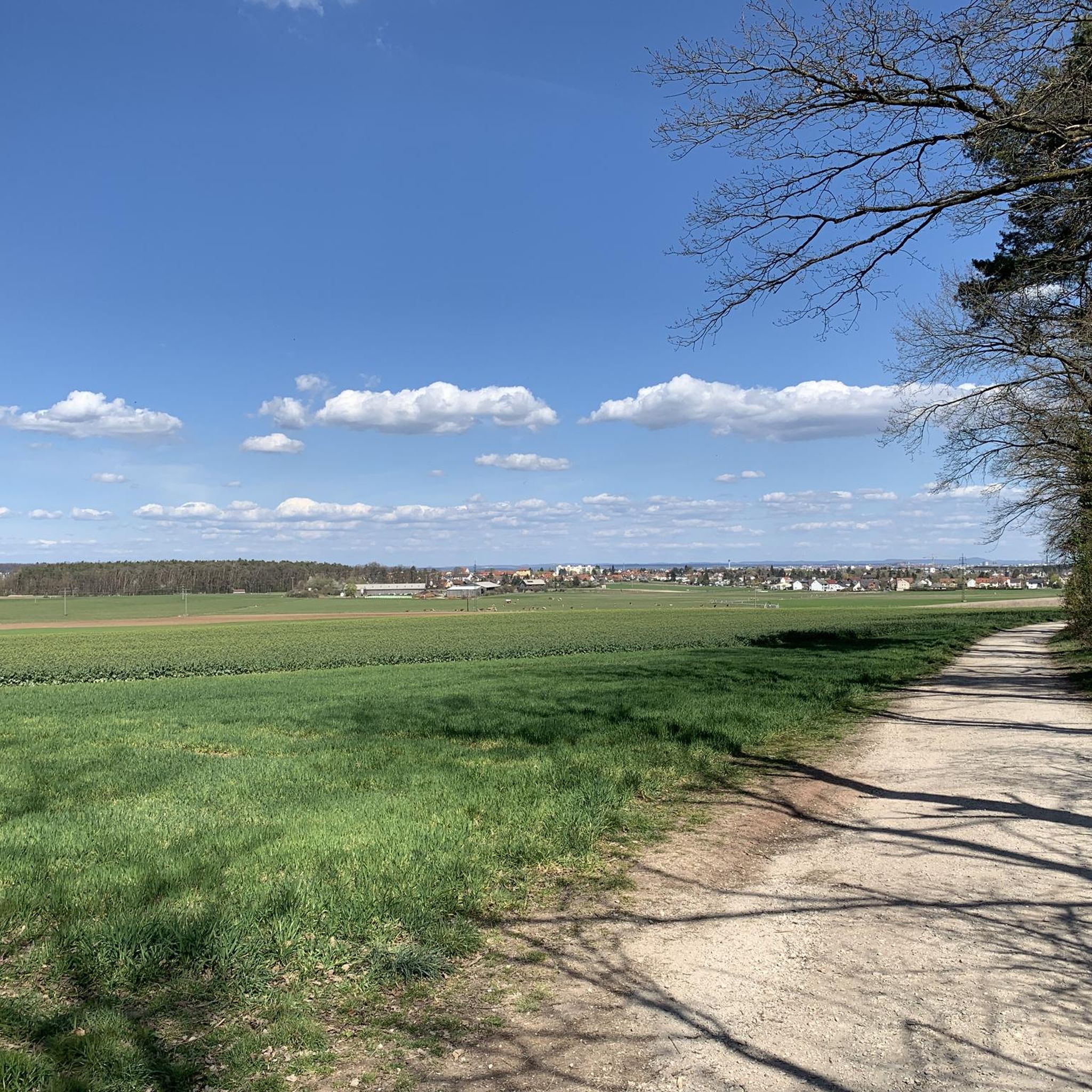
Hiking around Zirndorf
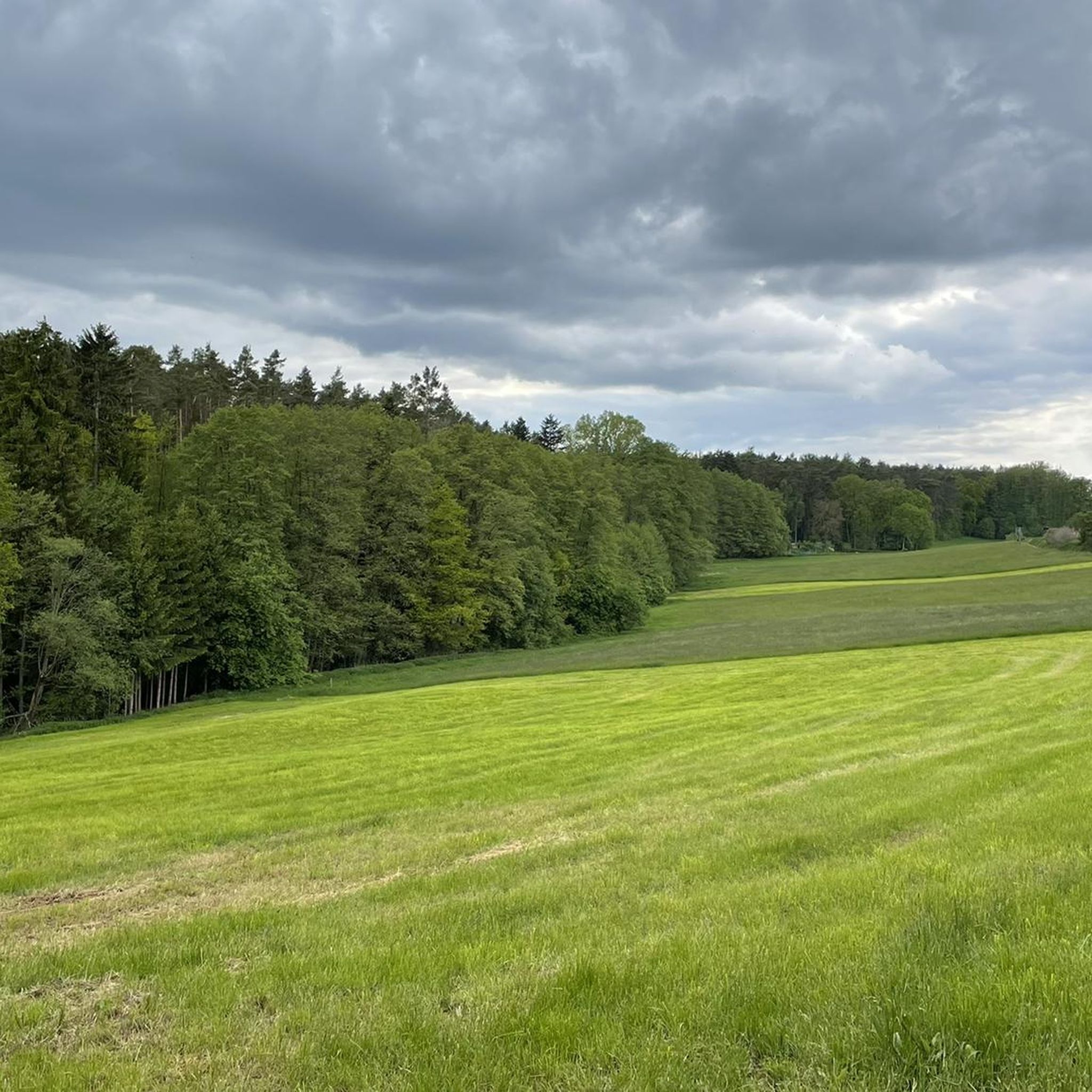
Road Cycling Routes around Zirndorf
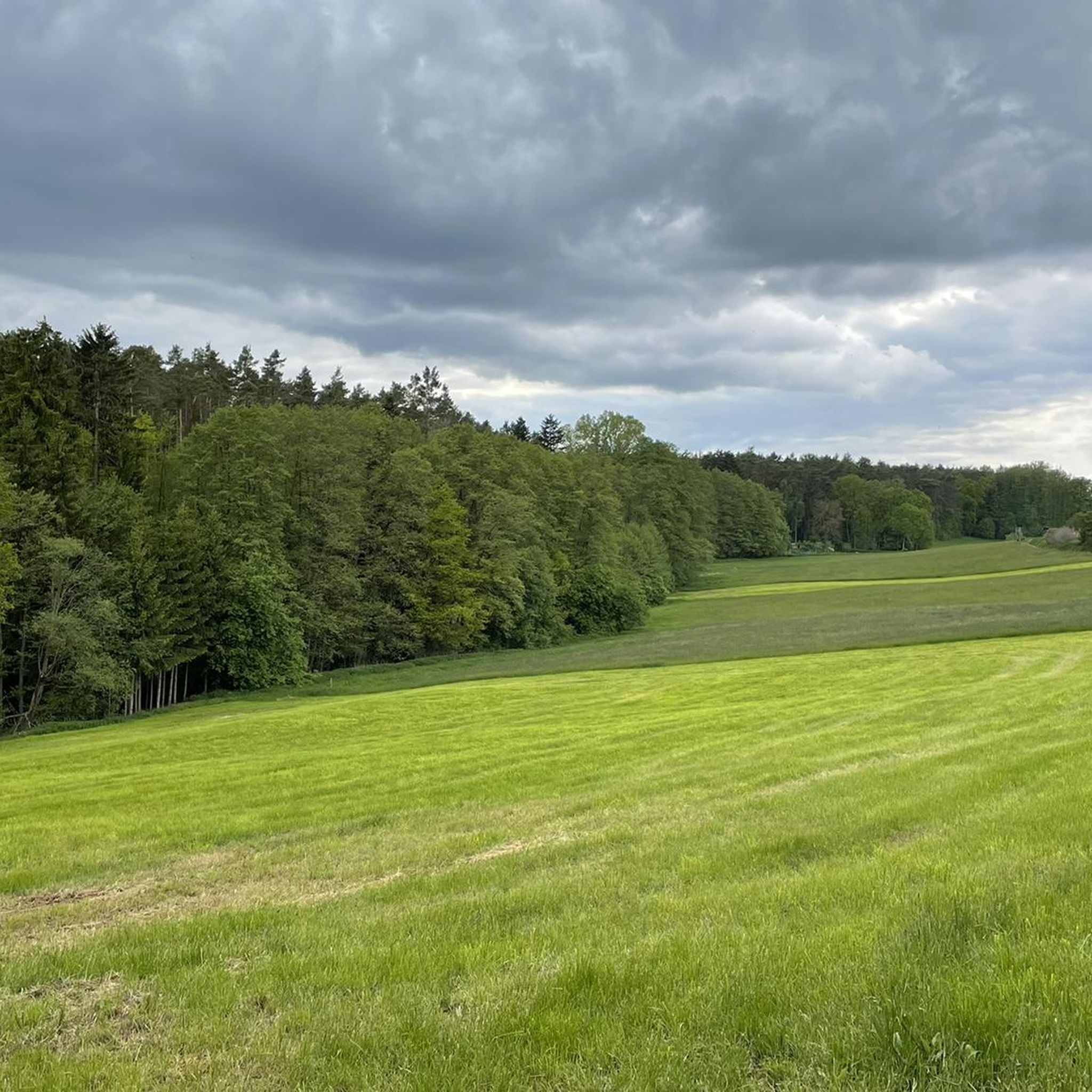
Running Trails around Zirndorf
MTB Trails around Zirndorf

Gravel biking around Zirndorf
Other adventures around Zirndorf


Tips from the Community

Wöhrder See, Nuremberg Wöhrder See, the youngest of Nuremberg's waterways, is a popular local recreation area in the heart of the city, providing a natural habitat for endangered species. It is not a natural lake, but was created by damming the Pegnitz River, which flows through it. The idea for an inner-city lake existed as early as the 1930s. The project was approved for implementation in October 1959. In addition to the City of Nuremberg, the State Water Management Authority and the Middle Franconia District were involved in the planning and construction. Recreational concerns were not the only priority in the design. The lake is also part of the extensive flood protection measures after the Second World War. Construction work began in 1968 with the Lower Wöhrder See and continued until 1972. The sand trap above the waterway was built between 1972 and 1975. The final construction phase of the Upper Wöhrder Lake was completed in 1981. Text / Source: Nürnberg Infos.de / Nürnberger Nachrichten https://nuernberginfos.de/gewaesser-nuernberg/woehrder-see.php
16
0

From here on, the Rednitz, after it has now absorbed the Pegnitz, is called Regnitz. The point of land to Überplanken certainly has the advantage that you don't have to deal with mud or wild growth. The disadvantage is that the boards, despite the corrugations, quickly turn into a slide as soon as they get wet.
8
0

The main market is the central square of Nuremberg's old town. Unfortunately, the main market was badly damaged in World War II, and the only architecturally significant buildings left on the market square today are the Frauenkirche and the Schöne Brunnen. The weekly market takes place every weekday on the main market. The annual Nuremberg Christmas market is a particular attraction.
13
4
The beautiful fountain stands on the edge of Nuremberg's main market square. It is shaped like a Gothic church spire and is one of Nuremberg's main attractions and is also part of the Historical Mile. Legend has it that whoever turns the golden ring on the fountain's grille will have three wishes granted. There is another black ring on the opposite side of the fountain. Some people claim that this is the real lucky ring and that the "golden" one is the tourist ring... Just try it out! 😉
21
4

The myth of the brass ring, which is seamlessly forged into the iron grate, also has a legend. It is said to have got in like this: Master Kuhn, who built the grate around the well, had a daughter called Margret, who was courted by his apprentice. But because he did not want to give his child to a poor boy, he forbade this courtship and threw him out. It is said to have said something like: "It will come to nothing! It will come to nothing, just as you can make the rings on the well grate turn!" The master then went away and the apprentice wanted to prove that he could do something and secretly made the ring. Then he cut it open, inserted it into the grate, soldered, hammered and filed until you could no longer see the seam. Then he left town and never came back. When the master returned home, he realized that he had been too strict. He regretted being thrown out and would have liked to have the clever apprentice back and given him his daughter too, but it was too late and Margret cried her eyes out. One of the rings is considered a lucky charm; according to legend, whoever turns it will be blessed with children. The brass ring is usually thought to be the lucky charm, but many Nuremberg residents believe that the iron ring is the "real ring" and therefore the lucky charm. According to another legend, the sculpture of the fountain was actually commissioned as the top of the tower of the Frauenkirche (also on the main market), but this was rejected due to the lack of a way to lift it.
14
3

The weekly market also takes place on the main market. It is open from Monday to Saturday, with core sales times from 9 a.m. to 6 p.m. Around 40 traders offer their fresh products at stalls. In addition to fruit and vegetables, these include flowers, delicatessen specialties and cheese, eggs and poultry, honey, spices, coffee and smoothies. The culinary offering ranges from Nuremberg grilled sausages to oriental dishes, sushi and Baumstriezel.
18
6
Master Kuhn, who built the gate around the fountain, had a daughter called Margret, who was courted by his apprentice. But because he did not want to give his child to a poor boy, he forbade this courtship and threw him out. The apprentice is said to have said: "It will be as little use as you can make the rings on the fountain gate turn!" The master went away on a trip and the apprentice wanted to prove that he could do something and secretly made the ring. Then he cut it open, inserted it into the gate, soldered, hammered and filed until the seam was no longer visible. He then left the city and never returned. When the master returned home, he regretted being thrown out and would have liked to have the clever apprentice back and give him his daughter too. The brass ring is usually considered to be the lucky charm, but many Nuremberg residents believe that the iron ring is the "real ring" and therefore the lucky charm.
28
6

A walk around the lake can be a lovely family walk. A total of 6.5 km with no elevation gain and a lovely, varied route.
19
0
Frequently Asked Questions
What are some of the most popular natural monuments around Zirndorf?
Visitors frequently enjoy the Wöhrder Lake, which is a local recreation area perfect for a leisurely 6.5 km walk. Another highly rated spot is the Hainberg Nature Reserve, known for northern Bavaria's largest contiguous sandy dry grassland. The Confluence of the Rednitz and Pegnitz (the Spitz) is also a beloved idyllic spot where two rivers meet to form the Regnitz.
Are there family-friendly natural monuments in the Zirndorf area?
Yes, several natural monuments are great for families. The Wöhrder Lake offers an easy, flat 6.5 km walk suitable for all ages. The Hainberg Nature Reserve also features accessible paths through its diverse landscape. Additionally, the Fürther Stadtwald, near Zirndorf, has a Wald-Wild-Erlebnispfad (Forest-Wildlife Experience Trail) with interactive elements, a Wild Boar Enclosure, and a Red Deer Enclosure, making it a fun and educational outing for children.
What kind of natural features can I expect to see around Zirndorf?
The region around Zirndorf offers a variety of natural features. You'll find picturesque river valleys like the Biberttal with its steep cliffs and wooded slopes, and the unique Confluence of the Rednitz and Pegnitz. There are also extensive forest areas such as the Lorenzer Reichswald and Fürther Stadtwald, which provide lush woodlands. The Hainberg Nature Reserve showcases sandy dry grasslands and a pear-shaped pond formed by the Kreuzbach stream.
What outdoor activities can I do near these natural monuments?
The natural monuments around Zirndorf are perfect for various outdoor activities. You can enjoy easy hikes, such as those found in the Easy hikes around Zirndorf guide, or explore the region by gravel bike with routes like those in the Gravel biking around Zirndorf guide. For more adventurous cyclists, there are also dedicated MTB Trails around Zirndorf. The Biberttalradweg is also a popular cycling path through the scenic Bibert Valley.
When is the best time to visit the natural monuments in Zirndorf?
The natural monuments around Zirndorf offer beauty throughout the year. Spring is ideal for witnessing nature in full bloom, especially in the Biberttal. Autumn provides vibrant fall foliage, making it a picturesque time for walks and cycling. Summer is great for enjoying the recreational areas like Wöhrder Lake, while winter offers tranquil, crisp walks, though some paths might be less accessible depending on snow conditions.
Are there any specific trails or paths for hiking near the Bibertinsel?
The Bibertinsel, explicitly referred to as a natural monument, is part of the Biberttal. This area features a popular hiking trail and the Biberttalradweg cycling path, allowing visitors to explore the serene surroundings. The Bibertinsel itself has been redeveloped into a publicly accessible nature experience space, offering paths to enjoy its unique location between the Bibert River and the Mühlbach stream.
Can I find dog-friendly trails among Zirndorf's natural monuments?
Many of the natural areas around Zirndorf, including the extensive forest areas like the Lorenzer Reichswald and Fürther Stadtwald, offer dog-friendly trails. The 6.5 km walk around Wöhrder Lake is also a popular choice for dog owners. Always remember to keep your dog on a leash where required and clean up after them to preserve the natural environment for everyone.
What is the Wald-Wild-Erlebnispfad and what features does it offer?
The Wald-Wild-Erlebnispfad (Forest-Wildlife Experience Trail) is an approximately one-kilometer-long educational trail located in the Fürther Stadtwald. It leads visitors from Felsenkeller to the Red Deer Enclosure, offering insights into red deer, wild bees, and bats. The trail is designed to be interactive, providing information, puzzles, and hands-on activities about the forest and its wildlife, making it an engaging experience for families.
Are there any natural monuments around Zirndorf that are wheelchair accessible?
While many natural paths can be uneven, some areas offer better accessibility. The Wöhrder Lake features a relatively flat 6.5 km path that is generally considered accessible. For specific details on wheelchair accessibility for other natural monuments, it's advisable to check local tourism information or contact the Zirndorf tourism office directly.
What are the parking and public transport options for visiting the Bibertinsel?
The Bibertinsel is located within the Biberttal, which is accessible from Zirndorf. For specific parking information, it's best to consult local maps or the Zirndorf tourism website. Public transport options to the general Zirndorf area are available, and local bus services may connect to points near the Biberttal. For detailed public transport schedules, check regional transport providers.
Are there any unique geological features to observe in the natural monuments near Zirndorf?
The Biberttal is notable for its romantic valley character, featuring steep cliffs and wooded slopes, which are a result of geological processes. The Hainberg Nature Reserve, with its sandy dry grassland, represents a unique ecological and geological formation in northern Bavaria, influenced by ancient river systems and sand deposits. The confluence of the Rednitz and Pegnitz rivers also showcases the dynamic interaction of water and landscape.
What do visitors enjoy most about the natural monuments around Zirndorf?
Visitors particularly appreciate the diverse natural settings for relaxation and recreation. The tranquility of the Biberttal, the extensive walking and cycling opportunities, and the chance to observe wildlife in areas like the Fürther Stadtwald's enclosures are frequently highlighted. The easy accessibility and family-friendly nature of places like Wöhrder Lake also receive high praise, making it easy to enjoy nature without traveling far.
Most popular routes around Zirndorf
Most popular attractions around Zirndorf

Get inspired with the komoot mobile app


Explore more
Extend your search for the best caves by checking out these guides of the top ones around Zirndorf:
