Top 20 Natural Monuments around Wolfegg
Natural monuments around Wolfegg are characterized by a picturesque hilly landscape, shaped by glacial activity. The region features lush forests, tranquil lakes, and unique moorlands, offering diverse outdoor experiences. These natural features provide opportunities for exploring geological formations and observing local biodiversity. The area's terrain, influenced by pre-Alpine landscapes and ice-age drumlins, contributes to a variety of natural environments.
Best natural monuments around Wolfegg
- The most popular natural monuments is Rösslerweiher, a lake perfect for a leisurely stroll. This…
Last updated: August 18, 2026
Riedsee in the Wurzacher Ried
Highlight • Lake
Translated by Google •
Tip by

Rösslerweiher
Highlight • Lake
Translated by Google •
Tip by

Sign up now to discover places like this
Get recommendations on the best single tracks, peaks, & plenty of other exciting outdoor places.
Sign up for free
Tafel Pond
Highlight • Lake
Translated by Google •
Tip by

Riedsee in the Wurzacher Ried
Highlight • Lake
Showing Translation
Tip by

Weissenbronnen Waterfalls
Highlight • Waterfall
Translated by Google •
Tip by
Sign up for free to discover even more natural monuments around Wolfegg.
Sign up for free
Already have an account?
Start today with a free account
Your next adventure awaits.
Login or Signup


Tips from the Community

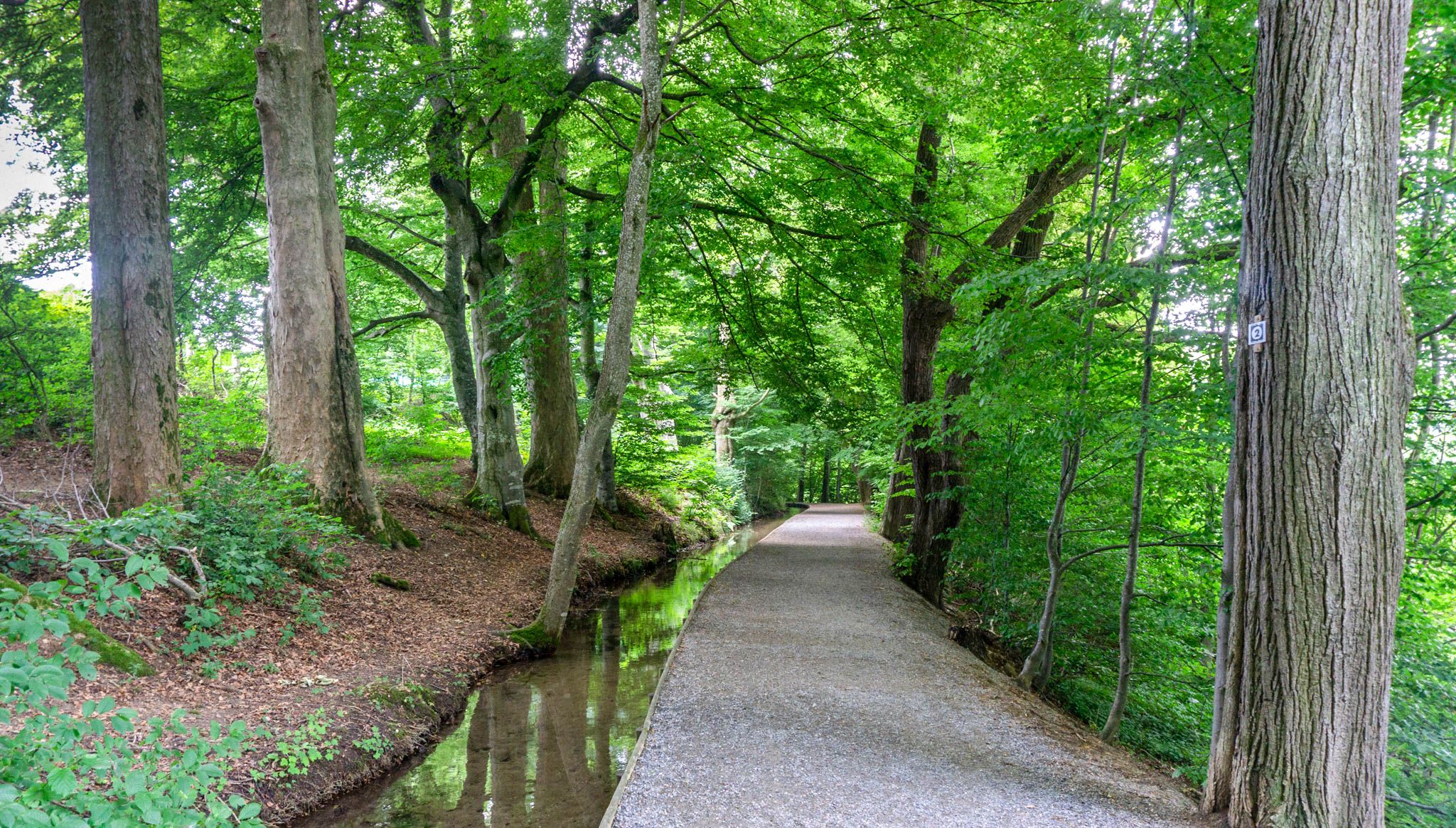
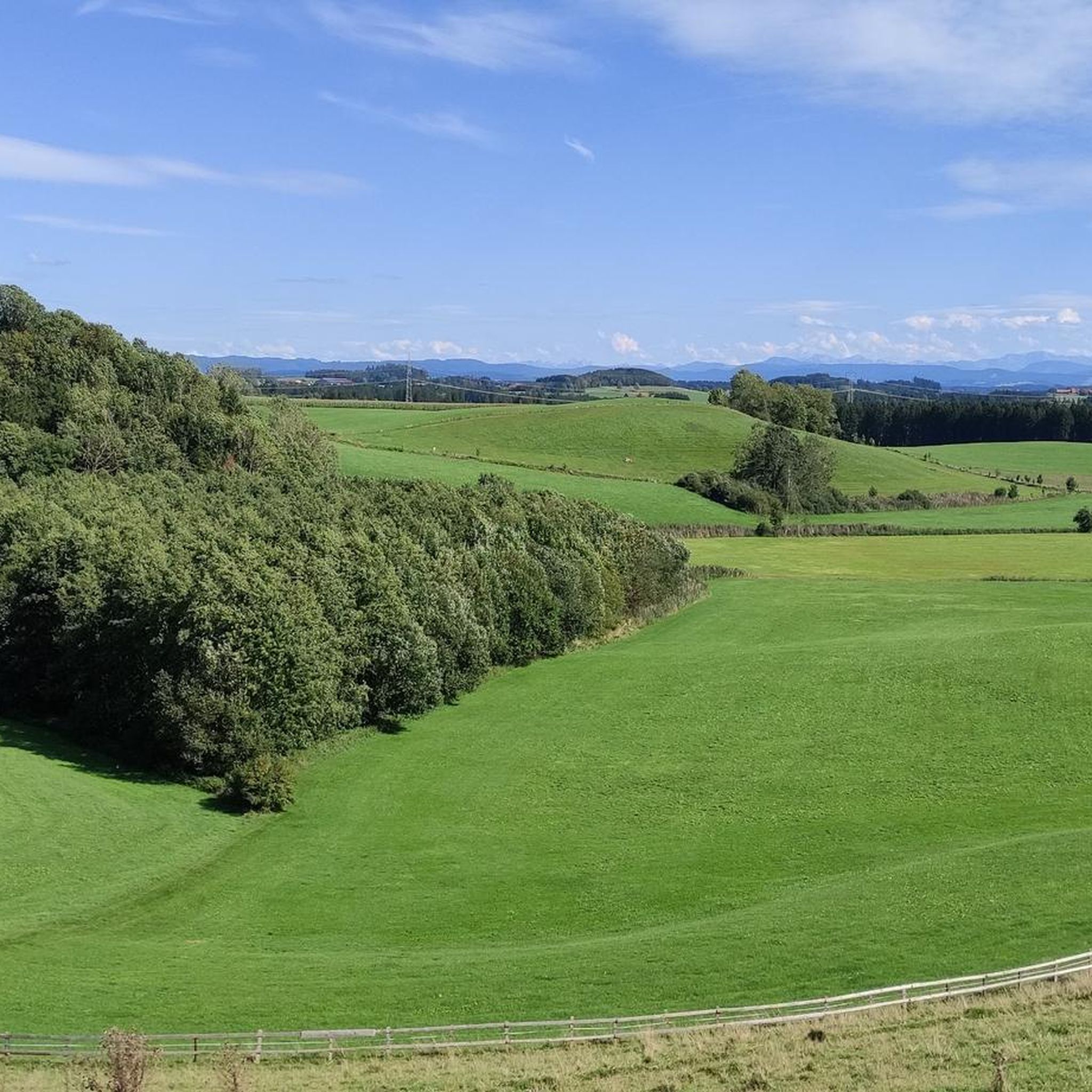
Wonderful photo opportunities at every corner ... the landscape here is beautiful
1
0

The Wurzacher Ried is one of the largest nature reserves and one of the most important moorland areas in southern Germany. The EU has awarded it a premium as a European bird sanctuary and FFH area ("Natura 2000"). The moorland is located north of the municipality of Bad Wurzach in Baden-Württemberg. The retreat of the glaciers of the "Riß" period and the following "Würm" period left behind a large lake basin, which gradually became a moorland landscape from around 10,000 BC. In the last 300 years or so, the moorland has been endangered by drainage and peat cutting. For some time now, renaturation and rewetting measures have been carried out to protect this ecological gem. The Wurzacher Ried is, however, predominantly a raised bog that continues to grow and is only wetted by rain. A fen thrives along the rivers and groundwater present in all peripheral areas. The largely untouched core area, which covers about a third of the moorland area, is the largest contiguous and still intact raised bog in Central Europe. Source: Wikipedia
5
1

The Wurzacher Ried is a unique, primeval landscape with a special magic. The enormous power of the Rhine glacier constantly formed the hill ranges of the Allgäu during the last three ice ages and carved out a deep tongue basin. Today, the Wurzacher Ried is the largest contiguous and still intact raised bog in Central Europe and one of the largest nature reserves in Baden-Württemberg. Why raised bog? The raised bog does not get its name because it is on a hill or in the mountains. The name refers to the formation of the bog: In the first step, a lowland bog forms in a depression, into which groundwater also flows. Dead plant parts gradually become an increasingly thick layer of peat and gradually the bog grows above the groundwater level - a raised bog is created. Source: https://www.bad-wurzach.de/tourismus/de/moor/naturschutzgebiet-wurzacher-ried
4
1

The Riedsee near Bad Wurzach has the largest body of water in the Wurzacher Ried at around 10 hectares. Visitors can take long walks along the boardwalks and root paths. Unfortunately, it is not possible to walk all the way around. However, there are numerous benches and viewing platforms that invite you to spend relaxing hours in perfect nature. Numerous animals and plants can be observed here, such as the rare grass snake, occasionally swimming or sunbathing. Source: https://www.oberschwaben-tourismus.de/attraktionen/riedsee-im-wurzacher-ried-30636712a3
5
1

Very good air but looking for a lot of quirks, absolutely protect
3
1

The Riedsee was created by peat extraction
4
1

nice view of the lake from the boardwalk
6
0

The Riedsee is definitely worth the time. The explanations of deep extraction and the peat railway are also an experience.
4
0
Frequently Asked Questions
What are some popular natural monuments to visit around Wolfegg?
Beyond the well-known spots, visitors frequently enjoy the tranquil Tafel Pond, an idyllic body of water typical for Upper Swabia, perfect for a breather. Another cherished location is the Weissenbronnen Waterfalls in the Altdorf Forest, known for its wonderful small cascades and cool, ambient air, especially pleasant on hot summer days.
What unique geological features can I explore in the natural monuments near Wolfegg?
The region around Wolfegg is rich in geological history. You can visit the Rohrsee, a still body of water formed approximately 16,000 years ago in a "dead ice hole" from the last ice age. The Riedsee in the Wurzacher Ried is a relic from historical peat mining within Central Europe's largest intact raised bog. Additionally, the Süh Kreuz viewpoint features a significant glacial erratic, a large boulder left behind by ancient glaciers.
Are there any natural monuments suitable for birdwatching near Wolfegg?
Yes, both the Rohrsee Nature Reserve and the Riedsee in the Wurzacher Ried are part of European bird sanctuaries. These tranquil natural landscapes provide excellent opportunities for observing various bird species in their natural habitats.
Which natural monuments around Wolfegg offer panoramic views?
For expansive views, the Süh Kreuz viewpoint, perched at 725 meters, offers panoramic vistas across Upper Swabia. Additionally, the official bike and hiking trail Along the Wurzacher Ried provides continuous great views of the expansive moorland.
Are there family-friendly natural monuments or trails in the Wolfegg area?
Absolutely. Many natural monuments are suitable for families. The Rösslerweiher is perfect for a leisurely stroll with family. The trail Along the Wurzacher Ried is an entertaining path ideal for families with children and nature lovers. The Weissenbronnen Waterfalls also offer a wonderful, family-friendly spot in the forest.
What outdoor activities can I do near these natural monuments?
The region offers diverse outdoor activities. You can enjoy hiking on routes like the "Small waterfall by the roadside – Süh Cross Viewpoint loop from Alttann" or the "Lake Rohrsee – Rohrsee Nature Reserve loop from Molpertshaus." For cycling, there are options like the "View of Wurzacher Ried – Bad Wurzach Castle loop from Alttann." You can find more details on these and other routes in the hiking guide, road cycling guide, and gravel biking guide for Wolfegg.
When is the best time to visit the natural monuments around Wolfegg?
The natural monuments around Wolfegg can be enjoyed throughout the year. The Rösslerweiher is suitable for hiking in all seasons, offering swimming in summer and ice skating in winter. The Weissenbronnen Waterfalls provide a cool retreat on hot summer days. For birdwatching, the "blue hour" (morning and evening) at the Riedsee is particularly attractive.
Are there hiking trails near the natural monuments in Wolfegg?
Yes, there are numerous hiking trails that lead through or near the natural monuments. For example, you can hike around the Rösslerweiher or explore the paths in the Bad Wurzacher Ried. The "Small waterfall by the roadside – Weissenbronnen Waterfalls loop from Alttann" is another popular option. You can discover more routes in the hiking guide for Wolfegg.
What do visitors enjoy most about the natural monuments in Wolfegg?
Visitors particularly appreciate the tranquil natural landscapes, the diverse opportunities for outdoor activities, and the scenic beauty. Many enjoy the leisurely strolls around lakes like Rösslerweiher, the unique ecosystem of the Wurzacher Ried, and the refreshing atmosphere of places like the Weissenbronnen Waterfalls. The region's well-maintained paths and varied environments are also highly valued.
Can I find natural monuments with forests or wooded areas for walks?
Yes, Wolfegg's natural monuments are often nestled within lush forests. The Weissenbronnen Waterfalls are located in the Altdorf Forest, offering a pleasant environment for walks. The Tafel Pond is also surrounded by forest, providing a serene setting for a rest during a tour. The trail Along the Wurzacher Ried also features wooded sections.
Are there any natural monuments that are particularly good for cycling?
Yes, the region offers excellent cycling opportunities. The trail Along the Wurzacher Ried is an official bike and hiking trail that provides great views. The Süh Kreuz viewpoint is also easily accessible by bike. For more cycling routes, you can explore the road cycling guide and gravel biking guide for Wolfegg.
Most popular routes around Wolfegg
Most popular attractions around Wolfegg

Get inspired with the komoot mobile app


Explore more
Extend your search for the best caves by checking out these guides of the top ones around Wolfegg:
