Top 20 Natural Monuments around Rheinfelden (Baden)
Natural monuments around Rheinfelden (Baden) showcase a diverse landscape, from ancient caves to unique wetlands and grasslands. The region, including the Dinkelberg and Rhine river, features ecologically significant habitats. These sites offer opportunities for exploration and appreciation of the local environment. Rheinfelden (Baden) actively protects these unique habitats, recognizing their contribution to biological diversity.
Best natural monuments around Rheinfelden (Baden)
- The most popular natural monuments is Sol Rock, a natural monument that is a 230-ton granite formation shaped by…
Last updated: May 28, 2026
Hohe-Möhr-Turm
Highlight • Monument
Translated by Google •
Tip by

Wehra River Mouth Nature Reserve
Highlight • Natural Monument
Sign up now to discover places like this
Get recommendations on the best single tracks, peaks, & plenty of other exciting outdoor places.
Sign up for free
Hohe Flum Lookout Tower
Highlight • Viewpoint
Translated by Google •
Tip by

Ermitage Arlesheim Landscape Garden
Highlight • Natural Monument
Translated by Google •
Tip by

Sol Rock
Highlight • Natural Monument
Translated by Google •
Tip by
Sign up for free to discover even more natural monuments around Rheinfelden (Baden).
Sign up for free
Already have an account?
Start today with a free account
Your next adventure awaits.
Login or Signup
Popular around Rheinfelden (Baden)
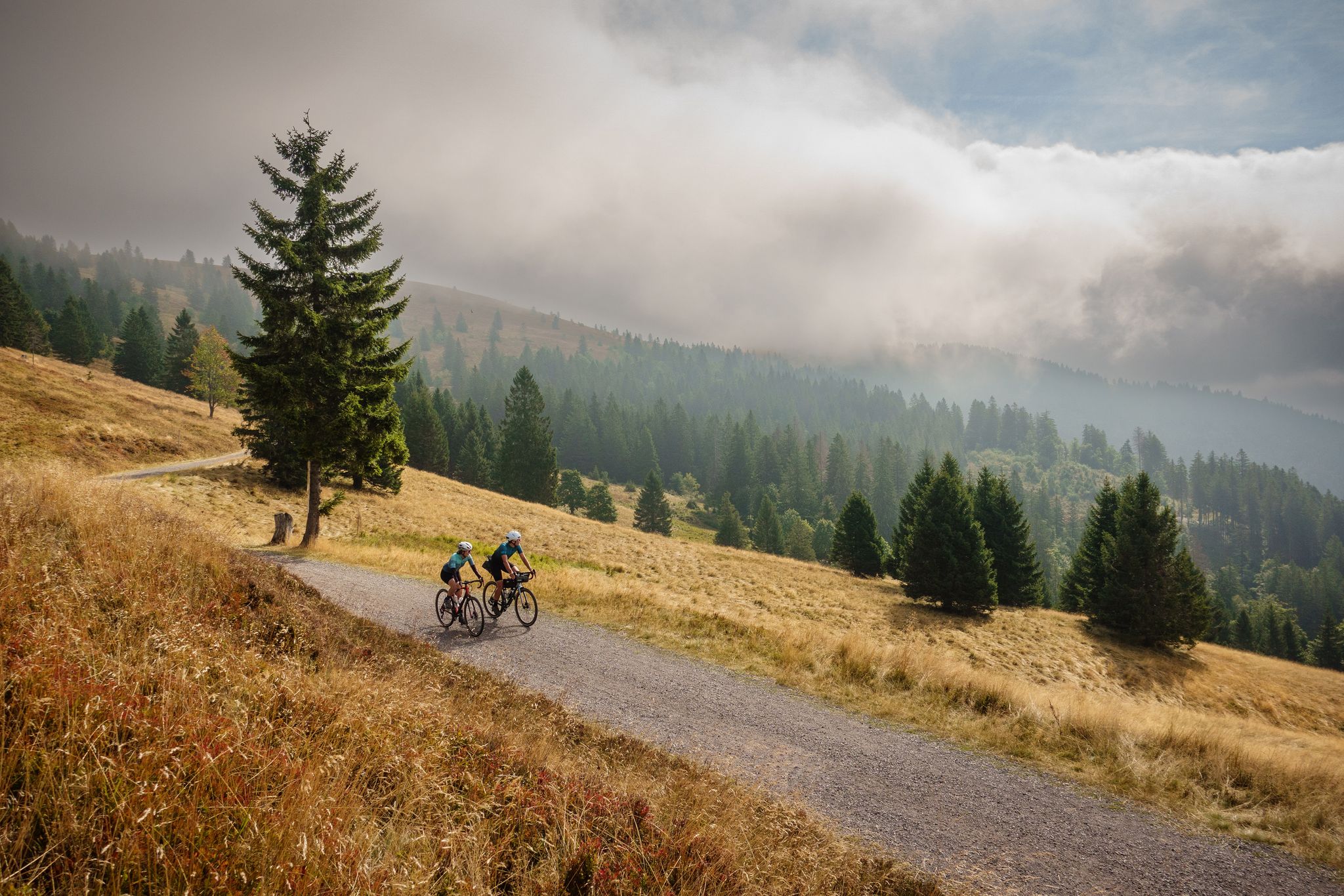
Nature, mountains and freedom – gravel and cycle Tours in the Black Forest
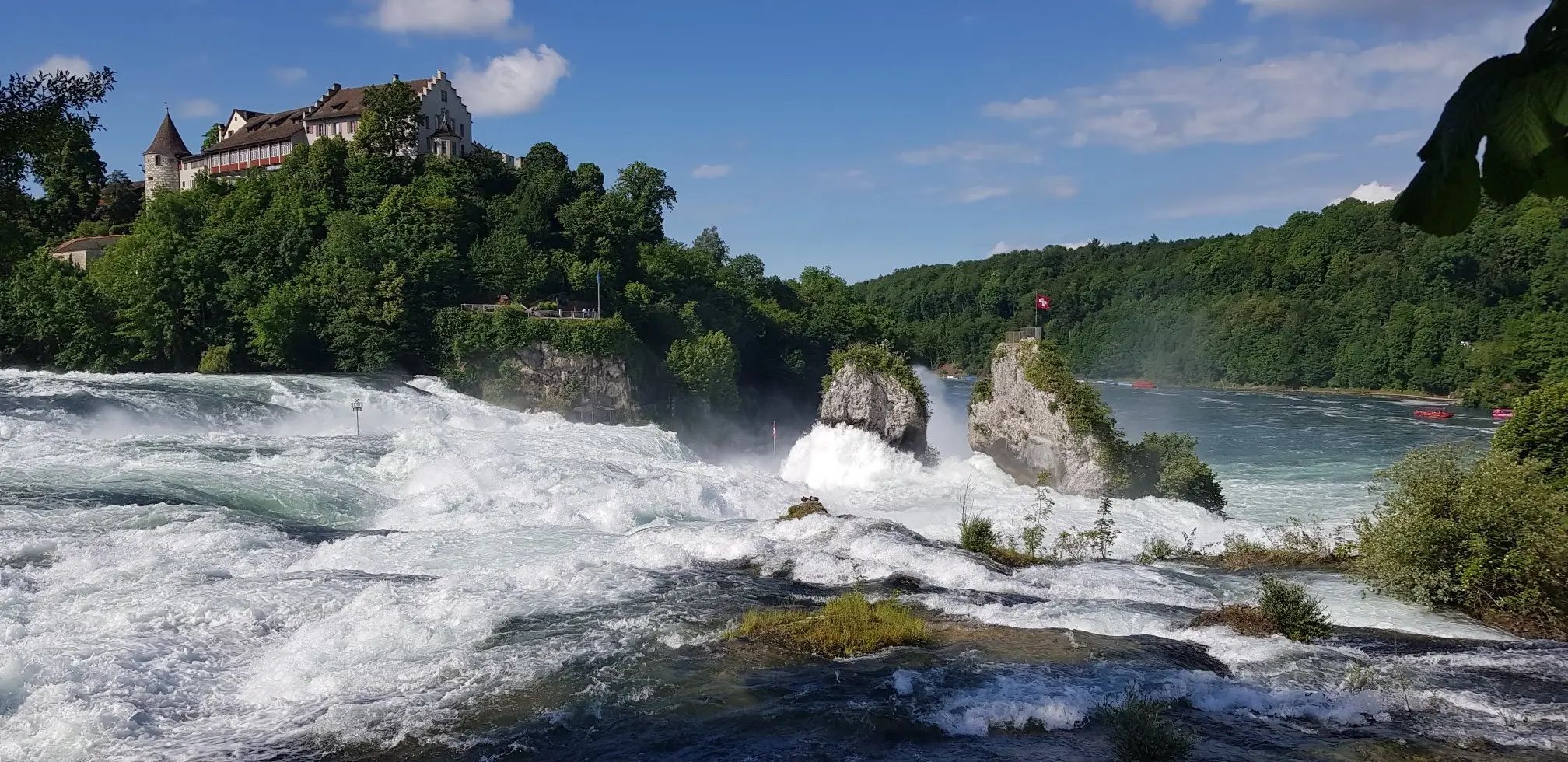
Hochrhein-Höhenweg – Forests and rivers from Germany to Switzerland
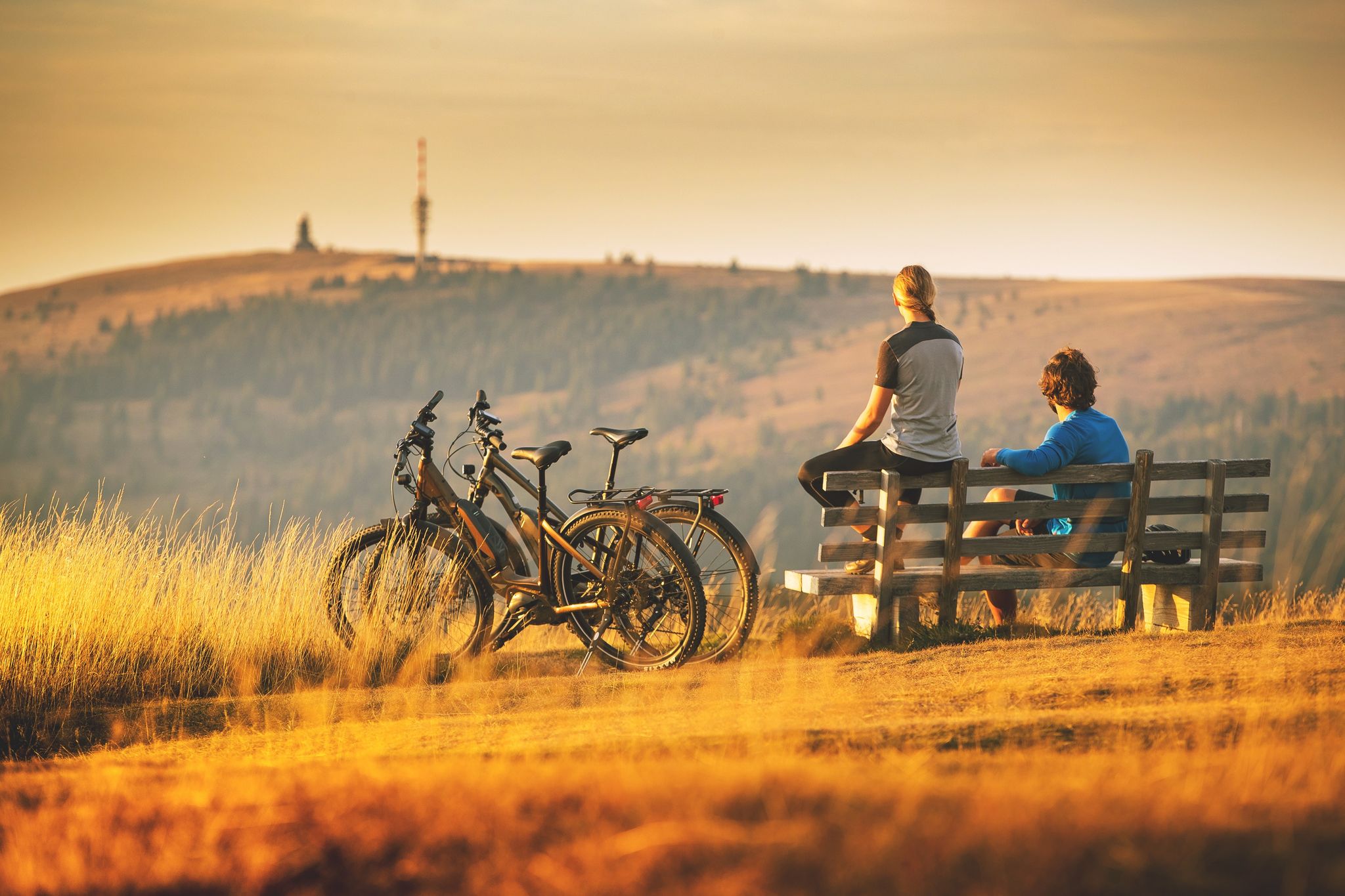
Sunny rides up to heights in the Black Forest
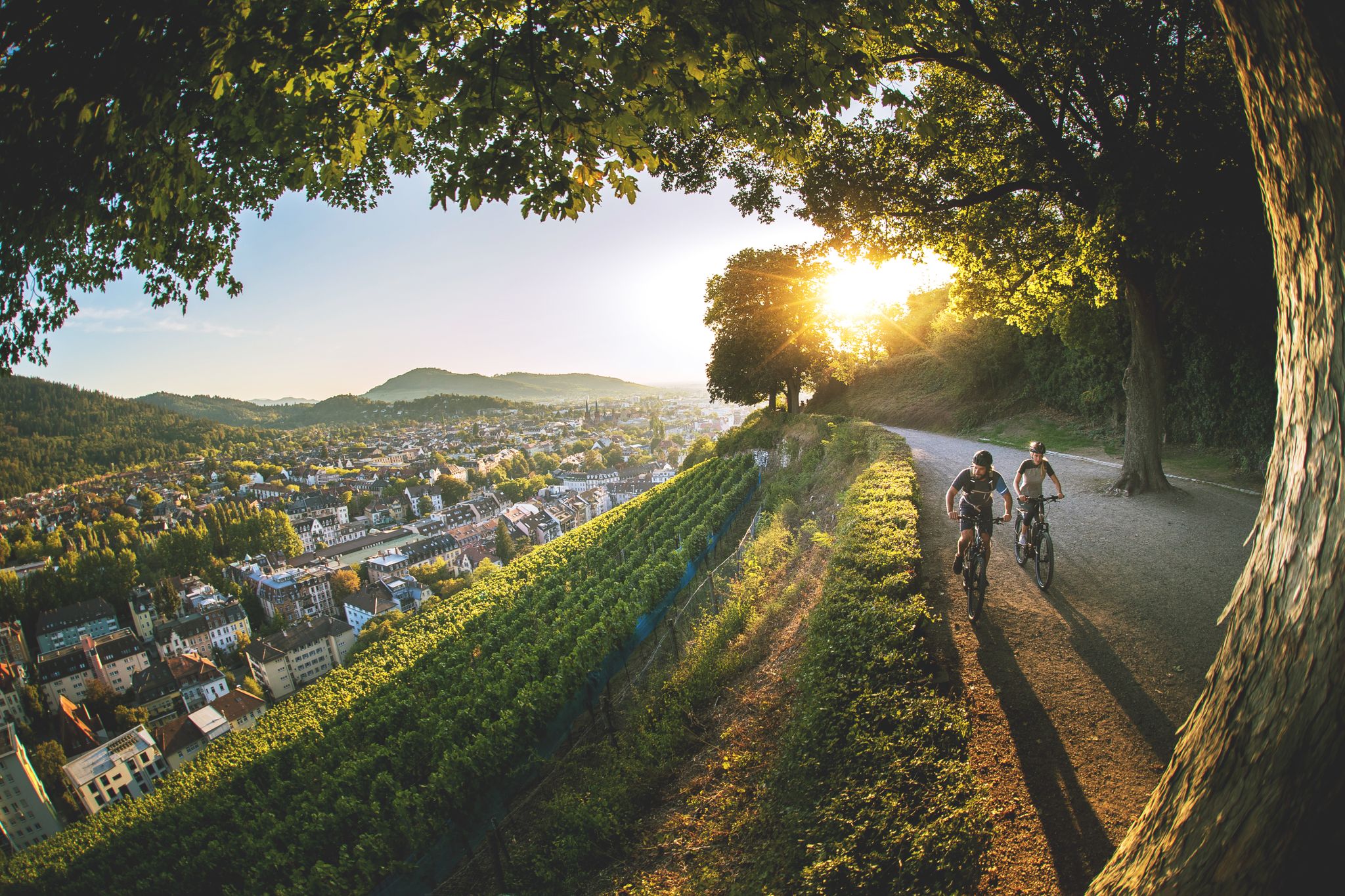
Black Forest gateau and how to burn it off again
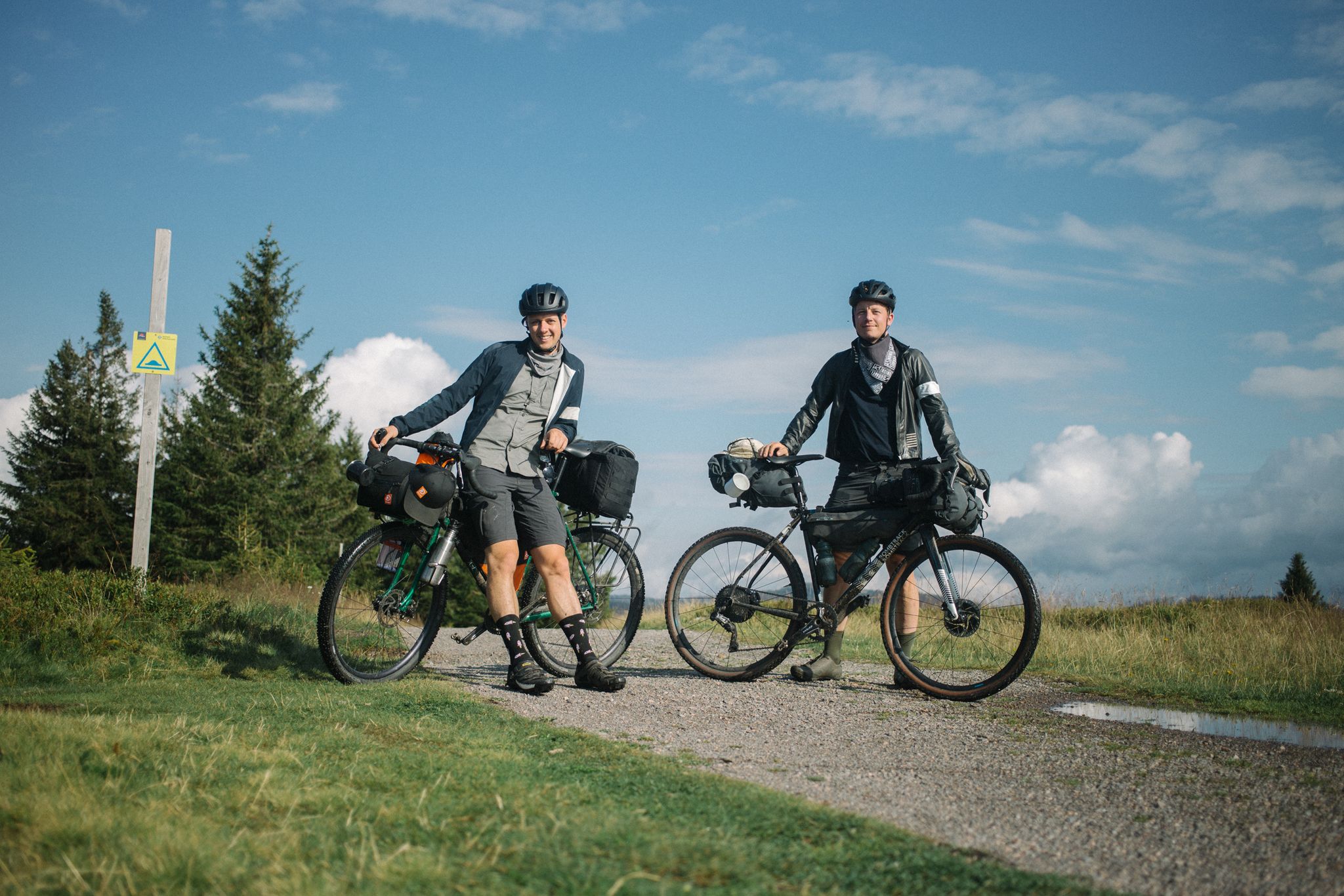
Bikepacking the Black Forest and Alsace
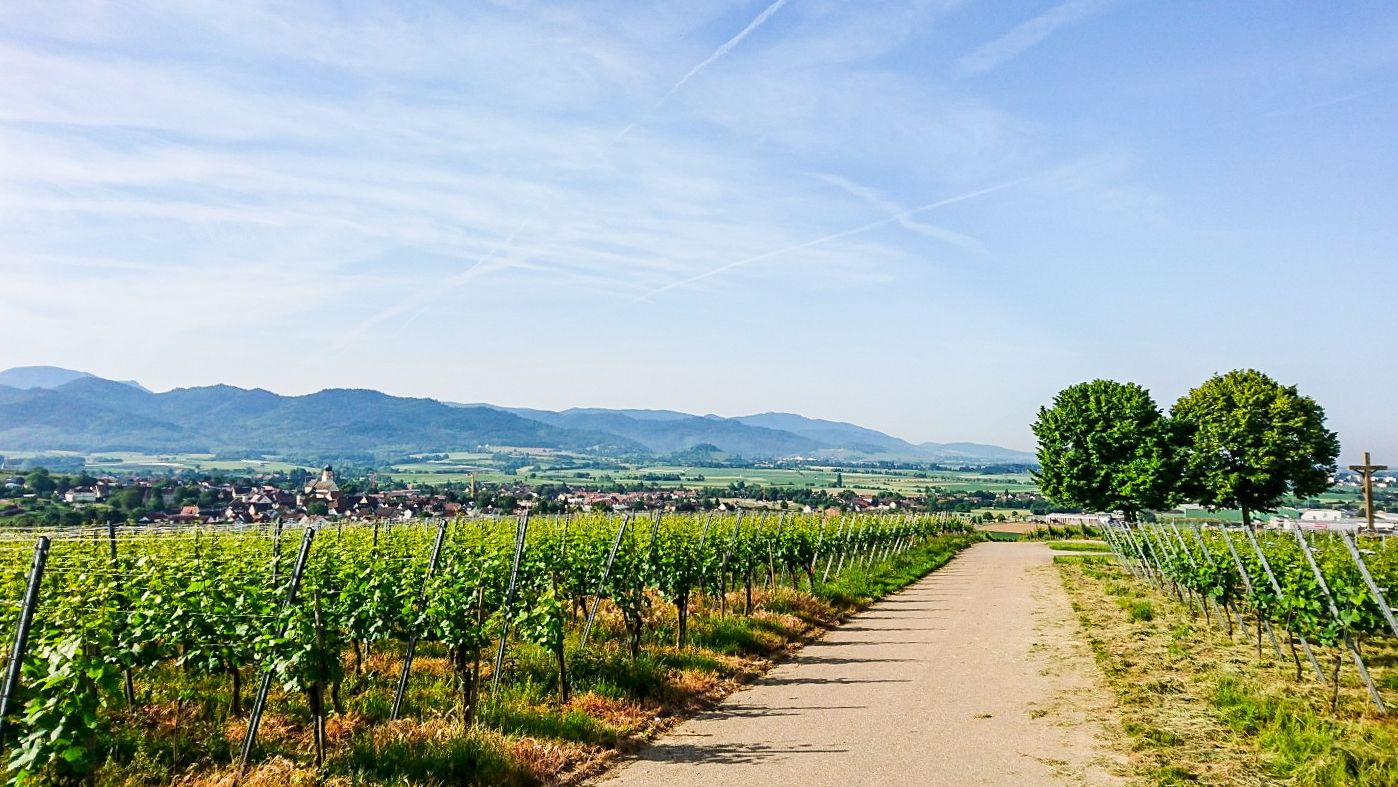
Südschwarzwald-Radweg – 5 stages of pleasing nature
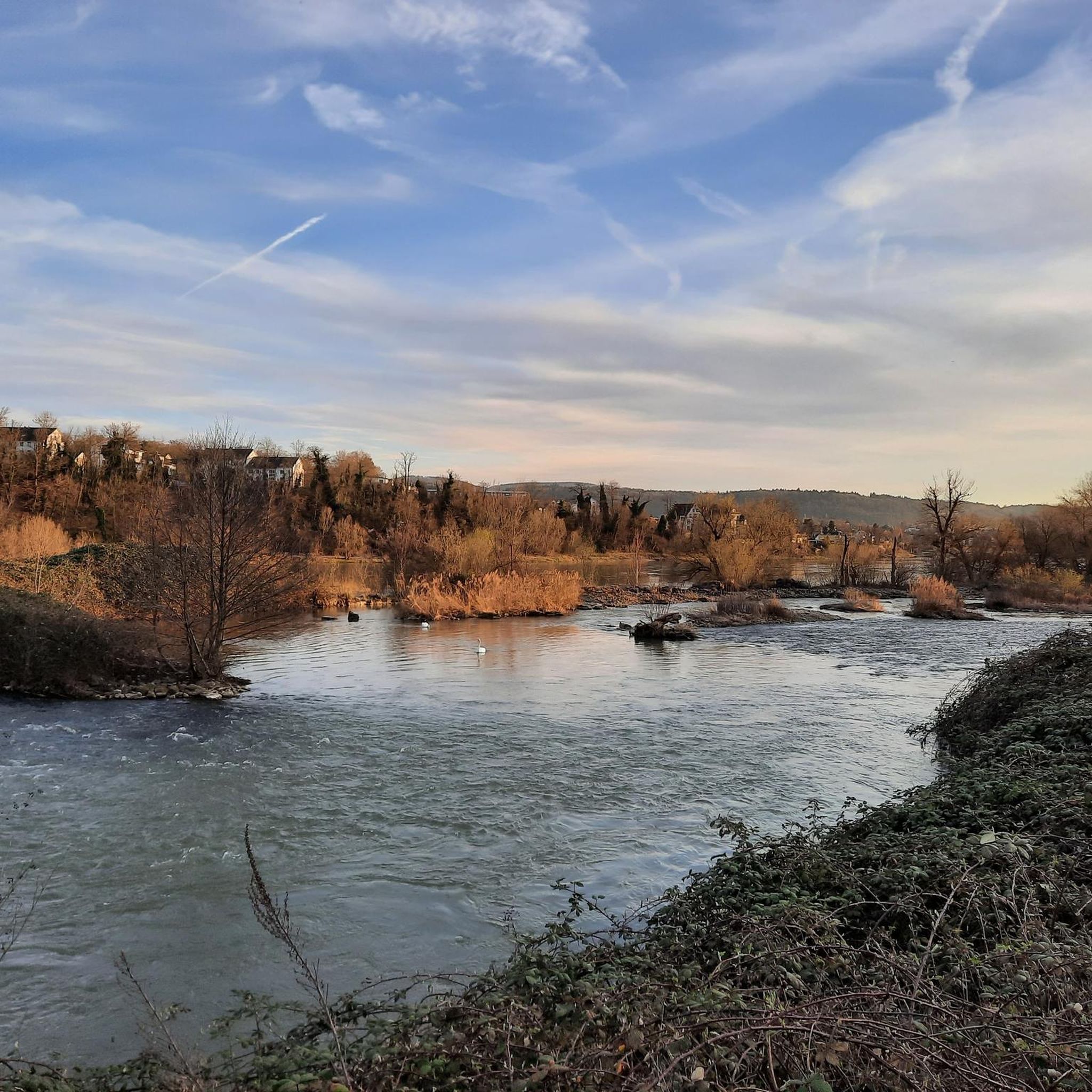
Cycling around Rheinfelden (Baden)
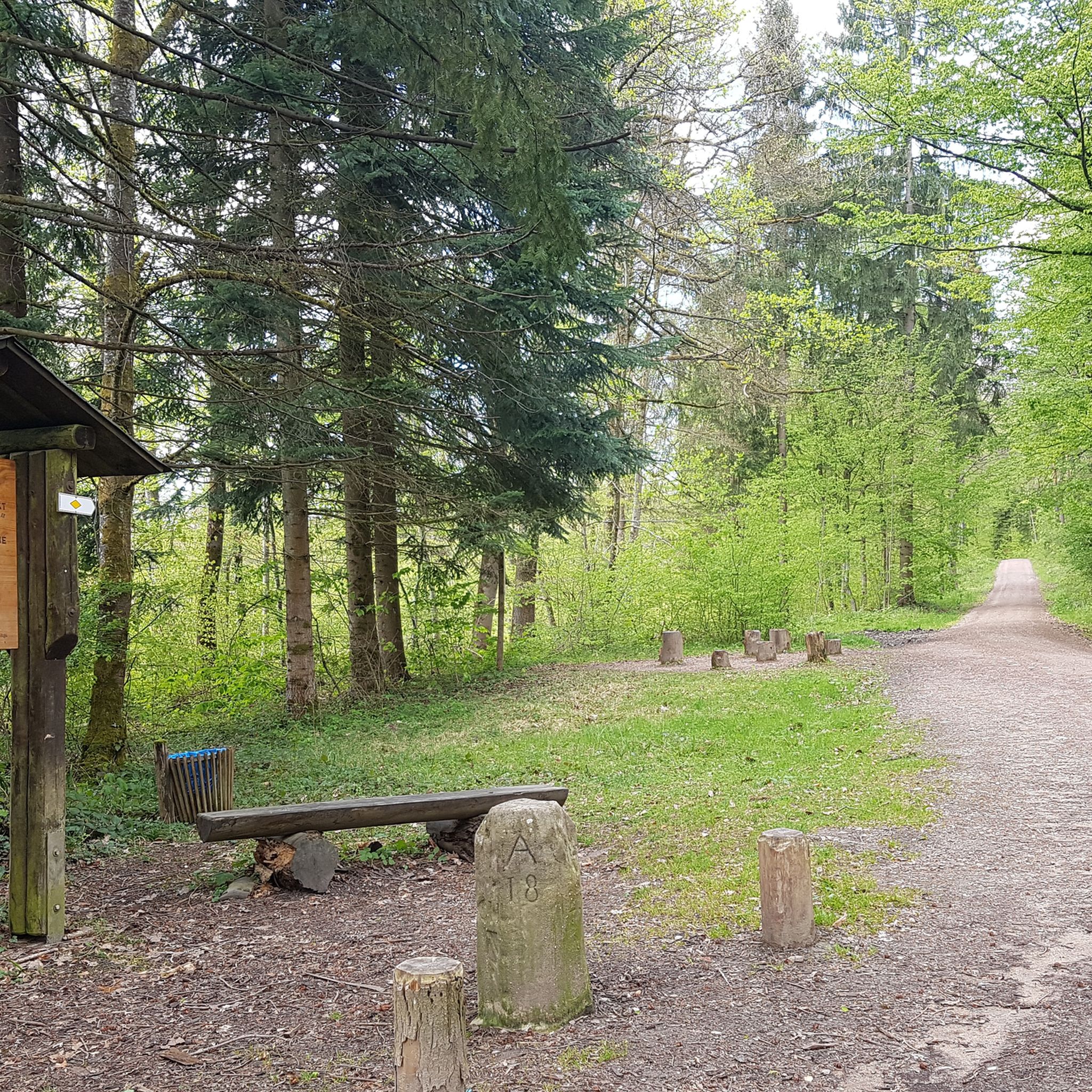
Hiking around Rheinfelden (Baden)
MTB Trails around Rheinfelden (Baden)
Road Cycling Routes around Rheinfelden (Baden)
Other adventures around Rheinfelden (Baden)


Tips from the Community

The Hohe-Flum Tower stands on the highest point of the Dinkelberg, at 535 meters above sea level. The 13.5-meter-high tower was built in 1874. Sixty-two steps lead up to the platform. From there, one has a magnificent panoramic view in all directions. To the south, one can see the Swiss Jura plateau and, in good weather, the Alps beyond. To the west, the view extends to the Vosges Mountains, and to the north and east, to the Black Forest. The Entegast, Zeller Blauen, Hohe Möhr, and other peaks are also visible.
4
0

The Ermitage is a large and lovingly designed green area from 1785, with three idyllic ponds, several romantic grottos, historical buildings, pretty walking paths between the shore and the edge of the forest and, on top of it all, the castle ruins of Bierseck Castle, as the crowning glory of the whole. It is a wonderful place for physical and mental relaxation, but those seeking peace and quiet should visit outside of the holidays or weekends. It is a real visitor magnet. Warning! The grottos can only be reached on foot and via steep stairs. The rest of the garden is mostly wheelchair accessible and suitable for pushchairs. There are no parking spaces directly at the Ermitage! Free entry!
0
0

Fine cookie. "Made with love".
1
0

Super cool place to take a break and watch the waterfowl
3
0

Interesting rock formation in the forest
1
0

Natural monument, height of 5.40m and a mass of 230 tons
0
0

The Hermitage in Arlesheim is a romantic landscape garden based on the English model. It is a place of silence, peace, contemplation, and for some even a place of strength. The meandering, playful paths make you want to discover the various nooks and crannies of the Hermitage. Here you can meet the hermit Brother Klaus or discover small cave entrances. The Hermitage also has a beautifully landscaped pond. The wooden footbridge that leads into the pond invites you to linger. The Hermitage has its charm in every season. It was opened in 1785. There is so much to say and learn about the Hermitage that it is worth taking part in one of the regular tours. Ask the Arlesheim Tourist Office or the "Friends of the Hermitage" association. Towards the end of the 18th century, the largest English garden in Switzerland was created on the Birseck castle hill. English gardens combine the natural landscape with artificial elements that are based on nature. Observation platforms, waterfalls, suspension bridges and hermits' cells were created, which were connected by winding paths. Even in ancient times, the area around the Ermitage was apparently a sacred landscape. Finds in the caves prove that this area was already inhabited in the Stone Age. "The sensitive people who live close to nature must have always noticed the high vibrations at the Ermitage, which is why it can be assumed that the hill with its caves has been the home of wise women and men for thousands of years." And even today, a secret hovers over the landscape. There are intense power spots right next to the grotto complex in the entrance area, at the rock overhang at the carousel square or on the square of the Temple Rustique. These are the power spots whose vibrations help to open the inner eyes. The Ermitage has become a true place of pilgrimage for many who know the importance of such places and appreciate their influence. Source: Pier Hänni, Magical Jura. Hikes to places of power from Schaffhausen, via Basel to the Neuenburg Jura, AT Verlag, Baden and Munich, pp. 76-80.
1
0

Solfelsen is a great place to rest. Beautiful hiking trails around with lot of forest.
1
0
Frequently Asked Questions
What unique natural landscapes can I explore around Rheinfelden (Baden)?
The region offers a diverse range of natural landscapes. You can explore ancient dripstone caves like Erdmannshöhle Hasel, which features impressive stalactites and stalagmites. There are also valuable wetlands such as Feuchtwiese Bleicht and the Wetland Southwest of Niedereichsel, as well as semi-dry grasslands like Schafhalde Degerfelden and Halbtrockenrasen Linsental, showcasing rich biodiversity.
Are there any natural monuments with historical significance in the area?
Yes, the Ermitage Arlesheim Landscape Garden is a historically significant natural monument. It's the largest English landscaped garden in Switzerland, featuring Birseck Castle, small caves, and lakes, designed with an ideal of unspoiled natural landscape.
Which natural monuments are suitable for families with children?
Several natural monuments are family-friendly. The Ermitage Arlesheim Landscape Garden offers plenty to explore with its castles and caves. The Wehra River Mouth Nature Reserve is also a great spot for nature observation, and Sol Rock provides an interesting geological feature in a forest setting.
Where can I observe wildlife and unique plant species?
For wildlife and unique plant species, visit the Feuchtwiese Bleicht or the Wetland Southwest of Niedereichsel. These wetlands are crucial for biodiversity, providing habitat for rare orchids, amphibians, dragonflies, butterflies, and birds. The Wehra River Mouth Nature Reserve is known for its high variety of habitats and supports about 128 bird species.
Are there natural monuments that offer panoramic views?
Absolutely. The Hohe-Möhr-Turm offers a unique panoramic view at over 1000m, extending into the Wiesental, Rhine Valley, Wehratal, and even the Alps on clear days. Similarly, the Hohe Flum Lookout Tower provides spectacular views of the southern Black Forest, Vosges Mountains, Swiss Jura, and Bernese Alps.
What kind of outdoor activities can I do near the natural monuments?
The region around Rheinfelden (Baden) is excellent for outdoor activities. You can enjoy various hikes, including trails that pass by natural monuments. There are also opportunities for gravel biking and mountain biking on trails that explore the diverse landscapes.
Are there specific hiking trails that incorporate natural monuments?
Yes, many hiking routes in the area allow you to experience the natural monuments. For example, you can find trails like the 'Rhine hike – Hohe Flum Lookout Tower loop' or the 'View of the Rhine – Beuggen Castle loop' which offer scenic views and pass by significant natural features. You can explore more options in the waterfall hikes guide.
What is the best time to visit the natural monuments in Rheinfelden (Baden)?
The best time to visit depends on your interest. Spring and summer are ideal for observing the rich flora and fauna in the wetlands and grasslands, especially when orchids are in bloom. The Erdmannshöhle Hasel maintains a constant temperature of about 10 degrees Celsius, making it a good option year-round. For panoramic views from lookout towers, clear weather is always best.
Is there an entrance fee for any of the natural monuments?
The Erdmannshöhle Hasel typically has an entrance fee for its self-guided tours. For the Hohe-Möhr-Turm, there is a small tower fee, usually 1€, to help with maintenance. Most other natural areas like wetlands and grasslands are freely accessible.
What makes the Linsenbachquelle important?
The Linsenbachquelle is a significant karst spring that serves as a 'small oasis' for reptiles. It plays a vital role in species conservation, enhanced by features like stone walls and wood piles, making it an important migration axis for these animals.
What do visitors enjoy most about the natural monuments in Rheinfelden (Baden)?
Visitors frequently appreciate the diverse natural beauty and the opportunities for peaceful exploration. The geological wonders of the Erdmannshöhle, the rich biodiversity of the wetlands, and the expansive views from the lookout towers are often highlighted. Many enjoy the chance to connect with nature and experience the region's ecological significance.
Are there any natural monuments particularly important for conservation efforts?
Yes, several sites are crucial for conservation. The Feuchtwiese Bleicht and the Wetland Southwest of Niedereichsel are valuable biotopes for maintaining biodiversity. The Linsenbachquelle is specifically managed to support reptile populations. The city of Rheinfelden (Baden) actively protects these unique habitats, recognizing their contribution to biological diversity.
Most popular routes around Rheinfelden (Baden)
Most popular attractions around Rheinfelden (Baden)

Get inspired with the komoot mobile app


Explore more
Extend your search for the best caves by checking out these guides of the top ones around Rheinfelden (Baden):
