Seegebiet Mansfelder Land
Seegebiet Mansfelder Land
Top 20 Natural Monuments around Seegebiet Mansfelder Land
Best natural monuments around Seegebiet Mansfelder Land are characterized by a diverse landscape shaped by its unique lake environment and geological history. The region is part of the Harz. Braunschweiger Land. Ostfalen UNESCO Global Geopark, showcasing 400 million years of geological development. This area features remnants of former saltwater lakes, distinct porphyry landscapes, and varied ecosystems. The natural features provide insights into the region's geological past and support unique flora and fauna.
Best natural monuments around Seegebiet Mansfelder Land
- The…
Last updated: October 12, 2026
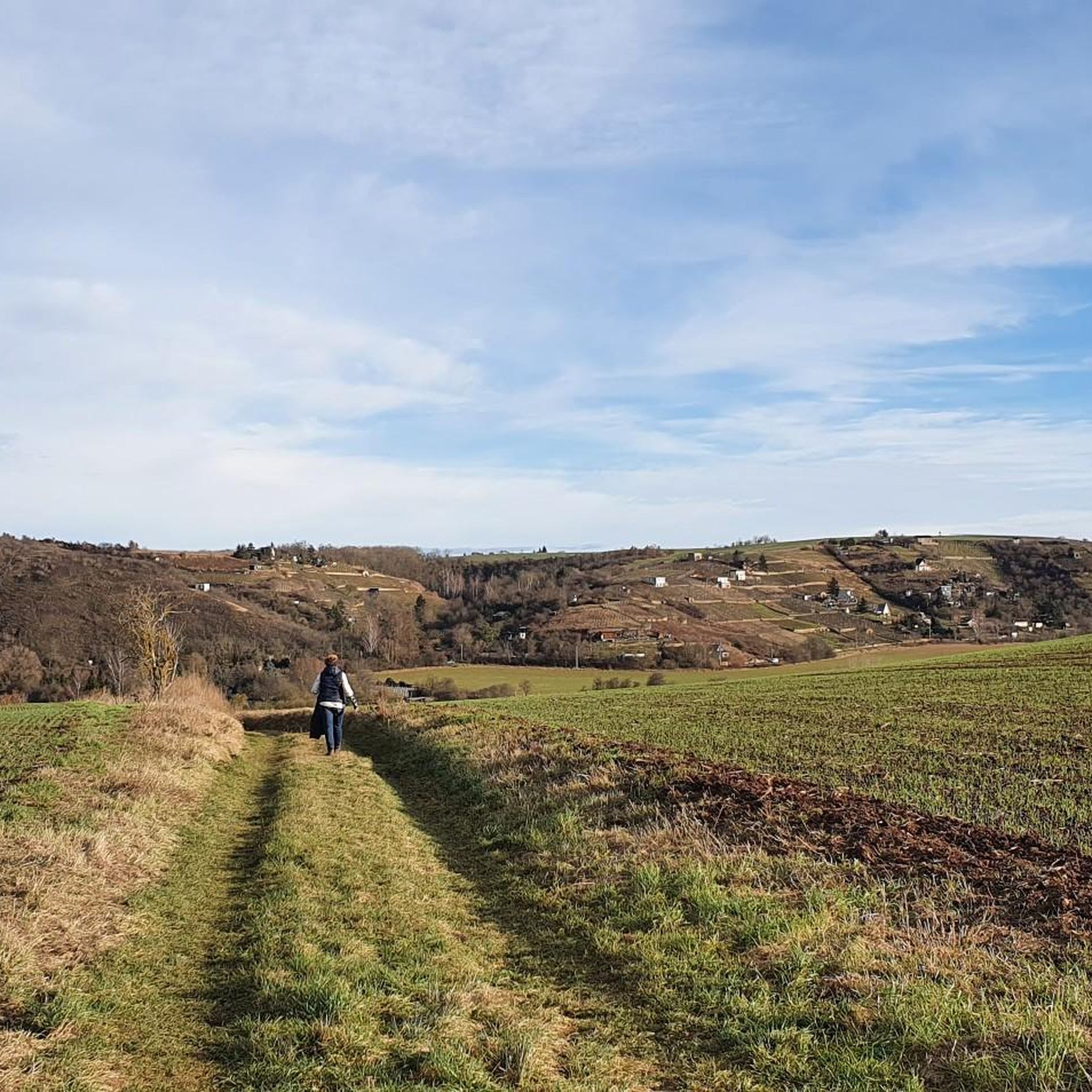
View of the Saale River at Porphyrlandschaft near Gimritz
Highlight • Viewpoint
Translated by Google •
Tip by

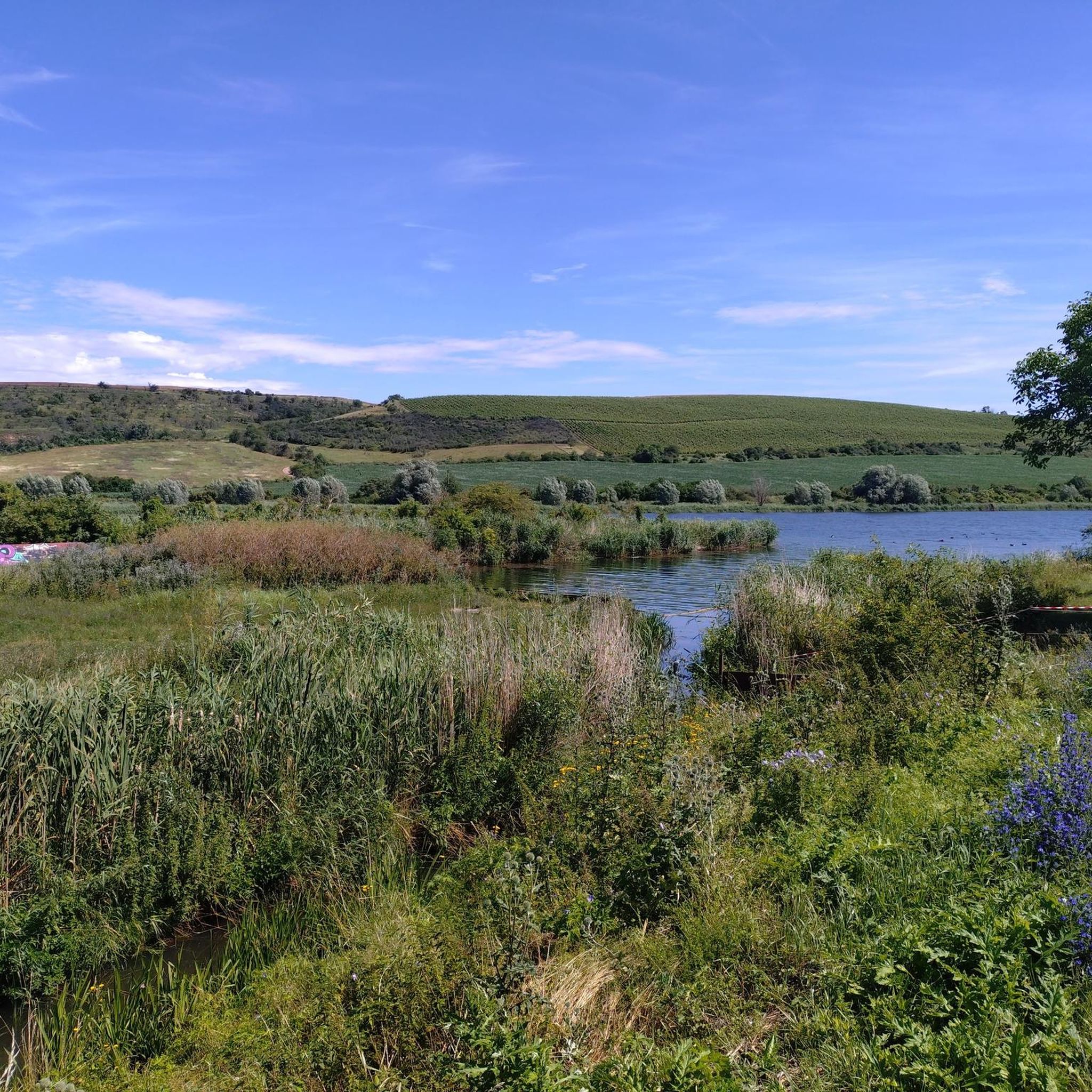
Heidesee
Highlight • Lake
Translated by Google •
Tip by

Sign up now to discover places like this
Get recommendations on the best single tracks, peaks, & plenty of other exciting outdoor places.
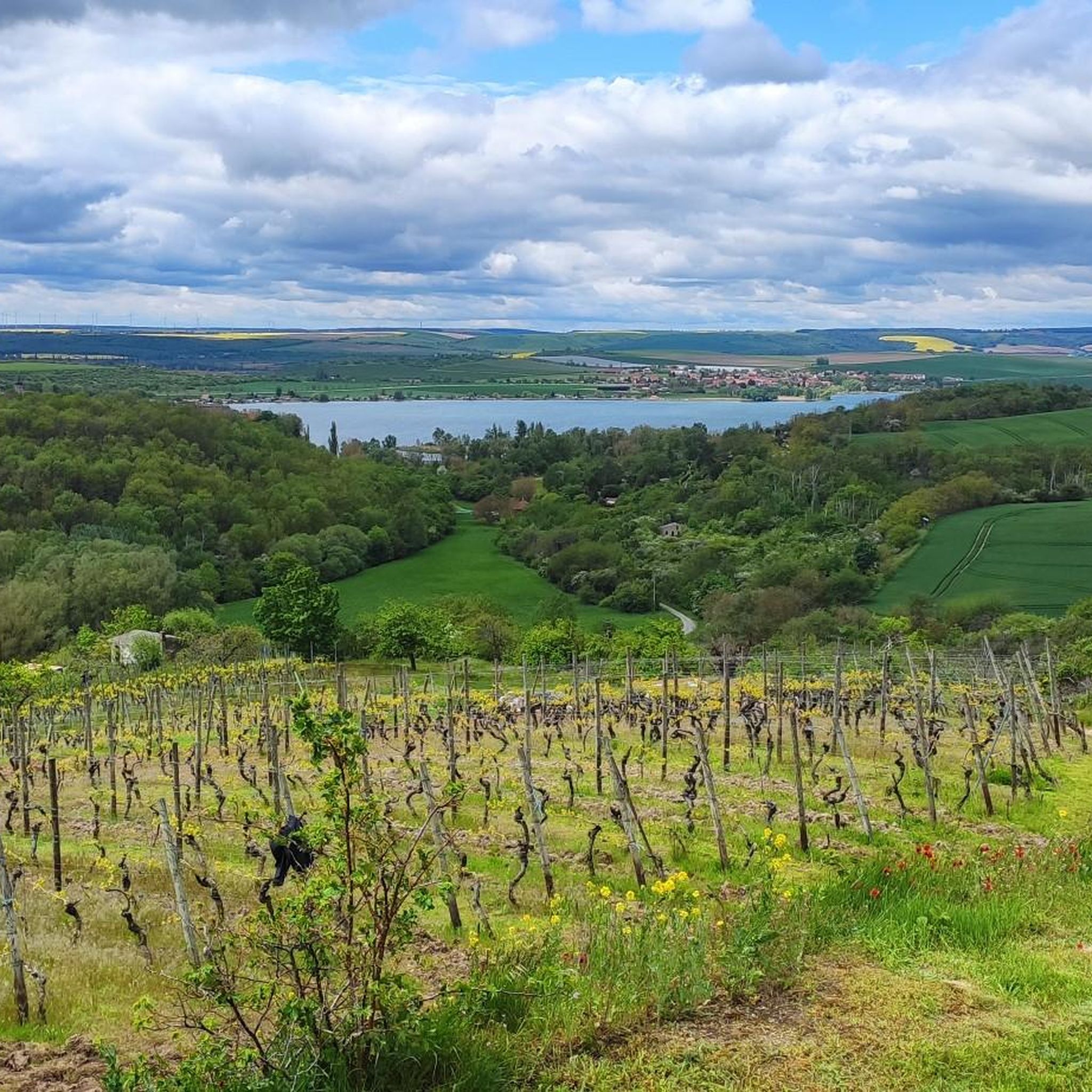
Salziger Lake near Langenbogen
Highlight • Lake
Translated by Google •
Tip by

Nature Trail – Porphyry Landscape Wettin/Gimritz
Highlight • Trail
Translated by Google •
Tip by

Bad Lauchstädt Spa Park
Highlight • Natural Monument
Translated by Google •
Tip by
Sign up for free to discover even more natural monuments around Seegebiet Mansfelder Land.
Already have an account?
Start today with a free account
Your next adventure awaits.
Popular around Seegebiet Mansfelder Land
Tips from the Community

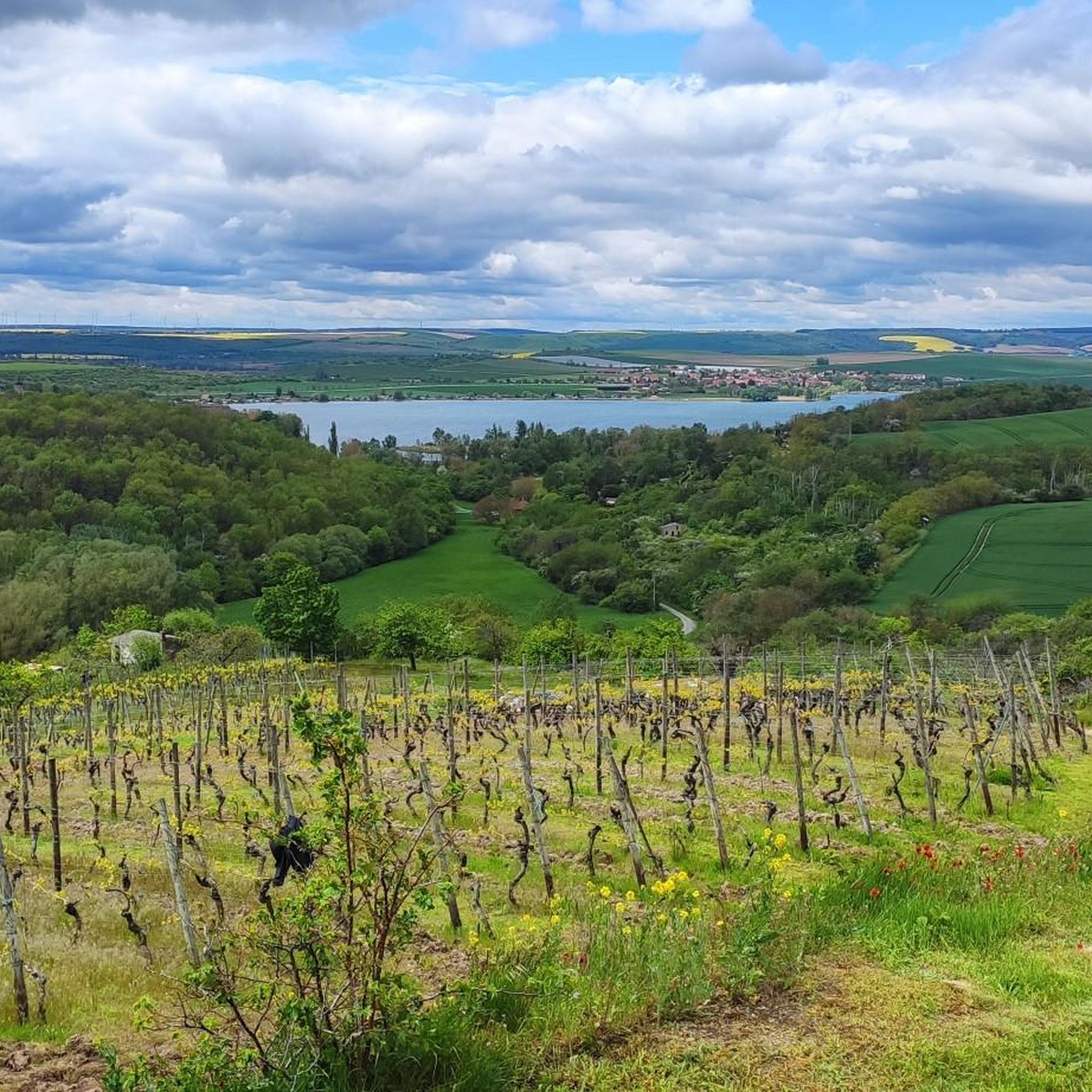
A hidden gem and wonderfully maintained, a pavilion on a small peninsula truly invites you to stroll and enjoy the surroundings.
1
0

A small park with many benches and, of course, beautiful trees.
1
1

Just to clarify. Just because the Salza flows past the pond, the body of water is not called the Salty Lake. The name was already given long before (see below). The horseshoe pond is known as the Great Castle Pond and was only created at the end of the 1960s. The Salty Lake was located a little further west in a depression that stretches from Erdeborn to the Wansleben - sewage treatment plant road, the K 2149. The Salty Lake was about 3 times as large and twice as deep as its brother, the Sweet Lake, and was formed like the entire landscape by subsidence processes that began about 3,000,000 years ago (Cretaceous/Tertiary). In 1892, however, the "plug" was pulled and the lake almost completely drained. All that remains are 2 even deeper depressions, the Bindersee near Rollsdorf and the Kernersee, the one with the Fischerhof on the former eastern bank. The path that leads from Langenbogen on the Salza to Köllme is part of the Saale-Harz cycle path (Halle-Wippra). I have included a map with the pictures. The photos are great, it looks really idyllic. So far just a bit of local history by Willi
1
0

There is also a rest area here and an information board from the nature trail
7
0

a wonderful and varied landscape https://de.wikipedia.org/wiki/Porphyrlandschaft_bei_Gimritz
2
0

The name Heidesee is derived from the nearby forest area Dölauer Heide, on the southern edge of which the lake lies. After the coal was mined, the mine was closed in 1931. The Heidesee was created due to the rise in groundwater and the flooding of the remaining opencast mine when the mine was closed. It is approx. 800 m long, up to 300 m wide and has a water area of approx. 12.5 hectares. Source:https://de.wikipedia.org/wiki/Heidesee_(Halle)
2
0
with information board on the nature trail Nature trail in the characteristic landscape of the “Unteres Saaletal” nature park The nature trail leads through the historically grown cultural landscape of the Wettin porphyry area and the adjacent Saale floodplain near Mücheln. The unique porphyry landscape can be explored over approximately 2.5 km. Display boards provide information about the special features of this natural area. The topics of geology and landscape history, flora and fauna, soil and vegetation as well as evidence of the historically grown cultural landscape are presented here. The path runs through the nature reserve “Porphyrkuppenlandschaft near Gimritz”, which is part of the European protected area “Porphyrkuppenlandschaft northwest of Halle”. A valuable vegetation mosaic of semi-dry and dry grassland, dwarf shrub heaths and orchards is characteristic here. Rare animal and plant species find suitable habitats. The landscape is characterized by the dark red-brown porphyry rock and the striking fractures, dry valleys and rocky cliffs. The landscape of the adjacent Saale floodplain is determined by the wide and curved course of the Saale with accompanying bank trees, reeds and tall shrubs. Source: https://www.saale-unstrut-tourismus.de/touren/unterwegs-auf-dem-naturlehrpfad-porphyrlandschaft-wettin-gimritz/
13
0
Frequently Asked Questions
What are the most popular natural monuments in Seegebiet Mansfelder Land?
Among the most popular natural monuments are the Brachwitz Alps, known for their impressive porphyry rock formations and dry meadow landscapes. Another favorite is Heidesee, a lake popular for running, cycling, and hiking, offering shade and recreational opportunities. Visitors also appreciate the unique ecological features of Salziger Lake near Langenbogen, a remnant of a former saltwater lake.
Are there family-friendly natural monuments to visit?
Yes, several natural monuments are well-suited for families. Heidesee offers a circular path around the lake, perfect for walks and cycling, with a beach for relaxation. The Brachwitz Alps are also easy to reach with children, offering varied and colorful landscapes. Additionally, the Salziger Lake near Langenbogen provides a scenic viewpoint that families can enjoy.
What unique natural features can I expect to see in the region?
The region is characterized by its unique lake environment and geological history. You can explore distinct porphyry landscapes, such as the Brachwitz Alps with their red porphyry domes. The area also features remnants of former saltwater lakes, like the Salziger Lake near Langenbogen, which contribute to distinct ecological features and unique flora and fauna adapted to saline conditions.
What kind of wildlife can be observed in the natural monuments?
The unique saline environment of areas like the Salziger See (north of Röblingen am See) creates a biodiversity hotspot. This area is a habitat for several protected species, including various amphibians such as the Common Spadefoot, Natterjack Toad, European Green Toad, European Tree Frog, and Small Marsh Frog. The distinct plant communities, including rare forest types and dry vegetation, also support diverse insect and bird life.
Are there hiking trails near the natural monuments?
Yes, the region offers various hiking opportunities. For instance, the Nature Trail – Porphyry Landscape Wettin/Gimritz provides a 2.5 km path through interesting rock formations and offers insights into the local geology and ecology. You can find more hiking routes in the area by exploring the Hiking around Seegebiet Mansfelder Land guide, which includes routes like the 'View of Seeburg Castle – View of Lake Süßer loop'.
Can I go cycling or mountain biking near these natural monuments?
Absolutely. The trails around natural monuments like Heidesee are popular with cyclists. For more dedicated routes, you can check out the MTB Trails around Seegebiet Mansfelder Land guide, which features routes such as the 'Seeburg Castle – Süßer See – Swimming Beach loop from Erdeborn'. There are also many well-paved roads suitable for road cycling.
What is the best time of year to visit the natural monuments?
The region's natural monuments can be enjoyed throughout the year. Spring and summer are ideal for observing the diverse flora, including orchids in areas like the Brachwitz Alps, and for water activities around the lakes. Autumn offers beautiful colors in the landscapes, while winter provides a tranquil experience, though some facilities might have reduced hours. The mild climate, supporting wine and fruit growing, makes it pleasant for outdoor activities for much of the year.
Are there any viewpoints offering panoramic scenery?
Yes, the region boasts several excellent viewpoints. The View of the Saale River at Porphyrlandschaft near Gimritz offers a spectacular vista of the Saale, complete with a bench for a relaxing break. The Brachwitz Alps also provide impressive views of the porphyry landscape and the surrounding nature.
What is the significance of the region's geological features?
Seegebiet Mansfelder Land is part of the vast Harz. Braunschweiger Land. Ostfalen UNESCO Global Geopark, which showcases 400 million years of geological history. The region's porphyry landscapes, like those seen at Porphyry Landscape Wettin/Gimritz, reveal ancient rock formations. The remnants of former saltwater lakes, such as the Salziger See, also provide insights into past geological and ecological processes.
Can I find places to eat or drink near the natural monuments?
Some natural monuments, like Heidesee, have cafes or facilities nearby. For other locations, it's advisable to bring your own refreshments or check for options in the closest towns. Many routes in the area, particularly around the Süßer See, also pass by restaurants and cafes.
What do visitors enjoy most about the natural monuments in Seegebiet Mansfelder Land?
Visitors frequently praise the varied and colorful landscapes, especially the impressive rock formations of the Brachwitz Alps. The recreational opportunities around lakes like Heidesee, with its trails for running, cycling, and hiking, are also highly valued. Many appreciate the unique ecological insights offered by the former saltwater lake environments and the peaceful views.
Are there opportunities for running near the natural monuments?
Yes, running is a popular activity. The circular path around Heidesee is a favorite among runners, offering sand paths, well-paved roads, and shaded forests. For more running options, consult the Running Trails around Seegebiet Mansfelder Land guide, which includes routes like the 'Süßer See – Swimming Beach – Seeburg Castle loop'.
Most popular routes around Seegebiet Mansfelder Land
Most popular attractions around Seegebiet Mansfelder Land

Get inspired with the komoot mobile app


Explore more
Extend your search for the best caves by checking out these guides of the top ones around Seegebiet Mansfelder Land:
