Top 20 Natural Monuments around Pulsnitz
Best natural monuments around Pulsnitz offer a diverse landscape for exploration. The region features prominent mountains like Keulenberg and Hochstein, providing extensive views over Upper Lusatia. River valleys such as the Pulsnitztal and Große Röder offer protected natural areas with diverse flora. Lakes like Friendship Lake and Wallroda Reservoir add to the variety of natural sights.
Best natural monuments around Pulsnitz
- The most popular natural monuments is Keulenberg Summit — Observation Tower and Monuments, a summit that features an…
Last updated: September 28, 2026
Keulenberg Summit — Observation Tower and Monuments
Highlight • Summit
"The Royal Saxon Triangulation (here with its historical name) is a land survey carried out in the years 1862 to 1890 on the …
Translated by Google •
Tip by

Schwedenstein Tower and Restaurant
Highlight • Monument
Translated by Google •
Tip by

Sign up now to discover places like this
Get recommendations on the best single tracks, peaks, & plenty of other exciting outdoor places.
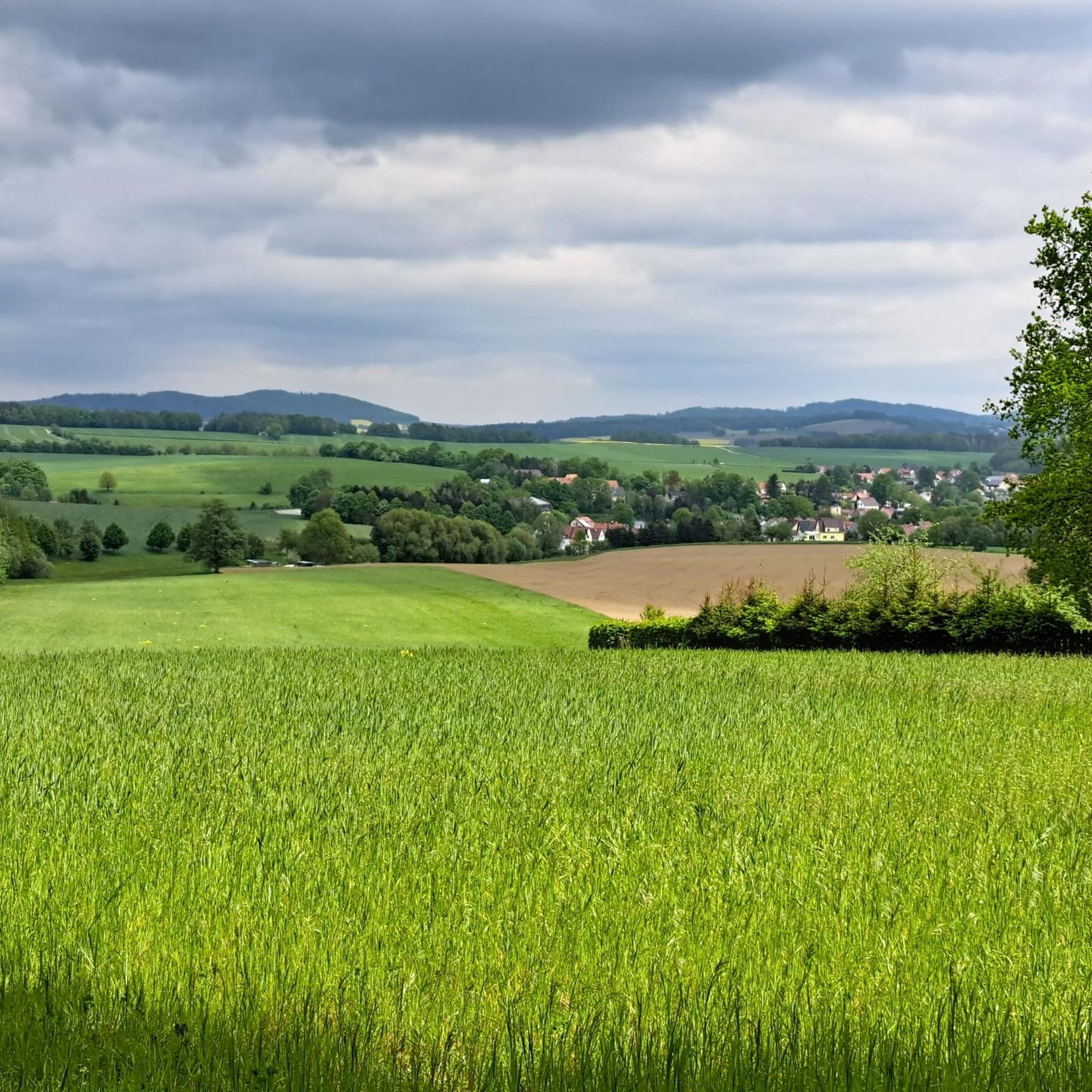
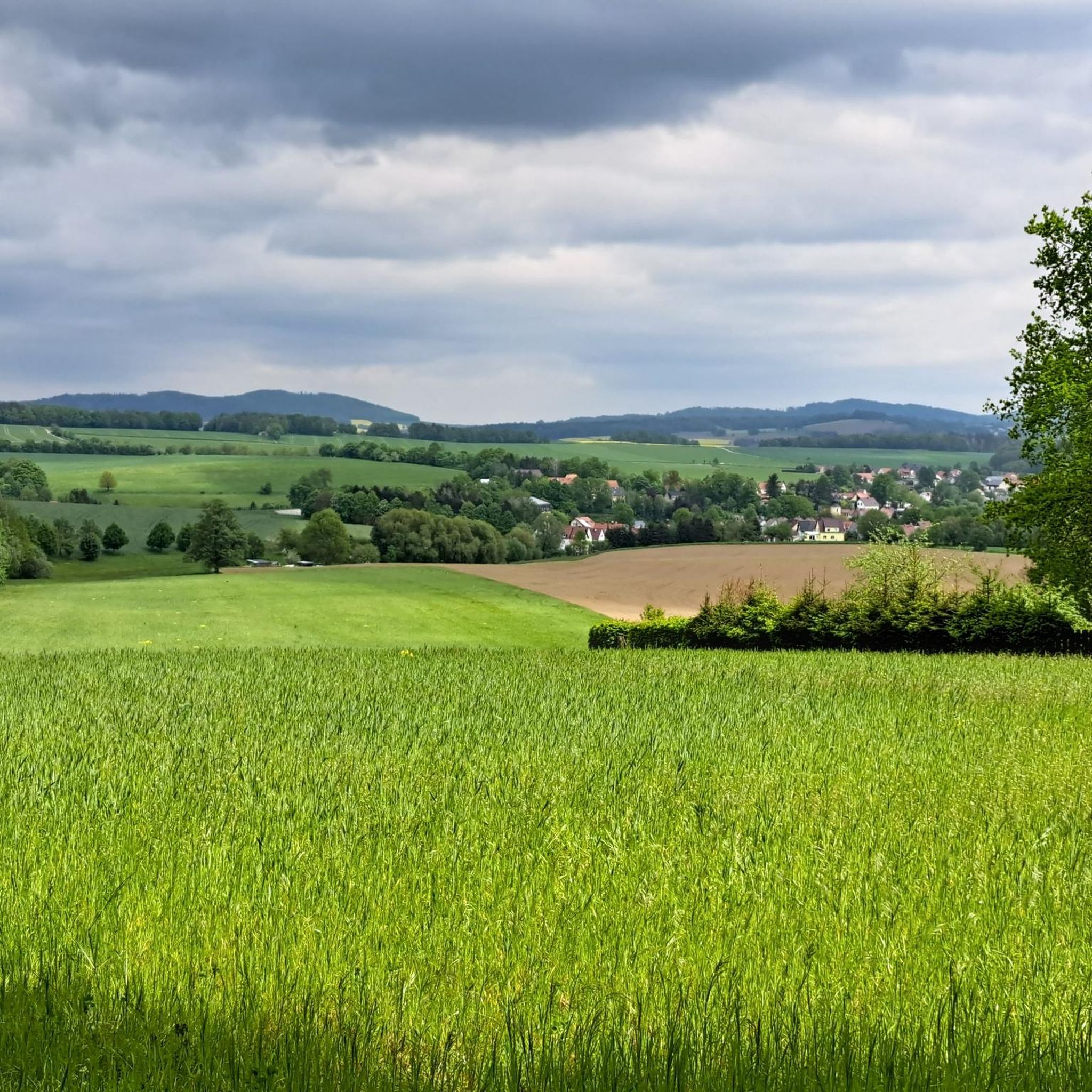
Große Röder River in the Seifersdorfer Valley
Highlight • River
Translated by Google •
Tip by

Marien Mill
Highlight • Restaurant
Translated by Google •
Tip by
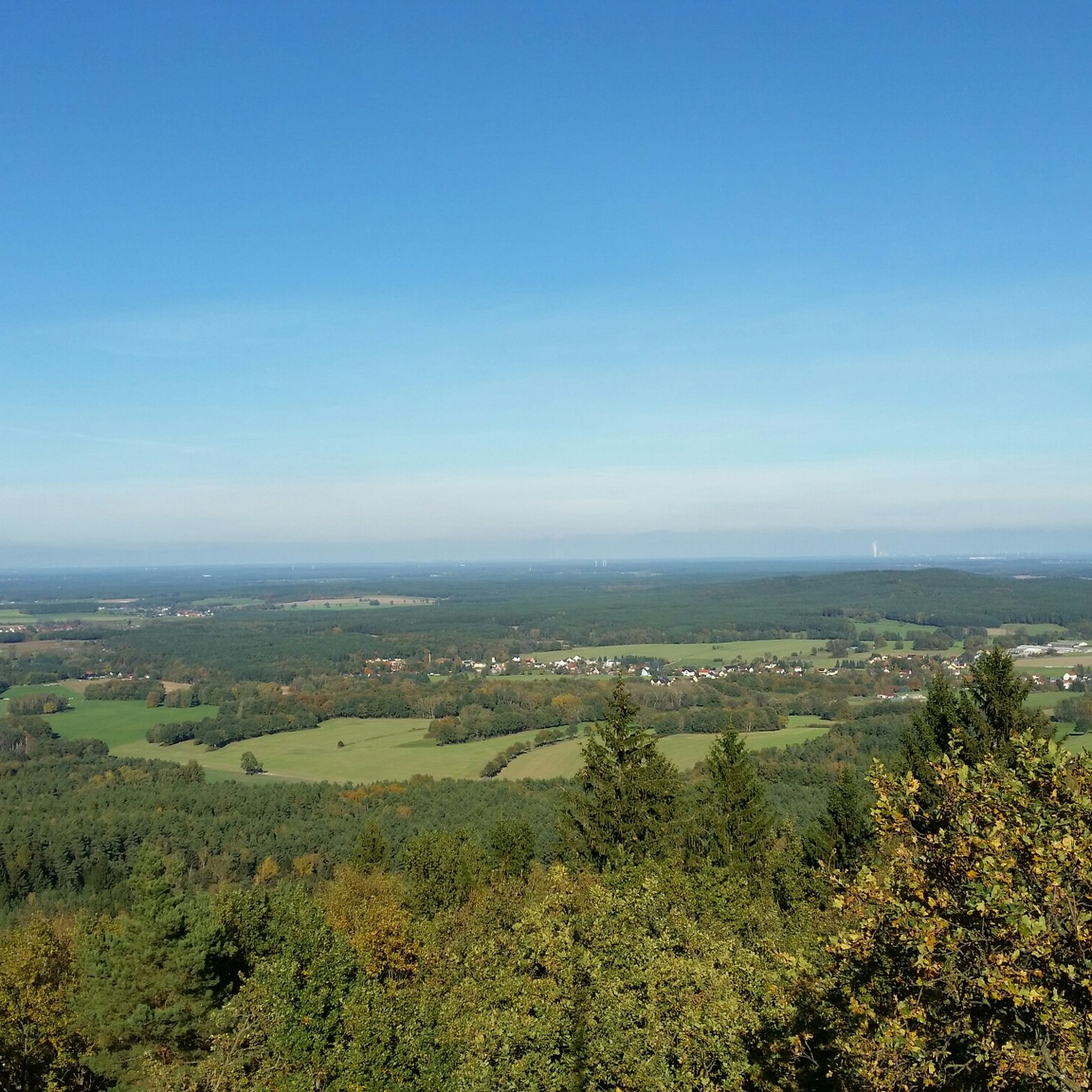
Hochstein (Sibyllenstein) – Highest Point of Westlausitz
Highlight • Summit
Translated by Google •
Tip by

Sign up for free to discover even more natural monuments around Pulsnitz.
Already have an account?
Start today with a free account
Your next adventure awaits.
Tips from the Community

The Hochstein, also called Sibyllenstein (Sibinnen-Stein, Sibillenstein or Sybillen-Stein), Upper Sorbian Žiwiny, is a 449-metre-high mountain in Upper Lusatia in the Saxon district of Bautzen. It is the highest elevation in the Northwest Lusatian Uplands and the highest mountain in Upper Lusatia north of the A4.
4
0

Fantastically idyllic guest and rest house, here you can strengthen yourself to your heart's content🫶🏞🍻
15
0
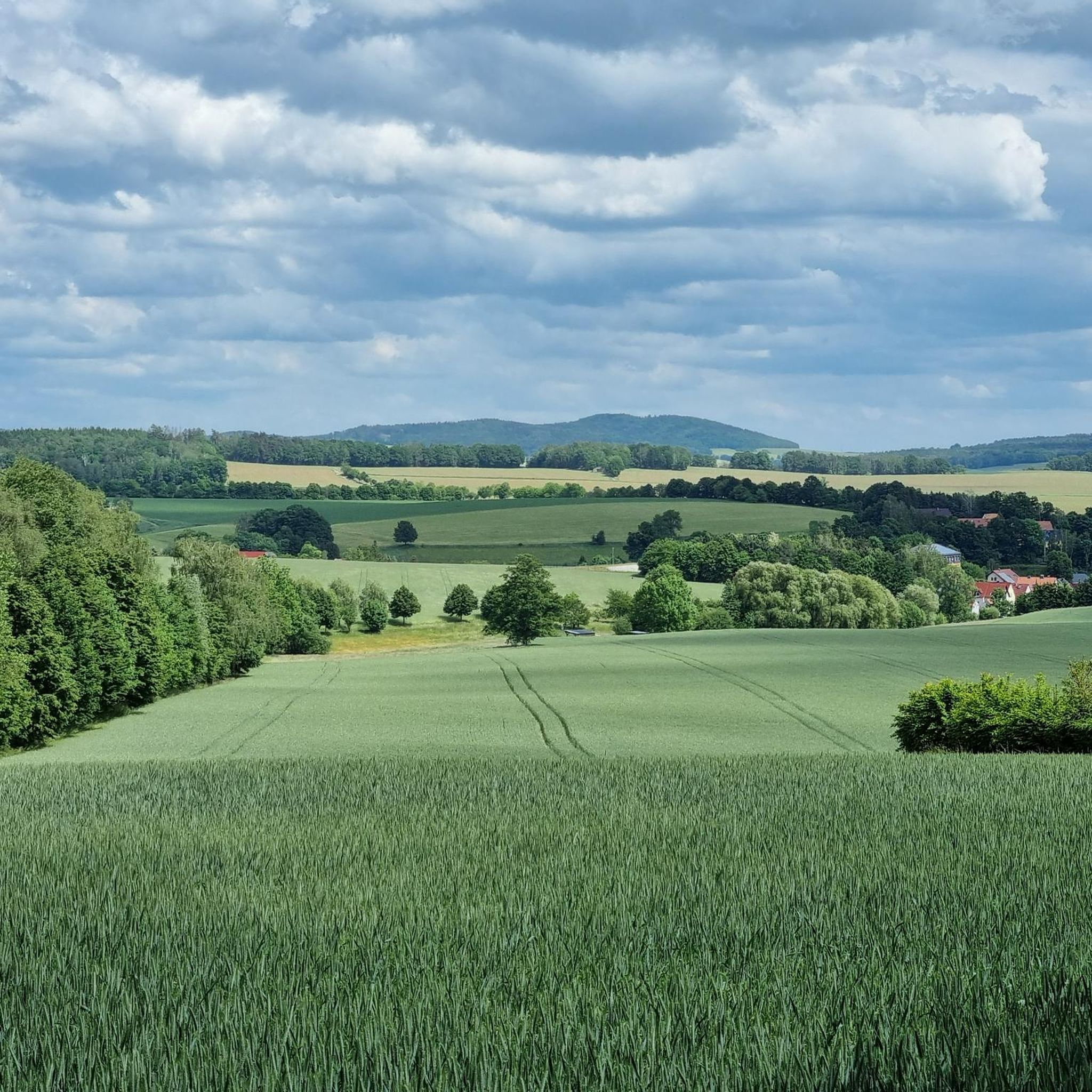
Hiking is almost too banal, walking is more accurate here. I hadn't expected this on our second stage on the Lausitzer Schlange.
12
0

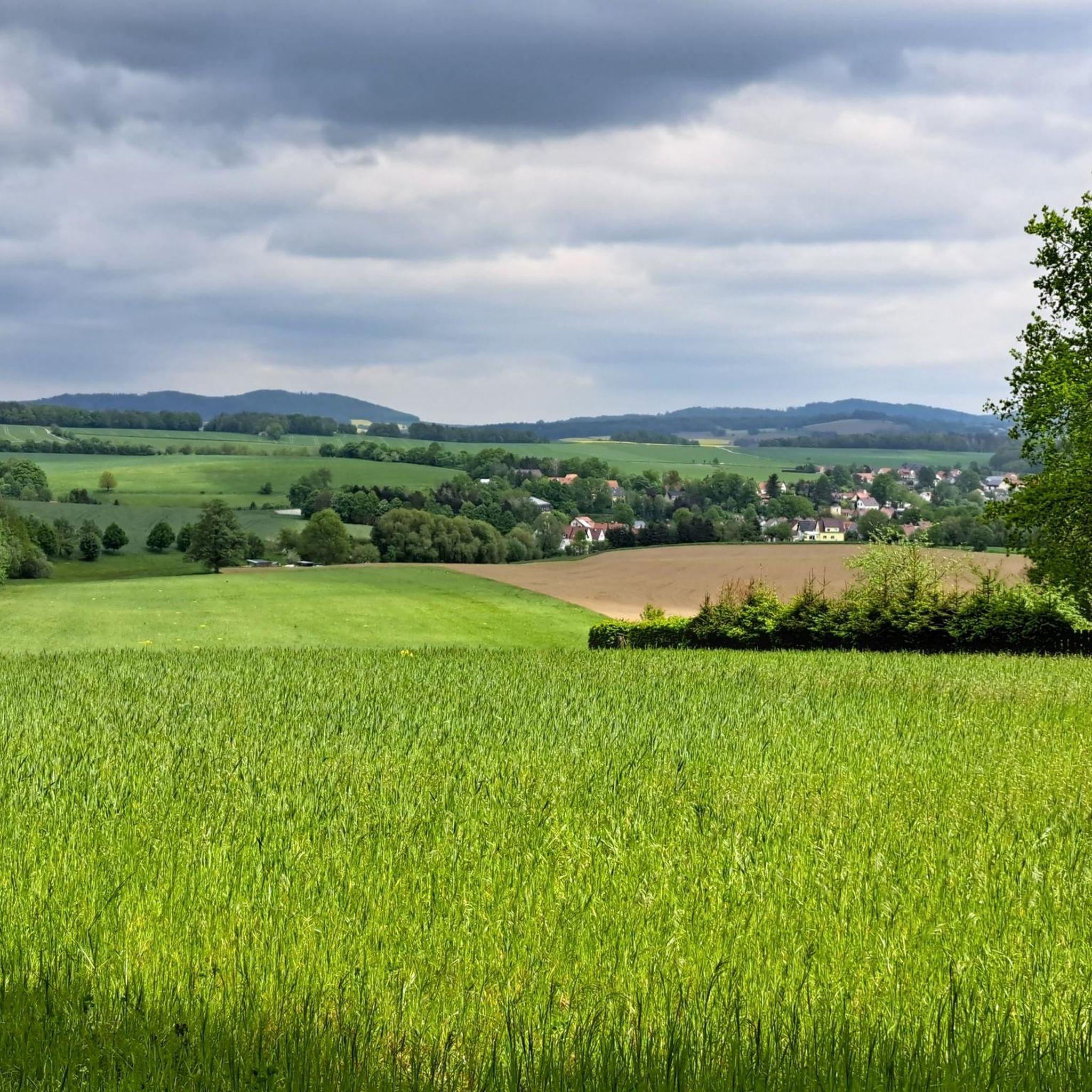
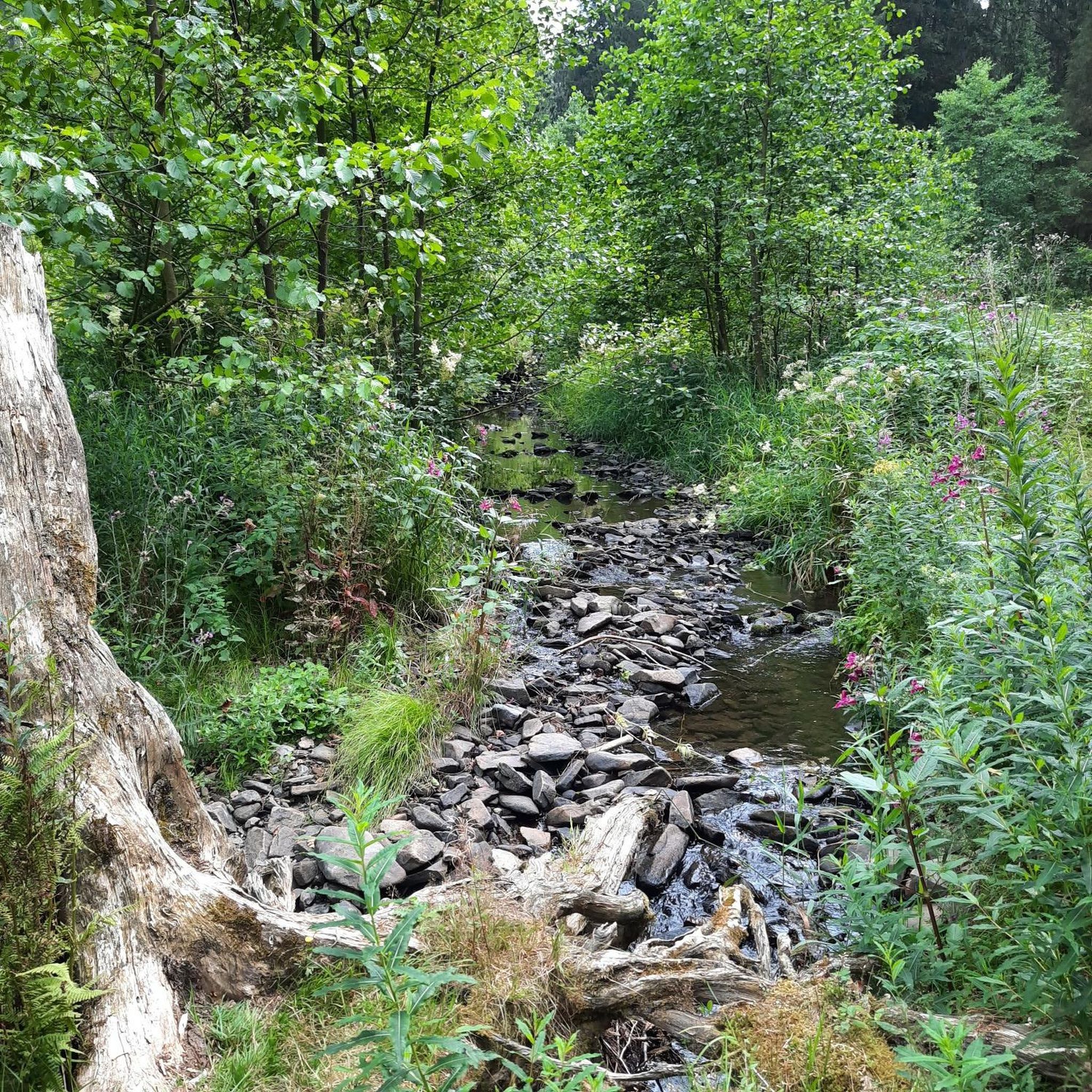
Wildly romantic along the Große Röder, which offers many rudd an ideal habitat. Shady, relaxed, quiet and refreshing, perfect for hikes on hotter days
2
0

There is a beautiful panoramic view from up here
5
0
The Schwedenstein is a 419.7 m above sea level[1] high mountain in West Lusatia...with a lookout tower and restaurants
7
0
If the trees around weren't so high then there would definitely be a great view :) otherwise a nice place to collect information and to rest
5
1

....a lovely valley and always along the Große Röder...highly recommended for hiking with children...
1
0
Frequently Asked Questions
What are some prominent natural monuments to visit around Pulsnitz?
The region around Pulsnitz offers diverse natural monuments. You can explore the Keulenberg Summit, known for its observation tower and extensive views, or the Hochstein (Sibyllenstein), the highest point in the Northwest Lusatian Uplands. For a more tranquil experience, visit the Friendship Lake (See der Freundschaft) with its bird-watching tower and educational boards.
Are there natural monuments with historical significance near Pulsnitz?
Yes, several natural monuments in the area have historical connections. The Keulenberg Summit features the ruins of a castle from the 18th century and a Bismarck memorial column. The Schwedenstein, a mountain near Pulsnitz, is named after a local legend involving Swedish forces and has a granite block inscribed with "Gustav Adolf Rex 1632" at its summit. Additionally, the Große Röder River in the Seifersdorfer Valley is part of one of Germany's oldest landscape gardens, rich in historical monuments and literary connections.
What kind of natural landscapes can I expect to see in the Pulsnitz region?
The Pulsnitz region boasts a variety of natural landscapes. You'll find prominent mountains like Keulenberg and Hochstein offering panoramic views, scenic river valleys such as the Pulsnitztal and the Große Röder, which are protected natural areas with diverse flora. Tranquil lakes like Friendship Lake and Wallroda Reservoir also add to the natural beauty, providing habitats for various wildlife.
Are there family-friendly natural monuments around Pulsnitz?
Absolutely! The Friendship Lake (See der Freundschaft) is particularly suitable for families, offering a circular route with resting places, educational boards, and a small observation tower. The Keulenberg Summit also has a playground for children near its observation tower. The Große Röder River in the Seifersdorfer Valley is also considered family-friendly, offering relaxed walks.
What is the best time of year to visit the natural monuments around Pulsnitz?
The natural monuments around Pulsnitz can be enjoyed year-round. Spring and summer are ideal for lush greenery and vibrant flora, especially if you plan to visit the Rhododendronpark Hutberg in Kamenz during May and June for its spectacular blooms. Autumn offers beautiful fall foliage, while winter provides opportunities for peaceful, snowy hikes, particularly in areas like the Pulsnitztal or the Waldgebiet Luchsenburg.
Are there hiking trails near these natural monuments?
Yes, the region is excellent for hiking. You can find numerous trails around the natural monuments. For example, the Waldgebiet Luchsenburg with Hochstein is a popular spot for hiking, offering trails of varying difficulty. The Pulsnitztal also provides ideal spots for nature walks. For more specific routes, you can explore the Running Trails around Pulsnitz guide, which includes routes like the 'Wooden Bridge Over the Meadow loop from Pulsnitz'.
What outdoor activities can I do near these natural monuments?
Beyond hiking, the area around Pulsnitz offers various outdoor activities. You can enjoy mountain biking in the Waldgebiet Luchsenburg, with routes like the 'Hochstein Summit (Lausitz) – Hochstein Singletrail loop from Pulsnitz' found in the MTB Trails around Pulsnitz guide. Road cycling is also popular, with routes such as the 'Zschorna Pond Area – Keulenberg Climb loop from Pulsnitz-Süd' available in the Road Cycling Routes around Pulsnitz guide. The lakes, like Wallroda Reservoir, also offer opportunities for walks along the water.
Can I find good viewpoints among the natural monuments?
Definitely! The region is known for its impressive viewpoints. The Keulenberg Summit features an observation tower with excellent views extending to Dresden and Saxon Switzerland. The Schwedenstein also has an observation tower providing panoramic views of the Westlausitz region. Even the Hochstein (Sibyllenstein) offers views over Upper Lusatia, and the Lessing Tower within the Rhododendronpark Hutberg provides fantastic vistas over the surrounding heath and pond landscapes.
Are there any natural monuments suitable for dog walking?
Many natural areas around Pulsnitz are suitable for dog walking, especially the extensive forest areas and river valleys. The Pulsnitztal and the Waldgebiet Luchsenburg are great for walks with your dog. While specific rules may vary, generally, dogs are welcome on trails and in natural parks, often requiring them to be on a leash. Always check local signage for any restrictions.
What unique natural features can be found in the Pulsnitztal?
The Pulsnitztal, particularly its 'Tiefental' (deep valley), is a protected natural and landscape area known for its largely untouched state and diverse flora. It's notable for rare plants like the Spiked Rampion and various continental species found on dry south-facing slopes. It's also the only known location for winter horsetail in the region, making it a significant ecological site for nature enthusiasts.
What do visitors enjoy most about the natural monuments around Pulsnitz?
Visitors frequently praise the stunning panoramic views from summits like Keulenberg and Schwedenstein. The peaceful and idyllic settings of places like Friendship Lake and the Seifersdorfer Valley are also highly appreciated for relaxed walks and nature observation. The variety of landscapes, from mountains to river valleys and lakes, offers something for every outdoor enthusiast.
Is there a natural monument known for its unique plant life?
Yes, the Pulsnitztal is particularly renowned for its unique plant life. The protected natural and landscape areas within the valley are home to diverse flora, including rare species like the Spiked Rampion. It's also the only known location in the region for winter horsetail, making it a special spot for botanical interest.
Most popular routes around Pulsnitz
Most popular attractions around Pulsnitz

Get inspired with the komoot mobile app


Explore more
Extend your search for the best caves by checking out these guides of the top ones around Pulsnitz:
