Top 4 Natural Monuments around Groß Wüstenfelde
Best natural monuments around Groß Wüstenfelde are found within the scenic Mecklenburg Switzerland region, characterized by wide fields, green meadows, and dense forests. This area offers diverse natural features, making it suitable for outdoor activities. The landscape includes significant natural attractions such as ancient trees and historical sites. Exploring these natural monuments around Groß Wüstenfelde provides insight into the region's natural heritage.
Best natural monuments around Groß Wüstenfelde
- The most popular natural monuments is Polchow Church, a religious building…
Last updated: May 12, 2026
Polchow Church
Highlight • Religious Site
Translated by Google •
Tip by

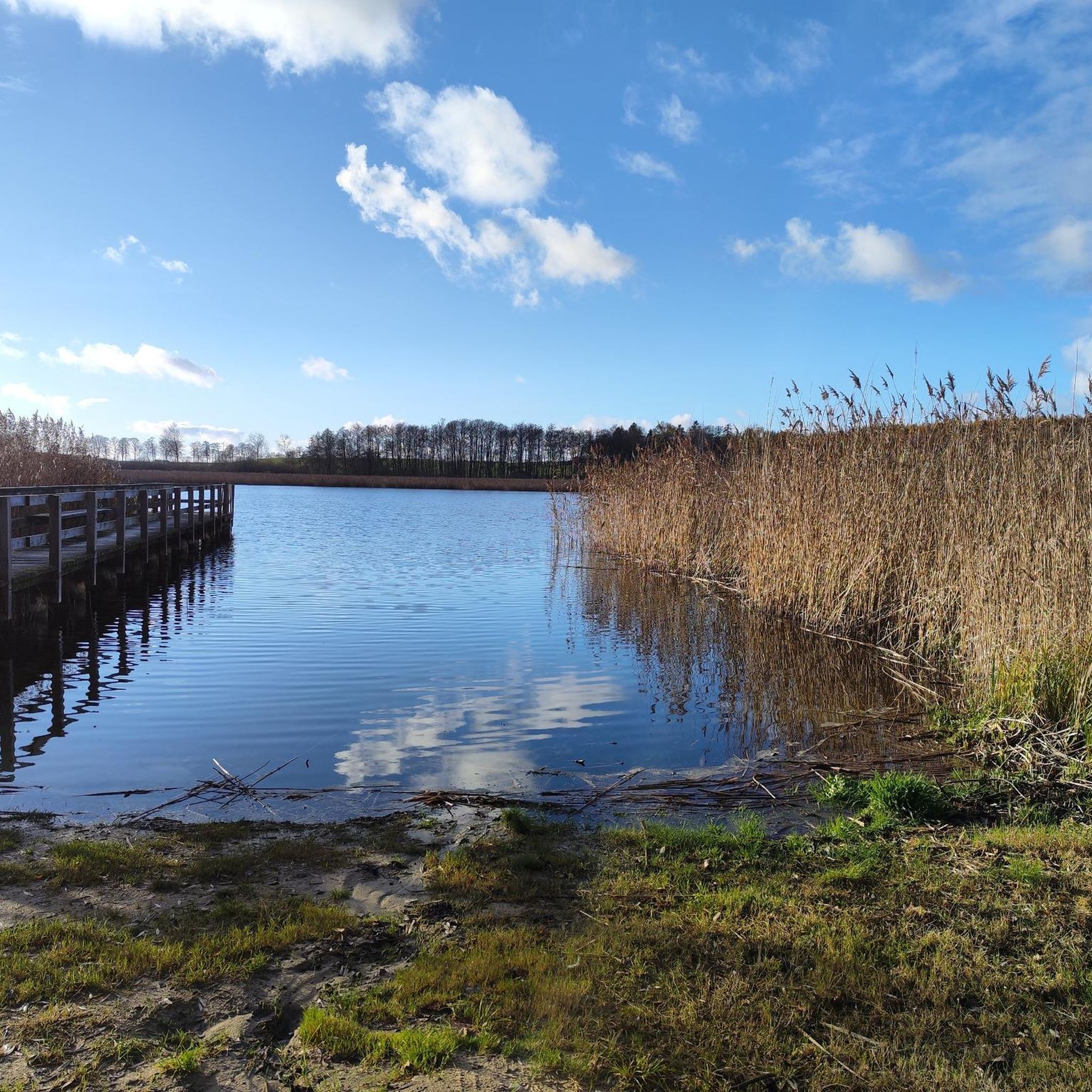
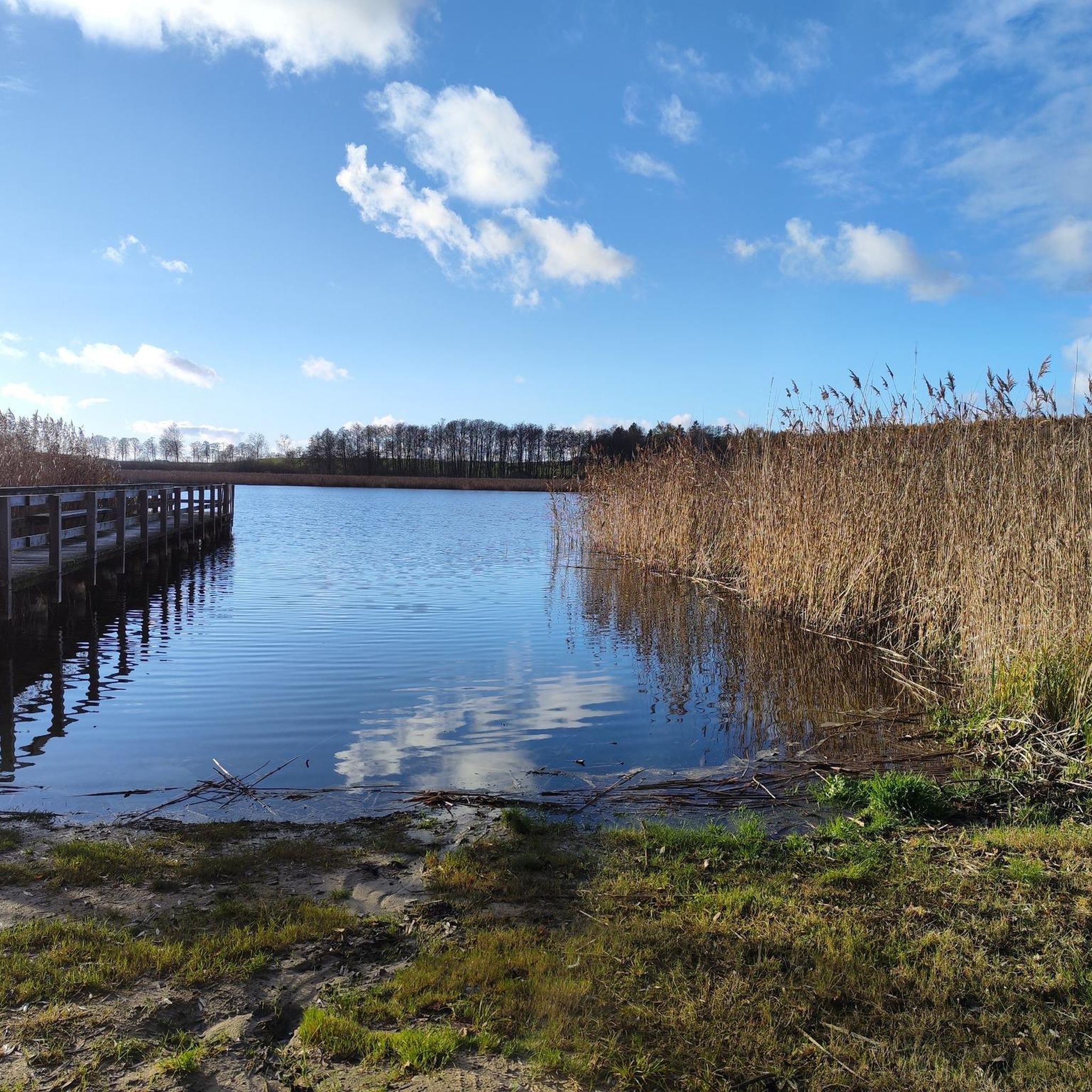
Swimming lake near Tolzin
Highlight • Lake
Translated by Google •
Tip by

Sign up now to discover places like this
Get recommendations on the best single tracks, peaks, & plenty of other exciting outdoor places.
Sign up for free
Polchow
Highlight • Settlement
The church in …
Translated by Google •
Tip by

Großsteingrab Groß Ridsenow
Highlight • Historical Site
Translated by Google •
Tip by

Old Oak Tree in Schlosspark
Highlight • Natural Monument
Translated by Google •
Tip by

Start today with a free account
Your next adventure awaits.
Login or Signup
Tips from the Community

Polchow lay on Mecklenburg's oldest trade route, the Via Regia, which ran through this area 1,000 years ago and was already used by Slavic and Arab traders. The church in Polchow was built between 1888 and 1891 by Gotthilf Ludwig Möckel and is a neo-Gothic brick building with a recessed choir and a west tower, constructed over a three-year period. The choir windows depict the apostles Peter and Paul. The stone epitaph depicts the Crucifixion in its center, flanked by kneeling family members turning toward the scene of the crucifixion. Above it is the Resurrection. The old linden tree in the cemetery was declared a natural monument in 1937 and is considered the oldest linden tree in Mecklenburg. As early as 1886, its circumference was given as 13 meters.
1
0
Polchow lay on Mecklenburg's oldest trade route, the Via Regia, which ran through this area 1,000 years ago and was already used by Slavic and Arab traders. The church in Polchow was built between 1888 and 1891 by Gotthilf Ludwig Möckel and is a neo-Gothic brick building with a recessed choir and a west tower, constructed over a three-year period. The choir windows depict the apostles Peter and Paul. The stone epitaph depicts the Crucifixion in its center, flanked by kneeling family members turning toward the scene of the crucifixion. Above it is the Resurrection. The old linden tree in the cemetery was declared a natural monument in 1937 and is considered the oldest linden tree in Mecklenburg. As early as 1886, its circumference was given as 13 meters.
0
0

The old oak tree alone makes the park worth a look. I parked my bike in front of it so you can get an idea of the size.
0
0

In the midst of a great hilly landscape in a small wooded area there is the Groß Ridsenow stone grave (also called Goritz or Hell) is a megalithic grave of the Neolithic funnel cup culture near Groß Ridsenow, a district of Wardow. Sturdy shoes are required in any case.
1
0

A small swimming lake that is never overcrowded even in midsummer; A little detour is particularly worthwhile in the evening.
3
0

The 1000-year-old linden tree also stands here in the cemetery
1
0

Polchow, the oldest village in the Güstrow district, was first mentioned in documents in 1216. At that time it was owned by the Dargun Monastery, which also received patronage rights over the church. The oldest trade route in Mecklenburg, "via regia", passed the site and offered rest and supply facilities in the "taberna" called 1219. Polchow's church, which dates back to the 13th century, was demolished in 1888 due to dilapidation. It was replaced by the church designed by Gotthilf Ludwig Möckel between 1888 and 1891 and built by the Teterower master builder Pitschner. The neo-Gothic brick building with west tower has been extensively restored inside and out in recent years.
1
0

A nice little lake with a jetty and benches almost forces you to stop for a swim!
4
0
Frequently Asked Questions
What types of natural monuments can I discover around Groß Wüstenfelde?
The region around Groß Wüstenfelde offers a variety of natural monuments, from ancient trees to historical sites. You can find impressive old oak trees scattered across the Feldmark, some with circumferences up to 8 meters. Additionally, the Polchow Church grounds host the oldest linden tree in Mecklenburg, declared a natural monument in 1937. There's also the Großsteingrab Groß Ridsenow, a megalithic grave set amidst a hilly landscape, which is also recognized as a natural monument.
Are there any family-friendly natural monuments in the area?
Yes, several natural monuments are suitable for families. The Swimming lake near Tolzin is a great option, offering a jetty and benches for relaxation and swimming, and it's rarely overcrowded. The Old Oak Tree in Schlosspark is also considered family-friendly, providing a peaceful natural setting.
What historical natural monuments can I visit near Groß Wüstenfelde?
For those interested in history, the Großsteingrab Groß Ridsenow is a significant historical natural monument. This megalithic grave dates back to the Neolithic funnel cup culture and is situated in a small wooded area within a hilly landscape. Additionally, the ancient linden tree at Polchow Church has historical significance, having been declared a natural monument in 1937.
What outdoor activities can I do near these natural monuments?
The region around Groß Wüstenfelde is excellent for various outdoor activities. You can explore the natural beauty through running trails, enjoy mountain biking, or take leisurely cycling tours. The diverse landscape of fields, meadows, and forests provides a scenic backdrop for all these activities.
Are there any natural monuments that are particularly good for swimming or relaxation?
Yes, the Swimming lake near Tolzin is ideal for swimming and relaxation. It features a jetty and benches, making it a pleasant spot to stop and enjoy the water. Visitors note that it's rarely overcrowded, even during peak summer months.
What makes the old oak trees in Groß Wüstenfelde special?
Groß Wüstenfelde is home to 22 ancient oak trees on its Feldmark, which are considered natural monuments. These venerable trees vary significantly in size, with some boasting impressive circumferences of up to 8 meters. Their age and imposing presence contribute significantly to the unique character of the local environment and serve as important ecological habitats.
What is the best time of year to visit the natural monuments around Groß Wüstenfelde?
The Mecklenburg Switzerland region, including Groß Wüstenfelde, is beautiful throughout the year. Spring and summer are ideal for enjoying the lush greenery and outdoor activities like swimming at the Swimming lake near Tolzin. Autumn offers stunning foliage, while winter provides a serene, quiet landscape for walks, especially around the ancient trees.
Are there any natural monuments with significant trees in the area?
Absolutely. The most notable is the oldest linden tree in Mecklenburg, located in the cemetery of Polchow Church. It was declared a natural monument in 1937 and had a circumference of 13 meters as early as 1886. Additionally, the Old Oak Tree in Schlosspark is another impressive arboreal natural monument worth seeing.
What should I know before visiting the Großsteingrab Groß Ridsenow?
The Großsteingrab Groß Ridsenow is a megalithic grave situated in a hilly, wooded area. It is recommended to wear sturdy shoes when visiting, as the terrain can be uneven. This site offers a glimpse into the Neolithic history of the region.
Can I find viewpoints among the natural monuments?
Yes, the Swimming lake near Tolzin and the Old Oak Tree in Schlosspark are both listed as offering viewpoints. These spots provide opportunities to appreciate the natural beauty and serene landscapes of the Groß Wüstenfelde area.
Most popular attractions around Groß Wüstenfelde

Get inspired with the komoot mobile app


Explore more
Extend your search for the best caves by checking out these guides of the top ones around Groß Wüstenfelde:
