Top 20 Natural Monuments around Esche
Best natural monuments around Esche are found within the Emsland region of Lower Saxony, Germany, offering diverse natural attractions. The area is characterized by moorlands, wooded areas, and river landscapes. Visitors can explore a variety of natural features, from geological formations to unique ecosystems. This region provides opportunities for observing local flora and fauna in protected natural settings.
Best natural monuments around Esche
- The most popular natural monuments is Springendal Nature Reserve, a forest area that includes extensive forests,…
Last updated: October 11, 2026
Dinkel Weir
Highlight • Bridge
Translated by Google •
Tip by

Itter Spring
Highlight • Natural Monument
Translated by Google •
Tip by

Sign up now to discover places like this
Get recommendations on the best single tracks, peaks, & plenty of other exciting outdoor places.
Springendal Nature Reserve
Highlight • Forest
Het Springendal includes extensive forests, springs with small ponds, streams and waterfalls, small hills, heathland and pastureland. Parts of …
Translated by Google •
Tip by

Spöllberg Burial Mounds
Highlight • Historical Site
Translated by Google •
Tip by

1200 Years Hesingen-Hezingen Boundary Stone
Highlight • Monument
Translated by Google •
Tip by

Sign up for free to discover even more natural monuments around Esche.
Already have an account?
Start today with a free account
Your next adventure awaits.
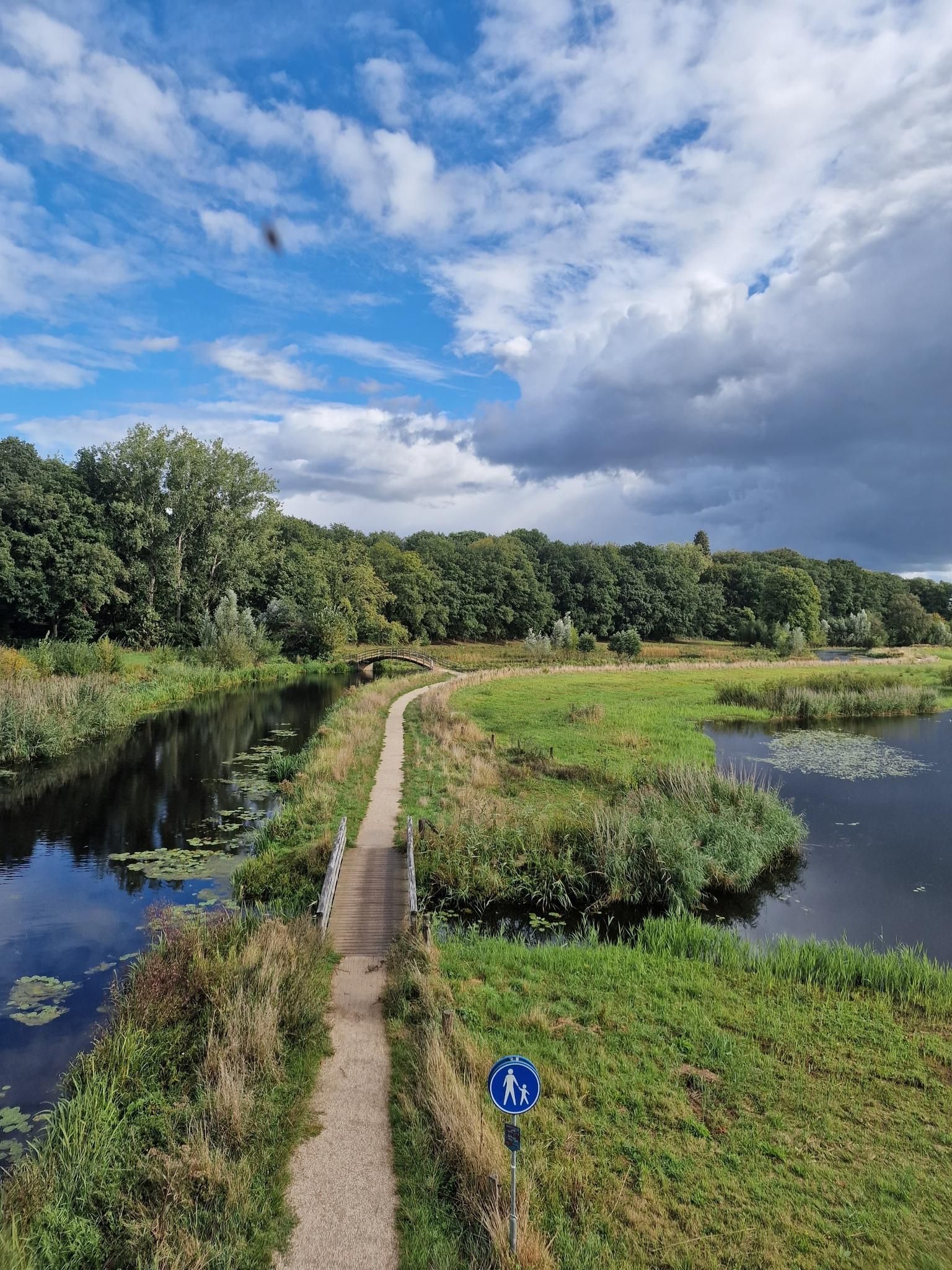
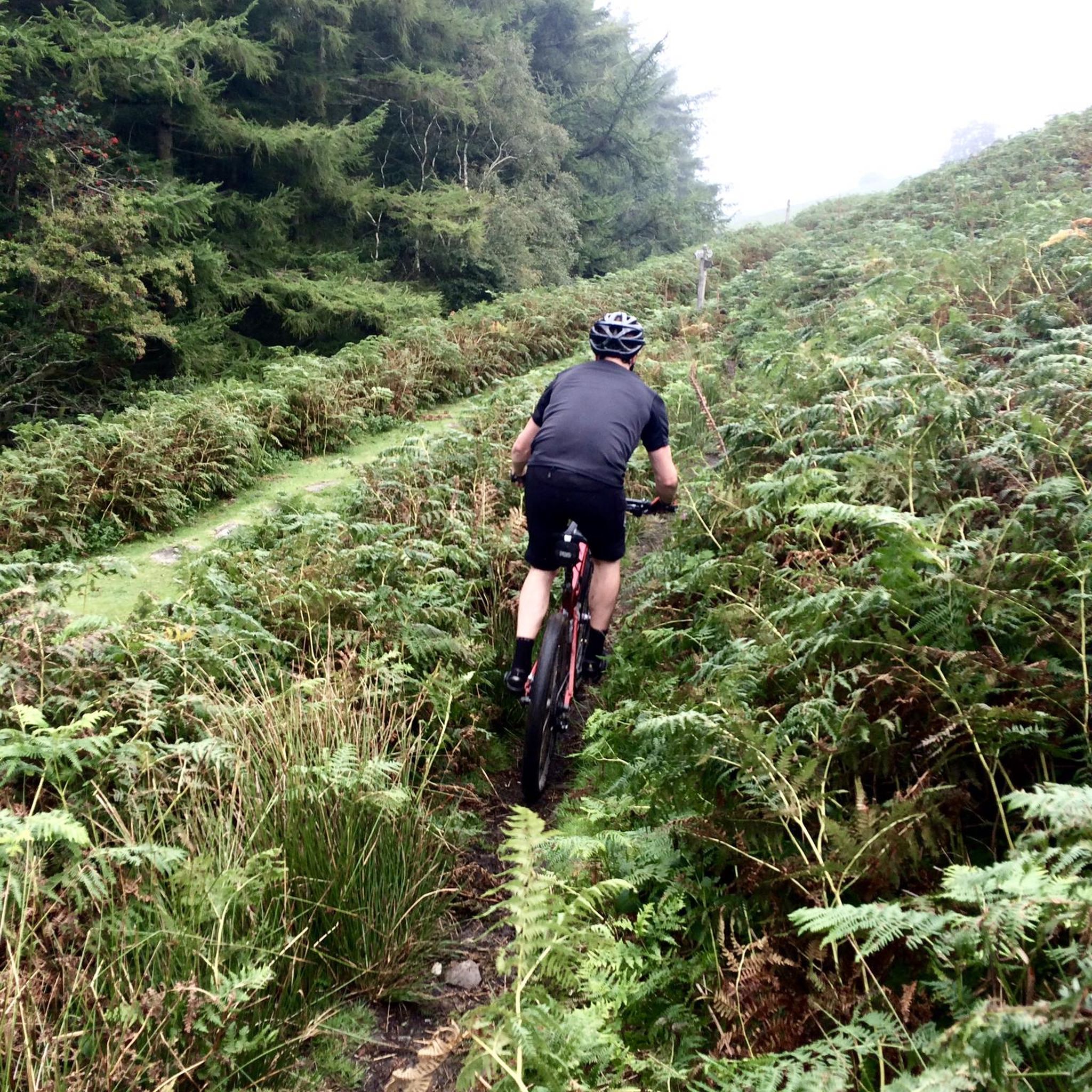
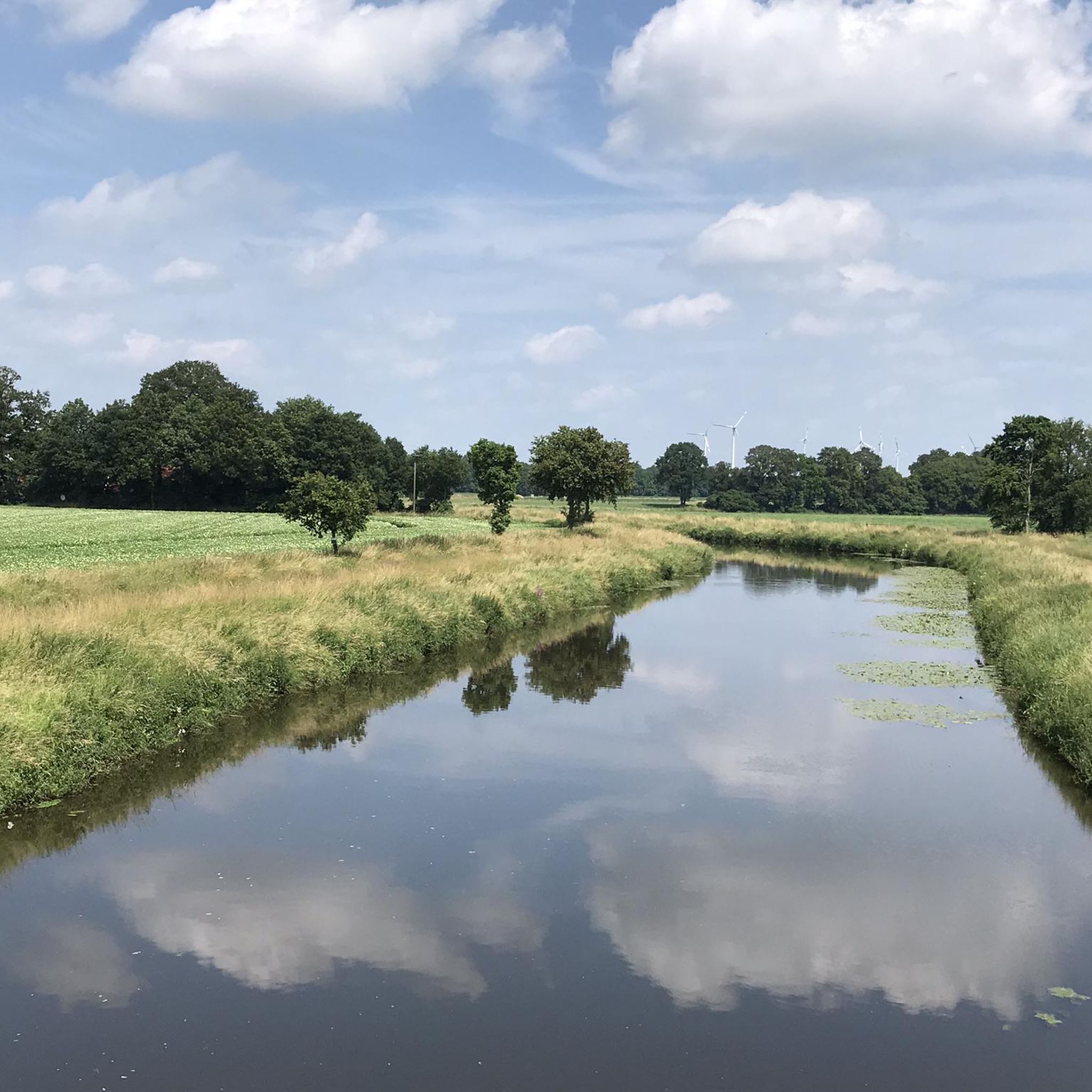
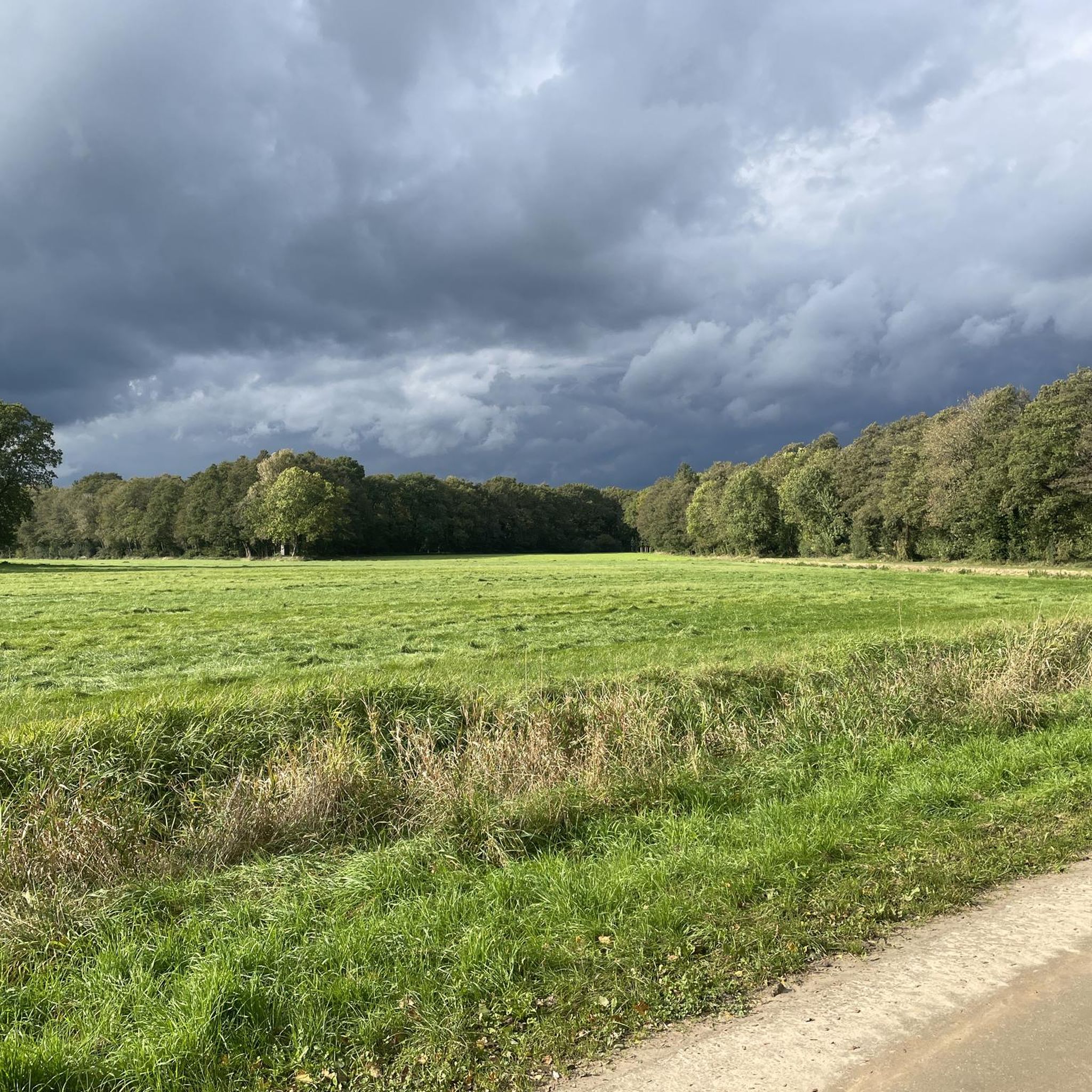
Other adventures around Esche

Tips from the Community

A small boulder as a boundary
0
0


A bottom slide for the Dinkel The "War" weir must make way for a more ecological structure The "War" Dinkel weir in Lage was more than 80 years old when extensive renovation work began here in May 2019. The dilapidated weir in the county of Bentheim was replaced by a bottom slide that compensates for the difference in height between the upper and lower water over a longer distance. Now fish and other aquatic animals can migrate up and down again. This "ecological continuity" is made possible by the multi-level bottom slide with 20 crossbars that transform the riverbed into a kind of long staircase or "basin cascade". The rest areas in the basins allow even weak-swimming fish to ascend the water and are also a breeding ground for young fish. In addition, the turbulent flow ensures that the water absorbs more oxygen than before.
6
0

A great highlight on the tour in the Lower County on the border with the Netherlands, also with a rest hut -:)
6
0

A piece of history on a nicely situated heathland.
1
1

Stone on the heath
0
0

In Lage, the bottom slide and bridge at the Dinkel weir have been completed. This was announced by the district of Grafschaft Bentheim. The construction of the bottom slide restored the river's continuity in accordance with the European Water Framework Directive. Over the years, obstacles to migration for fish, among other things, have also arisen in the Dinkel area, which have now been removed by the measures. This included the demolition of the old bridge and weir system and the construction of a new two-span bridge with a flood channel opening. The reconstruction work on the weir system began in 2019. According to the head of the Lower Saxony State Office for Water Management, Coastal and Nature Conservation, Dorothea Altenhofen, the planned measures at the Dinkel weir in Neuenhaus and the bottom slide will achieve complete continuity on the Lower Saxony side of the Dinkel. The construction project was funded by EU and state funds with 1.5 million euros.
6
0

With around 330 hectares, Het Springendal is one of the largest nature reserves in the Netherlands.
2
1
Frequently Asked Questions
What are some of the most popular natural monuments around Esche?
Visitors to the Esche region highly appreciate several natural monuments. Among the most popular are Springendal Nature Reserve, known for its extensive forests, springs, and heathland. Another must-see is Dinkel Weir, a unique bridge and weir system that aids fish migration. The Itter Spring, the source of the Itter stream in a forested nature reserve, is also a favorite.
What kind of natural features can I expect to see in the Esche region?
The Esche region, situated within the broader Emsland area of Lower Saxony, offers a diverse range of natural features. You can explore extensive forests, tranquil moorlands like those in the Bourtanger Moor Nature Park, and picturesque river landscapes along the Ems and Hase rivers. The area also features unique geological formations, springs, heathland, and wetlands, providing habitats for various flora and fauna.
Are there hiking trails near the natural monuments around Esche?
Yes, the region around Esche offers numerous hiking opportunities. For example, you can find trails near the Itter Spring within the Itterbecker Heide nature reserve. The Hiking around Esche guide features routes like 'The Dinkel near Lage' and 'Path Along the Vechte', offering easy to moderate walks through the scenic landscapes.
Can I go cycling near these natural monuments?
Absolutely! The Emsland region is very popular for cycling. You can find routes that pass by natural monuments and through beautiful river landscapes. The Cycling around Esche guide includes routes such as 'Proatbänki with Panoramic View' and 'Vechte River Near Esche', which are generally easy to moderate. For more adventurous riders, the Gravel biking around Esche guide offers challenging routes like 'Border paths & hill country' that explore the wider region.
Are there family-friendly natural monuments around Esche?
Many natural monuments in the Esche area are suitable for families. Springendal Nature Reserve is a great choice with its varied landscapes and opportunities for exploration. The Dinkel Weir is also considered family-friendly, offering an interesting insight into river continuity. Additionally, the Ottershagen Bird Hide provides a fun opportunity for children to observe local water birds.
Are there any historical sites among the natural monuments?
Yes, the region combines natural beauty with historical significance. The Spöllberg Burial Mounds are a notable historical site located on a juniper-covered heath, dating from the late Neolithic period to the early Iron Age. Additionally, within the Springendal Nature Reserve, you can find several burial mounds, likely from the Neolithic or Bronze Age, which are listed as historical monuments.
Where can I observe wildlife or go birdwatching?
For wildlife observation, the Ottershagen Bird Hide is an excellent spot to watch water birds, though their presence depends on the natural water level. The Bourtanger Moor Nature Park is known for its rare plants and animals, including frogs, sheep, and cattle. Further afield, the Lower Saxony Wadden Sea National Park, a UNESCO World Heritage Site, is a globally significant area for migratory birds, especially during the Ringelgan Days in April and May.
What is the best time of year to visit the natural monuments around Esche?
The best time to visit largely depends on your preferred activities. Spring and autumn offer pleasant temperatures for hiking and cycling, with beautiful foliage in autumn. Spring is also ideal for birdwatching, particularly in areas like the Wadden Sea. Summer is great for outdoor activities and enjoying the green landscapes. Even winter can be appealing for peaceful walks, especially in forested areas like the Harz National Park, though some facilities might have reduced hours.
How can I get to the natural monuments around Esche, and is parking available?
Access to natural monuments around Esche is primarily by car, with parking often available near popular sites. For instance, Springendal Nature Reserve has designated parking facilities. Public transport options might be limited for reaching some of the more remote natural areas, so checking local bus schedules or planning your route in advance is advisable. Cycling is also a popular way to explore the region.
Are the trails and natural monuments around Esche dog-friendly?
Generally, many trails and natural areas around Esche are dog-friendly, especially if dogs are kept on a leash. However, specific rules can vary by nature reserve or protected area. It's always recommended to check local signage or specific regulations for each natural monument you plan to visit, particularly concerning sensitive wildlife habitats or grazing areas.
Can I explore moorlands or wetlands in the region?
Yes, the region offers excellent opportunities to explore moorlands and wetlands. The Bourtanger Moor Nature Park, straddling the German-Dutch border, is a prime example, characterized by its unique moorland landscape. It's an ideal location for hiking and biking, allowing visitors to experience this special habitat. Additionally, the Lower Saxony Wadden Sea National Park provides an unparalleled wetland experience with its vast tidal flats.
Are there any unique water features like springs or weirs to visit?
Indeed, the area features interesting water-related natural monuments. The Itter Spring is a significant natural monument as the source of the Itter stream. The Dinkel Weir is another unique site, featuring a bottom slide designed to restore the river's continuity and allow fish migration, making it both a natural and engineering marvel.
Most popular routes around Esche
Most popular attractions around Esche

Get inspired with the komoot mobile app


Explore more
Extend your search for the best caves by checking out these guides of the top ones around Esche:
