Top 20 Natural Monuments around Faßberg
Best natural monuments around Faßberg are situated within the Lüneburg Heath Nature Park, offering a diverse landscape. This region features expansive heathlands, unique dry valleys formed during the Ice Age, and historical sites. Visitors can explore a variety of natural features, including significant geological formations and areas dedicated to nature preservation. The area provides opportunities to experience the natural and cultural heritage of the Lüneburg Heath.
Best natural monuments around Faßberg
- The most popular natural monuments is Misselhorner Heath –…
Last updated: September 28, 2026
Misselhorner Heath – Tiefental
Highlight (Segment) • Natural
Although the deep valley …
Translated by Google •
Tip by

Lönsstein (Hermann Löns Memorial) on Wietzer Berg
Highlight • Monument
Showing Translation
Tip by

Sign up now to discover places like this
Get recommendations on the best single tracks, peaks, & plenty of other exciting outdoor places.
Tiefental in the Misselhorner Heath
Highlight • Gorge
Translated by Google •
Tip by

Kettle in the Misselhorner Heath
Highlight • Natural Monument
Translated by Google •
Tip by

Misselhorner Heath
Highlight • Natural
Translated by Google •
Tip by

Sign up for free to discover even more natural monuments around Faßberg.
Already have an account?
Start today with a free account
Your next adventure awaits.
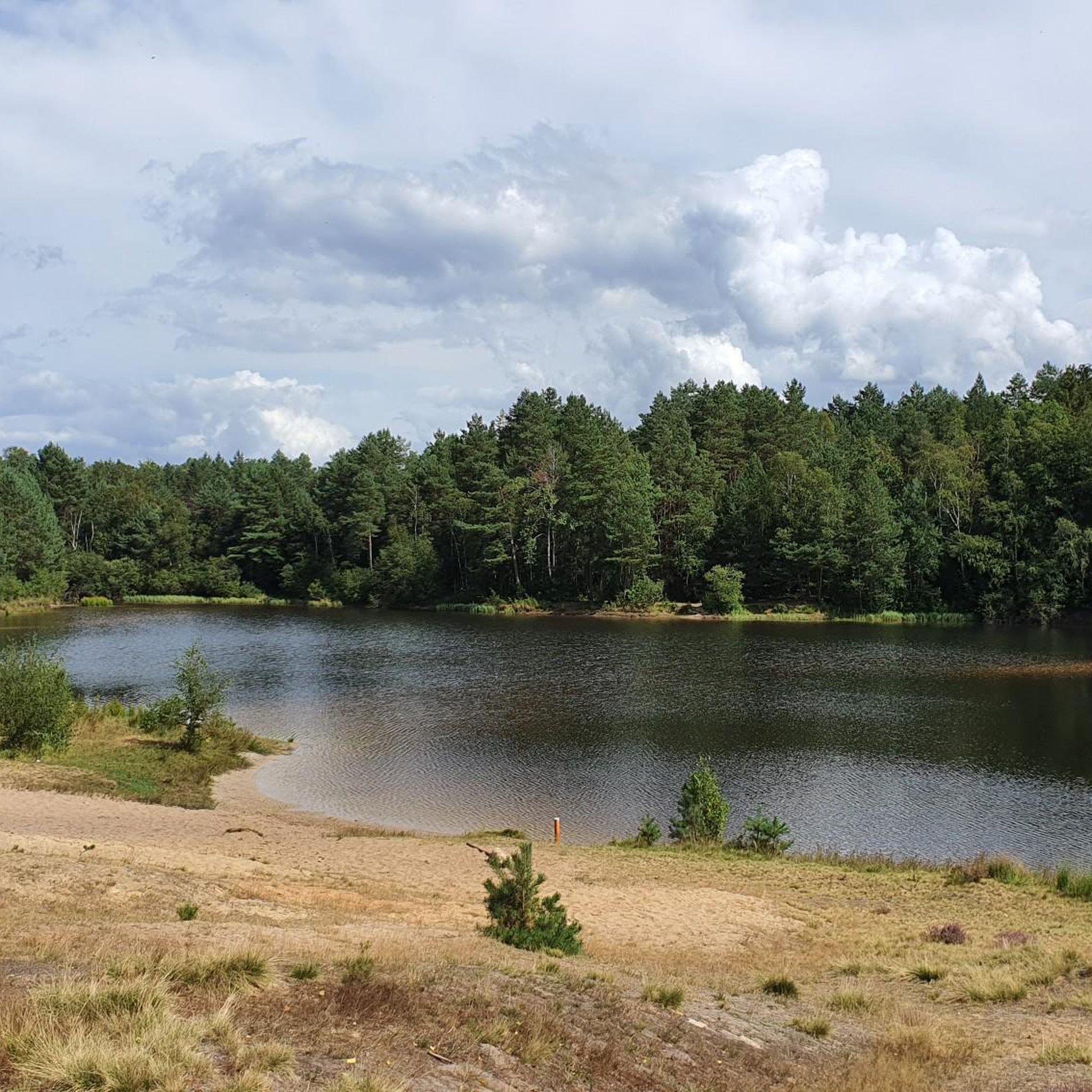
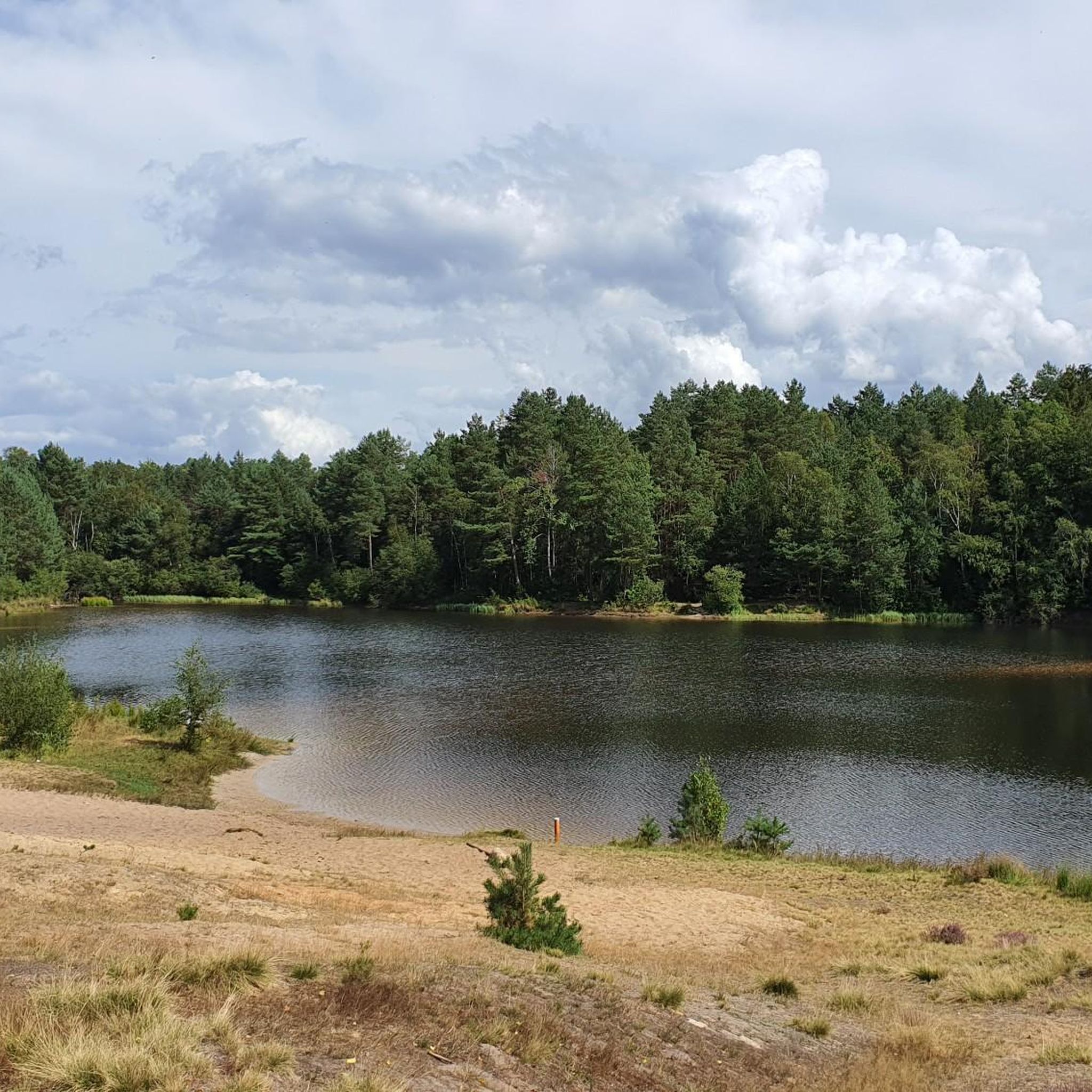
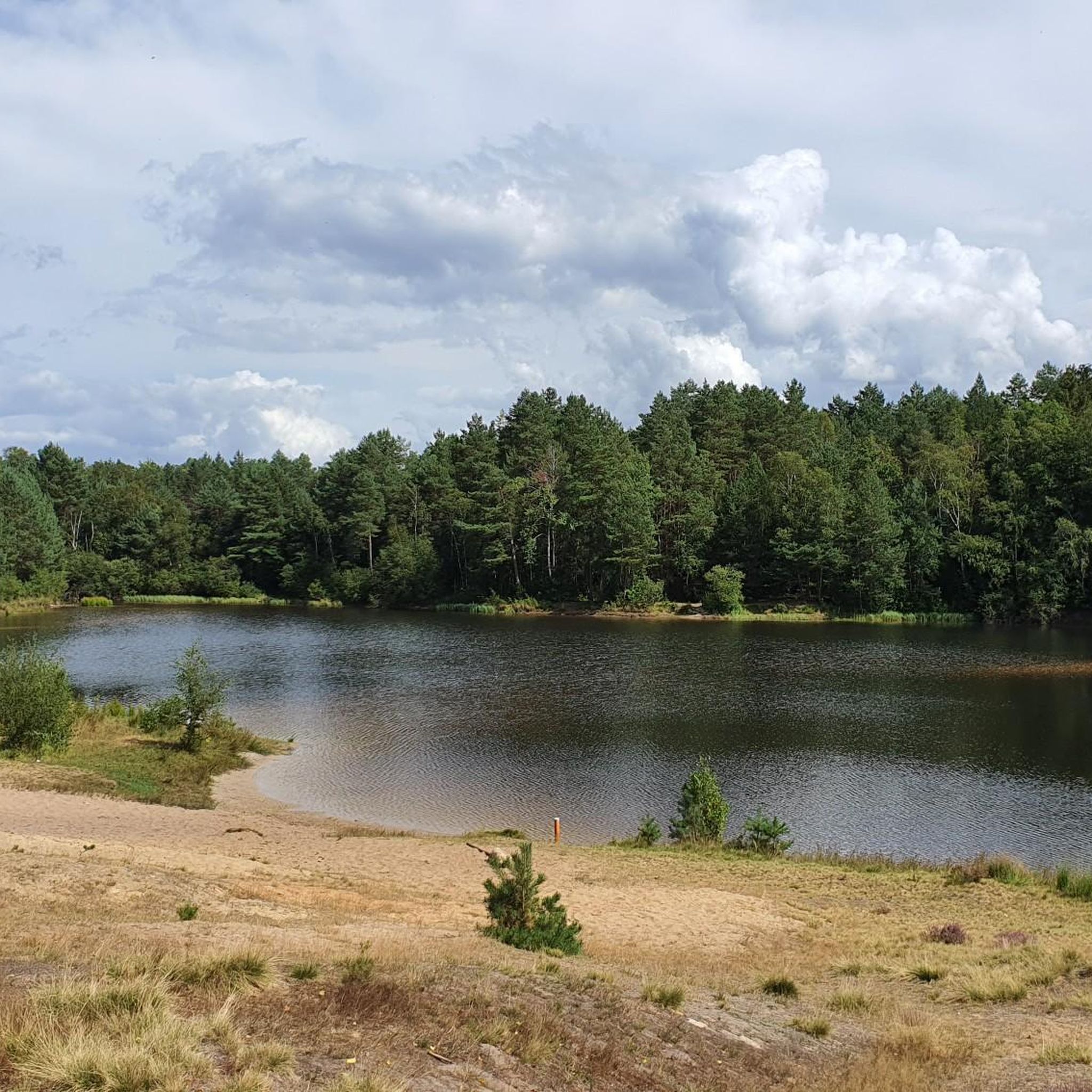



Tips from the Community

It is worth hiking the Heideschleife loop to the Tiefental and the Eicksberg.
0
0

You can book forest and heath yoga at: https://www.lueneburger-heide.de/natur/landschaftsfuehrungen/0100315303/wald-und-heideyoga.html#/
0
0

After a wet period, a pond forms here in the hollow... but it often dries up in summer
1
0
Beautiful heathland surrounded by magnificent forest... the path leads through this idyllic landscape with gentle ups and downs... especially during the heather bloom, a force of nature
2
0

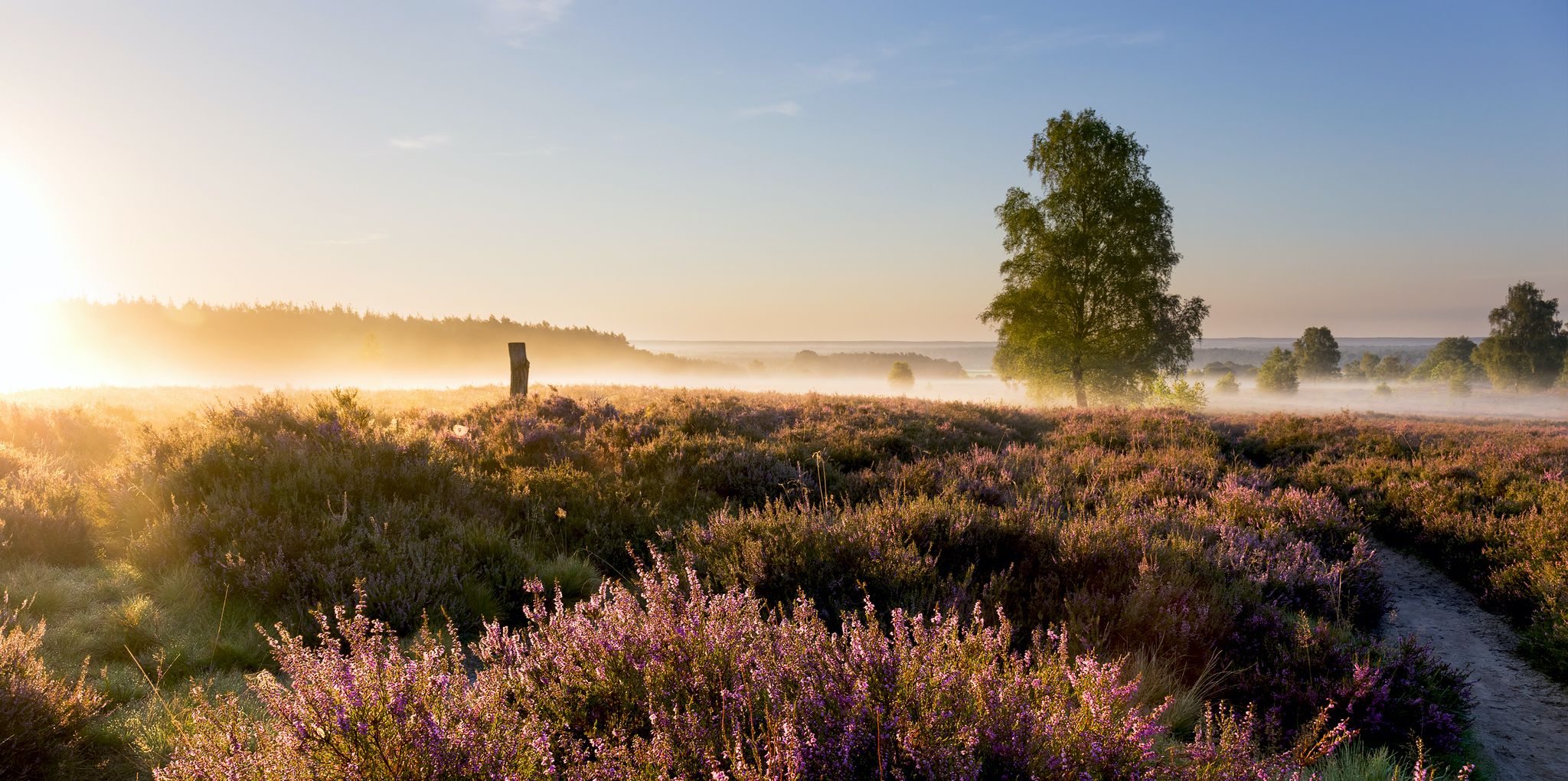
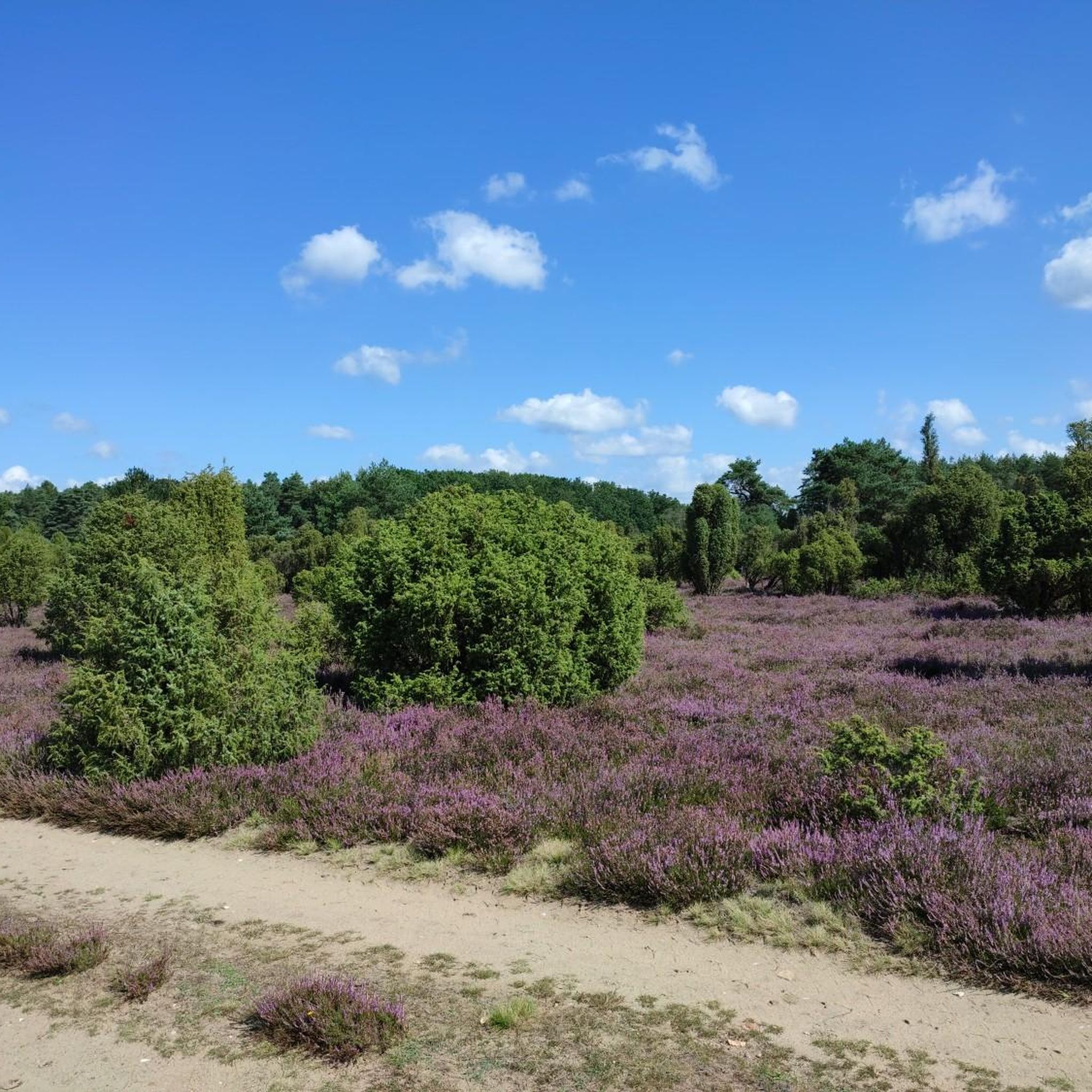
The Misselhorner Heide is one of the most typical heath landscapes in the Südheide. Characteristic of this area are the wide heathlands, juniper bushes, and birches that shape the landscape. The heath is particularly impressive during the heather bloom from August to September, when the areas transform into a sea of purple colors. Compared to the better-known heath areas near Wilsede, the Misselhorner Heide is considered quieter and less visited. The German landscape painter Arnold Lyongrün was also inspired by this landscape and captured it in numerous heath paintings, which made the area known beyond the region.
3
0

The road in the middle is wonderful to ride.
5
4

Here two large heath areas flow into one another: the Misselhorner Heide and the Tiefental, which is often called the “heath area on the Eicksberg”. Heathlands are old cultural landscapes, created by agriculture in earlier centuries. Today they are protected thanks to their very own flora and fauna. Characteristic of this diverse landscape are the nutrient-poor sandy soils on which birch and pine forests thrive - and of course the heather: the common heather (Calluna vulgaris). https://www.lueneburger-heide.de/natur/gehenswuerdigkeit/3408/misselhorner-heide-naturpark-suedheide.html
7
1

The Misselhorner Heath with the Tiefental is one of the most beautiful heath areas in the Südheide Nature Park. Gentle hills and extensive heathland, interspersed with gnarled junipers, characterize the landscape. The heath area begins 1.5 km east of Hermannsburg. It is part of the "middle Lüßplateau", a nature reserve in the Südheide Nature Park.
10
1
Frequently Asked Questions
What natural features can I explore around Faßberg?
The Faßberg area, situated within the Lüneburg Heath Nature Park, offers a diverse range of natural features. You can explore expansive heathlands, unique dry valleys like the Tiefental formed during the Ice Age, and the tranquil Örtze River. Notable spots include the Misselhorner Heath – Tiefental and the Angelbeck Pond.
Are there family-friendly natural monuments in Faßberg?
Yes, several natural monuments around Faßberg are suitable for families. The Misselhorner Heath – Tiefental, Lönsstein (Hermann Löns Memorial) on Wietzer Berg, and the Old Mill and Wading Spot on the Örtze are all categorized as family-friendly. The Kettle in the Misselhorner Heath and Angelbeck Pond also welcome families.
What historical or cultural sites are connected to Faßberg's natural monuments?
The Lönsstein (Hermann Löns Memorial) on Wietzer Berg is a significant historical site, commemorating Hermann Löns, whose efforts were crucial in establishing the Lüneburg Heath as one of Germany's first nature reserves. Additionally, the Tiefental area within the Misselhorner Heath was historically used by missionary founder Ludwig Harms for sermons around 1860. The Old Mill and Wading Spot on the Örtze also has historical significance as an old watermill.
What is the best time to visit the natural monuments in Faßberg?
The Lüneburg Heath region is particularly beautiful during the heath blossom season, typically from August to early September, when the landscape turns vibrant purple. However, the natural monuments offer scenic beauty and opportunities for hiking and recreation throughout spring, summer, and autumn. Winter can also be picturesque, especially after snowfall.
Are there hiking trails near Faßberg's natural monuments?
Yes, the area around Faßberg offers numerous hiking opportunities. You can find easy hikes such as the 'Lindestein Memorial – Lönsstein Memorial loop from Müden (Örtze)' or the 'Heather fields near Faßberg, Naturpark Südheide – Juniper forest loop from Faßberg'. For more options, explore the Easy hikes around Faßberg guide.
Can I go cycling near the natural monuments in Faßberg?
Absolutely. The region is well-suited for cycling, including road cycling and gravel biking. You can find routes like the 'Ole Müllern Schün Cafe – The Lüdde Löns Heath loop from Poitzen' for road cycling or the 'Misselhorner Heath – Örtze Riverside Singletrack loop from Unterlüß' for gravel biking. Check out the Road Cycling Routes around Faßberg and Gravel biking around Faßberg guides for detailed routes.
Are there any wheelchair accessible natural monuments near Faßberg?
Yes, the Old Mill and Wading Spot on the Örtze is noted as wheelchair accessible, offering easy access to the river. The Angelbeck Pond is also listed as wheelchair accessible, providing a pleasant natural experience.
What do visitors enjoy most about the natural monuments around Faßberg?
Visitors frequently praise the diverse and picturesque landscapes, from the unique panorama of the Tiefental to the expansive heathlands. The historical connections, such as the Lönsstein, and opportunities for peaceful breaks by the Örtze River or Angelbeck Pond are also highly appreciated. Many enjoy the well-maintained trails and the chance to immerse themselves in nature.
What should I wear for hiking in Faßberg's nature areas?
For hiking in the Faßberg region, it's advisable to wear comfortable, layered clothing suitable for varying weather conditions. Sturdy, waterproof hiking boots are recommended, especially if exploring heathlands or areas near rivers, as paths can sometimes be sandy or damp. Bringing sun protection and insect repellent is also a good idea.
Are there dog-friendly trails around Faßberg's natural attractions?
Many of the natural areas and trails around Faßberg are dog-friendly, allowing you to explore with your canine companion. Always keep your dog on a leash, especially in nature reserves and during the heath blossom season, to protect wildlife and the delicate ecosystem. Be sure to carry waste bags and clean up after your pet.
Where can I find parking near the natural monuments?
Parking facilities are generally available near popular natural monuments and trailheads in the Faßberg area. For instance, there are parking options close to the Misselhorner Heath and the Lönsstein on Wietzer Berg. Specific parking information can often be found on local signage or tourist information boards at the sites themselves.
Can I spot wildlife in the natural monuments around Faßberg?
The Lüneburg Heath region is home to diverse wildlife. While spotting specific animals can depend on luck and timing, you might encounter various bird species, deer, and smaller mammals. The iconic Heidschnucke sheep, which graze the heathlands to maintain the landscape, are a common and charming sight, particularly in areas like the Misselhorner Heath.
Most popular routes around Faßberg
Most popular attractions around Faßberg

Get inspired with the komoot mobile app


Explore more
Extend your search for the best caves by checking out these guides of the top ones around Faßberg:
