Top 18 Natural Monuments around Groß Kiesow
Best natural monuments around Groß Kiesow are found within the rural landscape of Vorpommern-Greifswald in Mecklenburg-Vorpommern. This region offers diverse natural landscapes and protected areas. While specific natural monuments directly within Groß Kiesow are not extensively documented, the surrounding areas provide various natural attractions. Visitors can explore the general natural environment and sites in the wider Mecklenburg-Vorpommern region.
Best natural monuments around Groß Kiesow
- The most popular natural monuments is Wrangelsburg Castle, a castle with a natural monument designation.…
Last updated: September 28, 2026
Wrangelsburg Castle
Highlight • Castle
Translated by Google •
Tip by

Credner Park
Highlight • Rest Area
Translated by Google •
Tip by

Sign up now to discover places like this
Get recommendations on the best single tracks, peaks, & plenty of other exciting outdoor places.
Söllkensee near Potthagen
Highlight • Lake
Translated by Google •
Tip by

Behrenhoff Landscape Park
Highlight • Natural Monument
Translated by Google •
Tip by

Hill for wild bees
Highlight • Natural Monument
The hill was pushed up …
Translated by Google •
Tip by

Sign up for free to discover even more natural monuments around Groß Kiesow.
Already have an account?
Start today with a free account
Your next adventure awaits.

Tips from the Community

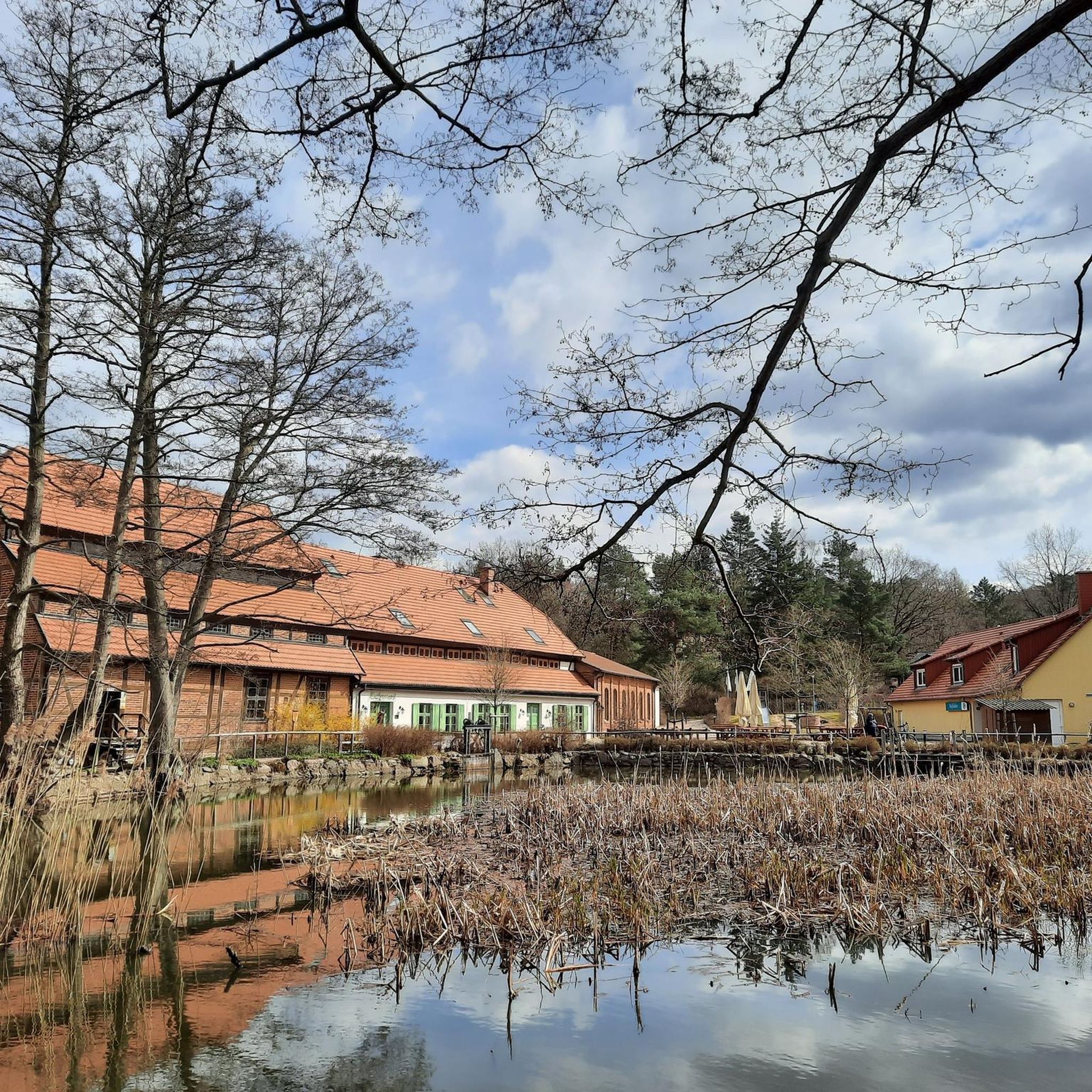
Wrangelsburg Castle is a manor house in Wrangelsburg in the Vorpommern-Greifswald district. It was built in 1880 and has been privately owned since 2017.
0
0

The current castle was built in 1878. The previous building was converted into a baroque castle in 1652 by Carl Gustav Wrangel, the Swedish general governor of Pomerania. In 1945 it was expropriated and occupied by the Soviet military administration. Today it is in private hands.
5
0

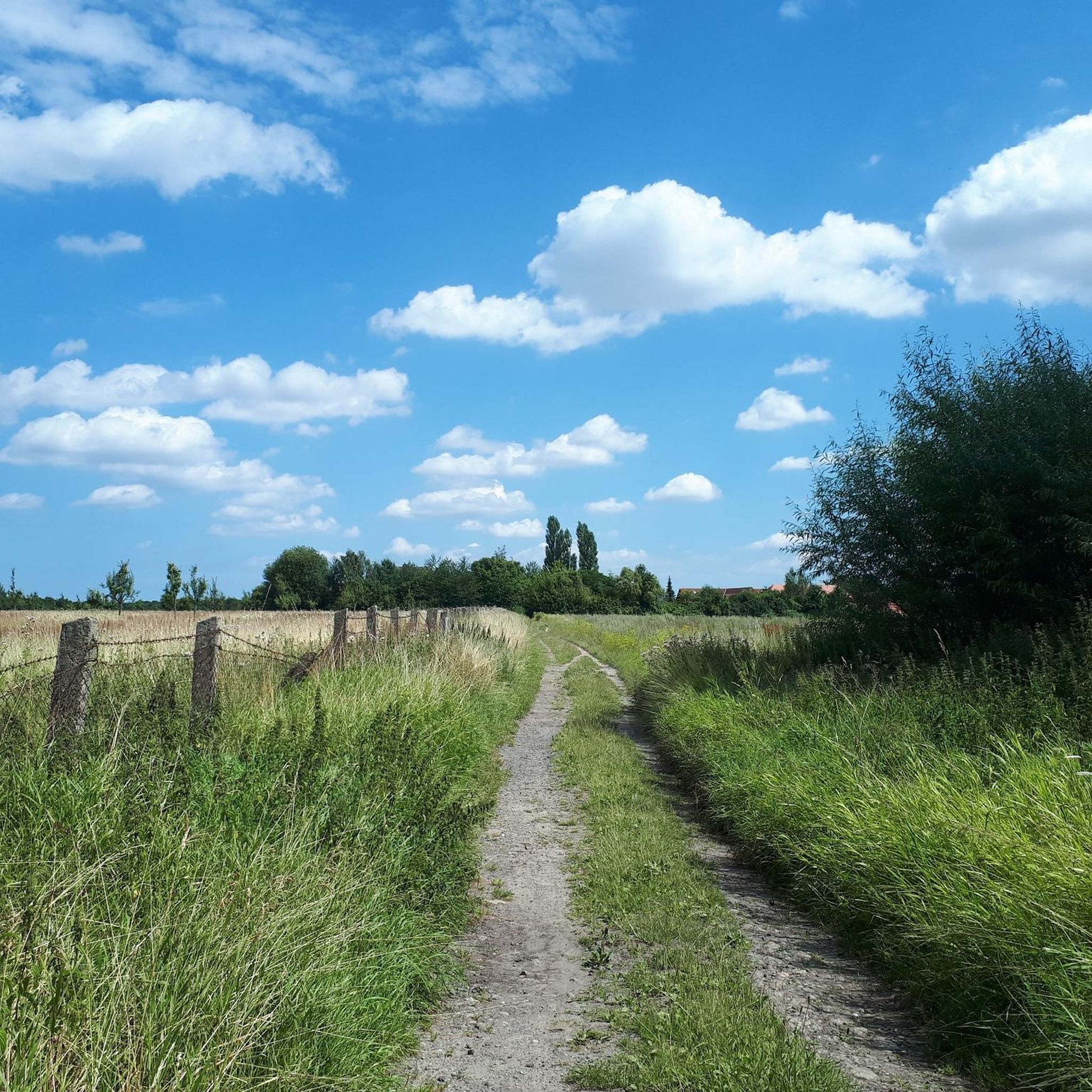
For several years now, there has been a refuge here for the important little helpers in the landscape of fields and meadows: the wild bees. The hill was pushed up by the agricultural company and is kept clear by the kindergarten group in Guest, because these bees and bumblebees don't like vegetation. They prefer full sun and sand so that they can build breeding tubes and their eggs can develop well. They are therefore typical open land species and live in lean grassland, ruderal areas and fallow land with a corresponding supply of wild flowers. Until 2023, they were able to visit plenty of flowers on the lean meadow or fallow land here. In spring and early summer, on sunny days, you're sure to find a few sand bees to observe. On the other side of the path you can find wild flowers. More information on the board at the other end of the path just before the edge of town. More information about wild bees, including in gardens and parks: https://de.wikipedia.org/wiki/Sandbienen https://www.deutschland-summt.de/wildbienenarten.html
0
0

The Credner facilities are located in the immediate vicinity of the Greifswald Zoo. The park was donated by the German geologist and geographer Rudolf Credner, who went down in history as an associate professor at the University of Greifswald. He was also the founder of the Geographical Society of Greifswald, which erected a monument to him in the Credner complex in 1912. You can take beautiful walks in the spacious park. There is also a small pond here, which gives the place an idyllic ambience. https://www.online-destination.de/deutschland/greifswald/credner-anlagen.html#google_vignette
4
1

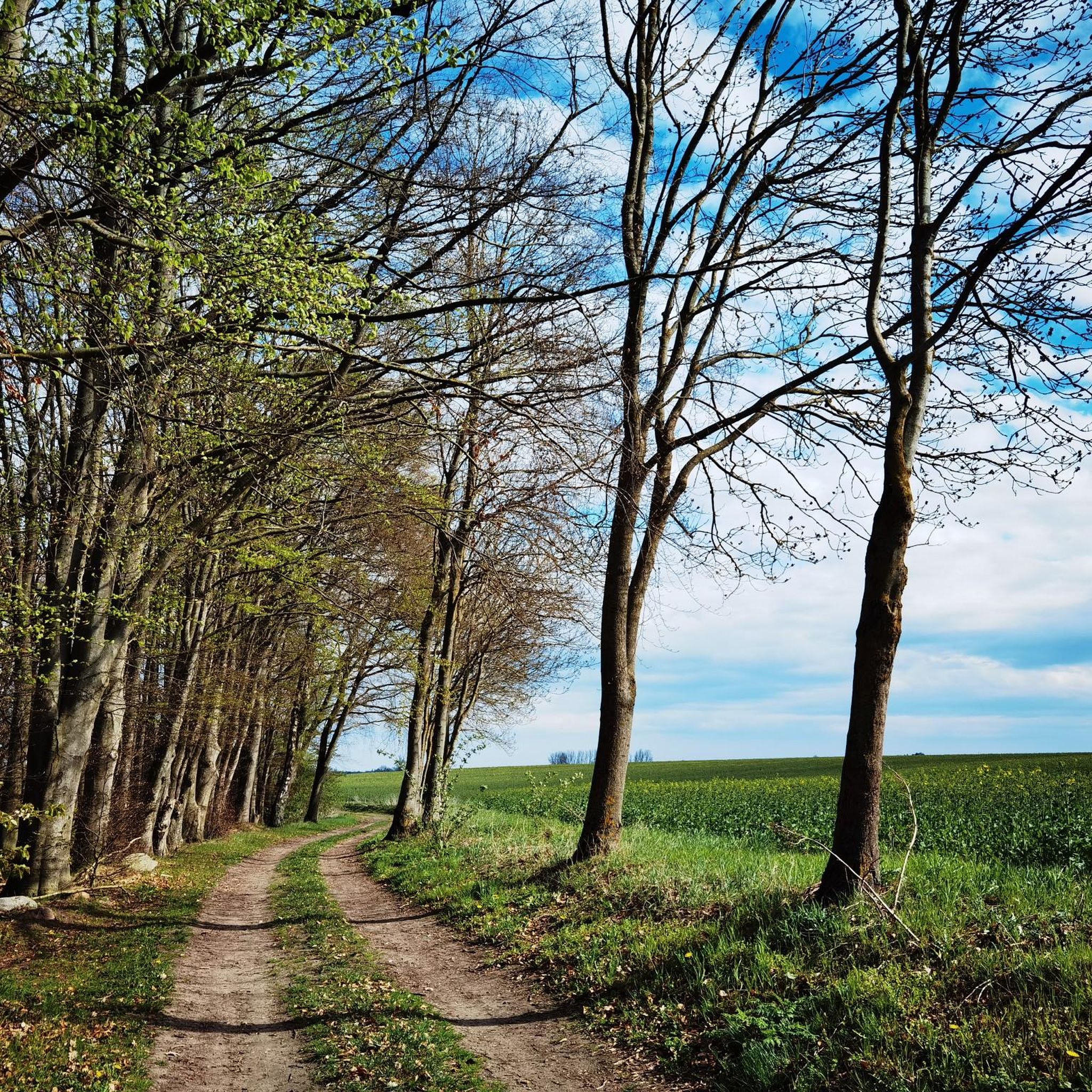
Landscape park with old trees and an eventful history. https://de.wikipedia.org/wiki/Landschaftspark_Behrenhoff#Schloss_Behrenhoff The landscape park is around ten hectares in size, the swan pond (former peat pond) in the southern part is three hectares. It extends from the northern edge of the village, where the old farm buildings of the former estate are still located, in a southwesterly direction. It is divided in two by the village street. The area is separated from the street and the historic estate village by a wall, which also includes the cemetery with the Behrenhoffer Church. The entrance to the northern part is dominated by the striking Bärentor, built around 1900. The two plastered pillars have coupled double half-columns at the front and back. They are crowned by bears with heraldic shields. The bear on the left holds the coat of arms of the von Heyden family, the one on the right that of the von Behr family. The park's rich dendrological stock includes a leatherbush tree, two copper beeches, a tulip tree, a red oak with a witch's broom, a multi-stemmed sweet chestnut and a multi-stemmed silver linden tree. There are also several lily magnolias and rhododendrons in the complex. In spring, larger populations of Märzenbecher characterize the park.
0
0

The castle is private and not accessible, but walking (not cycling) is allowed on the park paths - it's worth it. A very well-kept facility.
0
0

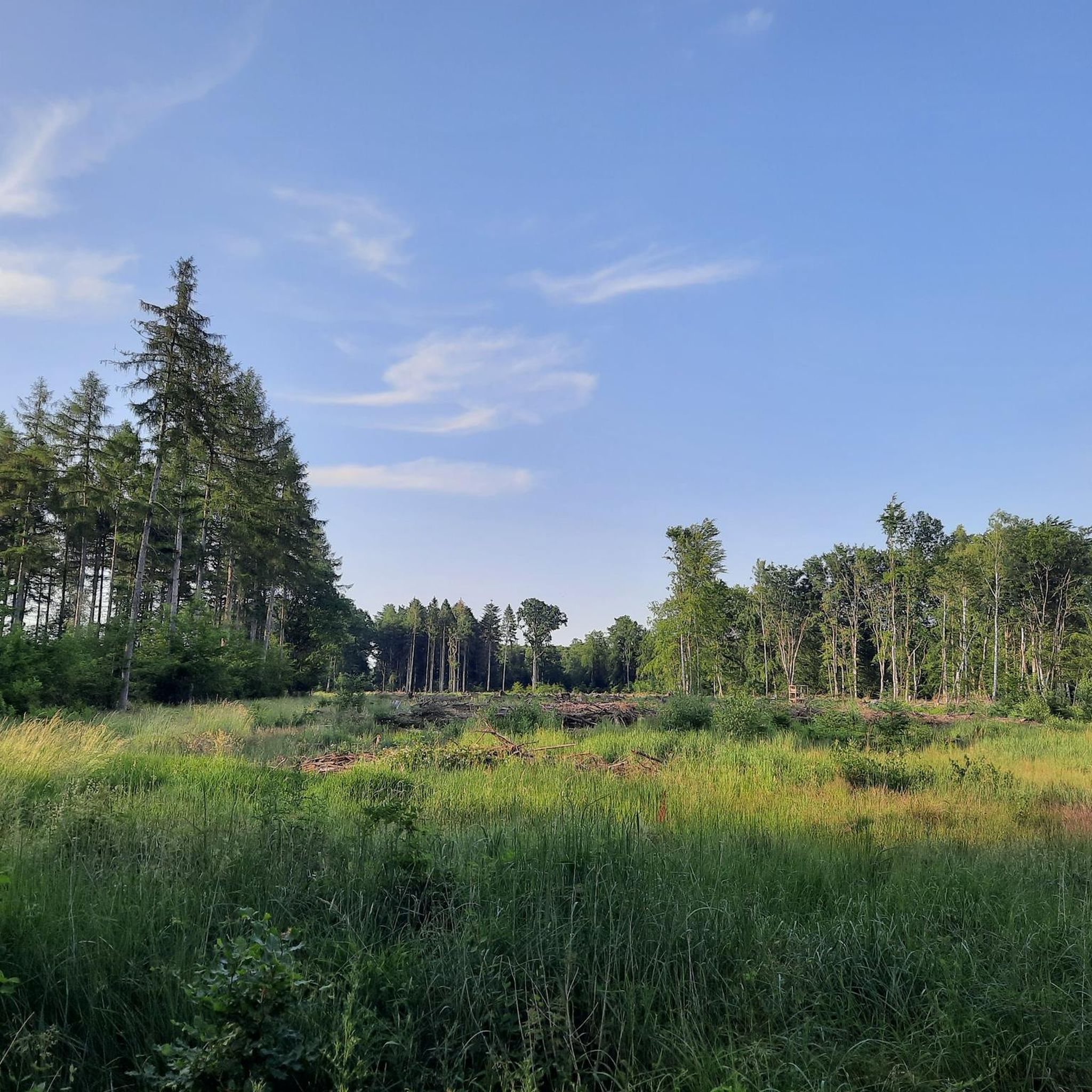
The Söllkensee was created in the 19th century by peat extraction in "Küsterbäcks Moor", a meltwater channel of the Greifswald terminal moraine. Today it is a natural monument and spawning ground for common toads and moor frogs. In the north-eastern part, the new siltation process is clearly visible. A cotton grass peat bog has formed here, which is partly forested with downy birches.
4
0

Behind the castle is a very beautiful lake.
0
0
Frequently Asked Questions
What unique natural features can I discover around Groß Kiesow?
The region around Groß Kiesow offers diverse natural landscapes. You can explore areas like Söllkensee near Potthagen, a lake and bog formed by peat extraction, recognized for its cotton grass peat bog and as a spawning ground for common toads and moor frogs. Another notable feature is the rich dendrological stock with old trees, including copper beeches and a tulip tree, found at Behrenhoff Landscape Park.
Are there family-friendly natural monuments to visit near Groß Kiesow?
Yes, several natural monuments in the area are suitable for families. Wrangelsburg Castle features a lake and castle park, inviting visitors to linger. Credner Park offers a pond and a playground, making it a pleasant spot for families. The Behrenhoff Landscape Park with its old trees and swan pond is also a great option for a family outing.
Can I bring my dog to the natural monuments in the Groß Kiesow area?
While specific dog policies vary by location, many natural areas and parks in Mecklenburg-Vorpommern are generally dog-friendly, especially on trails and in open spaces, provided dogs are kept on a leash. For specific natural monuments like Wrangelsburg Castle or Behrenhoff Landscape Park, it's advisable to check local signage or websites for any specific restrictions regarding pets.
What kind of hiking trails are available near these natural monuments?
You can find various hiking opportunities near the natural monuments. For example, there are easy hikes around Groß Kiesow, including routes like the Wrangelsburg Castle loop. Moderate and difficult trails are also available, such as the 'View of Wrangelsburg Lake – Wrangelsburg Castle loop' or longer routes like the 'Holy Cross Church Kemnitz – Ruins of Eldena Abbey loop'. You can explore more options on the Hiking around Groß Kiesow guide.
Are there any historical sites that are also designated as natural monuments?
Yes, the region combines natural beauty with historical significance. Wrangelsburg Castle, built in 1878 on the site of an earlier baroque conversion, holds a natural monument designation due to its lake and park. Additionally, the Friedrich-Ludwig-Jahn-Gymnasium in Greifswald features an oak tree designated as a natural monument, alongside its historical significance.
Where can I find parking when visiting natural monuments around Groß Kiesow?
Many natural monuments and parks in the region, such as Wrangelsburg Castle and Behrenhoff Landscape Park, offer parking facilities for visitors. It's generally recommended to look for designated parking areas near the main entrances or access points of these sites.
What is the best time of year to visit the natural monuments in this region?
The natural monuments around Groß Kiesow can be enjoyed throughout the year, each season offering a different experience. Spring brings blooming flora and active wildlife, especially at sites like Söllkensee near Potthagen where moor frogs spawn. Summer is ideal for longer walks and enjoying the lush greenery. Autumn showcases vibrant foliage, particularly in parks with old trees like Behrenhoff Landscape Park. Even winter offers peaceful, crisp walks through the landscapes.
Are there any natural monuments suitable for a leisurely walk or easy access?
Yes, several locations are well-suited for leisurely walks. Credner Park in Greifswald offers spacious paths and an idyllic pond. The park at Wrangelsburg Castle and Behrenhoff Landscape Park also provide easy-to-navigate paths for relaxed strolls amidst nature and historical settings.
What kind of wildlife might I encounter near the natural monuments?
The natural monuments, especially those with water features and diverse ecosystems, are home to various wildlife. At Söllkensee near Potthagen, you can observe common toads and moor frogs, particularly during spawning season. The forested and park areas may host various bird species, small mammals, and insects. The general rural environment of Mecklenburg-Vorpommern supports a rich biodiversity.
Are there options for public transport to reach natural areas near Groß Kiesow?
While Groß Kiesow itself is a smaller municipality, public transport options exist to reach larger towns like Greifswald, which can serve as a starting point for exploring nearby natural areas. From Greifswald, local buses or regional trains might connect to villages closer to some natural monuments. However, for direct access to all sites, a car is often recommended. For broader information on natural landscapes in the state, you can visit visit-mv.com.
What makes Söllkensee near Potthagen a special natural monument?
Söllkensee near Potthagen is unique because it's a bog created by 19th-century peat extraction. Today, it's a protected natural monument and a vital spawning ground for common toads and moor frogs. It features a distinct cotton grass peat bog and floating pondweed, showcasing a fascinating example of natural regeneration and biodiversity.
What is notable about Behrenhoff Landscape Park?
Behrenhoff Landscape Park is a listed historical landscape park, laid out between 1840 and 1860. It spans approximately 10 hectares and is renowned for its rich collection of old trees, including rare species like copper beeches and a tulip tree. The park also features a swan pond and historical elements like the Bärentor, making it a blend of natural beauty and cultural heritage.
Are there any natural monuments with viewpoints for scenic views?
Yes, several natural monuments offer scenic views. Wrangelsburg Castle provides beautiful views of its lake and castle park. Behrenhoff Landscape Park, with its expansive layout and old trees, offers picturesque vistas. Additionally, Credner Park provides pleasant views of its pond and green spaces.
Where can I find refreshments or accommodation near the natural monuments?
Groß Kiesow and its surrounding villages offer local amenities, including cafes, pubs, and accommodation options. For a wider selection, the nearby city of Greifswald provides numerous choices for dining and lodging. It's advisable to check local listings or online travel platforms for specific establishments near the natural monuments you plan to visit.
What do visitors particularly enjoy about the natural monuments around Groß Kiesow?
Visitors appreciate the tranquil and diverse natural landscapes. The blend of historical sites with natural features, such as the castle park at Wrangelsburg Castle, is a highlight. The unique ecosystems of places like Söllkensee near Potthagen and the impressive old trees of Behrenhoff Landscape Park are also highly valued for their beauty and ecological significance. The komoot community has shared over 130 photos and given more than 130 upvotes, reflecting the area's appeal.
Most popular attractions around Groß Kiesow

Get inspired with the komoot mobile app


Explore more
Extend your search for the best caves by checking out these guides of the top ones around Groß Kiesow:
