Top 14 Natural Monuments around Gröde
Natural monuments around Gröde are primarily defined by their location within the Wadden Sea, a UNESCO World Heritage site in Nordfriesland, Germany. This area is characterized by its unique tidal ecosystem, featuring extensive salt marshes and dynamic intertidal zones. The landscape offers opportunities to observe diverse wildlife and experience a natural environment shaped by the tides. Its ecological importance makes it a significant natural area.
Best natural monuments around Gröde
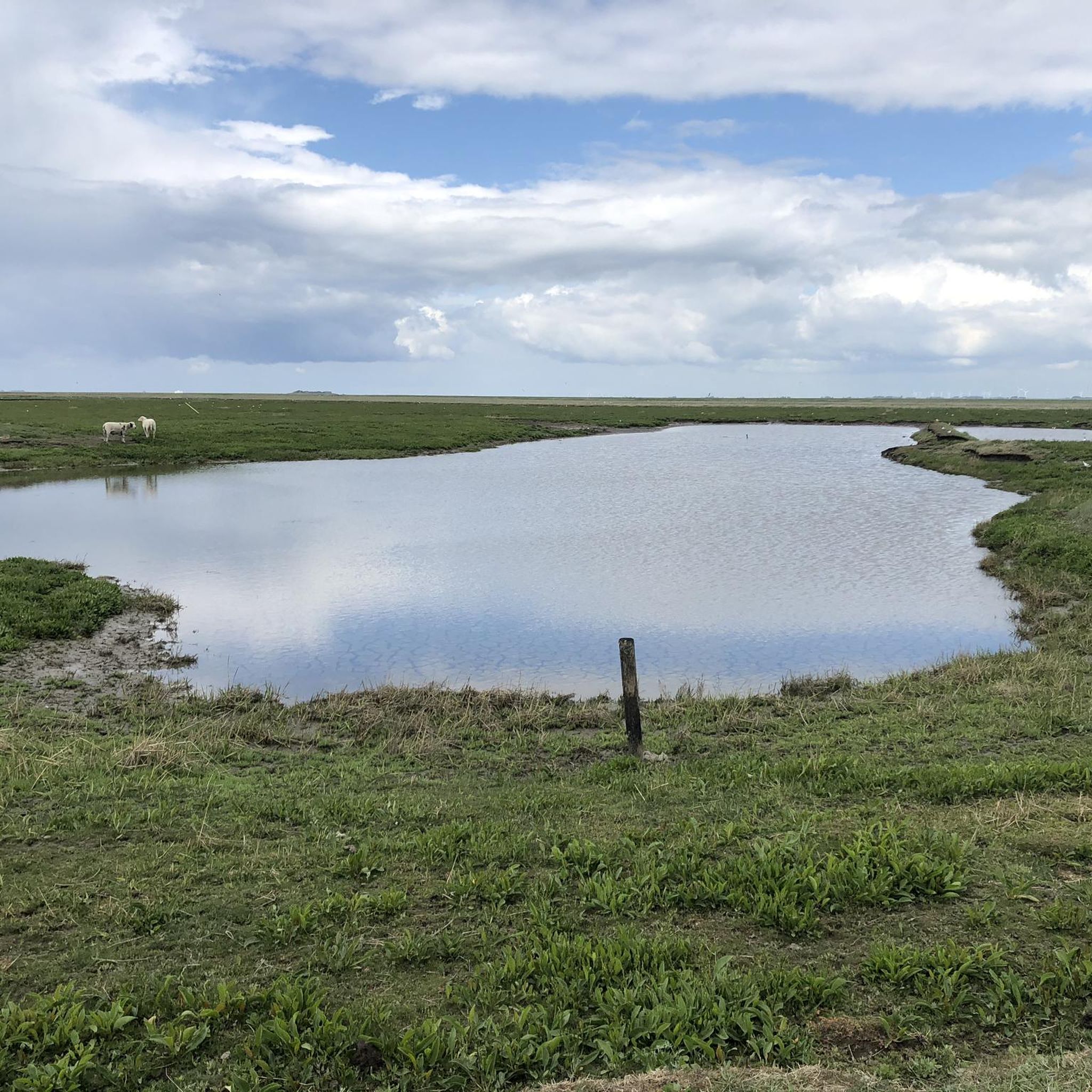
- The most popular natural monuments is Lüttmoorsee Saltwater Lagoon,…
Last updated: October 11, 2026
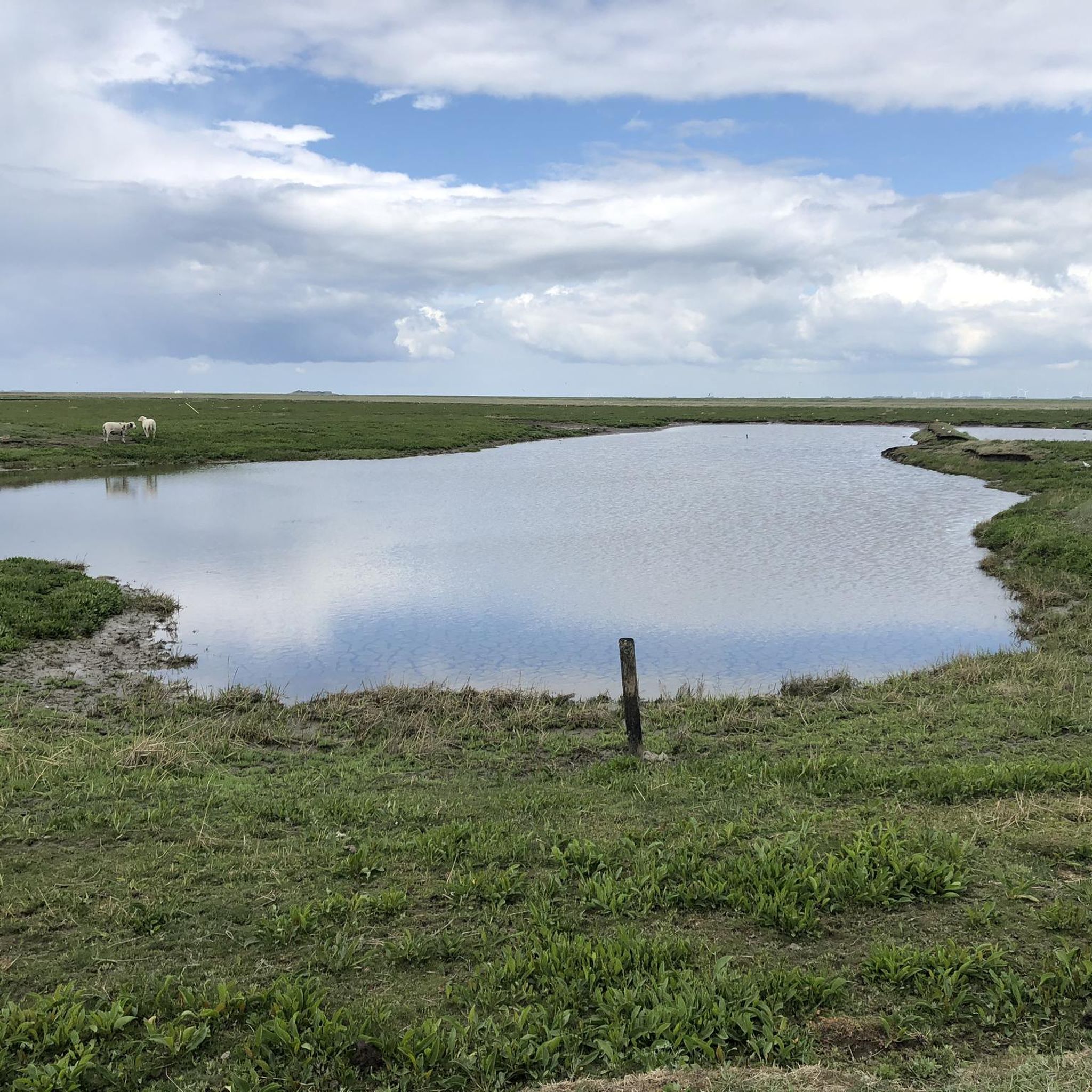
Lüttmoorsee Saltwater Lagoon
Highlight • Lake
Translated by Google •
Tip by

Climate Change Simulation Domes on Hamburger Hallig
Highlight • Structure
Translated by Google •
Tip by

Sign up now to discover places like this
Get recommendations on the best single tracks, peaks, & plenty of other exciting outdoor places.
Watt Workshop, Wadden Sea National Park
Highlight • Rest Area
Translated by Google •
Tip by

NABU House Wadden Sea National Park
Highlight • Rest Area
Translated by Google •
Tip by

National Park Station Claus-Jürgen Reitermann-Maus (NABU), Hamburger Hallig
Highlight • Rest Area
Translated by Google •
Tip by

Sign up for free to discover even more natural monuments around Gröde.
Already have an account?
Start today with a free account
Your next adventure awaits.
Tips from the Community

Great advice, tips for bird watching, binoculars are available on site to observe nature at the house
0
0

During the summer months, you can get information about the Wadden Sea here. When we were there, a family who was living there for a while gave us some great explanations.
1
0


Take a closer look at the creatures of the Wadden Sea. This and much more awaits you in the small exhibition of the "Wattwerkstatt". Here you can find out about the Wadden Sea, the Hallig world and the diversity and uniqueness of the animal and plant species in the Wadden Sea National Park using clear information boards and numerous brochures and flyers. You can look at the creatures of the mudflats through a binocular or observe birds through a spotting scope. The beach find box and the mudflat cube invite you to touch and discover. Questions will be answered on site by an intern or the national park ranger. Games for young and old also await you. https://www.amsinck-haus.de/hamburger-hallig/
1
0

Here, the effects of global warming on the salt marshes are simulated and observed in "climate chambers" at the University of Hamburg
3
0

Choose the salt marsh nature trail, interesting and full of observation
1
0

Nice view and observation hut
1
0

Nature lovers will get their money's worth here. Binoculars are recommended for observing the birds.
1
0
Frequently Asked Questions
What defines the natural monuments around Gröde?
The natural monuments around Gröde are primarily defined by their location within the Wadden Sea, a UNESCO World Heritage site. This area is characterized by its unique tidal ecosystem, featuring extensive salt marshes and dynamic intertidal zones. It's a vast intertidal zone, the largest unbroken system of sand and mudflats in the world, recognized for its geological and ecological importance.
Are there any specific nature reserves worth visiting near Gröde?
Yes, the Beltringharder Koog Nature Reserve Entrance is a significant natural monument covering 3,350 hectares. It's known for its variety of habitats, including saltwater and freshwater lagoons, supporting over 100,000 waders and water birds, making it a paradise for birdwatchers.
Where can I observe birds and other wildlife around Gröde?
The Lüttmoorsee Saltwater Lagoon is a popular bird sanctuary within the Beltringharder Koog nature reserve. It's an excellent spot for birdwatching, especially with binoculars. The salt marshes, particularly along the causeway to Hamburger Hallig, are also teeming with life and offer exceptional birding opportunities.
What kind of educational facilities are available to learn about the Wadden Sea?
You can visit the NABU House Wadden Sea National Park, which offers views and information about the Wadden Sea and its wildlife. Additionally, the Watt Workshop, Wadden Sea National Park provides a small exhibition where you can learn about the Wadden Sea's creatures, Hallig world, and the diversity of animal and plant species through information boards and interactive displays.
Are there family-friendly natural monuments or activities in the Gröde area?
Many natural monuments around Gröde are family-friendly. The Beltringharder Koog Nature Reserve Entrance and Lüttmoorsee Saltwater Lagoon are suitable for families, offering easy hiking and birdwatching. The Watt Workshop also has games and interactive elements for young and old.
What outdoor activities can I do near these natural monuments?
The area around Gröde offers various outdoor activities. You can find numerous hiking trails, including routes like the 'Schlüttsiel Harbor – Dagebüll Beach loop'. There are also MTB trails and running trails, such as the 'Lüttmoorsee Lagoon loop from Reußenköge'.
Are there opportunities for cycling near Gröde's natural attractions?
Yes, cycling is a popular way to explore the natural monuments. The Salt Marsh Trail to Hamburger Hallig, for instance, is a relatively flat path suitable for cycling, offering immersive marshland views. You can find various MTB trails around Gröde, including easy loops like 'Path to Hamburger Hallig – Salt Marsh Nature Trail loop from Reußenköge'.
What is the best time to visit the natural monuments around Gröde?
The Wadden Sea and its salt marshes are dynamic environments. Spring and autumn are excellent for birdwatching due to migratory birds. Summer offers pleasant weather for walks and cycling. However, the landscape transforms dramatically with the tides, so checking tidal charts can enhance your experience, especially for mudflat walks.
Can I learn about climate change research in the area?
Yes, the Climate Change Simulation Domes on Hamburger Hallig are part of a unique worldwide experiment. Researchers are studying the effects of global warming on salt marshes here, simulating climate change to understand its impact on plants and animals. Informational boards provide insights into this important research.
What makes the Wadden Sea a UNESCO World Heritage site?
The Wadden Sea is recognized by UNESCO for its outstanding universal value due to its geological and ecological importance. It's the largest unbroken system of sand and mudflats in the world, supporting high biodiversity with thousands of species of flora and fauna. It also serves as a crucial staging, moulting, and wintering area for millions of migratory birds annually. More information can be found on the UNESCO website.
Are there guided tours or walks available to explore the Wadden Sea?
Guided mudflat walks are a popular way to explore the Wadden Sea ecosystem and learn about its ecological significance. These walks allow visitors to experience the unique landscape that transforms dramatically with the tides and observe diverse wildlife up close. Information on local guided tours can often be found at visitor centers like the NABU House or Watt Workshop.
What kind of landscape can I expect to see in the salt marshes?
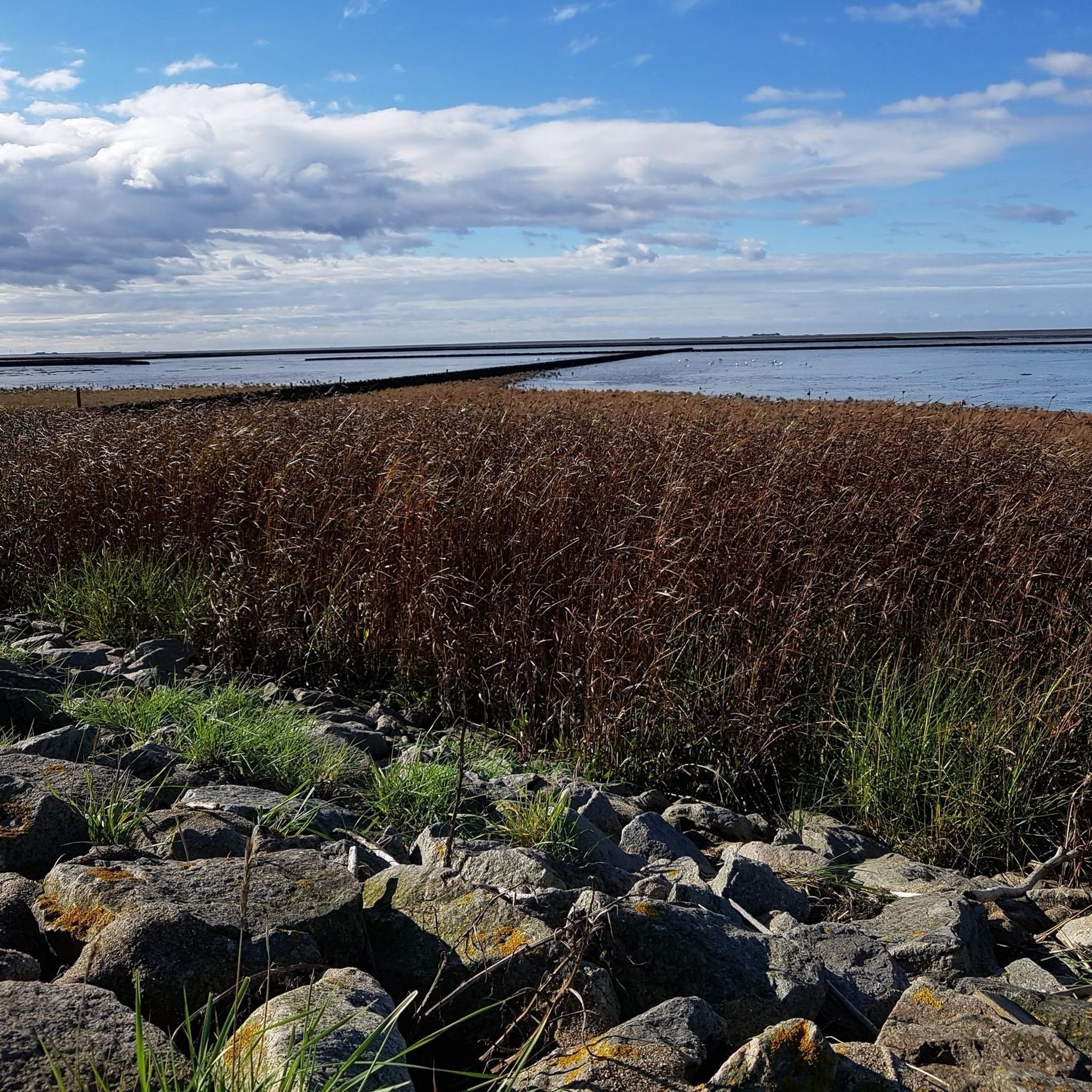
The salt marshes around Gröde, particularly along the causeway to Hamburger Hallig, are characterized by salt-tolerant plants and grasses. This unique environment is shaped by ocean breezes and provides a sensory experience with its distinct coastal flora. The landscape offers immersive views and a chance to connect with a vital coastal habitat.
Most popular attractions around Gröde

Get inspired with the komoot mobile app


Explore more
Extend your search for the best caves by checking out these guides of the top ones around Gröde:
