Top 11 Natural Monuments around Galmsbüll
Best natural monuments around Galmsbüll are found in a region characterized by its proximity to the Schleswig-Holstein Wadden Sea, a UNESCO World Heritage site. This area offers access to significant natural landscapes, including expansive intertidal sand and mud flats. The municipality of Galmsbüll provides a starting point for exploring diverse natural features, from coastal ecosystems to inland formations. Visitors can experience unique geological formations and rich biodiversity in the surrounding natural monuments.
Best natural monuments around Galmsbüll
- The most popular…
Last updated: October 11, 2026
Vogelkoje Boldixum
Highlight • Structure
Translated by Google •
Tip by

Birdwatching Hut Gotteskoogsee
Highlight • Mountain Hut
Translated by Google •
Tip by

Sign up now to discover places like this
Get recommendations on the best single tracks, peaks, & plenty of other exciting outdoor places.
Gotteskoogsee Nature Reserve
Highlight (Segment) • Lake
Translated by Google •
Tip by

Wehle Natural Swimming Area
Highlight • Lake
For marshland see also de.m.wikipedia.org/wiki/Marschland
Translated by Google •
Tip by

Storm Surge Marker on Hallig Oland
Highlight • Monument
The lowest mark on the storm surge post on Hallig Oland indicates normal flooding.
The lowest mark on the storm surge post on Hallig Oland indicates the water level …
Translated by Google •
Tip by

Sign up for free to discover even more natural monuments around Galmsbüll.
Already have an account?
Start today with a free account
Your next adventure awaits.
Tips from the Community

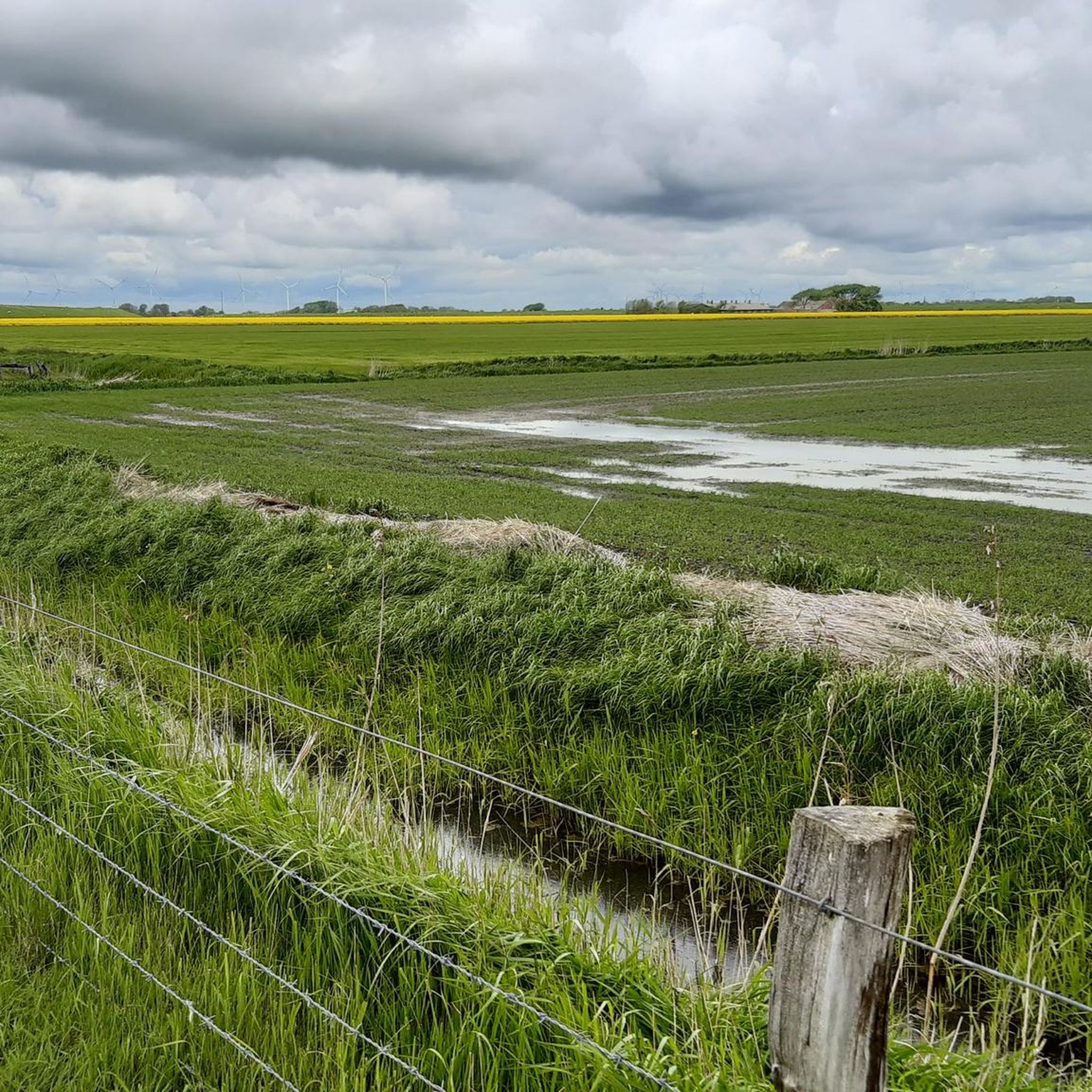
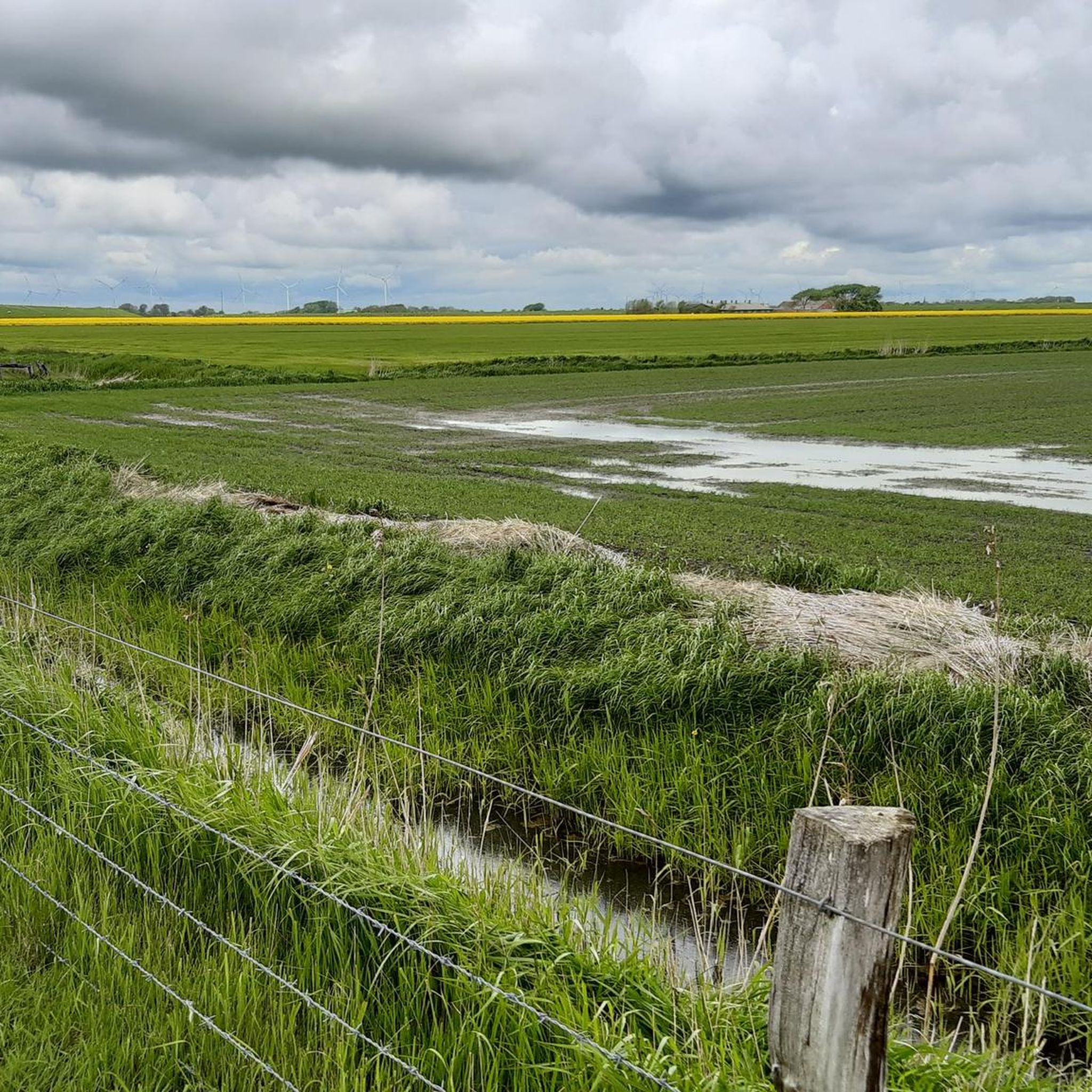
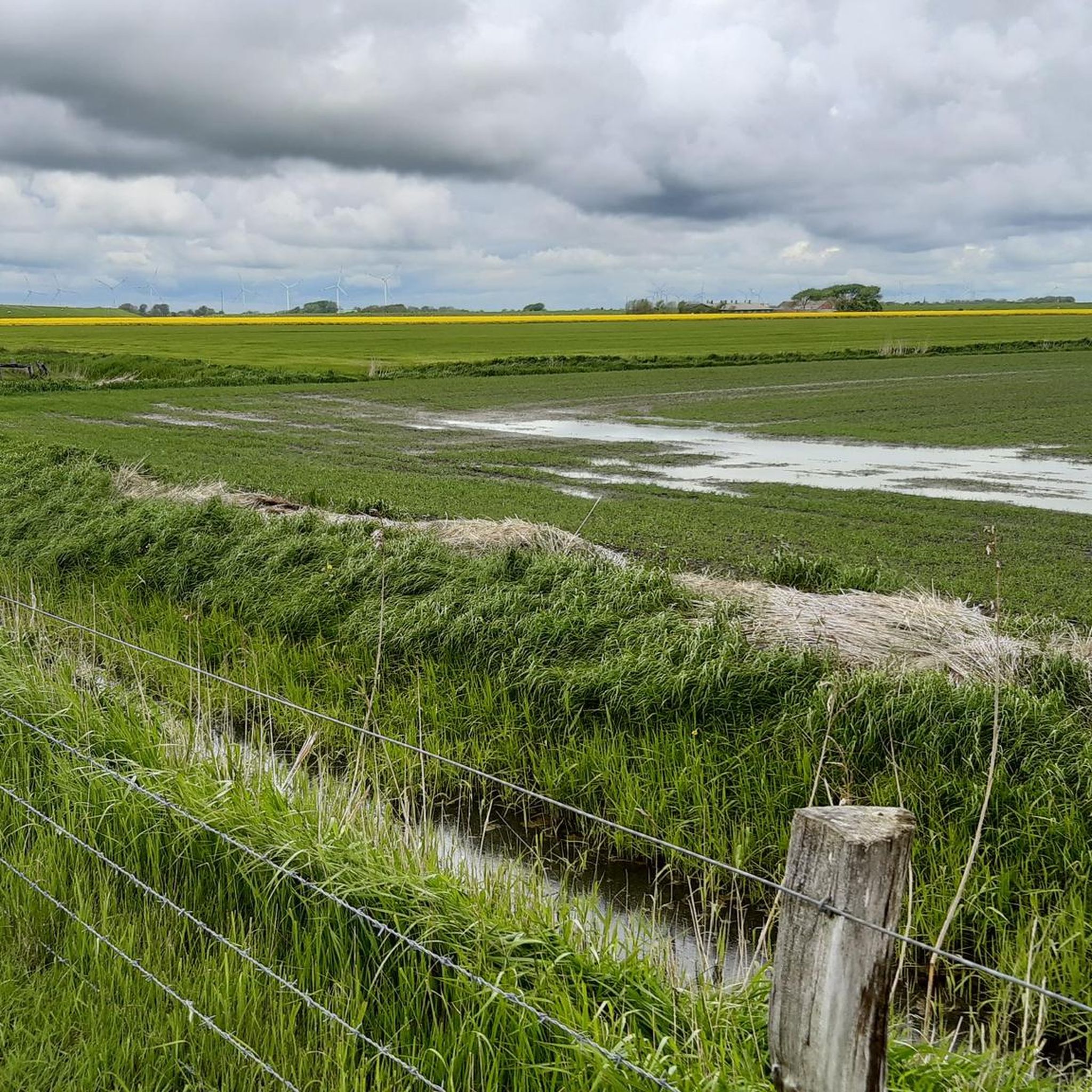
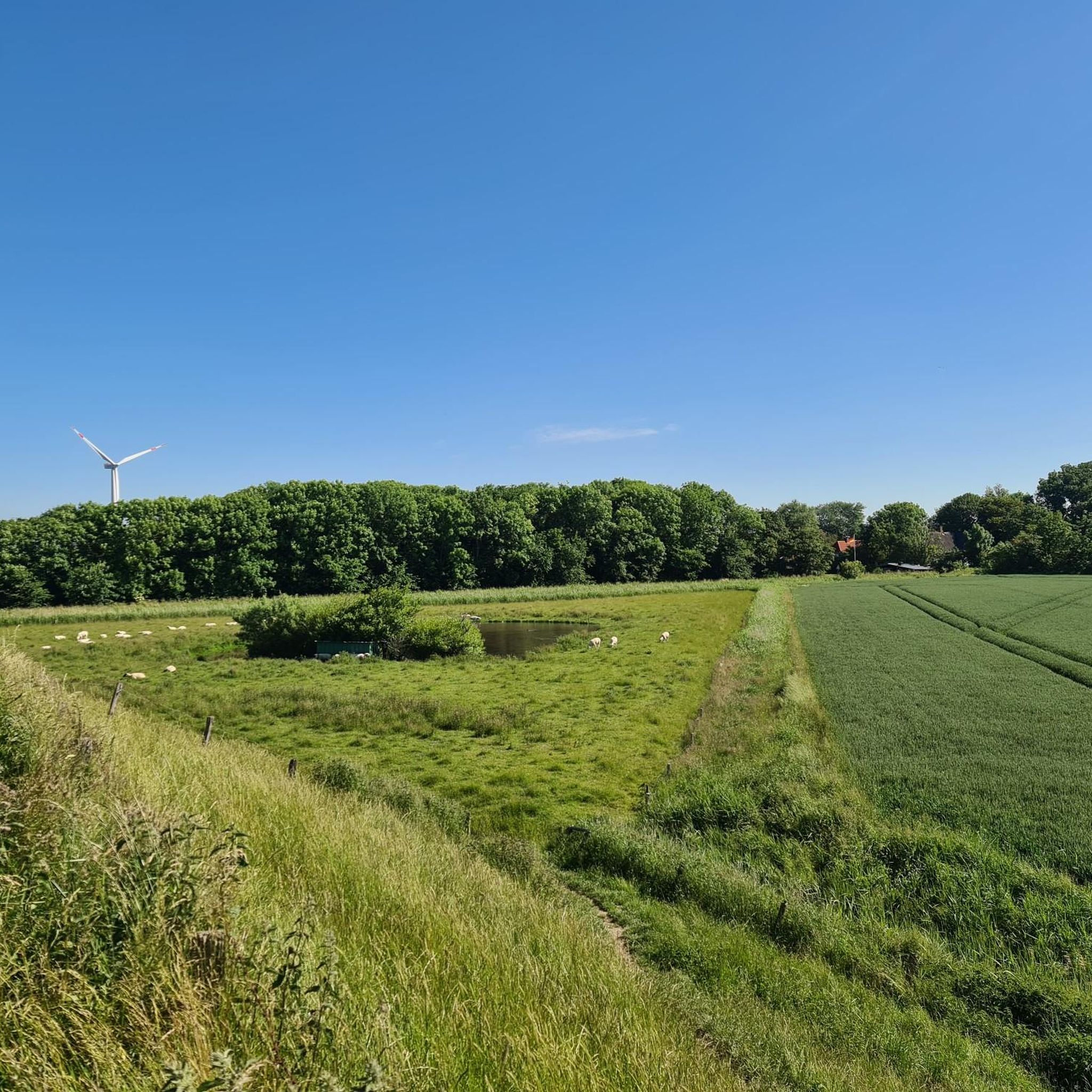
The Gotteskoog was diked more than 400 years ago. It is the largest polder in the district of Nordfriesland. Since 1982, the polder has been undergoing renaturation and is partially being re-watered. More info: https://de.wikipedia.org/wiki/Gotteskoog
0
0

Open Mon-Fri from 10:00 to 12:00. Outside of opening hours, the bridge is raised. Bicycles must be left outside. It's best to park them a few meters away, next to the passage to the main dike. Bird decoys were used for duck hunting.
0
0

https://www.wattlaufen.com/2018/10/16/sturmflutpfähle/ The lowest mark on the storm surge post on Hallig Oland indicates normal flooding. The lowest mark on the storm surge post on Hallig Oland indicates the water level during normal flooding. Flooding is a characteristic feature of a Hallig and occurs more frequently in autumn and winter. During strong westerly winds and spring tides, the grassland of a Hallig is flooded. This event can occur with varying frequency on a Hallig. Hallig Nordstrandischmoor experiences flooding about 30 times a year, while Hamburger Hallig experiences flooding about 60 times. The people living on the Hallig islands are protected in their houses on the mound.
1
0

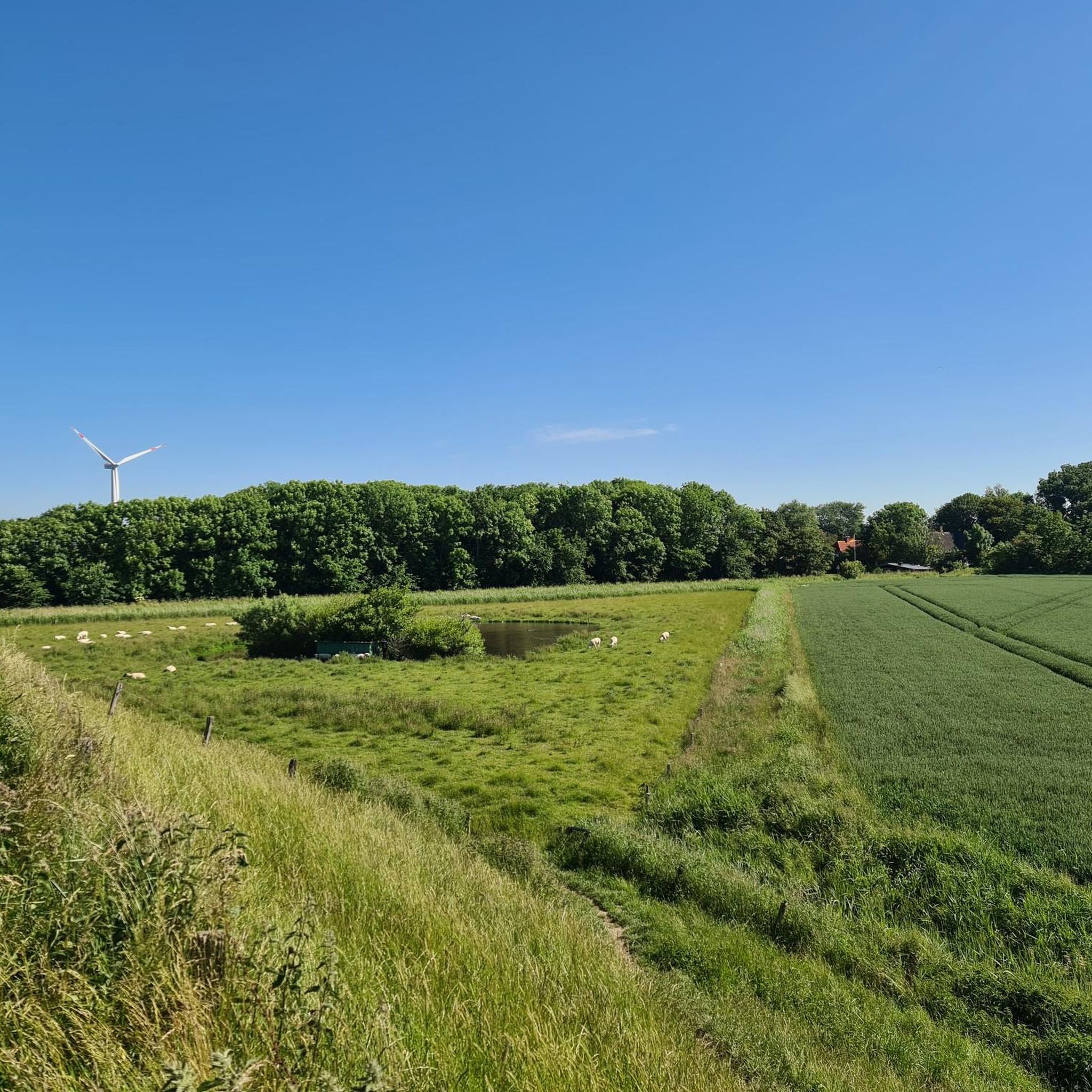
How does the 🦆 duck get into the 🥫 can? Only six of the Föhr bird hides are left, and only the Boldixum bird hide can be visited. Bird hides used to be used to obtain food and were an important part of the local economy. The bird hide consists of an artificial pond surrounded by so-called "pipes". These pipes are narrow corridors covered with nets that become increasingly narrower. How it works: * Decoys: Tamed ducks lure their wild counterparts into the hide because they find food and a safe place to rest there. * The trap: When the wild ducks follow the decoys, they get caught in the pipes. These are designed so that the ducks can swim in but cannot get out. * The catch: At the end of the pipe there is a trap in which the ducks are caught. ☝️Worth watching a short explanation of the bird cages on Föhr: https://youtu.be/zMVw4puvL1Y?si=FuogCtpyeWB5bp6f
1
0

a dream for bird watchers
0
0

Beautiful nature, great for cycling and bird watching.
1
0

Pure nature and you can also go fishing, I think.
0
0

Vodgelkoje, you should definitely pay attention to the opening hours, Monday to Friday from 10 a.m. to 12 p.m. These opening hours were never listed in any documents
2
0
Frequently Asked Questions
What natural features can I expect to see around Galmsbüll?
The region around Galmsbüll is characterized by its proximity to the Schleswig-Holstein Wadden Sea, a UNESCO World Heritage site, offering expansive intertidal sand and mud flats, salt marshes, and sandbanks. You can also explore unique geological formations like the Inland Dunes near Süderlügum, which feature sand drifts extending into forests. Additionally, the historic Ochsenweg Trail provides an immersive experience through varied landscapes including moors, marshes, and meadows.
Are there family-friendly natural monuments around Galmsbüll?
Yes, several natural monuments are great for families. The Wehle Natural Swimming Area is a natural pool with surrounding lawns, perfect for a summer day. The Wadden Sea Information Point Dagebüll offers engaging exhibits for children. The Gotteskoogsee Nature Reserve is also suitable for family outings, offering opportunities for cycling and bird watching.
Where can I go for birdwatching or wildlife spotting?
The Schleswig-Holstein Wadden Sea National Park is a critical habitat and resting ground for millions of migratory birds, making it an excellent spot for birdwatching. You can also visit the Birdwatching Hut Gotteskoogsee, which offers a dedicated viewpoint for observing the natural surroundings of the Gotteskoogsee. Seal spotting boat trips are available from nearby ports like Dagebüll and Schlüttsiel.
What outdoor activities can I do near these natural monuments?
The area around Galmsbüll offers diverse outdoor activities. You can enjoy cycling on routes like the 'Dagebüll Lighthouse – Dagebüll Lighthouse loop' or explore MTB trails such as the 'Deichtorplatz Dagebüll – Wadden Sea Info Point loop'. For hikers, there are easy trails like the 'Südwesthörn Inn – Südwesthörn Coastal Viewpoint loop'. Find more routes on the Cycling around Galmsbüll, MTB Trails around Galmsbüll, and Hiking around Galmsbüll guide pages.
What is the best time to visit the natural monuments around Galmsbüll?
The best time to visit largely depends on your interests. For birdwatching in the Wadden Sea, spring and autumn are ideal due to migratory bird seasons. Summer is perfect for enjoying the Wehle Natural Swimming Area and guided mudflat walks. The Inland Dunes near Süderlügum can be explored year-round, offering unique flora and fauna adapted to the sandy environment, with pleasant hiking conditions in spring and early autumn.
Are there any historical sites related to the natural landscape?
Yes, the Boldixum Duck Decoy from 1879 is a historical site that showcases traditional wild duck catching techniques, offering insight into the region's past interaction with its natural environment. Additionally, the ancient Ochsenweg Trail, while primarily a natural route, is steeped in history as an old cattle trail, now used for cycling and hiking.
What do visitors enjoy most about the natural monuments here?
Visitors frequently praise the tranquility and natural beauty of the area. The Wehle Natural Swimming Area is described as a 'wonderful small natural pool with large lawns around it.' The Gotteskoogsee Nature Reserve is appreciated for its 'pure nature' and opportunities for bird watching and cycling. The Wadden Sea Information Point Dagebüll is noted for being 'helpful and informative,' especially for children.
Can I experience the Wadden Sea up close?
Absolutely. From Galmsbüll, you can easily access the Schleswig-Holstein Wadden Sea National Park. Guided mudflat walks are highly recommended, allowing you to walk on the seabed and learn about this unique ecosystem. Boat trips are also available from nearby ports for seal spotting and experiencing the marine environment.
Are there any unique geological formations to explore?
Yes, beyond the dynamic coastal landscape of the Wadden Sea, you can explore the Inland Dunes near Süderlügum. These represent one of the largest inland dune landscapes in Schleswig-Holstein, characterized by sand drifts extending into adjacent forests, offering a fascinating contrast to the coastal environment.
Where can I find visitor information about the Wadden Sea?
You can visit the Wadden Sea Information Point Dagebüll for helpful and informative exhibits. For broader information about the UNESCO World Heritage site, you can visit waddensea-worldheritage.org.
Are there opportunities for cycling through natural landscapes?
Yes, the region is excellent for cycling. The historic Ochsenweg Trail, for instance, is now primarily a cycling path that extends through varied natural landscapes including moors, marshes, and forests. You can find numerous cycling routes, including easy and moderate options, on the Cycling around Galmsbüll guide page.
Most popular routes around Galmsbüll
Most popular attractions around Galmsbüll

Get inspired with the komoot mobile app


Explore more
Extend your search for the best caves by checking out these guides of the top ones around Galmsbüll:
