Top 10 Natural Monuments around Sönnebüll
Best natural monuments around Sönnebüll are characterized by the unique coastal landscape of North Frisia, influenced by its proximity to the Wadden Sea National Park. The region features extensive salt marshes, diverse lagoons, and protected nature reserves. These areas provide opportunities to observe specialized flora and fauna adapted to dynamic coastal environments. Visitors can explore a variety of natural features, from expansive marshlands to significant bird habitats.
Best natural monuments around Sönnebüll
- The most popular natural monuments is Transport Dam…
Last updated: October 11, 2026
Lüttmoordamm Birdwatching Hide
Highlight • Viewpoint
Translated by Google •
Tip by

Transport Dam to Cecilienkoog
Highlight (Segment) • Trail
Translated by Google •
Tip by

Sign up now to discover places like this
Get recommendations on the best single tracks, peaks, & plenty of other exciting outdoor places.
Löwenstedter Sandberge Nature Reserve
Highlight • Natural Monument
Translated by Google •
Tip by

Lüttmoorsee Saltwater Lagoon
Highlight • Lake
Translated by Google •
Tip by

Lütjenholmer Heidedünen Nature Reserve
Highlight • Natural Monument
Translated by Google •
Tip by

Sign up for free to discover even more natural monuments around Sönnebüll.
Already have an account?
Start today with a free account
Your next adventure awaits.
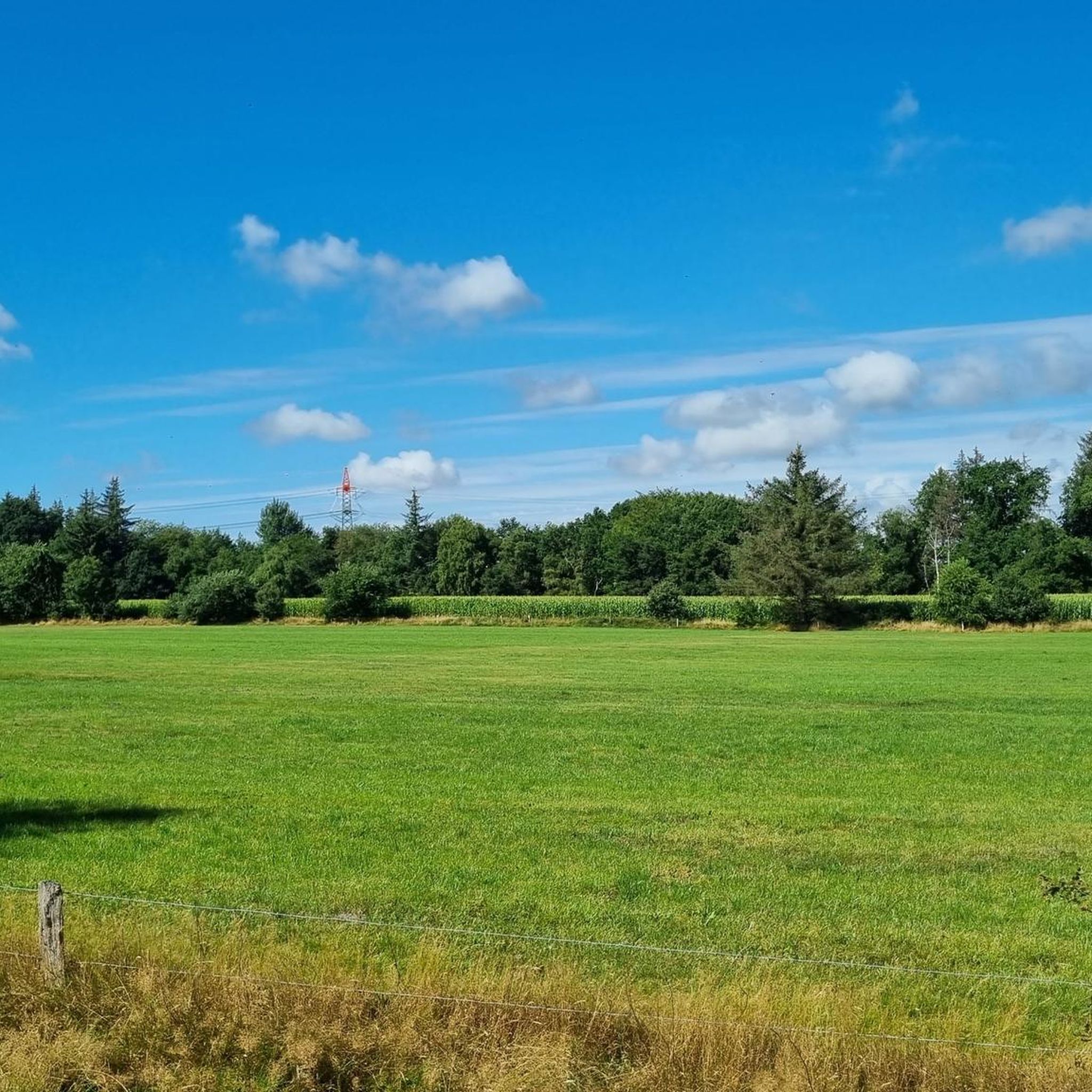
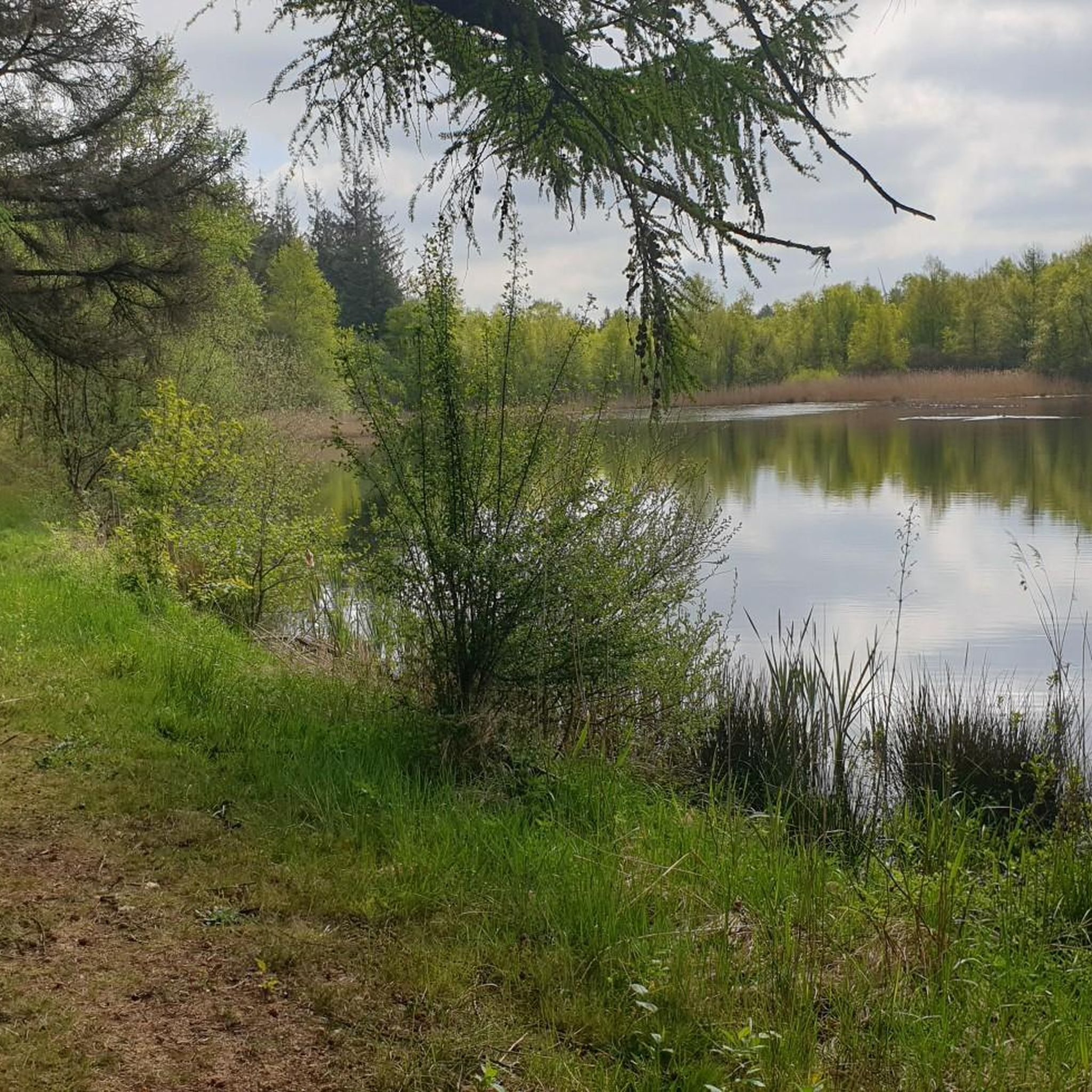
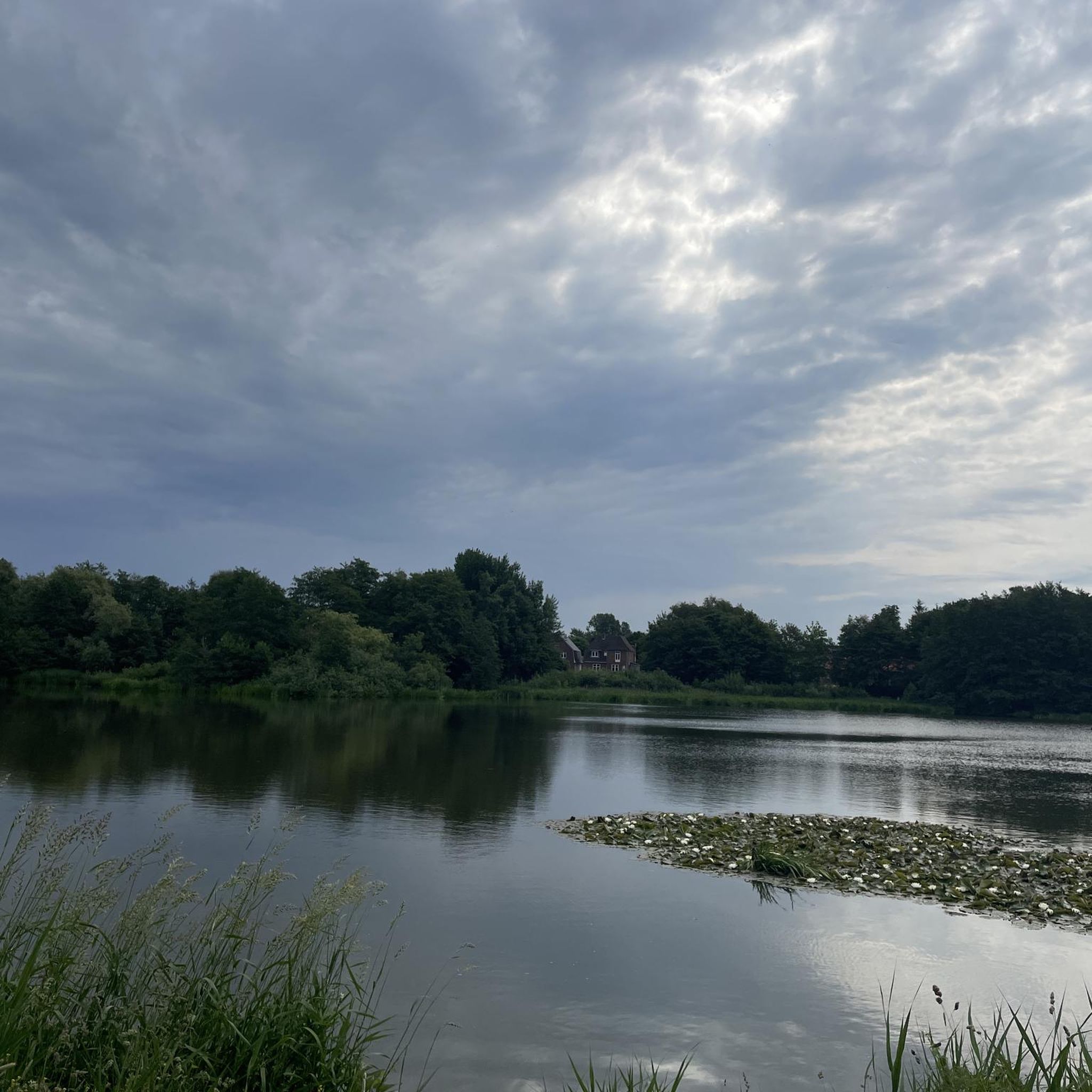
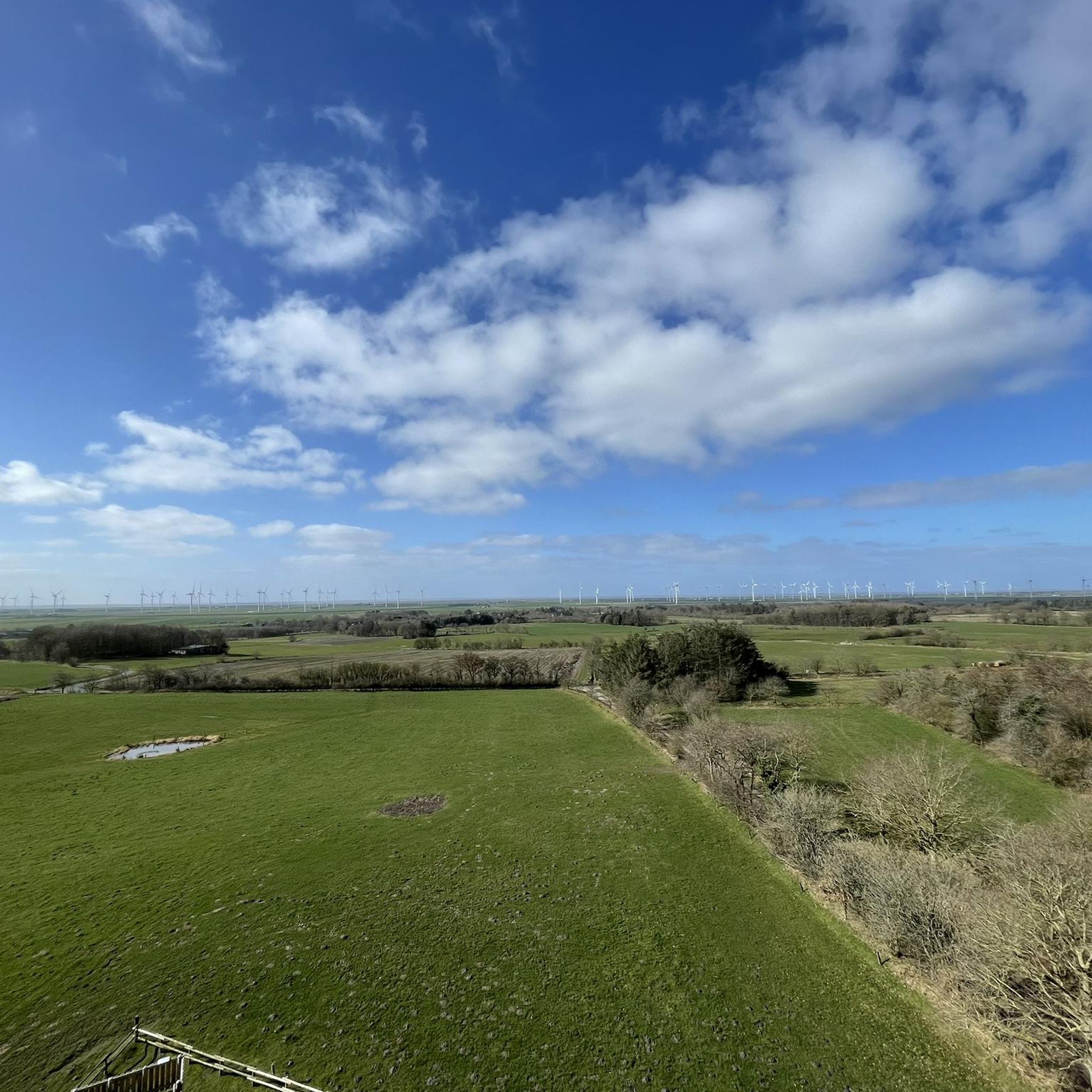
Tips from the Community

For those who are interested...here you can observe the birds very well, from a well-protected shelter
0
0


The (bicycle) path isn't easy to navigate, but it's doable for experienced cyclists. It's definitely worth it!
0
0

Very nice viewing hut. Overlooks a headland in the water near the hut, so if you sit for a while you can see all kinds of waders passing by. Also seen and special ducks. Also after the hut, towards the mudflats, there is water on the right with land nearby, giving you a good view of various birds from the road. Eagle also seen. In July...
1
0

The Lütjenholmer Heidedünen nature reserve is located in the district of North Friesland at the confluence of the Goldebeker Kühlenstrom and the Soholmer Au. It covers 16.6 hectares and has been designated as a nature reserve with the code number 21 since 1938. The Lütjenholmer Heidedünen are located away from traffic routes and can only be reached via a field track. More than 100 years ago, heath was the characteristic vegetation type on the Schleswig Geest and covered up to 80% of the area in some communities.
4
0

Although it is not a perfect route for racing bikes, there are many gates to open and close. But in my opinion you should accept that, whether at high or low water, the Wadden Sea is always an experience, so it doesn't matter if it took you more time than planned. Also along the dike to Nordstand, really pleasant and if you want you can also take a break at the Holmersiel bathing area.
2
0

The Lüneburg Heath in small
0
0

The nature reserve "Löwenstedter Sandberge" represents the rest of what was once a wide heathland with a transition to a high moor. Long commitment pays off! After 28 years of intensive tending of the heath while at the same time combating the late-flowering bird cherry, the area today offers, in addition to the beautiful, diverse junipers, a colorful mosaic of crowberry heather, common heather and moor grass on the hilltops, as well as moor grass, cotton grass, bog bush and solitary birches in the eastern part of the moor. the pagans The NSG Löwenstedter Sandberge is characterized by the different growth forms of the juniper. They arise scattered or in small groups in the different heathland and grassland types. The common heather covers the hilltops with a pink veil in August and September. Source: https://schleswig-holstein.nabu.de/natur-und-landschaft/nabu-schutzgebiete/loewenstedter-sandberge/03163.html
1
0
Frequently Asked Questions
What are some of the most notable natural monuments to visit around Sönnebüll?
The region around Sönnebüll offers several significant natural monuments. You can explore the Transport Dam to Cecilienkoog, which separates the Lüttmoorsee from the tidal saltwater lagoon and is a resting ground for large bird swarms. Another impressive site is the Beltringharder Koog Nature Reserve Entrance, a vast area with diverse habitats for numerous bird species. Don't miss the Lüttmoorsee Saltwater Lagoon, a bird sanctuary offering views of the Halligen.
Are there good spots for birdwatching near Sönnebüll?
Yes, the Sönnebüll area is excellent for birdwatching. The Lüttmoordamm Birdwatching Hide offers year-round access to observe the diverse birdlife. The Lüttmoorsee Saltwater Lagoon is a designated bird sanctuary, and the entire Beltringharder Koog Nature Reserve is known for hosting over 100,000 waders and water birds throughout the year.
What kind of natural features can I expect to see in the Sönnebüll region?
The Sönnebüll region is characterized by its unique coastal landscape, heavily influenced by the Wadden Sea National Park. You'll encounter extensive salt marshes, diverse saltwater and freshwater lagoons, and protected nature reserves. These areas showcase specialized flora and fauna adapted to dynamic coastal environments, offering a rich variety of ecosystems to explore.
Are there family-friendly natural monuments or activities around Sönnebüll?
Many natural monuments in the Sönnebüll area are family-friendly. The Lüttmoordamm Birdwatching Hide, Beltringharder Koog Nature Reserve Entrance, and Lüttmoorsee Saltwater Lagoon are all suitable for families. Additionally, the Löwenstedter Sandberge Nature Reserve offers a small piece of beautiful nature where you can relax.
What outdoor activities can I do near these natural monuments?
The area around Sönnebüll is ideal for various outdoor activities. You can find numerous hiking routes, including easy walks and more challenging trails. There are also dedicated MTB trails for cycling enthusiasts. For detailed information and routes, you can explore the Easy hikes around Sönnebüll guide, the Hiking around Sönnebüll guide, and the MTB Trails around Sönnebüll guide.
Are there specific hiking trails near the natural monuments?
Yes, there are several hiking trails that allow you to experience the natural monuments up close. For instance, the Transport Dam to Cecilienkoog is a former transport dam that now serves as a trail. Within the Beltringharder Koog Nature Reserve, there are well-developed hiking and cycling trails, with recommended tours starting at Lüttmoorsiel and leading along the dike to Lüttmoorsee. You can find more options in the Hiking around Sönnebüll guide.
What is the Beltringharder Koog Nature Reserve known for?
The Beltringharder Koog Nature Reserve is the largest nature reserve on the Schleswig-Holstein mainland, covering 3,350 hectares. It was created in 1987 for coastal protection and biodiversity promotion. It features a variety of habitats, including saltwater and freshwater lagoons, wet grassland, and tidal floodplains, making it a crucial resting and breeding ground for over 100,000 waders and water birds annually.
What do visitors enjoy most about the natural monuments around Sönnebüll?
Visitors particularly appreciate the opportunities for birdwatching and experiencing the unique coastal ecosystems. Many enjoy the tranquility and the chance to observe wildlife in its natural environment, especially at spots like the Lüttmoordamm Birdwatching Hide. The well-developed hiking and cycling trails through diverse landscapes are also highly valued.
Is the Löwenstedter Sandberge Nature Reserve worth visiting?
Yes, the Löwenstedter Sandberge Nature Reserve is a small but beautiful natural area. It's known for its unique flora, including juniper which has been present for 10,000 years, and offers a peaceful environment away from the main roads, perfect for relaxation.
What is the best time to visit the natural monuments in North Frisia, especially for wildlife observation?
The Wadden Sea region, including the natural monuments around Sönnebüll, is particularly dynamic. Spring and autumn are excellent for birdwatching due to the annual bird migration events. The salt marshes and lagoons are teeming with diverse bird species during these periods. Summer offers pleasant weather for exploring the trails, while winter can provide a stark, beautiful landscape, though some facilities might have reduced hours.
Are there any viewpoints to get a good overview of the landscape?
Yes, the Lüttmoordamm Birdwatching Hide offers excellent views of the surrounding natural areas. Additionally, the Cecilienkoog Observation Tower, mentioned in regional research, provides panoramic views of the Beltringharder Koog and marshland, ideal for appreciating the expansive natural environment.
What is the significance of the Transport Dam to Cecilienkoog?
The Transport Dam to Cecilienkoog is historically significant as it was piled up through the Wadden Sea around 1934, serving as the only 'solid' connection between the Hallig and the mainland for material transport. Today, it separates the Lüttmoorsee from the tidal saltwater lagoon and is a crucial resting and breeding ground for large bird swarms, making it a popular spot for nature observation.
Most popular routes around Sönnebüll
Most popular attractions around Sönnebüll

Get inspired with the komoot mobile app


Explore more
Extend your search for the best caves by checking out these guides of the top ones around Sönnebüll:
