Top 9 Natural Monuments around Viöl
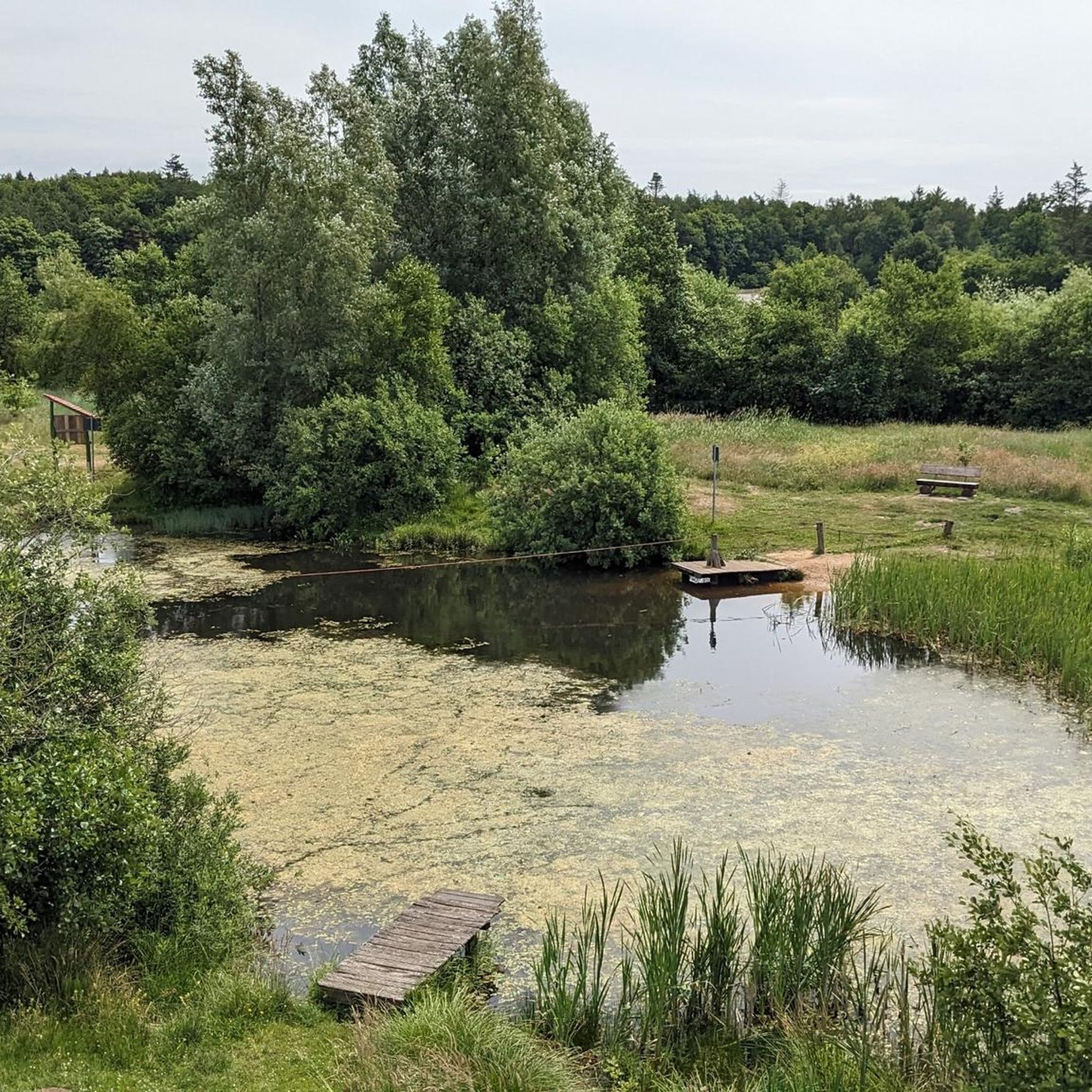
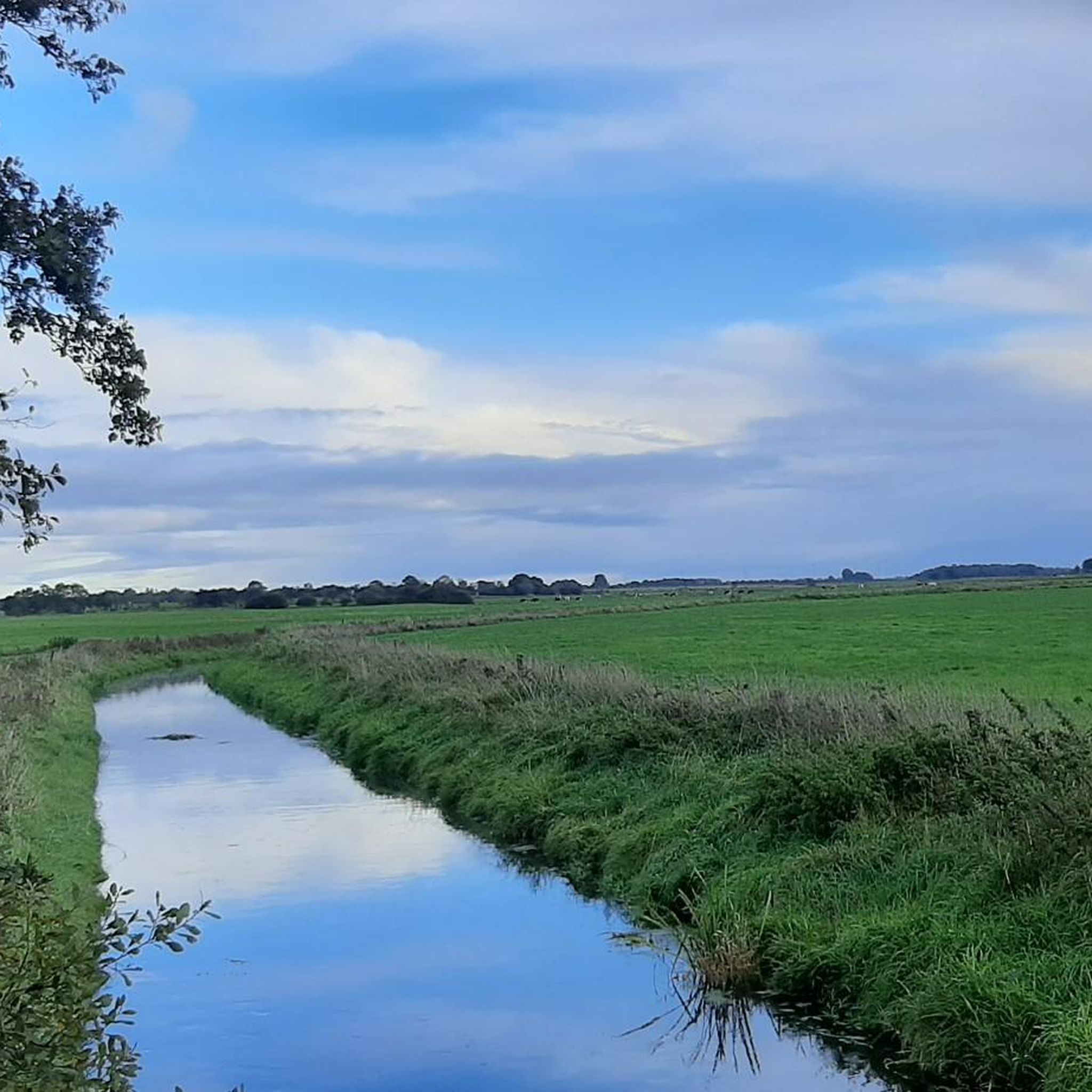
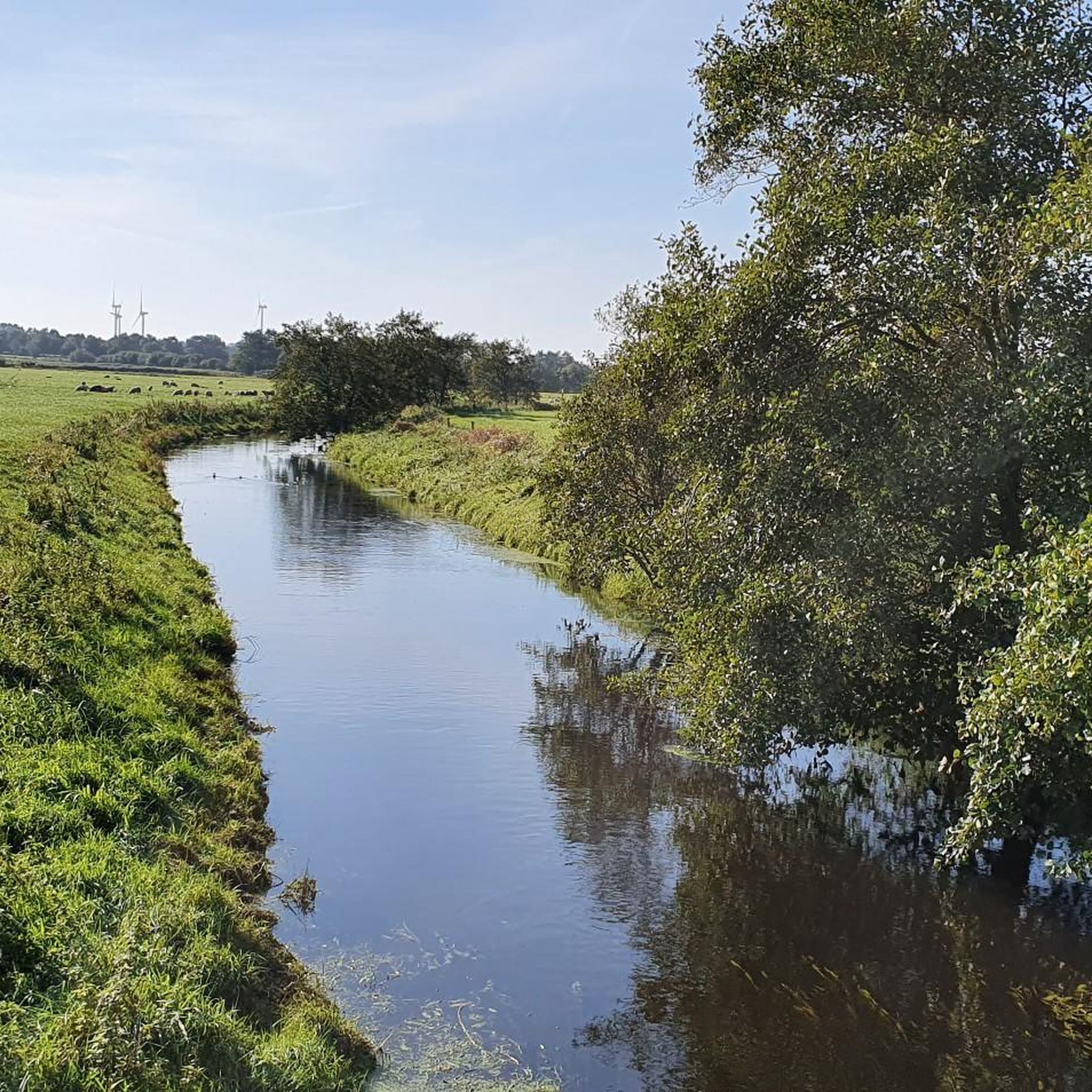
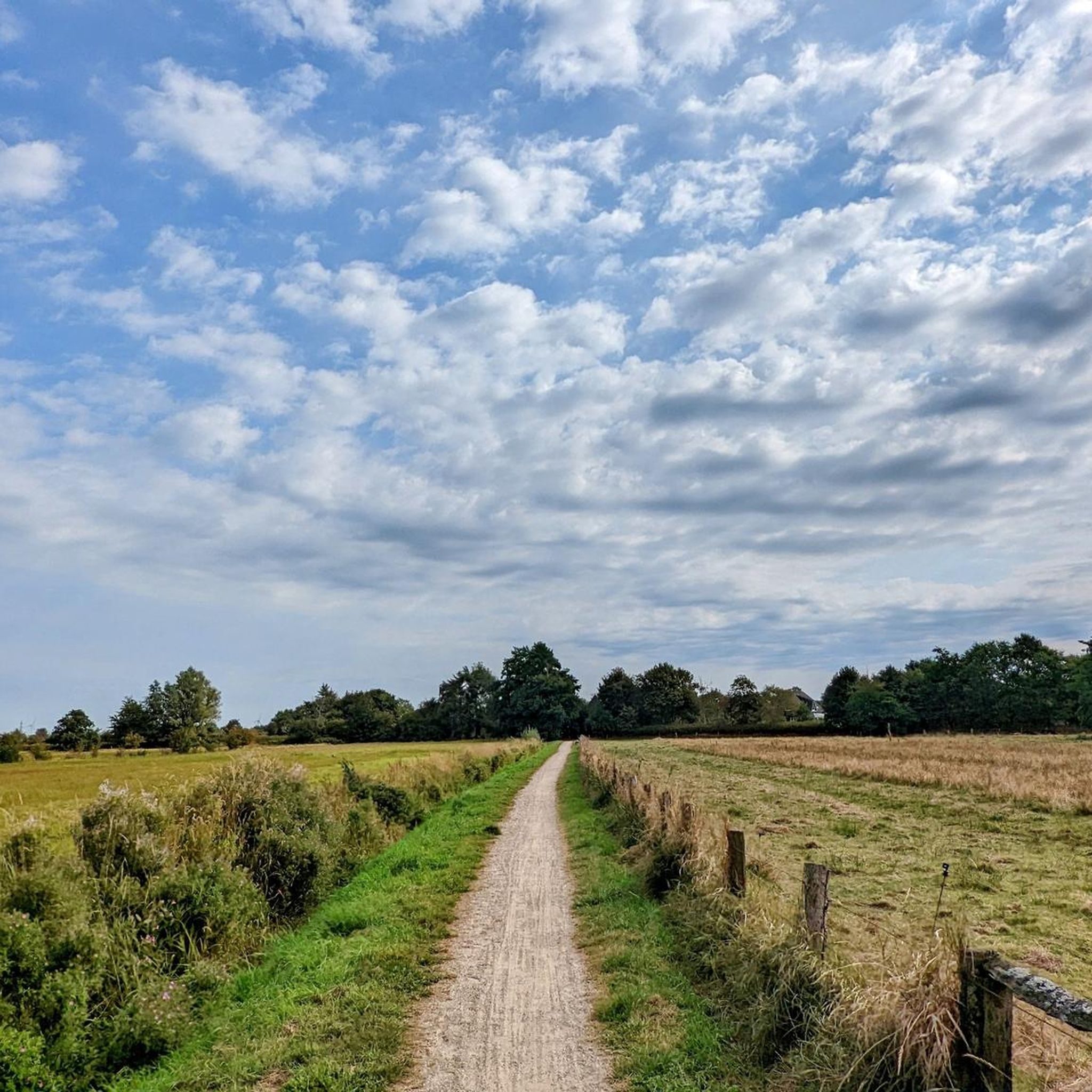
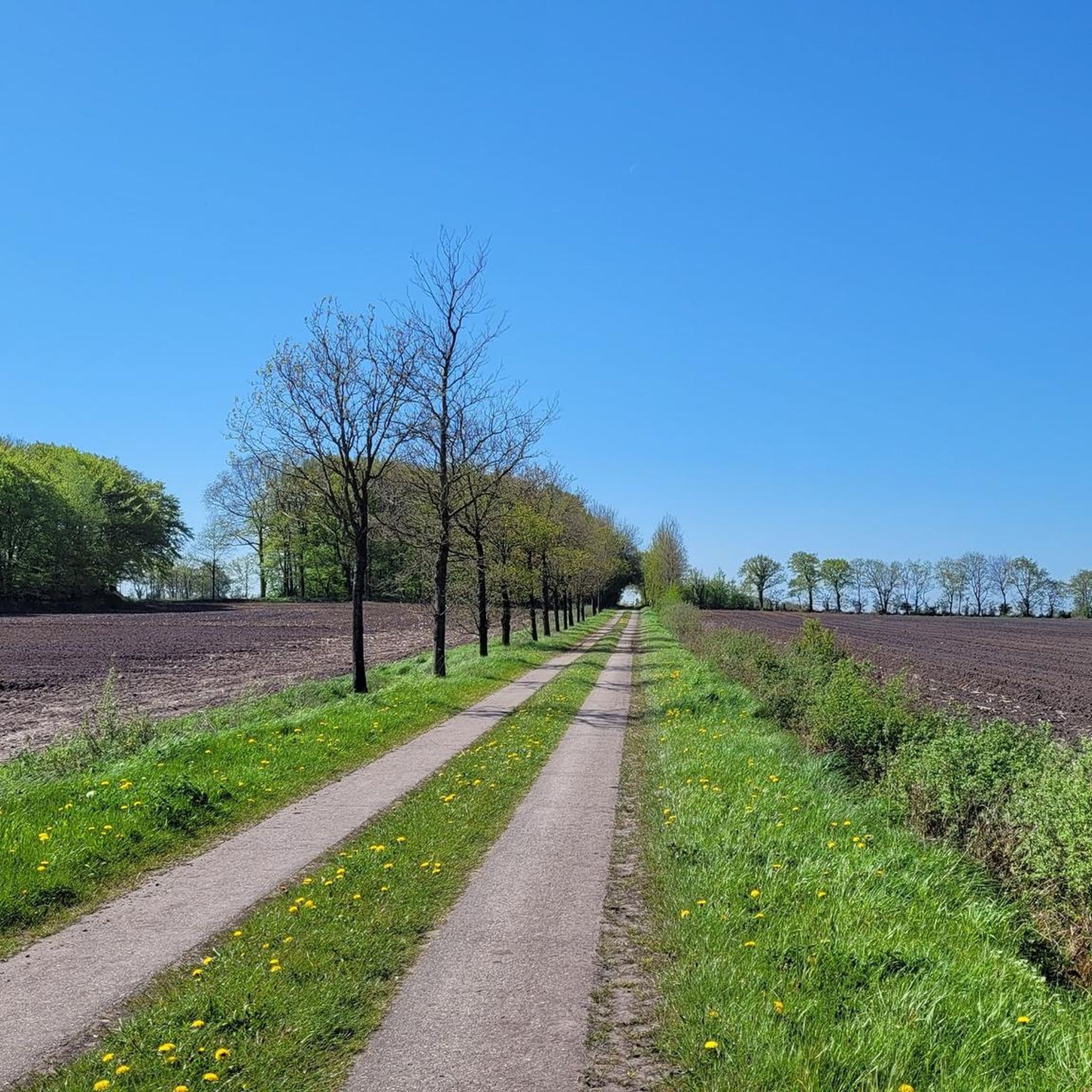
Best natural monuments around Viöl are situated in North Frisia, a region defined by its green meadows and expansive fields. This area offers natural features and attractions for outdoor enthusiasts. Viöl emphasizes its connection to nature, providing a tranquil environment for relaxation and activities. The landscape is suitable for exploring various natural settings.
Best natural monuments around Viöl
- The most popular natural monuments is Rimmelsberg Dune Nature Reserve, a natural monument featuring heath and juniper bushes. This seven-hectare area…
Last updated: September 28, 2026
Husum Castle Park
Highlight • Natural Monument
Translated by Google •
Tip by

Tine Fountain (Asmussen‑Woldsen Monument)
Highlight • Monument
Translated by Google •
Tip by

Sign up now to discover places like this
Get recommendations on the best single tracks, peaks, & plenty of other exciting outdoor places.
Schobüll Pier
Highlight • Bridge
More information: husum-tourismus.de/Media/Attraktionen/Seebruecke-Schobuell
Translated by Google •
Tip by

Rimmelsberg Dune Nature Reserve
Highlight • Natural Monument
Translated by Google •
Tip by

Löwenstedter Sandberge Nature Reserve
Highlight • Natural Monument
Translated by Google •
Tip by

Sign up for free to discover even more natural monuments around Viöl.
Already have an account?
Start today with a free account
Your next adventure awaits.
Tips from the Community

Asmussen-Woldsen monument as a fountain.
4
0

The Rimmelsberg Dune is a small, seven-hectare dune area in the Schleswig-Holstein municipality of Jörl. It has been protected since 1938 under designation number 24. The nature reserve consists of undulating, hilly terrain, home to numerous juniper bushes and surrounded by oak groves. With its heaths and dunes and one of the largest juniper stands in Schleswig-Holstein, it represents a unique feature in the otherwise intensively cultivated agricultural landscape. The name Rimmelsberg itself derives from the Danish rimme (Old Norse rimi), meaning a row of dunes or a mound of earth.
1
0

The nature reserve, which is only 7 hectares in size, is considered a gem. It consists of undulating terrain with numerous juniper bushes and is surrounded by oak groves. With its heaths and dunes and one of the largest juniper stands in Schleswig-Holstein, it is a special place.
0
0

Worth seeing dune/landscape - worth a detour!!
0
0

Is a beautiful fountain figure
5
0

The Tine, Husum's secret landmark, stands on the base of the market fountain built in 1902. Created by the Husum-born sculptor Adolf Brütt, the bronze figure depicts a young fisherman's wife in wooden shoes. The Tine in Husum commemorates two of the city's benefactors: Catharina Asmussen and Friedrich Woldsen, from whose names the short form for the figure was derived.
4
0

The Tine fountain is located in Husum on the market square in the center. The Tine fountain is also known as the secret landmark of the city of Husum. The Tine, as the Tine fountain is also affectionately known, consists of two parts. One part is the fountain and the second part is the Tine figure. The fountain was built in 1902. The official name of the market fountain is Asmussen-Woldsen-Brunnen. It is named after two benefactors of the city of Husum: Friedrich Woldsen and Anna Catharina “Tine” Asmussen. And now it is clear where the Tine got its name from. The Tine figure is a bronze sculpture that was created by the Husum-born sculptor Adolf Brütt. The tine depicts a fisherman's wife in wooden shoes at that time. https://www.schlei-ostsee-urlaub.de/data/schlei-ostsee-urlaub_1516.html
5
0
The castle park is particularly attractive in spring. Every year in March / April, over 4 million crocuses make the Husum castle park shine. The landscape garden around the only castle on the Schleswig-Holstein North Sea coast transforms into a unique sea of purple blossoms. Since 1994, the castle park with its crocus bloom has been a listed garden monument and is therefore one of the rarities of garden culture in the holiday region of Husumer Bucht. https://www.husum-tourismus.de/Media/Attraktionen/Schlosspark-Husum-Grosser-Garten#/article/526b91db-e5fc-422a-8b2b-2ee67464f3e7
11
1
Frequently Asked Questions
What are the most popular natural attractions around Viöl?
Visitors frequently enjoy the Rimmelsberg Dune Nature Reserve, known for its unique heath and juniper bushes in an otherwise agricultural landscape. Another popular spot is the Tree Shells by Wolfgang Buntrock, Husum Castle Park, an art installation that integrates natural elements into walk-in structures.
Are there family-friendly natural monuments near Viöl?
Yes, several natural monuments around Viöl are suitable for families. The Rimmelsberg Dune Nature Reserve and the Löwenstedter Sandberge Nature Reserve offer natural settings for exploration. The Tree Shells by Wolfgang Buntrock, Husum Castle Park also provides an engaging experience for all ages.
What kind of natural features can I expect to see in the Viöl region?
The Viöl region is characterized by vast green meadows and fields. You can explore unique dune areas with heath and juniper bushes, such as at the Rimmelsberg Dune Nature Reserve, and tranquil forest settings in places like the Löwenstedter Sandberge Nature Reserve. The area also features wetlands, offering panoramic views, for example, from the Porrenkoog Wetland Viewpoint.
What outdoor activities can I do near these natural monuments?
The region around Viöl is excellent for various outdoor activities. You can find numerous routes for hiking, cycling, and mountain biking. For hiking, explore trails like the 'Immenstedter Wald loop' or the 'Barrow Graves Trail loop'. Cyclists can enjoy routes such as the 'Husum Harbour Promenade – Red Haubarg loop'. For more options, check out the hiking, MTB, and running guides around Viöl.
Is the Schleswig-Holstein Wadden Sea National Park accessible from Viöl?
Yes, Viöl is located within reach of the Wadden Sea, a UNESCO World Heritage site and National Park. This globally significant natural area offers unique experiences like mudflat hiking with a ranger or carriage rides, providing a prime example of natural heritage near Viöl.
What is the best time of year to visit the natural monuments around Viöl?
The Viöl region is particularly recommended for visits during the spring months, when fields are in bloom, and during autumn, when the foliage turns vibrant, enhancing the beauty of the hiking trails. These seasons offer the most picturesque landscapes for exploring the natural monuments.
Are there any historical or cultural sites among the natural monuments?
While many sites focus on natural beauty, the Tine Fountain (Asmussen-Woldsen Monument) in Husum is a significant landmark. This man-made monument features a bronze figure created in 1902, commemorating city benefactors and serving as a historical and cultural focal point.
What do visitors appreciate most about the natural monuments in the Viöl area?
Visitors often highlight the tranquility and unique natural beauty of the area. The Rimmelsberg Dune Nature Reserve is praised for its distinct heath and juniper landscape, while the Löwenstedter Sandberge Nature Reserve is noted as a wonderful place to relax in nature. The overall experience is described as one of 'endless vastness, great tranquility, and colorful diversity'.
Are there any natural monuments around Viöl that are wheelchair accessible?
The Tine Fountain (Asmussen-Woldsen Monument) in Husum is noted as being wheelchair accessible, allowing visitors to experience this historical landmark.
Can I find viewpoints to observe the landscape near Viöl?
Yes, the Porrenkoog Wetland Viewpoint offers a small balcony with an information board and panoramic views of the marshland and its unique drainage system. The Rimmelsberg Dune Nature Reserve also provides elevated perspectives of its distinctive landscape.
What kind of wildlife can be observed in the natural areas around Viöl?
The diverse natural landscapes, including meadows, fields, and proximity to the Wadden Sea, support various wildlife. The Wadden Sea National Park, in particular, is renowned for its diverse ecosystem and is a crucial habitat for numerous animal and plant species. While specific wildlife for Viöl's immediate natural monuments isn't detailed, the tranquil environment suggests opportunities for birdwatching and observing local flora and fauna.
Are there any unique art installations integrated with nature in the area?
Yes, the Tree Shells by Wolfgang Buntrock in Husum Castle Park is a notable art installation. These walk-in structures, crafted from dead wood, evoke the presence of ancient trees and offer an impressive natural experience within an urban setting.
Most popular attractions around Viöl

Get inspired with the komoot mobile app


Explore more
Extend your search for the best caves by checking out these guides of the top ones around Viöl:
