Top 14 Natural Monuments around Kotzenbüll
Natural monuments around Kotzenbüll are characterized by the flat, expansive landscape of the Eiderstedt peninsula. This region features extensive greenlands, pastures, and unique "Warften" (artificial mounds) that define its cultural landscape. Kotzenbüll's location provides access to the UNESCO World Heritage Wadden Sea, a significant natural ecosystem. The area offers opportunities to explore diverse natural features and observe local wildlife.
Best natural monuments around Kotzenbüll
- The most popular natural monuments is Kiek-Ut view in the Katinger Watt, a viewpoint that…
Last updated: October 11, 2026
Katinger Watt Nature Reserve
Highlight • Natural Monument
Translated by Google •
Tip by

Katinger Watt Nature Reserve
Highlight • Natural Monument
Translated by Google •
Tip by

Sign up now to discover places like this
Get recommendations on the best single tracks, peaks, & plenty of other exciting outdoor places.
Kiek-Ut view in the Katinger Watt
Highlight • Viewpoint
Translated by Google •
Tip by

Kattinger Watt Observation Tower
Highlight • Viewpoint
Regrettable...
Translated by Google •
Tip by

Old Harbor Schülperneuensiel
Highlight • Historical Site
Translated by Google •
Tip by

Sign up for free to discover even more natural monuments around Kotzenbüll.
Already have an account?
Start today with a free account
Your next adventure awaits.
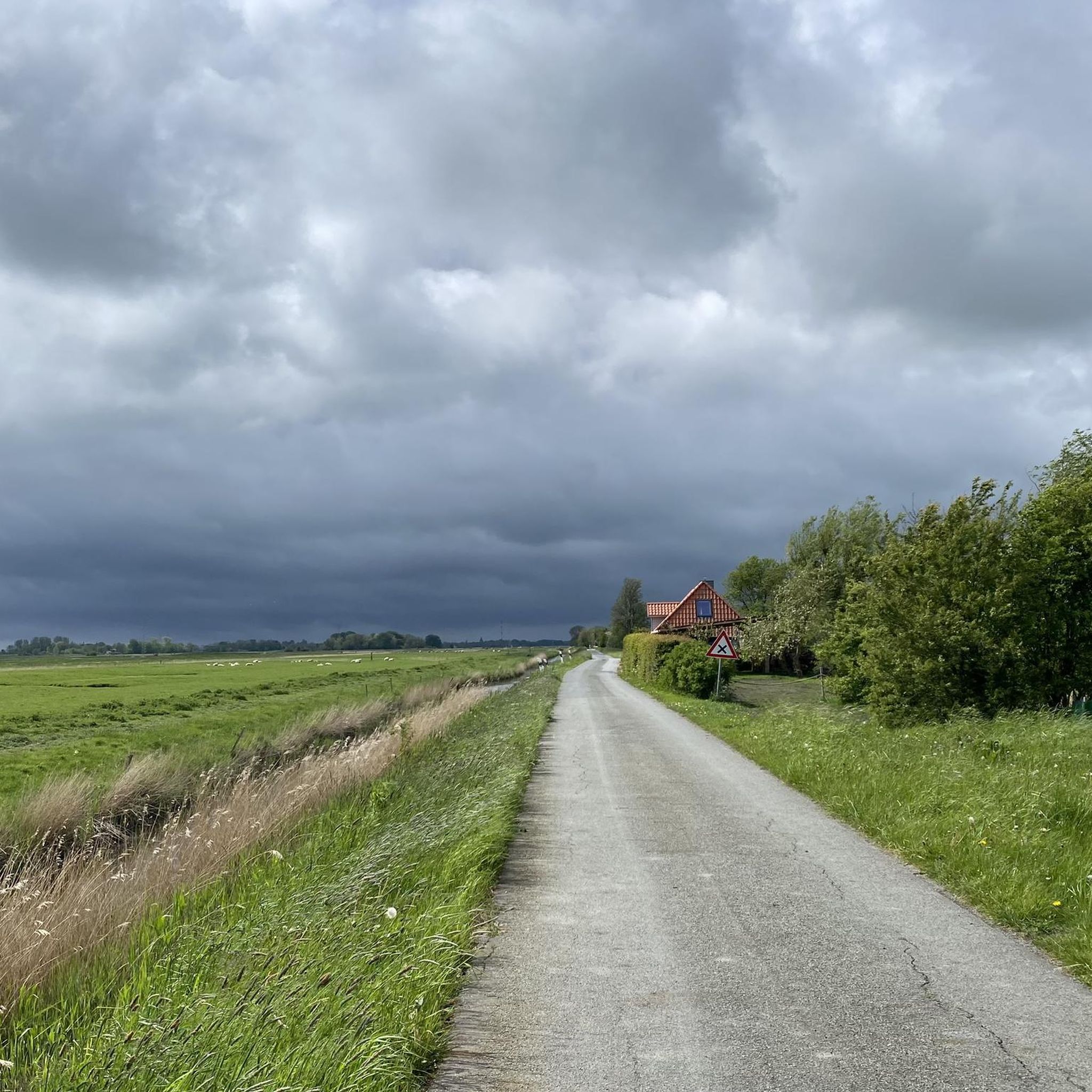
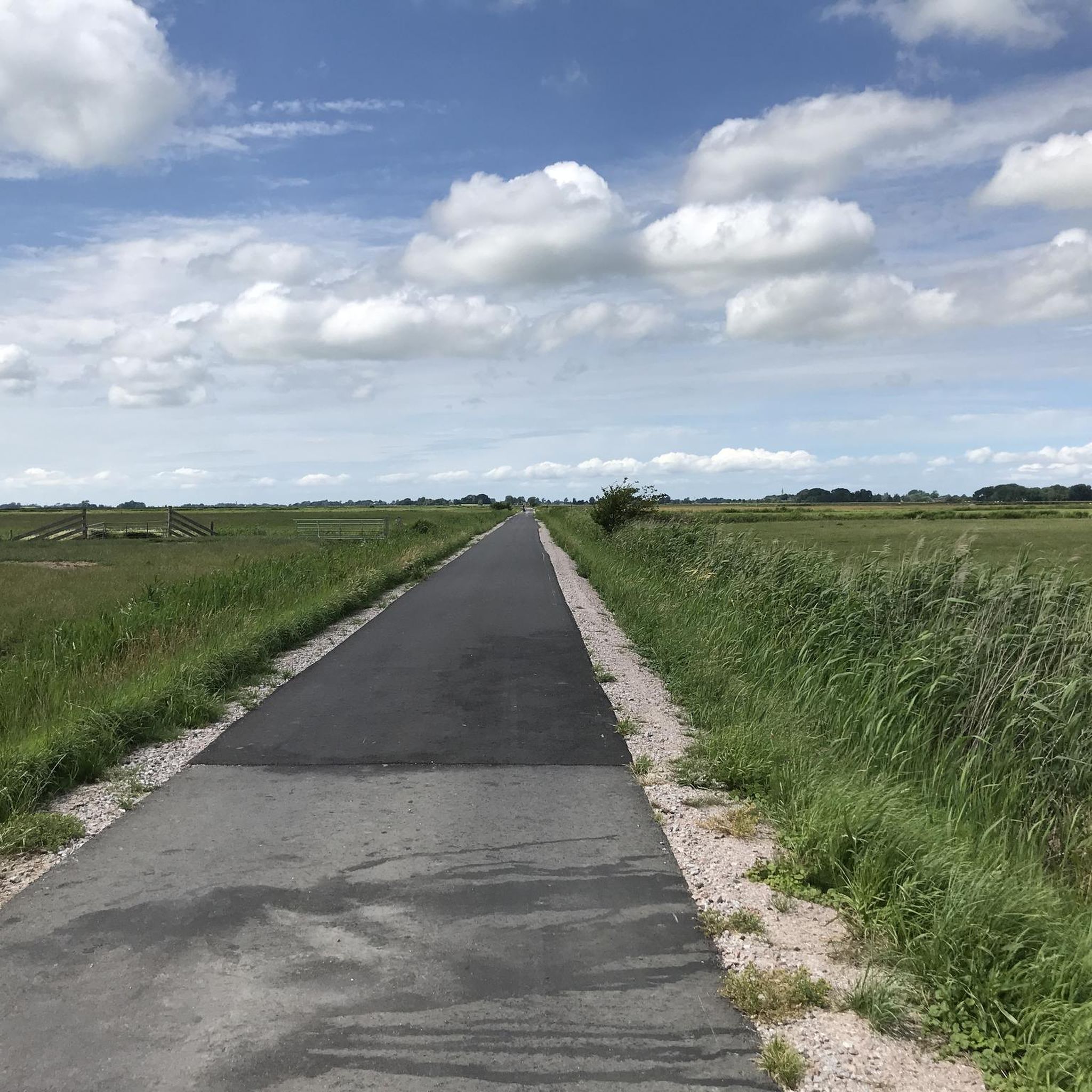
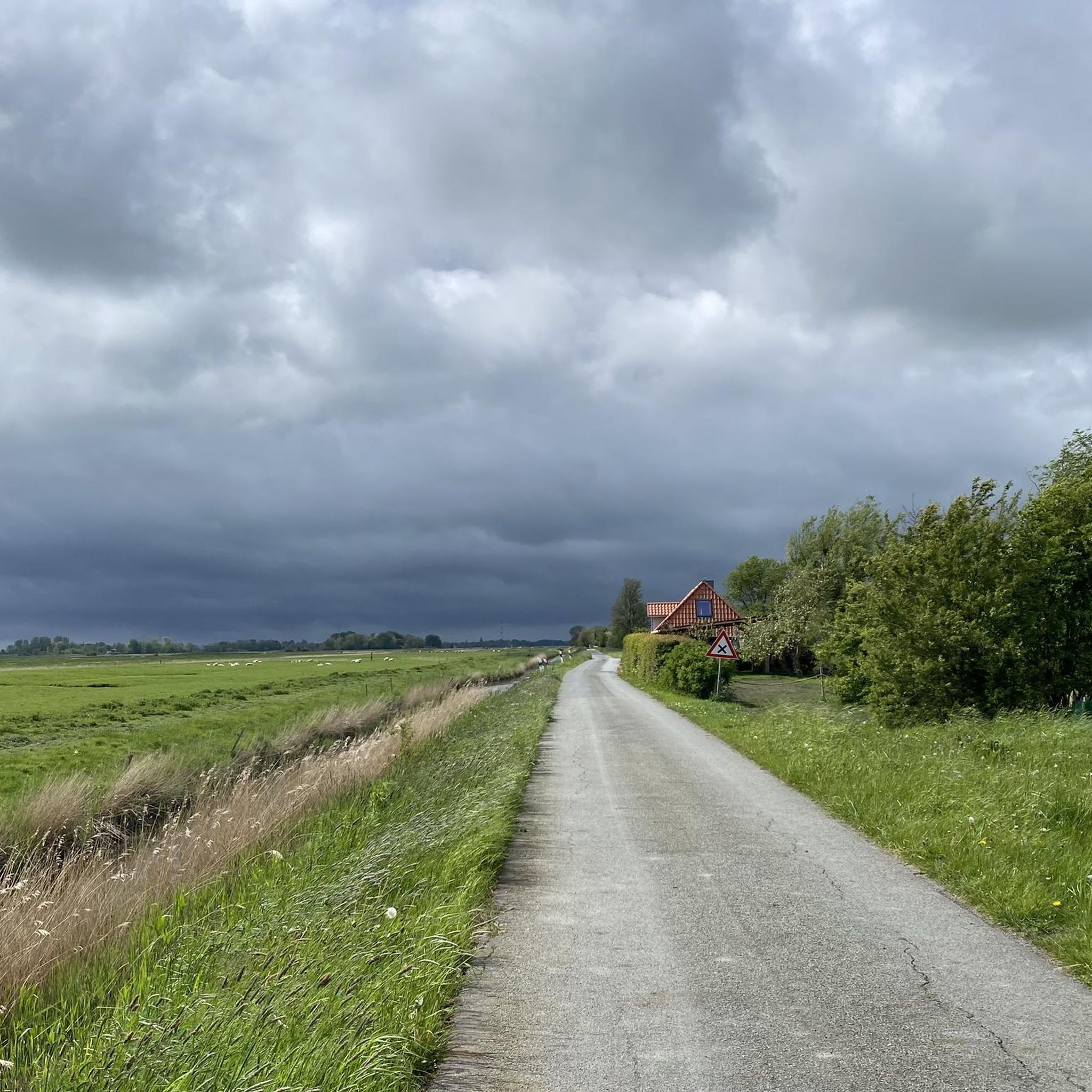
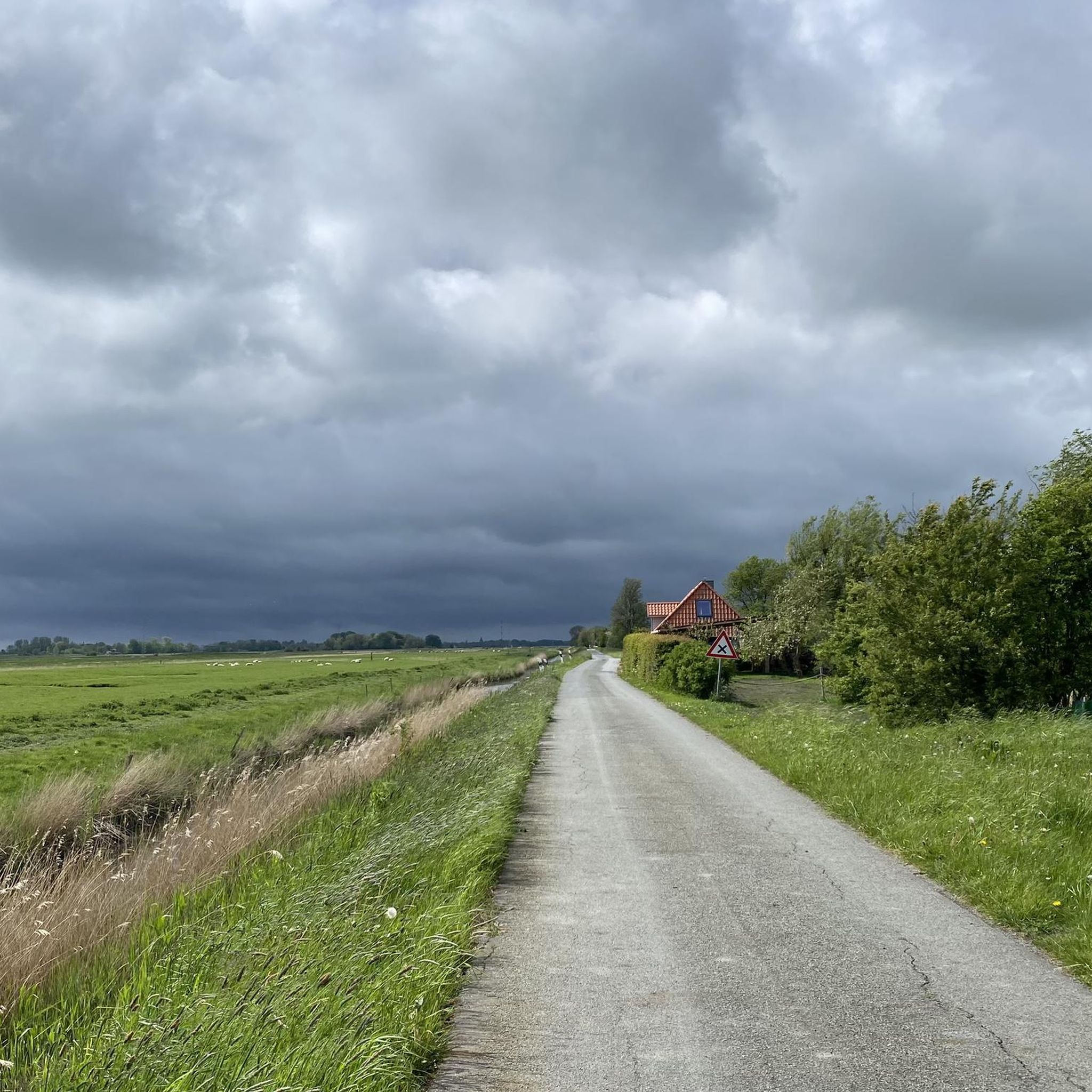
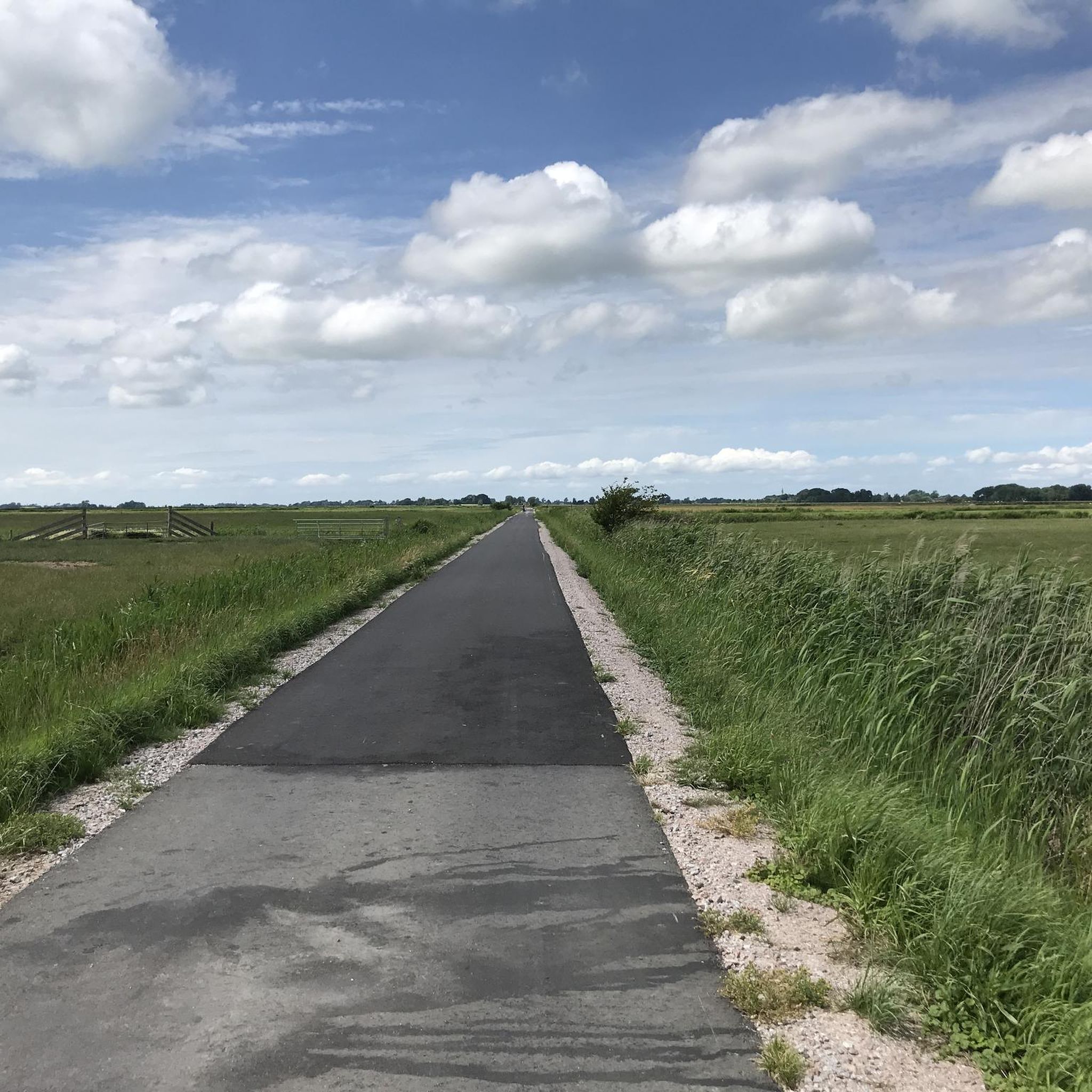
Tips from the Community

The port of Schülpersiel (often also called port Schülperneuensiel) is a small, idyllic sports boat harbor on the southern bank of the Eider in the Dithmarschen district, Schleswig-Holstein. It is located near Karolinenkoog and is mainly used by the sailing club Eiderdamm e.V. (SVED).
3
0

Katinger Watt The Katinger Watt is a bird sanctuary covered with meadows and forests at the mouth of the Eider river. In the early 1970s, the area was dammed and thus protected from storm surges. The Katinger Watt now offers a unique habitat for plants and animals. Walking paths invite you to hike and experience nature.
3
0

From the observation tower in Katinger Watt you have a wonderful view of nature and can observe swallows, seabirds and the migration of cattle.
0
0

The NABU nature center not only offers an idyllic garden but also lots of information about nature in the Katinger Watt. There are regular offers for exploring nature, from bird watching to bat excursions. There is always something exciting to see in the bird watching huts and it is not uncommon for you to see white-tailed eagles from the old dike at the nature center. The water buffalo in the area of the old creeks are also spectacular. The young people who work there are competent and very friendly! I always like to go there!
4
0

Good thing, good view, well done. Before everything is cordoned off, it would be better to use an observation tower to guide interested visitors through the area. So everyone benefits. Nature, man and animals.
3
0
Good thing and perfect for a good view of the beautiful natural landscape!
3
0

A beautiful spot, pure nature
3
0

The port of Schülperneuensiel is located in the dike foreland on the south bank of the Eider. Around 1600, Neuensiel was relocated to the new sea dike. When the Karolinen- and Wesselburenerkooges were re-covered, Neuensiel remained. Today's drainage sluice was built in 1964/65. This is a peak pumping station with a dyke. Normally, the dyke is used for drainage, but the pumping station is switched on when the Eider reaches peak water levels. Three pumps can pump a total of 11,400 liters per second into the Eider. The sluice associations Wesselburenerkoog, Karolinenkoog, Schülperweide, Hillgroven, Schülp, Strübbel and Neuenkirchen drain an area of 6,321 hectares here. Inside the pumping station is a five to six hectare reservoir. 75,000 cubic meters of water can be absorbed here. There used to be a lot of shipping traffic in the port. The main commodity was grain. Today the port area is leased to sailors. The Eider foreland and the tidal flats are part of a salt and brackish water area of the Eider estuary that was designated as a nature reserve in 1989 and is influenced by the tides. The characteristic plant and animal species that occur are protected on around 620 hectares. Despite the change in the tidal rhythm, the associated changes in salinity and the bank vegetation due to the construction of the Eider barrage in 1973, numerous red-listed species have found a refuge here; the Eider estuary is still considered a wetland of international importance.
3
0
Frequently Asked Questions
What unique natural features define the landscape around Kotzenbüll?
The landscape around Kotzenbüll, situated on the Eiderstedt peninsula, is characterized by its flat, expansive greenlands and pastures, creating a serene, pastoral environment. You'll also find unique "Warften" (artificial mounds) that are integral to the cultural landscape, originally built for protection against storm surges. The most significant natural feature easily accessible from Kotzenbüll is the UNESCO World Heritage Wadden Sea, known for its vast tidal flats and rich biodiversity.
What is the UNESCO World Heritage Wadden Sea, and how can I experience it from Kotzenbüll?
The Wadden Sea is the world's largest unbroken system of intertidal sand and mud flats, constantly reshaped by tides. It's a UNESCO World Heritage Site and a biodiversity hotspot. From Kotzenbüll, you can experience it by visiting the nearby coast, where you can walk on the seabed during low tide (ideally with a guide), observe migratory birds, or spot seals on sandbanks during boat trips. Visitor centers in the region offer insights into this unique ecosystem. More information can be found at waddensea-worldheritage.org.
Where can I find the best viewpoints to observe nature around Kotzenbüll?
For excellent panoramic views, visit the Kiek-Ut view in the Katinger Watt, an observation tower on an artificially created hill offering wide perspectives over the nature adventure trail and the Eiderwiesen. Another great spot is the Observation Tower Lundener Niederung, which provides a fantastic view over the 900-hectare nature reserve, where you might even spot a sea eagle pair.
What kind of wildlife can I expect to see in the natural monuments near Kotzenbüll?
The region is a haven for wildlife, especially birds. In the Katinger Watt Nature Reserve, you can observe many bird species, including lapwings, sea eagles, and kingfishers. The Wadden Sea itself is a crucial resting and stopover point for millions of migratory birds and is home to seals. You might also spot the 'Small Five' of the tidal flats: brown shrimp, lugworms, cockles, shore crabs, and mud snails.
Are there any specific nature reserves worth visiting near Kotzenbüll?
Absolutely. The Katinger Watt Nature Reserve is a must-see, featuring a 13-kilometer path through meadows and forests, ideal for birdwatching. Another significant area is the Lundener Niederung, accessible from the Observation Tower Lundener Niederung, which is a 900-hectare nature reserve known for its sea eagle population.
Are the natural monuments around Kotzenbüll suitable for families with children?
Yes, many natural monuments and areas are family-friendly. The Kiek-Ut view in the Katinger Watt and the Katinger Watt Nature Reserve offer easy paths and observation opportunities that children can enjoy. The flat landscape of the Eiderstedt peninsula is generally suitable for family outings, including cycling and walking.
Are there easy walks or accessible trails among the natural monuments?
The region's flat terrain makes many paths relatively easy to walk. For instance, the 13-kilometer path in the Katinger Watt Nature Reserve is described as easy, sometimes running along the dike with sea views. While specific wheelchair accessibility details are not always available, the general flatness of the Eiderstedt peninsula often allows for comfortable walks.
What outdoor activities, like hiking or cycling, can I do near these natural monuments?
The area around Kotzenbüll is excellent for various outdoor activities. You can find numerous running trails, such as those along the Eider Dike, by checking out Running Trails around Kotzenbüll. For cycling, there are many road cycling routes, including those leading to the Eider Barrage, detailed in Road Cycling Routes around Kotzenbüll. Mountain biking enthusiasts can explore routes like the one from Eider Barrage to St. Peter-Ording Beach, found in MTB Trails around Kotzenbüll.
What is the best time of year to visit the natural monuments around Kotzenbüll?
The natural monuments around Kotzenbüll, particularly the Wadden Sea, offer unique experiences year-round. Spring and autumn are ideal for birdwatching due to migratory periods. Summer provides pleasant weather for walking and cycling, while winter offers a stark, beautiful landscape, though some facilities might have reduced hours. The dynamic nature of the Wadden Sea means the landscape changes dramatically with the tides every six hours, regardless of the season.
Are there any historical sites among the natural monuments near Kotzenbüll?
Yes, the Old Harbor Schülperneuensiel is a notable site. While primarily a historical location, it is also recognized as a natural monument. It features a pumping station and a dike, and the surrounding Eider foreland and tidal flats are part of a nature reserve. This area showcases the interplay between human engineering and the natural dynamics of the Eider estuary.
What do visitors enjoy most about the natural monuments around Kotzenbüll?
Visitors frequently appreciate the serene, expansive natural beauty and the opportunities for wildlife observation. Many enjoy the easy-to-walk paths, especially in areas like the Katinger Watt Nature Reserve, where they can spot numerous bird species. The panoramic views from observation towers like Kiek-Ut are also highly rated, offering a sense of wide-open space and tranquility.
Most popular attractions around Kotzenbüll

Get inspired with the komoot mobile app


Explore more
Extend your search for the best caves by checking out these guides of the top ones around Kotzenbüll:
