Top 20 Natural Monuments around Damme
Best natural monuments around Damme are found in Lower Saxony, Germany, offering diverse natural landscapes. The region features significant natural attractions such as the Dümmer See, the second-largest inland lake in Lower Saxony, and the Dammer Berge, a wooded ridge reaching up to 146 meters above sea level. These areas provide varied habitats, from fens and bogs around the lake to forested hills and stream valleys. The natural sites offer opportunities for outdoor activities and nature observation.
Best natural monuments…
Last updated: November 22, 2026
Ochsenmoor Nature Reserve at Lake Dümmer
Highlight • Natural
Translated by Google •
Tip by

Dümmer Lake Nature Reserve
Highlight • Lake
Translated by Google •
Tip by

Sign up now to discover places like this
Get recommendations on the best single tracks, peaks, & plenty of other exciting outdoor places.
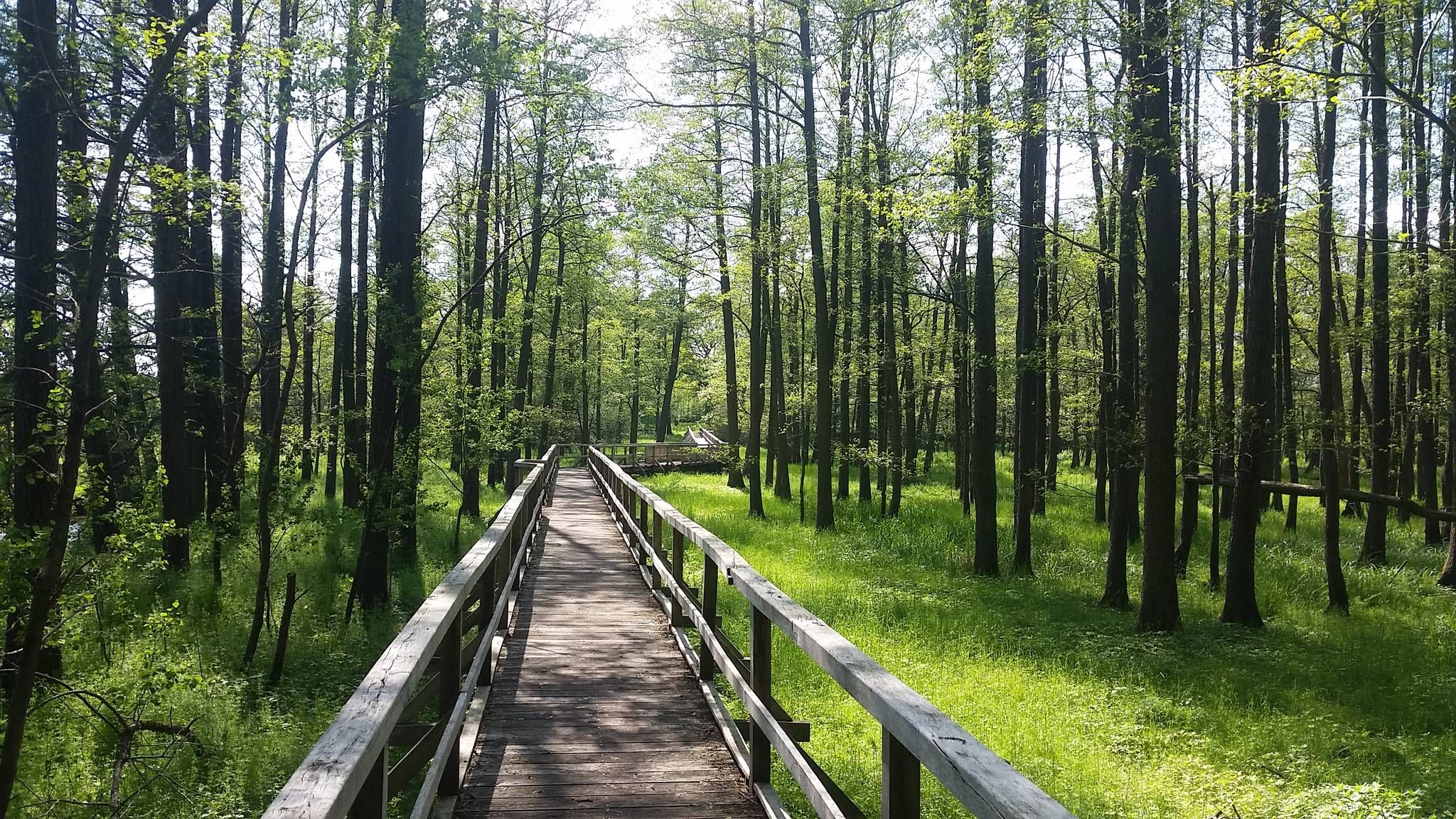
Reed Boardwalk at Lake Dümmer
Highlight • Rest Area
Translated by Google •
Tip by

Steinfeld Megalithic Tomb
Highlight • Historical Site
Translated by Google •
Tip by

River Hase
Highlight • River
Translated by Google •
Tip by

Sign up for free to discover even more natural monuments around Damme.
Already have an account?
Start today with a free account
Your next adventure awaits.
Popular around Damme
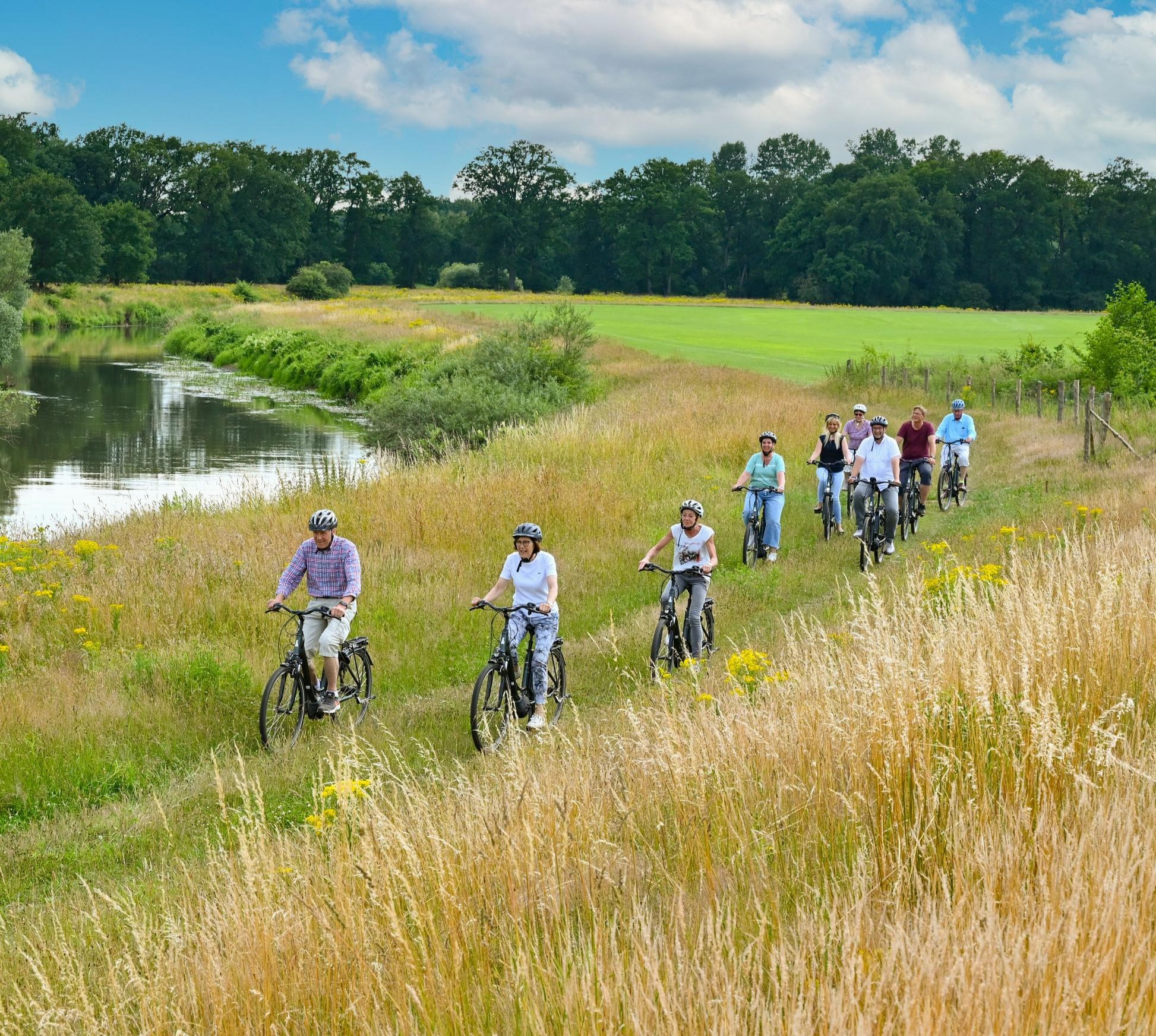
Germany's bridge bike path — cycle between Bremen and Osnabrück
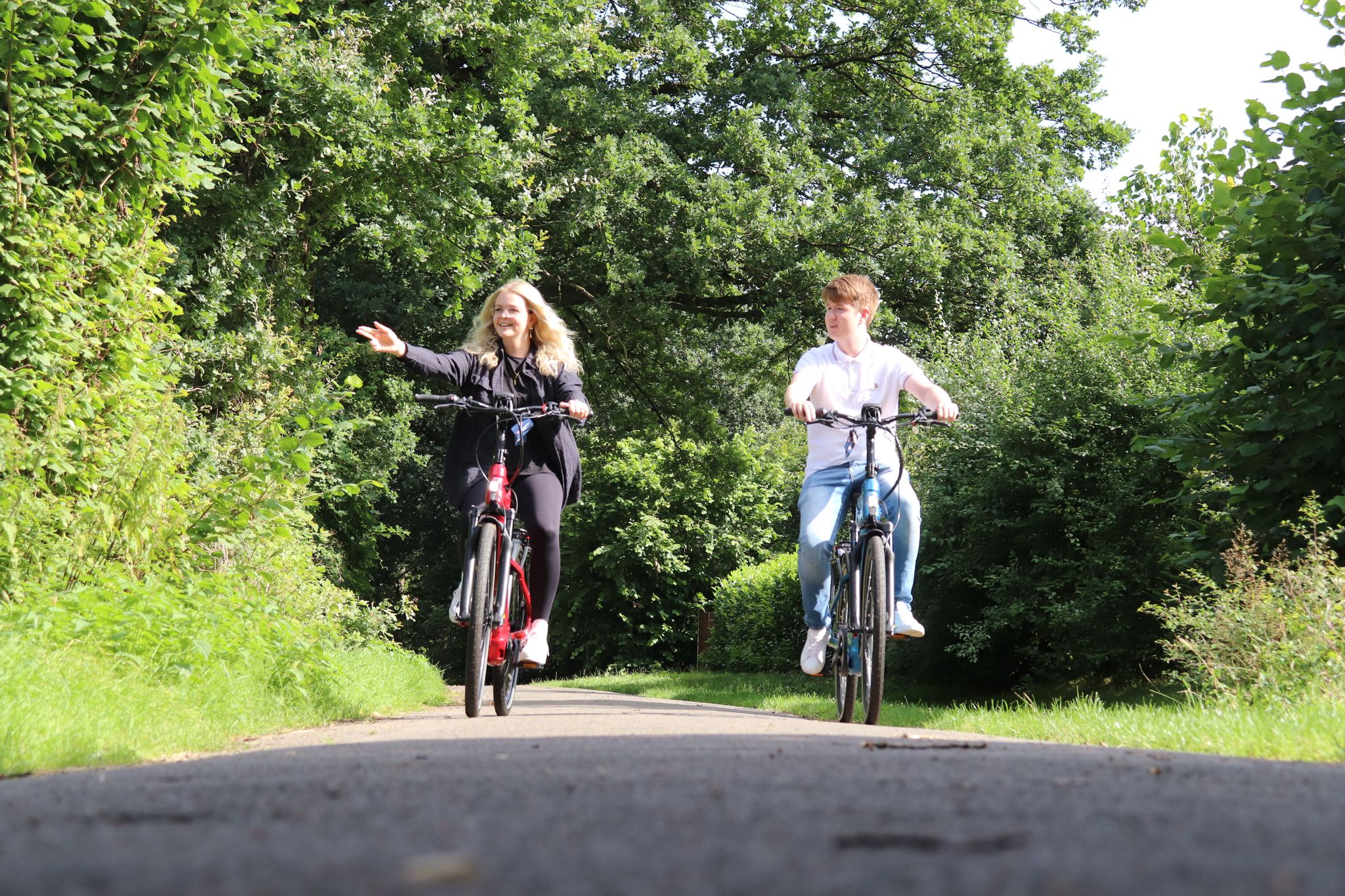
Best Loops in the DümmerWeserLand Cycling Region
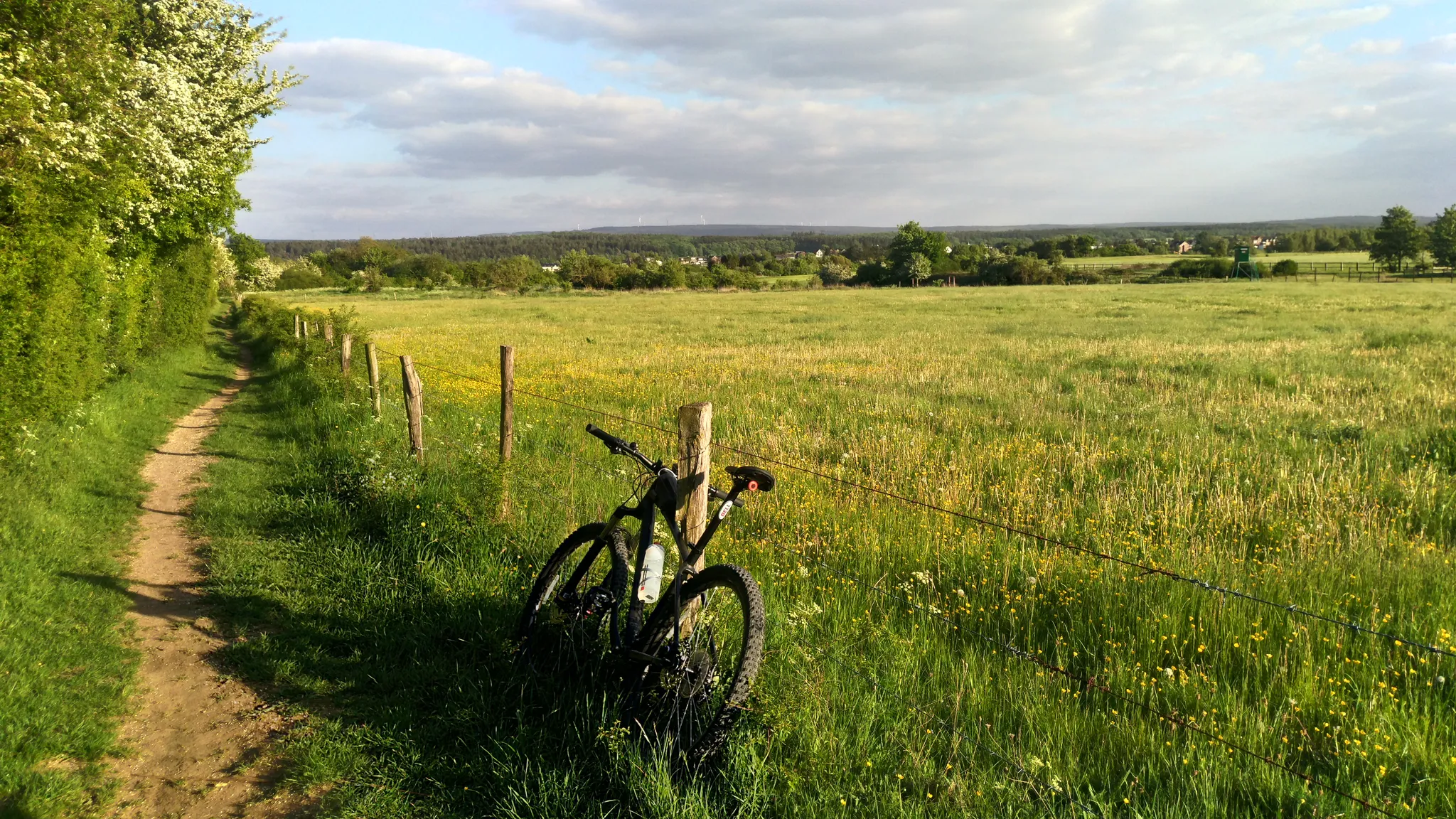
D-Route 7: Pilgrimage Route
Peace and nature on Germany’s Ems-Hase-Hunte-Else Trail
Boxenstopp-Route
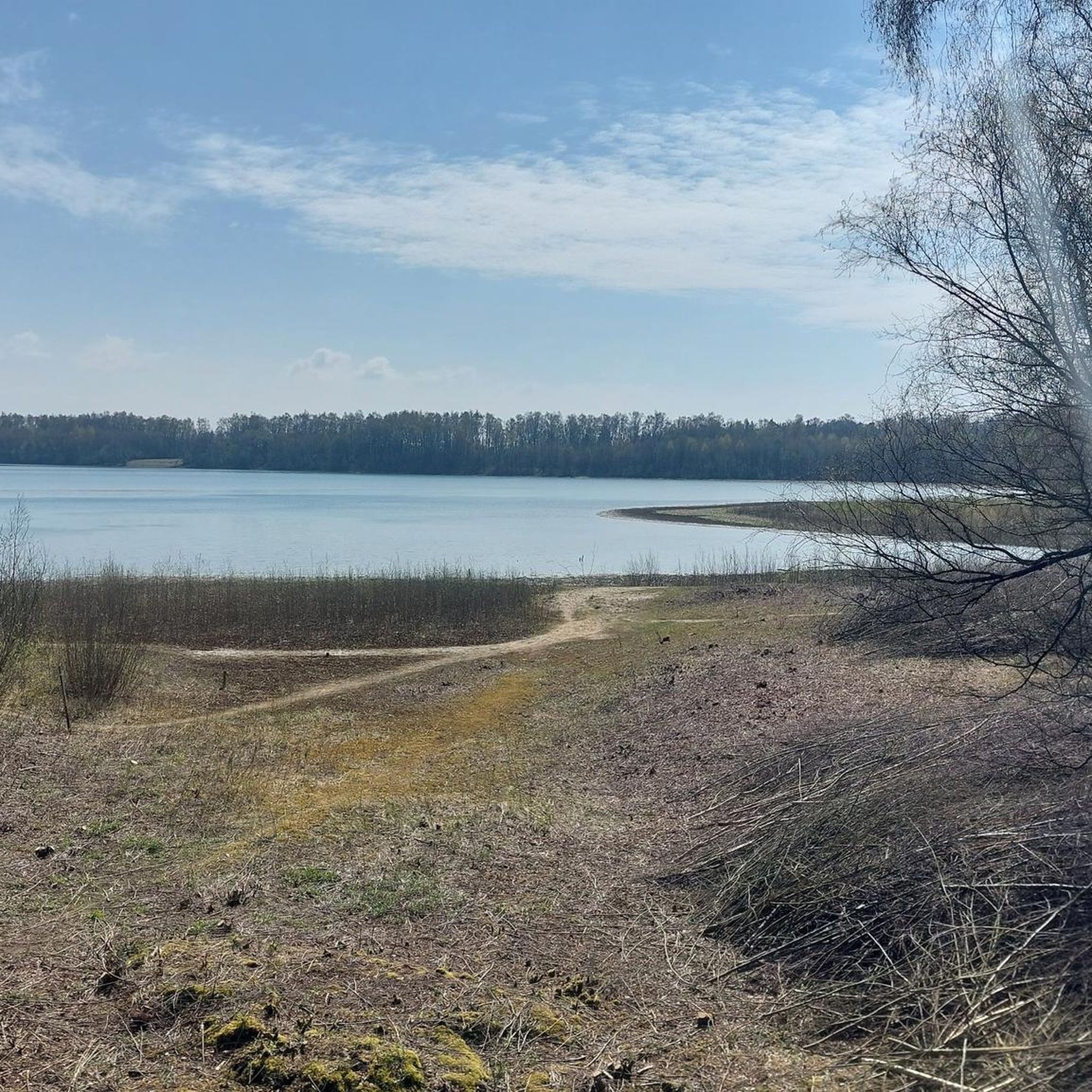
Hiking around Damme
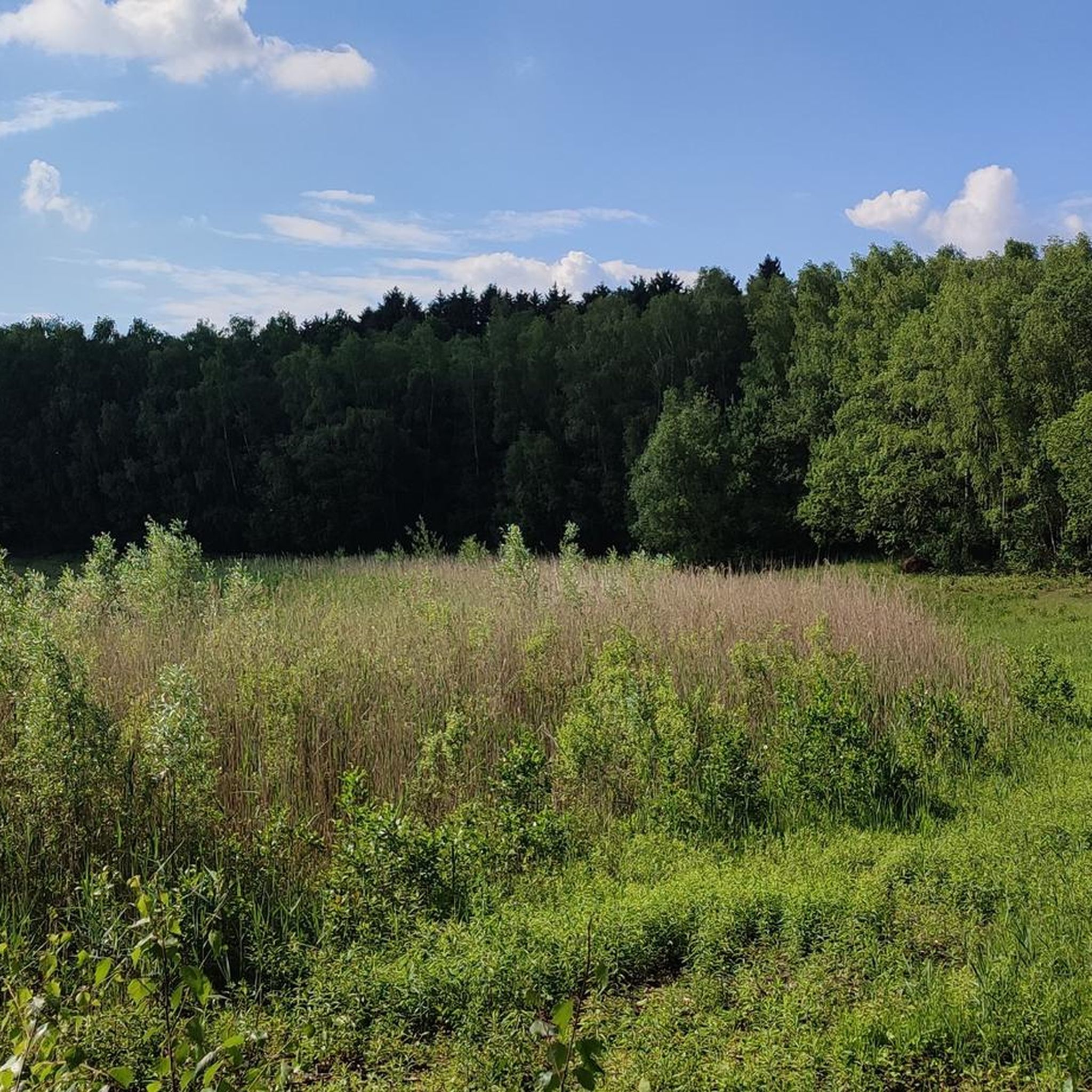
Cycling around Damme
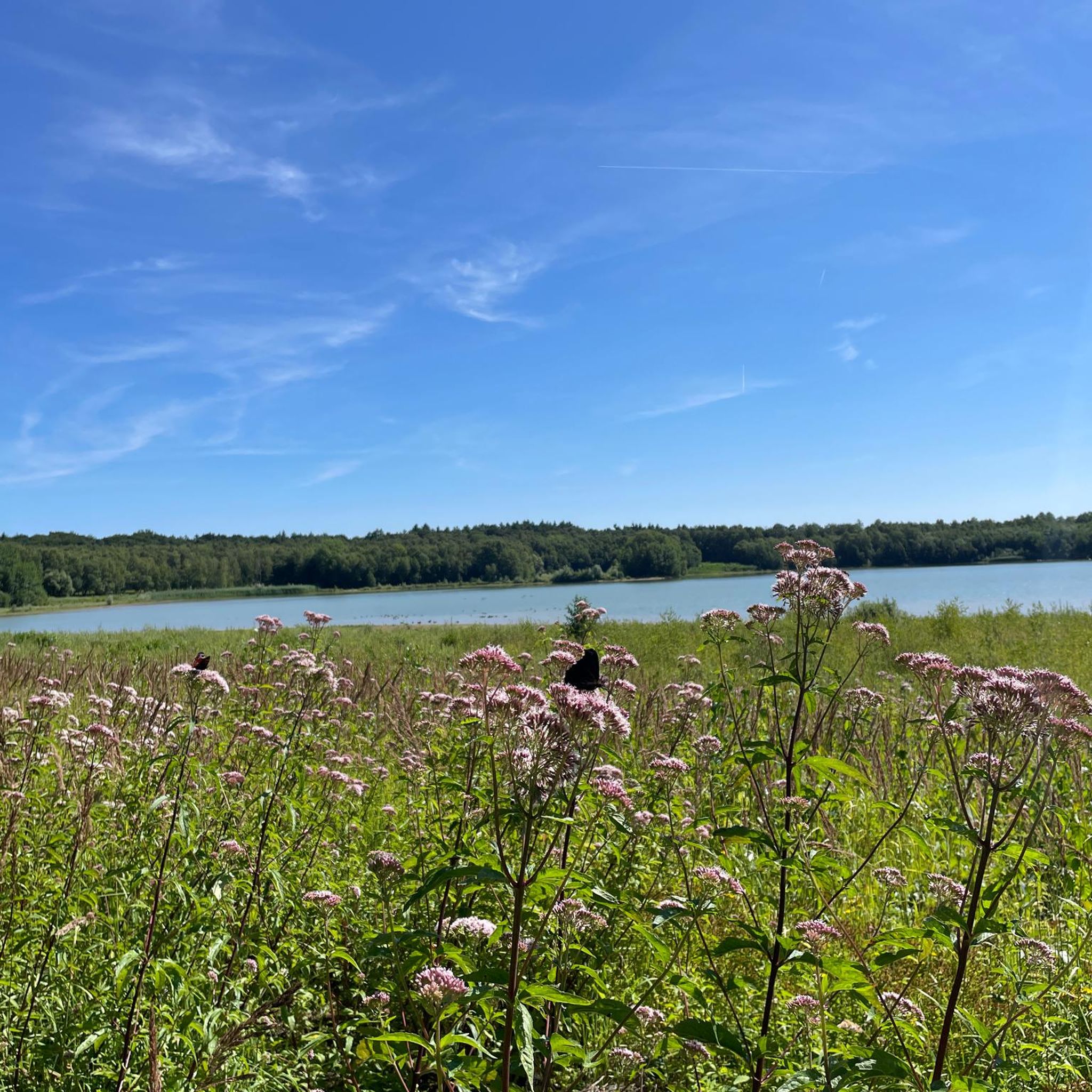
Running Trails around Damme
MTB Trails around Damme
Road Cycling Routes around Damme
Other adventures around Damme


Tips from the Community

The approximately 100-meter-long wooden footbridge leads into the reed zone and pasture belt of the "Hohe Sieben" nature reserve, which also features a birdwatching station. It's worth parking your bike here for a while and exploring the surrounding nature on foot. You certainly won't regret it and will be glad you took a short break here afterwards. 👋😉 https://willkommen.dwl.duemmer.de/de/duemmer/streaming/detail/POI/p_100054347/schilferlebnissteg
4
0

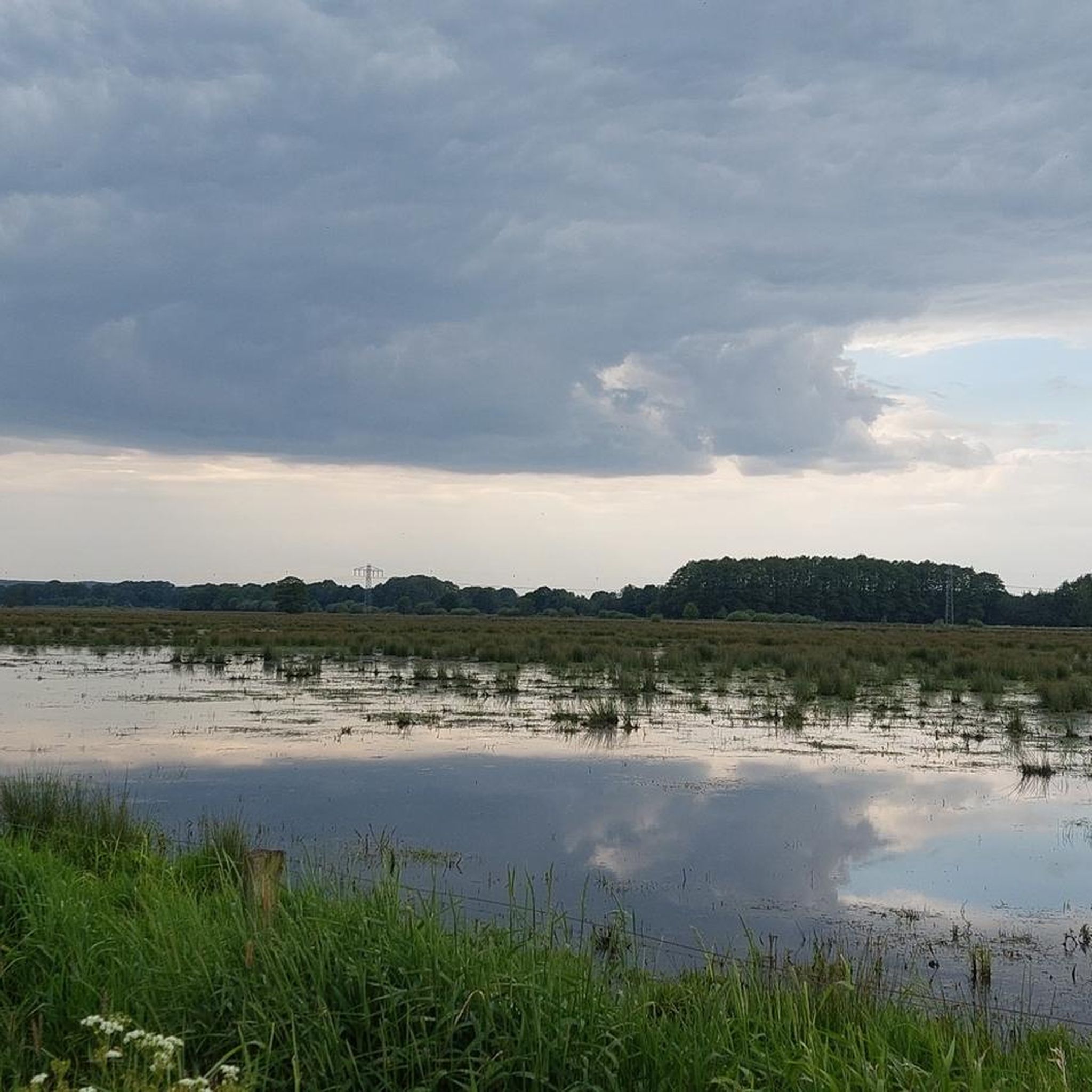
As early as 1999, the western Hase dam in the Gehrde-Rüsfort area was moved back over a length of 1.4 km. Around ten years later, the Hase dam was moved over a length of 0.8 km on the east bank. The additional lowering of the ground level has led to the development of fresh grassland and reed zones that correspond with the groundwater. This also enables periodic flooding typical of floodplains. The revitalized Hase floodplains also offer additional retention space for future flood events. Various wet biotopes and pools were also created. By establishing flora that is suitable for the site, a natural floodplain landscape is created in which various birds, reptiles, amphibians, grasshoppers and dragonflies find suitable habitats.
1
0
The Hase is a 169.6 km long, eastern and orographically right tributary of the middle Ems in the Osnabrück district, the independent city of Osnabrück, the Cloppenburg district and the Emsland district (all in Lower Saxony) as well as the Steinfurt district (in North Rhine-Westphalia). Its catchment area is 3086 km²[2]. Near Gesmold, the Else branches off from the Hase in the artificially created Hase-Else bifurcation, whereby part of its water also flows into the Weser river system. Much further north, the Hase branches off into the Große Hase and Kleine Hase near Quakenbrück in an inland delta that begins there, the Hasedelta.
1
0

European bird sanctuary with rewetted wet grassland, important breeding area for meadow birds and resting area for geese.
4
0

You reach the grave via the road between Steinfeld (Oldenburg) and Damme, Dammer Straße. From here you turn east into Eichenallee. The extension of Eichenallee leads southeast into the forest. After about 300 meters you will see the megalithic tomb on the right, about 30 meters south of the path. It is also known as Stappenberg. Source: https://tw.strahlen.org/praehistorie/niedersachsen/damme3.html
2
0

Neolithic era At the end of the second settlement phase of Hüde I - around 3300 to 3200 BC. BC - people from a different culture built the moorland settlement Hunte 1 on a slightly rising hill on the Hunte, which flows north of the Dümmer. This place was discovered in 1934 when the Hunte was being straightened and was systematically excavated between 1938 and 1940 by Hans Reinerth, then head of the Reich Office for Prehistory. In 2000, the excavation documents and found material scattered during the Second World War were reassembled and scientifically evaluated as part of a research project at the Lower Saxony State Museum in Hanover.
5
0
Paleolithic era The oldest human presence on the Dümmer so far is proven by a harpoon tip that was fished out of the Dümmer in 1887. It was made by people of the Paleolithic period who hunted the reindeer in the Dümmer lowlands in the then treeless tundra of the Bölling Interstadial of the Vistula Ice Age 15,000 years ago. With the rise in temperatures around 12,000 years ago, nature changed on the Dümmer: birch and pine forests expanded, more hardwoods were added, and large and small game became native - an ideal basis for life for the people of the Mesolithic. A barbed tip, perhaps a harpoon tip - found near Lemförde in 1973 - confirms the presence of these Mesolithic people as early as the end of the Vistula Ice Age, because using the C14 method the tip was dated to 11,000 years before our time.
5
0
Creation of the Dümmersedit The Dümmer formed around 12,000 years ago and has a similar origin story to the Steinhuder Meer: Until now, it was assumed that the Dümmer was a deflation trough. However, the surrounding sands (dunes) are not sufficient to interpret the formation as a deflation trough. It is now assumed that the Dümmer lake basin was formed by the formation of ice lenses during the Vistula glaciation. The glaciation of this last ice age did not extend into this region, but the landscape was periglacial, i.e. formed as a cold steppe. This ice lens theory was arrived at through studies of the periglacial area in Canada. However, this phenomenon should not be confused with the so-called pingos.
5
0
Frequently Asked Questions
What are the most popular natural monuments to visit around Damme?
Among the most popular natural monuments, visitors frequently enjoy the Observation deck overlooking Dammer Bergsee, which offers scenic views of the lake and is a great spot for walks. Another highly regarded site is the Ochsenmoor Nature Reserve at Lake Dümmer, known as a vital bird sanctuary with excellent opportunities for birdwatching and cycling.
Are there natural monuments suitable for families with children?
Yes, several natural monuments around Damme are family-friendly. The Observation deck overlooking Dammer Bergsee area features a playground and is easy to circle, making it ideal for families. The shallow, flat beaches around Dümmer See are also perfect for children. Additionally, the Naturerlebniswiese Wienerei offers interactive projects and a barefoot path, providing educational and recreational opportunities for all ages.
What kind of wildlife can I expect to see in the natural monuments around Damme?
The region is rich in wildlife, especially birds. Dümmer See and the Ochsenmoor Nature Reserve at Lake Dümmer are vital habitats for over 280 bird species, including up to 100,000 cranes annually during migration. The Dammer Berge is known for its large stag beetle population, and the Bexaddetal provides a habitat for various rare animal and plant species. If you're lucky, you might even spot an eagle owl near the Dammer Bergsee in the early morning.
Where can I go hiking or cycling near the natural monuments?
The Dammer Berge offers numerous paths for cycling, hiking, Nordic walking, and horseback riding. You can find various routes, such as the 'Bexaddetal Wooden Bridge – Bexaddetal Valley loop' or the 'Steinfeld Megalithic Tomb – St. James' Way — Dammer Berge loop'. For easy hikes, consider routes like the 'Fitness Trail at Bergsee – Shelter by the Lake loop'. For gravel biking, the area around Dümmer See offers routes like the 'Dümmer West Viewing Tower – Dümmer See Marina loop'. You can explore more options on the hiking guide for Damme or the gravel biking guide for Damme.
Are there any historical or cultural sites among the natural monuments?
Yes, the region combines natural beauty with historical significance. The Steinfeld Megalithic Tomb, located in the Dammer Berge, consists of Neolithic passage graves dating back to 3500-2800 BC. Additionally, the Mordkuhlenberg, a hill in the Dammer Berge, is associated with legendary robber stories, with sculptures depicting these figures along the path to its observation tower.
What are the best natural monuments for panoramic views?
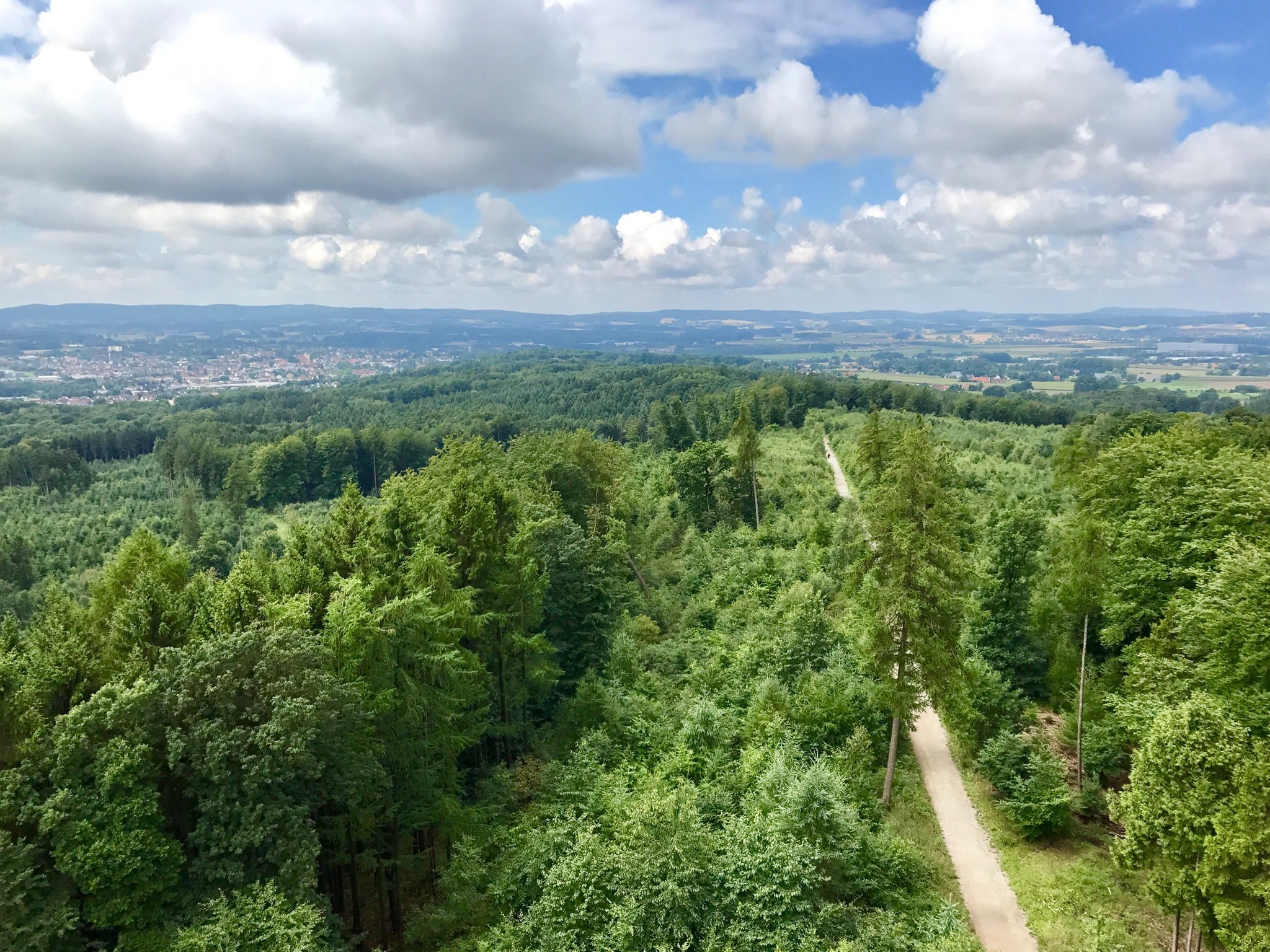
For expansive views, the observation tower on Mordkuhlenberg in the Dammer Berge is highly recommended. On clear days, you can see far into the North German Plain and even the northern edges of the low mountain ranges. The Observation deck overlooking Dammer Bergsee also provides a wonderful vantage point over the lake and its surroundings.
Can I find accessible paths or facilities at these natural sites?
The Reed Boardwalk at Lake Dümmer is noted as wheelchair accessible, offering a great view of the Dümmer and its wildlife. While specific accessibility details for all sites vary, many popular paths, especially around Dümmer See and Dammer Bergsee, are generally well-maintained and suitable for a wider range of visitors.
What is the best time of year to visit the natural monuments around Damme?
The best time to visit largely depends on your interests. Spring and autumn are excellent for birdwatching, especially around Dümmer See, when migratory birds like cranes are abundant. Summer is ideal for water sports on Dümmer See and for enjoying the various hiking and cycling trails. The wooded areas of the Dammer Berge offer pleasant conditions for outdoor activities throughout spring, summer, and autumn.
Are there any unique natural features or phenomena to observe?
Yes, the region boasts several unique features. Dümmer See is surrounded by fens and raised bogs, creating a distinctive wetland ecosystem. The Dammer Berge is a relic of the Saale glaciation, with its hilly, forested landscape. The Dammer Bergsee, though artificially created, has become an ecological gem with rare plant species due to its high iron content. The Bexaddetal is a charming erosion valley with a natural stream and diverse biotopes, including alder carrs.
What do visitors particularly enjoy about the natural monuments in Damme?
Visitors appreciate the diverse natural landscapes, from the expansive Dümmer See to the wooded Dammer Berge. Many enjoy the tranquility and opportunities for nature observation, especially birdwatching at Lake Dümmer. The well-maintained paths for hiking and cycling, the family-friendly amenities like playgrounds, and the scenic viewpoints are also frequently highlighted. The blend of natural beauty with historical elements, such as the megalithic tomb, adds another layer of enjoyment for visitors.
Are there opportunities for water sports near the natural monuments?
Absolutely. Dümmer See, as the second-largest inland lake in Lower Saxony, is a paradise for water sports enthusiasts. Its shallow waters are ideal for surfing, sailing, pedal boating, and rowing. The lake's extensive nature conservation areas also provide a beautiful backdrop for activities, and you can find a maritime vacation feeling with beach chairs at Olgahafen.
Where can I learn more about local conservation efforts?
The Naturerlebniswiese Wienerei in Damme is a living example of active nature conservation and environmental education, featuring projects like a 'Sandarium' for wild bees and a butterfly educational trail. The NABU (Nature And Biodiversity Conservation Union) Damme group also maintains an orchard meadow in the Bexaddetal, fostering biodiversity. Regular guided tours are offered by the Dammer Berge Nature Conservation Center at the Dammer Bergsee, providing insights into its ecological significance.
Most popular routes around Damme
Most popular attractions around Damme

Get inspired with the komoot mobile app


Explore more
Extend your search for the best caves by checking out these guides of the top ones around Damme:
