Top 20 Natural Monuments around Fredersdorf-Vogelsdorf
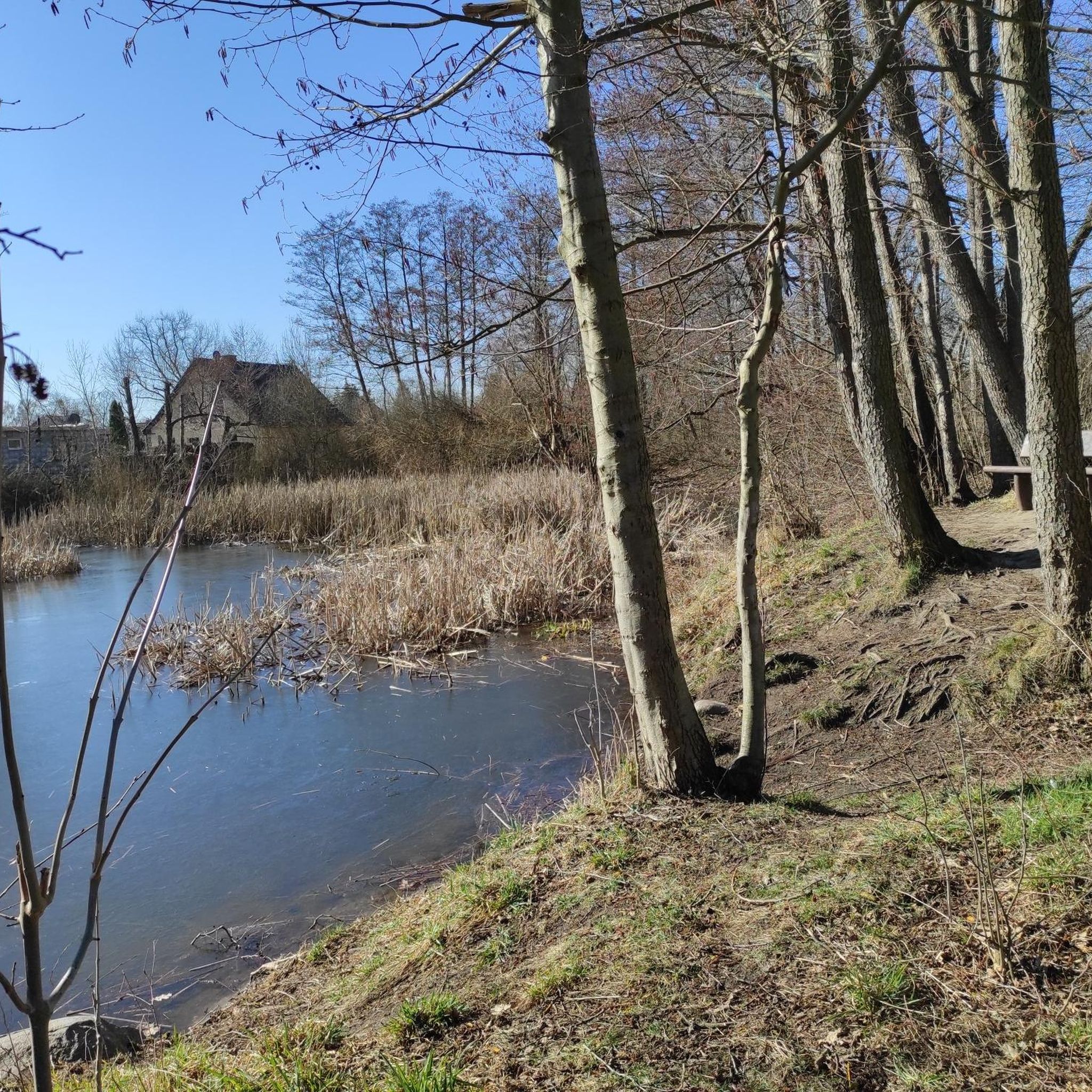
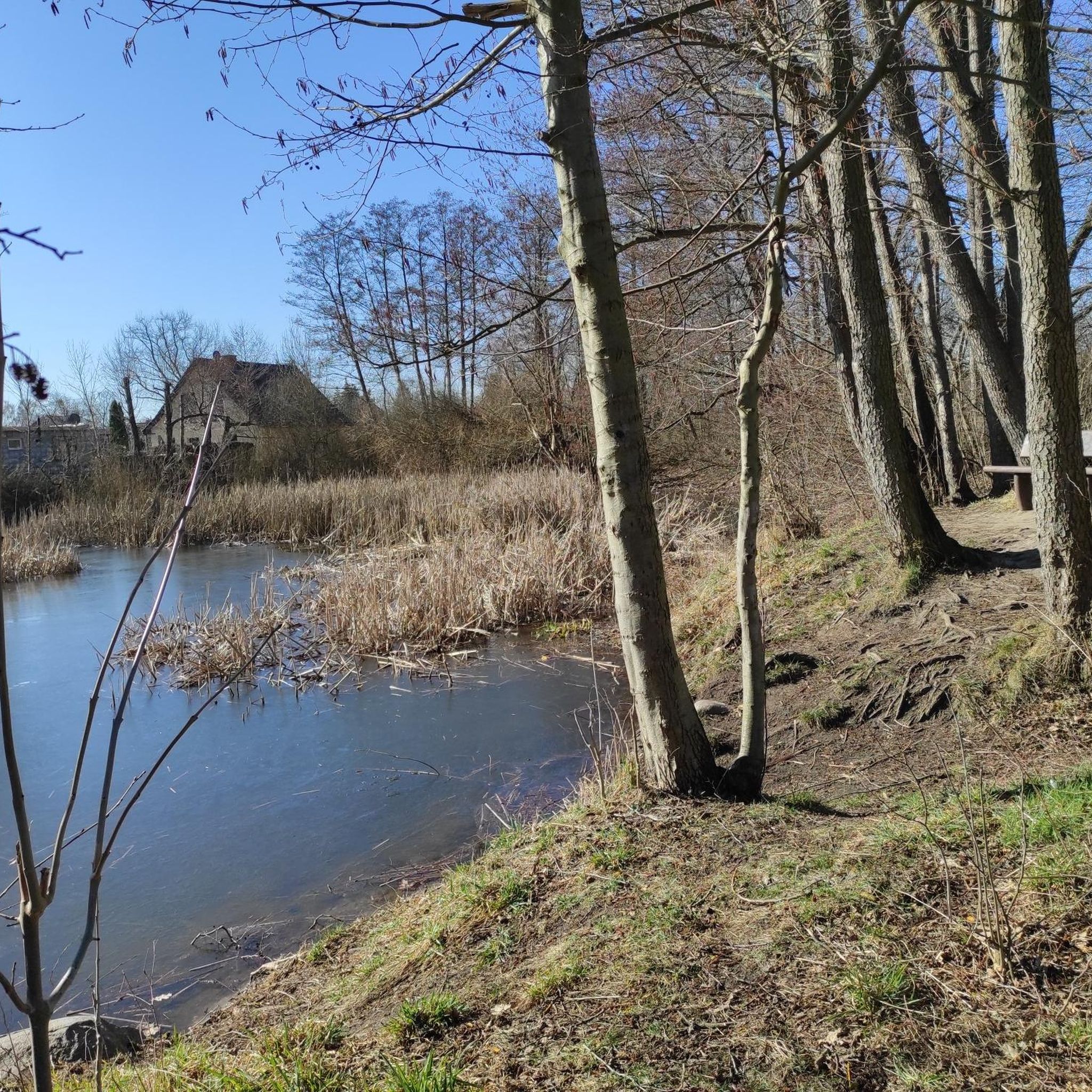
Best natural monuments around Fredersdorf-Vogelsdorf are found in a region situated amidst forests and lakes, east of Berlin. This area features significant natural landscapes, including the Fredersdorfer Mühlenfließ Nature Reserve and the Erpetal Nature Reserve. These locations offer diverse ecosystems and contribute to the region's ecological importance. The municipality also values its old, large trees, recognizing their contribution to the local environment.
Best natural monuments around Fredersdorf-Vogelsdorf
- The most popular natural monuments is Großer Müggelberg Summit Cross, a summit…
Last updated: May 12, 2026
Erpetal Nature Reserve
Highlight • Natural
Translated by Google •
Tip by

Großer Müggelberg Summit Cross
Highlight • Summit
Translated by Google •
Tip by

Sign up now to discover places like this
Get recommendations on the best single tracks, peaks, & plenty of other exciting outdoor places.
Sign up for free
Erpe stream in the Erpe Valley
Highlight • River
It is green and a …
Translated by Google •
Tip by

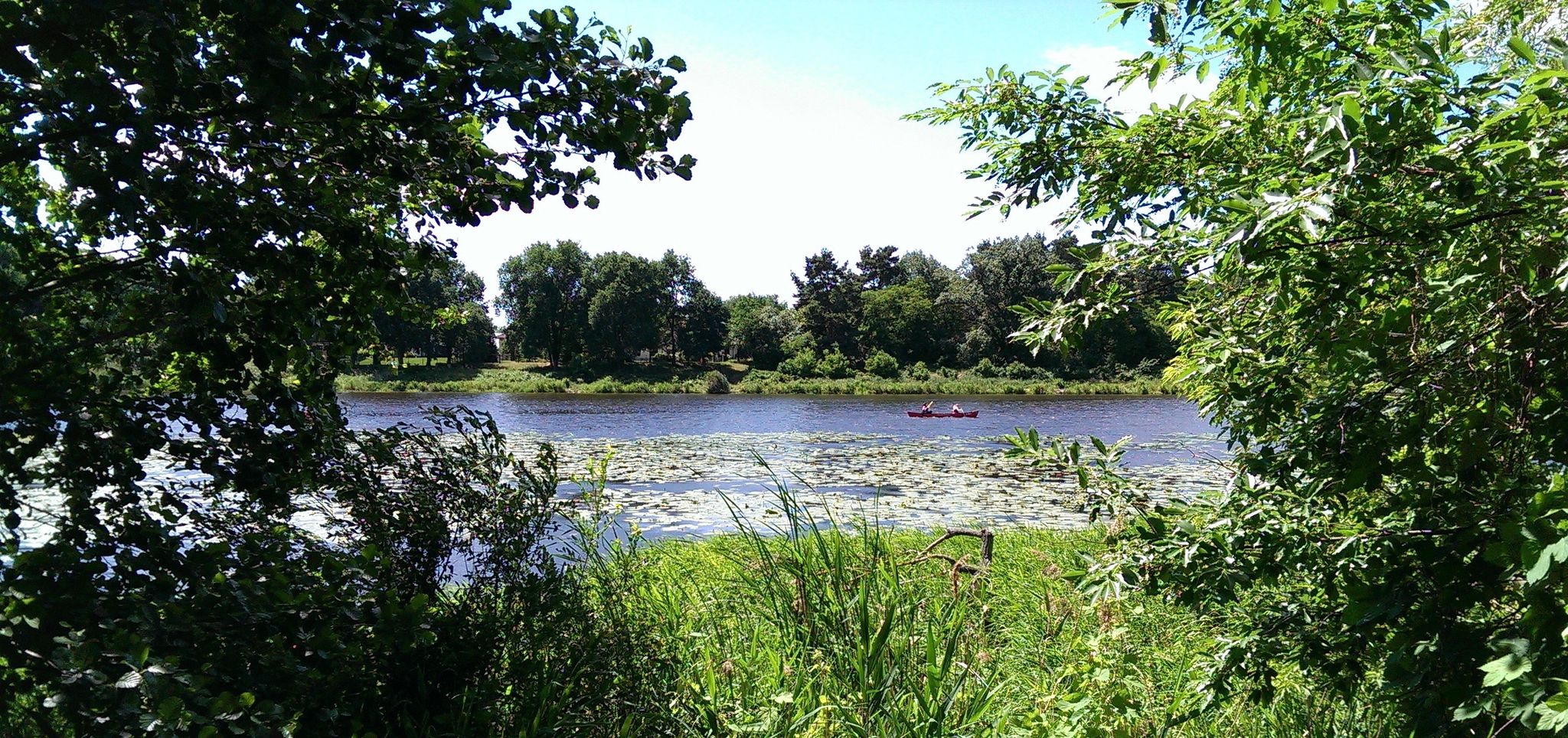
Wupatzsee
Highlight • Lake
Translated by Google •
Tip by

Müggelsee Beach
Highlight • Beach
Translated by Google •
Tip by
Sign up for free to discover even more natural monuments around Fredersdorf-Vogelsdorf.
Sign up for free
Already have an account?
Start today with a free account
Your next adventure awaits.
Login or Signup
Popular around Fredersdorf-Vogelsdorf
Other adventures around Fredersdorf-Vogelsdorf

Tips from the Community

The approximately 3.5 km long circular route leads over 12 stations through the diverse landscape forms of a post-Ice Age drainage channel from the Barnim Plate into the Berlin-Warsaw glacial valley and runs in parts on the route of the European hiking trail E 11.
9
0


On Sunday you can easily combine it with the iconic flea market at the Friedrichshagen S-Bahn station. When water levels are high, riverside paths may be flooded. Very nice path, first through a very nice allotment garden, then across extensive flowing meadows. However, it's no longer an insider tip, so it's not deserted...
2
0

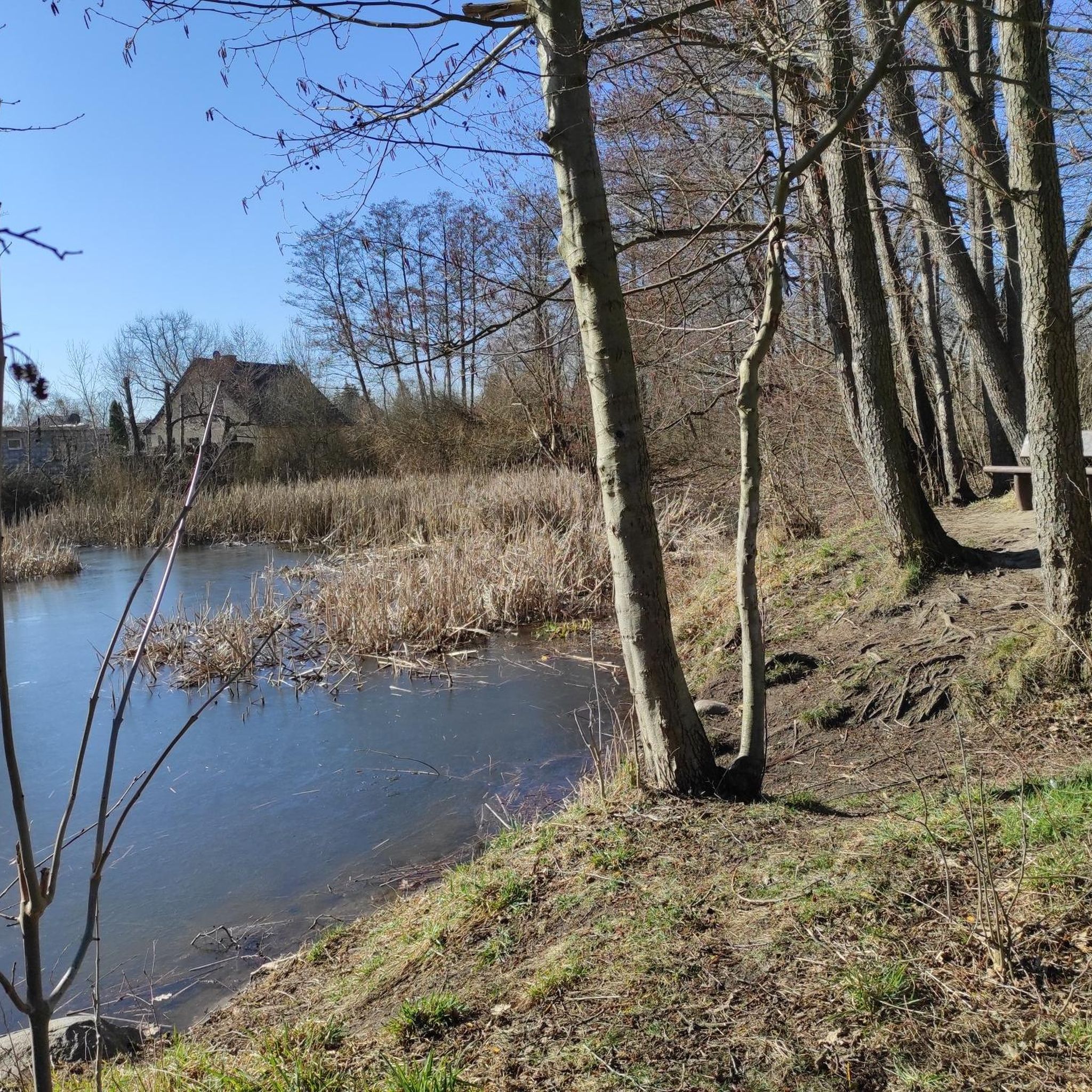
The Erpe is a small 32km long river: very idyllic. Its source stream in the north of Werneuchen is also called the Stienitzfließ. From Werneuchen to Altlandsberg it is also known as Langes Elsenfließ, and from here to the Berlin city limits it is also known as Neuenhagener Mühlenfließ. Like the entire landscape in Brandenburg and Berlin, the course of the river is also shaped by the last ice age.
4
0
That's how it is with superlatives. Here the word "natural" is important. Otherwise it's not true. But no matter how high you have to breathe one way or another.
2
0

114.5m - the highest natural mountain in Berlin. There is nothing to see there but still worth a tour.
2
0

During today's hike I had to realize that all signposts to the summit have been removed and that the cross can only be found using Komoot navigation or older knowledge.
3
2

If you want to climb the Top-of-Germany 16-Summits, you cannot avoid the Großer Müggelberg. Ultimately, as part of this challenge, it is important to climb the highest elevation of all 16 federal states and the Müggelberg is the highest natural elevation in Berlin. Logically, high alpine terrain is not to be expected, but you can approach the summit on different paths and from different sides and it can be a bit steeper in the middle of Berlin. The summit itself is located in the middle of the forest and offers no view as the trees around it are too high. But there is a summit cross that shows the correct position. If you are looking for a view, you have to go to and on the nearby, reopened Müggelturm. A worthwhile detour from the summit leads to the foot of the Müggelberg. The path is lined with numerous information boards and when you arrive at the bottom you can visit the Teufelsmoor on safe wooden walkways and keep an eye out for the animals and insects that live there.
10
1
Frequently Asked Questions
What are some of the most popular natural monuments to visit around Fredersdorf-Vogelsdorf?
Visitors frequently enjoy the Erpetal Nature Reserve, an idyllic valley formed by meltwater, and the Großer Müggelberg Summit Cross, which marks the highest natural elevation in the Berlin city area. Another favorite is the Löcknitz Valley Trail, known for its naturally preserved route through rare flora.
Are there family-friendly natural monuments in the Fredersdorf-Vogelsdorf area?
Yes, the Erpetal Nature Reserve is an excellent choice for families, offering well-marked trails for hiking and birdwatching. The Erpe stream in the Erpe Valley is also family-friendly, with a nature trail that explains the area's natural features. The Fredersdorfer Mühlenfließ Nature Reserve also provides recreational experiences suitable for families.
What kind of wildlife can I expect to see in the natural monuments around Fredersdorf-Vogelsdorf?
The region is rich in diverse wildlife. In the Fredersdorfer Mühlenfließ Nature Reserve, you might spot beavers, otters, kingfishers, and various amphibians, reptiles, and fish. The Erpetal Nature Reserve is home to a diverse bird population, including kingfishers, greylag geese, and black woodpeckers. The Wupatzsee is a retreat for birds like herons and cranes.
Are there hiking trails near the natural monuments in Fredersdorf-Vogelsdorf?
Absolutely. The Erpetal Nature Reserve features well-marked trails, including a 3.5 km circular route with 12 stations. The Löcknitz Valley Trail offers a 28-kilometer route, with a particularly attractive 15-kilometer section through a nature reserve. For more hiking options, you can explore various hiking routes around Fredersdorf-Vogelsdorf.
What natural features define the Fredersdorfer Mühlenfließ Nature Reserve?
The Fredersdorfer Mühlenfließ Nature Reserve is characterized by the 34.5 km long Mühlenfließ river, which largely flows through its original bed. It features extensive wetland forests, including birch-moor forests, alder-ash riparian forests, and old oak and hornbeam forests. The Luchpfuhl in Fredersdorf is specifically designated as an area natural monument within this reserve, offering diverse habitats and ancient trees.
Can I go cycling or mountain biking near these natural monuments?
Yes, the natural surroundings of Fredersdorf-Vogelsdorf are suitable for cycling. The Erpe stream in the Erpe Valley is perfect for off-road cycling. You can find numerous MTB trails around Fredersdorf-Vogelsdorf, with routes like the 'Pathway Along the River' offering moderate difficulty.
What is the significance of the old, large trees in Fredersdorf-Vogelsdorf?
Fredersdorf-Vogelsdorf places significant value on its tree population. While not always individually designated as 'natural monuments,' these large old trees, especially those with a trunk circumference of at least 150 cm, contribute significantly to the local ecosystem and landscape. Efforts are made to preserve their health and safety due to their ecological importance.
What is special about the Erpetal Nature Reserve?
The Erpetal Nature Reserve is an idyllic valley formed as a meltwater channel during the Weichselian glaciation approximately 10,000 years ago. The gently flowing Erpe River meanders through varied habitats, including woodlands, a small lake, and open areas, making it a haven for diverse bird species and a popular spot for hiking and birdwatching.
Are there any lakes or water bodies that are considered natural monuments or are notable for their natural beauty?
While not explicitly a 'natural monument,' the area around Flakensee is noted for its natural beauty, featuring picturesque bays and beaches. The Wupatzsee is a tranquil lake fringed with alder trees and covered with water lilies, serving as a retreat for various birds.
What do visitors appreciate most about the natural monuments in this region?
Visitors frequently highlight the peacefulness and natural beauty of the area, appreciating the chance to connect with diverse ecosystems and observe wildlife. The well-preserved landscapes, such as those found along the Löcknitz Valley Trail and within the Erpetal Nature Reserve, offer a balance to urban life and provide excellent opportunities for recreation and nature observation.
Can I find running trails near the natural monuments?
Yes, the region offers various running opportunities. You can find several running trails around Fredersdorf-Vogelsdorf, with routes ranging from moderate to longer distances, allowing you to enjoy the natural surroundings while exercising.
What is the best time of year to visit the natural monuments around Fredersdorf-Vogelsdorf?
The natural monuments are beautiful year-round, but spring and summer are particularly appealing for outdoor activities. During these seasons, you can fully enjoy boat trips and picnics around areas like Flakensee, and the wildlife is often more active in the nature reserves. Autumn offers vibrant foliage, while winter provides a serene, quiet experience.
Most popular routes around Fredersdorf-Vogelsdorf
Most popular attractions around Fredersdorf-Vogelsdorf

Get inspired with the komoot mobile app


Explore more
Extend your search for the best caves by checking out these guides of the top ones around Fredersdorf-Vogelsdorf:
