Top 20 Natural Monuments around Gräfenhainichen
Natural monuments around Gräfenhainichen offer a diverse landscape shaped by both natural processes and post-mining renaturation efforts. Located on the edge of the expansive Düben Heath, the region features significant natural attractions such as the Düben Heath Nature Park, Gremminer See, and Großer Goitzschesee. These areas provide opportunities to explore forests, lakes, and unique geological formations. The landscape showcases a remarkable transformation from industrial use to thriving recreational and natural spaces.
Best natural monuments around Gräfenhainichen
- The most popular natural…
Last updated: August 4, 2026
To the Eichenkranz – Entrance to Wörlitz Park
Highlight • Natural Monument
Translated by Google •
Tip by

Temple of Venus (Wörlitz Park)
Highlight • Monument
Translated by Google •
Tip by

Sign up now to discover places like this
Get recommendations on the best single tracks, peaks, & plenty of other exciting outdoor places.
Sign up for free
Lake Bergwitz
Highlight • Lake
Translated by Google •
Tip by

The Blue Bench Memorial, Goitzsche Shore
Highlight • Monument
Translated by Google •
Tip by

Großer Goitzschesee
Highlight • Lake
Translated by Google •
Tip by
Sign up for free to discover even more natural monuments around Gräfenhainichen.
Sign up for free
Already have an account?
Start today with a free account
Your next adventure awaits.
Login or Signup
Popular around Gräfenhainichen
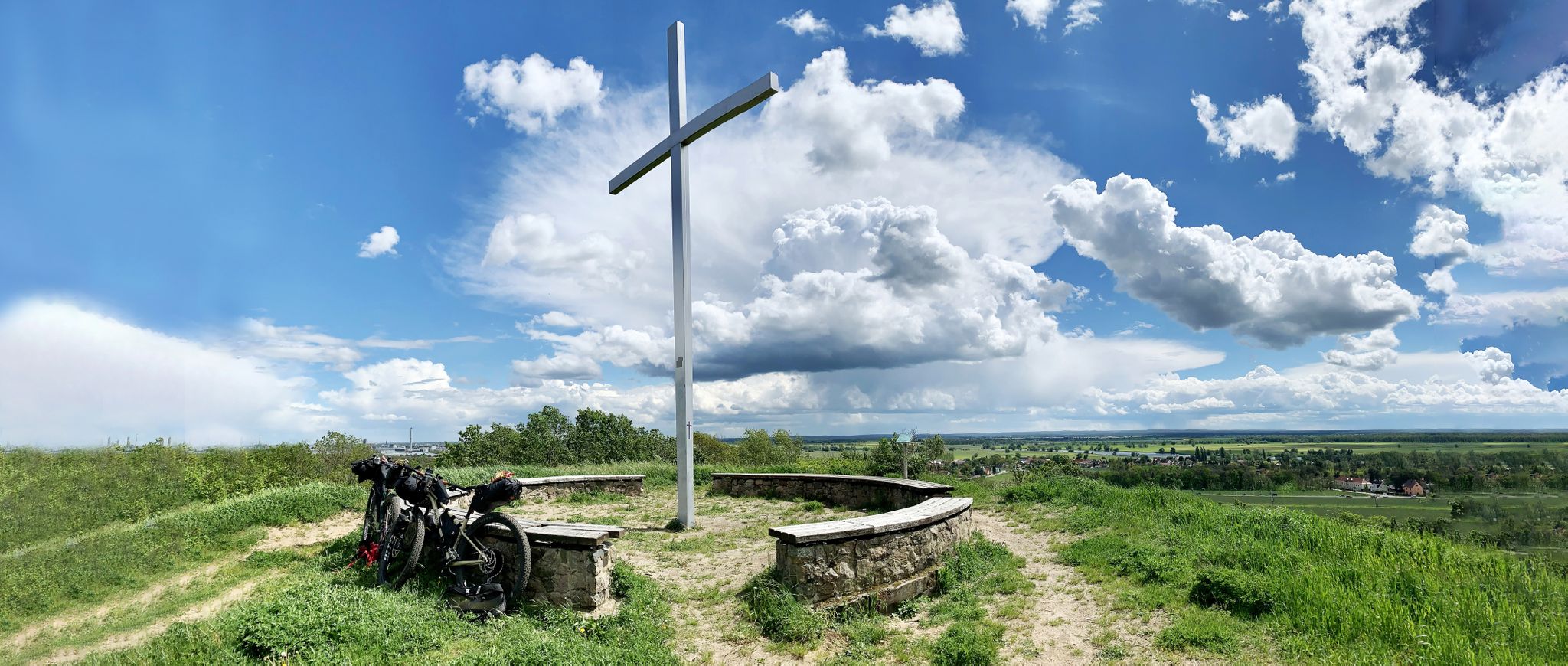
Romanticism on the Elbe River — cycling around the MDV north network
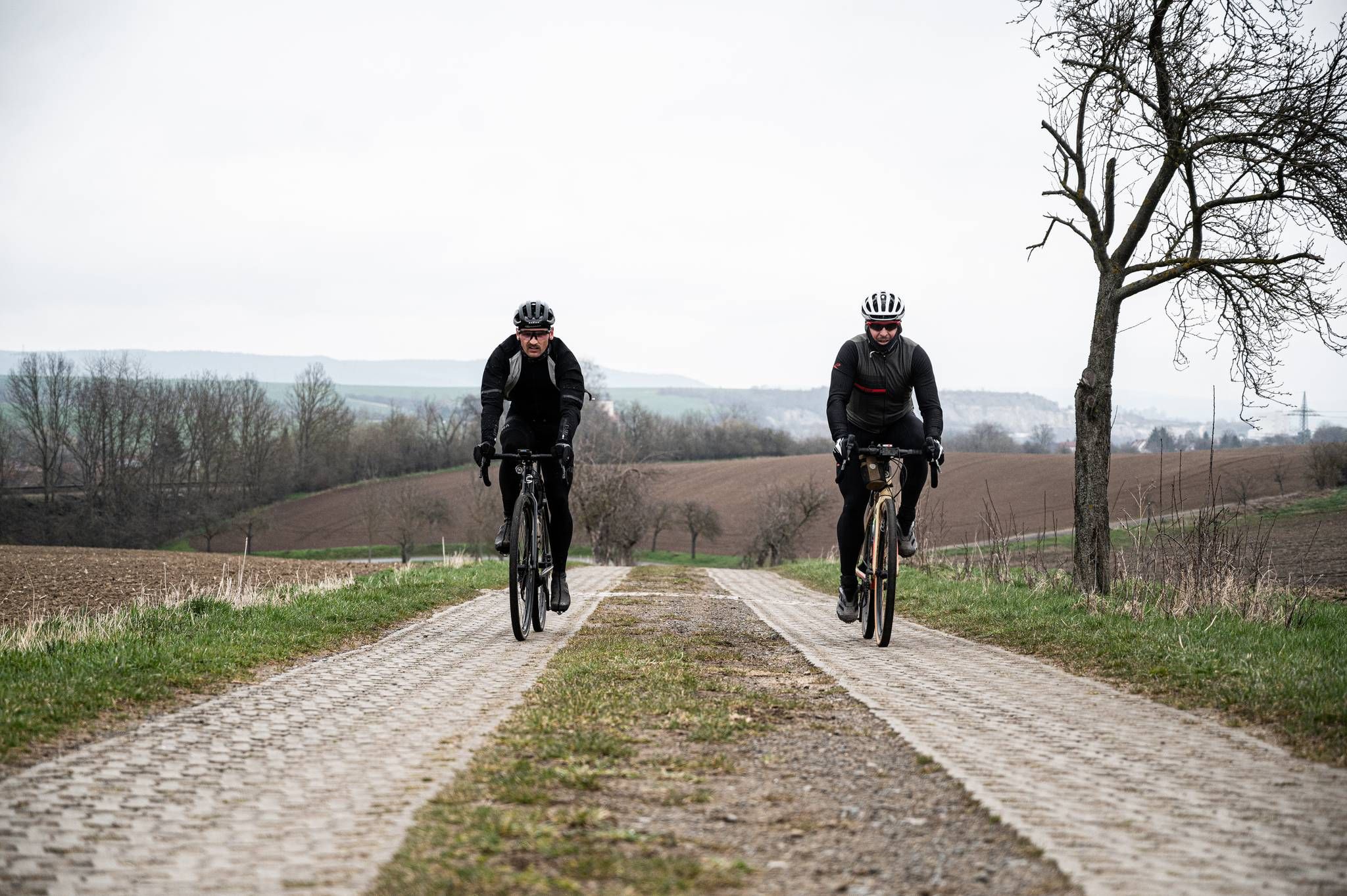
Cycling across Germany – my journey to the southernmost point of Germany
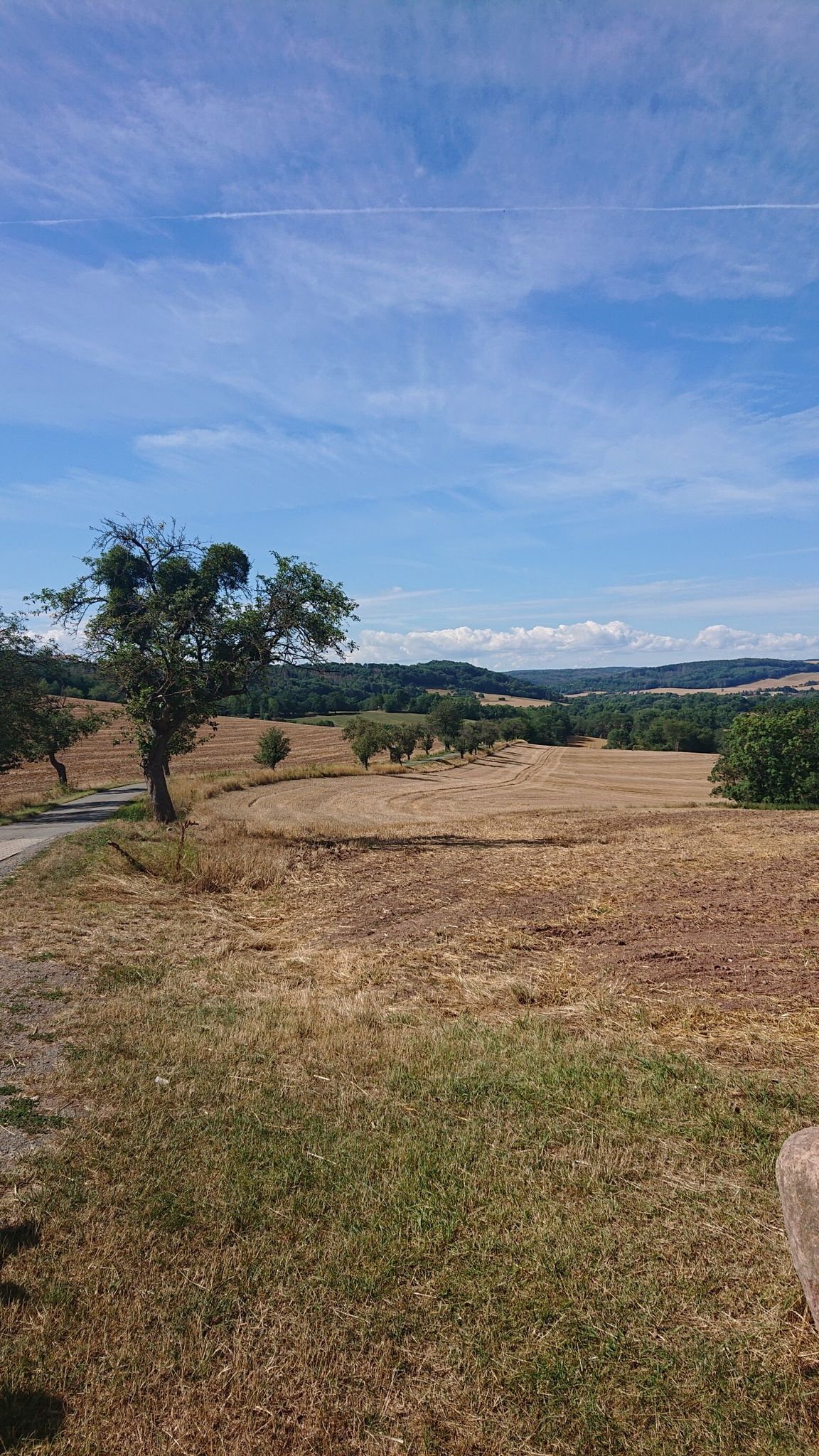
From A(ugsburg) to B(rodowin) – Cycling across Germany
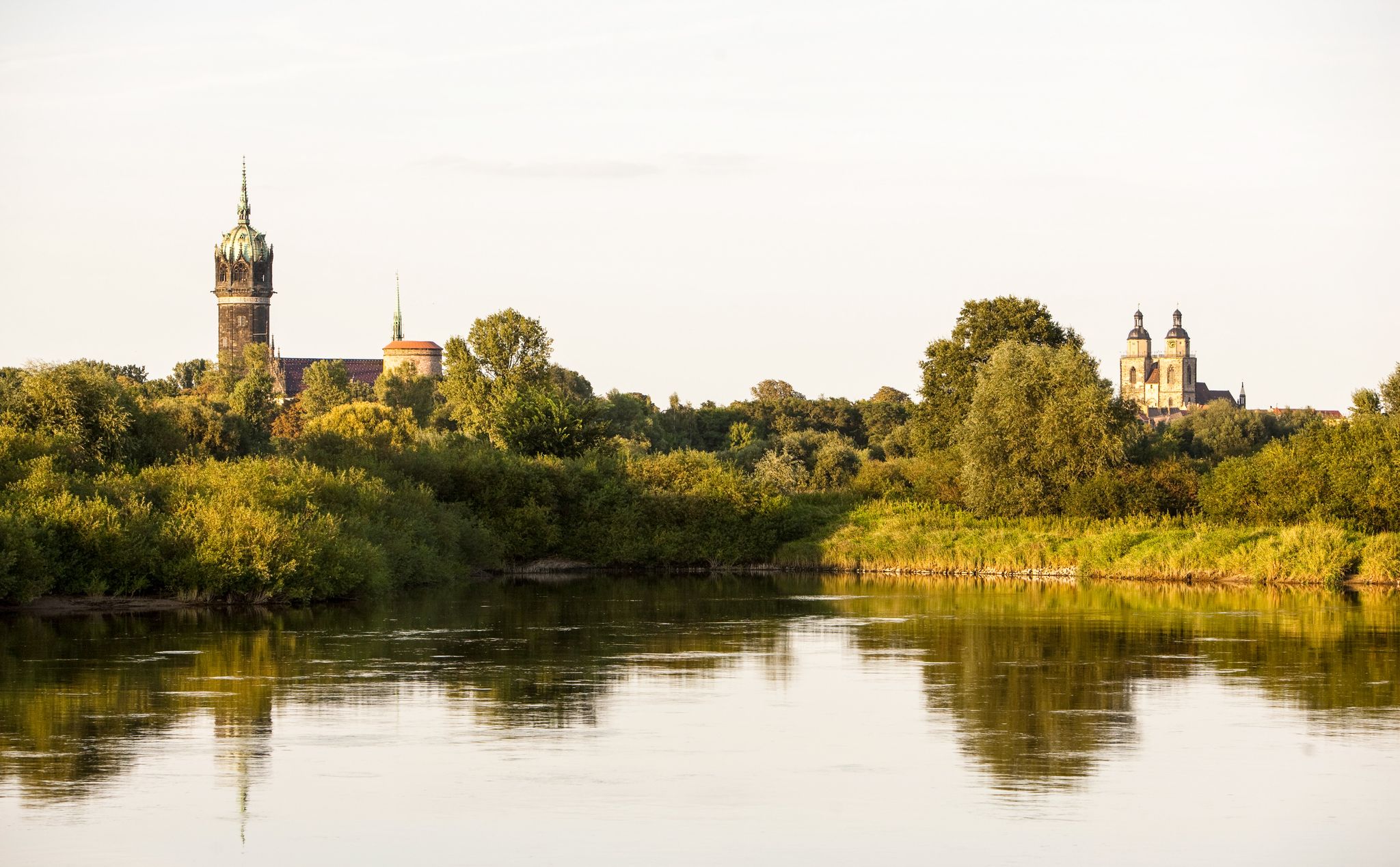
Holiday in Germany – Discover Saxony-Anhalt by bike
Hiking around Gräfenhainichen
Cycling around Gräfenhainichen
Running Trails around Gräfenhainichen
MTB Trails around Gräfenhainichen
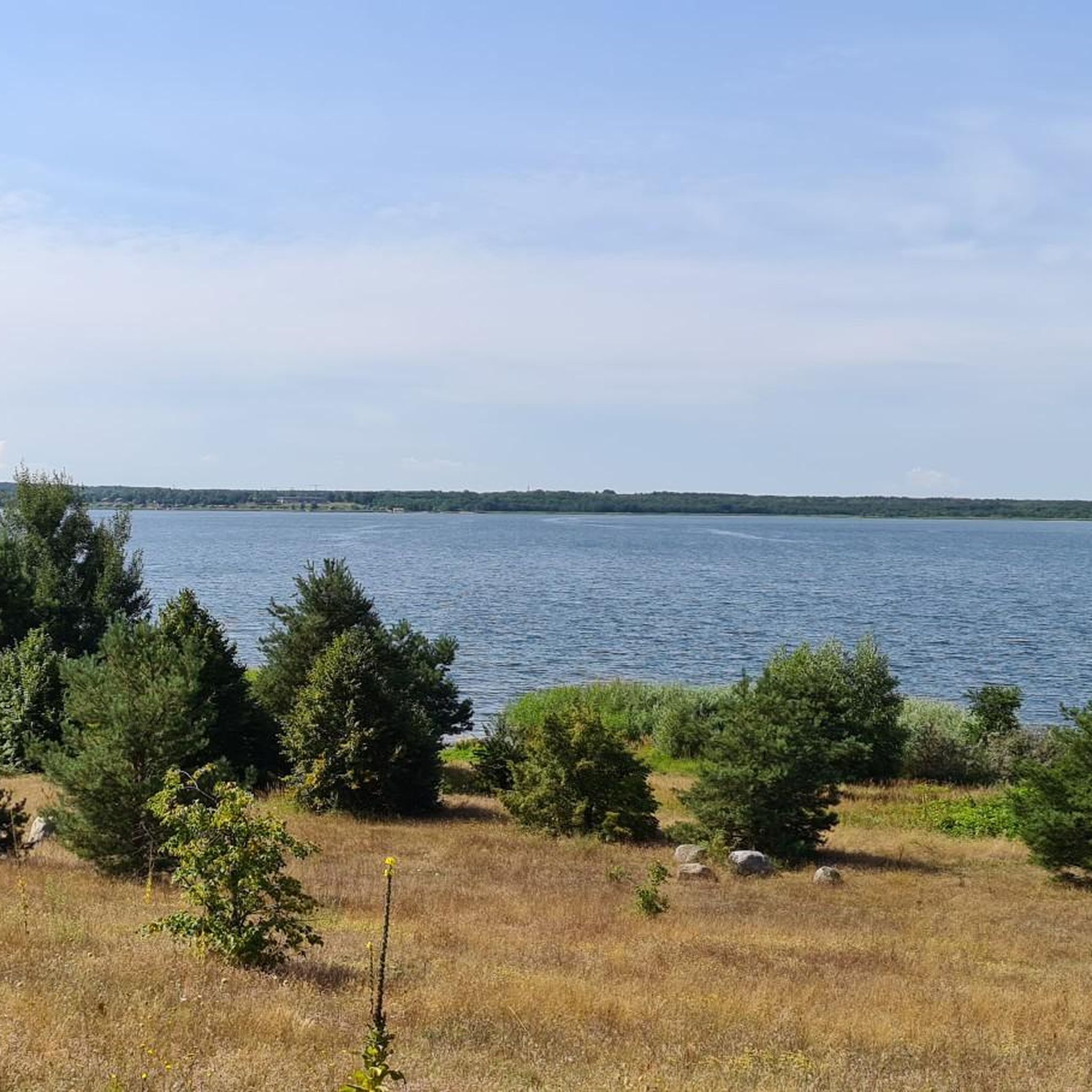
Road Cycling Routes around Gräfenhainichen
Gravel biking around Gräfenhainichen
Other adventures around Gräfenhainichen


Tips from the Community

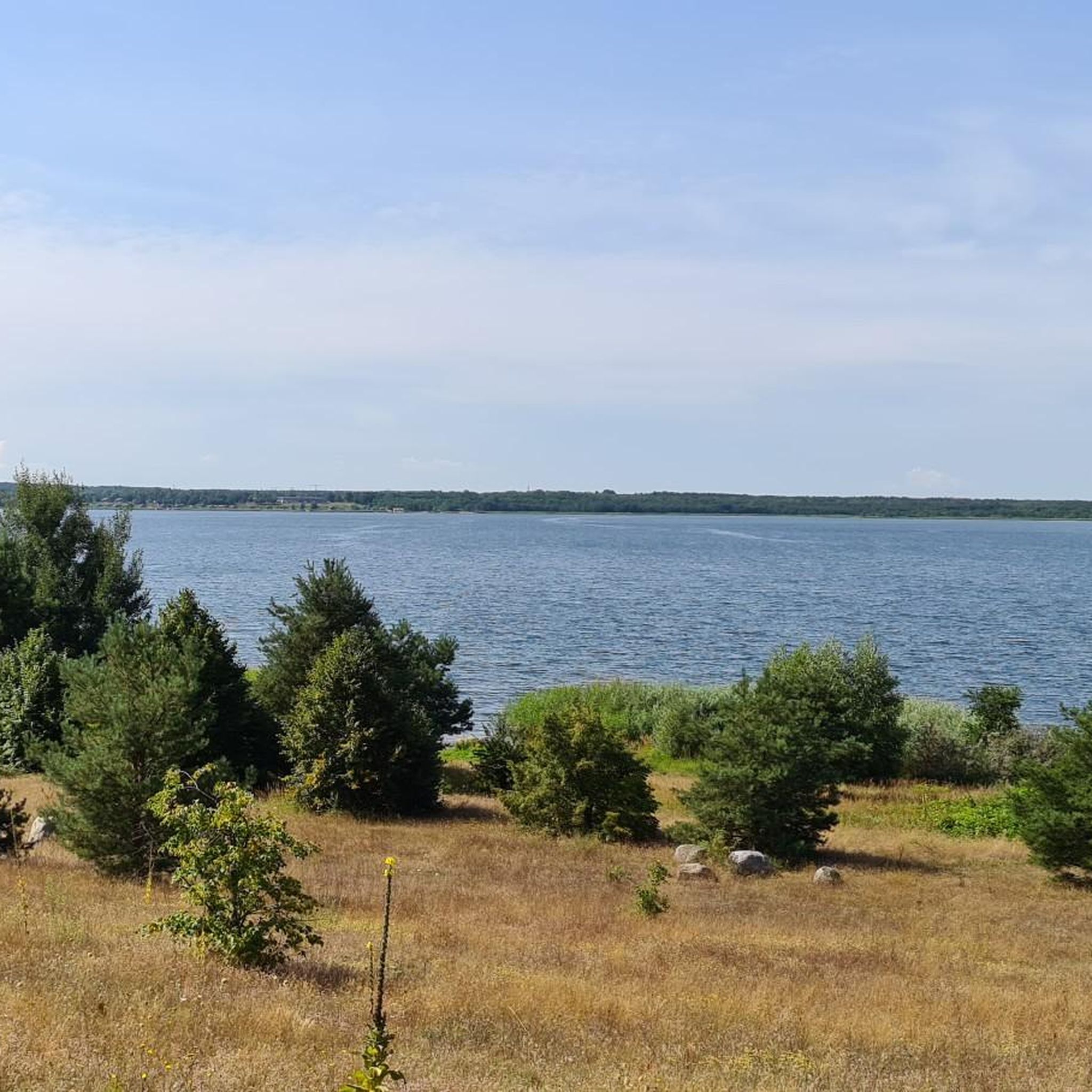
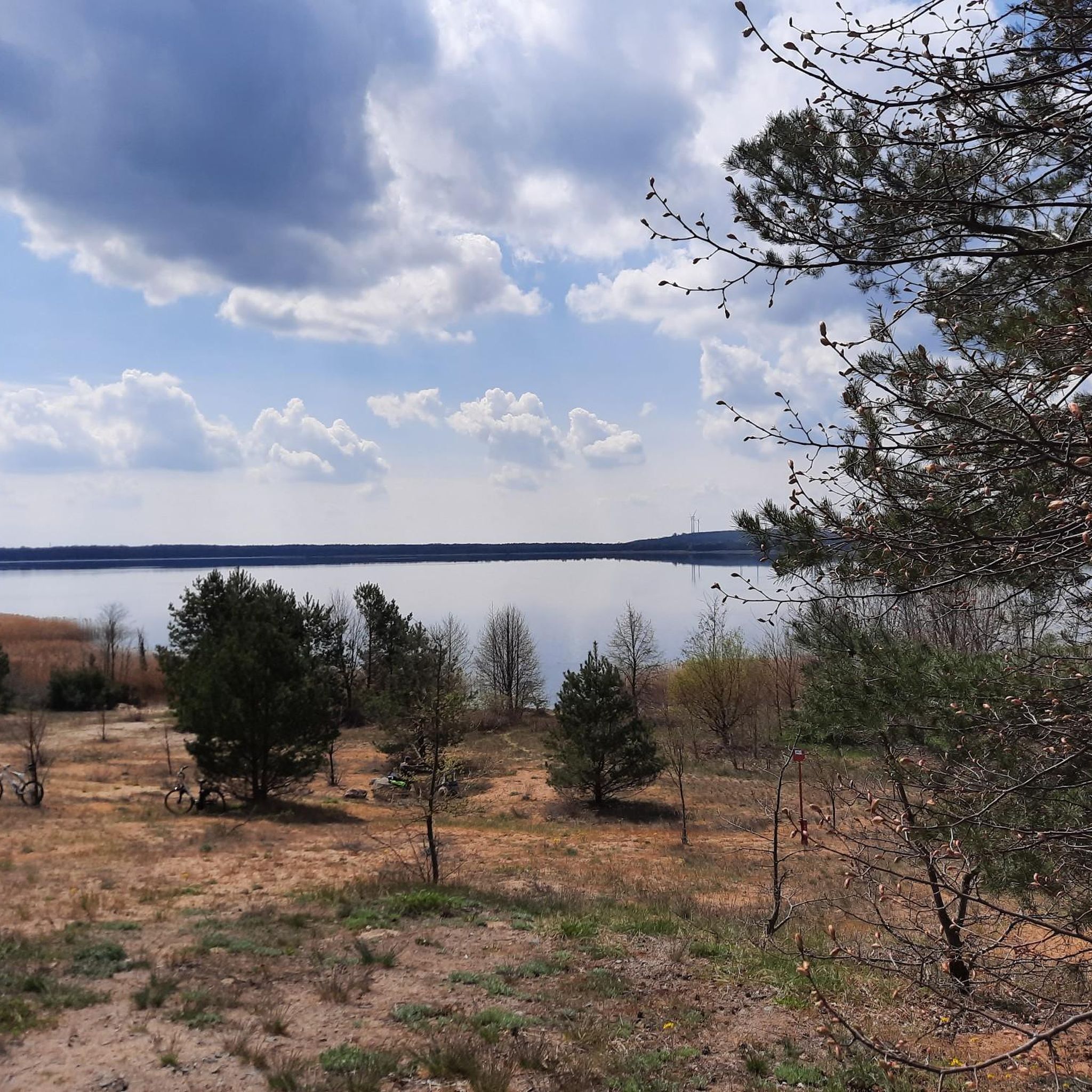
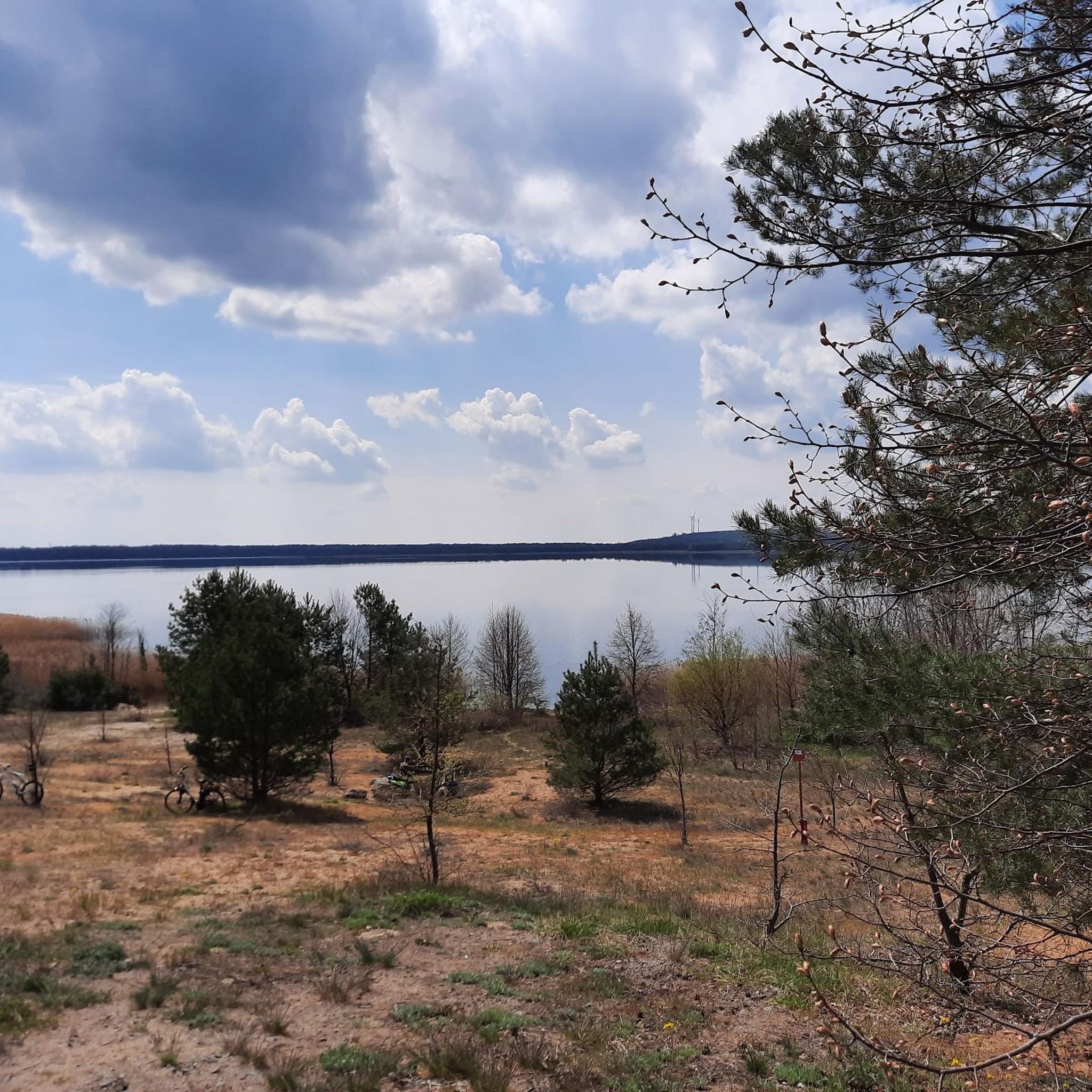
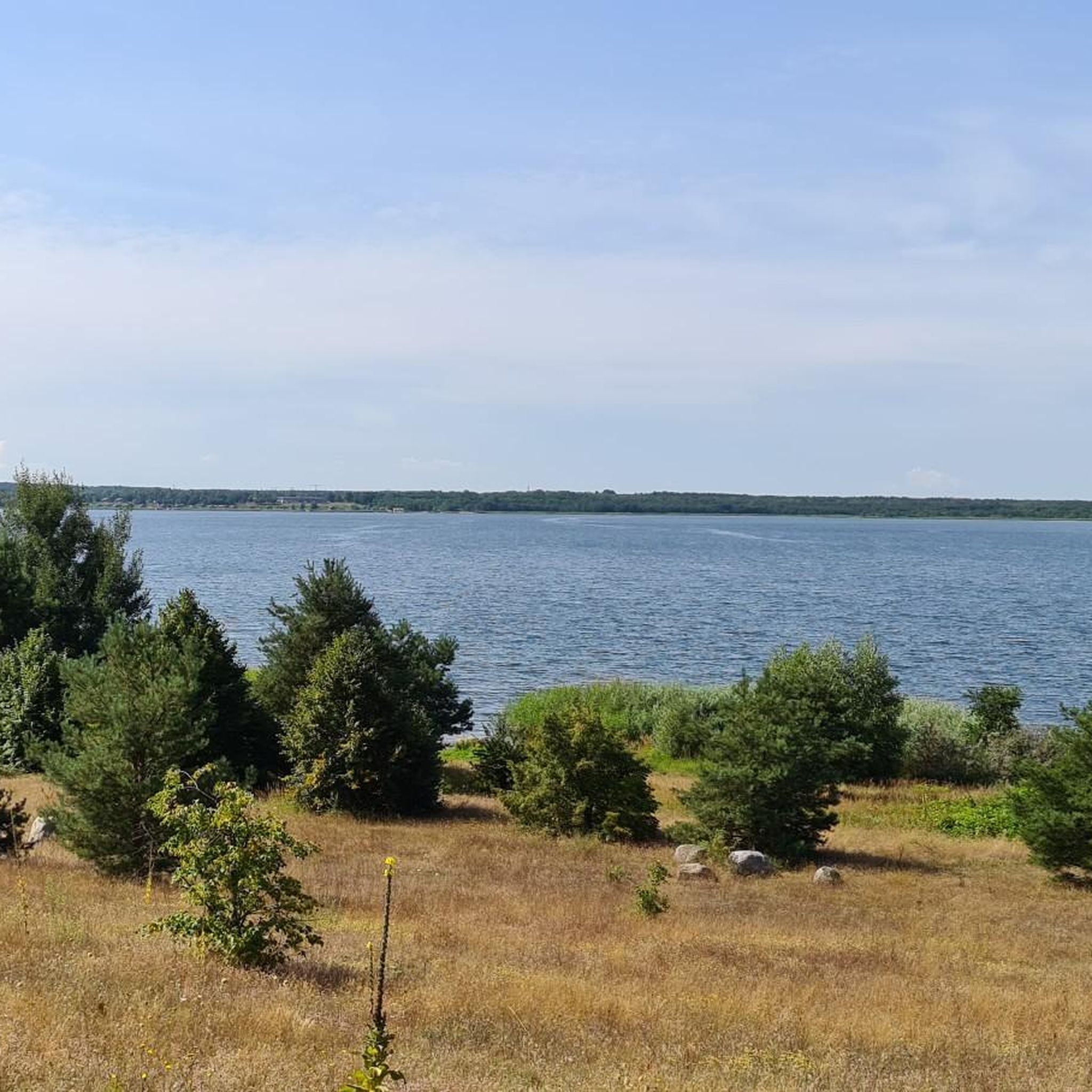
Idyllic, fairly large lake with a beautiful circular path
0
0

Very beautiful lake with a great hiking trail around the lake.
0
0

Cool location with a great view of the Goitzsche
5
0
The name of the floodplain forest that was originally located here changed several times over the centuries until the name 'Goitzsche' prevailed. At the beginning of the 20th century, however, when new maps were created, the name 'Goitsche' was entered, which can still be found today.[7] Source https://de.wikipedia.org/wiki/Gro%C3%9Fer_Goitzschesee
5
0
Large parts of the lake in the Bärenhof area were purchased by the BUND and are designated as a nature reserve. Goitzschewächter Various art projects have been realized around the lake: On the Pouch peninsula, next to the Agora event arena, there are several landscape art objects, the Bitterfelder Bogen is located west of the Goitzsche and the Goitzschewächter by Anatol Herzfeld is in the south, near the Paupitzscher See. Since 2004, motorboat races (world, European and German championships in different classes) have been held on the Goitzsche near the Pouch peninsula in August. The event is linked to the region's largest folk festival, the Goitzsche Festival. Every year around 100,000 visitors flock to the peninsula on the second weekend in August. In addition, since 2006 the so-called Goitzsche Marathon in various disciplines (including inline skating) has been held along the lake.[4] The body of water has been the second largest lake in the Central German Lake District since the Geiseltalsee was completely flooded in 2011. In 2013, the Blauwald subsidiary Blausee GmbH bought parts of the Goitzsche and adjacent land areas.[5] Since 2015, amber has been mined again from the completely renaturalized Goitzschesee. It is the world's second largest amber deposit and the world's largest underwater mining area. Nine different types of amber have been found, including Goitschite, which was named after the lake.[6] Source https://de.wikipedia.org/wiki/Gro%C3%9Fer_Goitzschesee
5
0
The Great Goitzschesee was renovated by the Lausitzer and Mitteldeutsche Bergbau-Verwaltungsgesellschaft (LMBV) until 2006. The Great Goitzschesee has become a popular local recreation area due to its wide range of leisure opportunities. In June 2005, the lake was opened for water sports and tourist use, initially limited until December 31, 2005. Fishing is already permitted in some places with a fishing license. The lake is now open for general use. The shore area from the Bitterfeld Fritz-Heinrich Stadium to the gauge tower has been completed since July 8, 2005. A spacious shore area was created with a fairground, camping site, a harbor basin on Berliner Strasse in Bitterfeld and two marinas. There are three lidos around the lake: the Mühlbeck lido, the lido at the gauge tower and the Niemecker See lido. Various water sports such as sailing, diving, stand-up paddling and surfing are possible on the lake. In 2015, a wakeboarding facility was opened on Lake Goitzsche, which is considered to be the most modern lift facility in eastern Germany. Various passenger ships operate on the lake. The so-called Amber Promenade runs along the shore from the gauge tower to the Pouch peninsula. Lake Goitzsche is well-connected by hiking and cycling trails. The coal-steam-light cycle path runs past the lake.[3] The Goitzschesee circular trail runs around the lake, allowing visitors to experience the structural changes of the past decades and the transformation of the former industrial landscape into the cultural landscape of Goitzsche. The route is about 30.3 km long. The circular tour mainly runs along paved paths. Source https://de.wikipedia.org/wiki/Gro%C3%9Fer_Goitzschesee
6
0
The lake is located southeast of Bitterfeld and north of Delitzsch and, together with the Mulde reservoir, encloses the village of Pouch, which lies in the center of the landscape. In 1998, the flooding of the former open-cast mining area began with the introduction of Mulde water. However, the project was not completed until 2006, but in 2002: a breach in the Mulde dam caused by the Mulde flood caused the water to fill up by 7 meters within two days, far above the target water level, so that it overflowed and partially flooded the nearby town of Bitterfeld (maximum water level 78.64 m above sea level, target water level today 75 m above sea level[1]).[2] Gauge tower While the open-cast mining extended across Saxony-Anhalt and Saxony, today's Great Goitzschesee is located in Saxony-Anhalt on the border with Saxony. The neighboring Seelhausener See to the south, on the other hand, lies almost entirely in Saxony; The Goitzsche opencast mine used to be there too. Source https://de.wikipedia.org/wiki/Gro%C3%9Fer_Goitzschesee
6
0
The Great Goitzschesee is the largest lake in the lake district that emerged from the former Goitzsche (pronounced: Gottsche) lignite open-cast mine in Saxony-Anhalt. The open-cast mine lake belongs to the Bitterfeld mining area. The northeast bay near Mühlbeck is called the Bernsteinsee. Source https://de.wikipedia.org/wiki/Gro%C3%9Fer_Goitzschesee
7
0
Frequently Asked Questions
What unique natural sights can I discover around Gräfenhainichen?
The region around Gräfenhainichen offers several unique natural sights, largely shaped by post-mining renaturation. You can explore the expansive Düben Heath Nature Park, known for its diverse mixed forests and wildlife. Additionally, the Gremminer See and Großer Goitzschesee are impressive lakes that emerged from former lignite mines, now serving as recreational areas with clear waters and scenic paths.
Are there family-friendly natural monuments to visit near Gräfenhainichen?
Yes, several natural monuments around Gräfenhainichen are suitable for families. Lake Bergwitz is a popular choice, offering beaches and recreational activities. Wörlitz Park, with its grand design and various attractions, is also very family-friendly. The Düben Heath Nature Park provides ample space for children to explore nature and observe wildlife.
What kind of outdoor activities can I do near these natural monuments?
The natural monuments around Gräfenhainichen are perfect for various outdoor activities. You can enjoy extensive cycling and hiking on well-developed paths, especially around Gremminer See and Großer Goitzschesee. Water sports like swimming, diving, stand-up paddling, and sailing are popular on the lakes. The Düben Heath Nature Park offers hundreds of kilometers of marked trails for hiking, cycling, and even riding. For specific routes, you can find many options for cycling, gravel biking, and running in the area.
What is the best time of year to visit the natural monuments in Gräfenhainichen?
The natural monuments around Gräfenhainichen can be enjoyed throughout the year, each season offering a different experience. Spring and autumn are ideal for hiking and cycling, with pleasant temperatures and beautiful foliage in the Düben Heath. Summer is perfect for water activities at Gremminer See and Großer Goitzschesee, with designated bathing spots. Even in winter, the serene landscapes offer a peaceful retreat.
Are there any natural monuments that are wheelchair accessible?
While specific accessibility details for every natural monument can vary, many of the paths around the major lakes like Gremminer See and Großer Goitzschesee are well-developed and partially asphalted, making them more accessible for wheelchairs. The main paths within Wörlitz Park are also generally flat and well-maintained, offering good accessibility for enjoying the landscape.
Can I bring my dog to the natural monuments and trails?
Many natural areas and trails around Gräfenhainichen are dog-friendly, especially in the Düben Heath Nature Park where dogs can accompany you on hikes. Lake Bergwitz even has designated dog beaches. However, it's always advisable to keep dogs on a leash, especially in nature reserves and around wildlife, and to check specific regulations for each location you plan to visit.
What are the main geological features of the natural monuments in this region?
The geological features around Gräfenhainichen are primarily shaped by the Saale glaciation and subsequent post-mining renaturation. The Düben Heath exhibits rolling heathland topography from glacial activity. The most striking features are the large lakes like Gremminer See and Großer Goitzschesee, which are former open-cast lignite mines that have been flooded and transformed into significant water bodies, showcasing a unique blend of industrial heritage and natural recovery.
Where can I find parking near the natural monuments?
Parking is generally available at key access points for the major natural monuments. For instance, Lake Bergwitz has dedicated parking facilities. Around Gremminer See and Großer Goitzschesee, you'll find parking areas near popular recreational zones and bathing spots. For the Düben Heath Nature Park, various entry points to trails and villages often have parking options. It's recommended to check specific locations for detailed parking information.
What do visitors enjoy most about the natural monuments around Gräfenhainichen?
Visitors frequently praise the tranquility and natural beauty of the area. Many appreciate the transformation of former mining landscapes into vibrant recreational areas, particularly the clear waters of the lakes and the extensive forests of the Düben Heath. The diverse opportunities for hiking, cycling, and water sports are highly valued, as is the chance to observe wildlife. The unique blend of natural scenery with historical and cultural elements, such as the art trail around Gremminer See, also adds to the appeal.
Are there any historical or cultural sites integrated with the natural monuments?
Yes, the region beautifully integrates natural and cultural elements. Wörlitz Park is a prime example, being a UNESCO World Heritage site that combines natural landscapes with classical architecture and historical gardens. Around Gremminer See, an art trail features sculptures connecting Gräfenhainichen to Ferropolis, adding a cultural dimension to the natural scenery. The transformation of former mining areas into lakes also tells a significant story of industrial history and ecological recovery.
How can I reach the natural monuments using public transport?
While direct public transport to every remote natural spot might be limited, Gräfenhainichen itself is connected by regional transport. From there, you can often reach larger natural monuments like the entry points to the Düben Heath Nature Park or the shores of Gremminer See and Großer Goitzschesee via local bus services or by combining with cycling. It's advisable to check local bus schedules and routes for specific destinations.
Most popular routes around Gräfenhainichen
Most popular attractions around Gräfenhainichen

Get inspired with the komoot mobile app


Explore more
Extend your search for the best caves by checking out these guides of the top ones around Gräfenhainichen:
