Top 20 Natural Monuments around Jessen (Elster)
Best natural monuments around Jessen (Elster) are situated within a landscape shaped by the Schwarze Elster river and its floodplains in the Wittenberg region of Germany. This area features diverse natural attractions, including extensive mixed forests, heathland, and various water bodies. These natural settings provide opportunities for outdoor activities and experiencing local biodiversity. The region's terrain was influenced by the Saale Ice Age, contributing to its varied natural character.
Best natural monuments around Jessen (Elster)
- The most popular natural monuments…
Last updated: September 28, 2026
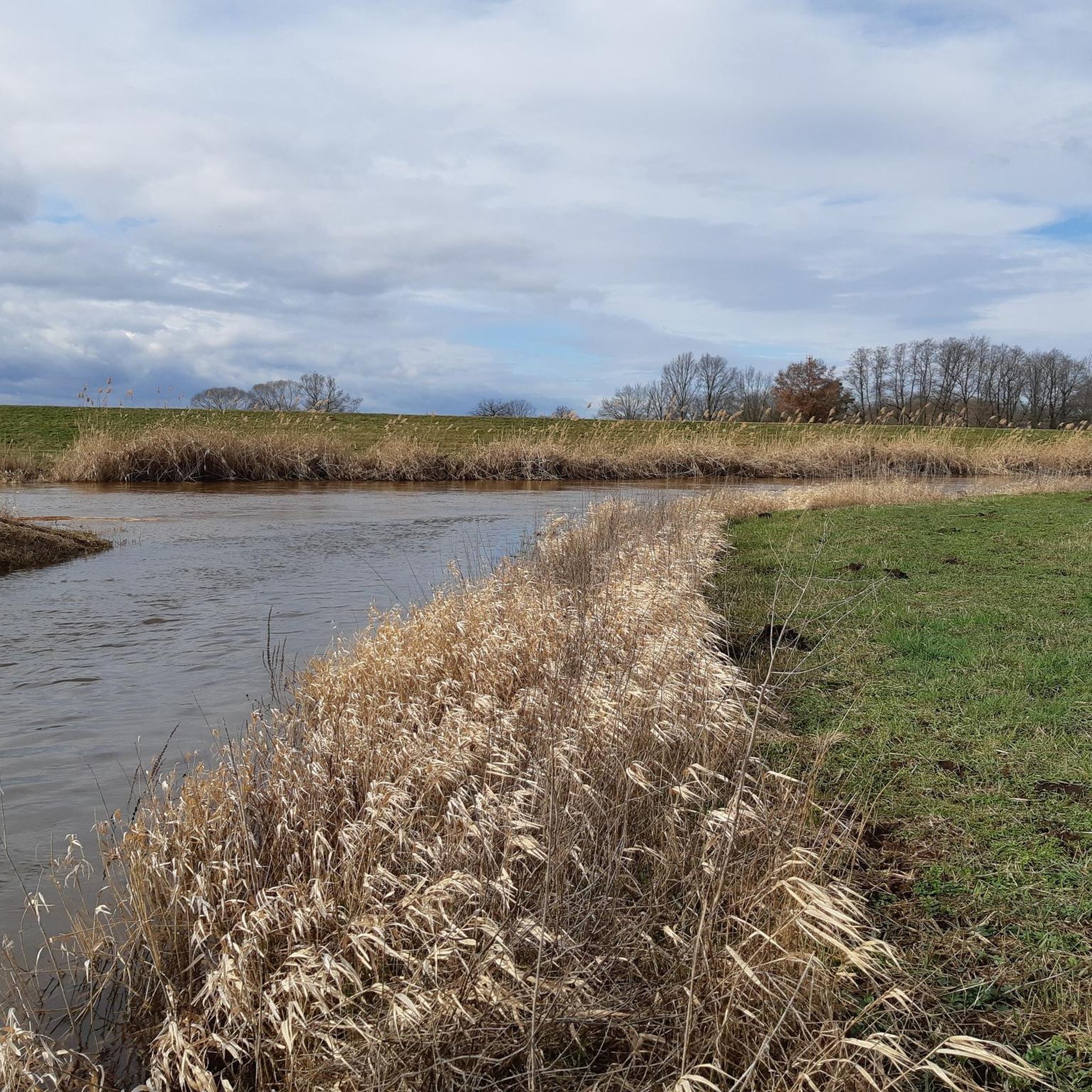
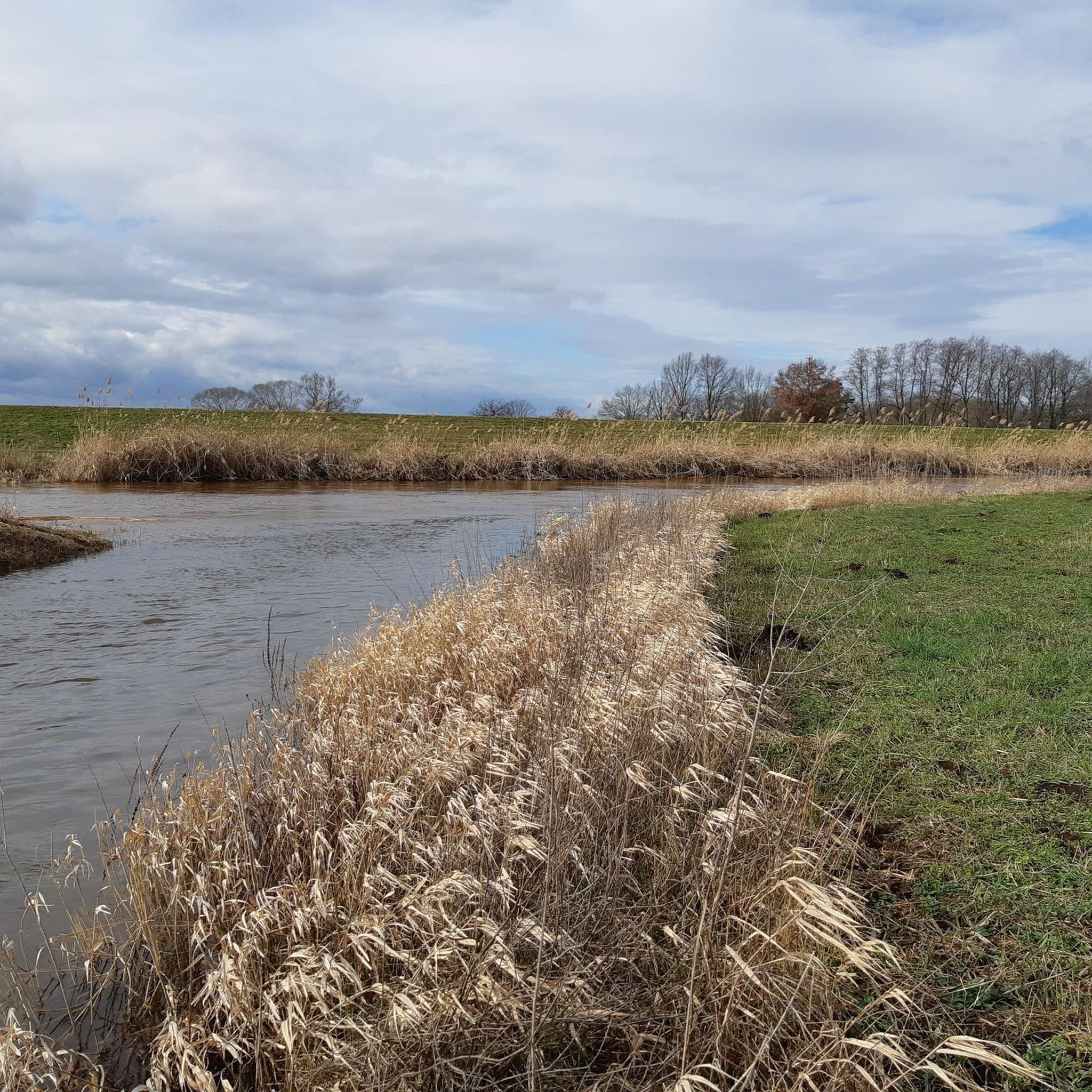
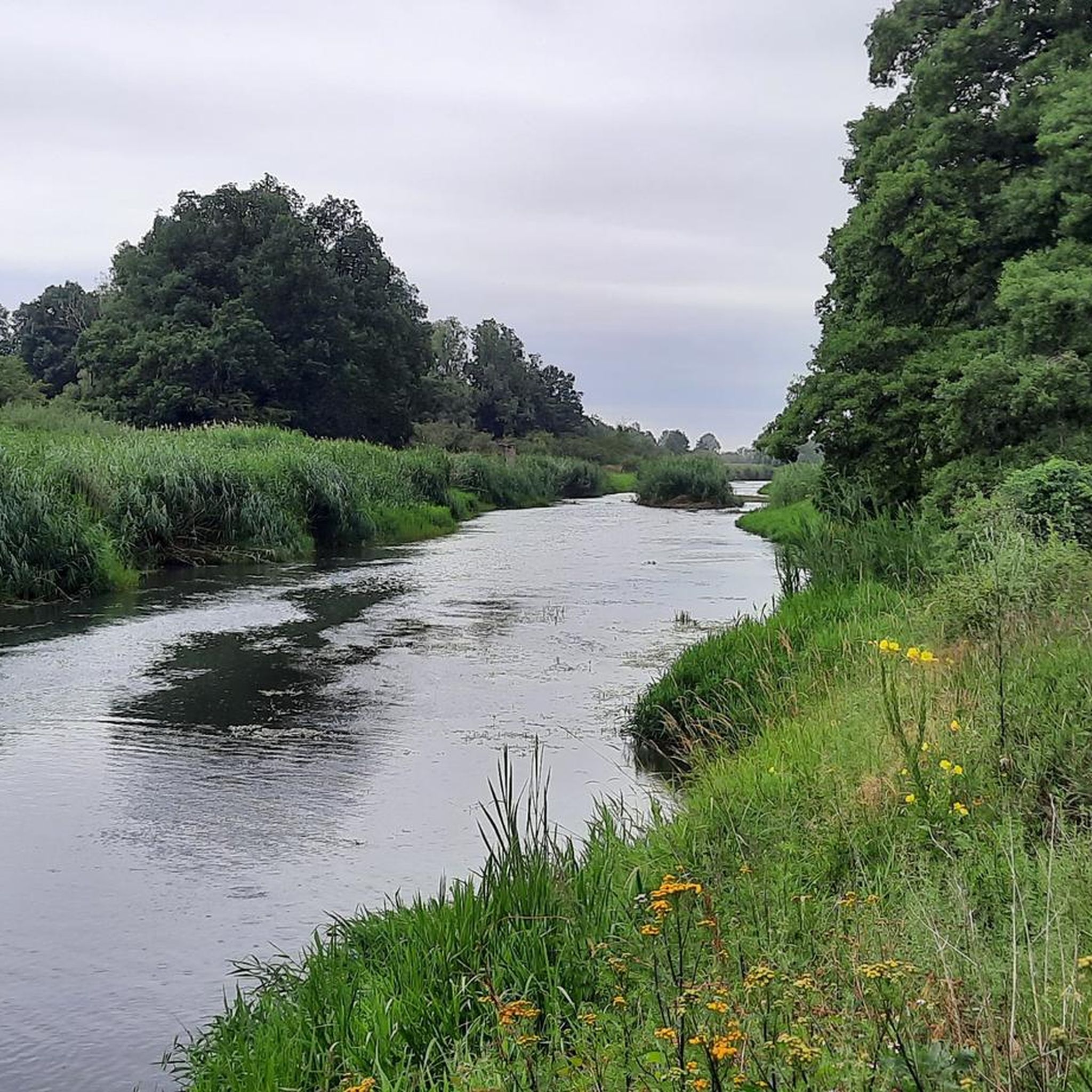
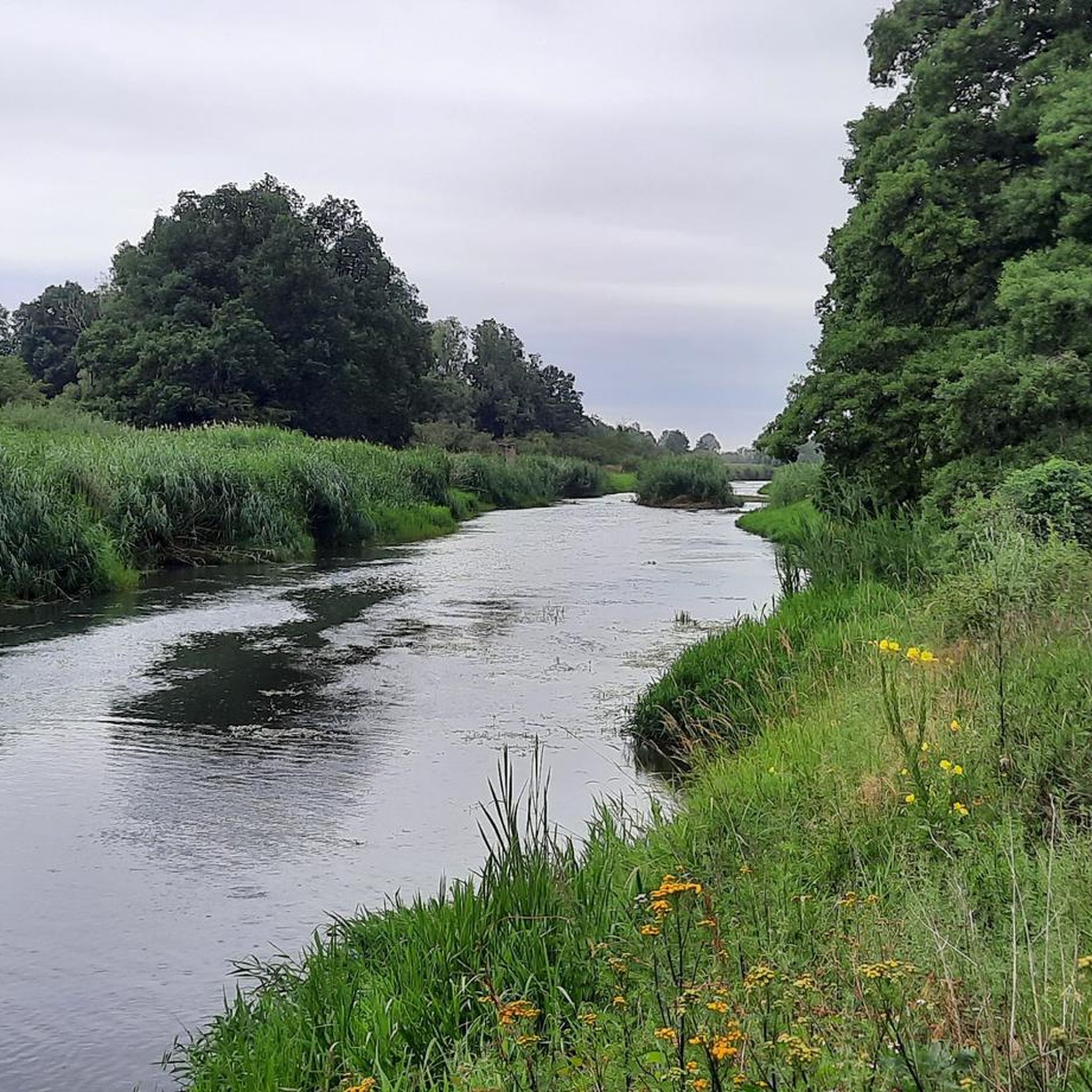
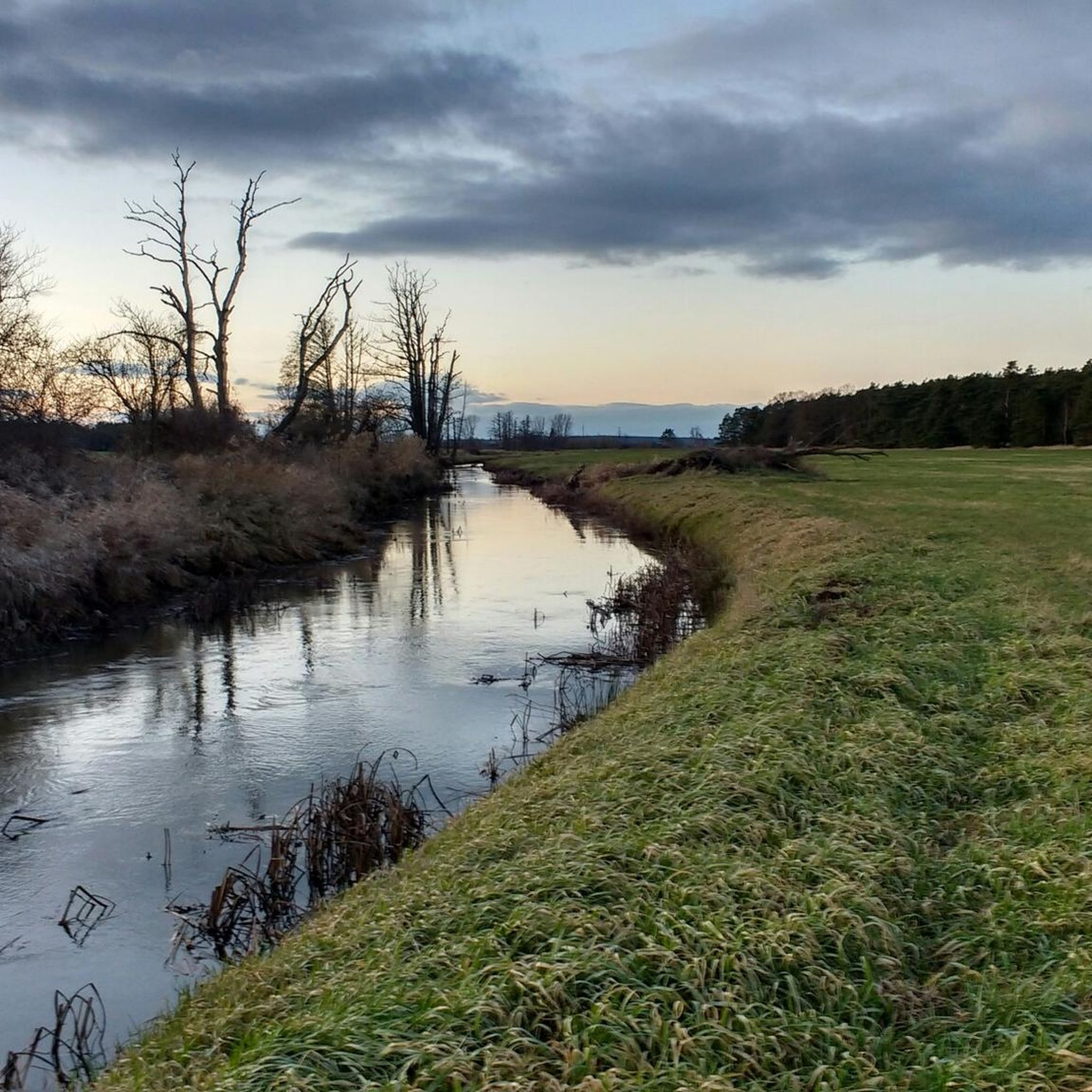
Black Elster River
Highlight • River
Translated by Google •
Tip by

Kurhaus Bad Schmiedeberg
Highlight • Monument
Showing Translation
Tip by
Sign up now to discover places like this
Get recommendations on the best single tracks, peaks, & plenty of other exciting outdoor places.
Moritz Hauswald Spring
Highlight • Natural Monument
Translated by Google •
Tip by

Vitriol Pond
Highlight • Lake
is actually a post-mining landscape. From 1669 onwards, sulphates containing copper, iron and zinc were mined here.
Source flickr.com/photos/93898066@N07/45207898241
Translated by Google •
Tip by
Dennewitz Battle Memorial
Highlight • Monument
Translated by Google •
Tip by

Sign up for free to discover even more natural monuments around Jessen (Elster).
Already have an account?
Start today with a free account
Your next adventure awaits.
Other adventures around Jessen (Elster)

Tips from the Community

One of the Gesundbrunnen in Bad Schmiedeberg
1
0

A great way to have a cool drink.
0
0

Beautiful Art Nouveau architecture with a Mediterranean flair.
0
0

The Vitriolteich pond south of Bad Schmiedeberg is a gem, inviting you to rest on its plentiful benches and shelter. Information panels provide information about the pond's origins and history.
0
0

Because the water from this spring has a slightly salty taste.
1
0
The Vitriolteich near Moschwig is actually a post-mining landscape. From 1669 onwards, sulphates containing copper, iron and zinc were mined here. Source https://www.flickr.com/photos/93898066@N07/45207898241
5
0

The river rises in the Lusatian Mountains (Upper Lusatia) at an altitude of 317 m above sea level on the eastern flank of the 396 meter high peak, a secondary peak of the Hochstein. The source is located about 1.5 kilometers south of the town of Kindisch, which belongs to Elstra. From there, the Black Elster initially flows north through Elstra, Kamenz, Milstrich and Wittichenau. From Hoyerswerda, it flows west to Elsterheide. After 63 kilometers, it then crosses the Saxon-Brandenburg border. Immediately after the border, the Black Elster crosses the Koschen Canal between Groß- and Kleinkoschen at a waterway junction. It then flows through Senftenberg and Ruhland to Lauchhammer. There it reaches the Schraden, which covers around 15,000 hectares, and the mouth of the Pulsnitz. After the Black Elster has passed the narrowest point of the Breslau-Magdeburg glacial valley at Elsterwerda (7 km), it turns to the northwest and flows through the towns of Bad Liebenwerda, Herzberg and Jessen in the Elbe-Elster lowlands. It flows into the Elbe at river kilometre 198.5 at an altitude of 69 m above sea level near the municipality of Elster (Elbe). Source https://de.wikipedia.org/wiki/Schwarze_Elster
2
0
Frequently Asked Questions
What types of natural monuments can I explore around Jessen (Elster)?
The region around Jessen (Elster) offers a diverse range of natural monuments. You can discover unique post-mining landscapes like the Vitriol Pond, which is a remnant of historical copper, iron, and zinc mining. There are also several natural springs, including the Moritz Hauswald Spring and the Vineyard Spring, known for their mineralized waters. Additionally, the broader natural areas like the Dübener Heide Nature Park and the Elster Floodplain offer extensive forests, heathlands, and river landscapes.
Are there any natural monuments with historical significance in the area?
Yes, beyond geological features, the Jessen (Elster) area also features archaeological natural monuments. These include ancient Hügelgräberfelder (tumulus fields) dating back to the Bronze Age, found in locations such as Battin, Gerbisbach, Glücksburg, and Hemsendorf. These burial mounds are historically significant formations within the landscape.
What are the most popular natural monuments according to visitors?
Visitors frequently appreciate the Vitriol Pond, a unique lake formed from former mining activities. The Moritz Hauswald Spring, with its mineralized healing water, is another popular spot. While not strictly natural, the Kurhaus Bad Schmiedeberg, an Art Nouveau building, is also highly rated for its historical architecture and role as an information center for spa treatments.
Are there family-friendly natural monuments or activities for children?
Absolutely! The Vitriol Pond, Moritz Hauswald Spring, and Vineyard Spring are all considered family-friendly. For a broader experience, the Dübener Heide Nature Park offers the 'Billi-Bockert Adventure Trail,' an interactive learning experience about beavers specifically designed for children and young people. The Klöden Nature Reserve also provides exciting discovery tours, particularly appealing to children due to its abundant native animals.
What outdoor activities can I do near these natural monuments?
The natural areas around Jessen (Elster) are perfect for outdoor enthusiasts. You can enjoy extensive hiking and cycling. The Dübener Heide Nature Park alone boasts over 500 kilometers of marked trails. The Elster floodplain and the Schwarze Elster river offer picturesque routes like the Schwarze Elster Cycle Path. For more specific routes, you can find various options for cycling, easy hikes, and MTB trails in the vicinity.
What is the best time of year to visit the natural monuments around Jessen (Elster)?
The best seasons for visiting the natural areas around Jessen (Elster) are typically spring and autumn. During these times, the landscape is vibrant with colors, and the mild climate is ideal for outdoor activities like hiking and cycling.
Can I find healing or mineral water sources among the natural monuments?
Yes, the region is known for its mineral water sources. The Moritz Hauswald Spring brings highly mineralized healing water to the surface, used for drinking cures to alleviate digestive, metabolic, and kidney issues. The Margarethenbrunnen and Kurfürstenbrunnen also offer mineral waters with various health benefits, including preventing mineral deficiencies and supporting bone health.
What kind of wildlife can I expect to see in the natural areas?
The natural areas around Jessen (Elster) are rich in biodiversity. The Dübener Heide Nature Park is home to a wide array of fauna, including red deer, wild boar, otters, boreal owls, badgers, bats, cranes, black storks, and ospreys. The Klöden Nature Reserve also provides a habitat for diverse animals, making it a great spot for wildlife observation.
Are there any specific nature parks or reserves I should visit?
Definitely. The Dübener Heide Nature Park is a must-visit, being one of Germany's youngest nature parks and the largest contiguous mixed forest area in Central Germany. It offers extensive forests, heathland, and numerous lakes. The Klöden Nature Reserve, located south of Jessen, is also highly recommended for its diverse flora and fauna and ecological importance.
What are the terrain characteristics of the natural areas around Jessen (Elster)?
The terrain around Jessen (Elster) is quite varied, largely shaped by the Saale Ice Age. You'll find a rolling heathland in areas like the Dübener Heide Nature Park, alongside extensive mixed and pine forests. The Elster Floodplain, influenced by the Schwarze Elster river, features a complex landscape of different sediment types, offering generally flatter routes along the riverbanks.
Are there opportunities for long-distance cycling near the natural monuments?
Yes, the region is well-suited for long-distance cycling. The Schwarze Elster Cycle Path runs through the Elster floodplain, offering scenic rides. Additionally, the famous Elbe cycle path, which runs along the nearby Elbe river, provides beautiful views and connects to the broader network of cycling routes in the area. You can find various cycling routes of different lengths and difficulties.
Most popular routes around Jessen (Elster)
Most popular attractions around Jessen (Elster)

Get inspired with the komoot mobile app


Explore more
Extend your search for the best caves by checking out these guides of the top ones around Jessen (Elster):
