Top 20 Natural Monuments around Ahrensfelde
Best natural monuments around Ahrensfelde are found on the northeastern edge of Berlin, offering a blend of natural beauty and recreational opportunities. The area features green landscapes, cycling paths, and designated natural monuments. These sites are primarily characterized by impressive trees, some geological formations, and diverse water bodies. Ahrensfelde provides opportunities for quiet contemplation and appreciation of the local environment.
Best natural monuments around Ahrensfelde
- The most popular natural monuments is Karower Teiche Nature Reserve, a lake that is…
Last updated: July 22, 2026
Buch Moor Pond
Highlight • Lake
Translated by Google •
Tip by

Küstergraben Lübars
Highlight • River
Translated by Google •
Tip by

Sign up now to discover places like this
Get recommendations on the best single tracks, peaks, & plenty of other exciting outdoor places.
Sign up for free
Karower Teiche Nature Reserve
Highlight • Lake
In …
Translated by Google •
Tip by

Wuhle Basin
Highlight • Lake
Translated by Google •
Tip by

Köppchensee
Highlight • Lake
Translated by Google •
Tip by

Sign up for free to discover even more natural monuments around Ahrensfelde.
Sign up for free
Already have an account?
Start today with a free account
Your next adventure awaits.
Login or Signup
Other adventures around Ahrensfelde

Tips from the Community

The Wuhlerradweg is great to cycle on: scenically beautiful
5
0

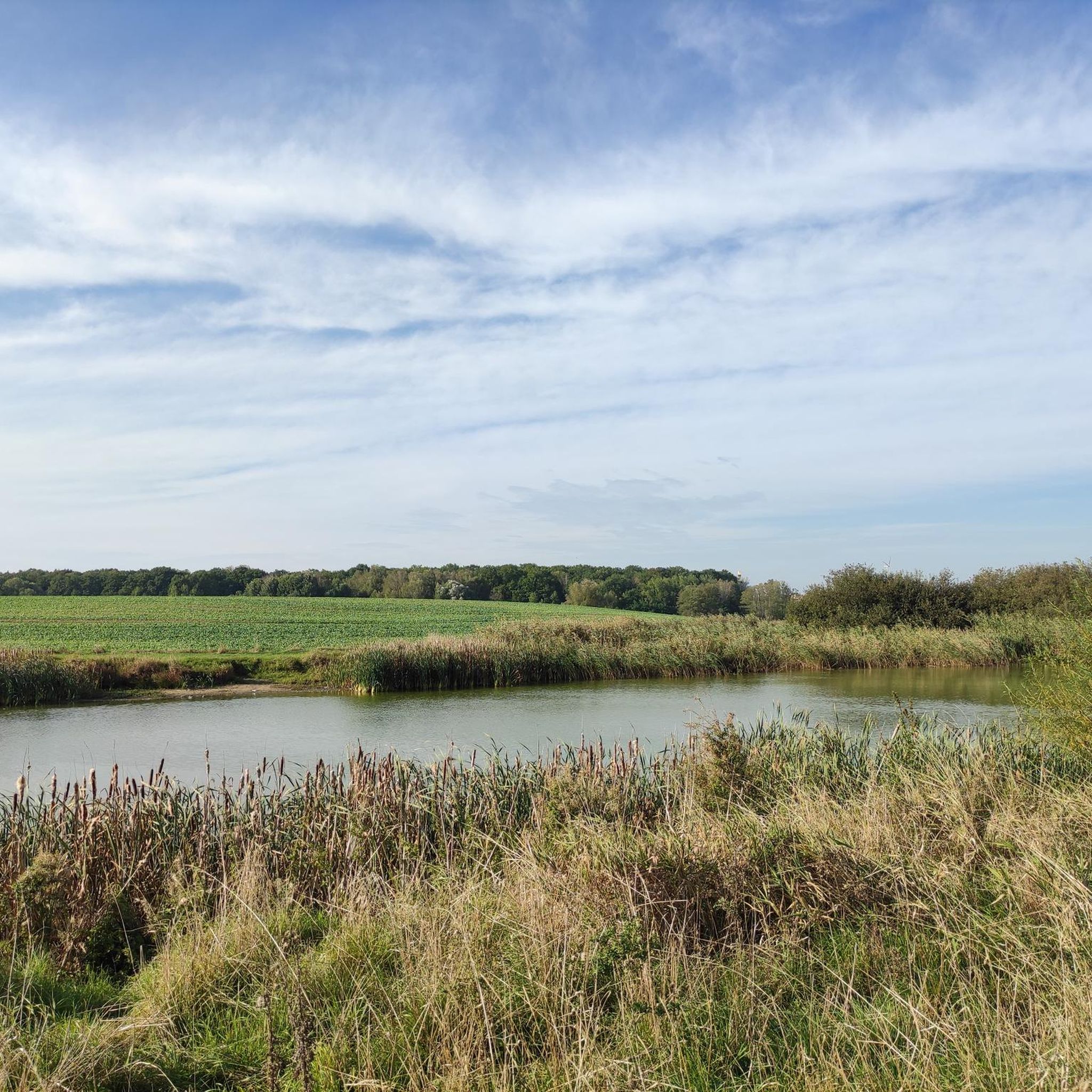
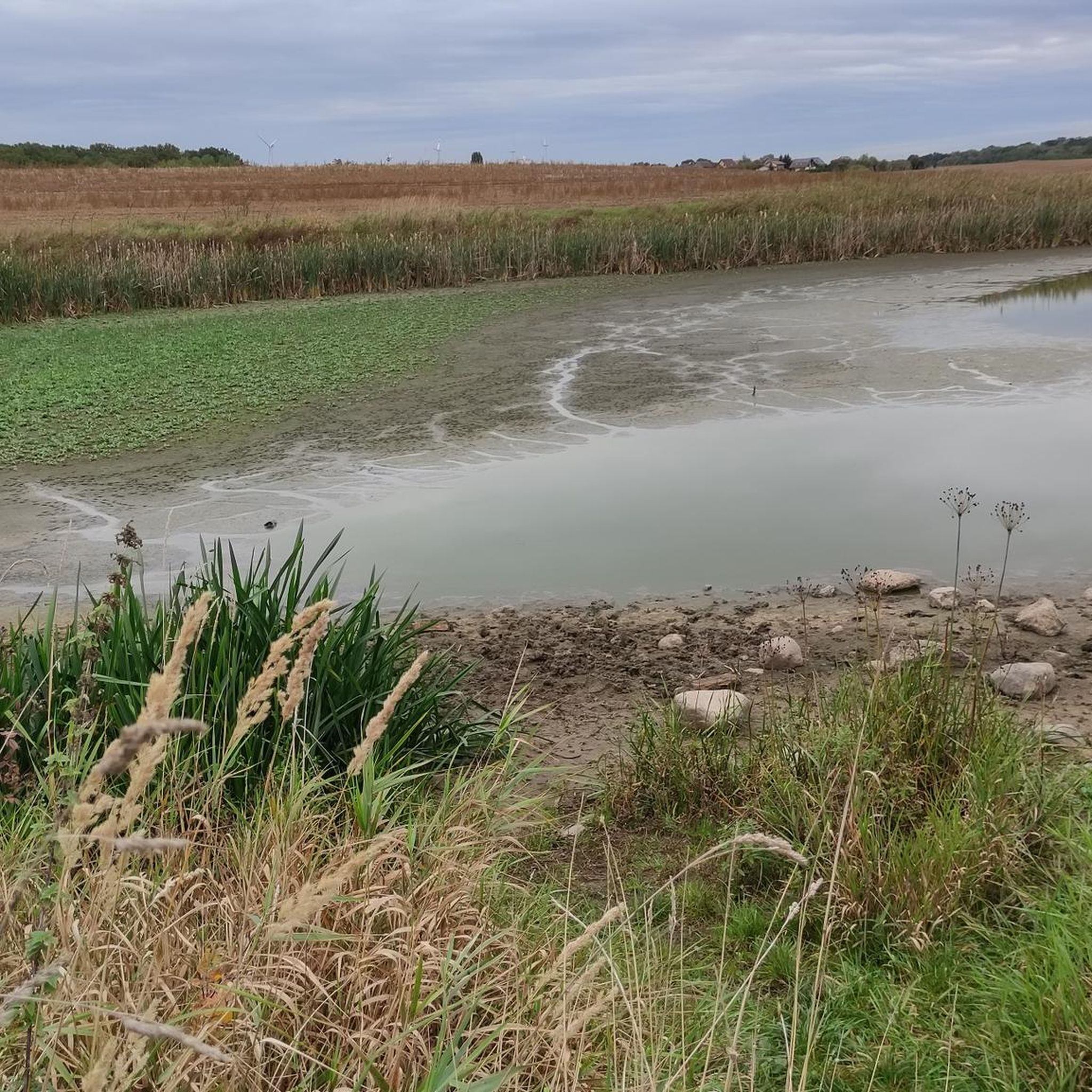
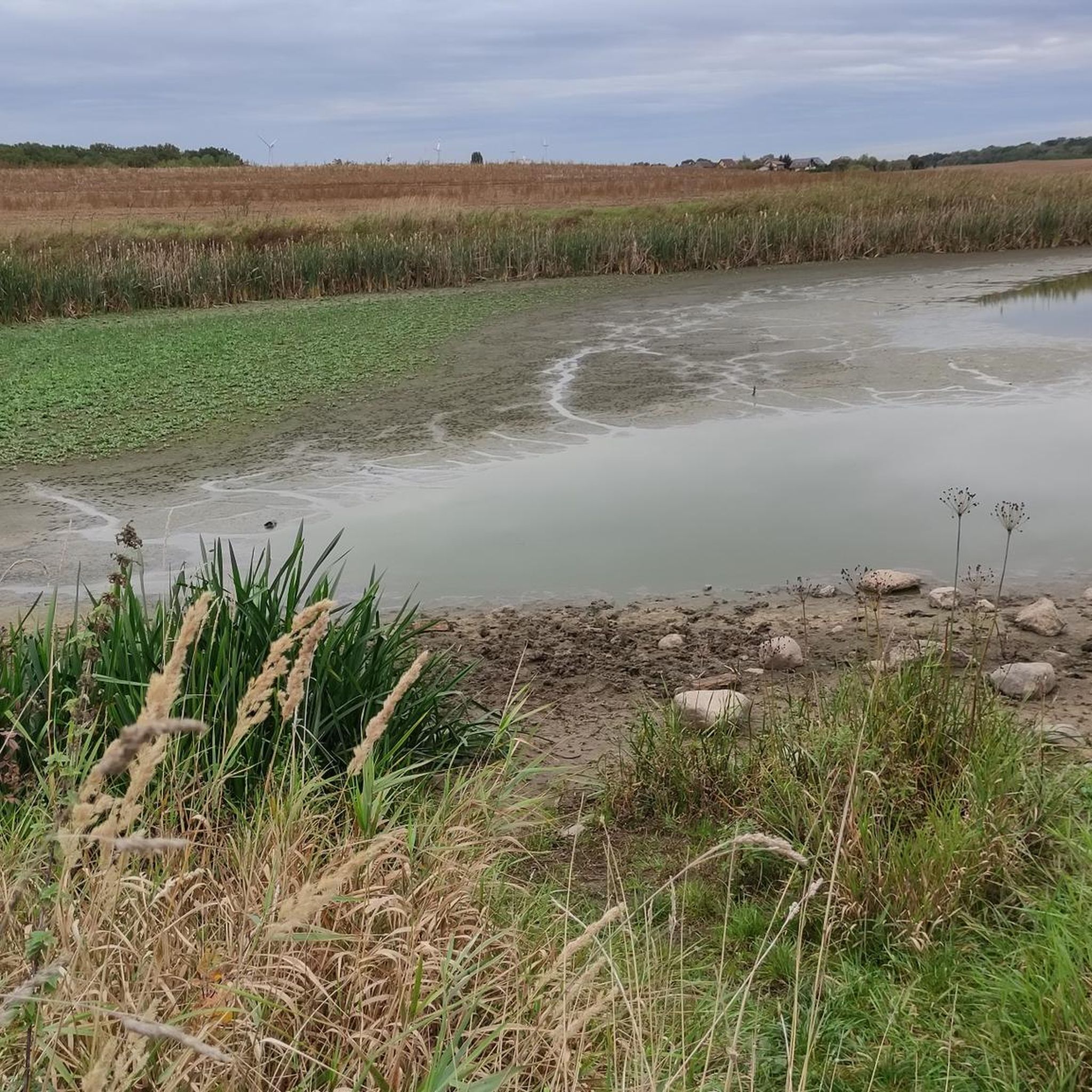
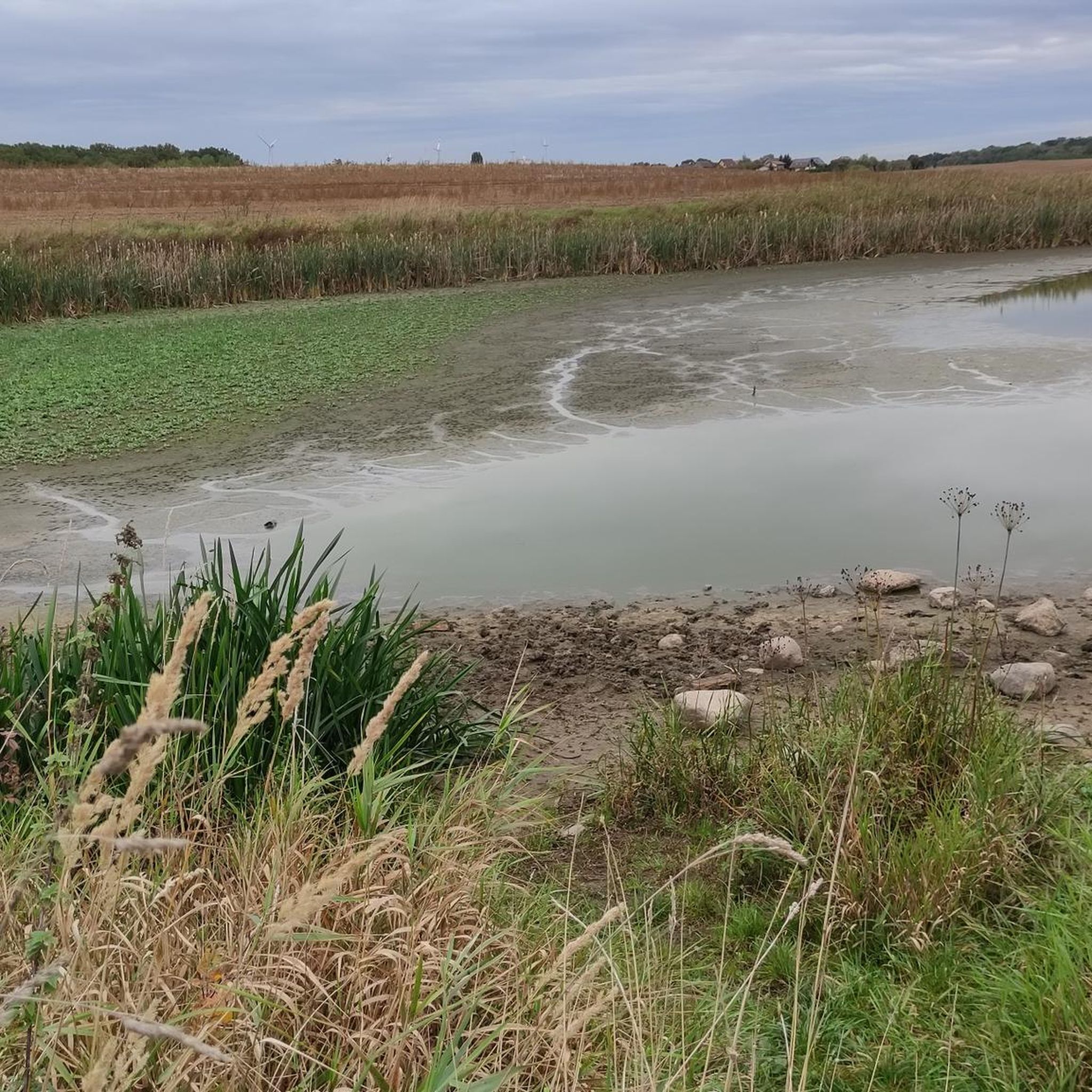
The Karower Teiche are an approximately 129-hectare nature reserve in the north-east of Berlin. It consists of the following ponds: duck pond, reed pond, willow pond and island pond. In all waters you can observe wonderful breeding and resting water and reed birds. Information boards will help you identify each species.
1
0

The Küstergraben Lübars is a historic ditch in Berlin-Lübars that was created in the Middle Ages to protect the village from flooding and as part of a drainage system. The ditch is around 2.5 kilometers long and runs from Waidmannsluster Straße to Alt-Lübars Straße. Today, Lübar's Küstergraben is a popular excursion destination and nature reserve that is visited by many walkers, joggers and cyclists. The area surrounding the ditch is characterized by rich animal and plant life, including rare species such as kingfishers, beavers and dragonflies.
6
0

The NSG is an important resting and breeding area for waterfowl and reed breeders, but species of hedges and forest edges such as oriole, barred warbler, whinchat and stonechat are also native here.
4
0

Beautiful nature experiences are possible there. There are several viewing platforms. Sometimes buffalo and Heck cattle can also be seen.
3
0
The area around the Köppchensee with its old fruit plantations and the most diverse habitats is located in the former border area between Lübars and Blankenfelde and is looked after by voluntary nature conservationists from the BG Pankow.
4
0
The area around the Köppchensee with its old fruit plantations and the most diverse habitats is located in the former border area between Lübars and Blankenfelde.
4
0

Good spot for bird watchers.
3
1
Frequently Asked Questions
What types of natural monuments can I explore in Ahrensfelde?
Ahrensfelde offers a diverse range of natural monuments. You can discover impressive individual trees and groups of trees, such as ancient oaks and plane trees, particularly within Blumberg Park. The region also features unique geological formations like eskers, which are long, winding ridges formed during the last ice age. Additionally, there are several significant water bodies, including lakes and rivers, designated as natural monuments.
Are there any notable geological natural monuments in Ahrensfelde?
Yes, Ahrensfelde is home to significant geological natural monuments, specifically two eskers (Oser) located in the northwest and northeast parts of the cemetery and adjacent forest area. These formations are remnants of meltwater rivers from the last ice age, offering a tangible connection to the region's glacial history and providing insight into how the landscape was shaped.
Which natural monuments are particularly good for birdwatching?
For birdwatching enthusiasts, the Karower Teiche Nature Reserve is an excellent choice. This 129-hectare reserve consists of several ponds where you can observe a wide variety of breeding and resting water and reed birds. Similarly, Buch Moor Pond, with its observation deck, is a bird's paradise, especially during breeding season, where you can spot numerous waterfowl and other wildlife.
Are there family-friendly natural monuments or areas in Ahrensfelde?
Many natural monuments in Ahrensfelde are suitable for families. Places like Karower Teiche Nature Reserve, Küstergraben Lübars, and Wuhle Basin are noted for being family-friendly, offering easy paths for walking and cycling. The Ahrensfelde Hills also provide open spaces for picnics and enjoying nature with children.
What kind of wildlife can I expect to see around Ahrensfelde's natural monuments?
The natural areas around Ahrensfelde are rich in wildlife. At the Karower Teiche Nature Reserve and Buch Moor Pond, you can observe numerous bird species, amphibians like toads and frogs, lizards, and grass snakes. In broader natural areas like the Wuhletal valley near the Ahrensfelde Hills, it's possible to spot deer, hares, foxes, and wild boars.
Are there good hiking or cycling routes near the natural monuments?
Absolutely. The region offers excellent opportunities for hiking and cycling. The Wuhletal Hiking Trail, a 15-kilometer path, takes you past the Ahrensfelde Hills and the Wuhle Basin. For cyclists, the Panke Riverside Path provides a peaceful, car-free route. You can find more detailed routes, including easy hikes and MTB trails, on the Hiking around Ahrensfelde and MTB Trails around Ahrensfelde guide pages.
What is the best time of year to visit the natural monuments in Ahrensfelde?
The natural monuments in Ahrensfelde can be enjoyed year-round, but each season offers a different experience. Spring and summer are ideal for observing birds and lush greenery, especially at the Karower Teiche Nature Reserve. Autumn provides beautiful foliage, and the wide views along paths like Küstergraben Lübars are particularly scenic. Even in winter, the landscapes offer a serene environment for quiet walks.
Are there any natural monuments that are particularly dog-friendly?
Yes, several natural areas and monuments in Ahrensfelde are suitable for visitors with dogs. The Köppchensee is listed as dog-friendly, offering a natural reserve environment. Additionally, the wide agricultural paths and landscaped streams around Küstergraben Lübars are recommended for walks with pets, providing ample space to romp.
Where can I find impressive old trees in Ahrensfelde?
Ahrensfelde is known for its impressive trees. You can find a significant Pedunculate Oak, estimated to be 150-200 years old, in the Ahrensfelde Cemetery. Blumberg Park, within Ahrensfelde, is home to several protected tree monuments, including two Pedunculate Oaks, a group known as 'Dreieichen' (Three Oaks), various Plane Trees, a Trumpet Tree, a multi-stemmed Chestnut, and a Winter Linden near the church.
Are there viewpoints to enjoy the natural scenery?
Yes, there are several spots offering scenic views. The Ahrensfelde Hills provide elevated viewpoints, with the western peak reaching 114.5 meters and offering panoramic views that can extend as far as the TV Tower in Mitte. Additionally, natural monuments like Buch Moor Pond, Karower Teiche Nature Reserve, Wuhle Basin, and Köppchensee are categorized as viewpoints, allowing visitors to appreciate the natural surroundings.
How long should I plan for a visit to the natural monuments?
The duration of your visit depends on which natural monuments you choose to explore. For individual tree monuments or geological sites, a short stop of 30 minutes to an hour might suffice. For larger areas like the Karower Teiche Nature Reserve or the Ahrensfelde Hills, you could easily spend a few hours walking or cycling. The Wuhletal Hiking Trail is a 15-kilometer route, ideal for a half-day or full-day hike.
Are there cafes or amenities near the natural monuments in Ahrensfelde?
While the natural monuments themselves are often in serene, undeveloped areas, you can find amenities in nearby localities. For instance, if you are exploring Küstergraben Lübars, there are places to stop for refreshments in Lübars. The villages and towns surrounding Ahrensfelde offer various cafes, pubs, and accommodation options.
Most popular routes around Ahrensfelde
Most popular attractions around Ahrensfelde

Get inspired with the komoot mobile app


Explore more
Extend your search for the best caves by checking out these guides of the top ones around Ahrensfelde:
