Top 20 Natural Monuments around Schöpstal
Natural monuments around Schöpstal offer diverse natural features in the Görlitz district of Saxony, Germany. The region is characterized by unique geological formations, including volcanic hills and ancient trees. These areas provide opportunities to experience the natural landscape of Upper Lusatia. Schöpstal's natural monuments are recognized for their ecological importance and historical significance.
Best natural monuments around Schöpstal
- The most popular natural monuments is Devil's Stone (Königshain Hills), a natural monument known for its rock formations. This site offers…
Last updated: July 22, 2026
Landeskrone Observation Tower
Highlight • Viewpoint
Translated by Google •
Tip by

Hochstein Observation Tower
Highlight • Viewpoint
Translated by Google •
Tip by

Sign up now to discover places like this
Get recommendations on the best single tracks, peaks, & plenty of other exciting outdoor places.
Sign up for free
Totenstein
Highlight • Natural Monument
Translated by Google •
Tip by

Devil's Stone (Königshain Hills)
Highlight • Natural Monument
Translated by Google •
Tip by
Easternmost Point of Germany
Highlight • Natural Monument
In order to complete my "Zipfelpass" I have also visited the easternmost point of Germany. I also liked this point because the community made some effort to make this place beautiful.
Translated by Google •
Tip by

Sign up for free to discover even more natural monuments around Schöpstal.
Sign up for free
Already have an account?
Start today with a free account
Your next adventure awaits.
Login or Signup
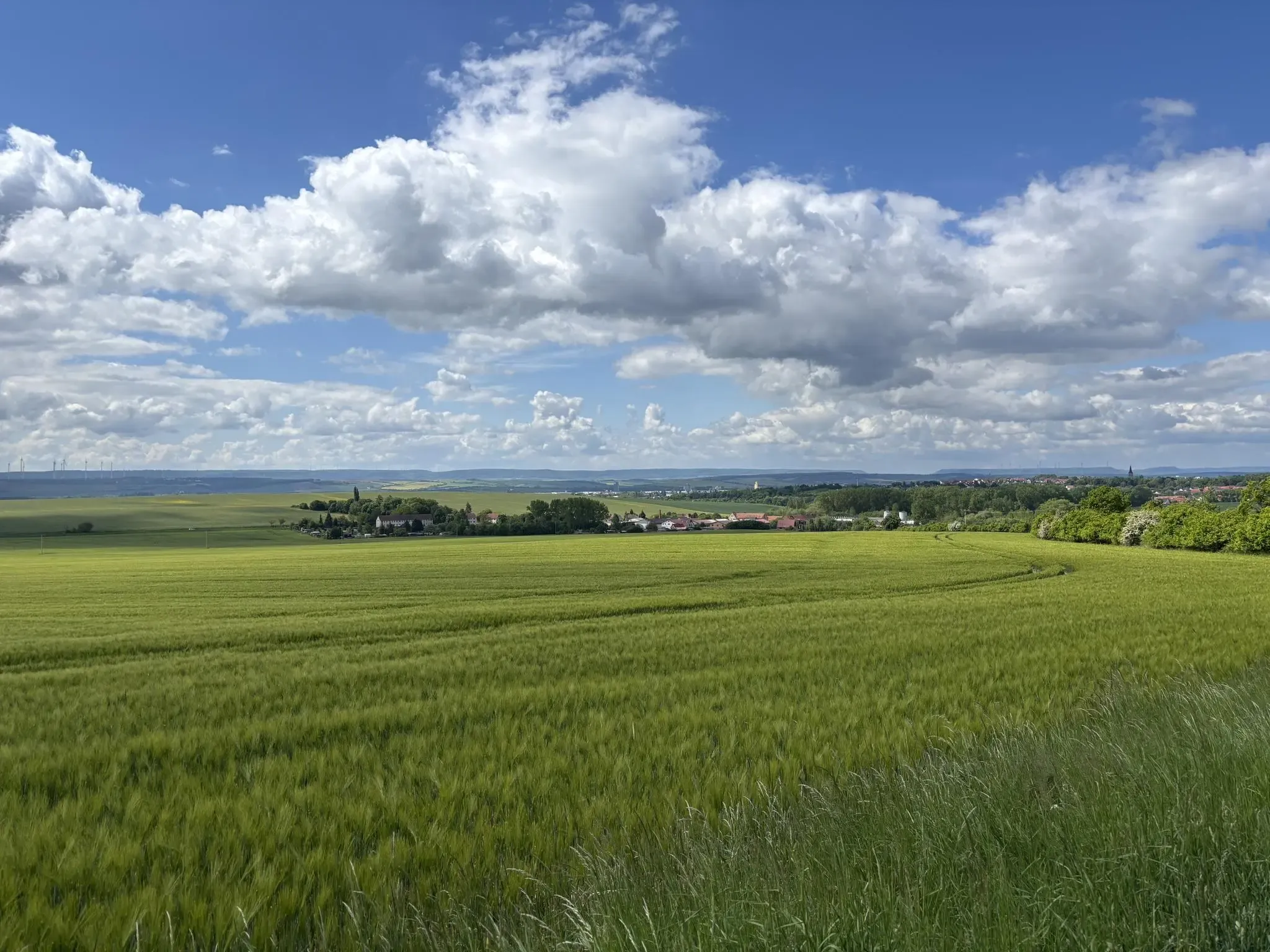
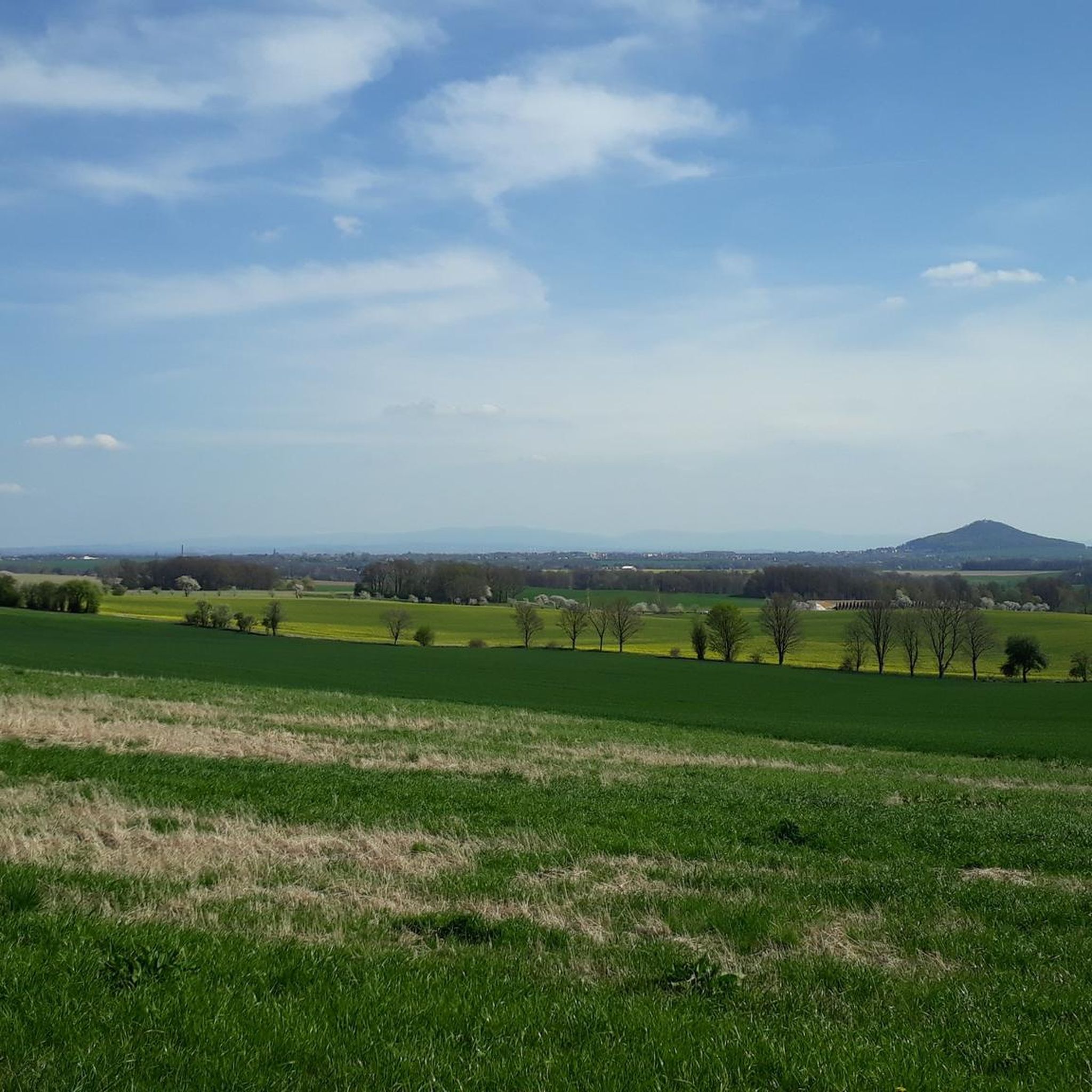
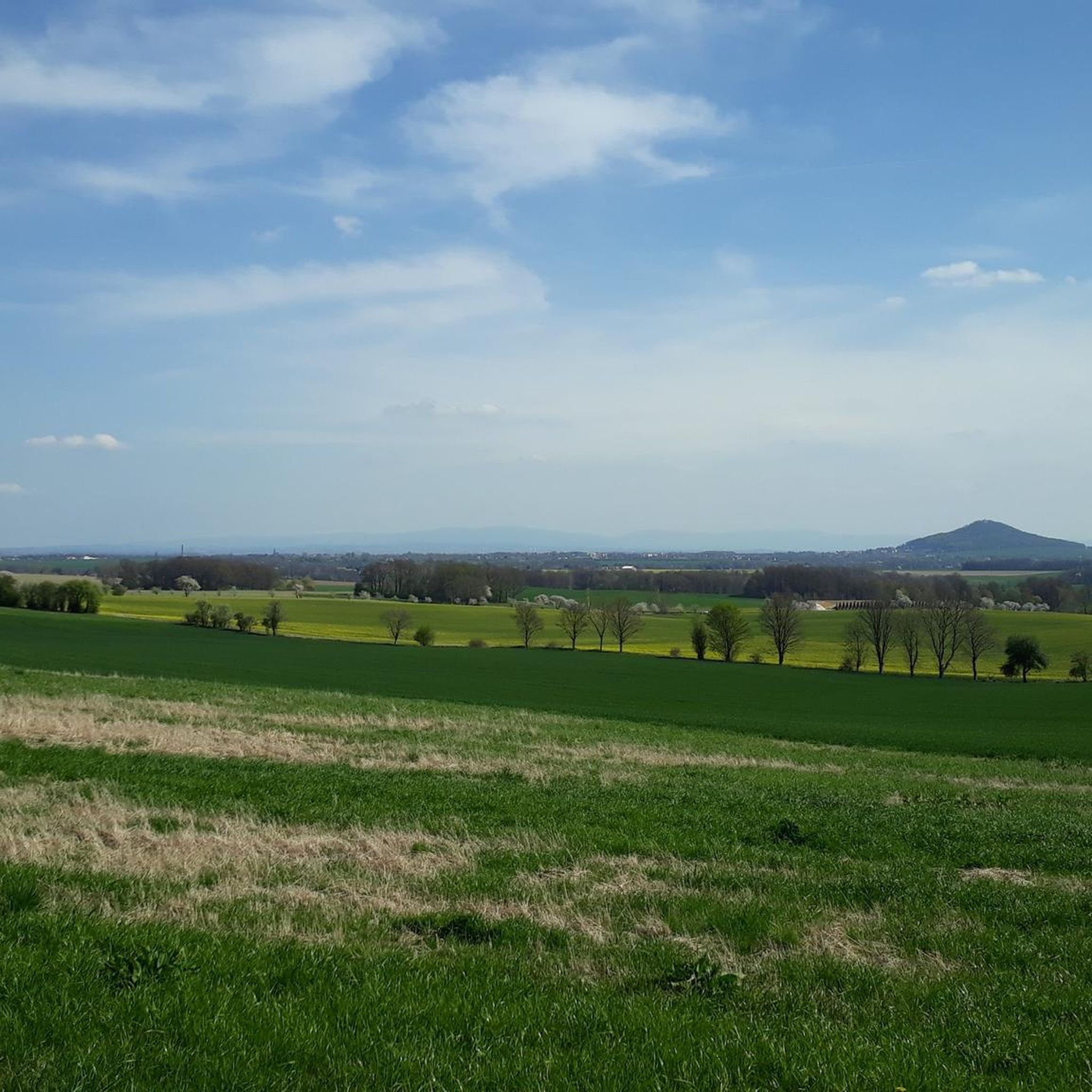
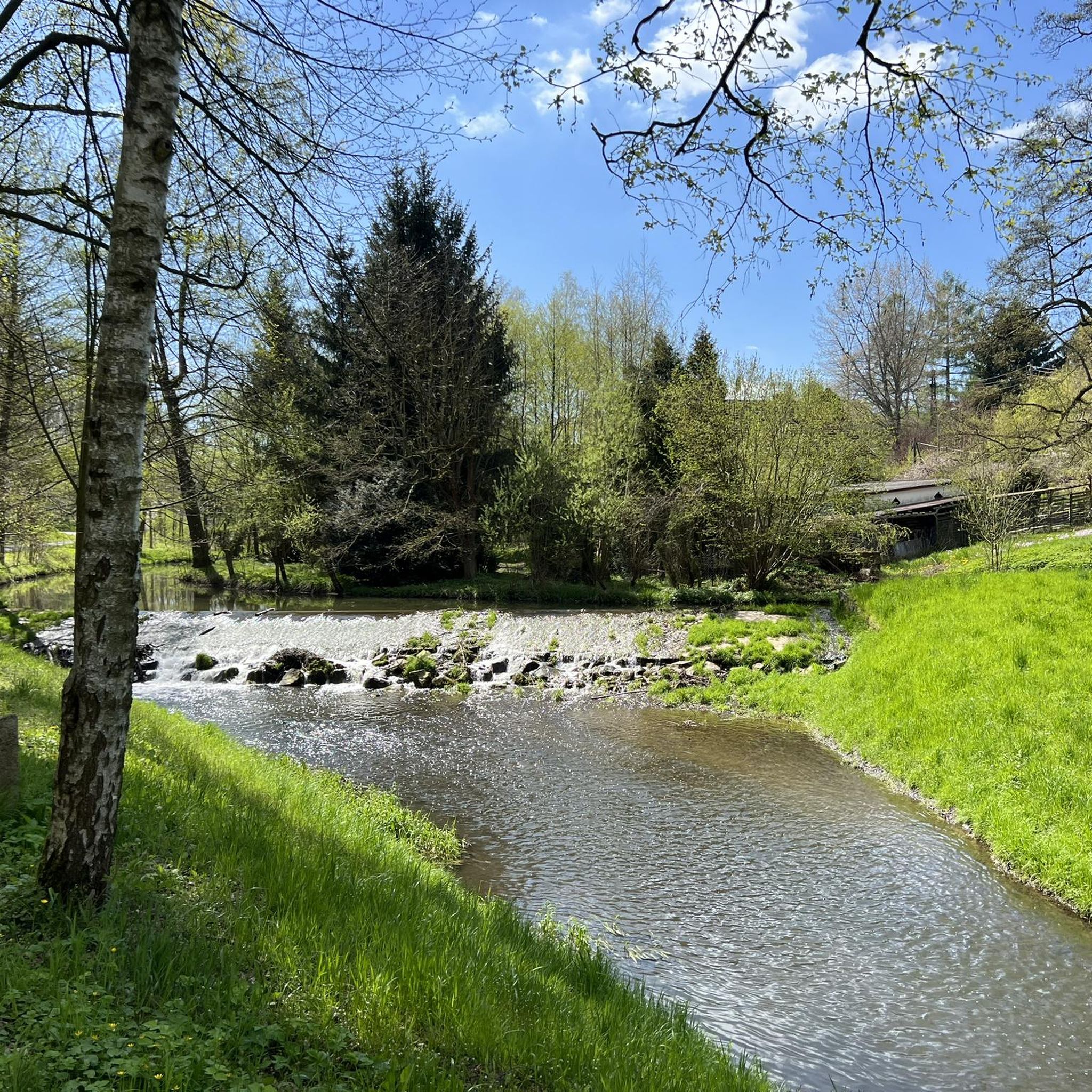

Other adventures around Schöpstal

Tips from the Community

A beautiful view from the local mountain of Görlitz
2
0

It's beautiful to see how the rock rises here.
0
0

A beautifully laid out ladder until it can't go any further east. 🧭
5
0

one of the few granite rocks that did not fall victim to the quarry work. Sure-footed and experienced mountaineers can also climb via the Alter Weg (I) without a safety rope.
3
0


You can climb the rock and then have a good all-round view, but not recommended when there is snow
2
0

Nice that there is this marking so you can set all directions as a goal 🇩🇪
3
0

Really maxed out down to the last centimetre, it actually lies on the shore, the easternmost point in Germany.
5
0
Frequently Asked Questions
Beyond the most popular, what other significant natural monuments can I explore around Schöpstal?
The region around Schöpstal offers several remarkable natural monuments. The Landeskrone Observation Tower, located on the distinctive Landeskrone mountain, provides breathtaking panoramic views and has historical significance. Another notable site is the Kästnereiche, a monumental oak tree near Girbigsdorf, recognized for its impressive size and age.
What kind of natural features can I expect to see among Schöpstal's natural monuments?
Schöpstal's natural monuments showcase diverse features, including unique geological formations like volcanic hills such as Landeskrone, and impressive rock formations found at Devil's Stone (Königshain Hills) and Totenstein. You can also encounter ancient, monumental trees like the Kästnereiche, and enjoy expansive views from various observation points.
Are there any natural monuments with historical significance in the Schöpstal area?
Yes, several natural monuments in the Schöpstal area have historical importance. The Landeskrone mountain, for instance, has evidence of human settlement dating back to the Bronze Age and was once the site of a medieval castle. The Devil's Stone (Königshain Hills) also has a rich history, with its name evolving from older designations like Eulenstein and Zeisigstein. The Kästnereiche oak tree is connected to local history through the nearby Kästner Gut.
Are there family-friendly natural monuments around Schöpstal?
Absolutely. The Easternmost Point of Germany is considered family-friendly, offering facilities and a unique geographical marker. The Landeskrone Observation Tower area is also suitable for families, with hiking trails and a restaurant. The Landeskrone also features a bee educational path on its northwest side, which can be engaging for children.
What hiking opportunities are available near the natural monuments?
The region offers numerous hiking opportunities. For example, the Landeskrone mountain has diverse hiking trails suitable for year-round exploration. You can find various routes, including moderate hikes like the 'Kunnersdorf Church – Kunnersdorf Castle loop' or easier options such as the 'Schöpstal Circular Trail – Kunnersdorf Castle loop'. For more details and routes, you can explore the Hiking around Schöpstal guide.
Are there options for mountain biking or gravel biking near Schöpstal's natural monuments?
Yes, the area around Schöpstal provides excellent opportunities for both mountain biking and gravel biking. You can find routes like the 'Bertsdorfer See North Shore – View of Bernsdorfer See loop' for MTB, or challenging gravel biking tours such as the 'Berzdorfer See – Lake Berzdorf loop'. For detailed routes and difficulty levels, refer to the MTB Trails around Schöpstal and Gravel biking around Schöpstal guides.
What are the best times to visit the natural monuments around Schöpstal?
The natural monuments around Schöpstal can be visited year-round, each season offering a different experience. Spring and autumn provide pleasant temperatures for hiking and enjoying the changing foliage. Summer is ideal for longer outdoor activities, while winter offers a unique, serene landscape, though some paths might be affected by snow or ice. The Landeskrone Observation Tower, for instance, is best accessed when the weather is good and the restaurant is open.
Is there parking available at the natural monuments?
Parking is generally available near some of the natural monuments. For example, the Hochstein Observation Tower has a parking lot for visitors who prefer not to hike the entire way. The Landeskrone mountain also offers parking facilities, making it accessible by car.
How can I reach the Landeskrone Mountain using public transport?
The Landeskrone mountain is located southwest of Görlitz. While specific public transport routes directly to the summit may vary, you can typically reach Görlitz by public transport and then use local bus services or a short taxi ride to get closer to the base of the mountain. From there, well-marked hiking trails lead to the summit and the Landeskrone Observation Tower.
What do visitors enjoy most about the natural monuments in Schöpstal?
Visitors frequently highlight the stunning panoramic views, especially from locations like the Landeskrone Observation Tower and the Hochstein Observation Tower. The unique rock formations at sites like Devil's Stone (Königshain Hills) and Totenstein are also popular for their natural beauty and climbing opportunities. The sense of history and the well-maintained hiking trails also contribute to a positive visitor experience.
Are there any facilities or amenities available at the natural monuments?
Some natural monuments offer facilities for visitors. The Landeskrone Observation Tower area includes a restaurant with an outdoor terrace and a hotel. Similarly, the Hochstein Observation Tower has a mountain inn where you can eat and drink. The Easternmost Point of Germany also has some community-provided facilities, including a 'corner book' for visitors.
Most popular routes around Schöpstal
Most popular attractions around Schöpstal

Get inspired with the komoot mobile app


Explore more
Extend your search for the best caves by checking out these guides of the top ones around Schöpstal:
