Top 20 Natural Monuments around Oppach
Best natural monuments around Oppach are found in a landscape characterized by rolling hills, dense forests, and scenic river courses within the Lusatian Mountains of Germany. This region offers diverse natural attractions, from prominent mountain summits with panoramic views to unique geological formations. Visitors can explore a variety of natural features, including rock formations, river sources, and forested areas. Oppach serves as a base for experiencing the natural beauty of the Upper Lusatia region.
Best natural monuments around Oppach
- The…
Last updated: September 28, 2026
Kälbersteine and Kälbersteinbaude
Highlight • Summit
Translated by Google •
Tip by

Spree River Source at Kottmar
Highlight • River
Translated by Google •
Tip by

Sign up now to discover places like this
Get recommendations on the best single tracks, peaks, & plenty of other exciting outdoor places.
Devil's Pulpit
Highlight • Natural Monument
Translated by Google •
Tip by

Devil's Window rock formation
Highlight • Natural Monument
Translated by Google •
Tip by

Summit rock formations on Hromadnik (Döhlener Berg)
Highlight • Natural Monument
Translated by Google •
Tip by

Sign up for free to discover even more natural monuments around Oppach.
Already have an account?
Start today with a free account
Your next adventure awaits.
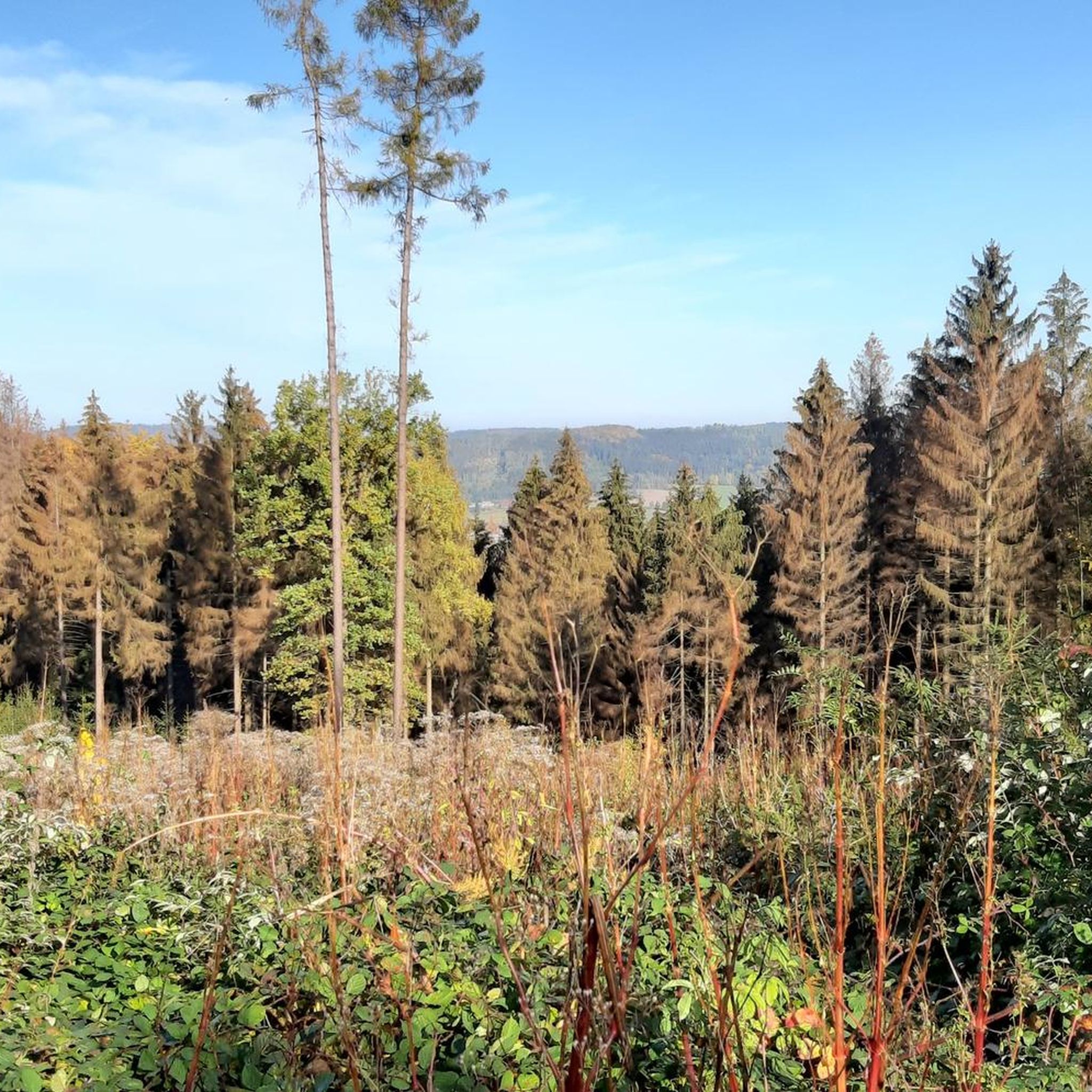

Tips from the Community

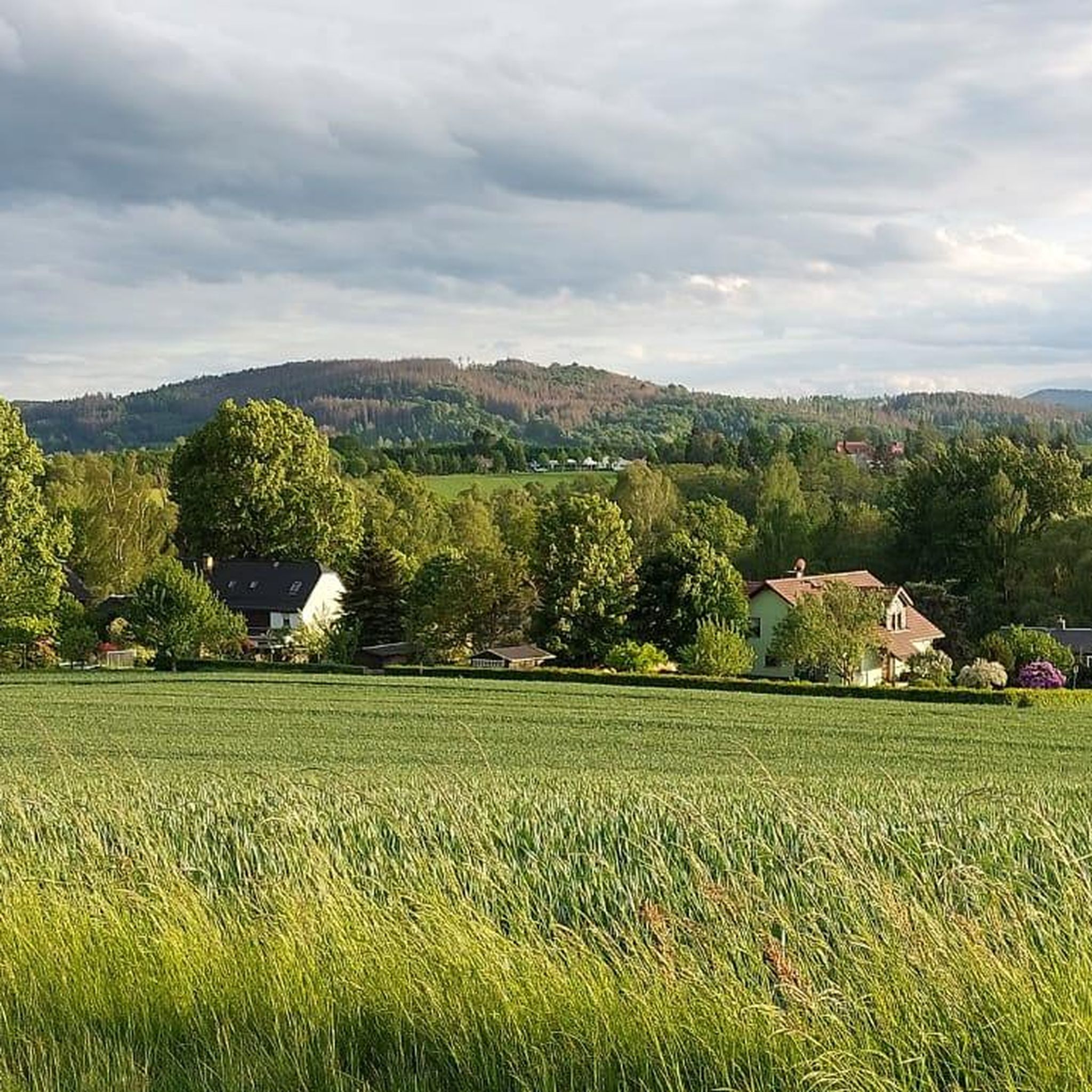
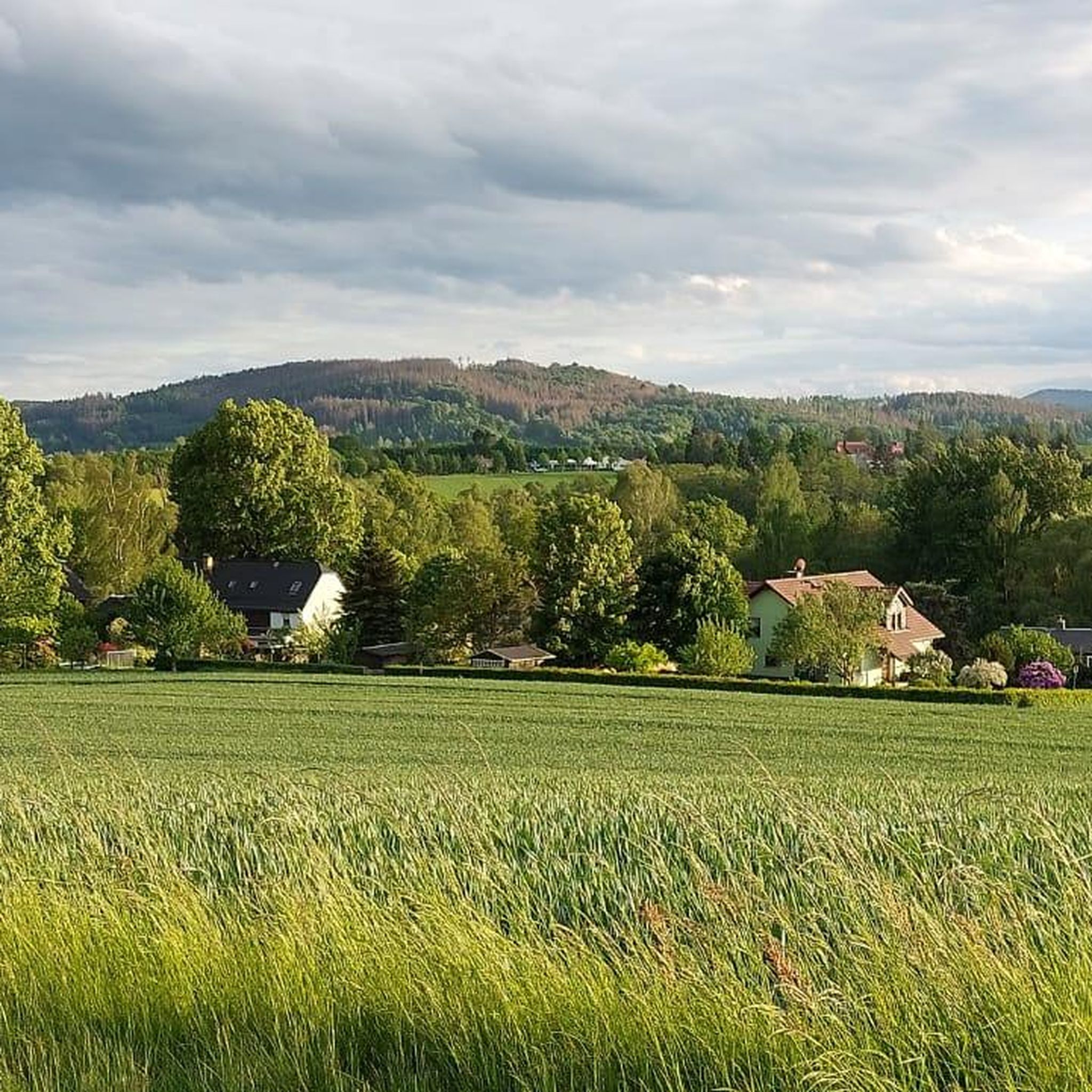
Source of the Spree River on the Kottmar Mountain. Information: The Spree River has three official sources: on the Kottmar Mountain, in Neugersdorf, and in Ebersbach. The highest official source of the Spree is located on the Kottmar, at an elevation of 478 meters. Since 1921, it has been surrounded by a memorial to those who fell in the First World War. The Spree is a left tributary of the Havel River, almost 400 kilometers long. It originates in the Lusatian Mountains near the border with the Czech Republic.
3
0

Great rock formation near the mountain inn
0
0

story Trying to unravel a mystery. In the spring of 2006 we discovered a large hand-shaped weathering depression in the rocks of Upper Lusatia. We baptized it "God's Hand" Maybe it was just a whim of nature. Nevertheless, measurements carried out in the spring of 2007 yielded a surprising result: if you looked out of the triangular viewing hole of a nearby cave over the "God's Hand" towards the sky, you could see the noon point of the winter solstice directly. ... An accident? Since then we have systematically visited every rock known to us in Upper Lusatia and many more, examined them for characteristics and measured them. We discovered more solar observation phenomena. Individual rock objects with one or more viewing windows are particularly impressive. These viewing windows often mark not only the midday sun of the winter solstice, but also the morning and evening sun of both the winter and summer solstices and the beginning of spring and autumn. Some rocks reflect the observation scheme of the prehistoric "Nebra Sky Disc" discovered in Saxony-Anhalt even reflected 1:1. ... Is it really all just a coincidence???? We don't think so! We are of the opinion that although nature in many cases created the conditions for numerous viewing windows through crevasses and fissures in the rock, their alignment to always the same specific points in the sky is in many cases a deliberate work of man with the intention of using the suns and their movement in the sky to determine the length of the year and to divide it into periods. Undoubtedly traces of this targeted human influence and even stone tools used for this purpose have already been discovered and recorded in expert reports. In 2008, with the support of the star friends of the observatory "Bruno H. Bürgel" e.V. Sohland/Spree, we launched the "Project-Götterhand" to investigate the phenomenon. Source: Hand of the Gods
0
0


The war memorial is a bit strange in this place. Otherwise very contemplative.
5
1
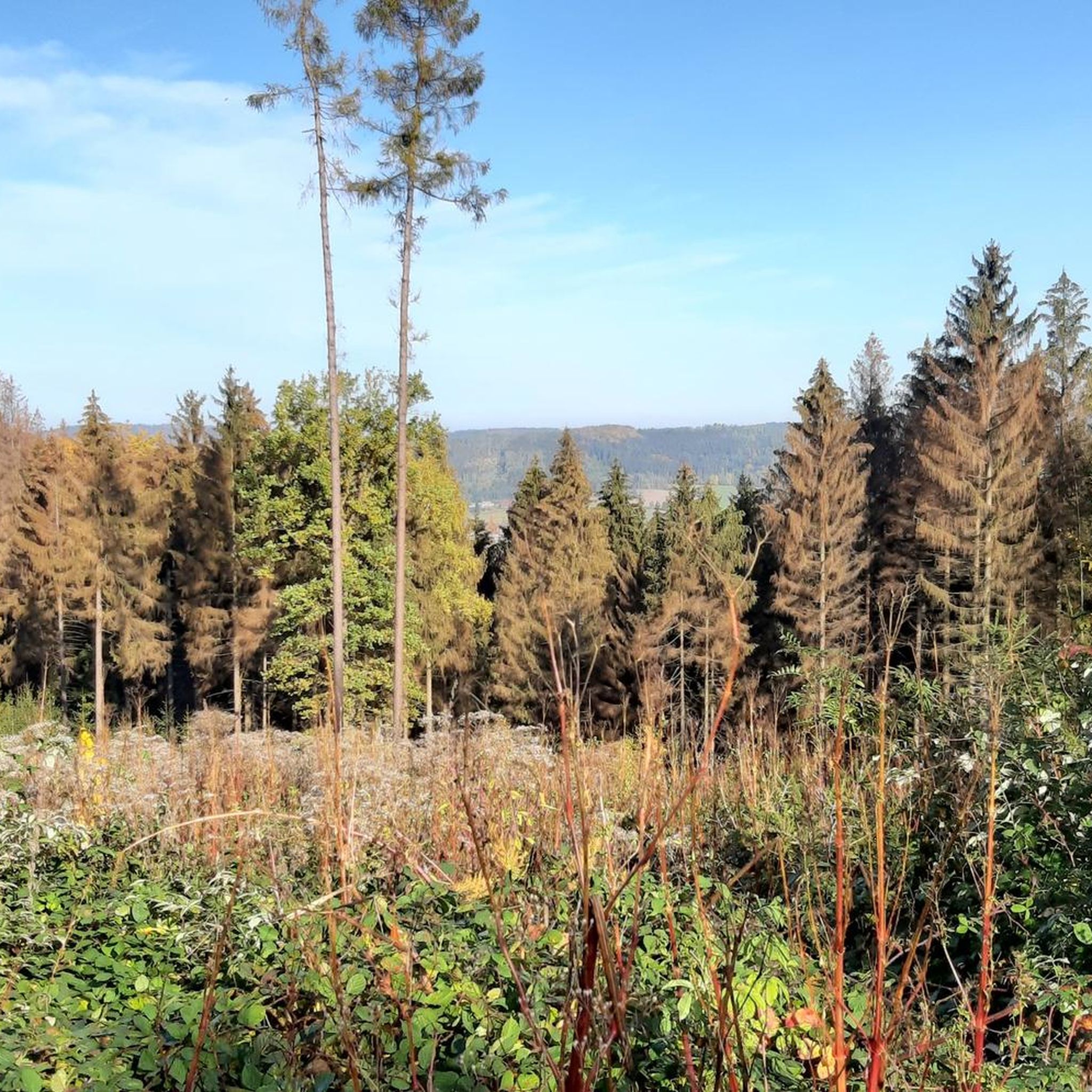
According to tradition, the name of the mountain came about during the Thirty Years' War. At that time, the farmers of the area drove their cattle up this mountain to find protection and refuge. On the other hand, Theodor Schütze says: "The name can hardly have anything to do with calves that were supposedly hidden in the mountain forest during the Thirty Years' War." Kelerstein is listed on Scultetus' map from 1593. In a loan letter from 1669, it is referred to as a "Hichtwald". Source: Wikipedia
4
0
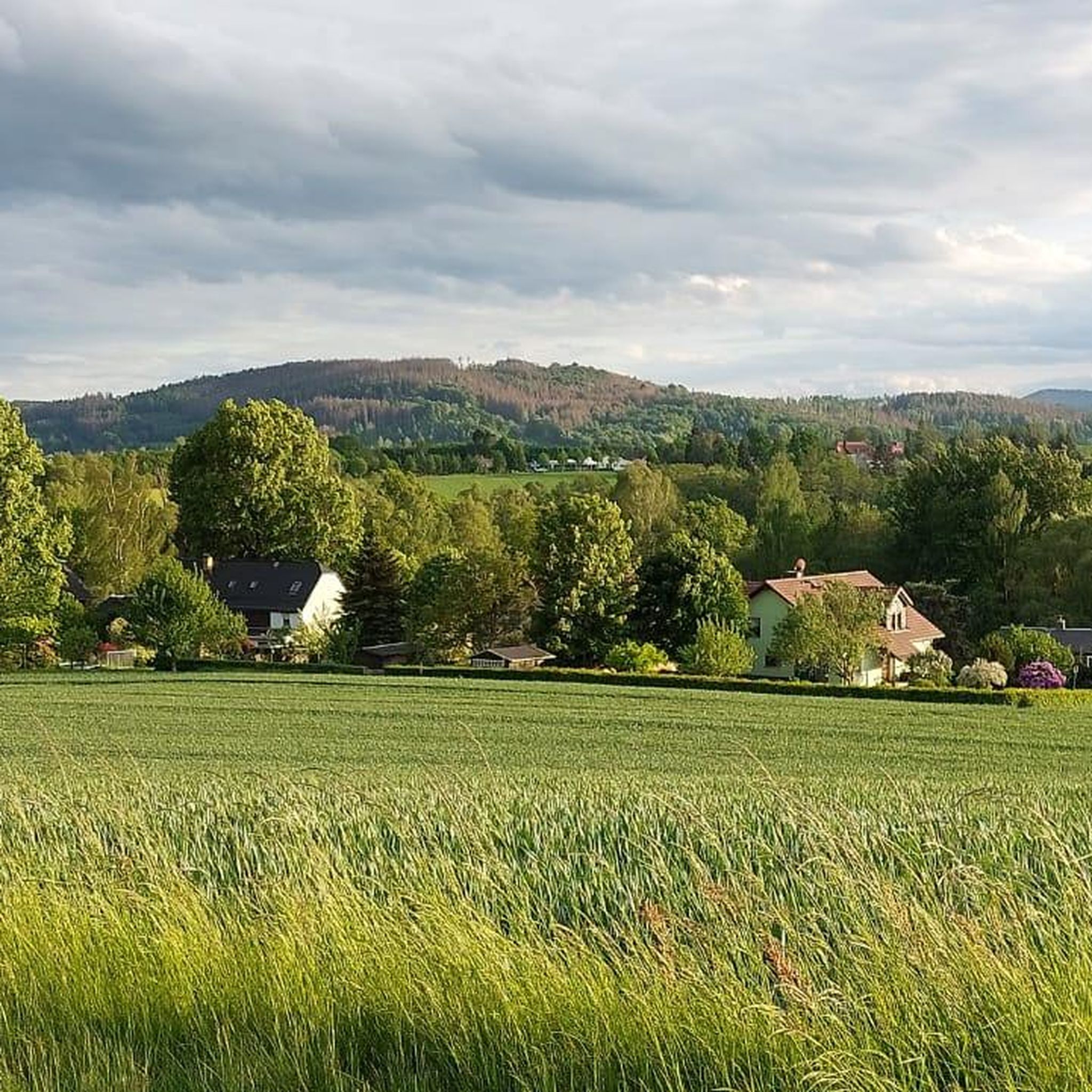
A long time ago a mechanic was commissioned by the Bautzen city council to provide the city with water from the river, but since the work was very expensive, he undertook to give up his head if it didn't work. So he built a so-called art and used one of the towers in the curtain wall, where the water is lifted up by machines and from there into the city. When the work was finished, behold, it did not work; So the builder was established and death awaited him afterwards. In the meantime he succeeded in escaping at night; He fled out the Neusalzaer Strasse, but when he came to the mountain near the village of Ebendörfel, he was suddenly seized with tiredness, sat down and fell asleep. Then he dreamed as vividly as if he saw that a rat was stuck in one of the tubes of his water art and that the work was clogged as a result. Upon awakening, he decided that at the risk of losing his life, he would return and take the advice. As expected, so it happened; he turned back and faced his judges on the condition that they allow him to examine the workings of his waterworks again before being led to death. He was allowed to do this, and behold, he really did find a rat in the tube, just as he had seen it in a dream. When it was pulled out, the water art went and continues to this day. Popularly called; but the mountain near Ebendörfel henceforth the dream mountain, from which the dialect of Bautzen made Dromberg or Thronberg. More information: https://historischerstammtisch.webnode.com/sagen/dromberg-und-die-wasserkunst/
0
0
Frequently Asked Questions
What are some of the most notable natural attractions around Oppach?
The region around Oppach, nestled in the Lusatian Mountains, offers diverse natural attractions. Highlights include the intriguing rock formations at Kälbersteine and Kälbersteinbaude, the historically significant Spree River Source at Kottmar, and the mystical Devil's Pulpit viewpoint. Other prominent features are the Bieleboh mountain with its observation tower and the Czorneboh Mountain, known for its lookout tower and the nearby Devil's Window rock formation.
What kind of natural features can I expect to see around Oppach?
You can expect to encounter a variety of natural features, including unique rock formations, such as those at Kälbersteine and Hromadnik (Döhlener Berg), as well as significant river sources like the Spree River Source at Kottmar. The landscape is also characterized by dense forests and scenic viewpoints from mountain summits like Bieleboh and Czorneboh.
Are there any natural monuments with historical significance near Oppach?
Yes, several natural sites carry historical context. The Kälbersteine are said to have been a hiding place for cattle during the Thirty Years' War. The Spree River Source at Kottmar features a stone wall built in 1921, listing hometowns of WWI casualties from the Lusatia Mountain Club. Additionally, Czorneboh Mountain, home to the Devil's Window rock formation, is considered a legendary cult site of the Milzener, ancestors of today's Sorbs.
What do visitors particularly enjoy about the natural monuments in this region?
Visitors appreciate the unique geological features, such as the climbable rock at Kälbersteine and the impressive formations on Hromadnik. The mystical atmosphere of places like the Devil's Pulpit is also highly regarded. Many enjoy the panoramic views from mountain summits and the historical significance of sites like the Spree River Source.
Are there family-friendly natural monuments around Oppach?
The Spree River Source at Kottmar is categorized as family-friendly, offering an accessible natural landmark with historical context. Many of the hiking trails leading to these natural monuments are suitable for families, though some may involve intermediate difficulty. Always check specific route details for suitability.
What outdoor activities can I do near the natural monuments around Oppach?
The region around Oppach is excellent for various outdoor activities. You can find numerous running trails, including loops around Kälbersteine and Bieleboh. For cyclists, there are extensive MTB trails and gravel biking routes, such as those around the Sohland Reservoir and the Cunewalder Valley Rail Trail.
Are there hiking trails available to reach these natural monuments?
Yes, well-developed hiking trails lead to many of the natural monuments. For example, you can hike to the summit of Bieleboh, or explore the wooded mountain trails around Kälbersteine. The running trails guide also features routes that are suitable for hiking.
Are the trails to these natural monuments generally difficult?
Many trails to the natural monuments around Oppach are classified as intermediate difficulty, offering a good balance for active visitors. For instance, the paths to Kälbersteine, Spree River Source, Devil's Pulpit, Devil's Window, and Hromadnik are generally intermediate. Some routes may have sections with roots or require a bit of climbing, like at Hromadnik.
Are there options for food and drink near these natural monuments?
Yes, several natural attractions offer places for refreshments. The Kälbersteine feature the Kälbersteinbaude, which includes a restaurant. Both Bieleboh and Czorneboh mountains also have inns and lookout towers where you can find food and drinks.
What is the best season to visit the natural monuments around Oppach?
The natural monuments around Oppach are beautiful year-round. Spring and autumn offer pleasant temperatures for hiking and vibrant foliage. Summer is ideal for longer days and outdoor activities, while winter can transform the landscape into a picturesque snowy scene, suitable for winter walks, though some trails might be more challenging.
Can I find panoramic views from any of the natural monuments?
Absolutely. Bieleboh mountain, at 500 meters high, features a 21-meter-high observation tower offering expansive panoramic views over the Lusatian Mountains. Czorneboh Mountain also has a lookout tower with similar scenic vistas. Even from the top of the largest rock at Kälbersteine, you can catch glimpses of the surrounding hills and mountains through the trees.
Are there any unique rock formations to explore besides Kälbersteine?
Beyond Kälbersteine, you can explore the Devil's Window rock formation near Czorneboh Mountain, known for its distinctive opening. The Summit rock formations on Hromadnik (Döhlener Berg) are also impressive, with some visitors comparing them to the Saxon Switzerland region.
Most popular routes around Oppach
Most popular attractions around Oppach

Get inspired with the komoot mobile app


Explore more
Extend your search for the best caves by checking out these guides of the top ones around Oppach:
