Top 20 Natural Monuments around Fürstenberg/Havel
Best natural monuments around Fürstenberg/Havel are found in Germany's only "water town," nestled within an expansive forest and lake district. The region is characterized by its numerous interconnected lakes, the meandering Havel River, and dense woodlands. These features offer a diverse natural landscape, providing opportunities for outdoor activities and tranquil exploration. The area's ecological significance, particularly its clean lakes, makes it a notable destination for nature enthusiasts.
Best natural monuments around Fürstenberg/Havel
- The most popular natural monuments is Lake Stechlin…
Last updated: July 22, 2026
Lake Stechlin
Highlight • Lake
Translated by Google •
Tip by

Peetschsee
Highlight • Lake
Translated by Google •
Tip by

Sign up now to discover places like this
Get recommendations on the best single tracks, peaks, & plenty of other exciting outdoor places.
Sign up for free
Mulberry Avenue of Zernikow
Highlight (Segment) • Natural Monument
Translated by Google •
Tip by

Lake Roofensee
Highlight (Segment) • Lake
Translated by Google •
Tip by

Schleusenwiese Wet Meadow, Roofensee Moor Experience Trail
Highlight • Natural
Translated by Google •
Tip by
Sign up for free to discover even more natural monuments around Fürstenberg/Havel.
Sign up for free
Already have an account?
Start today with a free account
Your next adventure awaits.
Login or Signup
Popular around Fürstenberg/Havel
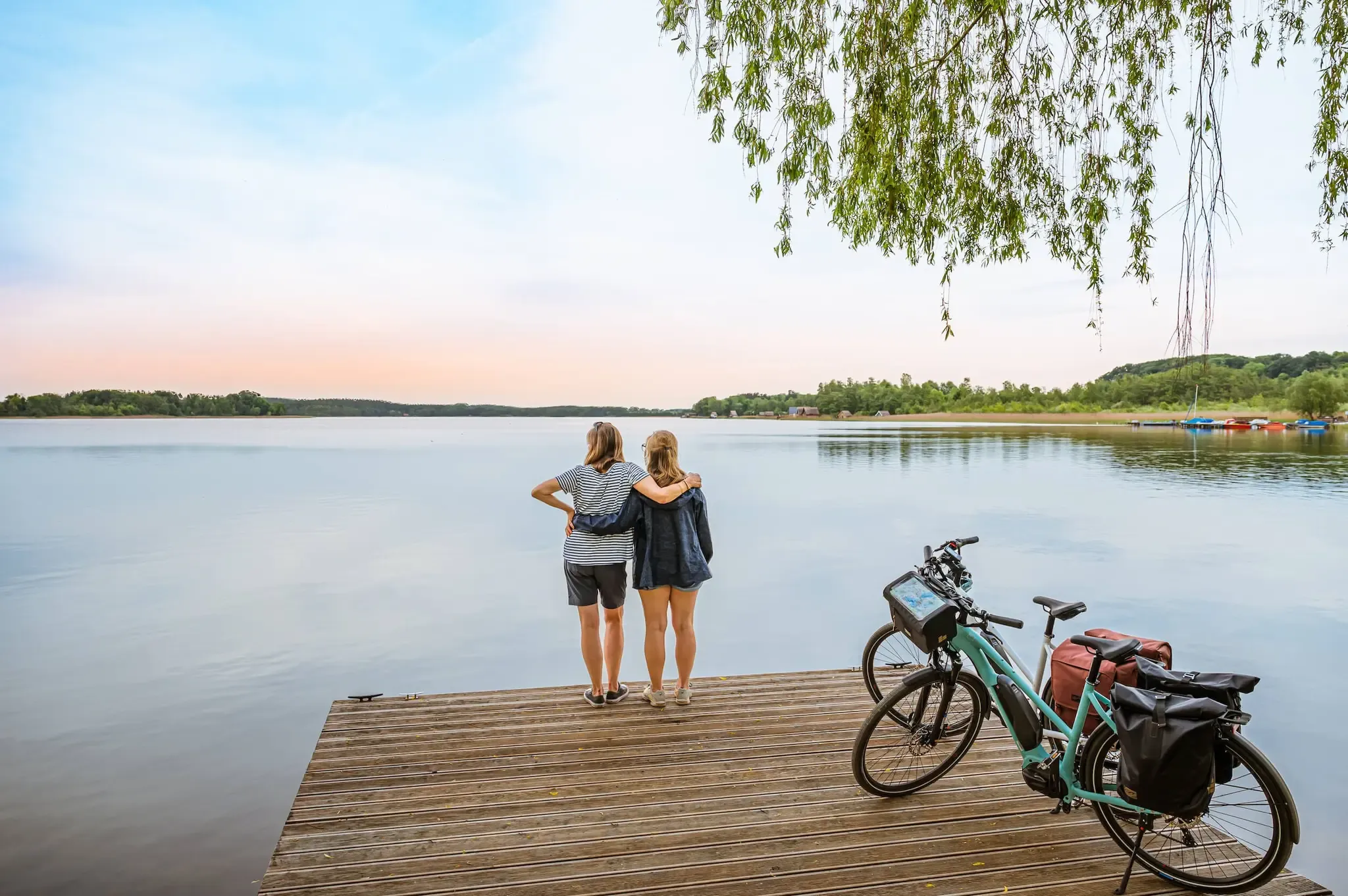
The long distance bicycle route Berlin-Copenhagen
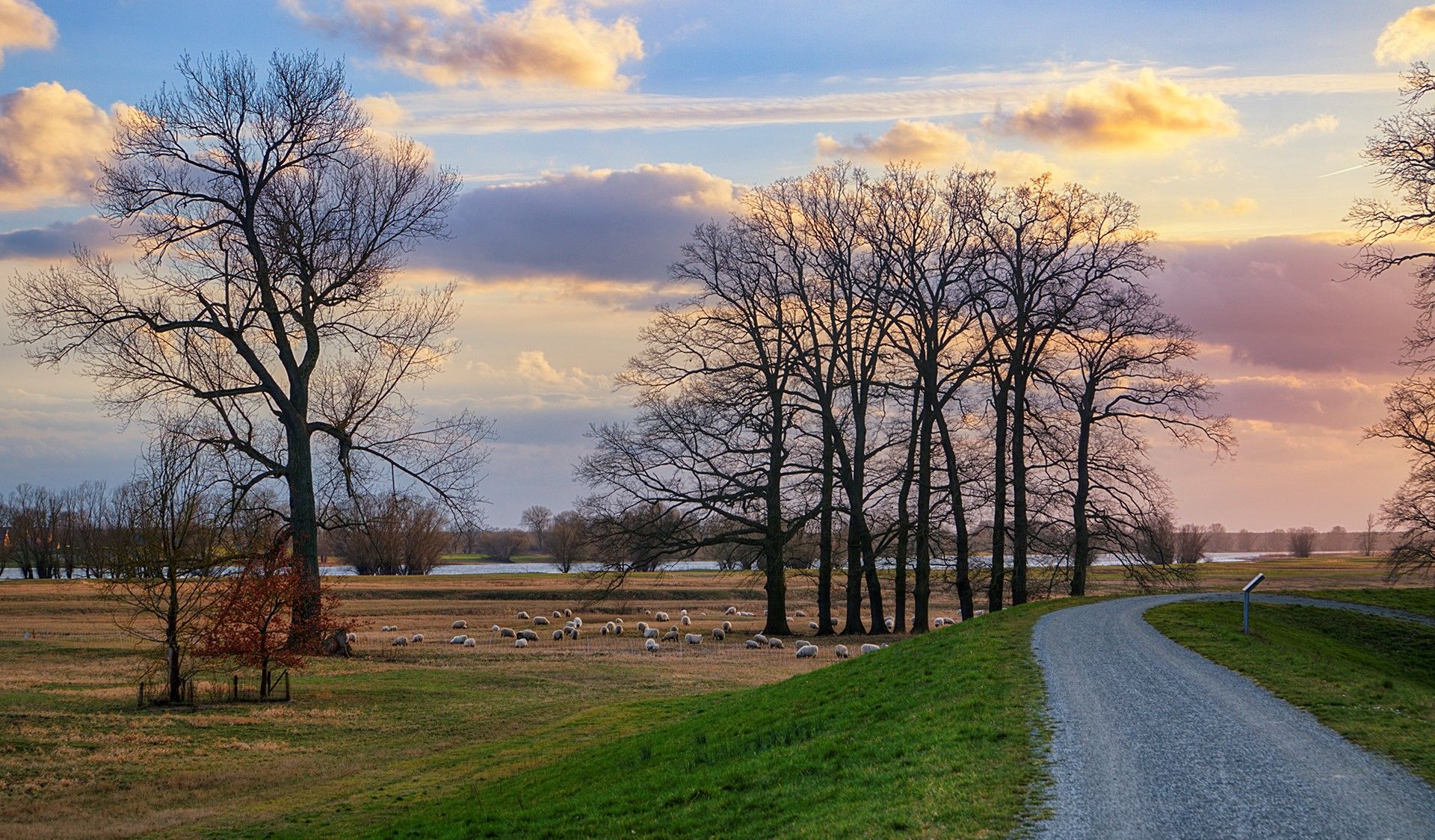
Tour Brandenburg – Cycle around Berlin in 18 stages
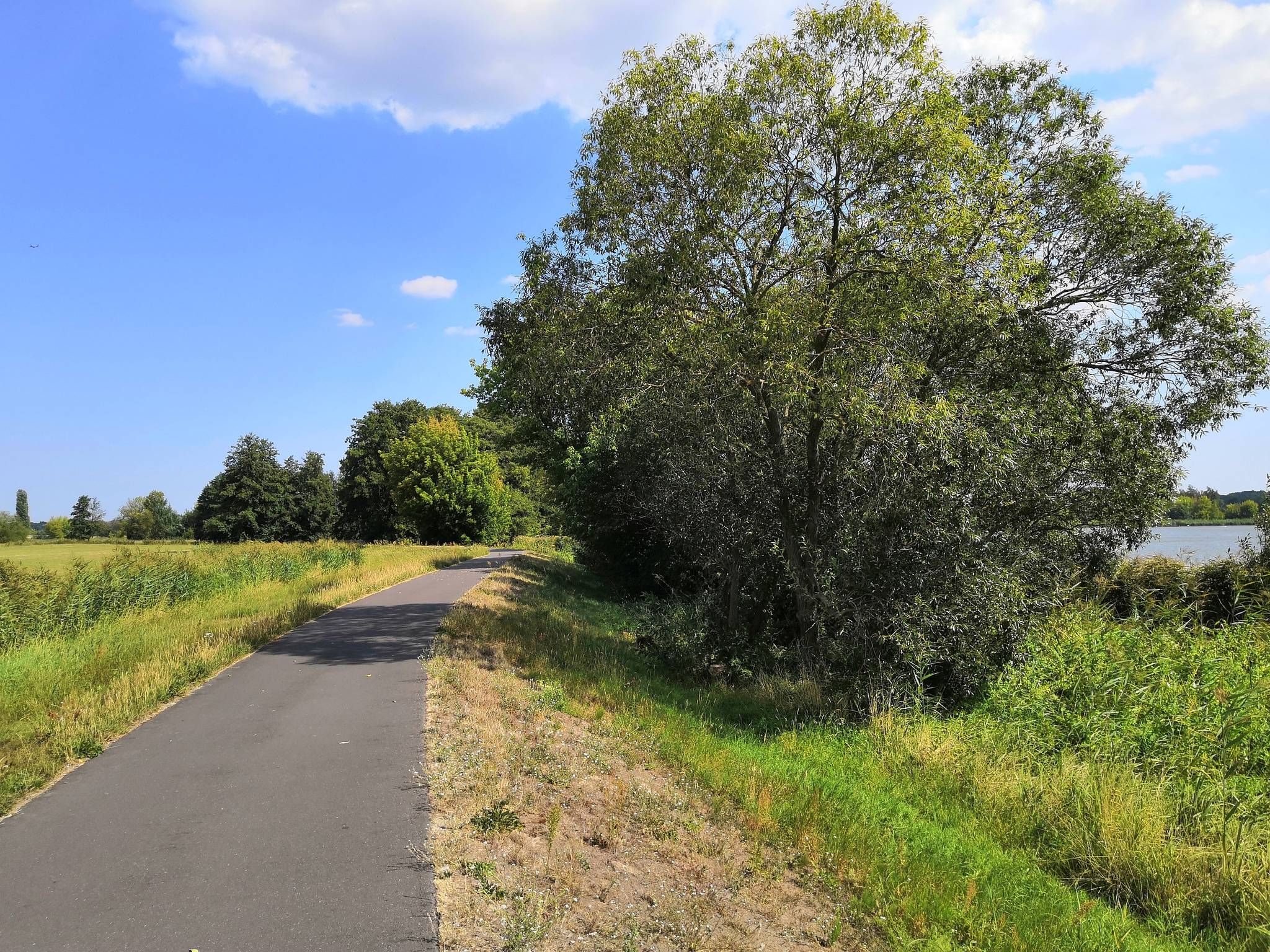
The Havel Cycle Path – in 6 stages from its source to its mouth
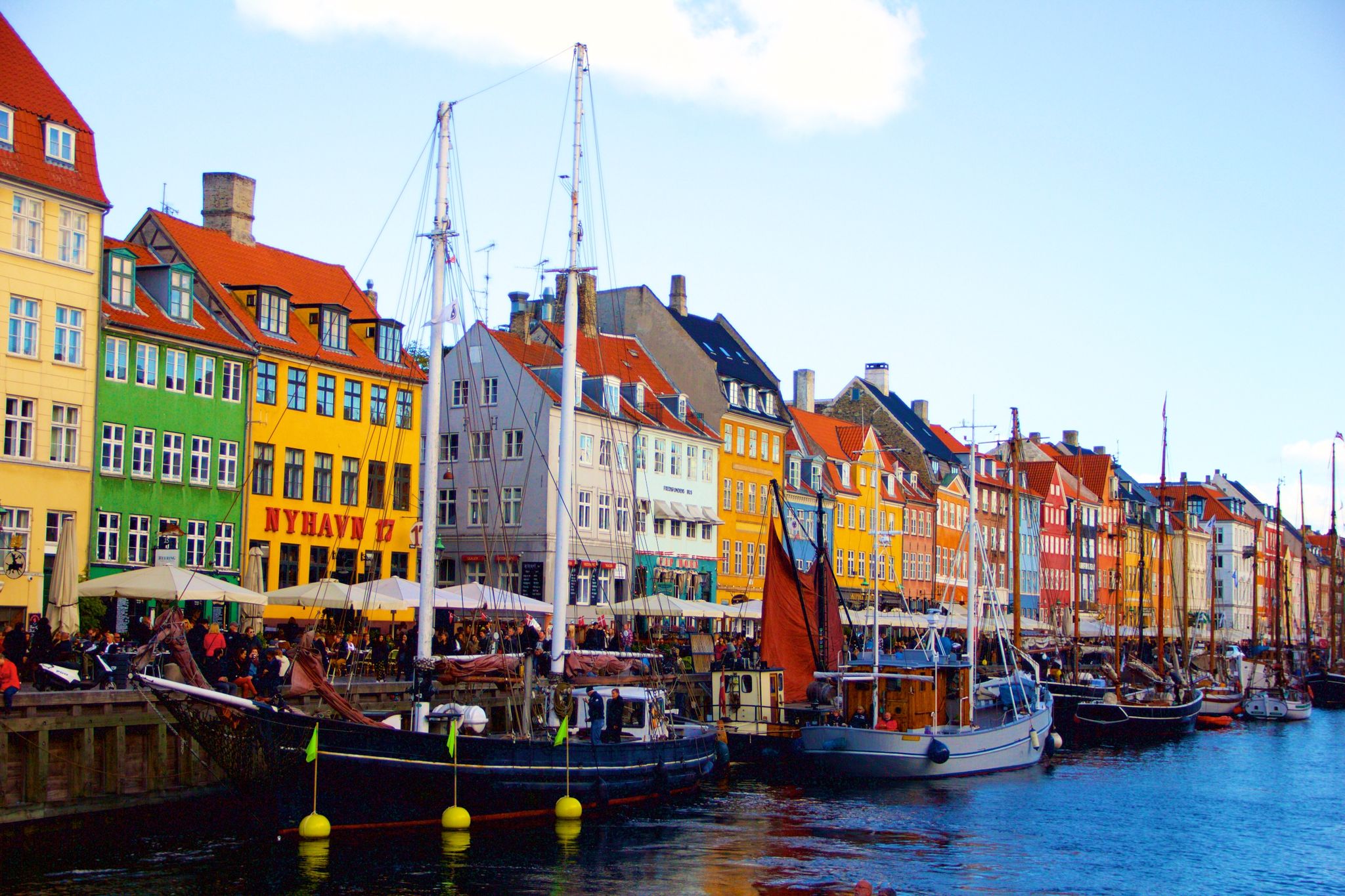
Berlin. Fehmarn. Copenhagen. An adventure on two wheels.
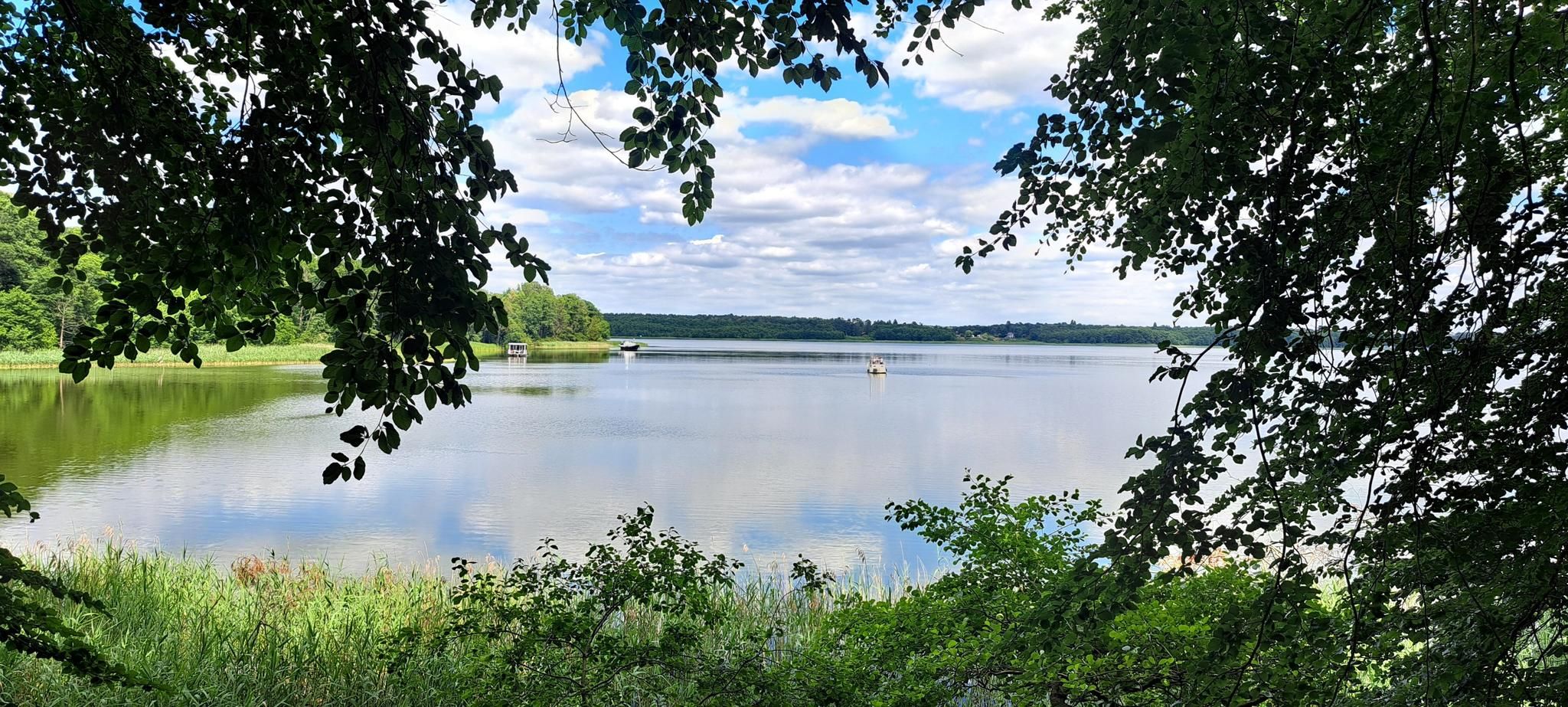
The National Natural Landscapes in Brandenburg
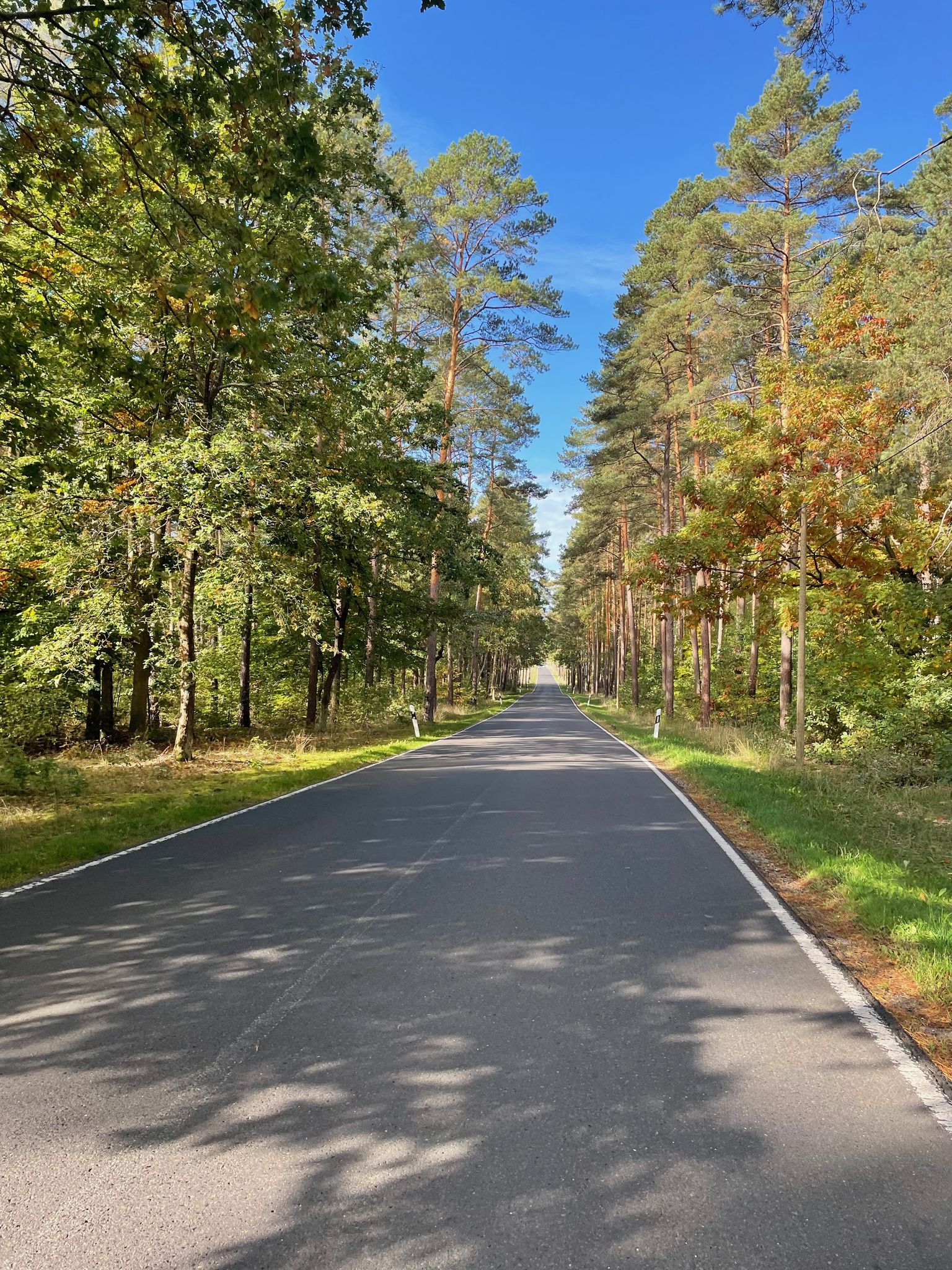
The Glacial Series of the Uckermark – bikepacking north of Berlin
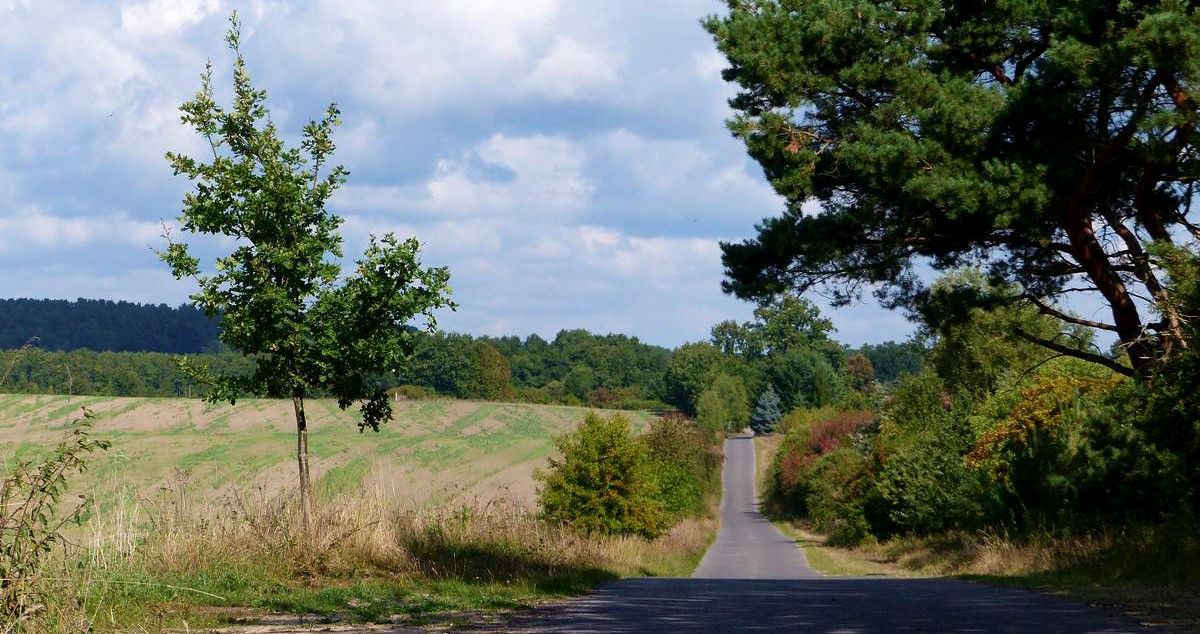
Cycling the Ice Age Route in the Mecklenburg Lake District
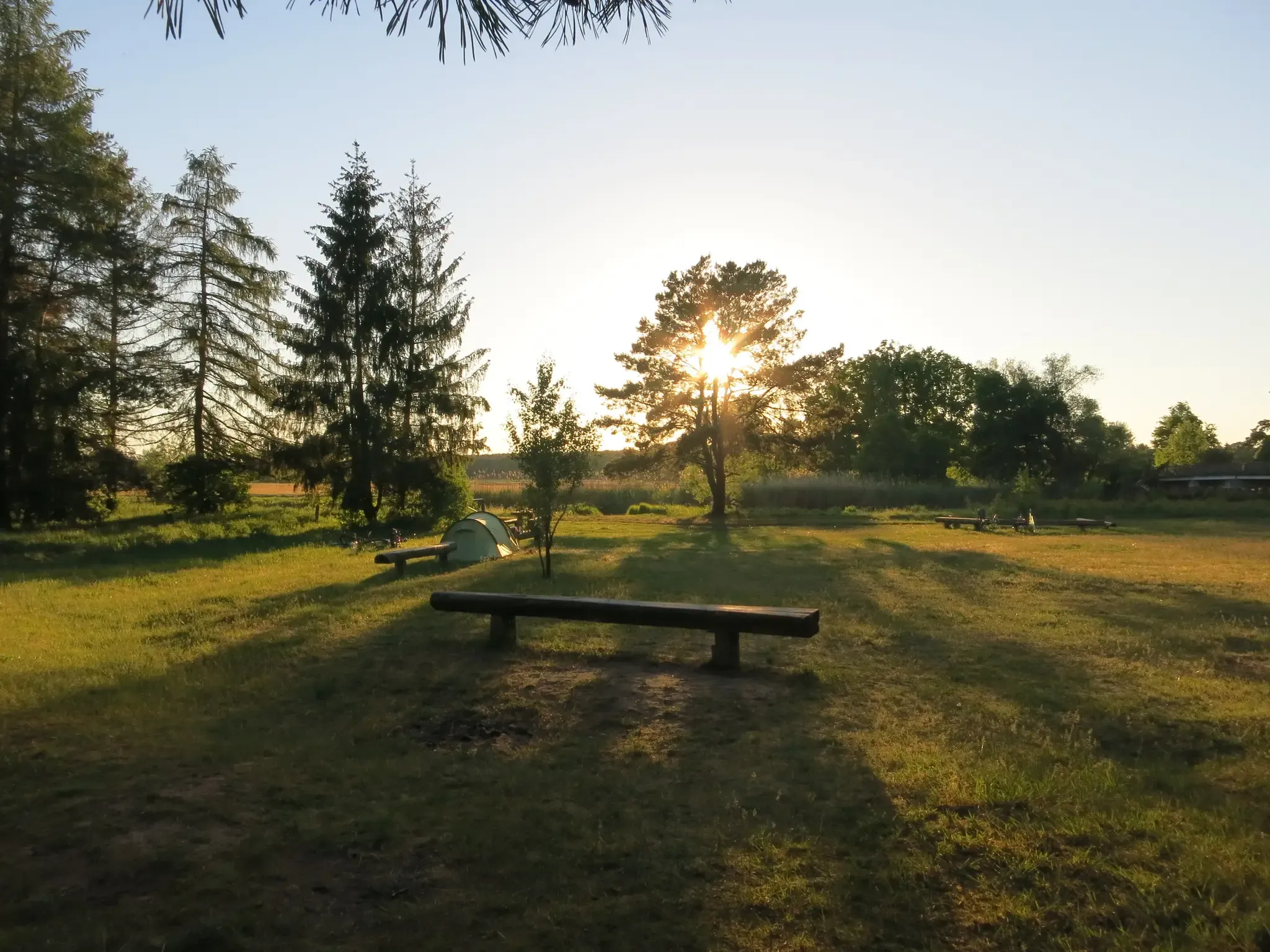
Natural campsites around Berlin
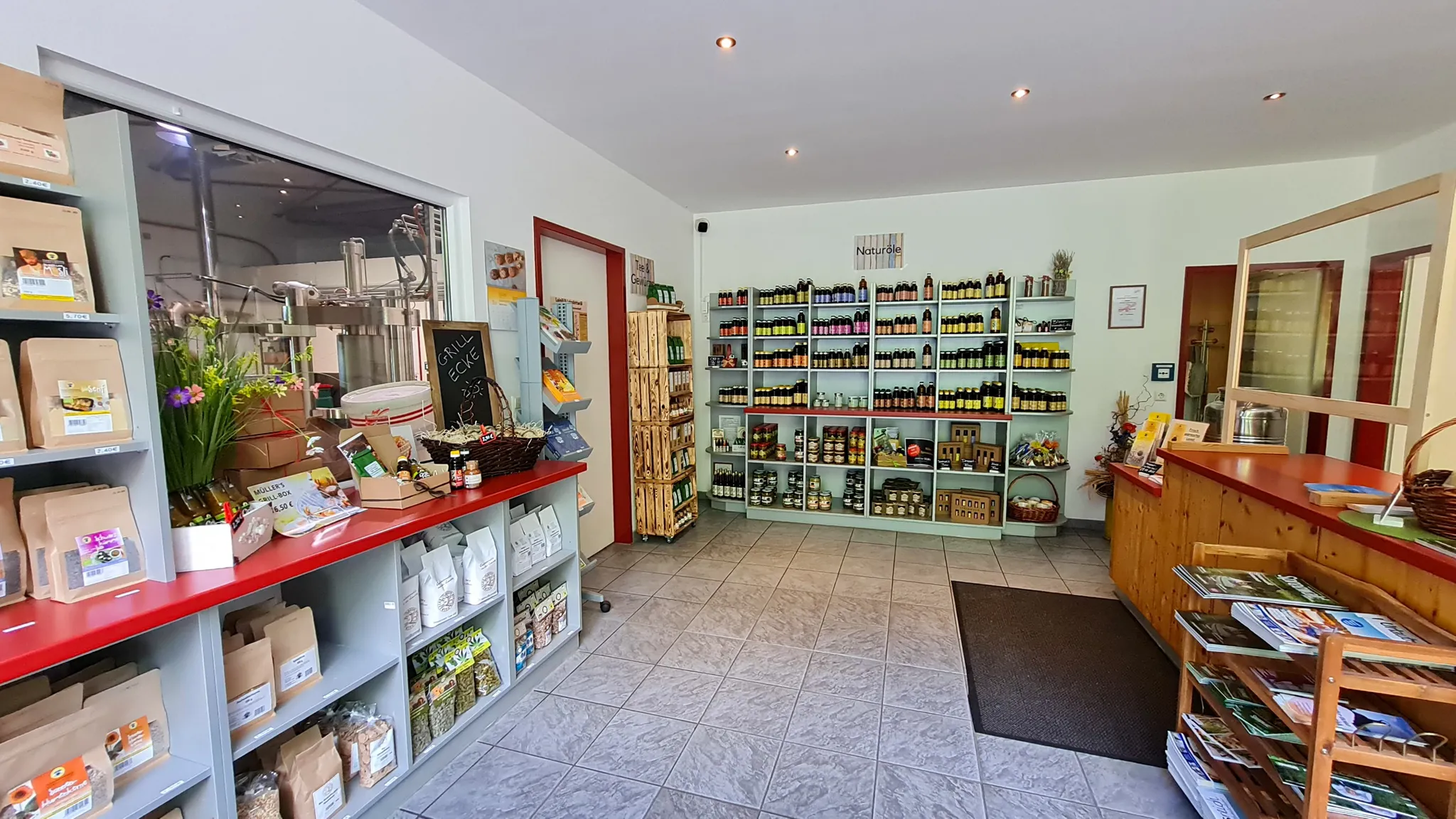
Farm shops in Brandenburg
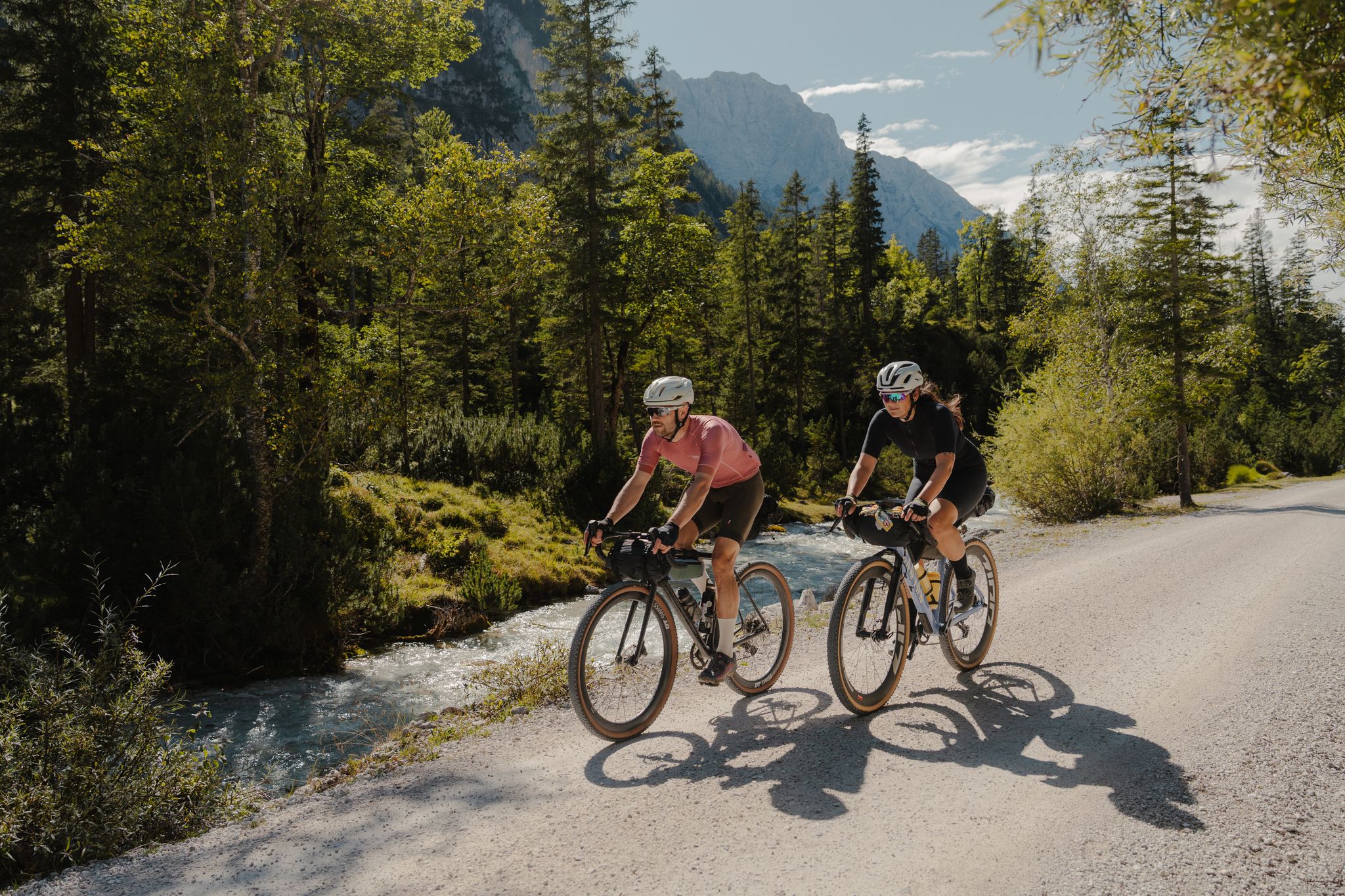
Schotterglück und Overnight-Abenteuer – Graveln mit Roeckl Sports
Other adventures around Fürstenberg/Havel


Tips from the Community

History of the Prussian nobility (von Arnim) and their activities for "modern" products, such as silkworm breeding on mulberry trees, introduced by the Huguenots. Today, these trees are valuable because they are relatively well adapted to the climate.
1
0


Were planted for silk production.
3
0


Beautiful shore path and a great bathing spot on the eastern shore in Menz
3
0
Unique plants and information boards
2
1

The silk construction in Zernikow goes back to Michael Gabriel Fredersdoff, the secret treasurer of Friedrich II. “Fredersdorff took on”, as we read in Fontane, “a fondness for silk production. Gardens and paths were planted with mulberry trees (there were already eight thousand of them in 1747) and the following year he had a net yield from the reeled silk for the first time..." In addition to the mulberry trees, whose leaves are needed as food for the silkworms, the house at Dorfstraße No. 18 also bears witness to the silk production that was once operated in Zernikow. This building was originally built to breed silkworms or to extract silk. Unfortunately, it is not known how long silkworms were bred in Zernikow. The only thing that is certain is that as early as 1777, Fredersdorff's widow, Frau von Labes, converted the silk house into a "hospital" for the poor, the elderly and those unable to work. The term "hospital" for the former silk house has survived to this day. The Maulbeerallee in Zernikow is a real treasure. Both botanically and culturally. Far and wide there is no longer a comparable, connected row of trees. In 1751, Michael Gabriel Fredersdorff had mulberry trees planted on the road to the Zernikow mill after he had received the Zernikow estate as a gift from Friedrich II (personally) a few years earlier. And while he was at it, good Herr Fredersdorff also had more avenues of beech, poplar, linden, chestnut and elm trees planted around Zernikow. All are still more or less well preserved.
2
0
Frequently Asked Questions
What types of natural monuments can I explore around Fürstenberg/Havel?
The region around Fürstenberg/Havel, known as Germany's only "water town," offers a diverse range of natural monuments. You'll find numerous interconnected lakes, the meandering Havel River, extensive forests, and notable ancient trees. These features create a picturesque landscape ideal for outdoor activities and tranquil exploration.
Are there any unique natural features besides lakes and forests?
Yes, beyond the prominent lakes and forests, you can discover unique features like the Mulberry Avenue of Zernikow, where some trees are over 200 years old and were originally planted for silk production. Another interesting spot is the Schleusenwiese Wet Meadow, part of the Roofensee Moor Experience Trail, which is a species-rich biotope with diverse flora and fauna.
What makes the lakes around Fürstenberg/Havel special?
The lakes are central to the region's identity. Lake Stechlin, for example, is renowned as one of Germany's cleanest and deepest lakes, with exceptional water clarity. Other lakes like Röblinsee, Baalensee, and Schwedtsee contribute to the area's unique "water town" character, offering stunning views and various recreational opportunities.
What outdoor activities can I enjoy near the natural monuments?
The natural monuments provide a fantastic setting for a wide range of outdoor activities. You can enjoy hiking, cycling, swimming, fishing, canoeing, boating, and sailing. The extensive forests and lake shores offer numerous well-marked trails for all levels of activity. For more detailed routes, you can explore hiking trails, running trails, and road cycling routes around Fürstenberg/Havel.
Where can I go for wild swimming or bathing?
Many of the lakes in the region are excellent for swimming. Lake Stechlin is particularly popular for its crystal-clear waters and beaches. Peetschsee and Lake Roofensee also offer pleasant bathing spots, often with fewer crowds, making them ideal for a refreshing dip.
Are there family-friendly natural monuments suitable for children?
Absolutely! Many natural monuments are great for families. Peetschsee has an approximately 8 km loop trail that is well-organized and suitable for walks with children, with opportunities for swimming. Lake Roofensee also features a beautiful circular route with easy paths. The Mulberry Avenue of Zernikow offers a unique historical and botanical experience that can be interesting for all ages.
Are the natural monuments around Fürstenberg/Havel accessible for everyone?
While the natural landscape varies, many areas are designed for accessibility. For instance, the pathways around Peetschsee are described as well-organized. Generally, the region's extensive network of trails through forests and along lake shores includes options suitable for various mobility levels, though some natural paths may be uneven. It's always advisable to check specific trail conditions if accessibility is a primary concern.
When is the best time of year to visit the natural monuments in Fürstenberg/Havel?
The best time to visit depends on your preferred activities. Spring brings colorful meadows and blooming flora, while summer is ideal for swimming, boating, and enjoying the lakes. Autumn offers vibrant foliage in the forests, perfect for hiking and cycling. Even winter can be beautiful for tranquil walks, especially for winter hiking enthusiasts, though some water-based activities will be limited.
Do any natural monuments in the region have historical significance?
Yes, several natural monuments carry historical weight. The ancient oak trees designated as natural monuments in districts like Bredereiche serve as living historical landmarks. The Mulberry Avenue of Zernikow is a unique site with trees over 200 years old, planted for silk production, reflecting a historical industry. Additionally, the Schwedtsee borders the Ravensbrück concentration camp memorial site, blending natural reflection with profound historical significance.
What do visitors enjoy most about the natural monuments in Fürstenberg/Havel?
Visitors frequently praise the tranquility and scenic beauty of the region. The clear waters of lakes like Lake Stechlin and the well-maintained trails around Peetschsee are highly appreciated. Many enjoy the diverse recreational opportunities, from peaceful walks through ancient forests to invigorating swims, and the unique charm of the "water town" setting.
Are the natural monuments dog-friendly?
Yes, many natural areas around Fürstenberg/Havel are dog-friendly. For example, the loop trail around Peetschsee is highly recommended for dogs, offering plenty of opportunities for them to cool off and swim. When visiting, always ensure your dog is under control and be mindful of local regulations regarding leashes, especially in nature reserves or protected areas.
Are there cafes or places to eat near the natural monuments?
Yes, you can often find places to eat or grab a coffee near popular natural monuments. For instance, near Lake Stechlin, there's a fishing smokehouse where you can enjoy fresh fish dishes. Many of the larger lakes and towns like Fürstenberg/Havel itself offer various dining options, from small cafes to restaurants, often with scenic views.
Most popular routes around Fürstenberg/Havel
Most popular attractions around Fürstenberg/Havel

Get inspired with the komoot mobile app


Explore more
Extend your search for the best caves by checking out these guides of the top ones around Fürstenberg/Havel:
