Top 20 Natural Monuments around Großdubrau
Natural monuments around Großdubrau, situated in the Bautzen district of Saxony, showcase the region's diverse natural landscape. The area features unique geological formations and extensive pond landscapes, characteristic of the Upper Lusatian Heath and Pond Landscape. Visitors can explore significant natural features, including prominent rock formations and protected nature reserves. This region offers various opportunities to experience its natural environment.
Best natural monuments around Großdubrau
- The most popular natural monuments is Birdwatching Tower at Brösaer Pond, a viewpoint that…
Last updated: May 28, 2026
Devil's Stone, Hohe Dubrau
Highlight • Summit
Translated by Google •
Tip by

House of a Thousand Ponds (Haus der Tausend Teiche)
Highlight • Rest Area
Translated by Google •
Tip by

Sign up now to discover places like this
Get recommendations on the best single tracks, peaks, & plenty of other exciting outdoor places.
Sign up for free
Birdwatching Tower at Brösaer Pond
Highlight • Viewpoint
Old Watermill Obergurig
Highlight • Monument
Translated by Google •
Tip by

Seven Wendish Kings Steles
Highlight • Monument
Translated by Google •
Tip by

Sign up for free to discover even more natural monuments around Großdubrau.
Sign up for free
Already have an account?
Start today with a free account
Your next adventure awaits.
Login or Signup
Other adventures around Großdubrau

Tips from the Community

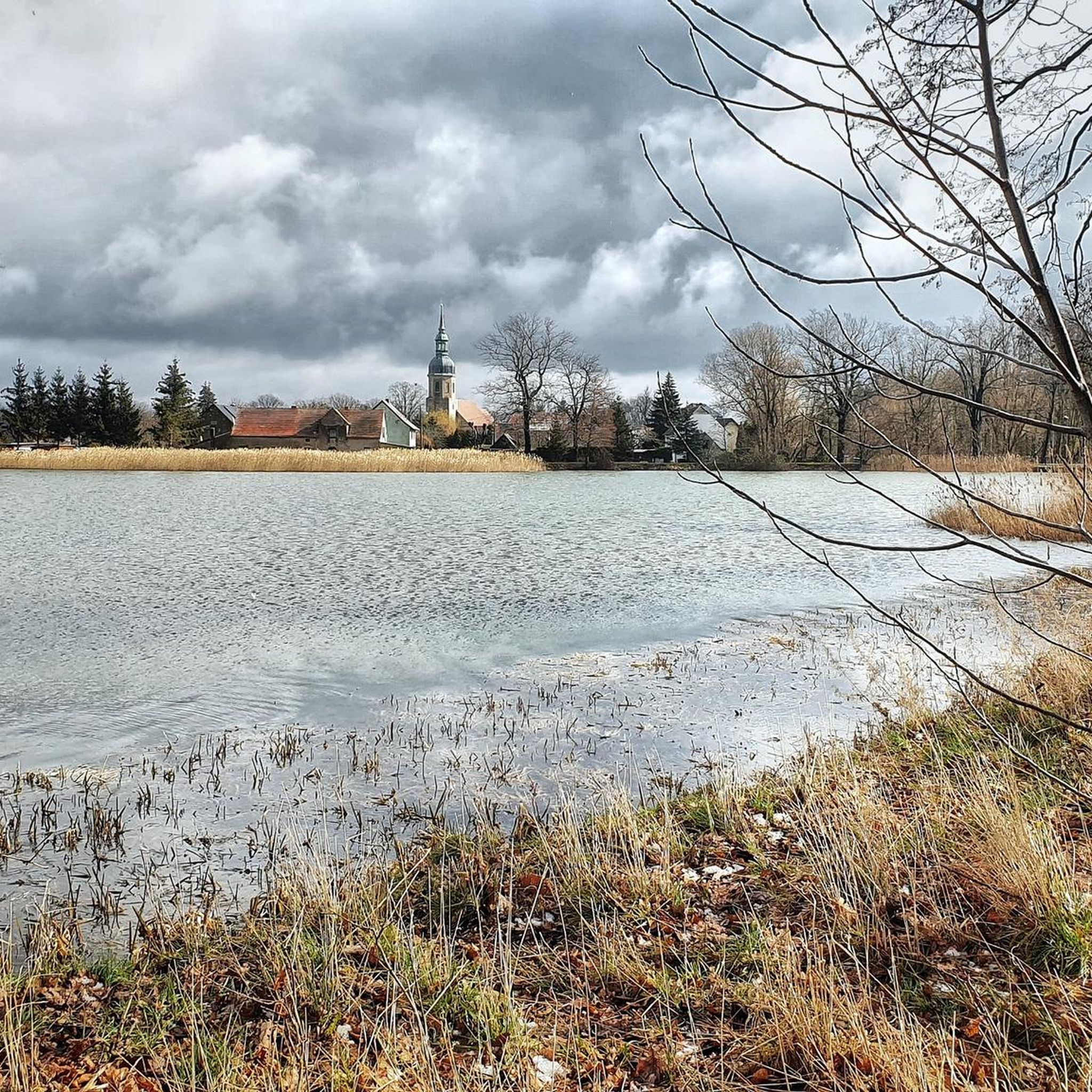
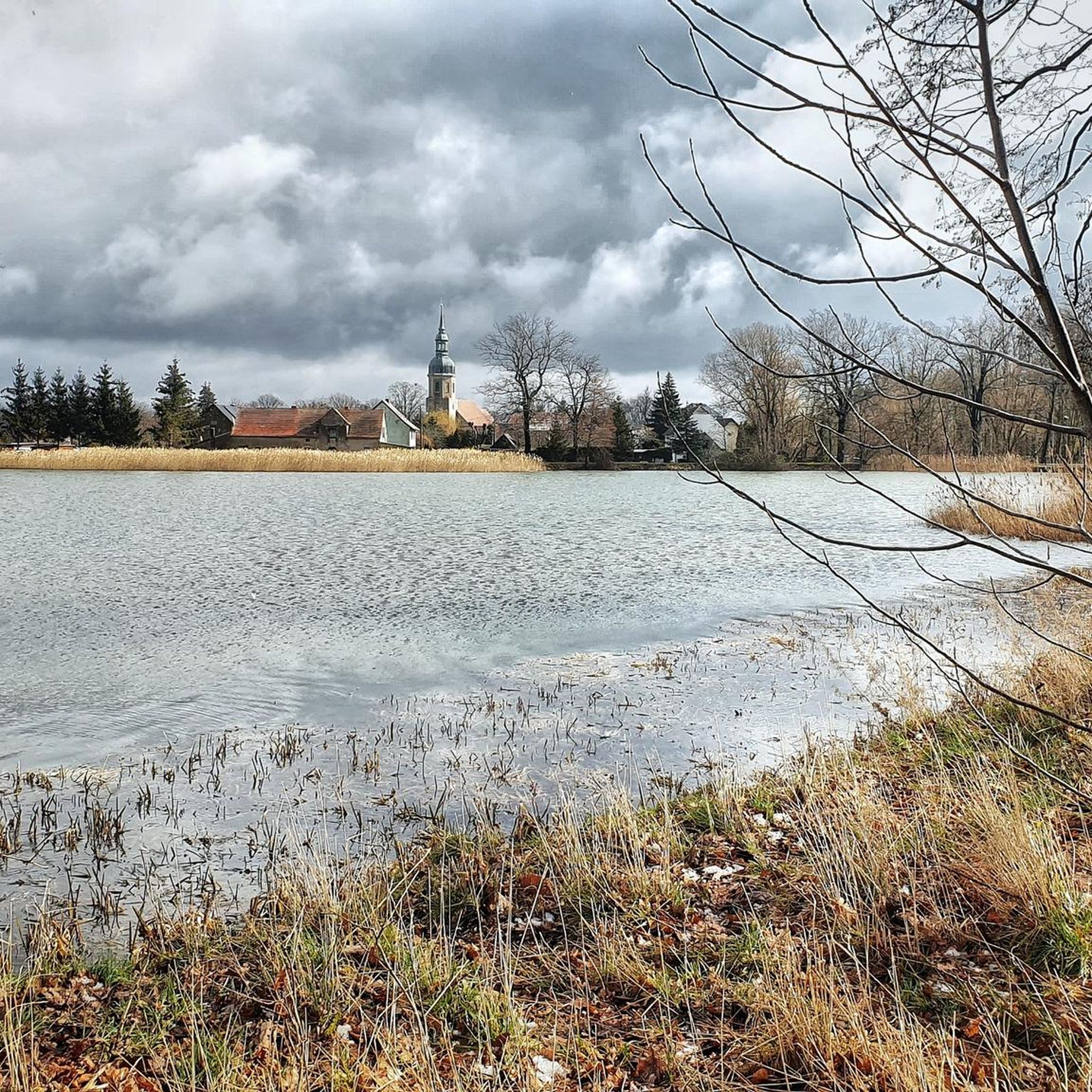
The UNESCO Biosphere Reserve Upper Lusatian Heath and Pond Landscape is located in eastern Saxony. The 300-square-kilometer area is the largest contiguous pond area in Germany. Ponds, moors, heaths, and dunes provide a protected habitat for endangered animal and plant species. At the House of a Thousand Ponds in Malschwitz, you can learn fascinating facts about the region and its unique natural environment. Further information: https://nationale-naturlandschaften.de/gebiete/biosphaerenreservat-oberlausitzer-heide-und-teichlandschaft
2
0

The location is slightly out of the way and therefore wonderfully quiet. Perfect for observing animals over water and meadows.
1
0

Today a tourist restaurant.
1
0

Always worth a visit. Relax and enjoy nature!!
3
0

From the tower you can look very well over the Brösaer Teich and watch the animals
1
0
This map with the pond landscape and the other sights hangs on the observation tower
0
0

According to an old Sorbian legend, seven kings are said to have been conferring here on seven stone blocks on the "Lubin" when the Germans invaded the country of the Sorbs. The fight that followed was very bloody. The battle was lost for the Sorbs, with all seven kings losing their lives. They were buried on the mountain together with their crowns and seven blocks were rolled onto their graves, which the Germans interpreted as thrones. Similar to the Kyffhäuser legend, they should now wait under the mountain for the day when their people will call them for help.
0
0

Nice gastronomy with old cultural technology (= water mill). Even if the mill is unfortunately no longer functional.
2
0
Frequently Asked Questions
What unique geological formations can I explore around Großdubrau?
The region is known for its distinctive geological features. A prominent example is the Devil's Stone, Hohe Dubrau, which is the highest elevation in the Upper Lusatian heath and pond area. It offers a tranquil spot for rest amidst its unique rock formations. The Königshainer Berg, with its impressive rock formations, is also recognized as a significant natural monument in the wider area.
Are there any significant nature reserves or protected areas near Großdubrau?
Yes, Großdubrau is part of the UNESCO Biosphere Reserve Upper Lusatian Heath and Pond Landscape. This vast area, spanning 300 square kilometers, is Germany's largest contiguous pond landscape. It serves as a crucial protected habitat for numerous endangered animal and plant species, encompassing a diverse ecosystem of ponds, moors, heaths, and dunes. The House of a Thousand Ponds in Malschwitz acts as an information center for visitors.
What family-friendly activities are available at the natural monuments?
Several natural monuments offer family-friendly experiences. The House of a Thousand Ponds is a visitor center where families can learn about the region's nature. The Birdwatching Tower at Brösaer Pond is ideal for observing local bird species and the pond area's flora and fauna. Additionally, the Seven Wendish Kings Steles offer scenic views along a route that is suitable for families.
What historical or cultural sites are integrated with the natural monuments?
The region beautifully blends natural beauty with historical significance. The Seven Wendish Kings Steles are stone sculptures linked to the Drohmberg legend, offering both natural views and a cultural story. The Old Watermill Obergurig, while a man-made monument, is set amidst natural surroundings and features a still-running water wheel, providing a glimpse into historical technology.
Are there opportunities for birdwatching in the area?
Yes, the Birdwatching Tower at Brösaer Pond is specifically designed for observing local bird species. From this viewpoint, you can gain an excellent overview of the pond area's diverse flora and fauna, making it a prime spot for nature enthusiasts and birdwatchers.
What kind of hiking routes can I find near Großdubrau's natural monuments?
The picturesque forests and gentle hills around Großdubrau are ideal for hiking, especially in spring and autumn. While specific hiking routes directly linked to individual natural monuments are not detailed, the region offers various trails. For more general hiking information, you can explore the Natural Monuments around Großdubrau guide for potential routes that pass by these sites.
What is the best time of year to visit the natural monuments around Großdubrau?
The region's natural monuments are particularly appealing in spring and autumn. During these seasons, nature is vibrant, offering beautiful colors and pleasant temperatures for exploring the forests, pond landscapes, and geological formations. Spring brings new growth and bird activity, while autumn showcases stunning foliage.
Are there cycling opportunities near the natural monuments?
Yes, the area around Großdubrau offers various cycling opportunities. You can find numerous routes for different cycling styles. For example, there are Road Cycling Routes, Gravel Biking routes, and general Cycling routes that allow you to explore the wider landscape, including areas near the natural monuments and pond landscapes.
What do visitors particularly enjoy about the natural monuments in Großdubrau?
Visitors appreciate the tranquility and unique natural beauty of the area. Many enjoy the opportunity to rest among the rock formations at the Devil's Stone and the scenic views along paths like those near the Seven Wendish Kings Steles. The chance to observe local wildlife from the Birdwatching Tower is also a highlight for many.
Is the House of a Thousand Ponds accessible for everyone?
Yes, the House of a Thousand Ponds (Haus der Tausend Teiche) is listed as wheelchair accessible. It serves as a visitor center for the UNESCO Biosphere Reserve, providing information and facilities that cater to a wide range of visitors, ensuring a comfortable experience for all.
Are there any natural monuments with a connection to local legends?
Absolutely. The Devil's Stone, Hohe Dubrau, is steeped in local folklore, with a legend about the devil mending his pants on the rock, leaving behind imprints. Similarly, the Seven Wendish Kings Steles are stone sculptures that commemorate the Drohmberg legend of the seven slain Wenden kings, adding a mythical dimension to the natural landscape.
Can I find places to eat or stay near the natural monuments?
While specific cafes or accommodations directly at every natural monument are not detailed, the Old Watermill Obergurig houses a restaurant, offering a unique dining experience. For broader options, the village of Großdubrau and surrounding towns provide various cafes, pubs, and accommodation choices, allowing visitors to stay close to the natural attractions.
Most popular routes around Großdubrau
Most popular attractions around Großdubrau

Get inspired with the komoot mobile app


Explore more
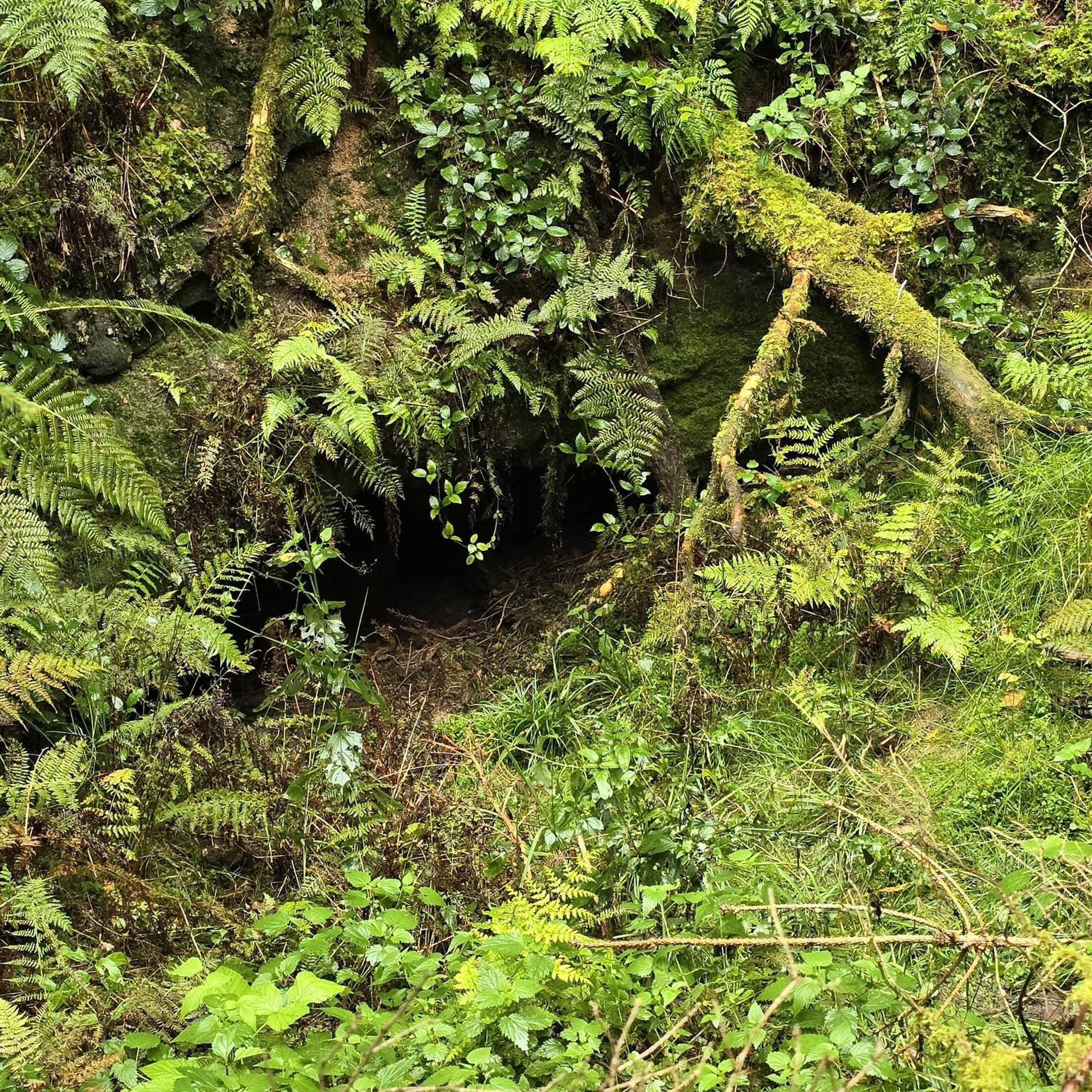
Extend your search for the best caves by checking out these guides of the top ones around Großdubrau:
