Top 20 Natural Monuments around Oßling
Best natural monuments around Oßling offer a diverse natural landscape in the Bautzen district of Saxony. The region is characterized by its unique bog complexes, extensive forests, and numerous pond areas. These natural attractions provide opportunities to explore varied ecosystems and observe local wildlife. Oßling serves as a gateway to experiencing Upper Lusatia's natural heritage.
Best natural monuments around Oßling
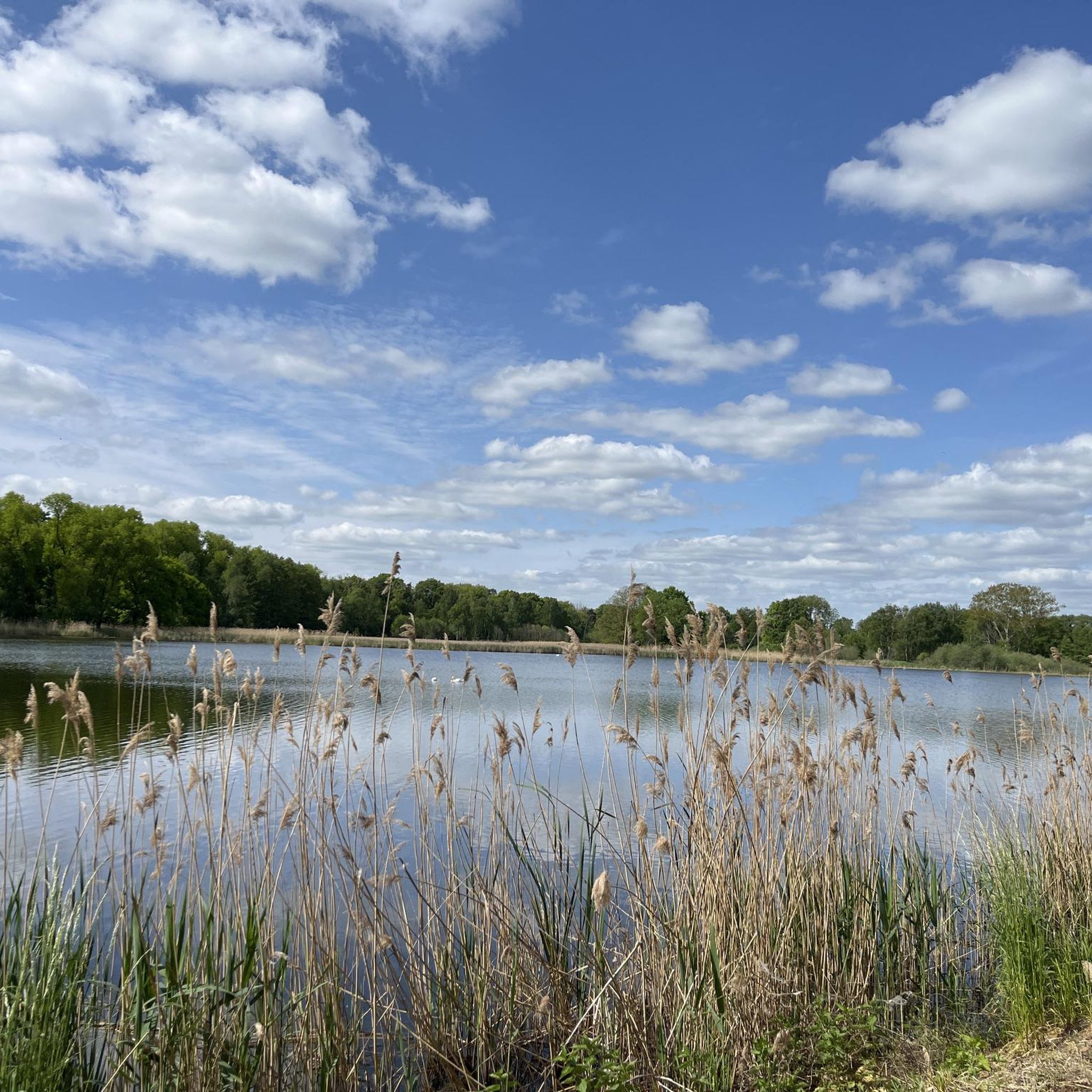
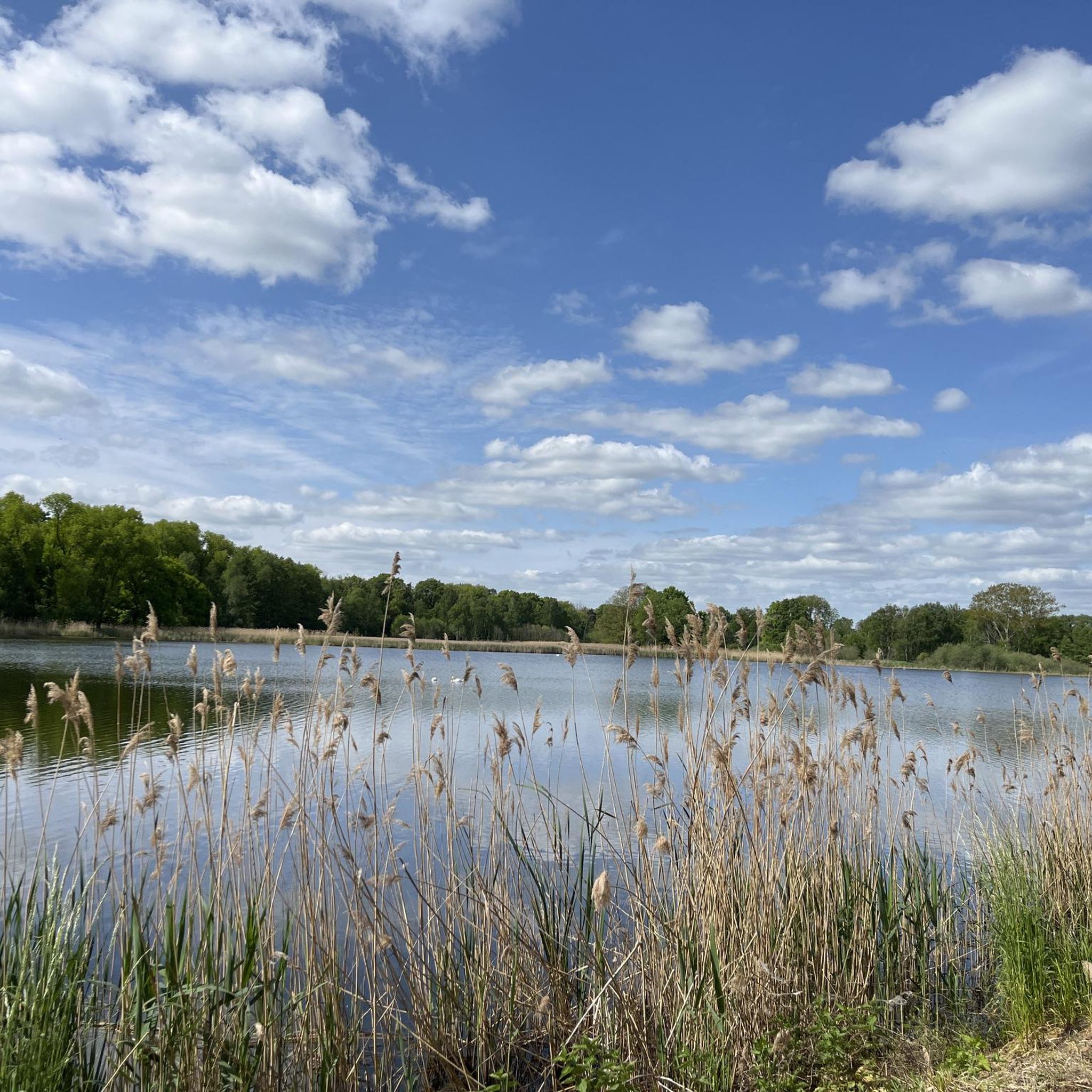
- The most popular natural monuments is Biehla-Weißig Pond Area Nature Reserve, a lake area with moist forest sections. This…
Last updated: May 12, 2026
Dubringer Moor Observation Tower
Highlight • Viewpoint
Translated by Google •
Tip by

Hutberg, Kamenz
Highlight • Viewpoint
Translated by Google •
Tip by

Sign up now to discover places like this
Get recommendations on the best single tracks, peaks, & plenty of other exciting outdoor places.
Sign up for free
Biehla Swamp Ringwork
Highlight • Historical Site
Translated by Google •
Tip by

Biehla-Weißig Pond Area Nature Reserve
Highlight (Segment) • Lake
Translated by Google •
Tip by

Miltitzer Frog
Highlight • Natural Monument
Translated by Google •
Tip by

Sign up for free to discover even more natural monuments around Oßling.
Sign up for free
Already have an account?
Start today with a free account
Your next adventure awaits.
Login or Signup
Tips from the Community

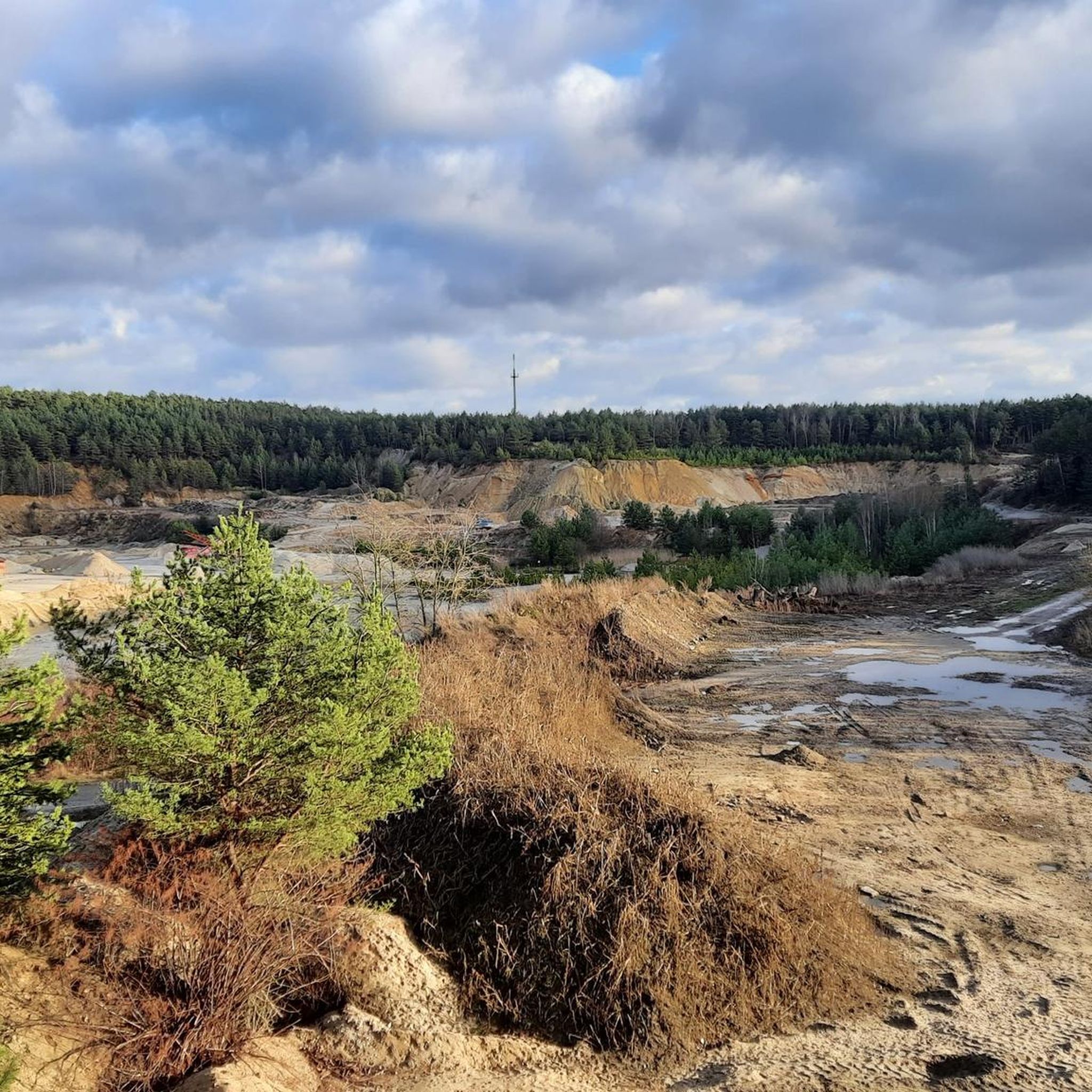
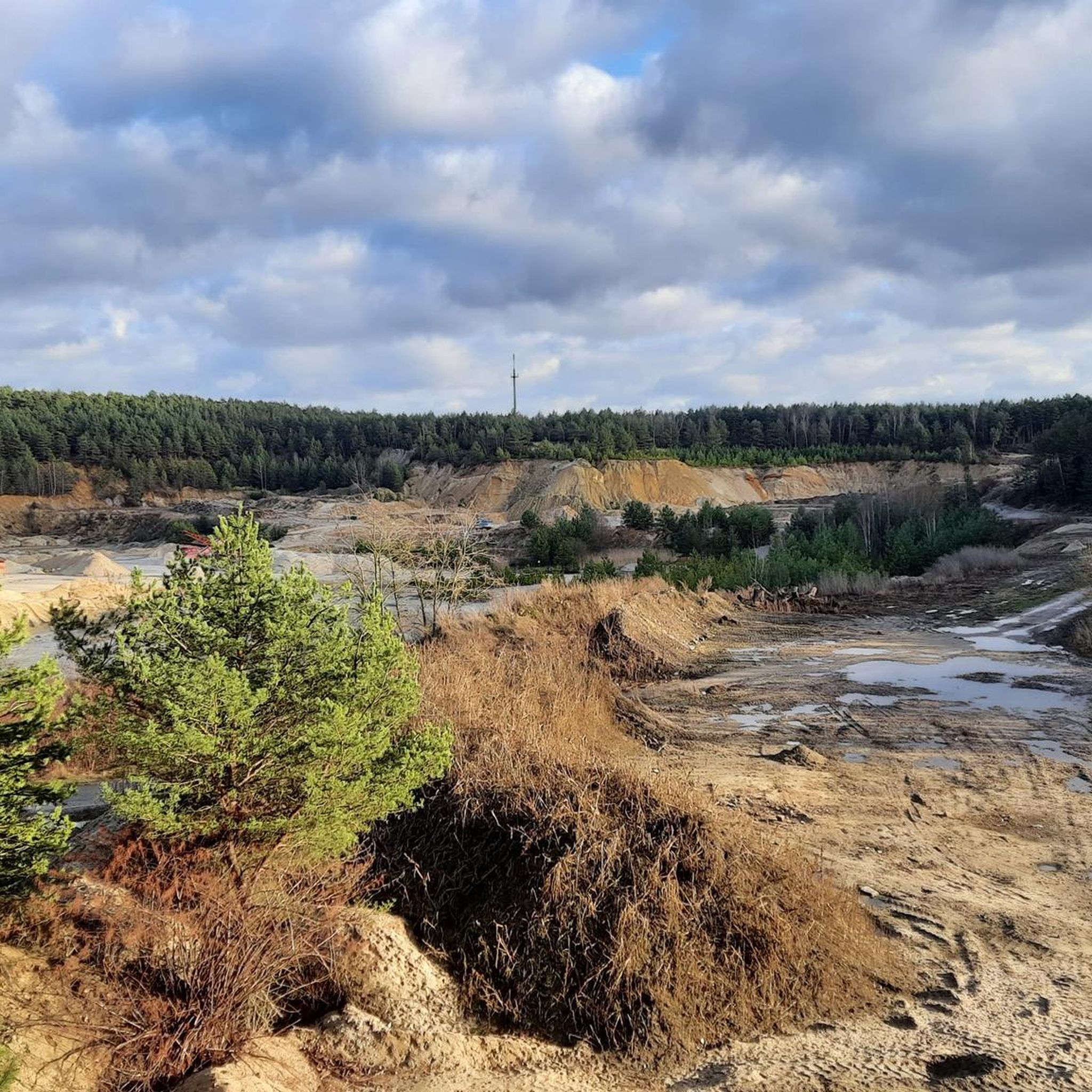
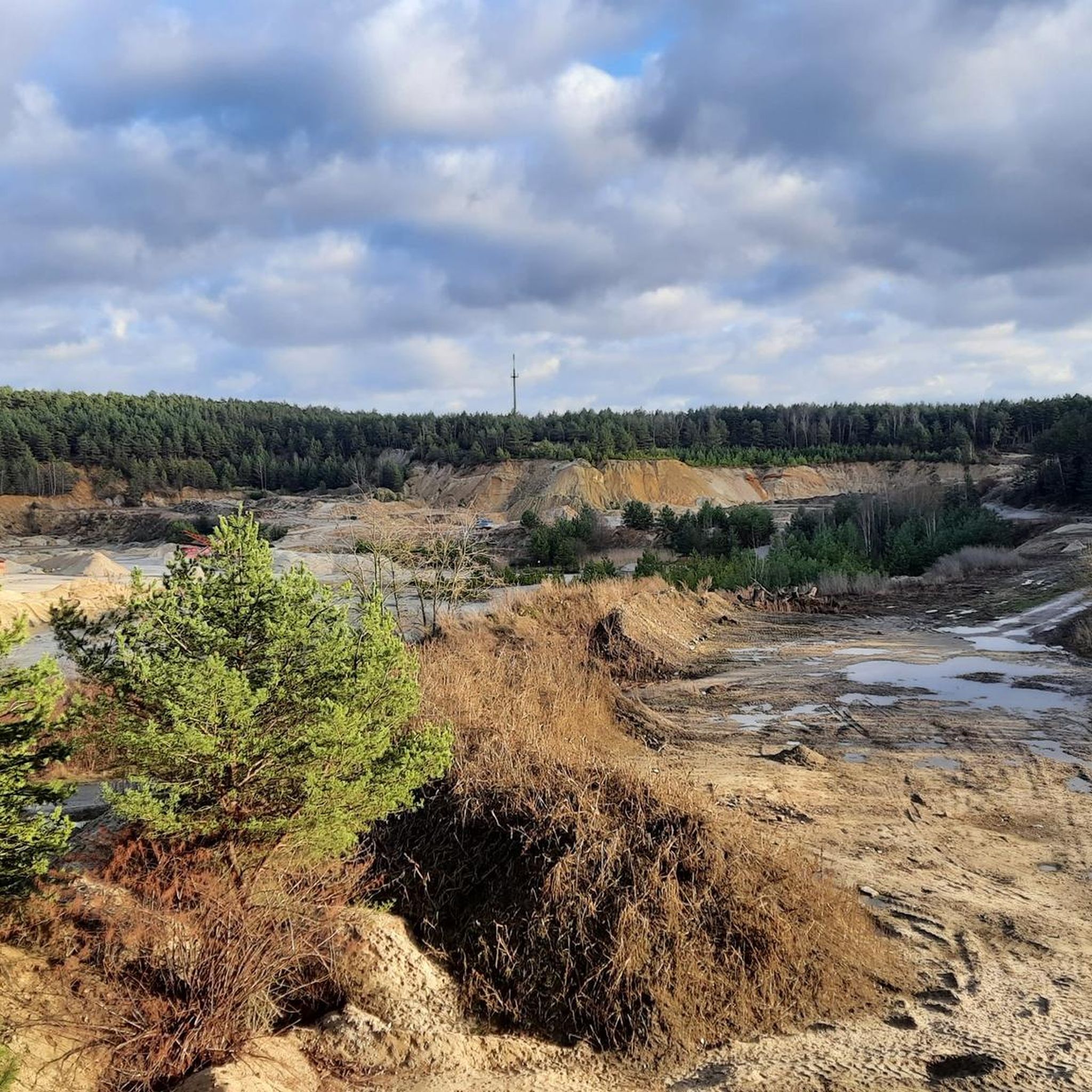
To the west of the city, the Hutberg rises about 100 meters above the old town, 294 meters above sea level. The name of the mountain is not derived from the hat, but from the herding of sheep. It was intended to protect the trade route, the so-called "Via Regia," which runs across Europe from Ukraine to Spain. Source: https://kamenz-entdecken.de/entdecken/natur/hutberg#denkmale
0
0


Beautiful at any time of year but of course most beautiful in spring.
1
0

Here you can let your gaze wander over the moor – it's best to take binoculars with you.
11
0

Please keep the area clean ✌🏻
0
0

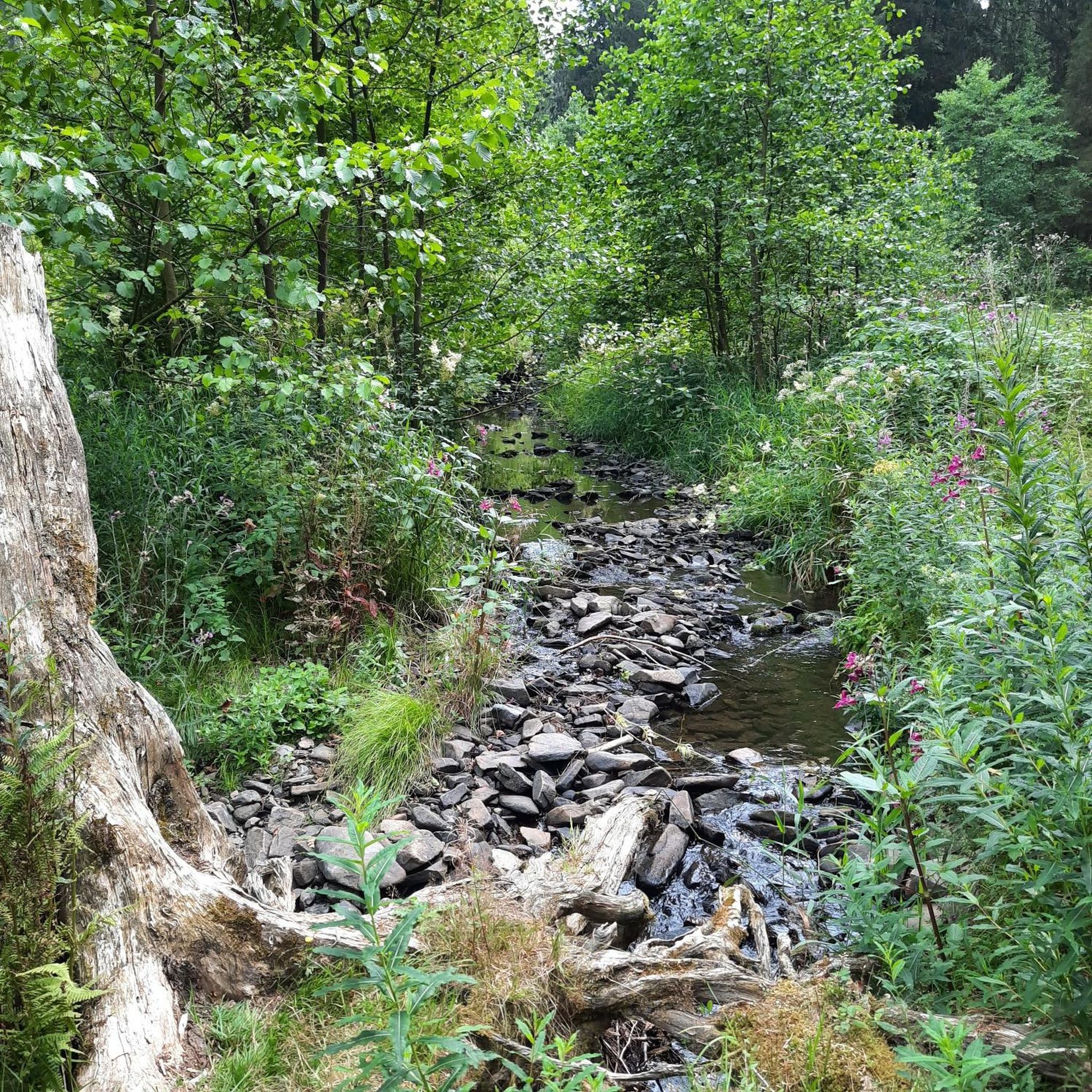
Nature and monument protection not only have common traditions, but are often also linked by common interests. The workshop focuses on this interaction between nature conservation and archaeological monument preservation and follows an event in Dresden's Blockhaus, which in 2012 under the title "Nature conservation and archeology - an unusual partnership?" already discussed synergies between nature conservation and monument preservation. What was mainly presented there in general is now being substantiated at an endangered monument, the Biehla swamp hill. The ring wall is now in the FFH area "Teichgebiet Biehla-Weissig" and is one of the few sites in Saxony where organic remains have been preserved through the preservation of wet soil. During excavations in the years 2000-2003, a variety of findings and finds were found near the surface, including prehistoric wood in the original position of house and wall constructions. A rare species of orchid also grows inside the swamp. The preservation of the nature-protected condition of the wet meadow from the natural succession of an alder swamp forest not only prevents the archaeological finds from being penetrated by young trees and reeds, but also helps to preserve the rare plants. The focus of the workshop is therefore the development of a protection concept that can do justice to all interests. In addition to the archaeological heritage, nature conservation aspects as well as water management and pond management will also be presented in the lectures. The workshop is held in cooperation with the Saxony State Office for Archeology, the Saxony State Office for the Environment, Agriculture and Geology, the district of Bautzen (West Lusatia Museum, Lower Nature Conservation Authority, Lower Monument Protection Authority), the Lessingstadt Kamenz, the municipality of Schönteich, the Pro Archaeologia Saxoniae Foundation , the Archaeological Society in Saxony e.V. (AGiS e.V.) and the State Association of Saxon Homeland Protection e.V. Source: https://www.lanu.de/de/veranstaltung/die-sumpfschanze-von-biehla-ein-herausragendes-a/2015-04-25/eid/ODM0
1
0

The Sumpfringwall (not Sumpfschanze) is, as the table describes, a former castle wall from 700 BC. and was settled by only a few generations after it was destroyed by a great fire.
1
0

The Hutberg, a landmark of the city of Kamenz, is the northern foothills of the northwest Lusatian hills, with a height of about 294 m above sea level. The Hutberggasstätte on the mountain offers the guest a well-stocked, extensive, plentiful range of food and drinks in a reasonable price range . The staff is always friendly and accommodating, despite the sometimes large rush. The restaurant is not only known among hikers, but also specializes in family celebrations of all kinds and is known far beyond the borders.
1
0
Frequently Asked Questions
What are the most prominent natural monuments to visit around Oßling?
The region around Oßling is known for its unique natural areas. Key highlights include the Dubringer Moor Observation Tower, which offers expansive views over one of Upper Lusatia's largest bog complexes. Another significant site is the Biehla-Weißig Pond Area Nature Reserve, a tranquil lake area with diverse flora and fauna.
What kind of wildlife can I expect to see in the natural monuments around Oßling?
The Dubringer Moor, a major natural monument in the area, is a haven for diverse wildlife, especially birdlife. You might spot species such as the Common Snipe, White-tailed Eagle, European Stonechat, Red-backed Shrike, and Common Crane. Kingfishers, grey-headed woodpeckers, and various waders are also present. The observation tower at Dubringer Moor is an excellent spot for birdwatching.
Are there family-friendly natural monuments or activities around Oßling?
Yes, several natural monuments are suitable for families. The Dubringer Moor Observation Tower offers an engaging experience for all ages with its birdwatching opportunities. The Biehla-Weißig Pond Area Nature Reserve provides tranquil paths suitable for family walks amidst nature. Additionally, the Hanka Spring, with its Sorbian legend, can be an interesting stop for families.
What historical or cultural sites are integrated with the natural monuments?
The region uniquely blends natural beauty with historical significance. The Biehla Swamp Ringwork is a historical site featuring remains of an ancient refuge set within a natural swamp area. The Dubringer Moor itself contains an important archaeological monument, the approximately 2500-year-old Iron Age fortification known as "Versunkene Schloss" ("submerged Castle"). The Hanka Spring is also tied to a local Sorbian legend.
What are the best outdoor activities to do near the natural monuments around Oßling?
The natural monuments around Oßling are ideal for various outdoor activities. You can enjoy extensive walking and cycling on the network of paths within the Dubringer Moor. For more structured routes, consider exploring the road cycling routes, running trails, or gravel biking routes available in the wider Oßling area.
Are there specific hiking or walking trails recommended near these natural monuments?
Yes, the Dubringer Moor offers an extensive network of paths suitable for walking and cycling, allowing you to immerse yourself in the unique bog and pond landscapes. For dedicated running, routes like the 'Deutschbaselitz Great Pond – Old Pond Dam loop' are available. You can find more detailed options on the running trails guide for Oßling.
What makes the Dubringer Moor a significant natural monument?
The Dubringer Moor is one of the largest surviving bog complexes in Upper Lusatia and holds status within the Natura 2000 network of protected areas. It features diverse ecosystems, including intermediate and low-moor bogs, extensive forests, grasslands, and numerous fish ponds. Its ecological importance and rich biodiversity, particularly for birdlife, make it a significant natural heritage site.
What do visitors enjoy most about the natural monuments in this region?
Visitors particularly appreciate the tranquil outdoor experiences and the opportunity for nature observation. The Dubringer Moor Observation Tower is highly rated for its expansive views and birdwatching. The Biehla-Weißig Pond Area Nature Reserve is loved for its peaceful atmosphere and diverse flora and fauna, especially at sunset.
When is the best time to visit the natural monuments around Oßling?
While the natural monuments can be enjoyed year-round, spring and autumn often offer particularly beautiful experiences. Spring is ideal for observing the rhododendron bloom at Hutberg, Kamenz, and for birdwatching as migratory birds return. Autumn brings vibrant colors to the forests and bogs. Be aware that some tracks in the Dubringer Moor might be muddy or flooded due to high water levels, especially after heavy rain.
Are there any viewpoints offering panoramic scenery of the natural monuments?
Yes, the Dubringer Moor Observation Tower provides excellent panoramic views over the expansive moor landscape, perfect for birdwatching and surveying the unique bog environment. Another notable viewpoint is Hutberg, Kamenz, which offers a wonderful view of the surrounding area from its climbable tower.
Can I find information about the flora and fauna at these sites?
Yes, the Dubringer Moor is known for its diverse flora and fauna. At the entrance to the Dubringer Moor Observation Tower, you'll find a display board with information on the local wildlife and plant species. The Biehla-Weißig Pond Area Nature Reserve is also rich in diverse flora and fauna, offering great opportunities for nature observation.
What should I know before visiting the Dubringer Moor?
The Dubringer Moor is a large nature reserve with extensive paths suitable for walking and cycling. It's a prime location for birdwatching, so bringing binoculars is recommended. Be prepared for potentially muddy or flooded tracks, especially after rainfall, due to the nature of the bog landscape. An observation tower is available for elevated views.
Most popular routes around Oßling
Most popular attractions around Oßling

Get inspired with the komoot mobile app


Explore more
Extend your search for the best caves by checking out these guides of the top ones around Oßling:
