Top 20 Natural Monuments around Arnsdorf
Best natural monuments around Arnsdorf are found in a municipality within the district of Bautzen, Saxony, Germany. The region offers a landscape with natural heritage, including over 20 natural monuments. This area is characterized by its natural features and proximity to attractions like the Lohmener Klamm, providing diverse outdoor exploration opportunities. The municipality integrates natural elements into its community settings, offering serene spots for reflection and appreciation of nature.
Best natural monuments around Arnsdorf
- The most popular natural monuments is…
Last updated: July 22, 2026
Liebethaler Grund
Highlight (Segment) • Gorge
A relaxed walk from Liebetal via the old power station (water power) to the Wagner monument with music and via the Lochmühle (under renovation) to the Daubemühle.
Translated by Google •
Tip by

Historic Hydroelectric Power Plant in the Lohmener Klamm
Highlight • Monument
Translated by Google •
Tip by

Sign up now to discover places like this
Get recommendations on the best single tracks, peaks, & plenty of other exciting outdoor places.
Sign up for free
Wesenitz Waterfall at the Lochmühle
Highlight • Waterfall
Translated by Google •
Tip by

Priessnitz Waterfall
Highlight • Waterfall
Translated by Google •
Tip by

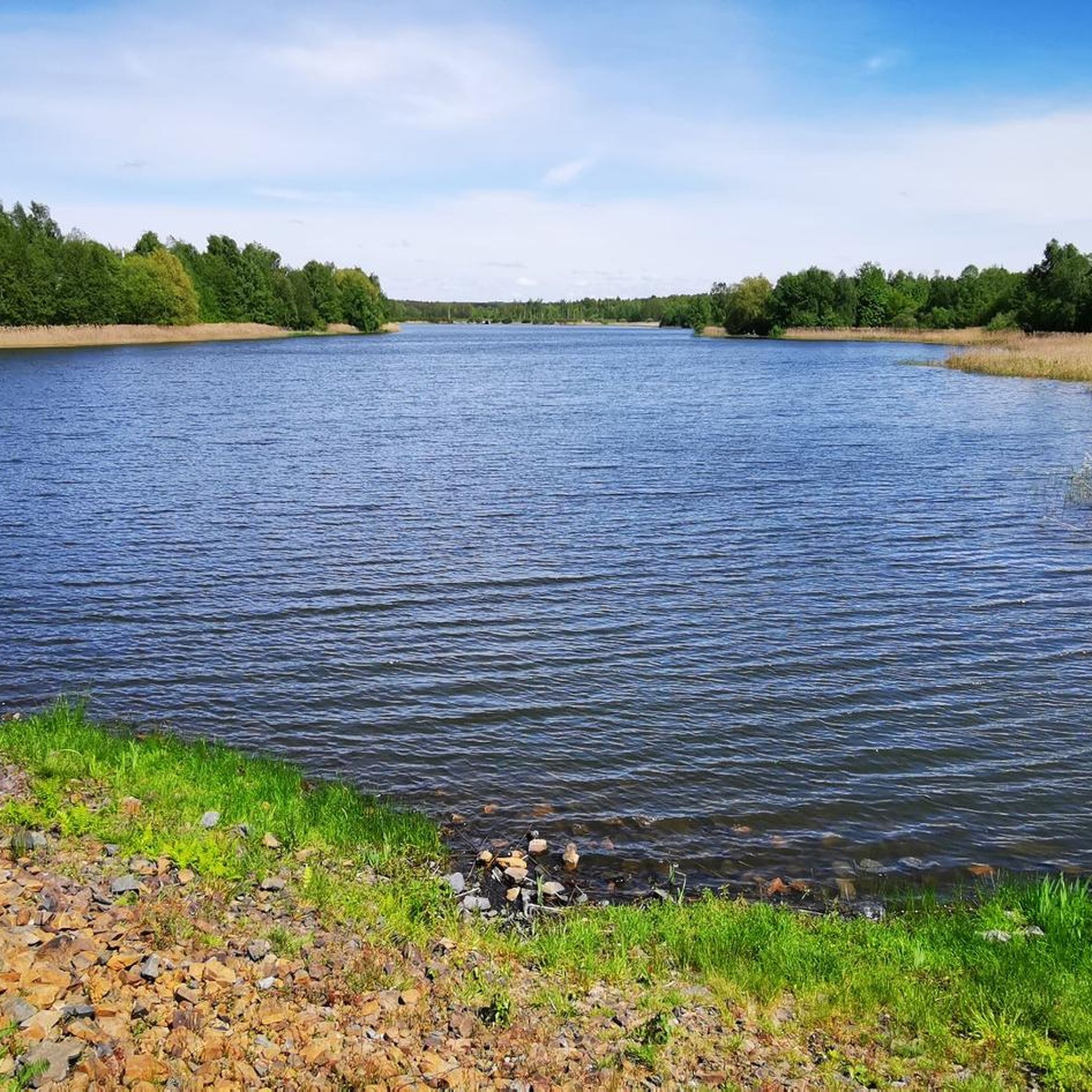
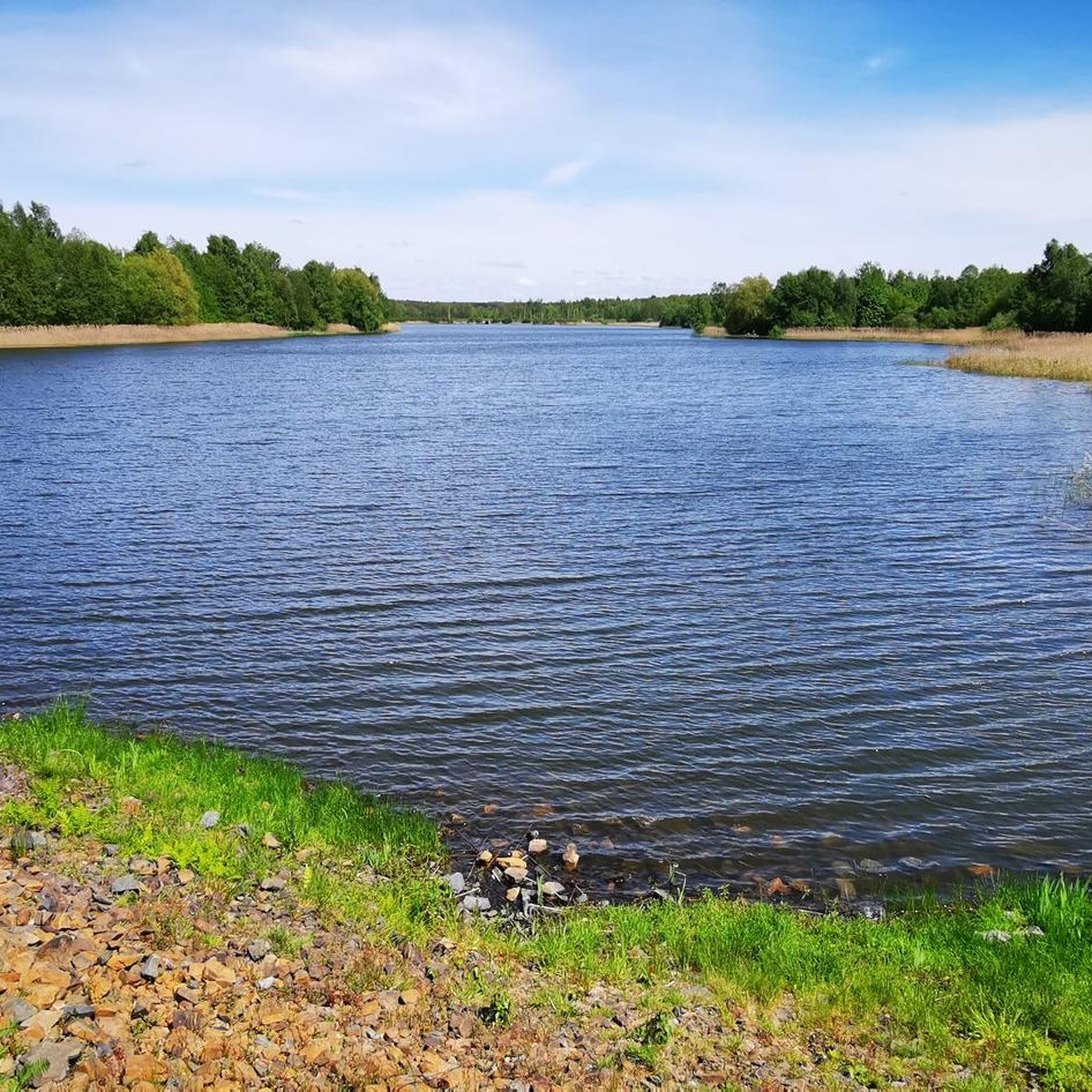
Haarweiden Reservoir
Highlight • Lake
Translated by Google •
Tip by

Sign up for free to discover even more natural monuments around Arnsdorf.
Sign up for free
Already have an account?
Start today with a free account
Your next adventure awaits.
Login or Signup
Popular around Arnsdorf
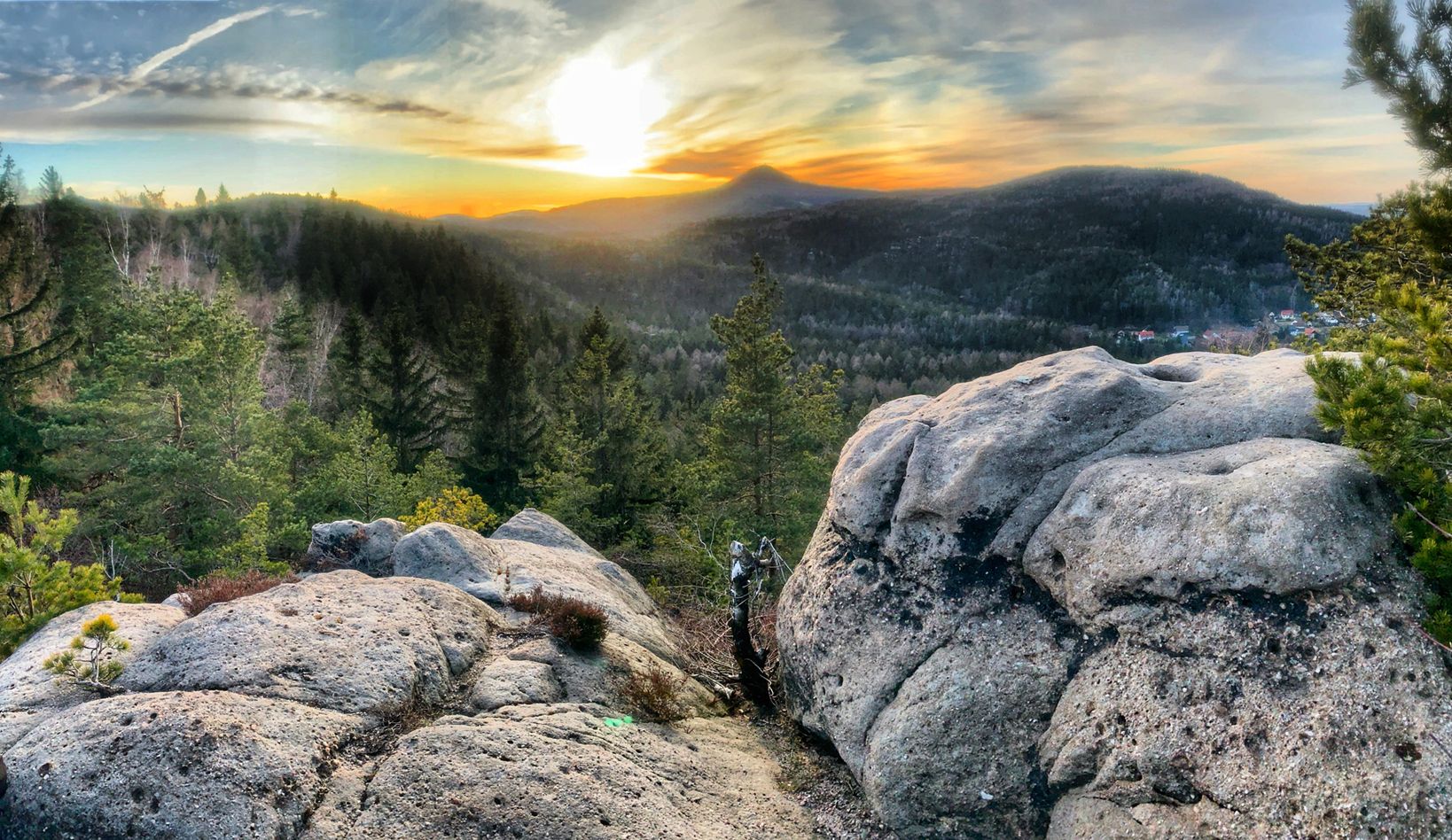
Mountains, heaths & lakes – hiking in Lusatia
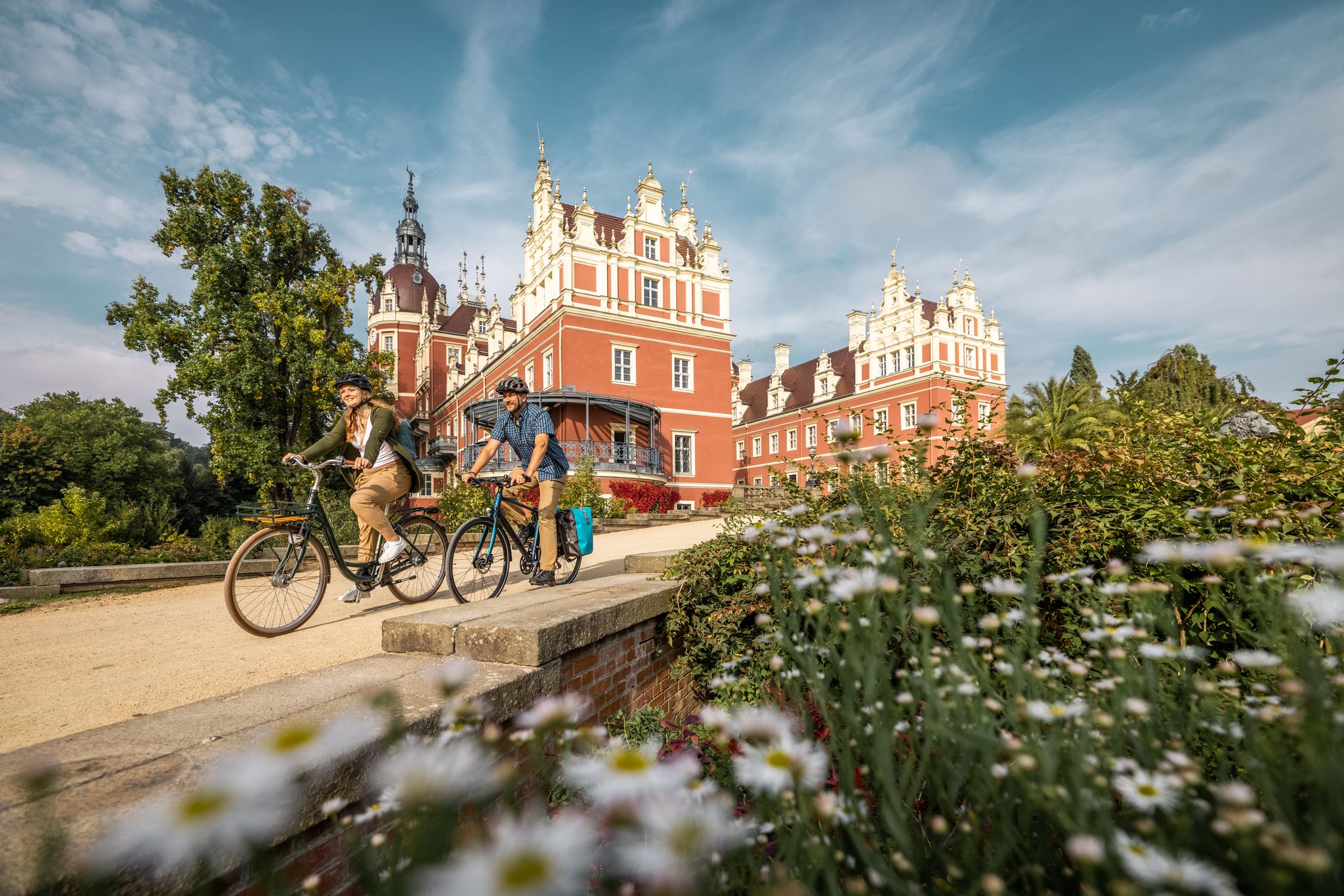
Oberlausitz Cycling Region – 18 superb routes in Upper Lusatia
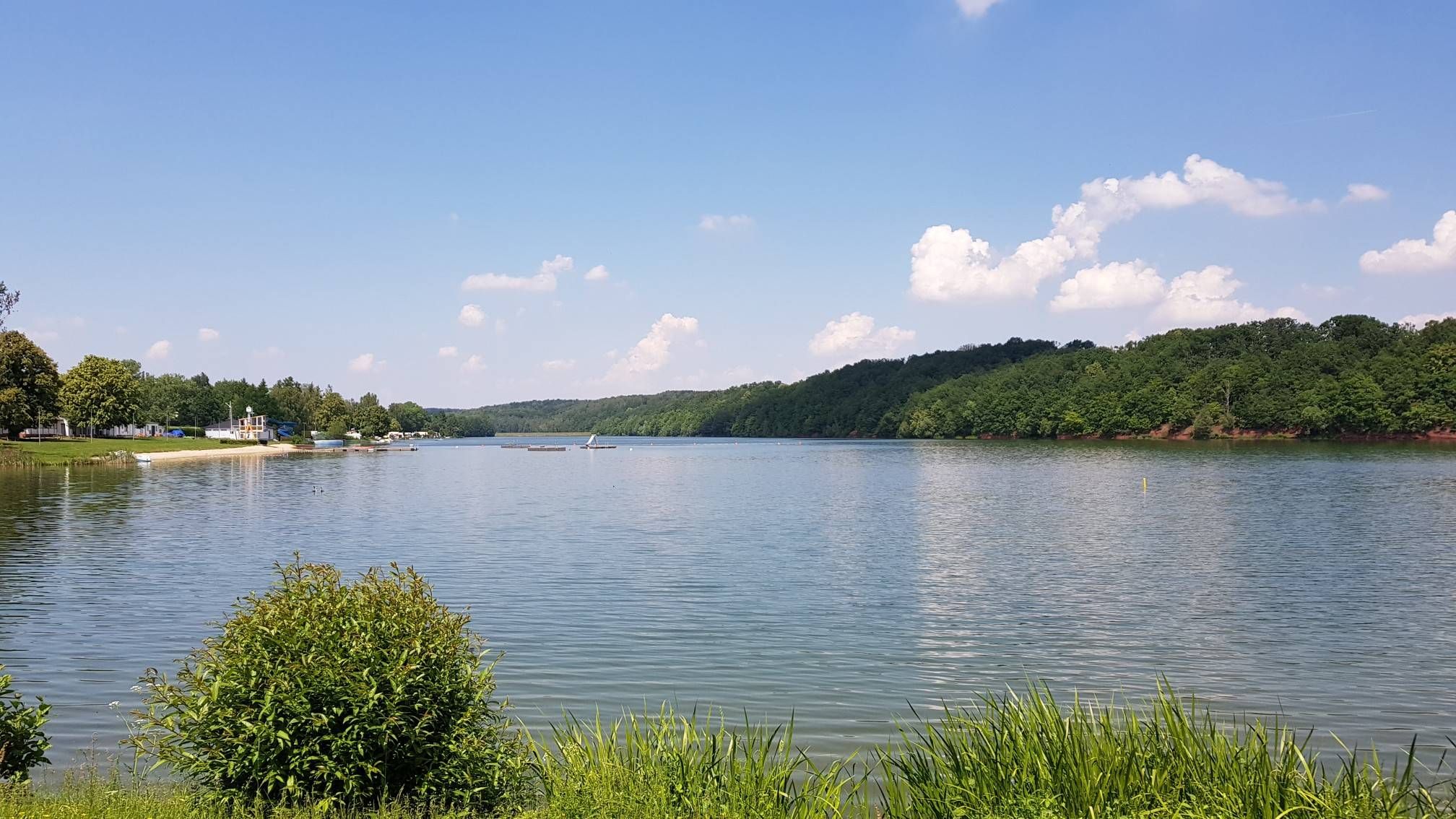
The best swimming lakes in Saxony
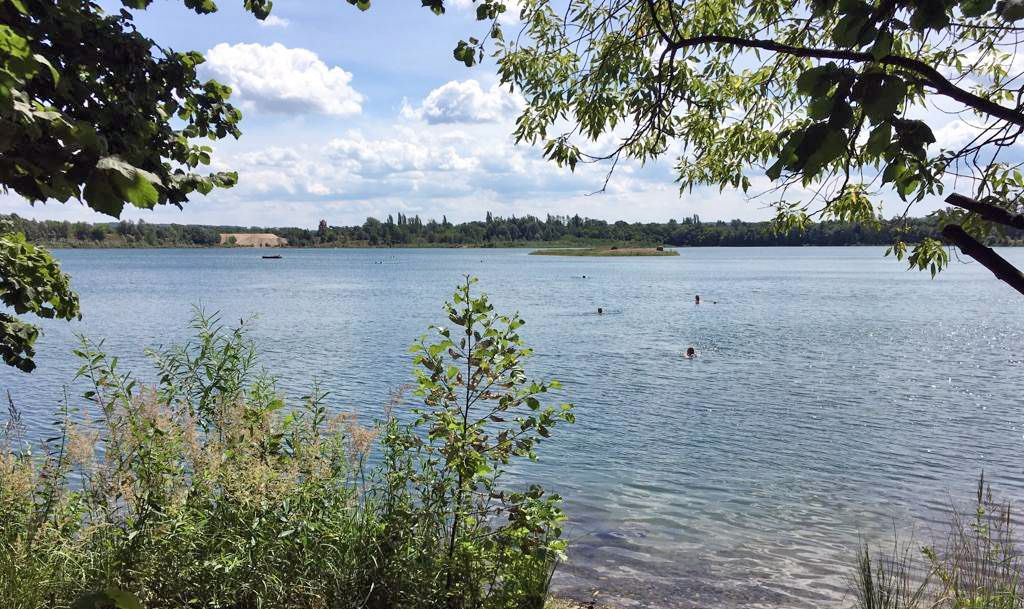
The most popular swimming spots around Dresden
Hiking around Arnsdorf
Cycling around Arnsdorf
Road Cycling Routes around Arnsdorf
Gravel biking around Arnsdorf
Running Trails around Arnsdorf
MTB Trails around Arnsdorf
Other adventures around Arnsdorf


Tips from the Community

The power plant is based on a weir system built in 1877, which initially powered neighboring machines in the Weber & Niezel wood grinding and cardboard factory via transmission. In 1910, a Francis turbine and electric generator with an installed capacity of 180 kW were commissioned to generate electrical energy. This was followed in 1932 by the addition of a second turbine with 80 kW. After the Second World War, the weir system was partially repaired in 1963. In 1969, the power plant was shut down due to uneconomical operation, and the facility was left to decay.
5
1
There is an impressive lost place by the rushing stream!
6
1
A very idyllic atmosphere. The hotel project seems to have been dying since 2016. There is no visible activity in or around the property.
6
1
A very idyllic landscape that is very impressive. Plenty of water rushing past.
7
1
The power plant is based on a weir built in 1877, which initially used transmission to drive neighboring machines in the Weber & Niezel wood grinding and cardboard factory. In 1910, a Francis turbine and electric generator with an installed capacity of 180 kW were put into operation to generate electrical energy. This was followed in 1932 by the addition of a second turbine with 80 kW. After the Second World War, the weir was partially repaired in 1963. In 1969, the power plant was shut down due to uneconomical operation and the plant was left to decay. After reunification, it was restarted in 2000 with a Kaplan turbine. The head is 10.4 m and has an installed capacity of 215 kW with a flow rate of up to 2.6 m³/s.
5
1

Simply amazing and a very mystical place, take your time if you're nearby, a great tip.
22
2
An absolute insider tip in Saxon Switzerland. We were deeply moved by the mysticism of the valley and the river.
15
2

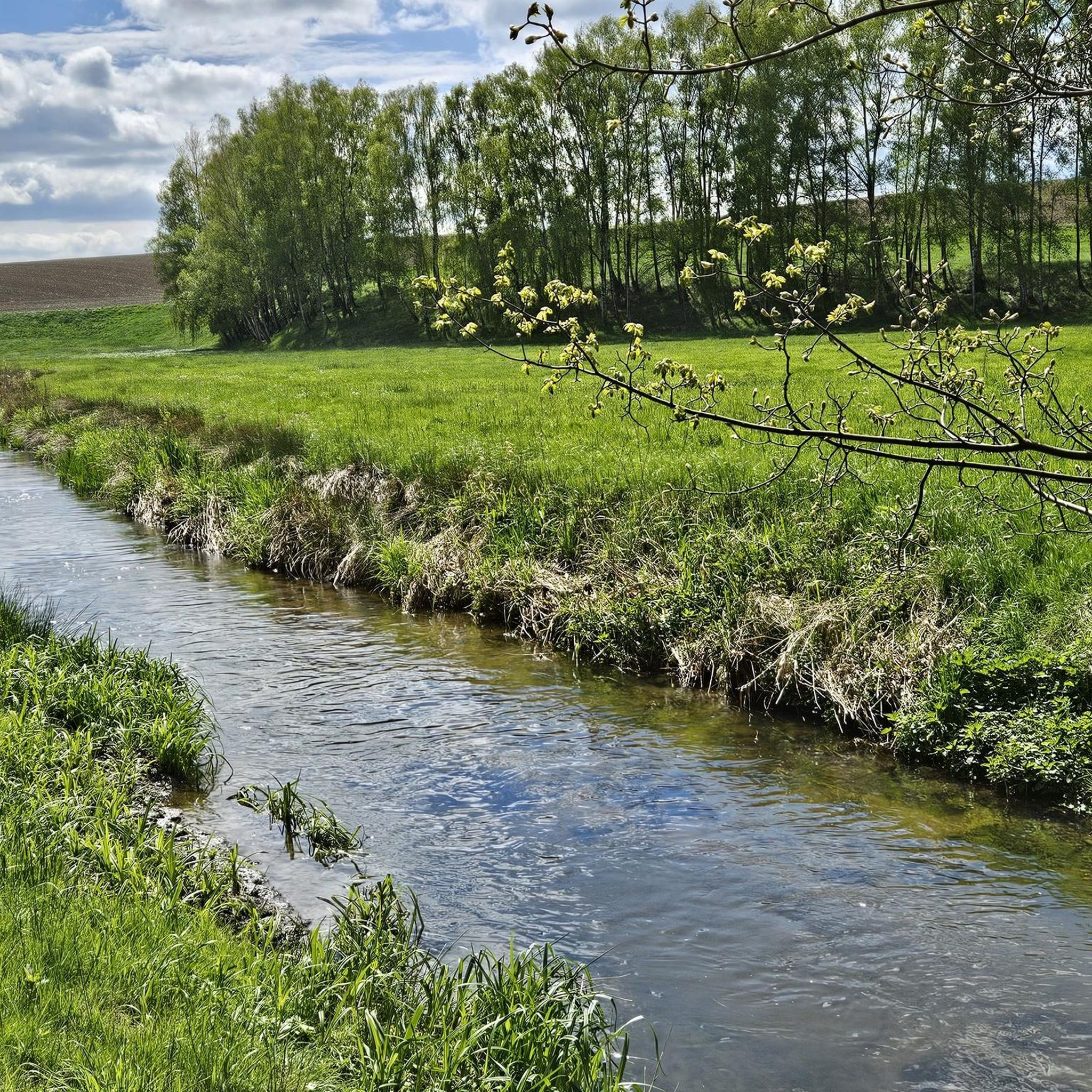
The Wesenitz flows here in the valley: The Wesenitz rises in the Hohwald, part of the Lusatian Mountains, at a height of 515 m on the Valtenberg from the mouth of the Valentin Erbstollen, an old mine. It flows through Neukirch, Bischofswerda, close to Stolpen and passes the Lusatian Fault at the so-called Teufelskanzel near Dürrröhrsdorf, where it enters the Elbe Sandstone. Here it flows through the Liebethaler Grund. In the Pirna district of Pratzschwitz it flows into the Elbe. The preglacial Wesenitz may have flowed eastwards in Oberneukirch through the Wilthen valley basin into the Spree; moraines and masses of gravel at the northern foot of the Dahrener Berg therefore ensured its current course to the west. With a length of 83.6 kilometers, the Wesenitz is one of the longer right tributaries of the Elbe. Source: https://de.wikipedia.org/wiki/Wesenitz
13
4
Frequently Asked Questions
What are some notable natural monuments within Arnsdorf itself?
Within Arnsdorf, you can visit the Friedenseiche Arnsdorf, a protected sessile oak on the village green, offering a serene spot for reflection. Another significant tree is the Naturdenkmal ND 176 Traubeneiche, a sessile oak located on the premises of the Karswald daycare center, showcasing nature integrated into the community.
Are there any impressive gorges or waterfalls to explore near Arnsdorf?
Yes, the region is known for its dramatic natural features. You can explore the Liebethaler Grund, a gorge that marks the beginning of the Malerweg and features a wildly romantic landscape with an old waterworks and the Richard Wagner monument. Another highlight is the Wesenitz Waterfall at the Lochmühle, where the Wesenitz river flows over several small sections, creating an idyllic resting place.
What kind of historical or man-made elements can be found within the natural monuments?
The Historic Hydroelectric Power Plant in the Lohmener Klamm is a unique example, a man-made monument situated within a mystical gorge. This operational power plant supplies ecological electricity and is an impressive historical piece of architecture amidst natural splendor. Additionally, the Liebethaler Grund features an old waterworks and the Richard Wagner monument.
Are there family-friendly natural attractions around Arnsdorf?
Many natural monuments in the area are suitable for families. The Priessnitz Waterfall offers a beautiful idyllic place with a refuge and seating, perfect for a relaxing stop. The Haarweiden Reservoir is another family-friendly spot with a shelter, tables, and benches, ideal for resting and enjoying nature.
What are the best outdoor activities to do near the natural monuments around Arnsdorf?
The area offers diverse outdoor opportunities. You can enjoy cycling with routes like the 'View of Wallroda Reservoir – Klippenstein Castle loop' or 'Großhartau Viaduct – Wesenitz River loop'. For running, consider trails such as 'Wallroda Reservoir – Bridge Over the Railway Tracks loop'. If you prefer mountain hikes, the 'Liebethaler Grund Rock Face – Lochmühle loop' is a great option. You can find more details on these activities in the Cycling around Arnsdorf, Running Trails around Arnsdorf, and Mountain Hikes around Arnsdorf guides.
What is the Lohmener Klamm and why is it worth visiting?
The Lohmener Klamm (Lohmen Gorge or Wesenitzklamm) is a true natural gem near Arnsdorf, characterized by impressive rock faces, a hike along the Wesenitz river, and moss-covered boulders. It's often described as a mystical place, offering a refreshing escape, especially on warm days, due to its cool and misty atmosphere. The gorge also features the historic hydroelectric power plant, combining natural beauty with industrial heritage.
Are there any natural monuments that are particularly good for a quiet rest or reflection?
The Friedenseiche Arnsdorf on the village green provides a serene spot for reflection due to its prominent location and significant size. Similarly, the Haarweiden Reservoir offers a place of calm, inviting visitors to rest, relax, and unwind by the water.
What kind of terrain can I expect on hiking trails near these natural monuments?
Trails through areas like the Lohmener Klamm can be steep and rocky, requiring good footwear and sure-footedness. Other areas, such as the Liebethaler Grund, offer a wildly romantic landscape that can sometimes feel like a jungle, with water rippling along the path. Many trails are intermediate in difficulty, providing a good balance of challenge and scenic beauty.
What do visitors particularly enjoy about the natural monuments around Arnsdorf?
Visitors frequently praise the mystical and wildly romantic atmosphere of places like the Lohmener Klamm and Liebethaler Grund. The combination of impressive natural features, such as rock formations and waterfalls, with historical elements like the hydroelectric power plant, creates a unique and deeply moving experience. Many appreciate the opportunities for peaceful walks and finding serene resting spots.
Is there a former natural monument in Arnsdorf that still holds historical interest?
Yes, the Ehemaliges Naturdenkmal ND 175 Hängeweide (Former Natural Monument ND 175 Weeping Willow) is located on the grounds of the Saxon Hospital Arnsdorf. Although no longer officially recognized, this distinct tree in a historical institutional setting still offers a point of interest, showcasing a once-valued natural feature within the town.
Are there any natural monuments that are particularly good for photography?
The dramatic landscapes of the Lohmener Klamm, with its impressive rock faces and moss-covered boulders, offer excellent photographic opportunities. The Wesenitz Waterfall at the Lochmühle, with its idyllic setting and rushing water, also provides a picturesque scene for photographers.
Most popular routes around Arnsdorf
Most popular attractions around Arnsdorf

Get inspired with the komoot mobile app


Explore more
Extend your search for the best caves by checking out these guides of the top ones around Arnsdorf:
