Top 20 Natural Monuments around Henfstädt
Natural monuments around Henfstädt provide diverse outdoor experiences in Thuringia, Germany. The landscape features ecologically significant natural areas, such as mountain meadows known for their rich floral diversity and thriving insect populations. Visitors can explore a variety of natural formations, from serene lakes to dramatic cliffs and historic springs. The area offers opportunities to appreciate unique ecosystems and geological features.
Best natural monuments around Henfstädt
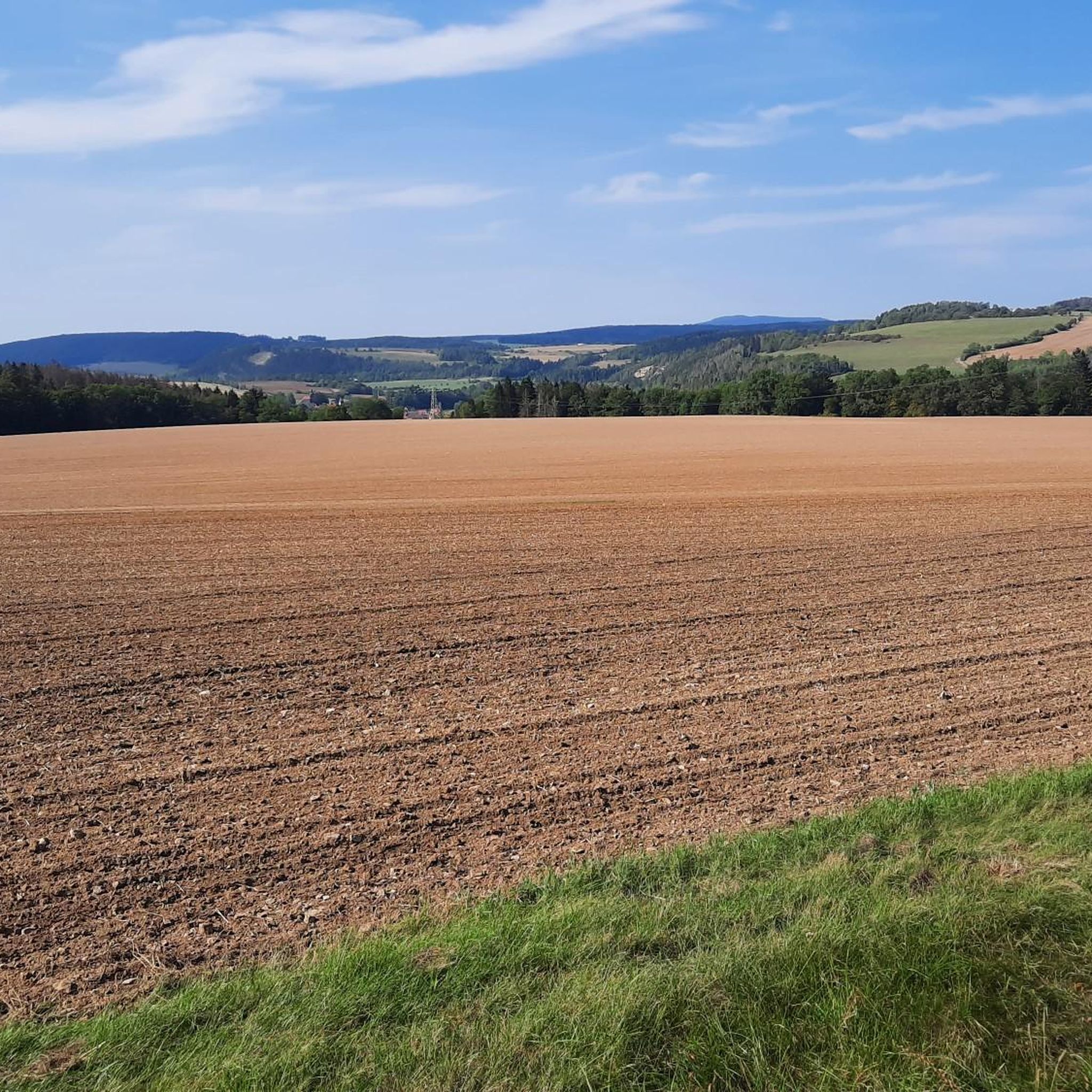
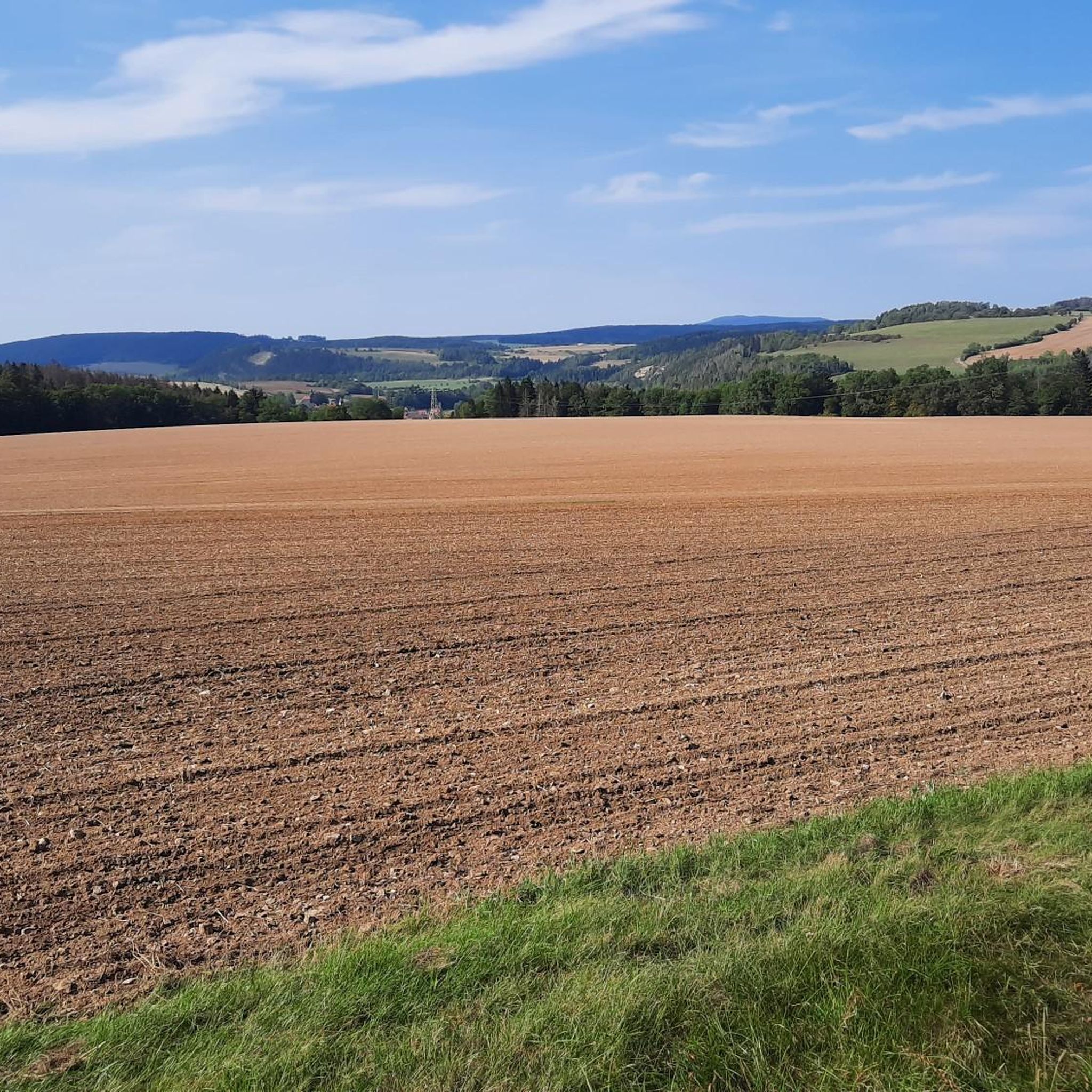
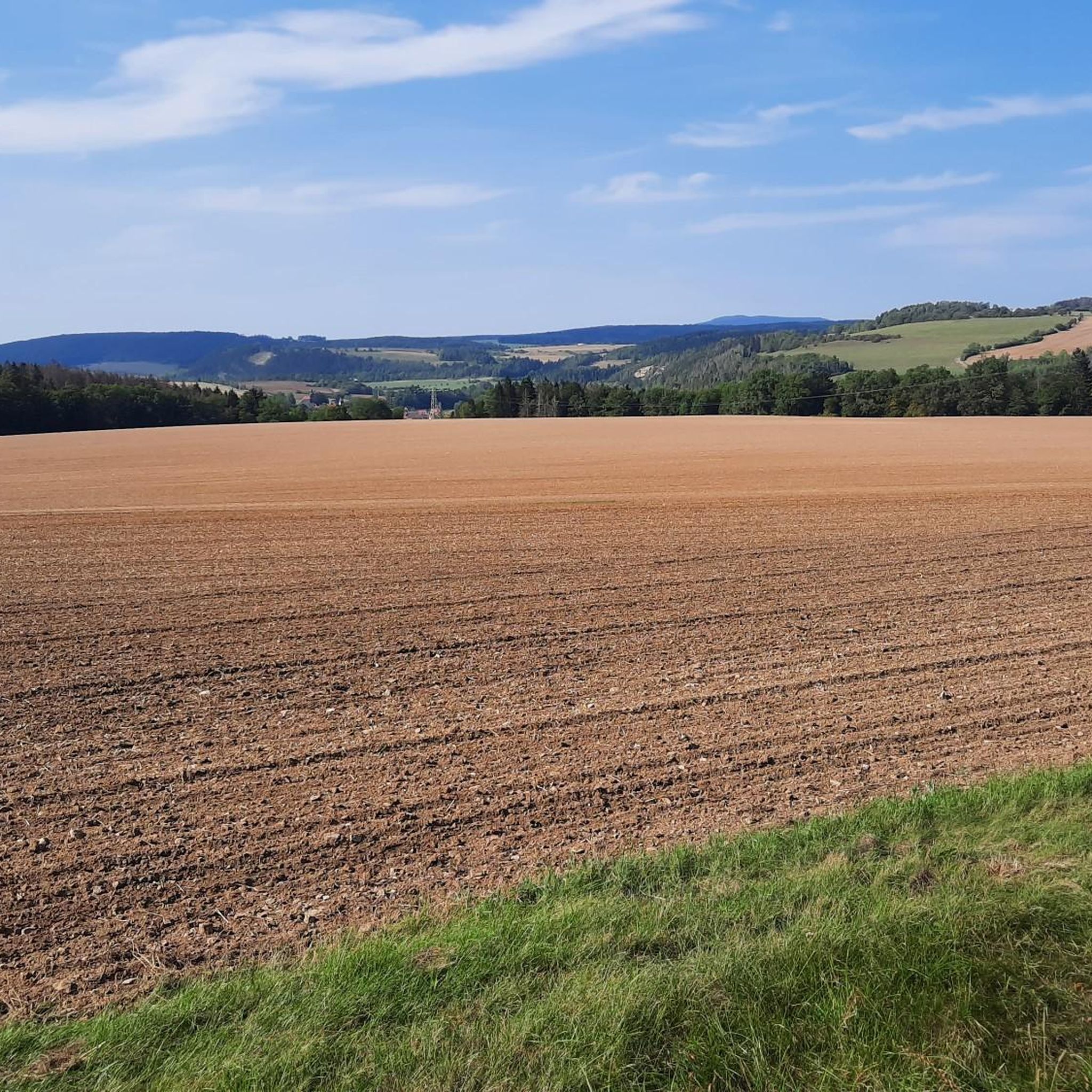
- The most popular natural monuments is Dreisbachteich, a lake that is an idyllic pond within walking distance and accessible by bike. This peaceful spot is known for its tranquil setting and the presence of grazing Galloway cattle.
- Another must-see spot is Delphin Spring (Wiesenbrünnle), a natural monument with a historic, restored spring. This fountain offers a nice, shady rest area in the middle of the forest, popular among hikers on the mountain's trails.
- Visitors also love Iron Hand, a man-made monument that serves as a starting point for many bike tours. This multi-armed signpost is a local landmark with historical significance related to old trade routes.
- Henfstädt is known for its lakes, springs, and dramatic geological formations. The area offers a variety of natural monuments to see and explore, including viewpoints and forest trails.
- The natural monuments around Henfstädt are appreciated by the komoot community, with over 300 upvotes and nearly 400 photos shared.
Last updated: May 12, 2026
Dreisbachteich
Highlight • Lake
Translated by Google •
Tip by

Iron Hand
Highlight • Monument
Near the Altendambacher Höhe, where the country road, forest and hiking trails meet, hikers or mountain bikers on their way towards Fischbach-Schleusingen pass a multi-armed signpost on which a hand cast from iron points to the sky on a narrow concrete base. Another signpost? A monument?
There is hardly a long-time resident in the surrounding villages who does not know the "Iron Hand" and the forest area up there that is called that and has certainly heard some stories about it; but no one can really explain what this mysterious place and its not exactly everyday feature is all about. - And so there are always inquiries about it.
Source:
fraenkischesthueringen.blogspot.com/2020/06/die-eiserne-hand-eine-ausspanne-von.html?m=1
Translated by Google •
Tip by

Sign up now to discover places like this
Get recommendations on the best single tracks, peaks, & plenty of other exciting outdoor places.
Sign up for free
Delphin Spring (Wiesenbrünnle)
Highlight • Natural Monument
Translated by Google •
Tip by
Collapsed Mountain Cliff
Highlight • Natural Monument
Translated by Google •
Tip by

Kroatenkreuz
Highlight • Monument
Translated by Google •
Tip by
Sign up for free to discover even more natural monuments around Henfstädt.
Sign up for free
Already have an account?
Start today with a free account
Your next adventure awaits.
Login or Signup
Tips from the Community

A very nice place to rest.
4
0

The Dolphin Fountain (also known as the Meadow Fountain) on the Kleiner Gleichberg near Römhild is a historic, restored spring located on the western slope near the Celtic hillfort. It was inaugurated around 1903, renovated in 2013, and is a popular rest stop along the mountain's hiking trails. It lies on the western slope of the 641-meter-high Kleiner Gleichberg, below the hillfort. The fountain was restored and rebuilt after a long period of disrepair. It is considered a gem by nature lovers. It is the source of the Wiesleinbach stream. Celtic settlement remains and dry stone walls are located nearby. The fountain exemplifies the dedication of the Friends of Steinsburg Association to the upkeep of the site.
6
0
Fountain with seating, pure nature.
16
0
Everything suggests that the old and early, arduous ascents of the high-altitude trails from the Werra Valley ended here; oxen, mules and horses were changed here before heading back downhill to Suhl and then conquering the Rennsteig via the Suhler Leube. For the descent of the further route to Suhl, the long ridge of the Steingebössel and then the Friedberg were used to reach the Haselfurt on the Kunigundenhügel. On the Pfütschberg, it came across a field site called "Eiserne Hand" for the second time, where farm buildings belonging to Neundorf farmers stood until the first half of the 20th century. Source: https://fraenkischesthueringen.blogspot.com/2020/06/die-eiserne-hand-eine-ausspanne-von.html?m=1
18
1
The Iron Hand near Altendammbach Near the Altendambacher Höhe, where the country road, forest and hiking trails meet, hikers or mountain bikers on their way towards Fischbach-Schleusingen pass a multi-armed signpost on which a hand cast from iron points to the sky on a narrow concrete base. Another signpost? A monument? There is hardly a long-time resident in the surrounding villages who does not know the "Iron Hand" and the forest area up there that is called that and has certainly heard some stories about it; but no one can really explain what this mysterious place and its not exactly everyday feature is all about. - And so there are always inquiries about it. Source: https://fraenkischesthueringen.blogspot.com/2020/06/die-eiserne-hand-eine-ausspanne-von.html?m=1
20
1

The dolphin fountain was created and artistically designed by the Thuringian Forest Association Römhild in 1903. Largely destroyed in the early 1970s, the current facility was built 10 years later and was last fundamentally renovated in 2013.
1
0

Below the steep edge of the cliff, a huge sea of rocks beckons, with large chunks of rock that give little indication of the force that came from the rock fall. A legend that is described in full very close to the former Villa Iltenburg tells of another rock fall in 1137. There is no clear evidence of this, but it seems likely. According to the legend, there was once a place called Dörfles, which was inhabited by gypsies or Wends, who were not tolerated in Themar, but were important during the market or for entertainment. Just as the Veßra monastery was founded, a monk set out to visit them, but they threatened him and chased him away. He cursed the inhabitants and wished that the mountain would fall on them as a punishment from God. Only one 16-year-old girl showed interest in his teachings. He met with her regularly outside of the town. He begged her to leave the place, because after every winter, new cracks appeared in the rock. After two years, it finally happened and the mountain broke off one night. When the residents of Themar left the next morning, the village of Dörfles had disappeared and all the residents had perished.
2
0
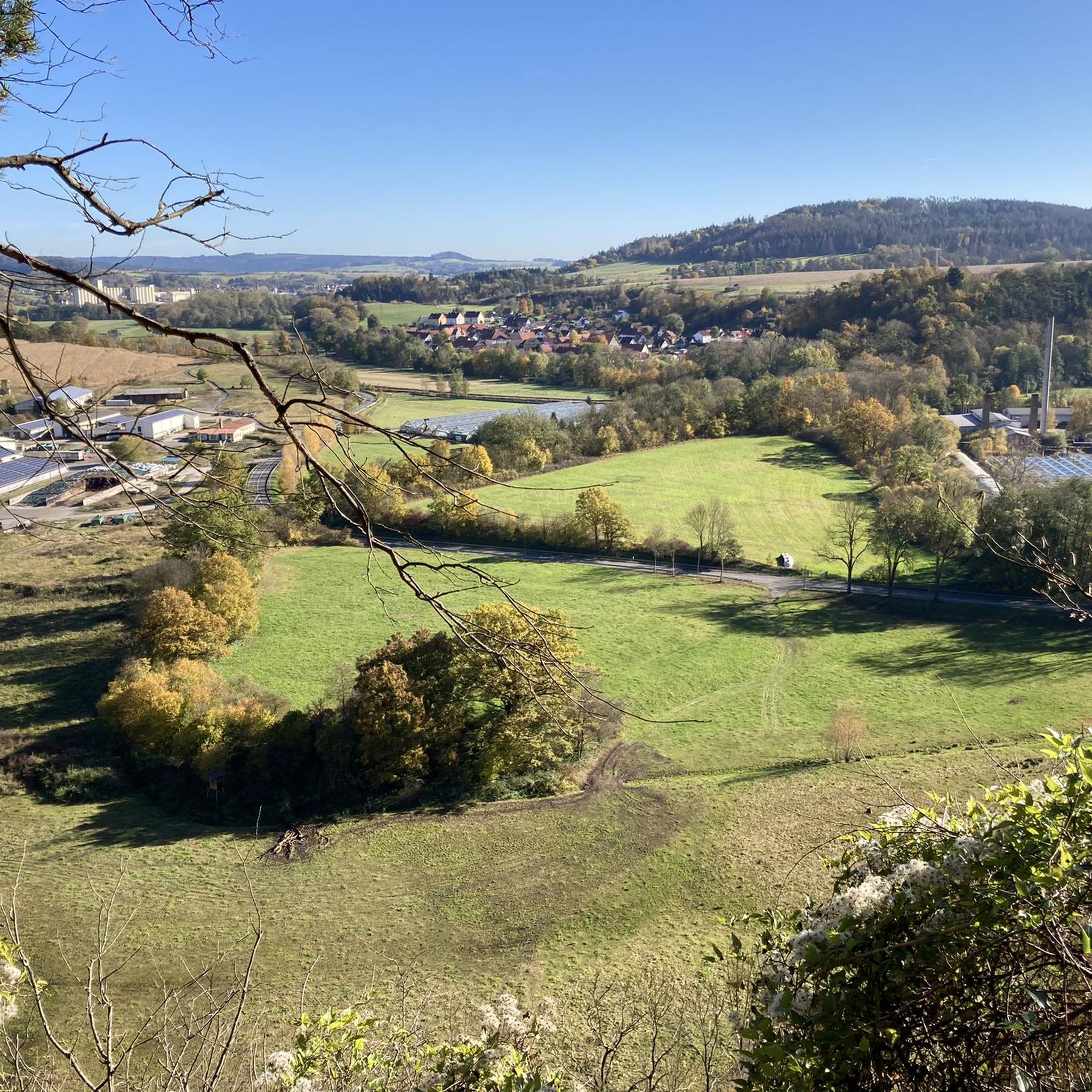
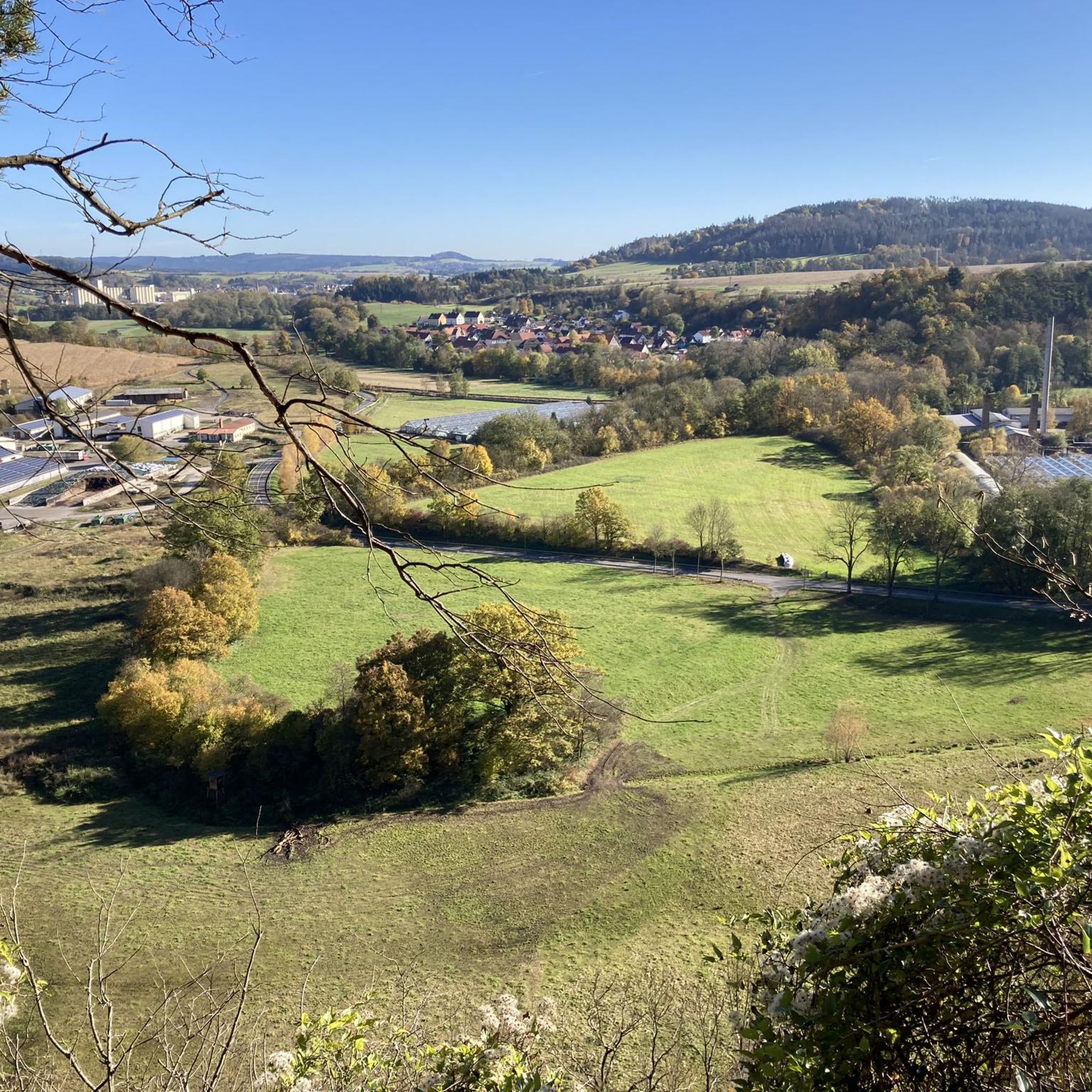
In 1595, a large rock collapse occurred here, causing the entire mountainside to collapse into the valley! Since then, the gleaming, white limestone marl cliff has reflected the sun. There is only one path down the mountainside. As it is very narrow, a little attention is required here. The path is still quite steep at the top, but is secured with a railing. It is also worth mentioning that feral goats live here, which can sometimes block your path. This can lead to the odd surprise or chase.
3
0
Frequently Asked Questions
What unique natural features can I explore around Henfstädt?
Henfstädt is known for its diverse natural landscapes, including ecologically significant areas like the mountain meadows of the Wachental. These meadows are a biodiversity hotspot, home to a vibrant array of flowering plants such as bellflowers, orchids, and pasque flowers, and over 300 species of butterflies. You can also find serene lakes, historic springs, and dramatic geological formations like the Collapsed Mountain Cliff, a striking limestone marl cliff formed by ancient landslides.
Are there any family-friendly natural monuments in the area?
Yes, several natural monuments around Henfstädt are suitable for families. The Dreisbachteich is an idyllic pond perfect for a leisurely walk or bike ride, where you might spot grazing Galloway cattle. The Delphin Spring (Wiesenbrünnle) offers a nice, shady rest area in the forest, ideal for a break during a family hike. Additionally, the Iron Hand, a local landmark with historical significance, is a popular starting point for bike tours that families can enjoy.
What is the best time of year to visit the natural monuments around Henfstädt?
The mountain meadows of the Wachental are particularly stunning during their flowering seasons, offering a 'true feast for the eyes' with their colorful bloom. Spring and early summer are ideal for witnessing the rich floral diversity, including orchids and pasque flowers. Autumn also provides beautiful scenery with changing foliage. While many trails are accessible year-round, some areas might be less accessible in winter depending on snow conditions.
What kind of hiking trails can I find near Henfstädt's natural monuments?
You can find a variety of hiking trails near Henfstädt's natural monuments, ranging from easy strolls to more intermediate routes. For example, the area around the Delphin Spring (Wiesenbrünnle) is popular for its mountain hiking trails. The Collapsed Mountain Cliff offers an intermediate trail with steep sections and railings, leading to beautiful viewpoints. For more options, explore the Easy hikes around Henfstädt guide, which includes routes like the Kloster Veßra Monastery loop.
Are there opportunities for cycling near the natural monuments?
Yes, the region around Henfstädt is well-suited for cycling. The Iron Hand landmark serves as a popular starting point for many bike tours. You can find various routes for different cycling preferences, including road cycling and mountain biking. Check out the Road Cycling Routes around Henfstädt or the MTB Trails around Henfstädt guides for detailed route information.
What historical landmarks are integrated with the natural scenery?
Beyond the purely natural formations, you'll find historical landmarks that blend with the natural environment. The Delphin Spring (Wiesenbrünnle) is a historic, restored spring dating back to 1903. The Iron Hand is a multi-armed signpost with historical significance related to old trade routes. Additionally, the Kroatenkreuz is a memorial stone in the forest, commemorating a battle from 1634.
Can I bring my dog to the natural monuments?
Many natural areas and trails around Henfstädt are dog-friendly. For instance, the Kroatenkreuz is specifically noted as a dog-friendly viewpoint and historical site within the forest. When visiting, always ensure your dog is under control and follow local regulations regarding leashes and waste disposal to protect the delicate ecosystems, especially in areas like the Wachental meadows.
Are there any viewpoints offering scenic vistas of the region?
Yes, several natural monuments provide excellent viewpoints. The Collapsed Mountain Cliff offers stunning views into the Werra Valley and the Thuringian Forest. The Iron Hand and Kroatenkreuz are also popular viewpoints nestled within the forest. Even the tranquil Dreisbachteich is considered a scenic spot to relax and enjoy the surroundings.
What makes the Wachental meadows near Henfstädt so special?
The mountain meadows of the Wachental are exceptionally special due to their ecological significance. They are categorized as 'highly endangered' on the 'Red List Germany' and are considered among the country's most valuable and rare habitats. These semi-dry, lean grasslands boast a remarkable floral diversity, supporting over 300 species of butterflies, many of which are endangered. They represent a critical ecosystem and a testament to ongoing conservation efforts.
What should I know about the 'Collapsed Mountain Cliff'?
The Collapsed Mountain Cliff is a dramatic geological formation resulting from landslides, with the last major event occurring in 1595. This created a steep, white limestone marl cliff that reflects the sun and offers beautiful viewpoints into the Werra Valley. The path along the cliff can be narrow and steep in places, secured with a railing, and it's worth noting that feral goats inhabit the area and might occasionally cross your path.
Are there any facilities or rest stops available at the natural monuments?
Yes, some natural monuments offer facilities or designated rest areas. The Delphin Spring (Wiesenbrünnle) provides a nice, shady rest area with seating. The Iron Hand, while primarily a landmark, also serves as a hub for various routes, implying it's a natural spot for a break. The Kroatenkreuz also has a seating area available.
What do visitors enjoy most about the natural monuments around Henfstädt?
Visitors particularly appreciate the tranquility and natural beauty of the area. The idyllic setting of places like the Dreisbachteich, the peaceful forest atmosphere around the Delphin Spring (Wiesenbrünnle), and the stunning views from the Collapsed Mountain Cliff are frequently highlighted. The opportunity to witness rare ecosystems, such as the Wachental meadows, also leaves a lasting impression.
Most popular routes around Henfstädt
Most popular attractions around Henfstädt

Get inspired with the komoot mobile app


Explore more
Extend your search for the best caves by checking out these guides of the top ones around Henfstädt:
