Top 20 Natural Monuments around Deesbach
Natural monuments around Deesbach offer a diverse landscape for exploration. The region features valleys, rivers, rock formations, and summits, providing a variety of natural attractions. Deesbach’s terrain is characterized by its natural beauty, with numerous points of interest for outdoor enthusiasts. This area in Thuringia is home to a range of geological features and scenic spots.
Best natural monuments around Deesbach
- The most popular natural monuments is Schwarza Waterfall (Schwarza Valley), a waterfall that is part of a varied…
Last updated: September 28, 2026
Schwarza Waterfall (Schwarza Valley)
Highlight (Segment) • Waterfall
Translated by Google •
Tip by

Meurasteine Rock Formation
Highlight • Natural Monument
Translated by Google •
Tip by

Sign up now to discover places like this
Get recommendations on the best single tracks, peaks, & plenty of other exciting outdoor places.
Schwarza Spring
Highlight • Natural Monument
Translated by Google •
Tip by

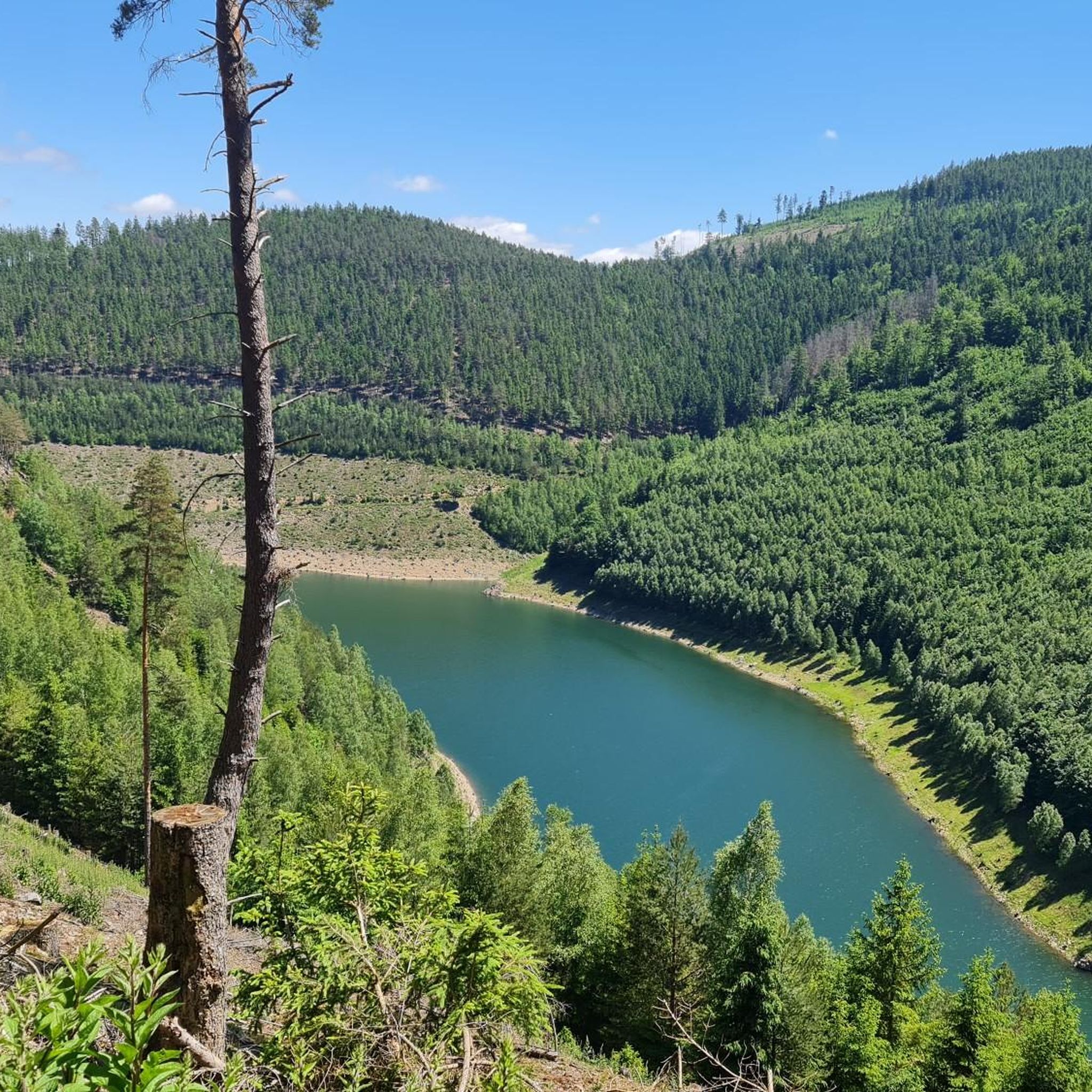
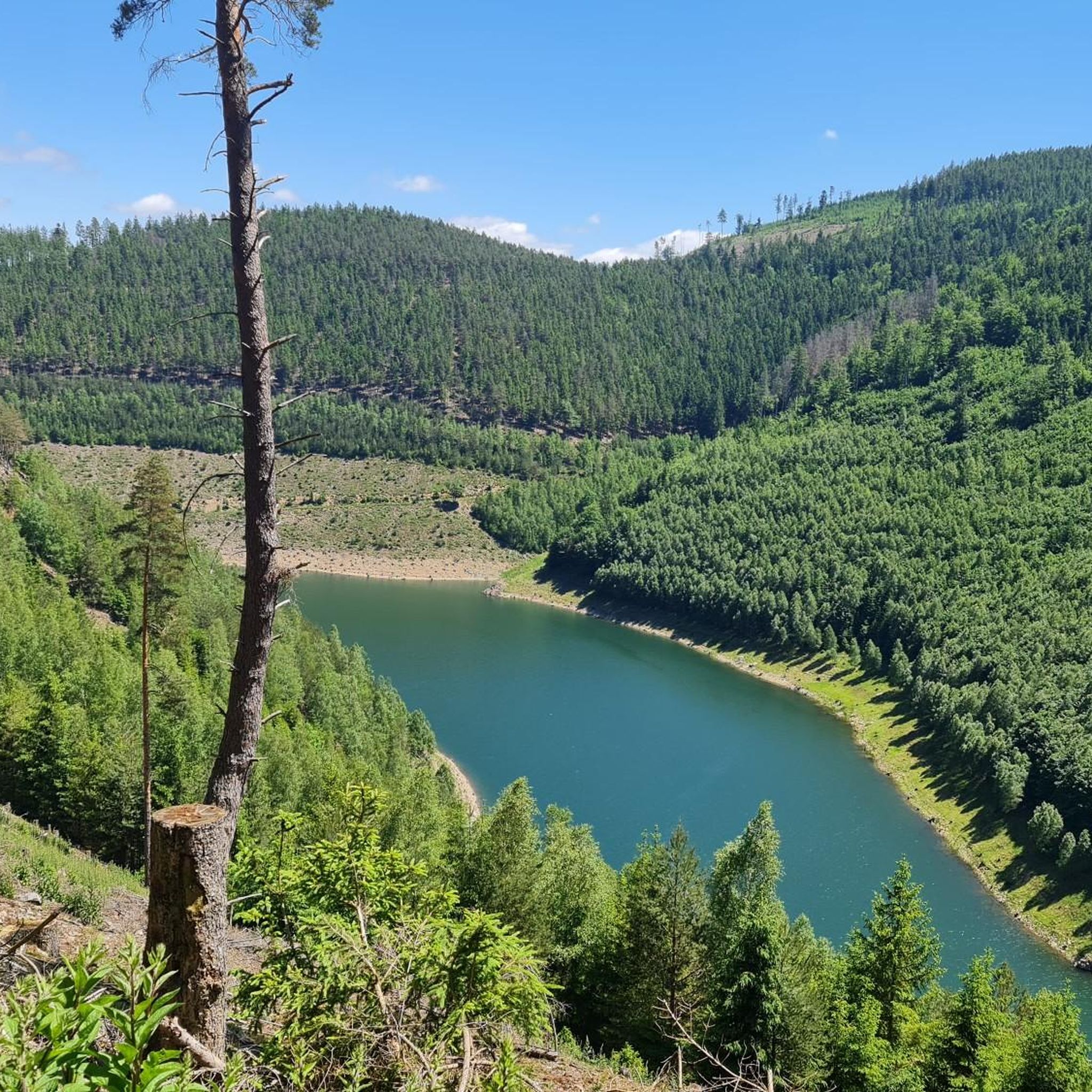
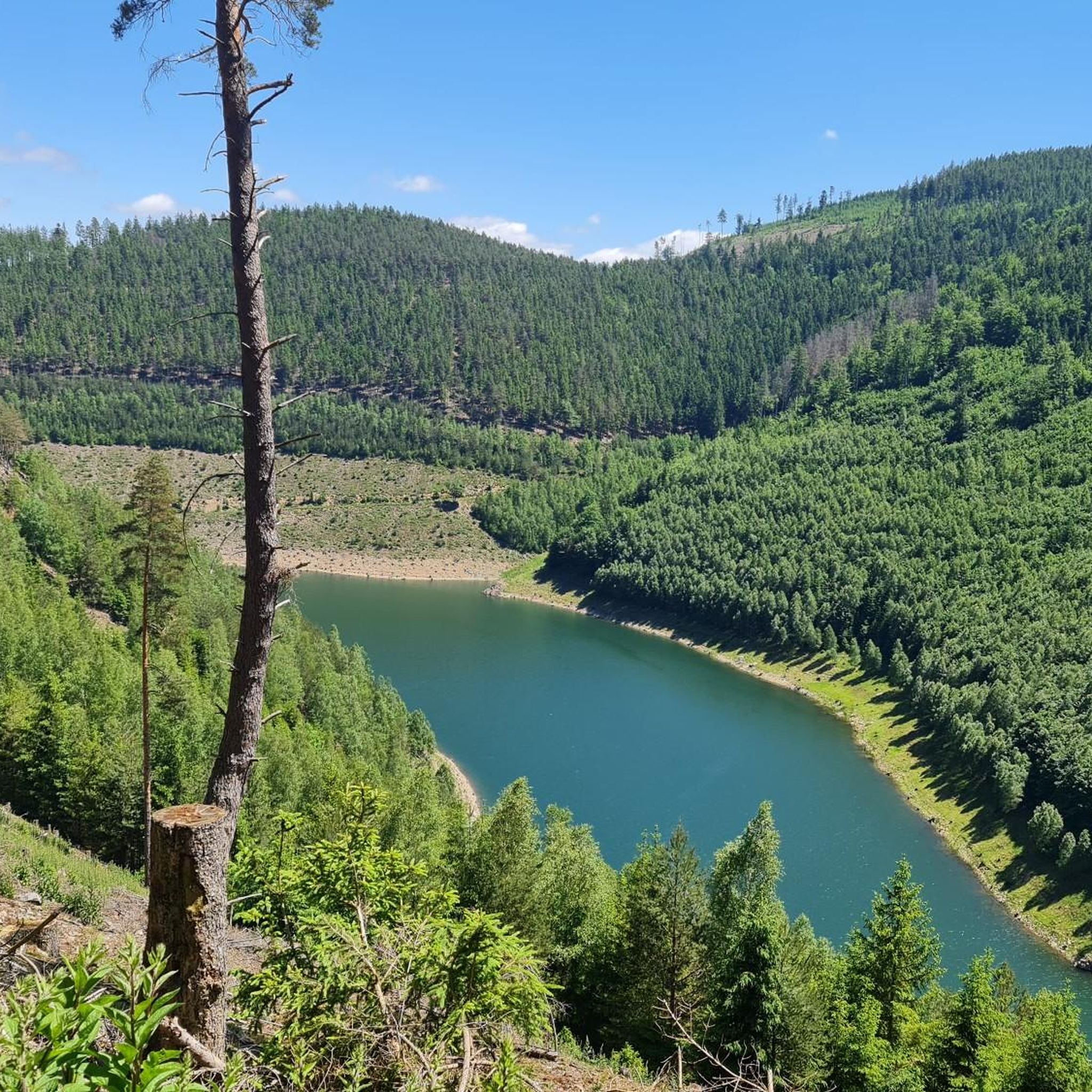
Scheibe-Alsbach Reservoir
Highlight • Lake
Translated by Google •
Tip by

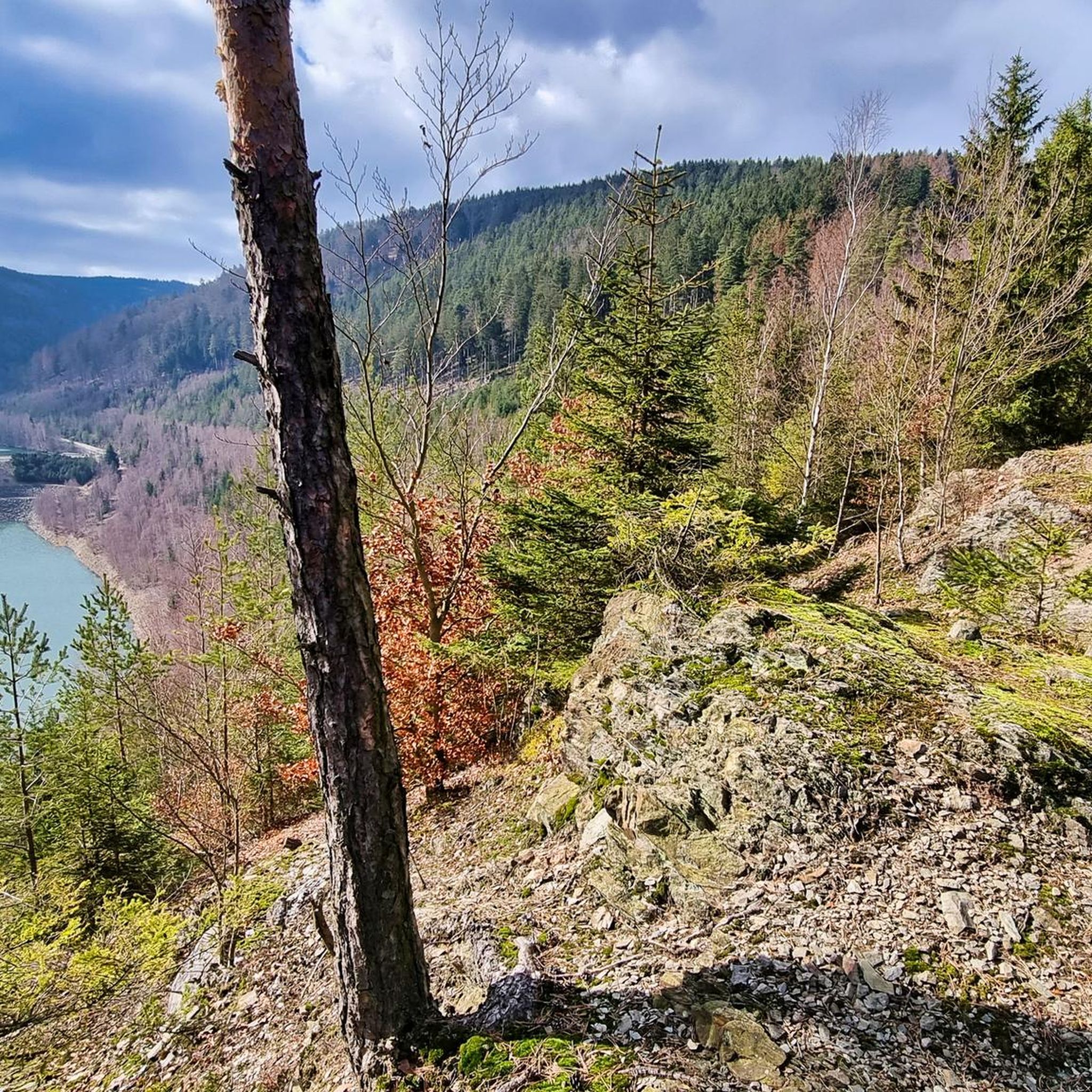
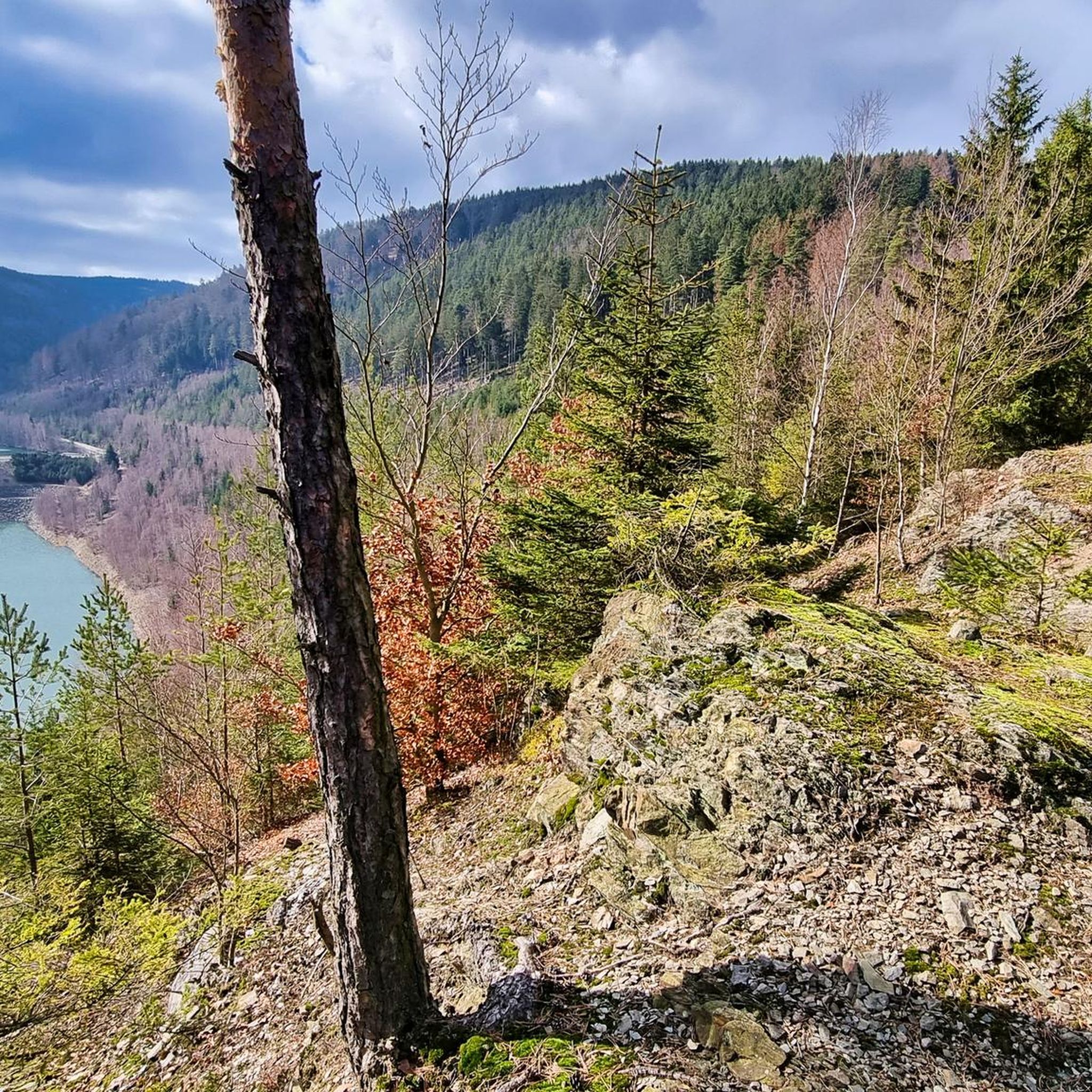
Schneiderfelsen - Touring stamp 169
Highlight • Viewpoint
Translated by Google •
Tip by

Sign up for free to discover even more natural monuments around Deesbach.
Already have an account?
Start today with a free account
Your next adventure awaits.
Tips from the Community

Originally built to increase the low water level so that the cellulose works in Schwarza always had enough water. Today the dam is mainly used to produce drinking water.
8
0

The hiking trail is very adventurous, if you dare to do it please be careful. There are a lot of trees on the route. You have to crawl over or under the trees. It is not suitable for everyone. This section should actually be closed for safety reasons.
4
2

Impressive rock formations. Challenging hiking trail over and under tree trunks. Great rest area with benches and fire pit and shelter with stamping station.
27
0

The Meurasteine are a three-tiered wall on a rocky ridge and extend a little into the Schlagetal. The jagged rocky section is a good 500 million years old and consists of quartzite. You can do a little scrambling here, over steps hewn into the rock. A shelter also "floats" there.
26
1

Nice view over the reservoir
4
0

What a beautiful bike path there. A treat and one should do it.
6
0

Has the charm of a war memorial, only with eternal water instead of an eternal flame.
51
0

The Schwarza spring rises 4 kilometers from Neuhaus am Rennweg and 250 m from the Rennsteig, at an altitude of 717 m. The spring water, which rises from a crack between slate and red sandstone, always has a constant temperature of around 6 degrees Celsius both in midsummer and in winter, which is often icy here. The spring was set in in 1855. In the meantime, however, the spring has looked for another way up and rises about 2m away from the source. In the further course, she looks for her own way (Fig. 4). In spring, a stream already flows past the Schwarzaquellhütte above the Schwarza spring. After 300 m the Schwarza joins the Habichtsbach, which at the confluence has already covered twice as much distance from its source. In the further course the Schwarza flows through the partially deeply cut Schwarzatal until it flows into the Saale after 53 kilometers in the Rudolstadt district of Schwarza. After more than 200 kilometers, the Saale flows into the Elbe at Barby. This makes the Schwarza part of the Elbe's catchment area, as does the previous "River Landscape of the Year", the Havel. The catchment area of the Schwarza and its tributaries covers a total of 507 square kilometers. The Schwarza has many natural stretches of water. Source: http://www.schwarza-fluss.de/schwarza.htm
12
0
Frequently Asked Questions
What are the most popular natural monuments around Deesbach?
The region around Deesbach offers several highly-rated natural monuments. Among the most popular are the Schwarza Waterfall (Schwarza Valley), known for its scenic cycle path, the impressive Meurasteine Rock Formation with its challenging trails, and the serene Schwarza Spring, where the Schwarza River originates.
Are there family-friendly natural monuments to visit near Deesbach?
Yes, several natural monuments around Deesbach are suitable for families. The Schwarza Waterfall (Schwarza Valley) offers a pleasant cycle path, and the Schwarza Spring provides idyllic seating areas. Additionally, the Scheibe-Alsbach Reservoir is a great spot for a leisurely walk, though bathing is prohibited.
What kind of natural features can I expect to see around Deesbach?
Deesbach is characterized by a diverse natural landscape. You can explore waterfalls like the Schwarza Waterfall, impressive rock formations such as the Meurasteine Rock Formation, and natural springs like the Schwarza Spring. The region also features reservoirs, rivers, and summits like the Sandberg Summit (834 m), offering varied scenery.
Are there hiking trails near the natural monuments in Deesbach?
Absolutely. The natural monuments are often integrated into hiking routes. For instance, the Meurasteine Rock Formation is part of a challenging trail with scrambling opportunities. The Schwarza Spring is accessible via a beautiful root path. You can find many hiking options, including easy trails, around Deesbach in the Easy hikes around Deesbach guide.
What outdoor activities can I do near these natural monuments?
Beyond exploring the natural monuments themselves, the area around Deesbach is excellent for various outdoor activities. You can enjoy gravel biking on routes like the 'Schwarzburg Castle – Cycle path along the Schwarza River loop' found in the Gravel biking around Deesbach guide, or tackle mountain biking trails such as the 'Meurasteine Rock Formation – View of Leibis-Lichte Dam loop' from the MTB Trails around Deesbach guide. Hiking is also very popular, with options ranging from easy to challenging.
Are there any easy hiking routes suitable for beginners near Deesbach's natural monuments?
Yes, there are several easy hiking routes. For example, you can find trails like the 'Rest Area with Trail Signs – View of Leibis dam loop' or the 'Fröbel Observation Tower – Playground at Fröbel Tower loop' which are classified as easy. These and more can be explored in the Easy hikes around Deesbach guide.
What are the best viewpoints among the natural monuments?
For panoramic views, the Sandberg Summit (834 m) offers magnificent vistas, including a glimpse of the Scheibe-Alsbach dam. The Meurasteine Rock Formation also provides impressive views from its rocky ridge.
Can I bring my dog to the natural monuments and trails around Deesbach?
While specific regulations for each natural monument may vary, generally, dogs are welcome on most hiking trails in the region, provided they are kept on a leash and owners clean up after them. Always check local signage for any restrictions, especially in nature reserves or protected areas.
What do visitors enjoy most about the natural monuments in Deesbach?
Visitors frequently praise the natural beauty and tranquility of the area. The Schwarza Waterfall (Schwarza Valley) is loved for its varied and cool winding valley, while the Meurasteine Rock Formation is appreciated for its adventurous and challenging trails. The constant 6-degree Celsius water and idyllic seating at the Schwarza Spring also receive positive feedback.
Is there parking available near the natural monuments in Deesbach?
Parking availability can vary by specific location. Many trailheads and popular natural monuments, such as those leading to the Scheibe-Alsbach Reservoir or the Schwarza Spring, typically have designated parking areas nearby. It's advisable to check specific route details on Komoot for parking information before your visit.
What geological features are prominent among Deesbach's natural monuments?
The region showcases interesting geological formations. The Meurasteine Rock Formation, for instance, is a jagged, three-tiered wall on a rocky ridge, approximately 500 million years old and composed of quartzite. The Schwarza Spring itself is a geological marvel, with water rising from a great depth at a fracture between red sandstone and slate.
When is the best time to visit the natural monuments around Deesbach?
The natural monuments around Deesbach can be enjoyed throughout much of the year. Spring and autumn offer pleasant temperatures for hiking and cycling, with vibrant foliage or blooming nature. Summer provides a refreshing escape, especially in cooler, shaded areas like the Schwarza Valley. While some areas might be accessible in winter, conditions can be challenging, so check local weather and trail reports.
Most popular routes around Deesbach
Most popular attractions around Deesbach

Get inspired with the komoot mobile app


Explore more
Extend your search for the best caves by checking out these guides of the top ones around Deesbach:
