Top 20 Natural Monuments around Heckenmünster
Best natural monuments around Heckenmünster are found within a region characterized by rolling hills, lush forests, and the Moselle valley. The area features natural attractions such as mineral springs and nature reserves. These locations offer opportunities for outdoor activities and observing diverse ecosystems. The natural landscape provides varied terrain for exploration.
Best natural monuments around Heckenmünster
- The most popular natural monument is Viktoria Spring (Heckenmünster), a natural monument that is a carbonated spring, historically used by Romans. It is…
Last updated: May 12, 2026
Moselle Loreley
Highlight • Natural Monument
Translated by Google •
Tip by

Eselstrapp (Menhir)
Highlight • Monument
Translated by Google •
Tip by

Sign up now to discover places like this
Get recommendations on the best single tracks, peaks, & plenty of other exciting outdoor places.
Sign up for free
Moselloreley Rock
Highlight • Natural Monument
The one who is willing to sacrifice one drop of sweat or …
Translated by Google •
Tip by

Roman Sauerbrunnen Spring, Kesten
Highlight • Natural Monument
Due to the high …
Translated by Google •
Tip by

Viktoria Spring (Heckenmünster)
Highlight • Natural Monument
Translated by Google •
Tip by

Sign up for free to discover even more natural monuments around Heckenmünster.
Sign up for free
Already have an account?
Start today with a free account
Your next adventure awaits.
Login or Signup
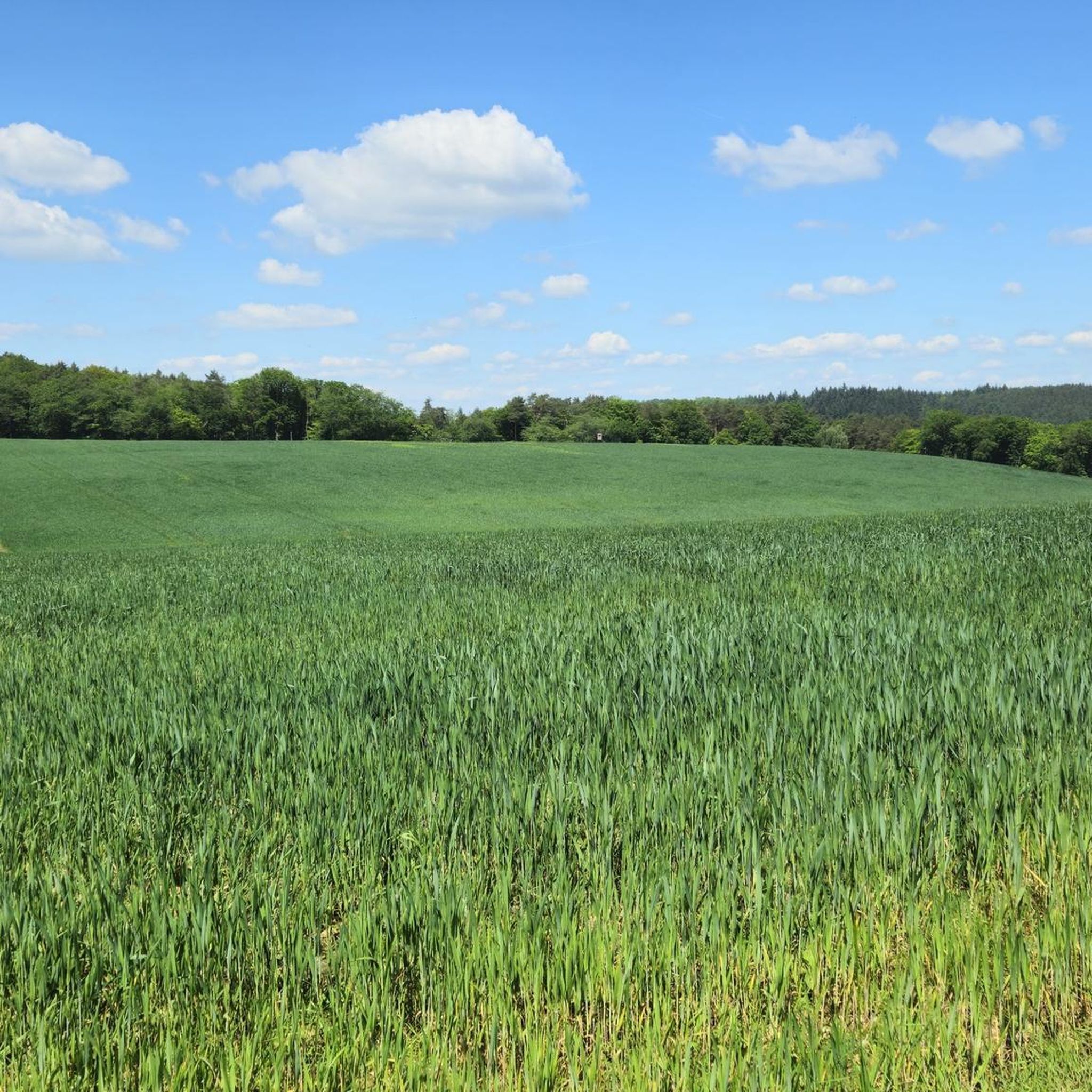
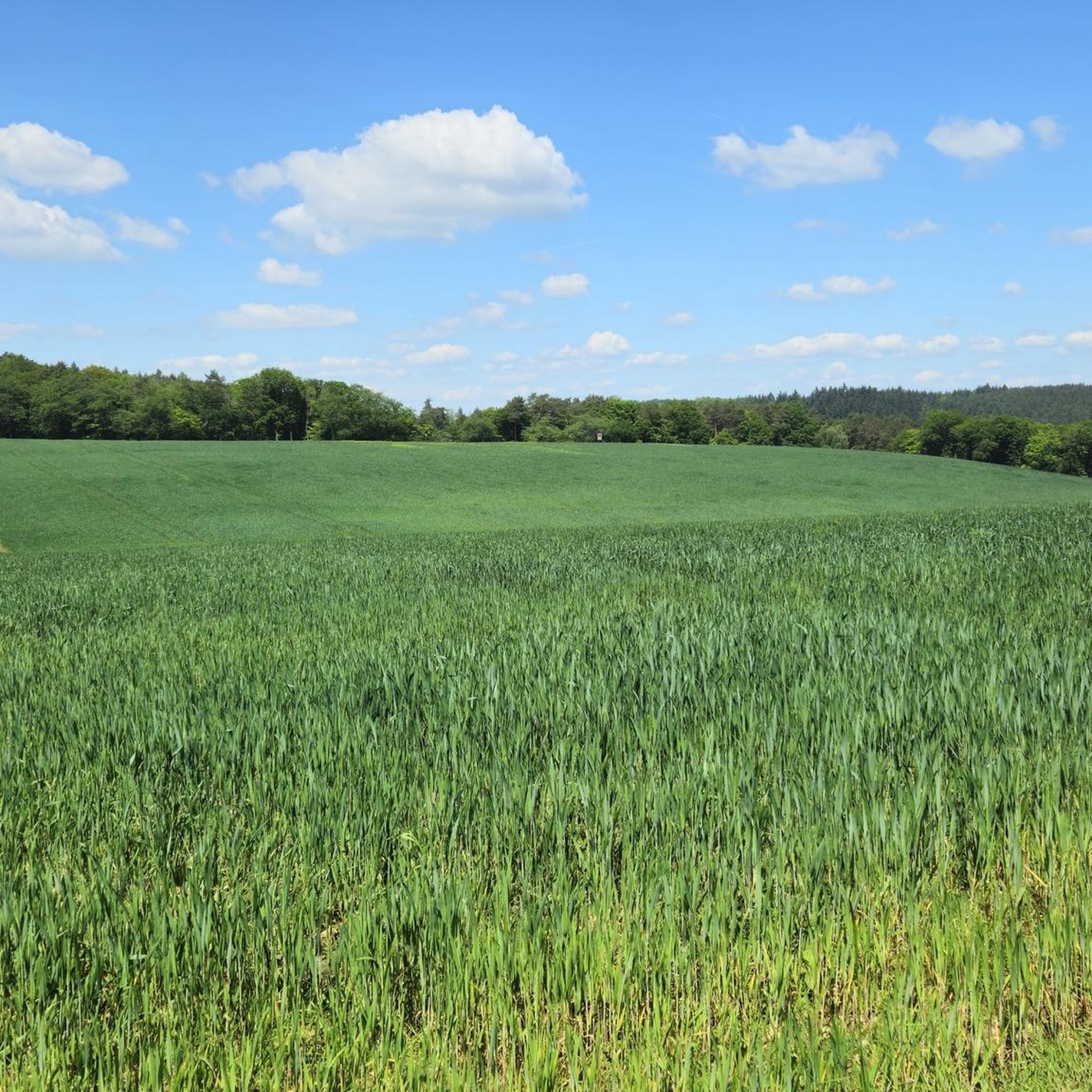
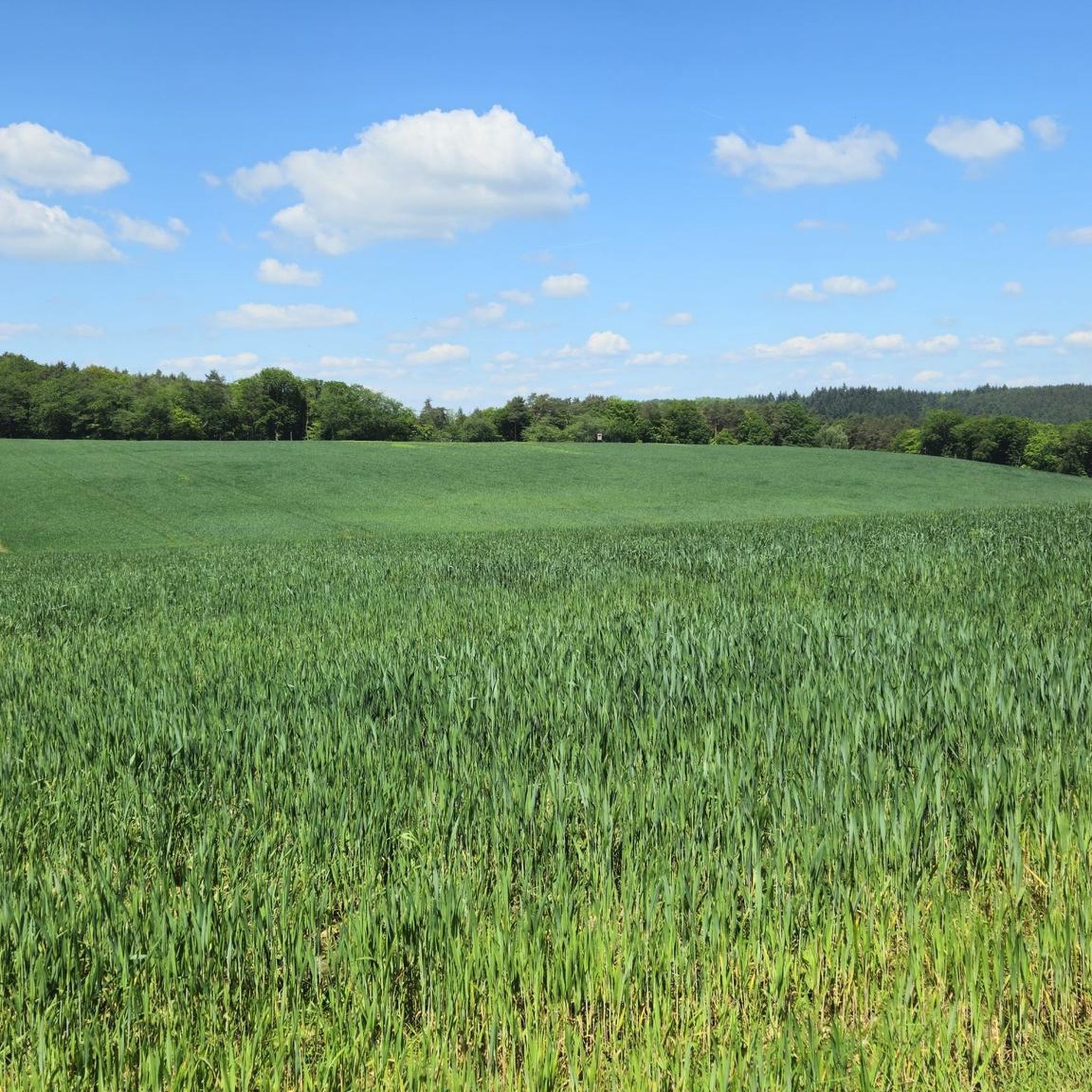
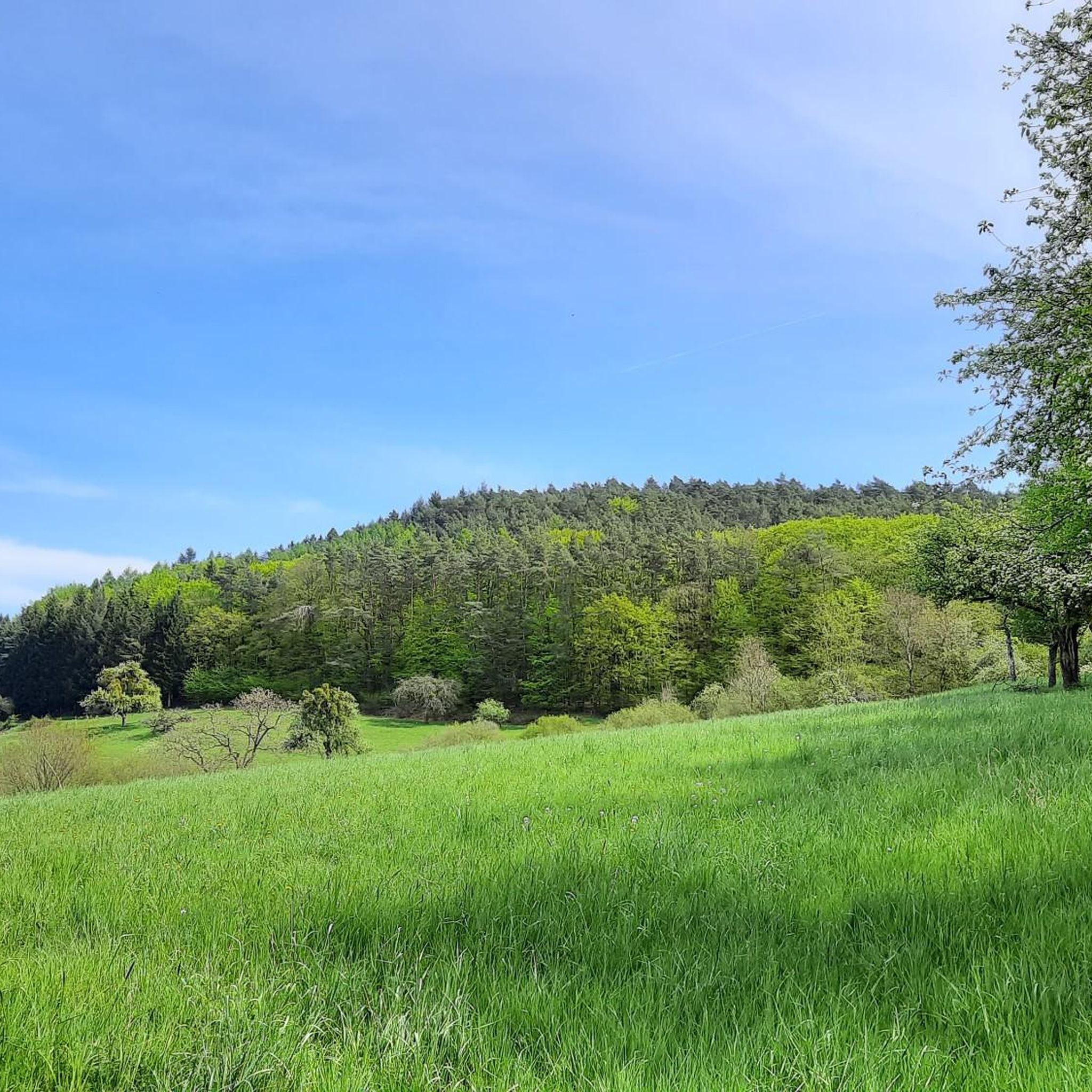
Tips from the Community

For the sulfur spring, see e.g. https://kulturdb.de/einobjekt.php?id=1720
0
0

At first glance it looks like a waterfall. On closer inspection you can see that it is rubble. Very impressive.
2
0

A fantastic view from the Moselle cycle path
2
0

Here you have a great view over the Moselle. The menhir has a legendary history. The imprint on the stone is said to be the hoofprint of a donkey. He pushed himself off the stone to save a princess fleeing from terrible knights. He jumped down to the Moselle and pushed off another stone. (It lies in the Moselle and can be seen at low tide and bears the same imprint) The donkey was able to land safely and the princess was saved from the henchmen.
2
0

A legend tells us: A Christian virgin, fleeing from a pagan knight, saved herself with her donkey at this spot by daring a leap into the valley. The donkey's hoofprint remained. The knight converted to Christianity upon witnessing the miracle. The stone, weighing several hundred pounds, lay flat for years and was re-erected here by the local community of Trittenheim during the land consolidation project of 1971-73.
2
0

The CO2 springs are classified as simple acid springs. The gas, carbonic acid dissolved in water, rises through the cracks in the fault line and partially dissolves in the groundwater at a shallow depth. The now slightly acidic water dissolves mineral compounds from the rock it flows through, which settle on the earth's surface as spring sediment. The mineral springs around Heckenmünster have a high iron content, which results from the fact that in the subsurface of the spring areas, at a depth of approximately 10-20 m, there is a red iron horizon through which the springs flow. The springs generally produce extremely low water flow, between 1 and 3 liters per minute. The Viktoria spring in Heckenmünster was used commercially around the turn of the century; between 1880 and 1900, approximately 50,000 bottles of mineral water were bottled annually. In the immediate vicinity of the spring, you can still find many pieces of glass and broken bottles that were broken or discarded at the time. Source: Eifel.info
0
0

Imposing rock face, the dimensions of which only really become clear when you see how hikers are walking in it.
5
0

Great view of the rugged mountains sloping into the Moselle. Small corners are actually used there for growing grapes, they can only be reached by boat.
6
0
Frequently Asked Questions
What unique natural features can I explore around Heckenmünster?
The region is known for its diverse natural features, including bubbling mineral springs and impressive rock formations. You can visit the Viktoria Spring (Heckenmünster), a carbonated spring historically used by Romans, nestled within a beautiful pine forest. Another notable feature is the Moselle Loreley, offering views of imposing rock faces along the Moselle river.
Are there family-friendly natural monuments to visit near Heckenmünster?
Yes, several natural monuments are suitable for families. The Viktoria Spring (Heckenmünster) is located in a pleasant pine forest, perfect for a leisurely visit. The Roman Sauerbrunnen Spring, Kesten, also offers a refuge and a water treading pool nearby, making it a great spot for a family outing. Additionally, the Meulenwald forest, with its mineral springs, features varied and well-maintained trails suitable for family hikes.
What historical or cultural sites are integrated with the natural monuments?
Many natural monuments in the area have historical significance. The Viktoria Spring (Heckenmünster) was used by Romans as a bath. The Eselstrapp (Menhir) is a large Celtic menhir with a local legend, offering a magnificent view of the Moselle Valley. The Roman Sauerbrunnen Spring, Kesten, was also used by Romans for its medicinal properties. The Werdelstein is an ancient boundary and cult stone with local legends and a nearby adit from an old ore mine.
What outdoor activities can I do near these natural monuments?
The region around Heckenmünster is ideal for various outdoor activities. You can find numerous hiking trails, including easy routes like the one connecting the Viktoria Spring (Heckenmünster) to the Heckenmünster Grill Hut. The Meulenwald forest offers a 34 km Eifelsteig experience loop, perfect for exploring the mineral springs. For more options, check out the guides for Easy hikes around Heckenmünster, MTB Trails around Heckenmünster, and Road Cycling Routes around Heckenmünster.
Are there specific hiking trails that lead to or past these natural monuments?
Yes, there are several trails. The Meulenwald forest features varied and well-maintained trails, including a 34 km Eifelsteig experience loop that passes by mineral springs like the Viktoriaquelle. The 'Hecke' nature reserve also has a circular trail known as the 'Heckentour.' For an easy hike, consider the route from the Viktoria Spring (Heckenmünster) to the Heckenmünster Grill Hut. You can find more hiking options in the Easy hikes around Heckenmünster guide.
What is the best time of year to visit the natural monuments in Heckenmünster?
The natural areas in Heckenmünster are particularly beautiful in spring and autumn. In spring, the landscape awakens with new life and vibrant greenery, while autumn offers a spectacular display of colors. These seasons provide ideal conditions for hiking and enjoying the scenic beauty.
What kind of wildlife can I expect to see in the natural monuments area?
The 'Hecke' nature reserve is known for its fascinating flora and fauna, providing opportunities to observe rare bird species. The dense forests and small streams throughout the region also support diverse ecosystems, so keep an eye out for various local wildlife during your visit.
Are there any viewpoints offering panoramic views of the Moselle Valley?
Absolutely. The Moselle Loreley is a prominent viewpoint featuring imposing rock faces and breathtaking views of the Moselle river landscape. Another excellent spot is the Eselstrapp (Menhir), which also offers a magnificent panorama of the Moselle Valley.
What are some less crowded natural attractions or hidden gems in the area?
While popular spots are well-loved, the region also offers quieter natural experiences. The 'Hecke' nature reserve and its circular 'Heckentour' provide a chance to explore dense forests and observe rare birds away from the main tourist paths. The Werdelstein, an ancient cult stone with local legends, is also a unique and perhaps less frequented historical natural monument.
What do visitors enjoy most about the natural monuments around Heckenmünster?
Visitors frequently appreciate the scenic beauty and the opportunities for outdoor activities. The Moselle Loreley is praised for its great views of the rugged mountains. The Viktoria Spring (Heckenmünster) is noted as a nice place to stay, surrounded by a beautiful pine forest. The historical and legendary aspects of sites like the Eselstrapp (Menhir) also add to the unique experience.
Can I drink the water from the mineral springs?
At the Roman Sauerbrunnen Spring, Kesten, you can drink the water, but be aware that it is very rich in iron and sulfur, which gives it a distinct taste and smell, often described as similar to rotten eggs. It's known to be thirst-quenching and stimulating for circulation and metabolism. The Viktoria Spring (Heckenmünster) is carbonated, and its water was historically bottled and sold.
Most popular routes around Heckenmünster
Most popular attractions around Heckenmünster

Get inspired with the komoot mobile app


Explore more
Extend your search for the best caves by checking out these guides of the top ones around Heckenmünster:
