Top 20 Natural Monuments around Hupperath
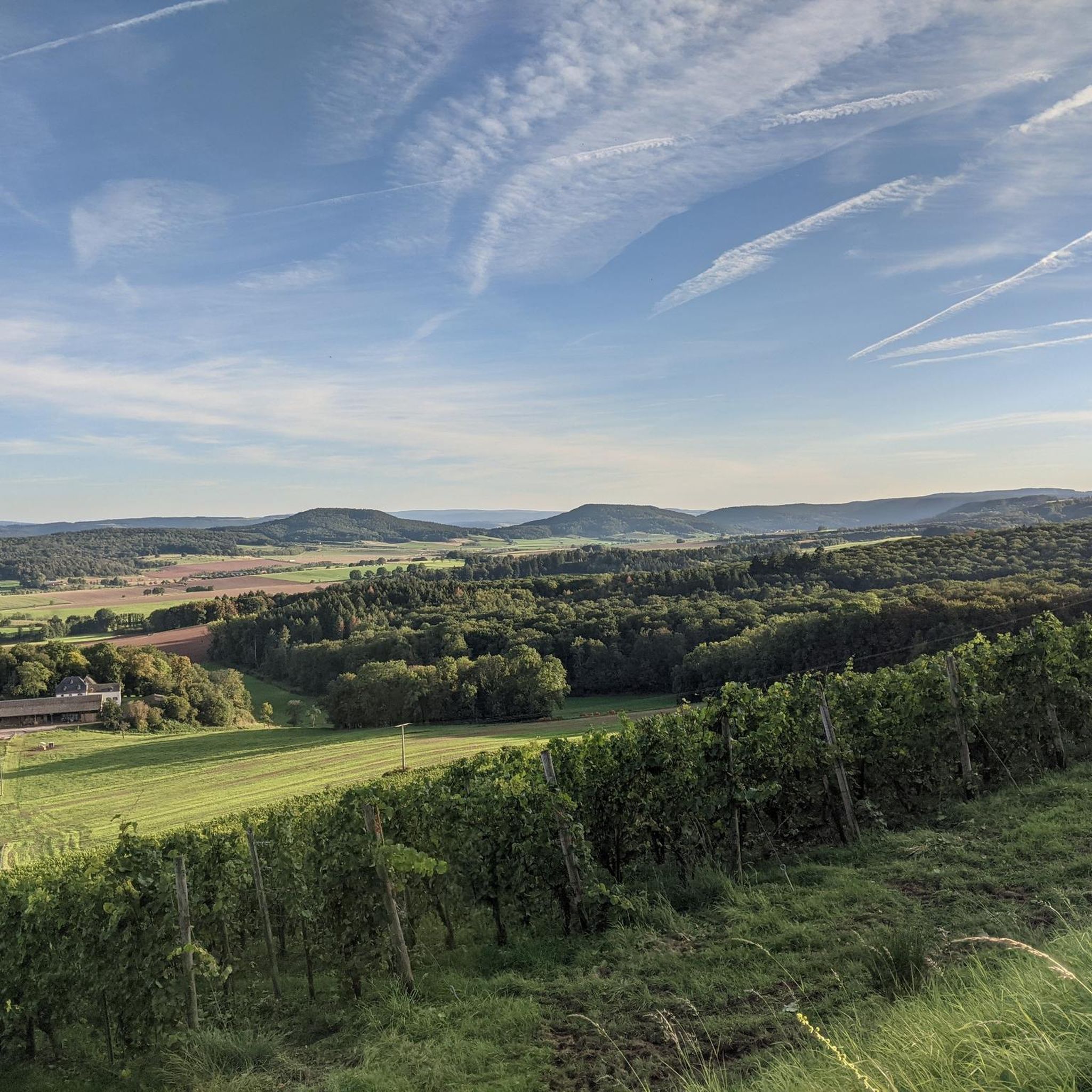
Natural monuments around Hupperath are situated in the Eifel Mountains, a region characterized by picturesque forests, rolling hills, and valleys. This area is known for its unique geological history, particularly its volcanic origins. Visitors can explore a diverse landscape shaped by ancient volcanic activity and natural water formations. The region offers various natural features and landmarks for outdoor exploration.
Best natural monuments around Hupperath
- The most popular natural monuments is Windsborn Crater summit, a volcanic crater lake and viewpoint…
Last updated: May 12, 2026
Windsborn Crater summit
Highlight • Viewpoint
Translated by Google •
Tip by

Wolfsschlucht (Vulkaneifel)
Highlight • Gorge
Translated by Google •
Tip by

Sign up now to discover places like this
Get recommendations on the best single tracks, peaks, & plenty of other exciting outdoor places.
Sign up for free
Whirlpools of the Kleine Kyll
Highlight • Natural Monument
Translated by Google •
Tip by

Mosenberg Volcano Experience Park
Highlight • Volcano
Translated by Google •
Tip by

Kleine Kyll Stream
Highlight • River
Translated by Google •
Tip by

Sign up for free to discover even more natural monuments around Hupperath.
Sign up for free
Already have an account?
Start today with a free account
Your next adventure awaits.
Login or Signup
Tips from the Community

Here you can enjoy with all your senses.
0
0

The rippling water brings peace to you
0
0

Beautiful walk with a small waterfall
0
0


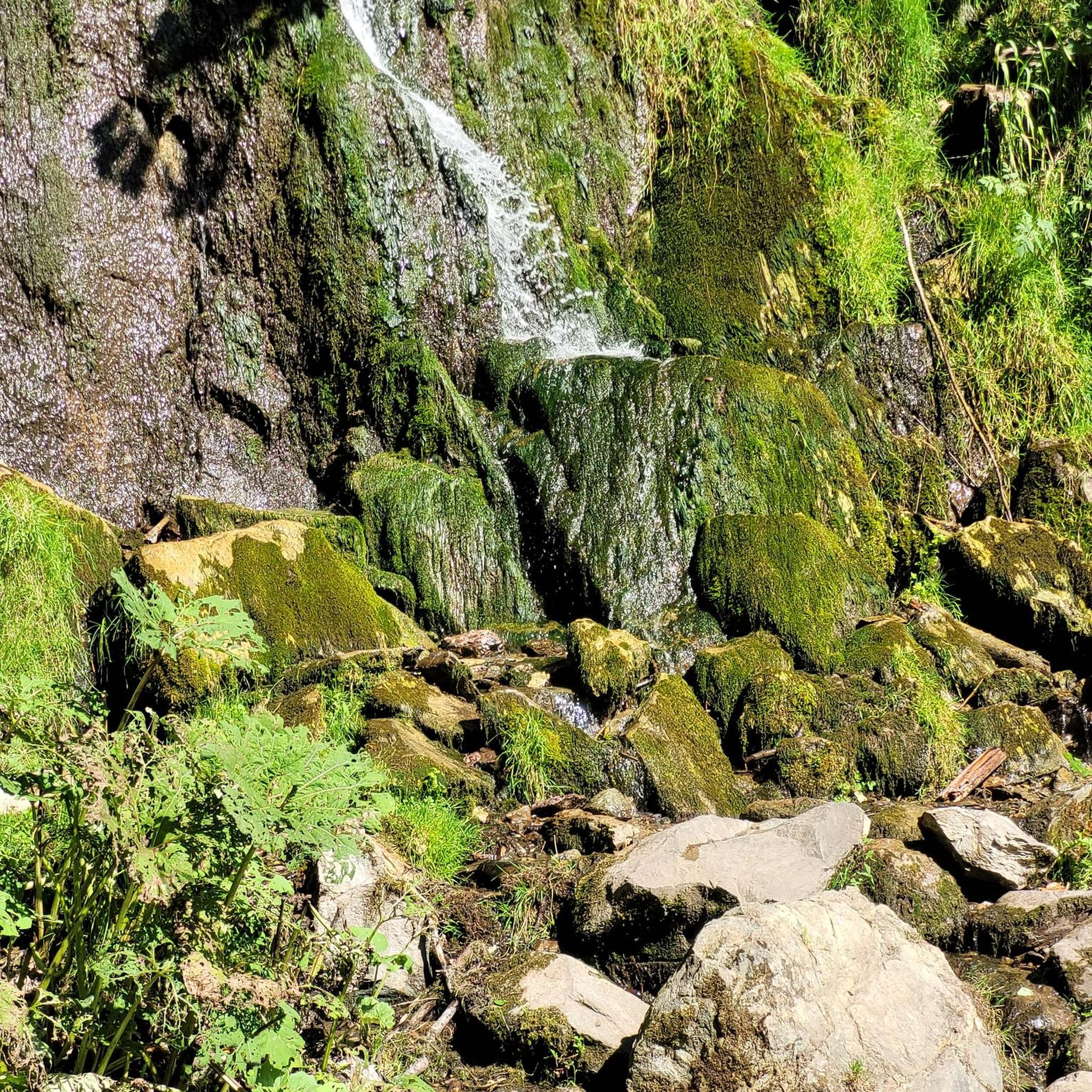
As beautiful as the Wolfsschlucht is, you should always be careful when hiking through it. If it has rained, the rocky path can be very slippery. Sturdy, well-profiled shoes are therefore strongly recommended.
4
0

Very interesting hiking trail, recommended
3
0
A path to inner contemplation, highly recommended
0
0

The HeimatSpur Mindfulness Trail Kleine Kyll is a very idyllic circular hiking trail near the Manderscheid Heidsmühle. The path mainly leads along beautiful forest paths. The exception is the climb up (or down, depending on the direction you walk) through the Wolfsschlucht with its basalt columns. The mossy boulders give the gorge a mystical, beautiful atmosphere. The path here leads over rocks, so it is advisable to only walk this path with suitable shoes. The valley is wet and the rocks are therefore slippery, so I preferred the climb up to the descent down here. The mindfulness path has 8 further highlights according to the topic: 0.6 km: Marienhütte (here - how fitting - I even encountered 3 ladybirds on the warm October 13th 🐞🐞🐞😍 0.9 km: Barefoot bathing area 1.9 km: Germanic Bridge 3.0 km: Place of hearing 3.6 km: Drinking water source 5.1 km: Resting place 5.7 km: View of the valley 5.8 km: Kneipp treading pool Especially at the point of hearing, you are encouraged to use your sense of hearing. Be it on the dendrophone, or by sticking your head into the humming stone and experiencing how the vibration of your own humming affects your body. Or you can listen carefully to the babbling of the little Kyll on the ear trumpet. The Mindfulness Path is not meant to be rushed through. The route is accompanied by the constant rustling and splashing of the small Kyll; there is something for all senses to experience and discover if you just take the time. The path serves - as the saying goes - to slow down. In contrast to a normal hiking trail, it wants to encourage you to explore yourself - instead of just following the given paths. So: hurry up!
3
0
Frequently Asked Questions
What unique natural features can I explore around Hupperath?
The region around Hupperath, situated in the Eifel Mountains, is characterized by its unique geological history, particularly its volcanic origins. You can explore diverse landscapes shaped by ancient volcanic activity, including volcanic craters and unique river formations. Highlights include the Windsborn Crater summit, one of the few volcanic crater lakes north of the Alps, and the Whirlpools of the Kleine Kyll, showcasing fascinating river erosion.
Are there any volcanic sites to visit near Hupperath?
Yes, the Eifel region is known for its volcanic past. A prominent site is the Windsborn Crater summit, a stratovolcano that formed approximately 30,000 years ago, offering views of its shallow crater lake. Another excellent spot is the Mosenberg Volcano Experience Park, an interpretive trail on a former lava mining area where you can learn about the Mosenberg volcano's history and touch various volcanic rocks.
What kind of geological history is evident in the natural monuments near Hupperath?
The natural monuments around Hupperath offer a deep dive into the region's geological past, primarily its volcanic origins. Sites like the Windsborn Crater summit demonstrate the formation of stratovolcanoes and crater lakes. The Whirlpools of the Kleine Kyll illustrate the erosive power of water, showing how 'strudel pots' are carved into rock over millennia. The Mosenberg Volcano Experience Park provides tangible evidence of lava flows and volcanic rock formations.
Are there family-friendly natural monuments around Hupperath?
Absolutely! The Whirlpools of the Kleine Kyll offer an exciting and beautiful path that can be fun for children, especially if you climb up the Wolfsschlucht. The Mosenberg Volcano Experience Park is also family-friendly, with information boards and volcanic rocks that visitors can touch, making it an engaging educational experience.
Are the trails around the natural monuments suitable for dogs?
Yes, some areas are dog-friendly. For instance, the Mosenberg Volcano Experience Park is noted as dog-friendly, offering an accessible path for you and your canine companion. When exploring other natural monuments, it's always advisable to keep dogs on a leash and be mindful of local regulations.
What outdoor activities can I do near these natural monuments?
The region around Hupperath offers a variety of outdoor activities. You can find numerous running trails, such as the 'Hupperath Run loop from Hupperath' (9.65 km, moderate), or explore MTB trails like the 'Historic Water Wheel in Bruch – Roman valley descent' (39.3 km, moderate). Cycling routes are also available, including the 'View of Wittlich Vineyards – Apple Tree Avenue (Eifel) loop from Hupperath' (17.8 km, moderate). For more details and routes, check out the guides for Running Trails around Hupperath, MTB Trails around Hupperath, and Cycling around Hupperath.
Are there hiking trails near these natural monuments?
Yes, the Eifel region is excellent for hiking. Many natural monuments are integrated into hiking paths. For example, the Wolfsschlucht (Vulkaneifel) can be crossed via the Kleine Kyll mindfulness path, offering a beautiful and mystical experience through moss-covered rocks. The Mosenberg Lookout Tower is also reachable via the VulkaMaar path, providing stunning views from the summit of an extinct volcano.
What do visitors enjoy most about the natural monuments around Hupperath?
Visitors particularly appreciate the unique geological insights and scenic beauty. The Windsborn Crater summit is loved for its rare volcanic crater lake and peaceful atmosphere, ideal for a break or picnic. The Wolfsschlucht is praised for its 'otherworldly' charm with moss-covered rocks and rare ferns. The Mosenberg Volcano Experience Park is valued for its informative displays and the opportunity to interact with volcanic rocks.
What is the best season to visit the natural monuments around Hupperath?
The Eifel region, including Hupperath, is beautiful throughout the year. Spring brings lush greenery and blooming wildflowers, while autumn offers vibrant foliage, especially in the forests surrounding the monuments. Summer is ideal for longer hikes and outdoor activities. Even winter can be charming, with a serene, mystical atmosphere, though some paths might be slippery, especially in gorges like the Wolfsschlucht.
Are there any viewpoints offering panoramic views of the Eifel landscape?
Yes, several natural monuments double as excellent viewpoints. The Windsborn Crater summit offers a unique perspective down into the crater lake. For broader panoramic views, the Mosenberg Lookout Tower provides stunning vistas to the north towards the Meerfelder Maar and to the east towards Manderscheid, allowing you to appreciate the diverse volcanic landscape of the Eifel.
Are there any hidden natural gems near Hupperath that are less known?
While the main attractions are well-known, the Wolfsschlucht (Vulkaneifel) offers a truly unique and mystical experience that feels like stepping into another world. With its moss-covered rocks, rare ferns, and the sound of the stream, it provides a charming and less-trafficked detour for those seeking a more secluded natural encounter. Just be sure to wear sturdy shoes, as the path can be rocky and slippery.
Most popular routes around Hupperath
Most popular attractions around Hupperath

Get inspired with the komoot mobile app


Explore more
Extend your search for the best caves by checking out these guides of the top ones around Hupperath:
