Top 20 Natural Monuments around Gutweiler
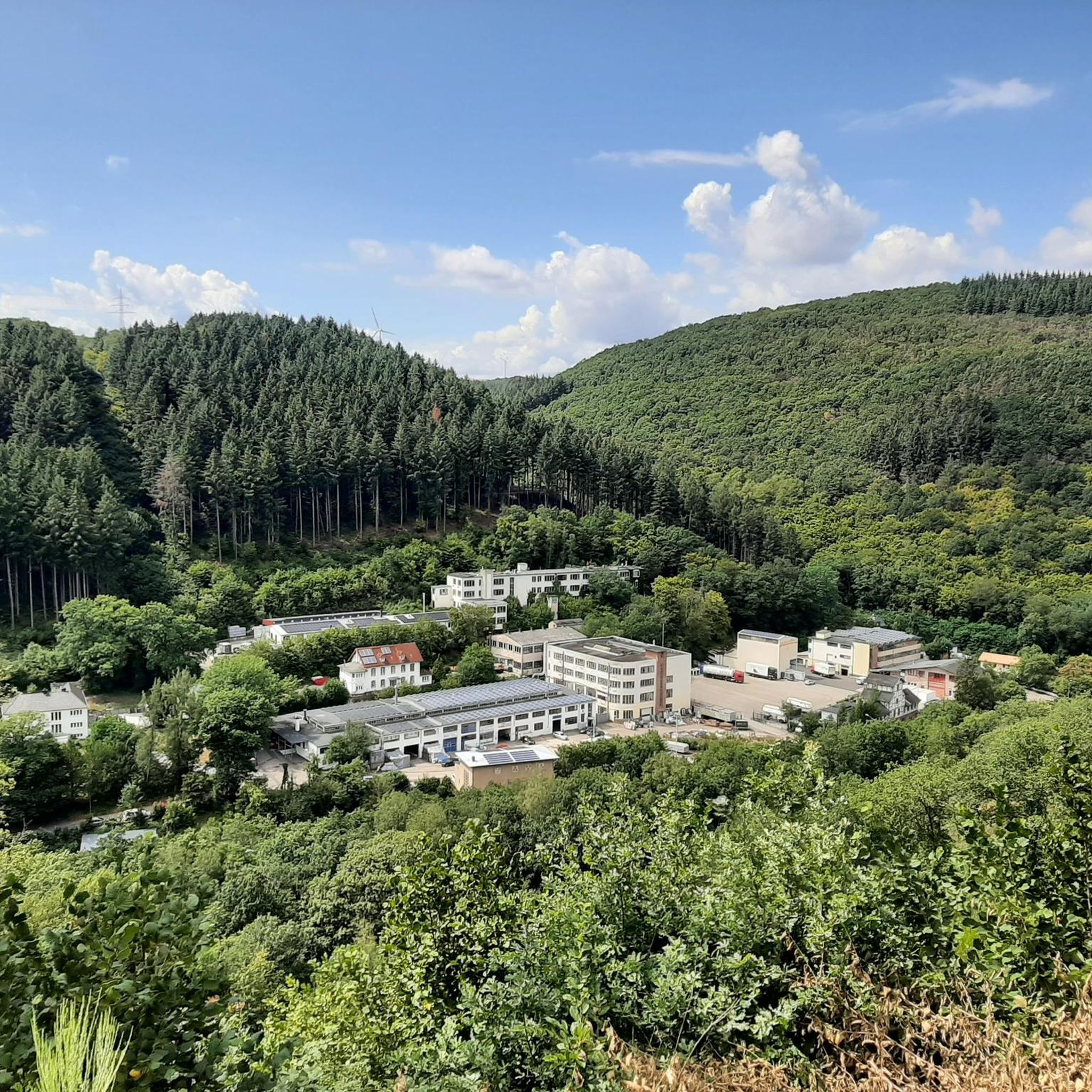
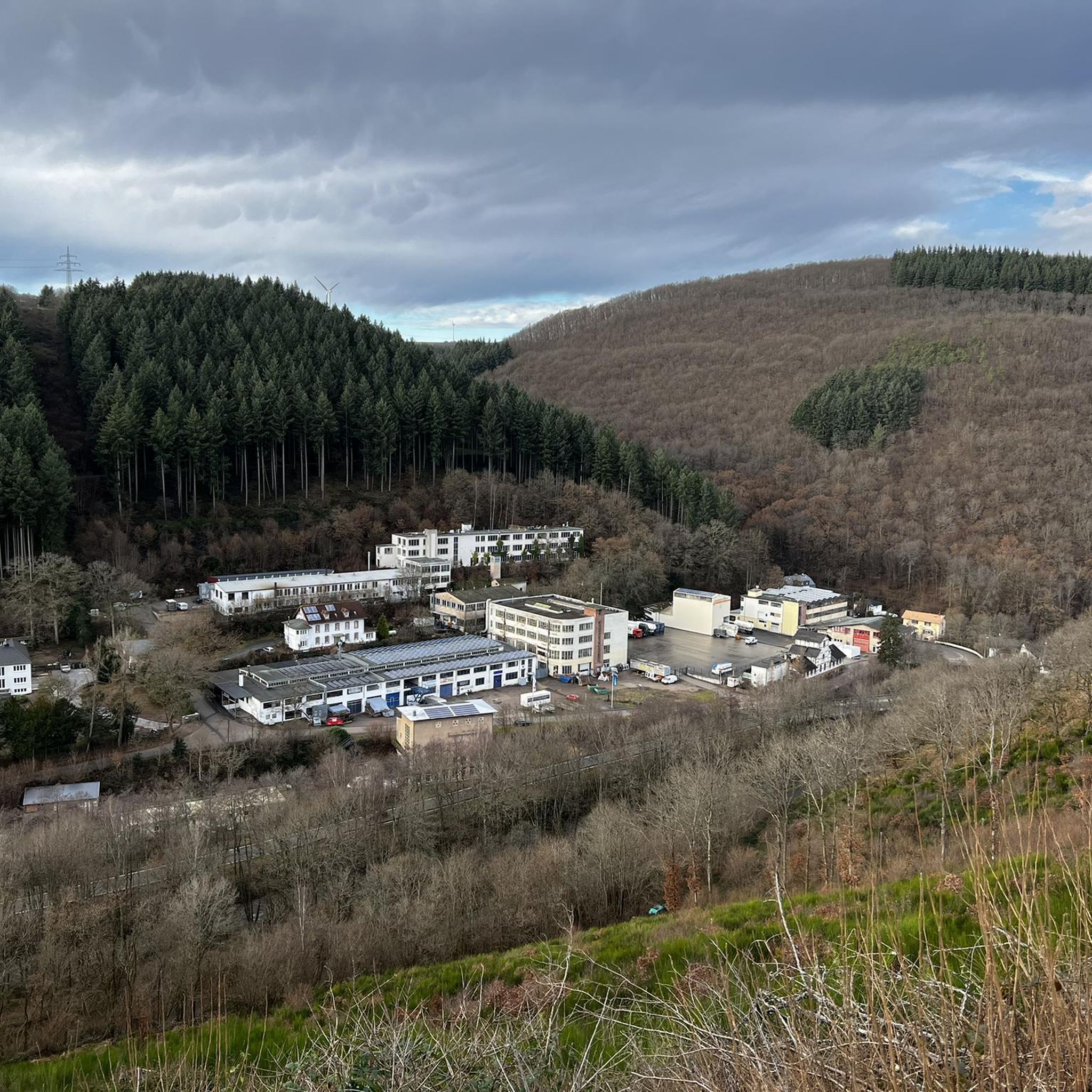
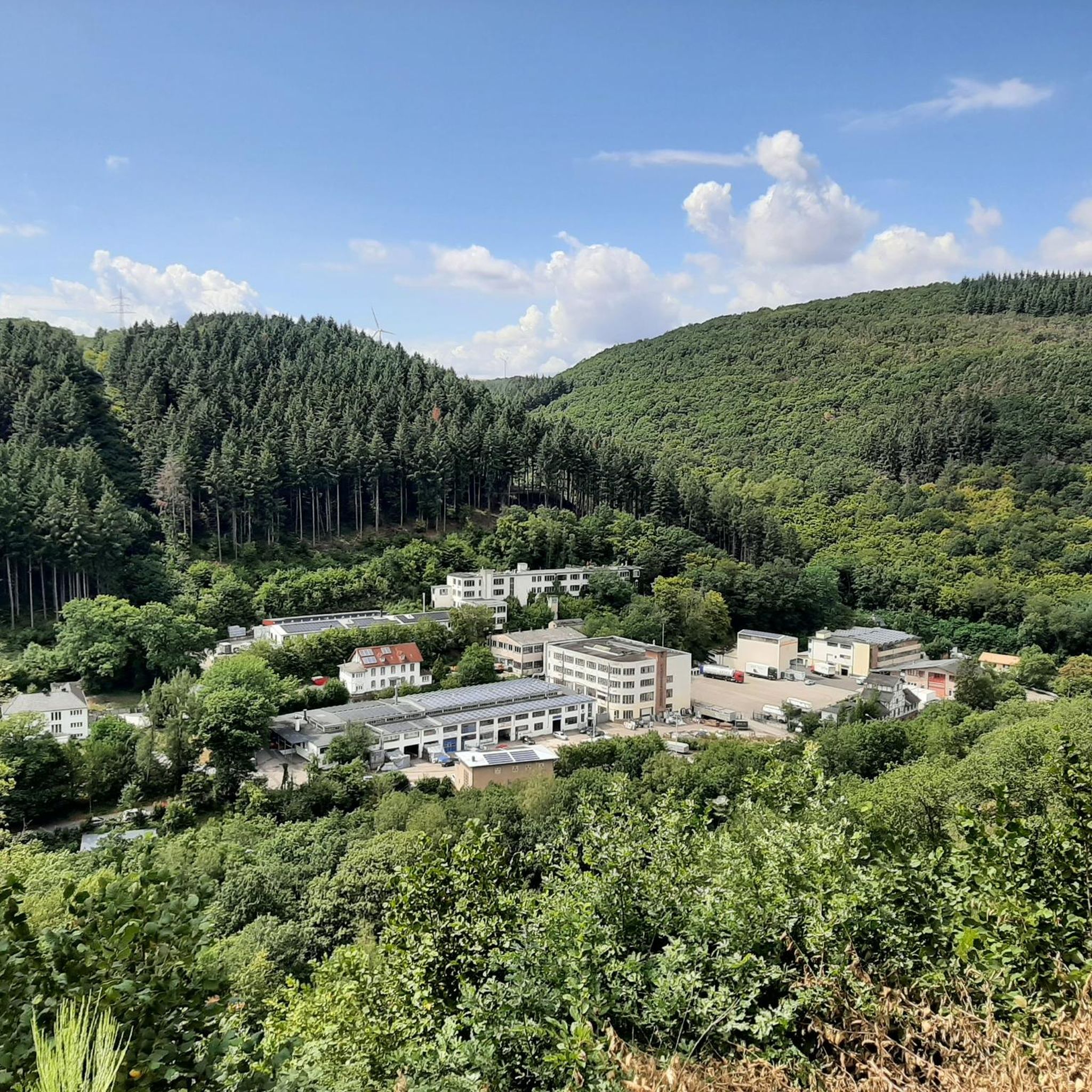
Best natural monuments around Gutweiler are situated in the picturesque Ruwer Valley, a region known for its natural beauty and outdoor opportunities. The area features deep forests, meandering rivers, and vineyards on slate hillsides, characteristic of the Trier-Saarburg region. This landscape offers a tranquil setting for nature exploration and is part of a significant wine-growing area. The surroundings of Gutweiler provide diverse natural features, including river valleys, reservoirs, and springs.
Best natural monuments around Gutweiler
- The most popular natural monuments…
Last updated: September 28, 2026
Sirzenich Waterfall
Highlight • Waterfall
Translated by Google •
Tip by

Keller Reservoir
Highlight • Lake
Translated by Google •
Tip by

Sign up now to discover places like this
Get recommendations on the best single tracks, peaks, & plenty of other exciting outdoor places.
Fountain at Kornmarkt
Highlight • Monument
It is located …
Translated by Google •
Tip by

Ruwer Spring
Highlight • Natural Monument
To quote the incomparable humorist Heinz Erhardt (1909 - 1979), who was known to a …
Translated by Google •
Tip by

Riveris Reservoir
Highlight • Lake
Translated by Google •
Tip by

Sign up for free to discover even more natural monuments around Gutweiler.
Already have an account?
Start today with a free account
Your next adventure awaits.
Tips from the Community

Reservoir, which can be comfortably walked around on wide paths (also suitable for strollers), beautiful views along the route included as well as the opportunity to stop off at Hau's am See (it is particularly nice on the terrace directly on the lake) and pedal boat rental included.
1
0

The St. George's Fountain on the Kornmarkt is conspicuously visible - no one can miss it here. The fountain was built by the city in 1750 in honor of Archbishop Franz Georg von Schönborn. The fountain was designed by Johannes Seiz, a student of Balthasar Neumann. The sculptural work comes from Amlinger. Surrounded by the allegorical figures of the four seasons, the fountain column in the shape of an obelisk rises in the wide basin. On his platform, St. George finally the dragon. The other dragons at the base, on the other hand, are condemned to spew water. The fountain is almost eleven meters high in total, the dragon slayer George alone measures almost two meters. (https://www.brunnenturmfigur.de/index.php?cat=Brunnen%20und%20Wasserspiele%2Fin%20Deutschland&page=Trier)
11
0

If you want to see the lake well, you should do the tour when the trees are not in leaf 😊
0
0

The Saint George Fountain (Georgsbrunnen for short) is a fountain in the Mitte/Gartenfeld district of Trier. It is considered one of the most beautiful rococo fountains in Germany. It is located on the Kornmarkt in the old town. The Sankt Georgsbrunnen was built between 1750 and 1751 according to plans by the court architect Johannes Seiz, the builder of the Electoral Palace, in honor of the sovereign Elector Franz Georg von Schönborn with depictions of the seasons and Saint George. Like the Petrusbrunnen on the main market, it was fed by the Heiligkreuzer Daufborn, known today as the Herrenbrünnchen, until the 19th century. The top of the fountain is about eleven meters high. The numerous, now empty cartouches at the fountain probably originally bore the painted coat of arms of the Trier councillors. In order to avoid contamination of the water, the fountain was surrounded by an iron grating, which was removed in the early 20th century. When it was erected, the fountain stood further east on the square, in front of the old town hall, which was destroyed in World War II. Like this, the fountain was also badly damaged by air raids, so that the restoration after the war was very expensive and large parts of the fountain had to be reconstructed. On this occasion, the fountain was moved to its current location. It was last restored as part of the renovation of the Kornmarkt in 2003, and a move back to the original location was also considered. For financial reasons and because the buildings around the old site had been modernized after the Second World War, which did not necessarily improve the effect of the fountain, the plan was ultimately abandoned. Source: Wikipedia.de
12
0

The Riveristalsperre is a drinking water dam that was built in the Riveris valley and has been supplying the city of Trier with drinking water since 1958. Technical data: Dam: 350,000 m³ slope and valley gravel, dam height: 50 m, dam width: 178 m, content: up to 5 million m³ drinking water. The area around the dam is a water protection area. You can walk around the dam on a leisurely hiking trail. There is a large car park below the dam. Swimming and water sports are not permitted on the dam, as the water must be protected from contamination.
1
0

Sirzenicher Gorge is beautiful. You have to cross the creek several times. If that is too difficult, you can also choose the easy path nearby.
2
0

11m high the imposing Sankt Georgsbrunnen in Trier.
9
1

The Sankt Georgsbrunnen (in short: Georgsbrunnen) is a fountain in the Mitte/Gartenfeld district of Trier. It is considered one of the most beautiful rococo fountains in Germany. It is located on the Kornmarkt in the old town. The Sankt Georgsbrunnen was built in the years 1750 to 1751 according to the plans of the court architect Johannes Seiz, the builder of the Electoral Palace, in honor of the sovereign Elector Franz Georg von Schönborn with depictions of the seasons and St. George. Like the Petrusbrunnen on the main market, it was fed by the Heiligkreuzer Daufborn, known today as the Herrenbrünnchen, until the 19th century. The top of the fountain is about eleven meters high. The numerous, now empty cartouches at the fountain probably originally bore the painted coat of arms of the Trier councillors. In order to avoid contamination of the water, the fountain was surrounded by an iron grating, which was removed in the early 20th century. When it was erected, the fountain stood further east on the square, in front of the old town hall, which was destroyed in World War II. Like this, the fountain was also badly damaged by air raids, so that the restoration after the war was very expensive and large parts of the fountain had to be reconstructed. On this occasion, the fountain was moved to its current location. It was last restored as part of the renovation of the Kornmarkt in 2003, and a move back to the original location was also considered. For financial reasons and because the buildings around the old site had been modernized after the Second World War, which did not necessarily improve the effect of the fountain, the plan was ultimately abandoned.
17
1
Frequently Asked Questions
What are the most popular natural monuments to visit near Gutweiler?
Visitors frequently enjoy the serene Keller Reservoir, which offers a beautiful path along its shore. Another favorite is the Ruwer Spring, marking the origin of the Ruwer river in the Osburger Hochwald. The Riveris Reservoir is also highly regarded for its scenic 8 km circular route.
Are there family-friendly natural monuments around Gutweiler?
Yes, several natural monuments are suitable for families. The Keller Reservoir and Riveris Reservoir both offer easy paths and circular routes. The Ruwer Spring is also considered family-friendly, providing a gentle introduction to the region's natural beauty. Additionally, the Ruwer Riesling Experience Trail is largely barrier-free and offers an educational and scenic walk for almost all age groups.
What kind of natural features can I expect to see in the Gutweiler region?
The Gutweiler region, nestled in the Ruwer Valley, is characterized by deep forests, meandering rivers like the Ruwer, and picturesque vineyards on steep slate hillsides. You'll find tranquil lakes such as the Keller Reservoir and Riveris Reservoir, as well as the source of the Ruwer river at the Ruwer Spring. The Sirzenich Waterfall offers a refreshing natural spectacle, especially after rainfall.
What outdoor activities can I do near the natural monuments around Gutweiler?
The area around Gutweiler is ideal for various outdoor activities. You can enjoy hiking on numerous trails, including easy walks and more challenging routes through the Ruwer Valley. Cycling is popular, especially on the Ruwer-Hochwald Cycle Path. The nearby Saar-Hunsrück Nature Park also offers extensive opportunities for mountain biking. For specific hiking routes, explore the Hiking around Gutweiler guide, or for easier options, the Easy hikes around Gutweiler guide.
Are there accessible natural monuments or trails for visitors with limited mobility?
Yes, some areas are designed with accessibility in mind. The Keller Reservoir is noted as wheelchair accessible. Additionally, the Ruwer Riesling Experience Trail is largely barrier-free, offering numerous seating and rest areas, making it suitable for a wider range of visitors to enjoy the scenic views of the Ruwer Valley.
What is the best season to visit the natural monuments near Gutweiler?
The natural monuments around Gutweiler offer beauty in every season. Spring brings blooming landscapes and fresh greenery, while summer is ideal for enjoying the lakes and shaded forest trails. Autumn transforms the vineyards into a vibrant tapestry of colors, and the Keller Reservoir is particularly attractive to experience sunrise and sunset year-round. Even winter hiking can be rewarding, especially after rainfall when waterfalls like Sirzenich Waterfall are more impressive.
Are there any circular walking routes around the natural monuments?
Yes, there are several circular walking routes. The Riveris Reservoir features a beautiful circular route of about 8 km around its barrier. The Ruwer Riesling Experience Trail is an 8.2 km circular trail offering versatile insights into the wine cultural landscape and diverse views across the Ruwer Valley. You can find more circular options in the Hiking around Gutweiler guide.
What historical or cultural sites are near the natural monuments?
While the focus is on natural monuments, the region is rich in history. The Ruwer Valley itself has a historical landscape with archaeological sites dating back to Roman, Celtic, and prehistoric times. In nearby Trier, you can find the Fountain at Kornmarkt, a beautiful Rococo fountain. The Ruwer Riesling Experience Trail also includes stations providing information on the region's history and culture alongside viticulture.
Can I find viewpoints to admire the natural scenery?
Absolutely. The Ruwer Valley and the broader Moselle Valley are known for their scenic viewpoints. The Ruwer Riesling Experience Trail offers diverse views across the Ruwer Valley. Many hiking routes, such as those found in the Easy hikes around Gutweiler guide, lead to panoramic benches and vistas overlooking the Eifel countryside and the valleys.
What is the Ruwer Riesling Experience Trail and where can I find more information?
The Ruwer Riesling Experience Trail is an 8.2 km circular trail near Gutweiler that offers nature and wine enthusiasts insights into the wine cultural landscape and diverse views across the Ruwer Valley. It features ten stations with information on viticulture, flora, fauna, history, geology, and culture. It is largely barrier-free with numerous seating and rest areas. You can find more details about this trail on visitmosel.de.
Are there opportunities for cycling near the natural monuments?
Yes, cycling is a popular way to explore the natural beauty of the region. The Ruwer-Hochwald Cycle Path, partly built on a former railway line, connects the Hunsrück with the Moselle Valley and passes through the idyllic Ruwer Valley. This path offers varied landscapes and access to local attractions. For gravel biking options, consult the Gravel biking around Gutweiler guide.
What makes the Ruwer Valley unique?
The Ruwer Valley is unique for its picturesque blend of deep forests, the meandering Ruwer river, and steep, south and southwest-facing vineyards planted on blue Devonian slate hillsides. These geological features contribute to the distinct mineral character of the local Riesling wines. The valley also boasts a rich historical landscape and offers a tranquil setting for nature immersion, making it a significant wine-growing region with unobtrusive beauty.
Most popular routes around Gutweiler
Most popular attractions around Gutweiler

Get inspired with the komoot mobile app


Explore more
Extend your search for the best caves by checking out these guides of the top ones around Gutweiler:
