Top 20 Natural Monuments around Mertesdorf
Best natural monuments around Mertesdorf are found in the picturesque Ruwer Valley, part of the larger Moselle wine region. This area is characterized by its unique geological formations, including Devonian slate soils, which contribute to its status as Germany's oldest wine-growing region. The landscape features winding river valleys, steep vineyards, and historical sites, offering a blend of natural and cultural significance. Visitors can explore a variety of natural attractions that showcase the region's rich history and ecological value.
Best natural…
Last updated: September 28, 2026
Genoveva Cave
Highlight • Cave
Translated by Google •
Tip by

Klausen Cave (Hermit's Cave)
Highlight • Cave
Showing Translation
Tip by

Sign up now to discover places like this
Get recommendations on the best single tracks, peaks, & plenty of other exciting outdoor places.
Roman copper mine and quarry Pützlöcher
Highlight • Historical Site
Translated by Google •
Tip by

Sirzenich Waterfall
Highlight • Waterfall
Translated by Google •
Tip by

Moselkino Viewpoint
Highlight • Viewpoint
Translated by Google •
Tip by

Sign up for free to discover even more natural monuments around Mertesdorf.
Already have an account?
Start today with a free account
Your next adventure awaits.
Tips from the Community

The Klausenhöhle was inhabited in the 18th century by a hermit. Access is via ladders. Particularly impressive is the view through a natural rock opening, which reveals a view of the surrounding landscape. With its exceptional location and special atmosphere, the cave is one of the region's most appealing photo motifs.
44
0
Even today, blocks of stone with Roman numerals and inscriptions can be found in the mine. It is believed that quarrying continued into the 3rd century, as a coin of Emperor Maximinus Thrax was found in the tunnel. Much later, in the 18th century, the search for ore and copper resumed using state-of-the-art blasting techniques, creating new tunnels approximately 114 meters deep. However, the main tunnel collapsed during this process. Source: https://eifelfuehrer.de/touristische-ziele/geschichtliche-zeugnisse/puetzloecher
37
0
The Roman copper mine "Pützlöcher," located between Kordel and Butzweiler, is one of the oldest in Germany and means "waterhole." Here, in the 2nd century, ores such as malachite and azurite were mined at a depth of 20 meters. However, these ores were not found in large deposits, so the Romans later focused on the nearby quarry. The stones from this quarry were used, among other things, for the construction of the Porta Nigra. Source: https://eifelfuehrer.de/touristische-ziele/geschichtliche-zeugnisse/puetzloecher
46
0

Great, impressive photo opportunity 🎨📸👍🏻👌🏼 Klausenhöhle KORDEL Visit the Klausenhöhle on the Eifelsteig and Römerpfad premium hiking trails and let the past come to life again. In the 18th century, a Klausener, a hermit, who sought to achieve eternal salvation through a life in complete isolation, probably lived in the Klausenhöhle. It's gigantic to see😵👌🏼
15
0
The Porta Nigra in Trier, the Cologne Cathedral and the Reichstag in Berlin have something in common! The building blocks come from the same area near Butzweiler near Trier. "Pützlöcher" is the popular name for a Roman quarry in which the large blocks for the construction of the Porta Nigra were cut out of the rock. Previously, copper ore was mined here.⚒️
13
1
"Pützlöcher": Roman quarry in which large blocks were cut out of the rock to build the Porta Nigra. Before that, copper ore was mined here.⚒️
9
0

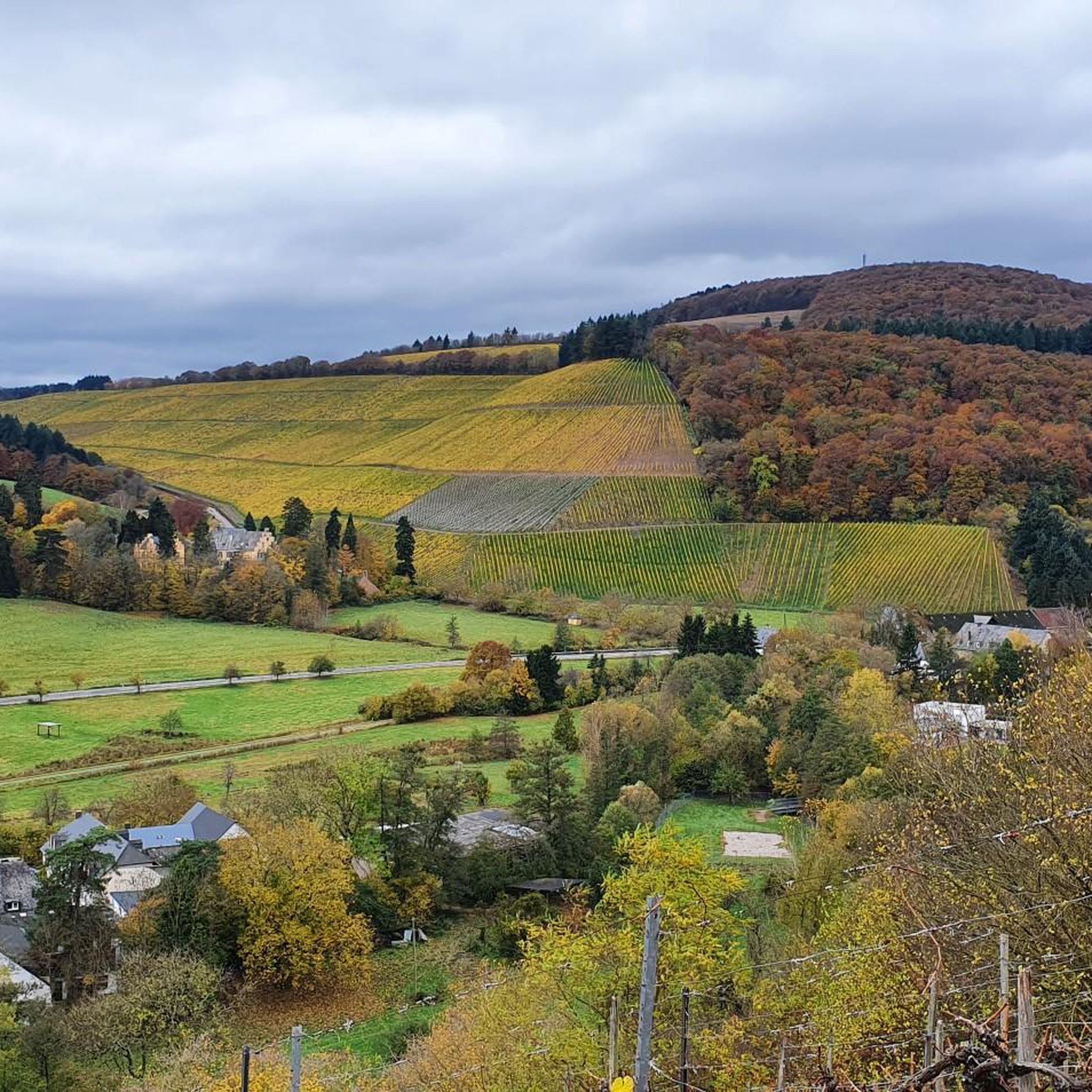
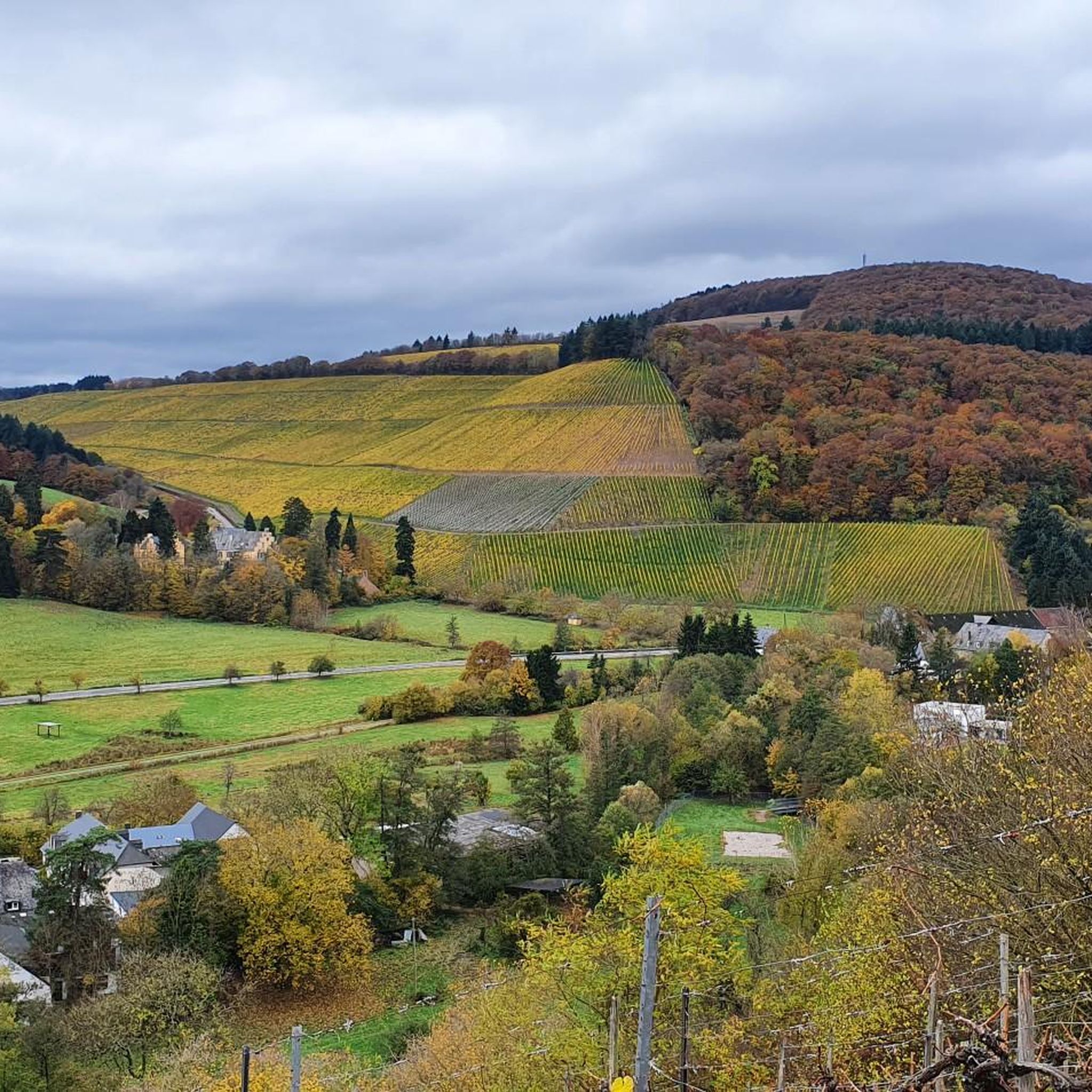
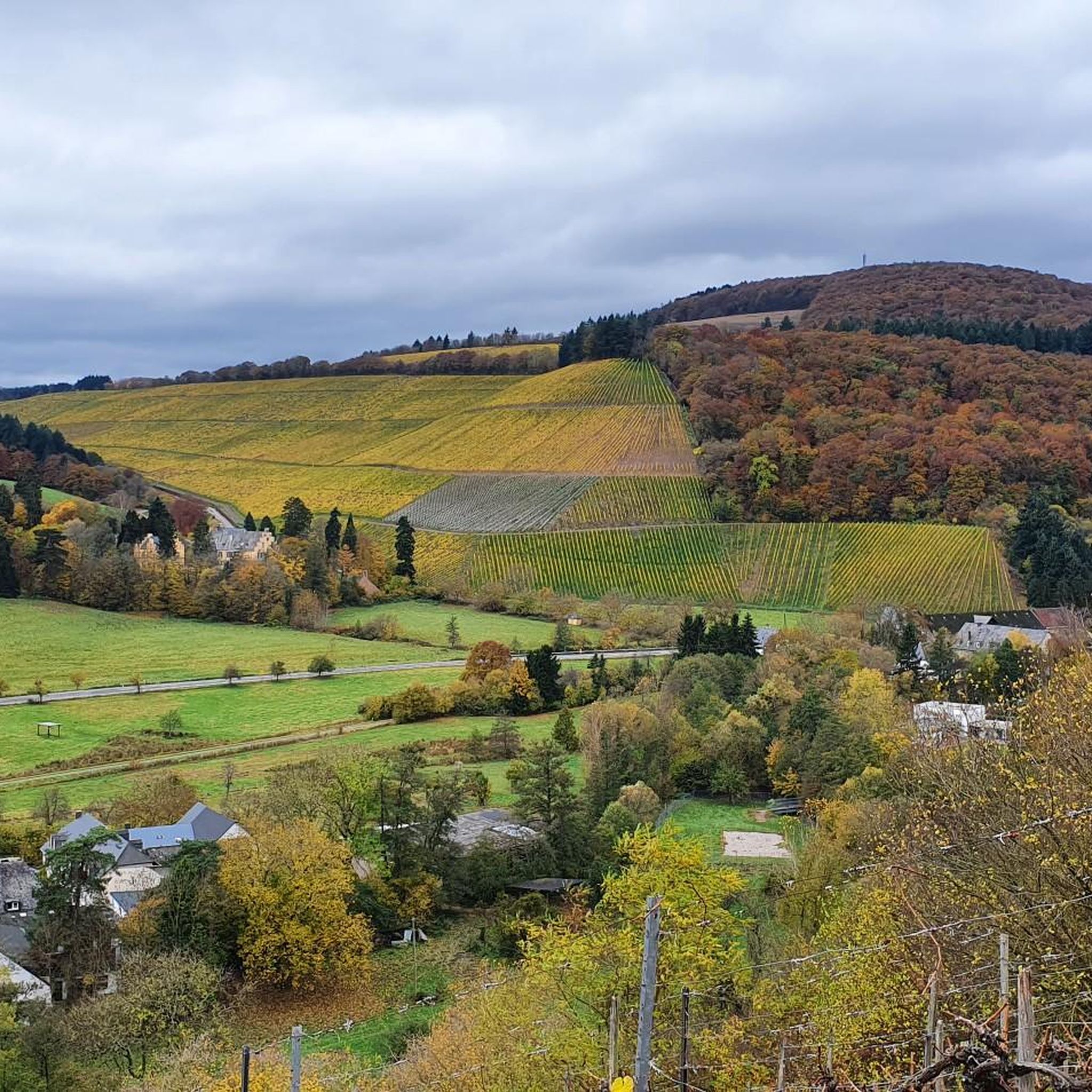
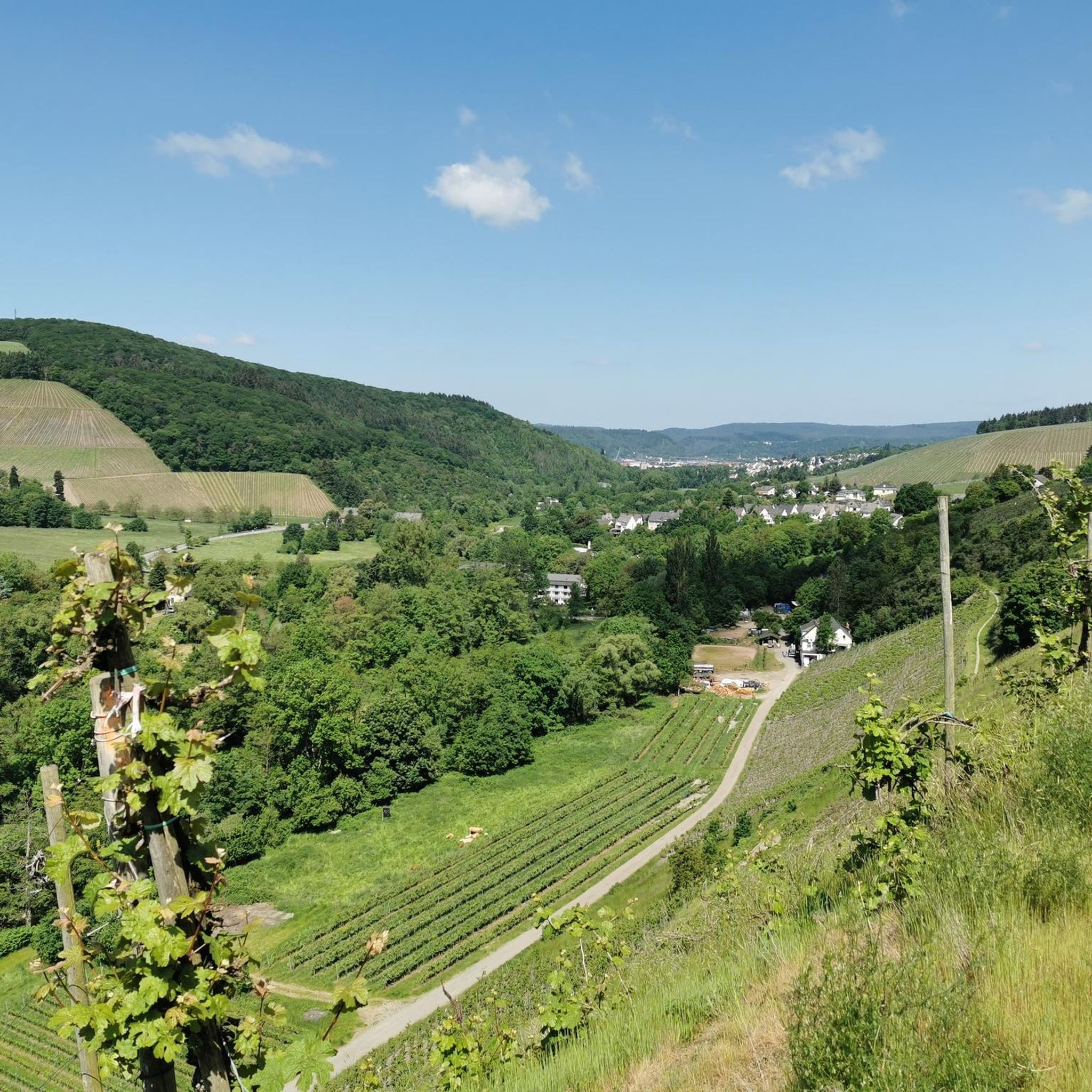
Great view of Leiwen. Many benches that invite you to linger
6
1

Sirzenicher Gorge is beautiful. You have to cross the creek several times. If that is too difficult, you can also choose the easy path nearby.
2
0
Frequently Asked Questions
What are some popular natural monuments to visit near Mertesdorf?
The Mertesdorf region offers a variety of popular natural monuments. Among them, the Genoveva Cave is a huge, open natural sandstone cave with significant historical importance. Another favorite is the Moselkino Viewpoint, which provides panoramic views of the Moselle Valley. Visitors also appreciate the secluded Klausen Cave (Hermit's Cave), known for its fascinating faces carved into the rock.
What kind of natural features can I expect to see in the Mertesdorf region?
The Mertesdorf region, nestled in the Ruwer Valley, is characterized by its unique geological formations. You'll find steep, terraced vineyards on ancient Devonian slate soils, winding river valleys, and impressive natural sandstone caves. Features like the Sirzenich Waterfall and various viewpoints showcase the area's diverse natural beauty.
Are there any historical natural monuments around Mertesdorf?
Yes, the region is rich in historical natural monuments. The Genoveva Cave served as a shelter for humans since the Palaeolithic era and is steeped in medieval legend. The Klausen Cave (Hermit's Cave) also has historical significance. Additionally, the Roman copper mine and quarry Pützlöcher offers a glimpse into ancient Roman mining practices, where ores were extracted and stones were quarried for structures like the Porta Nigra.
Are there family-friendly natural monuments around Mertesdorf?
Many natural monuments in the Mertesdorf area are suitable for families. The Moselkino Viewpoint is categorized as family-friendly, offering a relaxed setting with benches to enjoy the views. The Genoveva Cave is also a great option, providing an educational experience about ancient human habitation and local legends, which can be exciting for children.
Are there dog-friendly natural monuments or walks in the area?
Yes, the Mertesdorf region is generally welcoming to dogs. The Moselkino Viewpoint is specifically listed as dog-friendly, making it a great spot to enjoy with your canine companion. Many of the trails leading to natural monuments are also suitable for walks with dogs, though it's always advisable to keep them on a leash and clean up after them.
What is the best time to visit the natural monuments in Mertesdorf?
The natural monuments around Mertesdorf can be enjoyed year-round. Spring and autumn offer pleasant temperatures for hiking and exploring, with vibrant foliage or blooming vineyards. Summer is ideal for outdoor activities, though some caves can provide cool shelter on hot days. Even in winter, the landscape has a unique charm, though some paths might be slippery, especially near waterfalls or caves.
What outdoor activities can I do near the natural monuments around Mertesdorf?
The Mertesdorf area is excellent for various outdoor activities. You can explore numerous hiking trails, including easy routes like the Karthäuserhof – Duisburger Hof loop. For cyclists, there are extensive road cycling routes and challenging MTB trails that wind through the picturesque valleys and vineyards, often passing by these natural sites.
Are there hiking trails near the natural monuments?
Absolutely. The region around Mertesdorf is crisscrossed with hiking trails that often lead directly to or past natural monuments. For instance, you can find easy hikes like the Hiking loop from Mertesdorf or the Hühnerland Forest loop, which allow you to explore the natural beauty and discover sites like caves and viewpoints.
Can I go cycling near the natural monuments?
Yes, the Mertesdorf area is very popular for cycling. You can find a range of options from leisurely road cycling routes through the Moselle and Ruwer valleys to more adventurous mountain biking trails. Many of these routes offer stunning views and pass by significant natural monuments, allowing you to combine your ride with sightseeing.
What do visitors particularly enjoy about the natural monuments in this area?
Visitors frequently praise the blend of natural beauty and historical significance. The unique geological formations, such as the Devonian slate vineyards and ancient caves, are a major draw. The community has shared over 2100 photos and given more than 2000 upvotes, highlighting the scenic views, the historical insights offered by sites like the Genoveva Cave, and the overall tranquility of the secluded spots like Klausen Cave.
Are there any unique geological features to explore?
The Mertesdorf region is geologically fascinating. The entire Moselle wine region, including the Ruwer Valley, is built upon 400-million-year-old Devonian slate soils, which are visible in the steep vineyard terraces. You can explore natural sandstone caves like the Genoveva Cave, formed by river erosion, and witness the ancient mining sites of Pützlöcher, which reveal how early civilizations interacted with the natural resources of the land.
Are there any hidden gems among the natural monuments?
While many sites are well-known, the Sirzenich Waterfall is a beautiful spot often described as a 'Bachtal for hot days,' offering a refreshing experience. The Klausen Cave (Hermit's Cave), though popular, is noted for its wonderfully secluded feel, making it a peaceful discovery for many visitors.
Most popular routes around Mertesdorf
Most popular attractions around Mertesdorf

Get inspired with the komoot mobile app


Explore more
Extend your search for the best caves by checking out these guides of the top ones around Mertesdorf:
