Top 20 Natural Monuments around Schloßböckelheim
Best natural monuments around Schloßböckelheim are located in the Middle Nahe valley, an area known for its distinct natural landscape. This region features steep slopes, volcanic rock formations, and diverse vegetation, including subcontinental and submediterranean plant species. The Nahe River valley contributes to a warm, dry microclimate, fostering a rich variety of plant life. These natural features offer opportunities to experience geological wonders and botanical diversity.
Best natural monuments around Schloßböckelheim
- The most popular natural monuments is Rheingrafenstein Castle Ruins…
Last updated: August 4, 2026
Rheingrafenstein Castle Ruins
Highlight • Castle
Enjoy the nature!
Translated by Google •
Tip by

View of Bad Münster am Stein-Ebernburg from the Rotenfels
Highlight • Viewpoint
Translated by Google •
Tip by

Sign up now to discover places like this
Get recommendations on the best single tracks, peaks, & plenty of other exciting outdoor places.
Sign up for free
View of Rheingrafenstein Castle
Highlight • Viewpoint
View from the town of Bad Münster am Stein.
Its origins are legendary: the devil is said to have built the castle on the steep, 245 m …
Translated by Google •
Tip by

Rotenfels Panorama Trail to the Bastei
Highlight (Segment) • Trail
Translated by Google •
Tip by

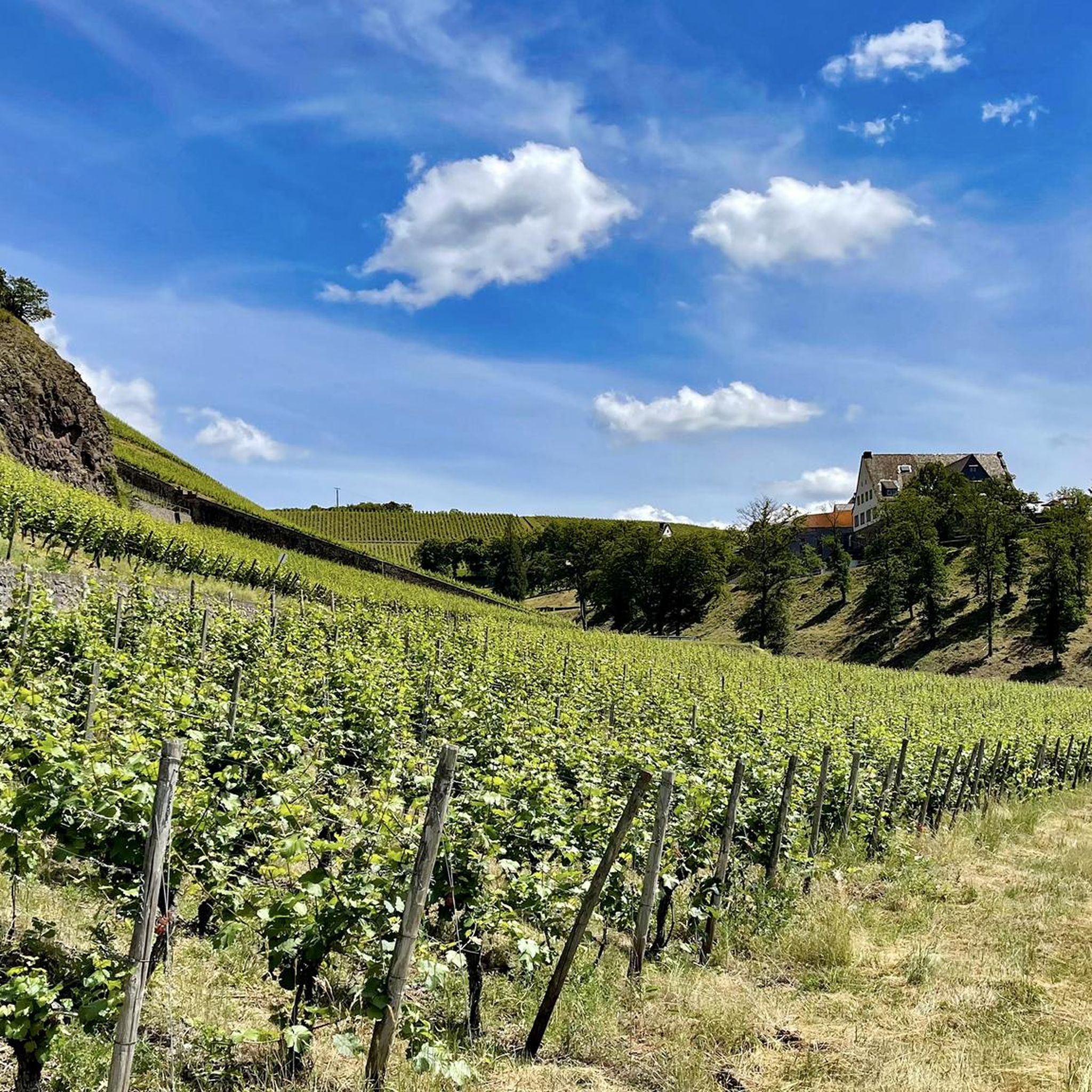
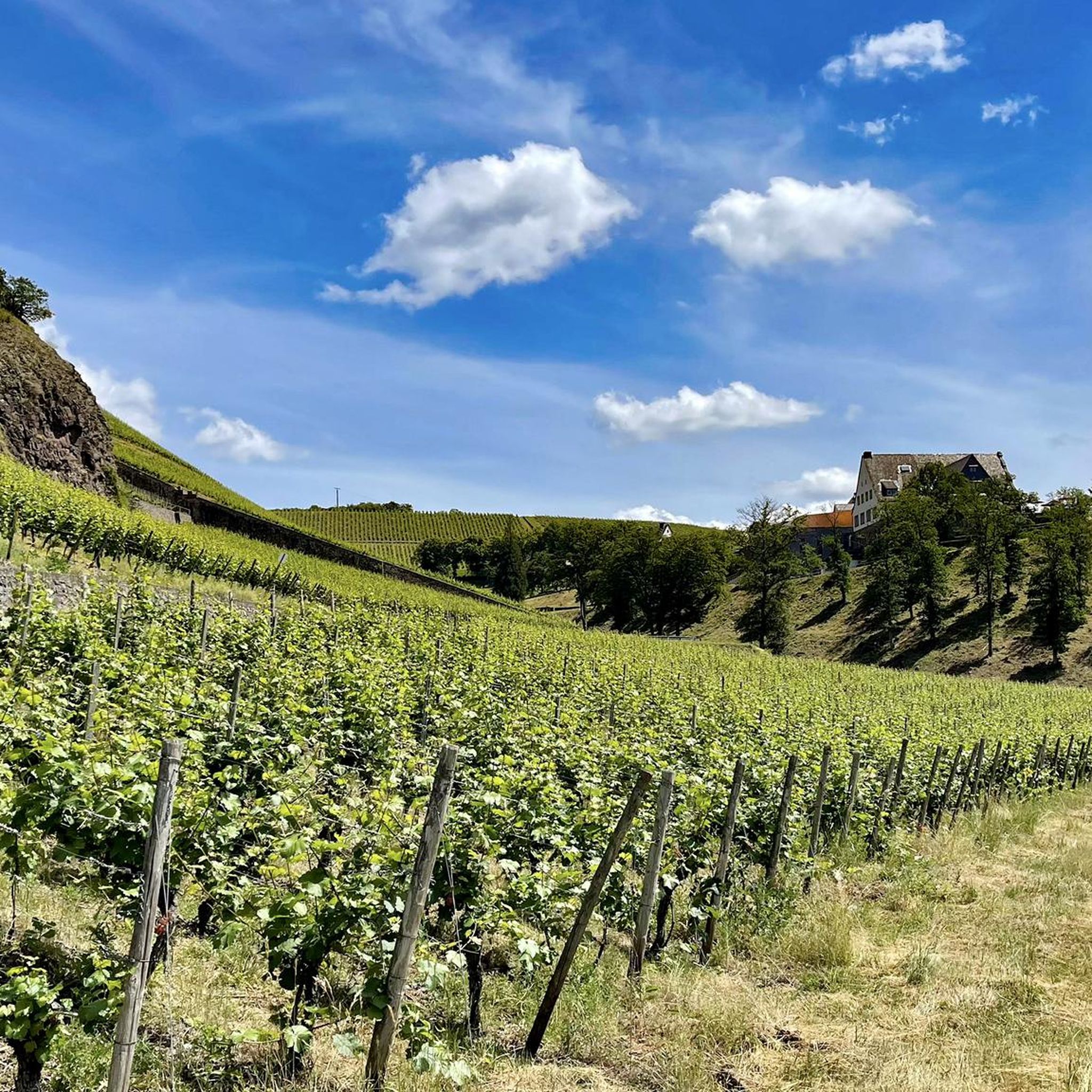
View of the Nahe River and Rotenfels Cliffs
Highlight • Viewpoint
Translated by Google •
Tip by

Sign up for free to discover even more natural monuments around Schloßböckelheim.
Sign up for free
Already have an account?
Start today with a free account
Your next adventure awaits.
Login or Signup
Other adventures around Schloßböckelheim

Tips from the Community

👑 Rheingrafenstein Castle Ruins – The Rock Boss on the Cycle Path Tip: Stop here! The Rheingrafenstein ruins sit dramatically perched on a 136-meter-high porphyry cliff above the Nahe River – one of the most impressive sights of the entire tour. The castle was the ancestral seat of the famous Wildgraves and Rhinegraves (until it was blown up in 1689). The view from the cycle path is phenomenal! If you really want to go up (and have enough energy), you can take the small hand-pulled ferry across and take the steep hiking trail to the ruins. It's worth it for the view over the Nahe Valley, but honestly: My legs were already tired enough from cycling. The panoramic view from below is worth its weight in gold! A must-have for your photo collection!
1
0

Rheingrafenstein Castle sits enthroned on a steep porphyry cliff (245 meters high) directly above the Nahe River near Bad Münster am Stein-Ebernburg. Legend has it that the devil himself built the castle—a reference to its dramatic location and mystical aura. In fact, it likely dates back to the 11th century and was the ancestral seat of the Lords of Stein, later the Wildgraves and Rhinegraves. In 1689, it was blown up by French troops under Louis XIV, and since then it has been a ruin—but an extremely impressive one.
3
0

Absolutely impressive, both the panoramic view and the view down into the Nahe Valley
4
0

Beautiful rock with the Rheingrafenstein castle ruins. It is said that the devil is said to have built the castle. In any case, the castle was blown up by the French troops under Louis XIV.
4
2

Just a pure pleasure to walk this narrow path. The views into the distance, into the depths and the nature and rocks directly on the path are simply fantastic!
5
0

Huge steep wall with special flora and fauna.
4
0

Absolutely great view from up here. 👍
3
0

imposing view of the Rotenfels and a good photo opportunity, especially when canoeists are out on the river
6
0
Frequently Asked Questions
What unique natural features can I explore around Schloßböckelheim?
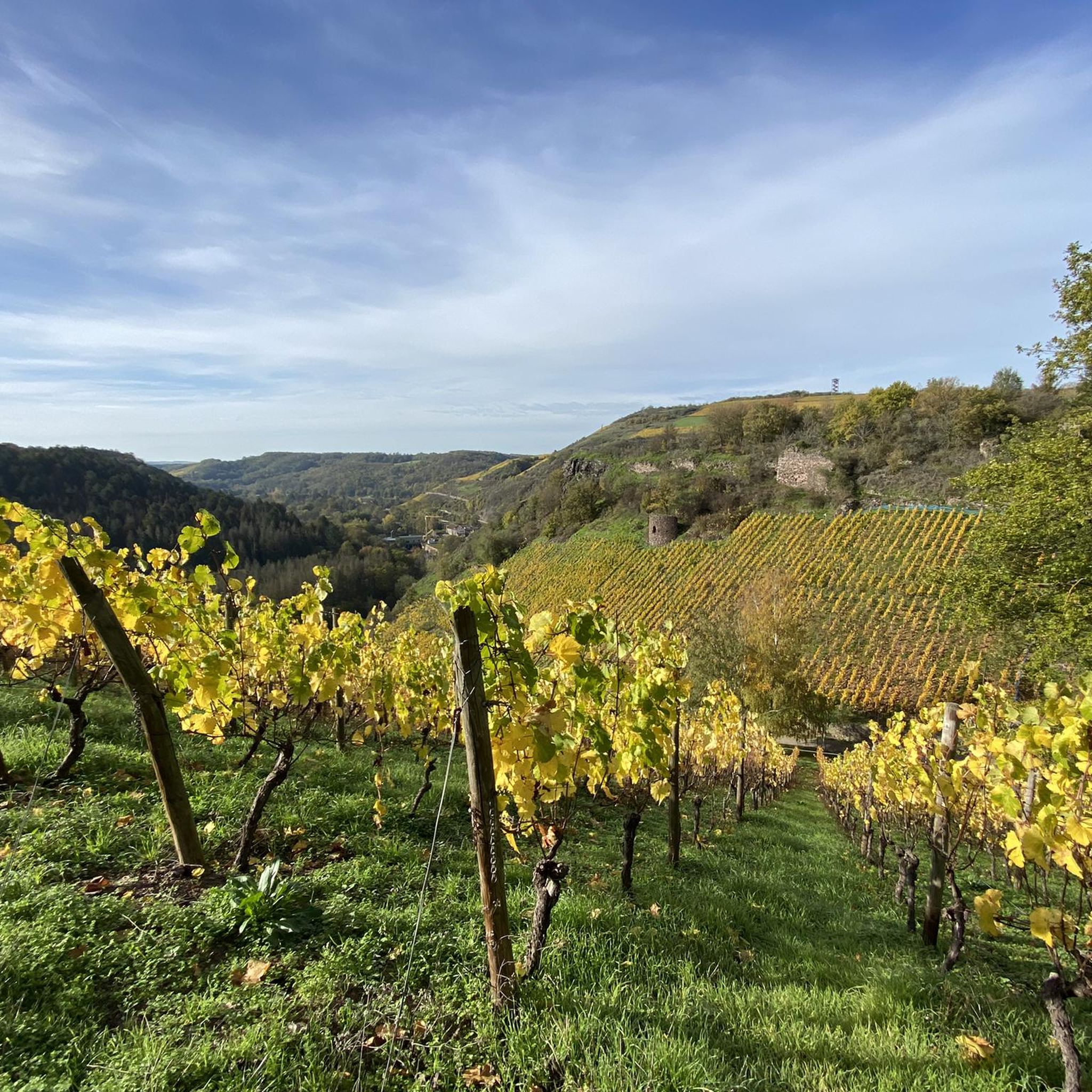
The region is characterized by its volcanic subsoil, steep slopes, and unique microclimates. You can discover areas like the Heimberg-Schäferberg-Felsenberg landscape, known for its craggy formations and rare subcontinental and submediterranean plant species. The Rotenfels Cliff, for instance, is of volcanic origin and is considered the highest rock face between the Alps and Scandinavia.
Are there any family-friendly natural monuments in the area?
Yes, several natural monuments are suitable for families. The View from the Gans (Bad Kreuznach) is located within a nature reserve and offers a magnificent panorama, with trails that can be integrated into shorter family-friendly walks. The Silver Lake (Lemberg Nature Reserve) is also a great spot for relaxation and a break, nestled in a quiet basin.
What kind of views can I expect from the natural monuments?
The natural monuments around Schloßböckelheim offer breathtaking panoramic views. From the Rheingrafenstein Castle Ruins, you get an expansive vista down into the Huttental, Bad Münster, and the Nahe valley. The View of Bad Münster am Stein-Ebernburg from the Rotenfels provides a stunning perspective from the highest rock face between the Alps and Scandinavia. Additionally, the Heimbergturm (Heimberg Tower) offers a 360° panoramic view of the surrounding areas, including the Soonwald forest and Taunus mountains.
What outdoor activities can I do near these natural monuments?
The region around Schloßböckelheim is excellent for various outdoor activities. You can explore numerous cycling routes, including gravel biking, mountain biking, and road cycling. For example, there are gravel biking routes like the 'Niederhausen Dam – Rotenfels Cliff loop' or mountain biking trails such as the 'Uhu Trail – View of Rotenfels loop'. You can find more details on these activities in the Gravel Biking, MTB Trails, and Road Cycling Routes guides for Schloßböckelheim.
Are there hiking trails that lead to or past these natural monuments?
Yes, many natural monuments are integrated into hiking trails. For instance, a signposted loop trail leads to the Heimbergturm, offering information about the special flora and fauna of the Heimberg. The footpath on the Rotenfels is well-developed and secured, providing access to its impressive views. The View from the Gans can be comfortably hiked from Rheingrafenstein Castle.
What makes the Felsenberg Vineyard a natural monument?
The Felsenberg Vineyard, part of the broader Heimberg-Schäferberg-Felsenberg landscape, is notable for its unique geological features. It's characterized by stony, weathered volcanic rock that retains warmth, creating a special microclimate. This, combined with the exceptional steepness and favorable orientation, contributes to the region's renowned wines and makes it a significant natural and cultural landscape.
What is the best time of year to visit the natural monuments around Schloßböckelheim?
The Middle Naheland, including Schloßböckelheim, benefits from a warm and dry microclimate, sheltered by the Hunsrück. This allows many rare plant species to flourish. Spring and autumn are particularly pleasant for hiking and exploring, with comfortable temperatures and vibrant natural colors. However, the unique climate makes it enjoyable for outdoor activities for much of the year.
What geological features are prominent in the Schloßböckelheim area?
The area is rich in geological interest, primarily due to its volcanic origins. Key features include the volcanic rock formations of the Rotenfels Cliff and the Felsenberg Vineyard. These formations create steep slopes and craggy landscapes, contributing to the region's unique biodiversity and dramatic scenery.
Are there any natural monuments with historical significance?
Yes, the Rheingrafenstein Castle Ruins is a prime example. While a man-made structure, its 'natural keep' is carved directly out of the rock, sloping steeply down to the Nahe River. This blend of natural rock formation and historical architecture makes it a site of both natural and historical importance, offering insights into the region's past.
What do visitors enjoy most about the natural monuments in Schloßböckelheim?
Visitors frequently praise the stunning panoramic views, especially from sites like Rheingrafenstein Castle Ruins and the Rotenfels. The unique natural landscape, characterized by volcanic formations and diverse flora, is also highly appreciated. Many enjoy the well-developed footpaths and the opportunity to experience a landscape unlike any other in Germany, often comparing its botanical richness to parts of central Italy.
Can I find information about the local flora and fauna while visiting?
Yes, the region is known for its exceptional biodiversity. For instance, the trail leading to the Heimbergturm features seven stations that provide information about the special flora and fauna of the Heimberg. The Nahe River valley also boasts remnants of a riparian forest and a unique climate that supports many rare submediterranean and subcontinental plant species.
Most popular routes around Schloßböckelheim
Most popular attractions around Schloßböckelheim

Get inspired with the komoot mobile app


Explore more
Extend your search for the best caves by checking out these guides of the top ones around Schloßböckelheim:
