Top 20 Natural Monuments around Schmittweiler
Natural monuments around Schmittweiler are situated in a region characterized by its stream landscapes, vineyards, and opportunities for outdoor activities. The area, part of the Rhineland-Palatinate, features green slopes and geological formations. While specific natural monuments within the town are not prominent, the surrounding landscape offers a variety of natural features. Visitors can explore broader natural attractions typical of the region, known for its scenic views.
Best natural monuments around Schmittweiler
- The most popular natural monuments is Stahlberg Menhir,…
Last updated: August 4, 2026
Disibodenberg Monastery Ruins
Highlight • Historical Site
de.wikipedia.org/wiki/Kloster_Disibodenberg
Even if not much of the buildings has been preserved, the fragments are very impressive and the place is of great historical importance.
The impression costs 5 EUR.
Translated by Google •
Tip by

German Sandstone Park Alsenz
Highlight • Natural Monument
Translated by Google •
Tip by

Sign up now to discover places like this
Get recommendations on the best single tracks, peaks, & plenty of other exciting outdoor places.
Sign up for free
Stahlberg Menhir
Highlight • Monument
You can find more about the story here: de.wikipedia.org/wiki/Langenstein_(Stahlberg)
Translated by Google •
Tip by

Langet's Forehead Menhir
Highlight • Monument
Translated by Google •
Tip by

German Sandstone Park (Otto-Gampper-Park)
Highlight • Natural Monument
Translated by Google •
Tip by
Sign up for free to discover even more natural monuments around Schmittweiler.
Sign up for free
Already have an account?
Start today with a free account
Your next adventure awaits.
Login or Signup
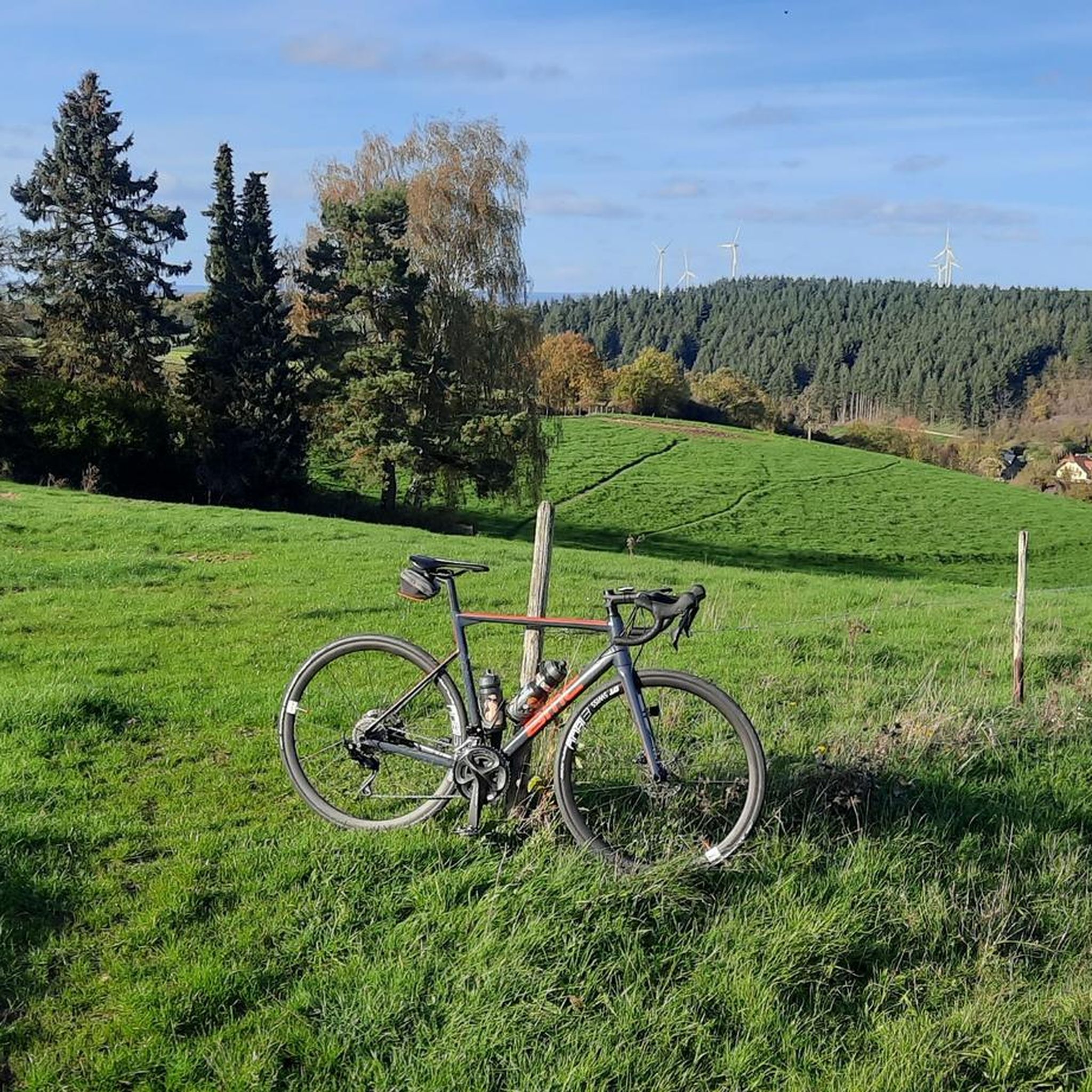
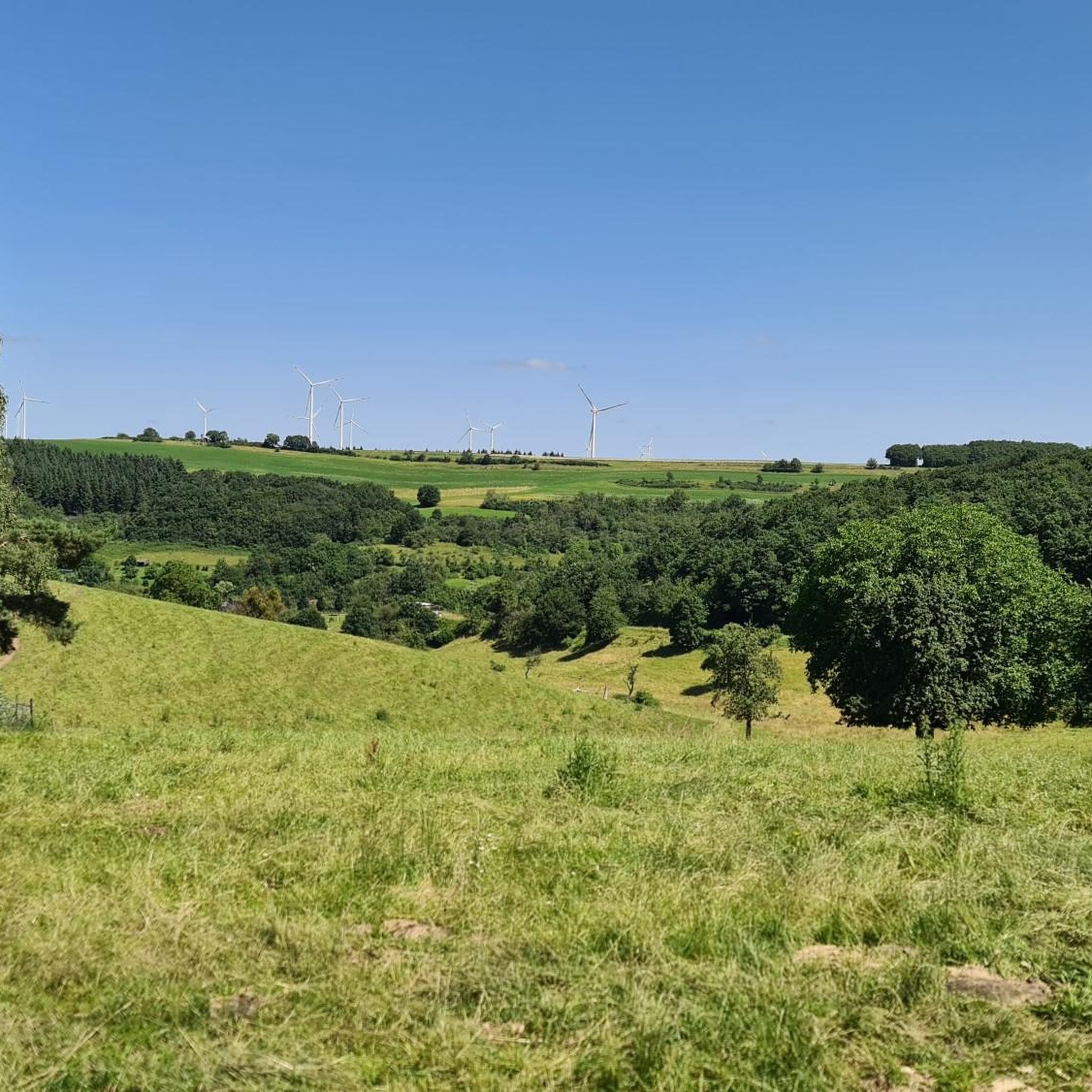
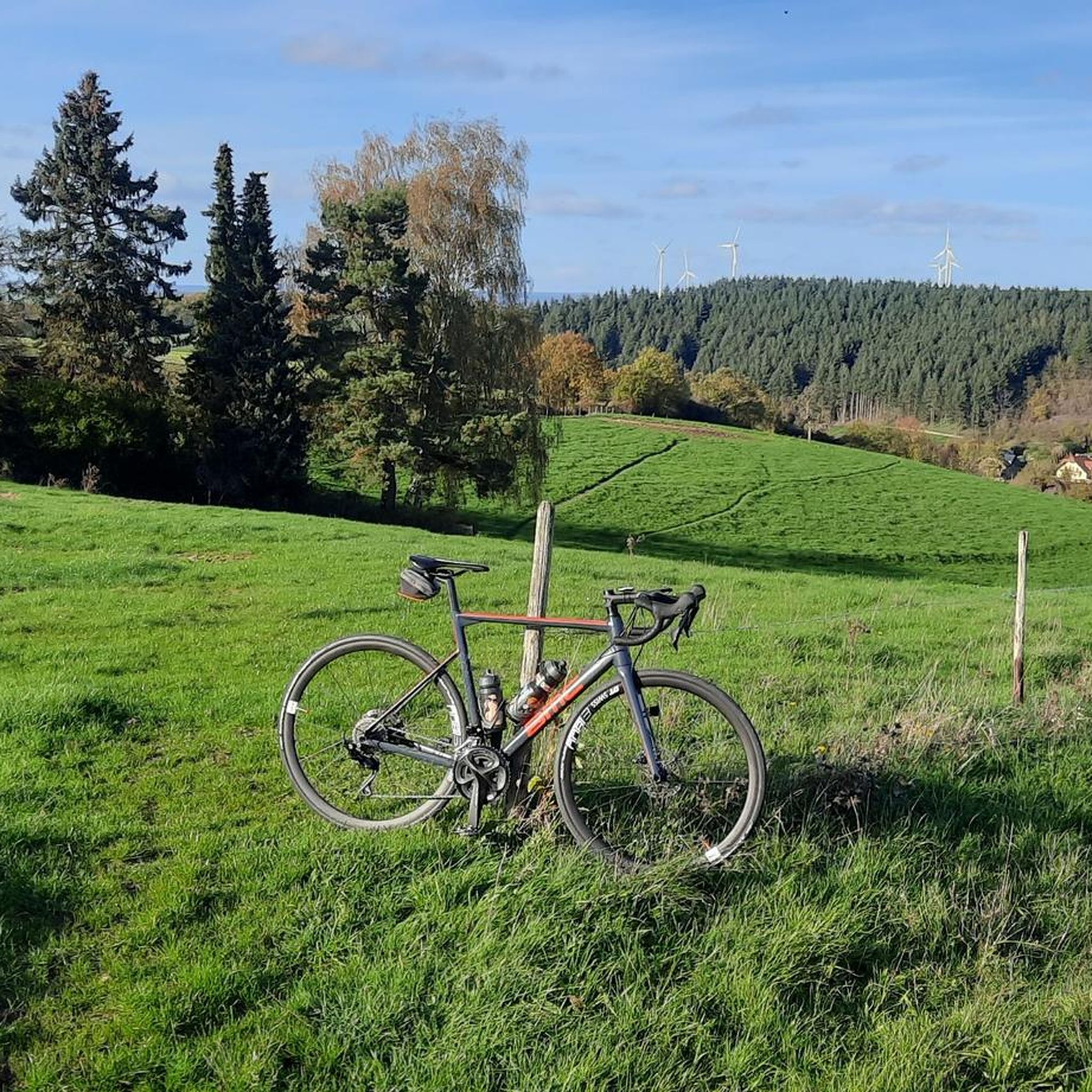
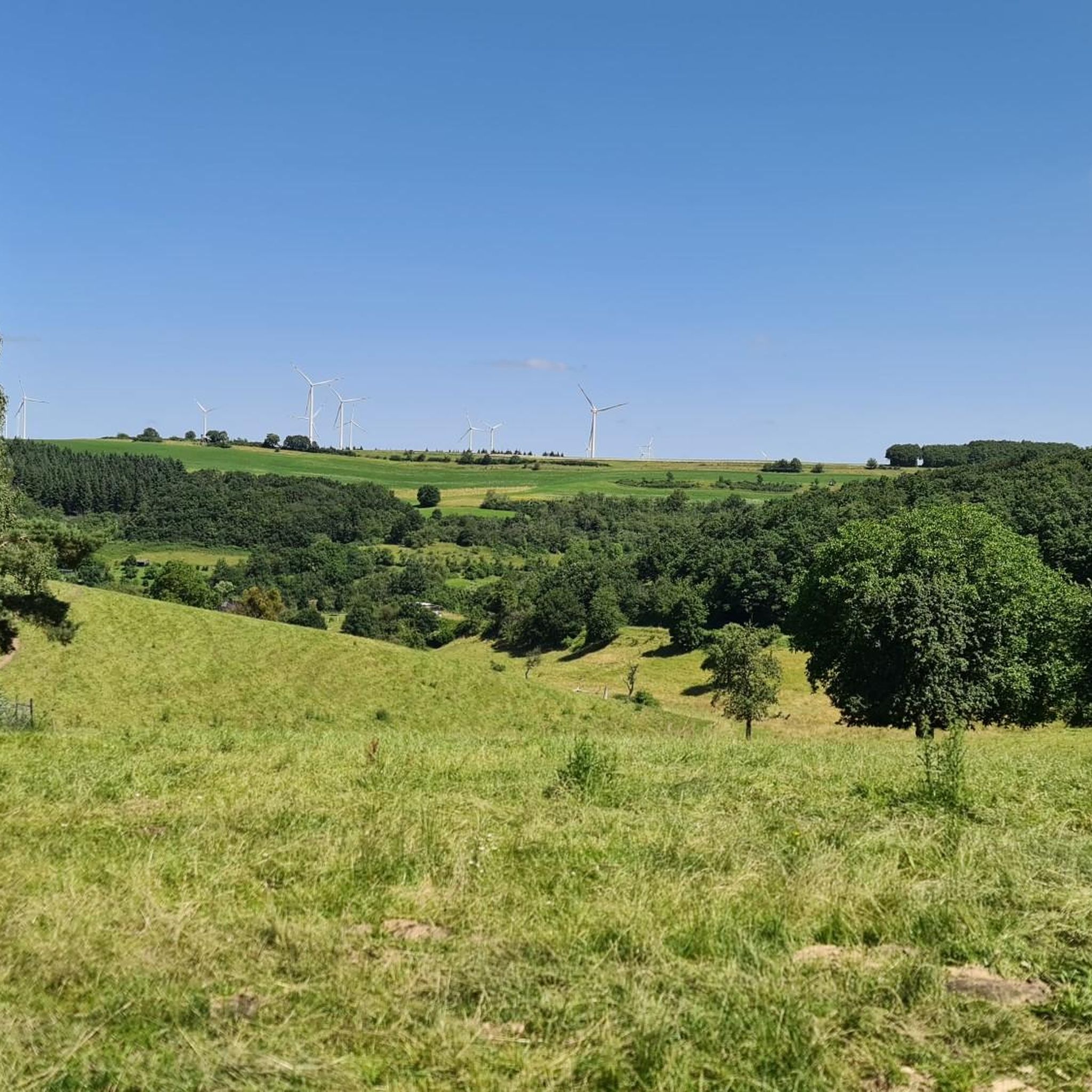

Tips from the Community

Nice park for a short break in the shade
0
0

A very beautiful monastery complex. You'll need to take your time for the tour and the museum visit, or come back at the end of your hike. If you arrive via the rear access path, please don't forget to pay the entrance fee. There's now a box at the rear entrance where you can deposit the 5 euros—either it's new or I didn't notice it last time. The entrance fee is needed to maintain the complex.
0
0

The Disibodenberg monastery ruins are on a mountain at the confluence of the Glan and Nahe. The ruins are well worth seeing. Hildegard von Bingen lived here for 40 years https://de.wikipedia.org/wiki/Kloster_Disibodenberg
0
0
The Disibodenberg monastery ruins are on a mountain at the confluence of the Glan and Nahe. The ruins are well worth seeing. Hildegard von Bingen lived here for 40 years https://de.wikipedia.org/wiki/Kloster_Disibodenberg
0
0

"The sandstones found in Germany were formed over a wide period of time from the Paleozoic to the Cenozoic era. The Palatinate sandstones are limited to the Permian (Rotliegend and Zechtein, 296 - 251 million years ago) and the Bunter Sandstone (251 - 243 million years ago) periods. The North Palatinate sandstones - and thus the deposits in the area around Alsenz - come from the Rotliegend period." Source: Information board (on site): "Sandstone - what is it actually?"
1
0

Worth a visit if you are there anyway
1
0

A very contemplative place where Saint Hildegard of Bingen worked!
0
0

Here, Alsenz's history as a stonemason village comes to life. There is also a stonemason museum in the village - it's worth a visit.
1
0
Frequently Asked Questions
What are the most popular natural monuments around Schmittweiler?
The most popular natural monument is the Stahlberg Menhir, a significant standing stone marking a historical border. Visitors also highly rate the Disibodenberg Monastery Ruins, a historical site where Hildegard von Bingen lived, and the German Sandstone Park Alsenz, which showcases unique large-format sandstone rocks.
Are there family-friendly natural monuments to visit near Schmittweiler?
Yes, the German Sandstone Park Alsenz is noted as family-friendly, offering an engaging walk through various geological eras. The Stahlberg Menhir is also suitable for families, providing an interesting historical landmark in a natural setting.
What kind of natural features can I expect to see around Schmittweiler?
The region around Schmittweiler is characterized by stream landscapes, vineyards, and green slopes. You'll find geological formations, such as the large sandstone rocks at the German Sandstone Park Alsenz, and scenic views typical of the Nahe Wine Region. Wildlife like beavers, crested ducks, and warty ducks can also be observed along waterways like the Glan River.
What historical sites are integrated with the natural monuments in the area?
The Disibodenberg Monastery Ruins are a prime example, offering impressive fragments of medieval architecture within a natural setting. Additionally, the Stahlberg Menhir and Langet's Forehead Menhir are ancient standing stones with significant historical and cultural importance.
What outdoor activities can I do near these natural monuments?
The area offers various outdoor activities. You can explore cycling routes like those found in the Cycling around Schmittweiler guide, including the Glan-Blies Cycle Path. For mountain biking, check out the MTB Trails around Schmittweiler guide, and road cyclists can find routes in the Road Cycling Routes around Schmittweiler guide.
Are there specific hiking trails near the natural monuments?
While specific hiking trails directly linked to each monument aren't detailed, the region is known for its hiking opportunities. Many of the natural monuments, such as the Stahlberg Menhir, are accessible via paths that are part of broader hiking networks. The Glan-Blies Cycle Path, mentioned in region research, also offers scenic walking sections.
What do visitors enjoy most about the natural monuments around Schmittweiler?
Visitors appreciate the blend of natural beauty and historical significance. The impressive fragments of medieval architecture at Disibodenberg Monastery Ruins and the unique geological displays at the German Sandstone Park Alsenz are frequently highlighted. The tranquility and historical importance of these sites are often mentioned.
Is there parking available at the natural monuments?
For the German Sandstone Park Alsenz, parking is available. For other sites like the Disibodenberg Monastery Ruins, parking is typically found at nearby visitor centers or designated areas, such as the Disibodenberger Hof, about 700 meters from the bike path.
What is the best time to visit the natural monuments around Schmittweiler?
The region's natural beauty, including vineyards and stream landscapes, is particularly appealing during spring and autumn when the weather is mild and the scenery is vibrant with blossoms or fall colors. Summer also offers pleasant conditions for outdoor activities, though some areas might be more crowded.
Are dogs allowed at the natural monuments?
While specific dog policies vary by site, many natural outdoor areas and trails in the region are generally dog-friendly, especially if dogs are kept on a leash. It's always advisable to check local signage or specific monument guidelines before visiting with a dog.
Can I find accommodation or cafes near the natural monuments?
The region around Schmittweiler, particularly the Nahe Wine Region, offers various accommodation options and cafes. While direct facilities at every natural monument might be limited, nearby villages and towns will provide choices for dining and lodging. For instance, the Disibodenberger Hof near the Disibodenberg Monastery Ruins offers amenities.
What is the significance of the menhirs in the area?
The menhirs, such as the Stahlberg Menhir and Langet's Forehead Menhir, are ancient standing stones that served as landmarks and markers. They hold significant historical importance, with some marking borders or having connections to prehistoric cultures, making them intriguing historical sites integrated into the natural landscape.
Most popular routes around Schmittweiler
Most popular attractions around Schmittweiler

Get inspired with the komoot mobile app


Explore more
Extend your search for the best caves by checking out these guides of the top ones around Schmittweiler:
