Top 20 Natural Monuments around Waldalgesheim
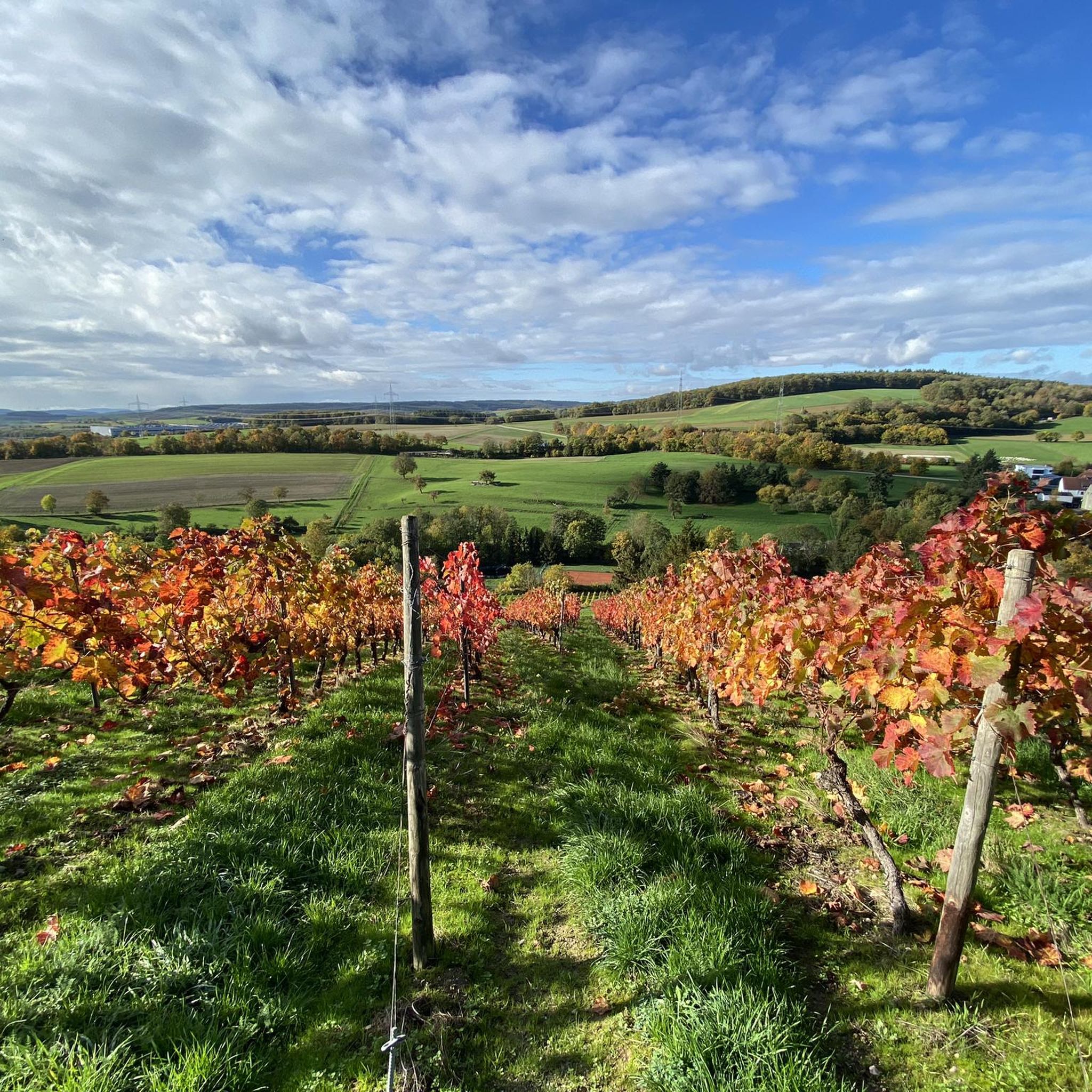
Best natural monuments around Waldalgesheim include diverse landscapes from the Rhine Gorge to the Hunsrück and Soonwald. This region, situated between Koblenz and Bad Kreuznach, features rolling hills, dense forests, and the Nahe river. It offers a blend of natural beauty and historical significance, providing numerous opportunities for outdoor exploration. The area's vineyards also contribute to its picturesque natural appeal.
Best natural monuments around Waldalgesheim
- The most popular natural monuments is Niederwald monument, a viewpoint that commemorates the unification…
Last updated: May 28, 2026
Niederwald monument
Highlight • Viewpoint
Translated by Google •
Tip by

Steckeschlääferklamm — Tree Spirits (Baumgeister) Trail
Highlight (Segment) • Gorge
Sign up now to discover places like this
Get recommendations on the best single tracks, peaks, & plenty of other exciting outdoor places.
Sign up for free
Rheinstein Castle
Highlight • Castle
Monopteros Temple with View of the Rhine
Highlight • Monument
Translated by Google •
Tip by

Morgenbachtal Gorge and Waterfalls
Highlight (Segment) • Gorge
Translated by Google •
Tip by

Sign up for free to discover even more natural monuments around Waldalgesheim.
Sign up for free
Already have an account?
Start today with a free account
Your next adventure awaits.
Login or Signup

Tips from the Community

The castle has its origins in the early 14th century. With its towers and battlements, it really looks like you would imagine a medieval castle to be - a fairytale view directly over the Rhine.
9
0

Ancient pillared temple with a wonderfully open view
10
0

from the castle battlements you always have a great view of the Rhine
15
0
A visit to this castle is worthwhile
12
0

The Goethe Temple built by Count von Ostein in 1790, which was completely destroyed in a bomb attack in November 1944 and rebuilt by the Niederwald Landscape Park Association. The Romantics called it "Monopteros", its rotunda resting on eight Roman columns made of red sandstone, today the columns are white. On September 3, 1814, Johann Wolfgang von Goethe, who was struck by the extremely magnificent beauty of the Rheingau, stood in it.
13
1

The view is really very nice, but the Mouse Tower and the Binger Loch cannot be seen from here.
13
1

The temple itself is a bit bare but a great view.
12
1

"From the Monopteros in the Niederwald, Johann Wolfgang von Goethe admired the "extremely magnificent beauty of the Rheingau" - that was in the late summer of 1814. At that time, the Greek round temple stood in the middle of a landscape park that Count von Ostein had created. The original was destroyed in 1944 and at the beginning of the Rebuilt in the 21st century, so that visitors can now enjoy the view over the Middle Rhine Valley from the Monopteros again. The region has been a UNESCO World Heritage Site since 2002. The unique combination of nature and culture is considered particularly worthy of protection. Not far from the Monopteros, the huge Germania looks towards France. It rises twelve and a half meters from the top base of the Niederwald Monument and weighs 32 tons. Clara, the daughter of the sculptor Johannes Schilling, was the model for the imposing figure, which is intended to commemorate the Franco-Prussian War and the unification of the empire. The bronze statue holds an imperial crown in its right hand, while the left rests on the pommel of a resting sword, which is entwined with laurel as a sign of victory. The dress of Germania is also rich in symbols: eagles, deer, ravens and dragons are reminiscent of old legends, the imperial eagle is considered a symbol of the German Empire. At Germania's feet you can read: "In memory of the unanimous, victorious uprising of the German people and the re-establishment of the German Empire 1870-87". The idea of erecting a monument to the merger of the previously loose alliance of independent principalities had already emerged in 1870. It was quickly agreed that it had to be on the Rhine because the river plays a central role in German history and culture - not least as a border with France, which had ruled on the opposite bank of the Rhine. The location was chosen in the Niederwald near Rüdesheim, located around 80 meters above the river." https://www.kultur-in-hessen.de/projekte/totalkunstwerk-am-rhein-niederwalddenkmal-ruedesheim-teil-1
20
2
Frequently Asked Questions
What unique natural features can I explore around Waldalgesheim?
The region around Waldalgesheim offers a diverse landscape, from the majestic Rhine Gorge to the rolling hills and dense forests of the Hunsrück and Soonwald. You can explore picturesque vineyards, the serene Nahe river, and various gorges. A notable natural area is the Naturschutzgebiet at the former Dr. Geier mine site, which preserves a near-natural environment with orchards and water bodies, providing a habitat for diverse flora and fauna.
Are there any protected natural areas in Waldalgesheim?
Yes, a significant protected area is the Naturschutzgebiet (Nature Reserve) at the former Dr. Geier mine site. This extensive 172,229 m² area was acquired by the municipality to preserve and develop a near-natural environment, featuring orchards and tranquil ponds. It's a crucial habitat for many animal and plant species, and visitors can observe its ecological importance and serene beauty.
Are there family-friendly natural monuments or trails in the area?
Absolutely! The Steckeschlääferklamm — Tree Spirits (Baumgeister) Trail is particularly popular with families. This unique gorge trail features over 60 hand-carved forest spirits, including witches, goblins, and elves, hidden in trees along the Hasselbach stream. It's an engaging experience for all ages, especially on hot days due to the ample shade.
What kind of historical sites are integrated with the natural landscape?
You can visit the Niederwald monument, a significant historical landmark commemorating the unification of Germany in 1871, which offers expansive views of the Rheingau and the Rhine river. Another example is Rheinstein Castle, a beautifully preserved 14th-century castle perched directly above the Rhine, providing stunning historical context amidst natural beauty.
What outdoor activities can I do near these natural monuments?
The region offers numerous opportunities for outdoor activities. You can enjoy hiking on trails like the 'View of the Rhine – Belle Cross loop' or the 'Wooden marble run – Bridge Over the Kreuzbach loop'. Cycling is also popular, with routes such as the 'View of the Nahe River estuary – Nahe Cycle Path loop'. For more options, explore the hiking guide or cycling guide for Waldalgesheim.
When is the best time to visit the natural monuments in Waldalgesheim?
The natural monuments around Waldalgesheim are beautiful year-round. Spring brings blooming meadows, while autumn offers vibrant fall colors, making these seasons particularly picturesque for hiking and enjoying the views. The shaded gorges, like the Steckeschlääferklamm, are ideal for hot summer days. Even in winter, the tranquil ponds at the Dr. Geier mine site can freeze over, offering a unique serene experience.
Can I bring my dog to the natural monuments and trails?
While many outdoor areas are generally dog-friendly, specific restrictions apply in protected zones. For instance, at the Naturschutzgebiet at the former Dr. Geier mine site, dogs must be kept on a leash to protect the wildlife and vegetation. Always check local signage or specific trail guidelines for the area you plan to visit to ensure a pleasant experience for everyone.
What kind of views can I expect from the viewpoints?
From viewpoints like the Niederwald monument, you can expect grandiose, expansive views of the Rheingau, the majestic Rhine river, and the surrounding vineyards. Rheinstein Castle also offers picturesque views directly overlooking the Rhine Valley, showcasing the region's unique blend of natural beauty and historical architecture.
Are there any gorges or waterfalls to explore?
Yes, the region features several beautiful gorges. The Steckeschlääferklamm — Tree Spirits (Baumgeister) Trail is a notable gorge along the Hasselbach stream. Additionally, the Morgenbachtal Gorge and Waterfalls offers a scenic experience with its natural beauty, including small waterfalls, making it a popular spot for nature lovers.
What do visitors enjoy most about the natural monuments around Waldalgesheim?
Visitors frequently praise the stunning views, especially from the Niederwald monument and Rheinstein Castle. The unique and whimsical experience of discovering the carved forest spirits along the Steckeschlääferklamm — Tree Spirits (Baumgeister) Trail is also a community favorite. Many appreciate the well-maintained paths and the opportunity to immerse themselves in nature, often combining hikes with cable car and boat rides for a comprehensive experience.
Are there places to eat or drink near the natural monuments?
Yes, some natural monuments and nearby attractions offer dining options. For example, Rheinstein Castle houses a museum and an adjoining restaurant, providing a unique setting for a meal. Additionally, the broader Waldalgesheim area and surrounding towns offer various cafes and restaurants catering to visitors and hikers.
How long does it typically take to explore these natural monuments?
The duration varies depending on the monument and your chosen activity. For instance, a visit to the Niederwald monument and its immediate surroundings can take a few hours, especially if combined with a cable car ride. The Steckeschlääferklamm — Tree Spirits (Baumgeister) Trail is about one kilometer long and can be explored in an hour or two, depending on how much time you spend searching for the tree spirits. Longer hiking routes can extend to half or full-day excursions.
Most popular routes around Waldalgesheim
Most popular attractions around Waldalgesheim

Get inspired with the komoot mobile app


Explore more
Extend your search for the best caves by checking out these guides of the top ones around Waldalgesheim:
