Top 20 Natural Monuments around Freisen
Natural monuments around Freisen, a municipality in Saarland, Germany, offer diverse geological formations and unique flora. The region is characterized by its location within the Saar-Hunsrück Nature Park, featuring extensive forests and picturesque rock formations. Visitors can explore sites showcasing ancient geological processes and significant natural beauty. These areas provide opportunities to experience the region's natural landscape.
Best natural monuments around Freisen
- The most popular natural monuments is Bärenfels — Rocky Outcrop, a natural monument that is the second…
Last updated: May 28, 2026
Tiefenbach Trail
Highlight • Trail
The Tiefenbach path is around 15 km long and leads around the Bosenberg in St Wendel. It is characterized by many small valleys that are crossed by rustic …
Translated by Google •
Tip by

Urweiler Quarry
Highlight • Natural Monument
This part of the Bosenberg is called Bruchwald because there were several hard stone quarries here. The quarry, through which the Tiefenbachpfad leads, belonged to today's forest …
Translated by Google •
Tip by
Sign up now to discover places like this
Get recommendations on the best single tracks, peaks, & plenty of other exciting outdoor places.
Sign up for free
Love Throne on the Sculpture Road at Bostalsee
Highlight • Monument
Translated by Google •
Tip by

Miners' Spring
Highlight • Natural Monument
The first evidence of coal mining in this area comes from 1780. The coal was close to the surface and could be extracted in open-cast mining. From 1820, …
Translated by Google •
Tip by
Bärenfels — Rocky Outcrop
Highlight • Natural Monument
Translated by Google •
Tip by

Sign up for free to discover even more natural monuments around Freisen.
Sign up for free
Already have an account?
Start today with a free account
Your next adventure awaits.
Login or Signup
Popular around Freisen
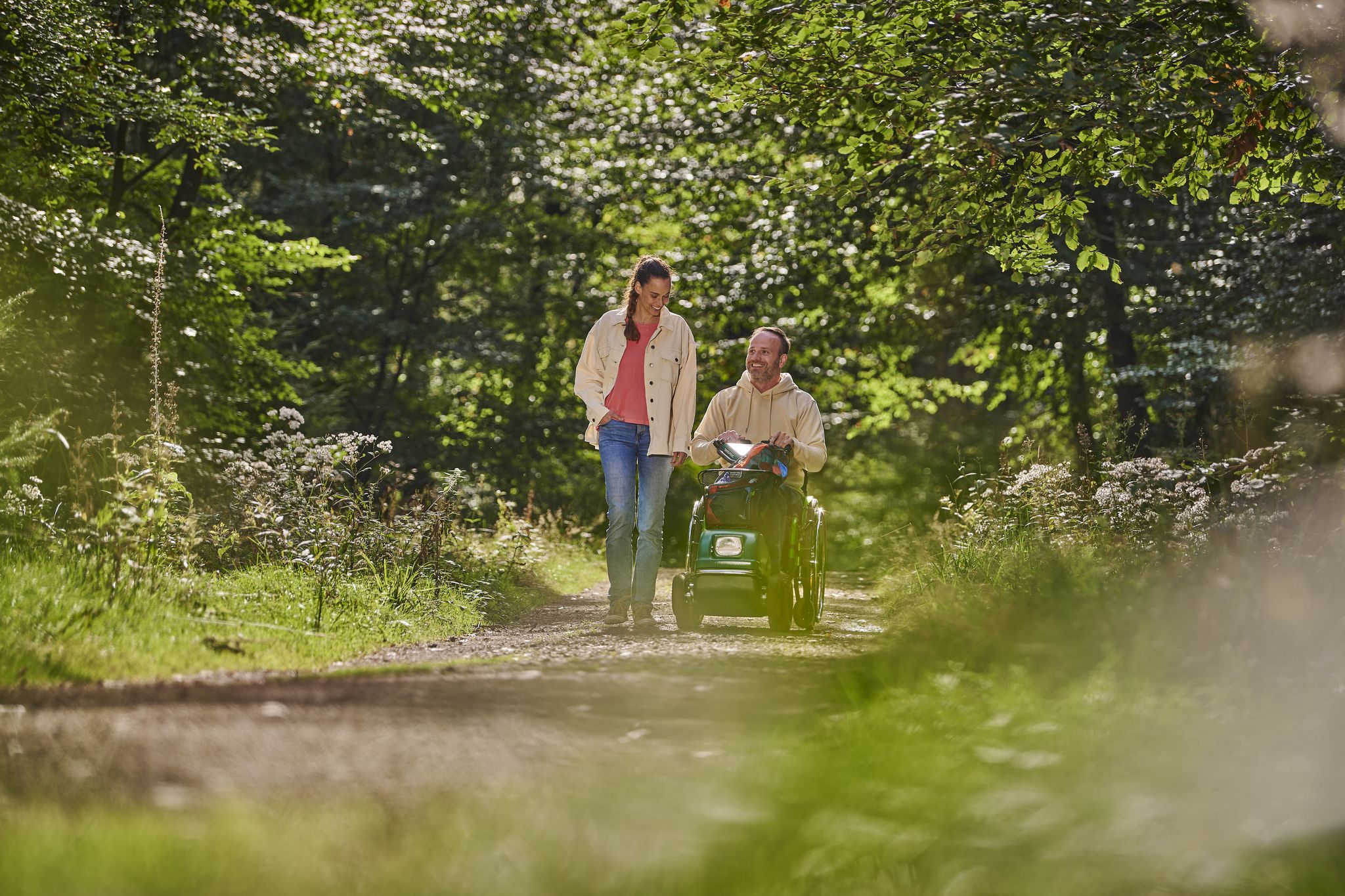
Experience nature without detours - barrier-free adventures in Saarland
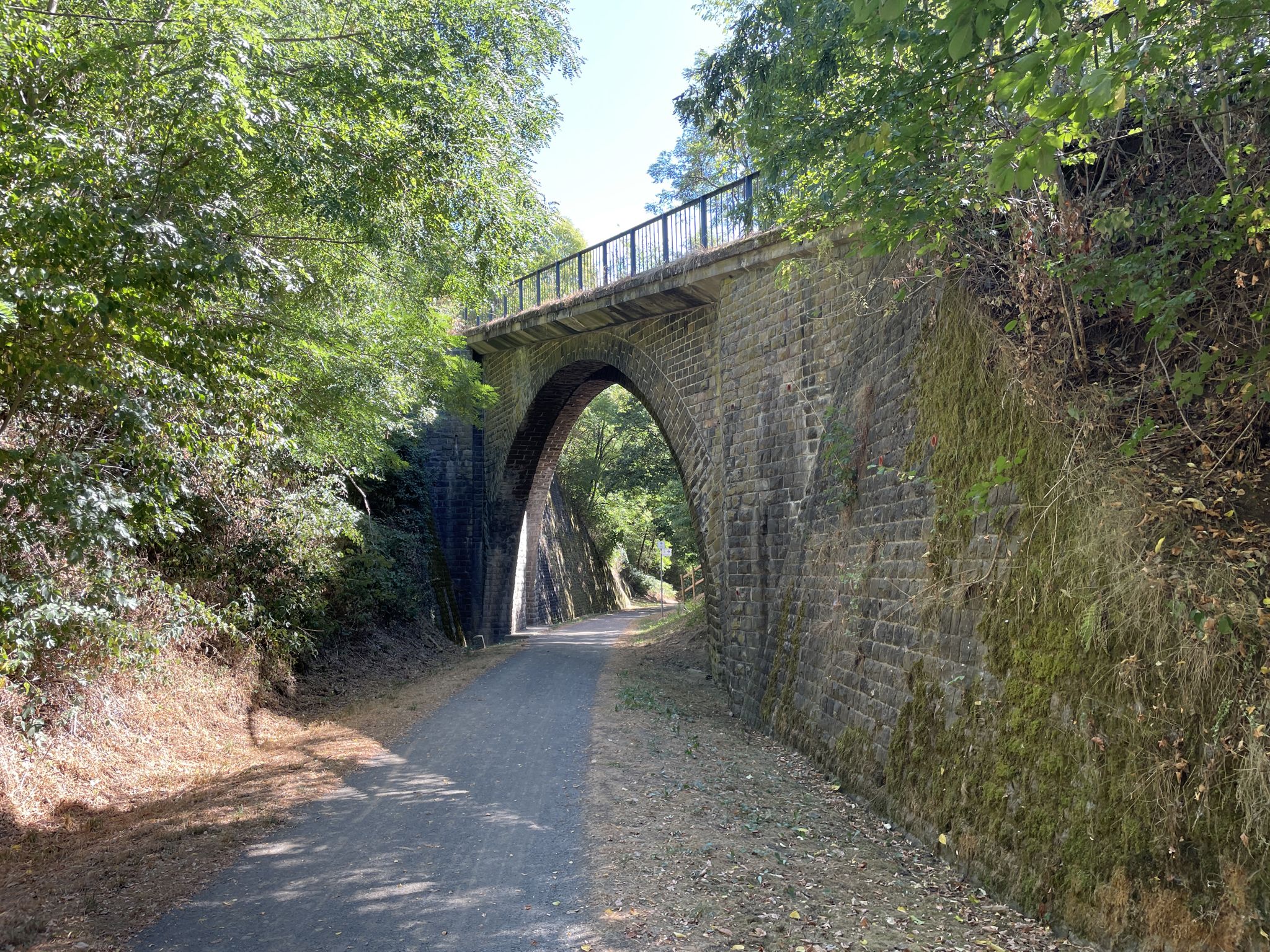
A leisurely cycle along an old railway line – Fritz Wunderlich Cycle Route
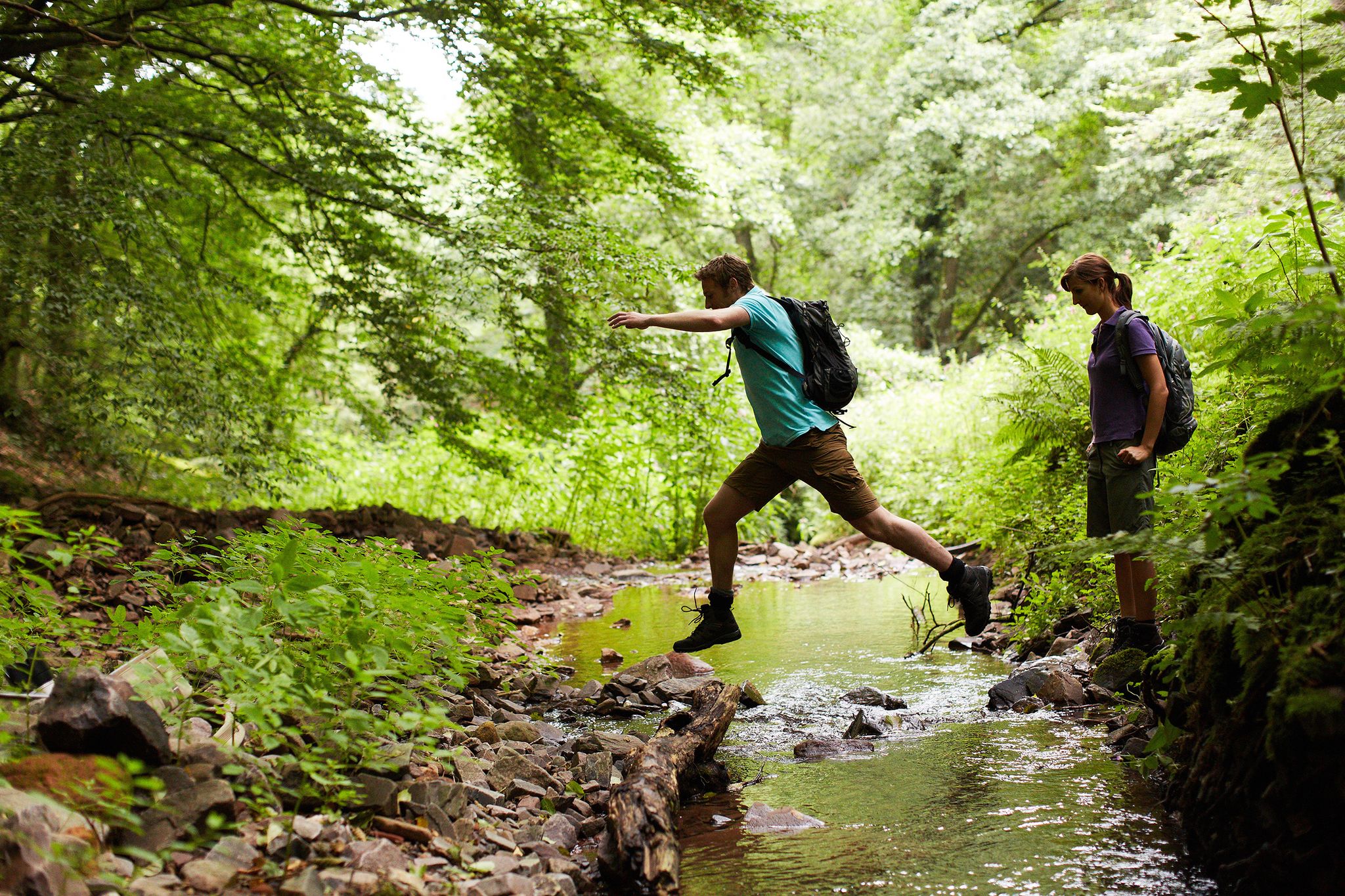
Countless trails, nature & history – hiking in Saarland
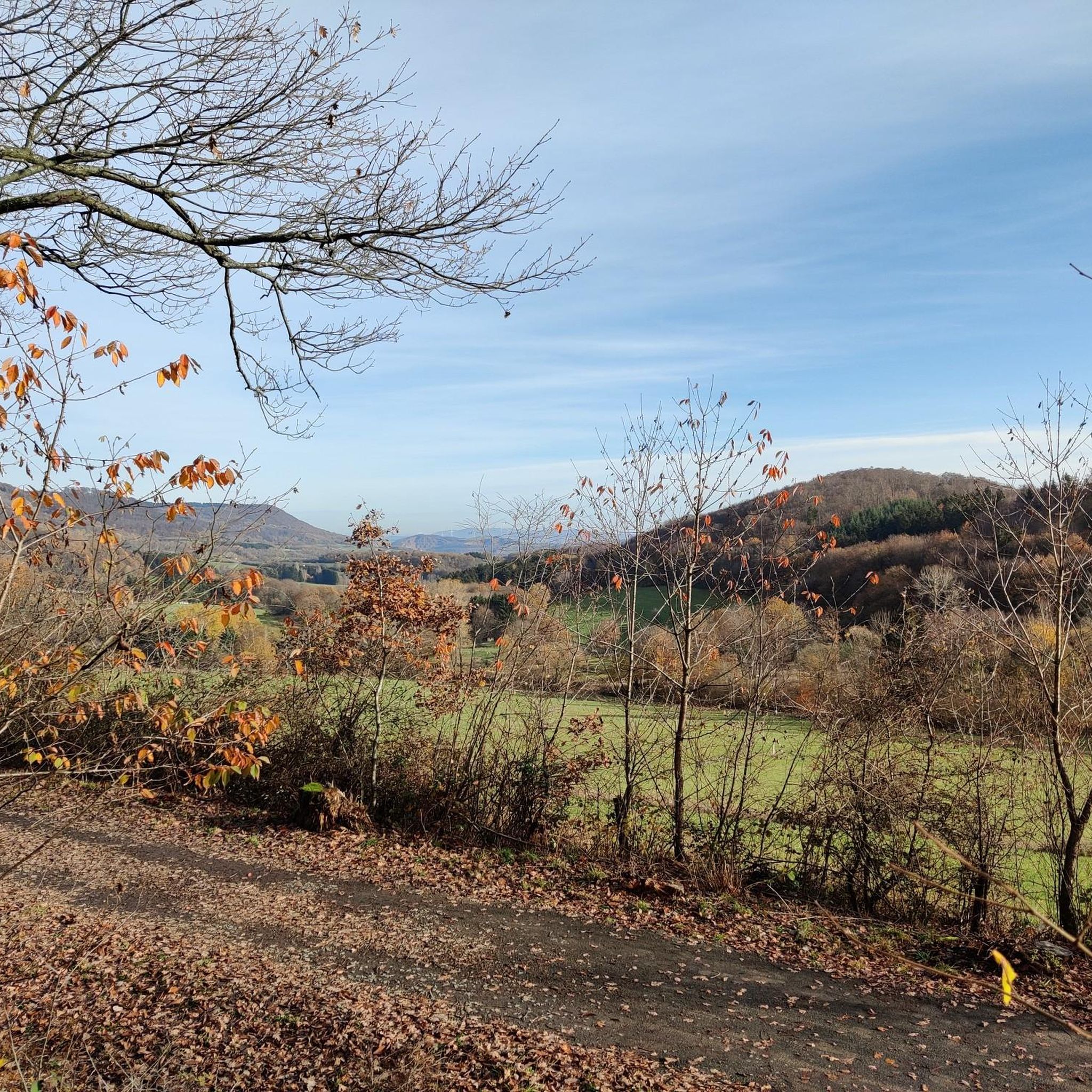
Hiking around Freisen
Cycling around Freisen
MTB Trails around Freisen
Running Trails around Freisen
Road Cycling Routes around Freisen

Gravel biking around Freisen
Other adventures around Freisen


Tips from the Community

🪨 Bärenfels rock outcrop – a striking vantage point above the valley The Bärenfels is a striking rock formation at the edge of the forest, offering expansive views over the region's forests, hills, and valleys. The rock outcrop juts slightly above the terrain and offers a natural panoramic viewpoint for hikers with a head for heights. Tip: In dry weather, the rock is easy to climb – sturdy shoes are a must! Ideal for a short rest with a view and a great photo opportunity.
0
0

The Love Throne is an impressive yellow sandstone sculpture located on the Sculpture Road from St. Wendel to Bostalsee. Children love to climb onto the throne and enjoy the view.
7
0


You really have to hike.
3
0

𝑫𝒆𝒓 𝑩ä𝒓𝒆𝒏𝒇𝒆𝒍𝒔 The Bärenfels is the second highest point in the rose forest. Until the 1990s you could see the water of the Bostalsee from Bärenfels. Today, tall Douglas firs prevent this view, but you have a wonderful view of the high forest and the birch fields. Source: Text information board
8
1
𝐃𝐞𝐫 𝐁𝐞𝐫𝐠𝐦𝐚𝐧𝐧𝐬𝐛𝐫𝐮𝐧𝐧𝐞𝐧 The first evidence of coal mining in this area comes from 1780. The coal was close to the surface and could be extracted in open-cast mining. From 1820, four pits (called Prinzengrube) in the Tiefenbachtal were also mined in tunnels. The concession holders were the brothers Karl and Philipp Cetto from Langenfelderhof, today Wendelinushof. During this period there are talk of 136 employees who extracted almost 14,000 quintals of hard coal. In 1860 the operation was stopped because larger coal seams had meanwhile been discovered on the Saar and Blies. The miners reached the tunnel via the “miners' path”, which is now part of the Tiefenbach path. On their way they passed the source in the Tiefenbachtal and filled up their drinking water here. This spring is still known today as the miner's well. Source: Text information board
8
0
𝐇𝐚𝐫𝐭𝐬𝐭𝐞𝐢𝐧𝐛𝐫ü𝐜𝐡𝐞 𝐚𝐦 𝐁𝐨𝐬𝐞𝐧𝐛𝐞𝐫𝐠 This part of the Bosenberg is called Bruchwald because there were several hard stone quarries here. The quarry, through which the Tiefenbachpfad leads, belonged to today's forest owners of the "Urweiler Erben". The first known lease dates from the middle of the 19th century. Stones were broken here until 1975. Loosening the stones from the rock layers was the job of the stone carvers. Up until the 20th century, this was extremely strenuous and dangerous work that was only done with the help of a riving knife, hammer and black powder. Day laborers and farmers from Urweiler were hired as unskilled workers, who supplemented their income through transport work from spring to autumn. In winter it was not possible to work in the quarry due to snow, ice and the risk of slipping. Source: Text information board
7
0
𝐊𝐮𝐫𝐳𝐛𝐞𝐬𝐜𝐡𝐫𝐞𝐢𝐛𝐮𝐧𝐠 𝐓𝐢𝐞𝐟𝐞𝐧𝐛𝐚𝐜𝐡-𝐏𝐟𝐚𝐝 The Tiefenbach path is around 15 km long and leads around the Bosenberg in St Wendel. It is characterized by many small valleys that are crossed by rustic footbridges. At the starting point is the Wendelinushof, the former farm of the Steyler missionaries, which is still managed today. Here products from the region are offered in the local goods market and in the restaurant. The Leitersweiler beeches, about 250 to 300 years old giant trees, are a very special natural monument. They line the path into the Tiefenbachtal and offer a great view of Leitersweiler and the surrounding Hunsrück heights. Clear water still bubbles in the miner's fountain today. At the Fledermauskopf you can enjoy wonderful views of the surroundings of the Sankt Wendel region. In the distance, the 568 m high Schaumberg stands out, one of the highest peaks in the region. The view also wanders over the mountain tops of the eastern Saarland and opens up into the Ostertal. After the hike, the medieval old town of St Wendel invites you to linger. It is also worth visiting the late Gothic basilica from the 14th century, in which the bones of St. Wendelinus are buried in a high grave at the altar. Source: Text information board Starting point: Wendelinushof forest car park Route length: 15.3 km Elevation gain: 542 m Difficulty level: medium Walking time: 4 - 5 hours Recommended walking direction: clockwise 𝐖𝐞𝐠𝐛𝐞𝐬𝐜𝐡𝐫𝐞𝐢𝐛𝐮𝐧𝐠 https://www.urlaub.saarland/Media/Touren/Tiefenbach-Pfad
9
0
Frequently Asked Questions
What are some of the most popular natural monuments around Freisen?
Visitors frequently enjoy the Bärenfels — Rocky Outcrop, which is the second highest point in the rose forest and offers views of the high forest and birch fields. Another favorite is the Tiefenbach Trail, known for its small valleys, rustic footbridges, and the ancient Leitersweiler beeches. The Urweiler Quarry is also highly regarded for its significant geological formations and insights into historical mining.
What unique natural features can I explore in Freisen?
Freisen offers a variety of geological wonders. You can explore the impressive "Steinerne Meer" (Stone Sea) on the southern slope of the Weiselberg, featuring vast blockfield formations from the Ice Ages. The "Steinerner Schrank" (Stone Cabinet) is another distinct geotope. Additionally, the region is home to several ancient, individually protected trees like the Eiche Freisen and Linde Ellermuehle, which stand as majestic symbols of nature.
Are there hiking trails near the natural monuments in Freisen?
Yes, Freisen is an excellent starting point for various outdoor activities. The Running Trails around Freisen guide features routes like the 'Running loop from Oberkirchen' and 'Weiselberg Shelter – Oberkirchen Viaduct loop'. The Tiefenbach Trail itself is a popular 15 km hike around the Bosenberg, passing several natural and historical points of interest.
Do any natural monuments in Freisen have historical significance?
Absolutely. The Weiselberg Nature Reserve, for instance, features remains of Roman-era structures on its summit. The Urweiler Quarry provides a glimpse into historical mining activities, with stones broken there until 1975. The Miners' Spring, located along the Tiefenbach path, is a historical site where miners once filled their drinking water, with evidence of coal mining in the area dating back to 1780.
Are there family-friendly natural monuments around Freisen?
Many natural sites in Freisen are suitable for families looking to enjoy the outdoors. While specific 'family_friendly' tags are not always present, general nature exploration, such as visiting the ancient trees or walking parts of the Tiefenbach Trail, can be enjoyable. The Love Throne on the Sculpture Road at Bostalsee is a unique man-made monument within a natural setting that is explicitly categorized as family-friendly and offers a fun photo opportunity.
When is the best time to visit the natural monuments in Freisen?
The natural monuments in Freisen can be enjoyed throughout the year, but spring and autumn often offer the most pleasant weather for hiking and exploration. Spring brings blooming flora, while autumn showcases vibrant foliage. If you plan to hike trails like the Tiefenbach Trail, it's recommended to visit during dry periods, as some passages may become less passable after heavy rain.
What kind of flora and fauna can I expect to see in the natural monuments?
The Weiselberg Nature Reserve is known for its diverse vegetation, including resilient plants like rockrose, stonecrop, and dyer's broom, as well as various lichens and mosses. The moist meadows in its southern foreland protect many rare plant species. As part of the larger Naturpark Saar-Hunsrück, Freisen's natural areas provide diverse habitats for a variety of plants and animals, offering opportunities for wildlife observation, especially in its extensive forest areas and untouched river valleys.
What is the Weiselberg Nature Reserve known for?
The Weiselberg Nature Reserve, located near Oberkirchen, is a significant natural and cultural-historical site. It's renowned for its diverse vegetation, including unique resilient plants, and its rocky slopes. The summit, at 570 meters, also holds historical interest with remains of Roman-era structures. It's an engaging destination for those interested in both nature and history.
Are there opportunities for cycling near Freisen's natural monuments?
Yes, the region around Freisen offers various cycling opportunities. You can find routes for Gravel biking around Freisen, with options like the 'Bostal Lake – View of Bostalsee from the dam loop'. For road cyclists, the Road Cycling Routes around Freisen guide includes routes such as the 'Sankt Wendeler Land Cycle Path – Sankt Wendeler Land Rail Trail loop'.
What is the 'Steinerne Meer' and where can I find it?
The "Steinerne Meer" (Stone Sea) is an impressive natural phenomenon situated on the southern slope of the Weiselberg. It consists of extensive blockfield formations, which are vast fields of rocks that originated during the Ice Ages due to significant temperature fluctuations. It offers a striking visual experience, showcasing the powerful geological forces that shaped the region.
What do visitors enjoy most about the natural monuments in Freisen?
Visitors particularly appreciate the diverse natural beauty, from ancient geological formations to majestic old trees. The combination of serene natural landscapes with historical elements, such as Roman remains on the Weiselberg or the mining history at the Urweiler Quarry, offers a rich experience. The well-maintained trails and opportunities for quiet contemplation in nature are also highly valued.
Are there any specific ancient trees designated as natural monuments in Freisen?
Yes, Freisen is home to several individual trees recognized for their age, size, or significance. These include the Eiche Freisen (Oak in Freisen), Eiche Schwarzerden (Oak in Schwarzerden), Linde Ellermuehle (Linden tree at Ellermuehle), and the Stieleiche Freisen-Eitzweiler (Pedunculate oak in Freisen-Eitzweiler). These ancient trees often serve as cherished local landmarks and offer serene spots for contemplation.
Most popular routes around Freisen
Most popular attractions around Freisen

Get inspired with the komoot mobile app


Explore more
Extend your search for the best caves by checking out these guides of the top ones around Freisen:
