Top 20 Natural Monuments around Almstedt
Natural monuments around Almstedt are characterized by the village's location at the southern edge of the Hildesheim Forest, offering diverse flora and fauna. The Alme River flows through Almstedt, creating scenic valleys and supporting local ecosystems. The Griesberg hill provides elevated views of the surrounding countryside. These features contribute to Almstedt's natural landscape, providing opportunities for outdoor exploration.
Best natural monuments around Almstedt
- The most popular natural monuments is Apenteich Spring, a natural monument located in a forest. This…
Last updated: August 4, 2026
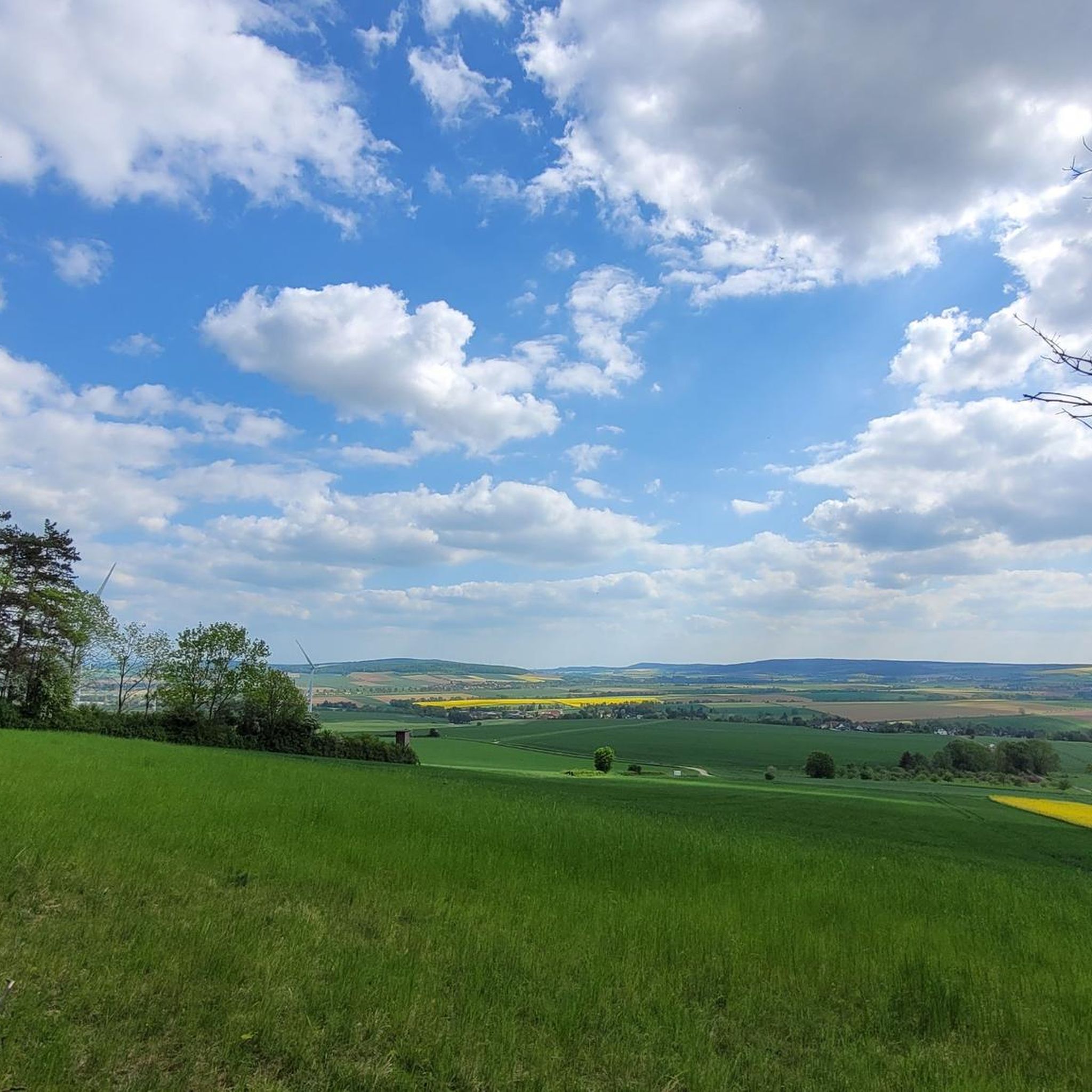
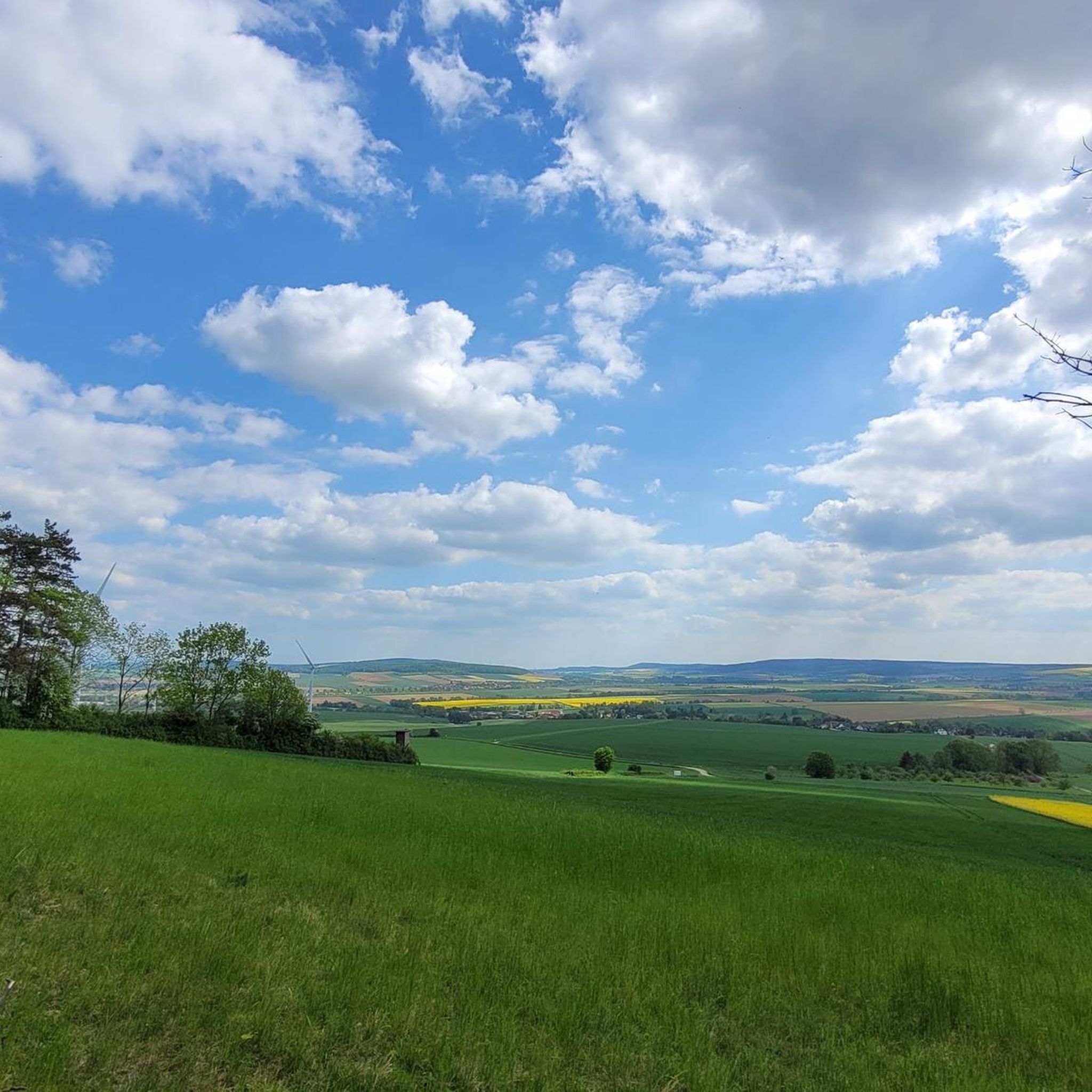
Ernst-Binnewies Tower (Tafelbergturm) on Hohe Tafel
Highlight • Viewpoint
Translated by Google •
Tip by

St. Mary's Cathedral and the 1,000-Year-Old Rosebush, Hildesheim
Highlight • Religious Site
Translated by Google •
Tip by

Sign up now to discover places like this
Get recommendations on the best single tracks, peaks, & plenty of other exciting outdoor places.
Sign up for free
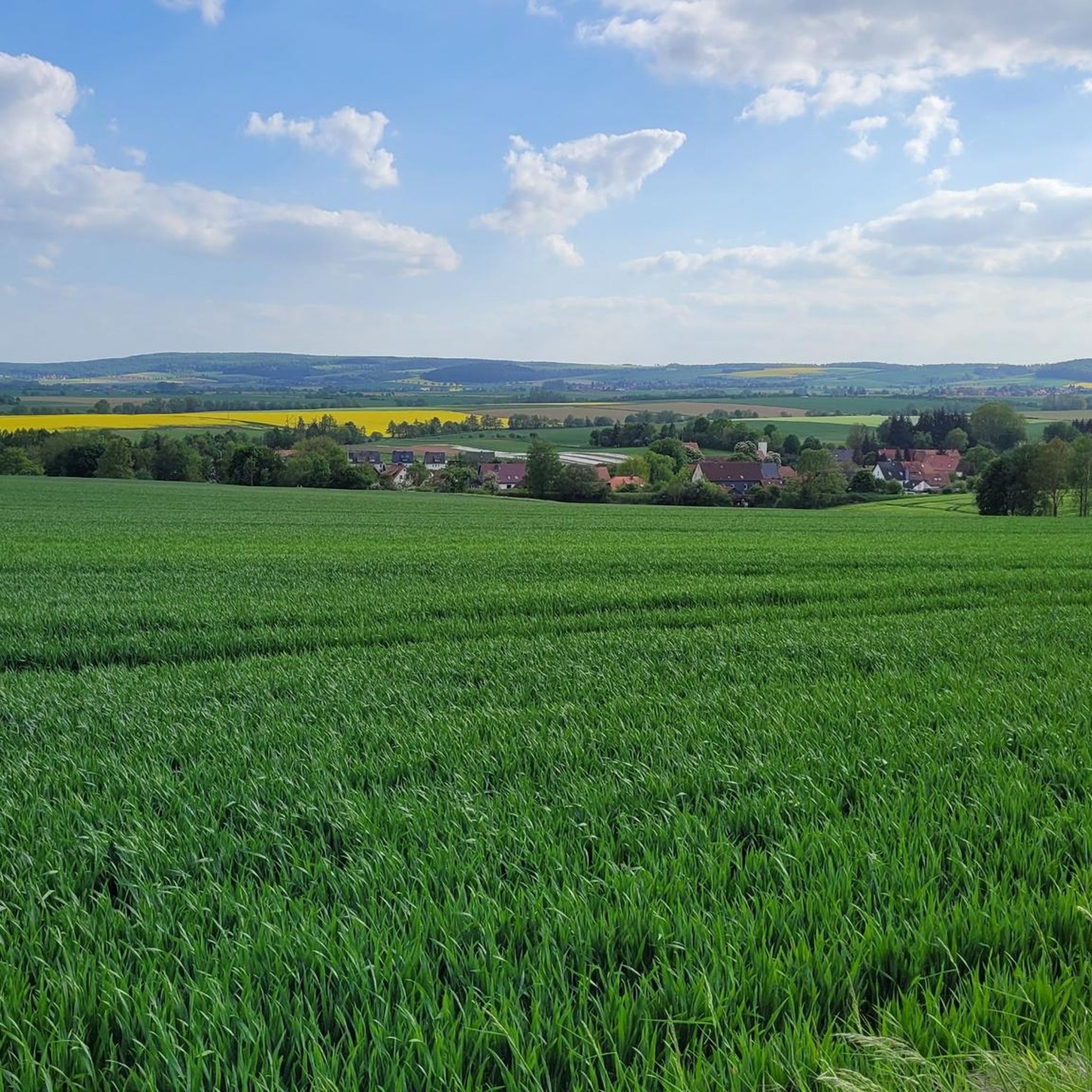
Apenteich Spring
Highlight • Natural Monument
Very charming place.
Translated by Google •
Tip by

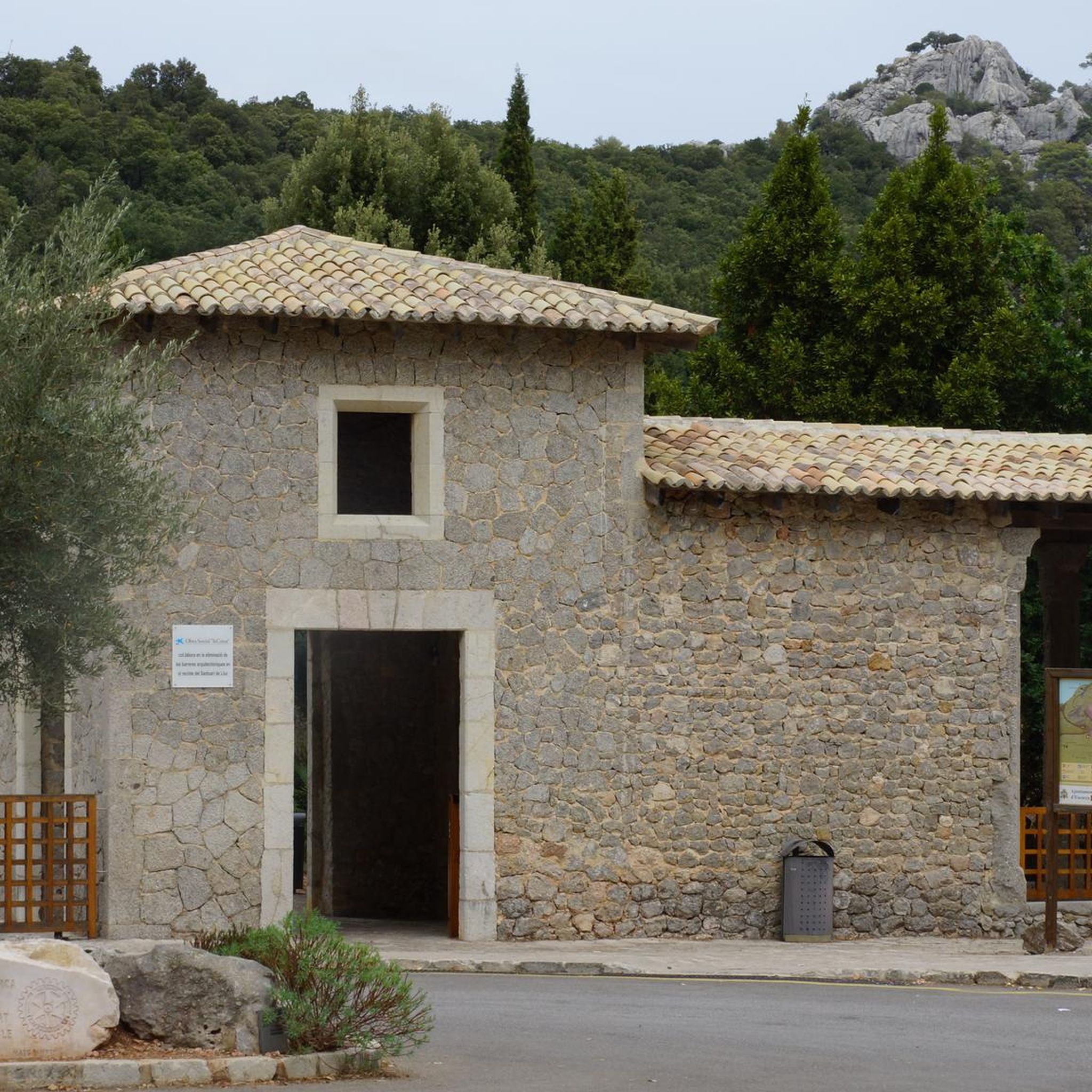
Klosterpark Lamspringe
Highlight • Natural
Translated by Google •
Tip by

Thousand-Year Rosebush at Hildesheim Cathedral
Highlight • Natural Monument
Translated by Google •
Tip by

Sign up for free to discover even more natural monuments around Almstedt.
Sign up for free
Already have an account?
Start today with a free account
Your next adventure awaits.
Login or Signup
Tips from the Community

Particularly beautiful during its brief flowering period, but also an impressive example of nature's longevity - with proper care.
1
0

The thousand-year-old rose bush in Hildesheim is a legendary example of the dog rose in the cemetery of the Hildesheim Cathedral. It is located behind the choir of the cathedral and is the landmark of the city of Hildesheim. Wikipedia
7
0

The famous rose bush, whether it is really 1000 years old is another matter
2
0

The monastery garden, which previously served as a fruit and vegetable garden for the monastery tenant, was converted into a monastery park in 1965. Students from the Technical University of Hanover (Horticulture Faculty) took on the planning of the redesign as part of a competition. During a sculpture symposium in 1984, several sculptures were placed in the monastery park. Among them was a wooden figure of the patron saint of the Lamspringe monastery church, St. Dionysius. The park thus also serves as an "open-air museum". Skates must be taken off when walking through the park - the paths are not asphalted. However, there are passable footpaths along the adjacent streets. https://www.lamspringe.de/Touristinfo-Freizeit/Touristinfo-Freizeit/Sehensw%C3%BCrdigkeiten/
2
0

What a rose bush! The dream of every rose lover and an absolute must when visiting Hildesheim.
4
0

This Dom is so much more than a thousand-year-old rose bush. https://www.geschiedenisextra.nl/d/dom-van-hildesheim.htm https://www.kunsttrip.nl/steden/hildesheim/dom%20st.%20maria%20hildesheim.htm
16
1

Source with drinking water quality, it is also claimed by some to have healing properties. People with canisters keep coming here to fill up with water.
4
0

a very old and well-known dog rose that can be viewed in the inner courtyard of the cathedral
6
0
Frequently Asked Questions
What are some of the most popular natural monuments around Almstedt?
Visitors frequently enjoy the Apenteich Spring, known for its historic alpine pond and healing water, nestled in a forest beneath the former Winzenburg Castle. Another favorite is the Ernst-Binnewies Tower (Tafelbergturm) on Hohe Tafel, which offers expansive views from the highest point of the Seven Mountains. The tranquil Fish Pond in the Querburg Wood is also a popular spot for relaxation.
Are there family-friendly natural monuments near Almstedt?
Yes, several natural monuments are suitable for families. The Apenteich Spring is a lovely spot for all ages, offering a peaceful forest setting. The Fish Pond in the Querburg Wood is another quiet, family-friendly location. Additionally, Klosterpark Lamspringe provides a pleasant environment with a park, minigolf, and the monastery mill, making it ideal for a family outing.
What kind of natural features can I expect to see around Almstedt?
Almstedt is situated at the southern edge of the Hildesheim Forest, offering diverse flora and fauna. You'll find scenic river valleys created by the Alme River, and hills like the Griesberg providing elevated views. Specific natural features include springs such as the Apenteich Spring, viewpoints like the Ernst-Binnewies Tower, and tranquil ponds like the Fish Pond in the Querburg Wood.
Are there historical sites combined with natural monuments in the area?
Yes, the region offers a blend of natural beauty and history. The Apenteich Spring is not only a natural monument but also a historical site with Bronze Age finds and is located beneath the ruins of Winzenburg Castle. Klosterpark Lamspringe, while a natural park, also features the historic monastery mill. Further afield, the St. Mary's Cathedral and the 1,000-Year-Old Rosebush in Hildesheim is a UNESCO World Heritage Site with significant historical and cultural importance, also designated as a natural monument.
What outdoor activities can I do near these natural monuments?
The area around Almstedt is excellent for various outdoor activities. You can enjoy hiking on trails like the 'View of the Harz and Brocken' or 'View of Almstedt' loops. For cycling enthusiasts, there are options for road cycling, including routes like the 'Ascent of the Hils' or 'Adenstedt Pass', and gravel biking with routes such as the 'Winzenburg–Freden Cycle Path'. You can find more details on these activities in the Hiking around Almstedt, Road Cycling Routes around Almstedt, and Gravel biking around Almstedt guides.
Are there hiking trails near the natural monuments around Almstedt?
Yes, there are numerous hiking trails. For example, from the Apenteich Spring, you can hike to the Winzenburg Castle ruins. The Ernst-Binnewies Tower involves a steep ascent but rewards with views. You can explore trails like the easy 'View of the Harz and Brocken loop from Almstedt' or the moderate 'View of Almstedt – Brocken View Bench Breinum loop from Almstedt'. More hiking options are available in the Hiking around Almstedt guide.
What do visitors enjoy most about the natural monuments around Almstedt?
Visitors particularly appreciate the serene and natural environments. The Apenteich Spring is loved for its charming atmosphere and the quality of its spring water, with many finding it a wonderful place to unwind. The Ernst-Binnewies Tower is valued for its panoramic views on clear days. The Fish Pond in the Querburg Wood is praised as a hidden oasis for relaxation.
Is the Ernst-Binnewies Tower accessible for everyone?
The ascent to the Ernst-Binnewies Tower (Tafelbergturm) on Hohe Tafel is described as steep. While the views from the top are rewarding, visitors should be prepared for a challenging climb. It is categorized as an 'intermediate' difficulty highlight, suggesting it may not be suitable for all mobility levels.
Can I drink the water from Apenteich Spring?
Many people bottle and drink the water from the Apenteich Spring due to its excellent quality. It is known as a healing water spring. However, it's always advisable to exercise caution when drinking untreated natural spring water.
What is the best time of year to visit the natural monuments around Almstedt?
The natural monuments around Almstedt can be enjoyed throughout the year. Spring brings blooming flowers, such as March cups and wild garlic, particularly around the Ernst-Binnewies Tower. Summer is ideal for hiking and enjoying the lush forests. Autumn offers beautiful foliage, and even winter can be appealing for quiet walks, with opportunities for skating and curling at the Fish Pond in the Querburg Wood when conditions allow.
Are there any hidden natural gems around Almstedt?
While not officially designated as 'natural monuments,' the region's natural setting offers several charming spots. The Fish Pond in the Querburg Wood is often described as a hidden oasis for relaxation. The small Alme River, flowing through Almstedt, creates scenic landscapes and peaceful spots for strolls, offering a quiet natural experience away from more frequented paths.
What is the significance of the Alme River in Almstedt?
The Alme River, though small, is a significant natural feature of Almstedt. It flows through the village, creating scenic valleys and supporting local ecosystems. Rivers and their surrounding areas often provide peaceful spots for enjoying the natural surroundings and are integral to the local landscape.
What is the Griesberg and what does it offer visitors?
The Griesberg is a hill located within the municipal area of Almstedt. While it hosts a telecommunication tower, hills like the Griesberg typically offer elevated views of the surrounding countryside. It can be incorporated into local hiking routes, providing a natural attraction for visitors seeking panoramic vistas of the region.
Most popular routes around Almstedt
Most popular attractions around Almstedt

Get inspired with the komoot mobile app


Explore more
Extend your search for the best caves by checking out these guides of the top ones around Almstedt:
