Top 20 Natural Monuments around Dallgow-Döberitz
Natural monuments around Dallgow-Döberitz are characterized by a diverse natural landscape, situated on the western edge of Berlin. The region is known for its expansive wilderness, particularly the Döberitzer Heide, which features sandy dune terrain, extensive heathlands, and wetlands. These areas provide habitats for various flora and fauna, making the area a valuable destination for nature enthusiasts. The broader Havelland region surrounding Dallgow-Döberitz also offers forests, lakes, and rivers, contributing to its appeal for outdoor activities.
Best natural monuments around…
Last updated: August 4, 2026
Drachenberg
Highlight • Viewpoint
Translated by Google •
Tip by

Bathing area at Teufelssee
Highlight • Lake
You can set off from here to the Teufelsberg or the Drachenberg or towards the Havelchaussee.
Translated by Google •
Tip by

Sign up now to discover places like this
Get recommendations on the best single tracks, peaks, & plenty of other exciting outdoor places.
Sign up for free
South End of Sacrower Lake
Highlight • Lake
Translated by Google •
Tip by

View of the sand dune in Grunewald
Highlight • Natural Monument
Translated by Google •
Tip by

Holy Lake
Highlight • Lake
Translated by Google •
Tip by

Sign up for free to discover even more natural monuments around Dallgow-Döberitz.
Sign up for free
Already have an account?
Start today with a free account
Your next adventure awaits.
Login or Signup
Popular around Dallgow-Döberitz
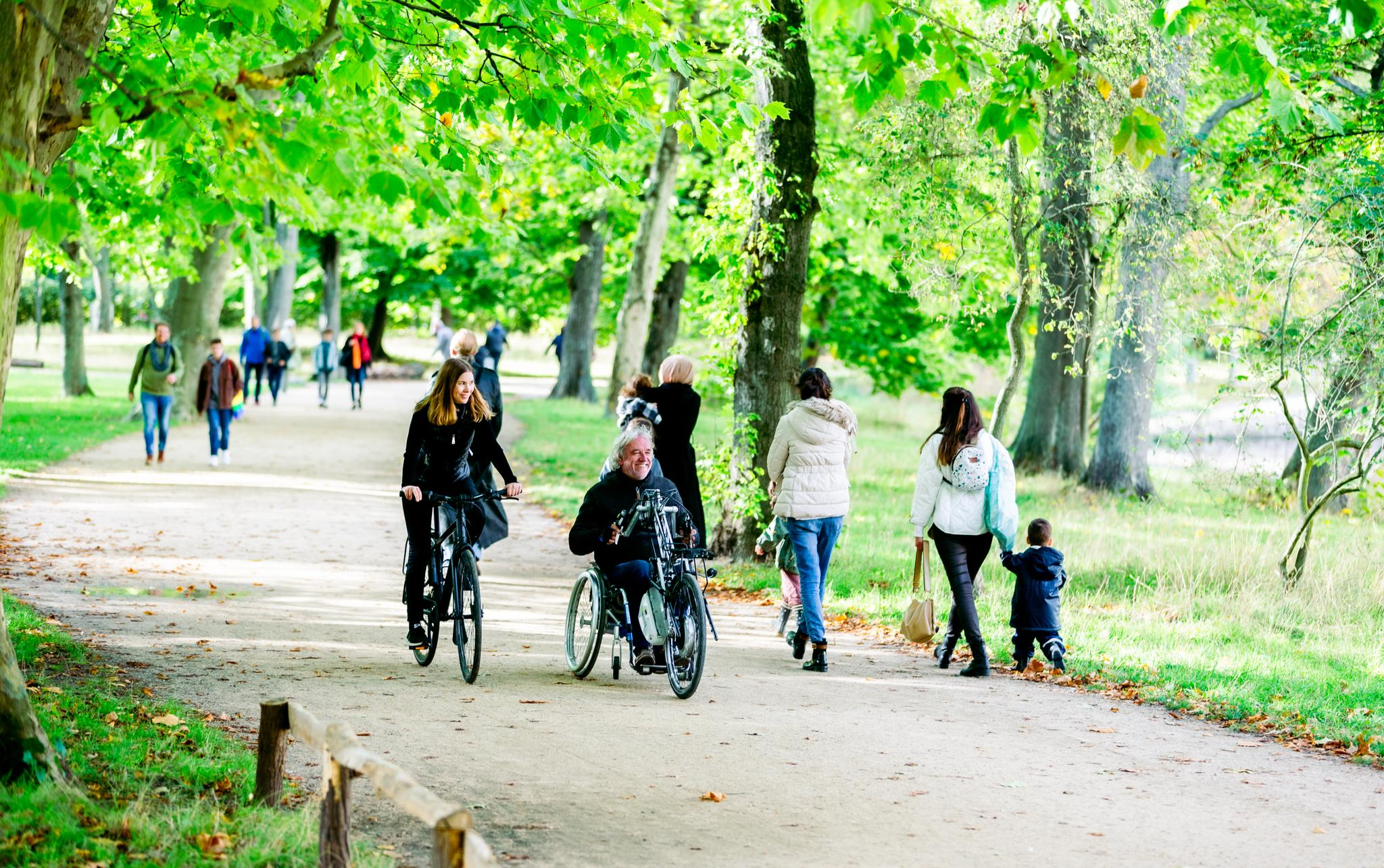
On relaxed paths through the capital – handcycling Berlin
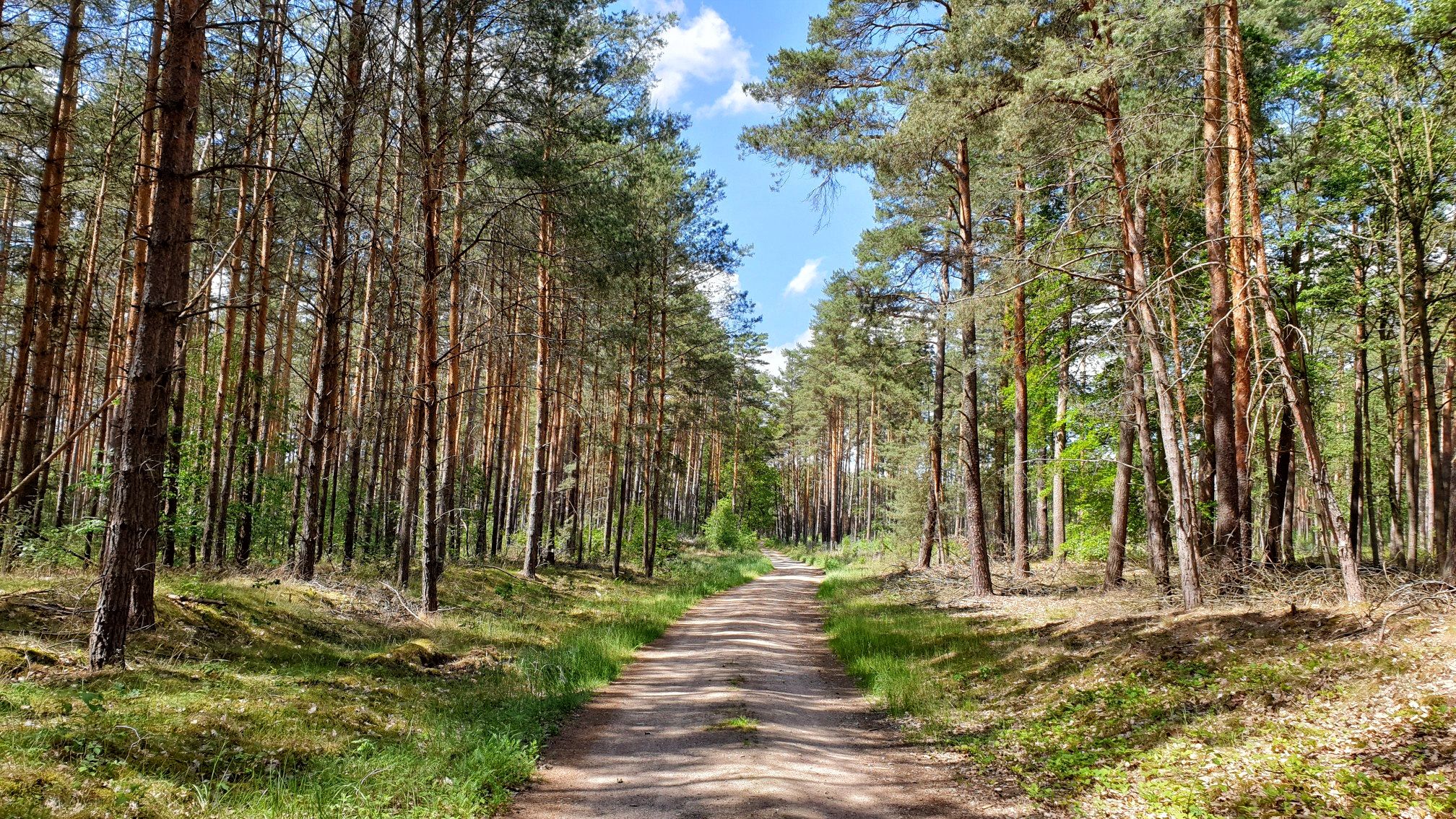
Escape the hustle and bustle of Berlin – cycling in Osthavelland-Spandau
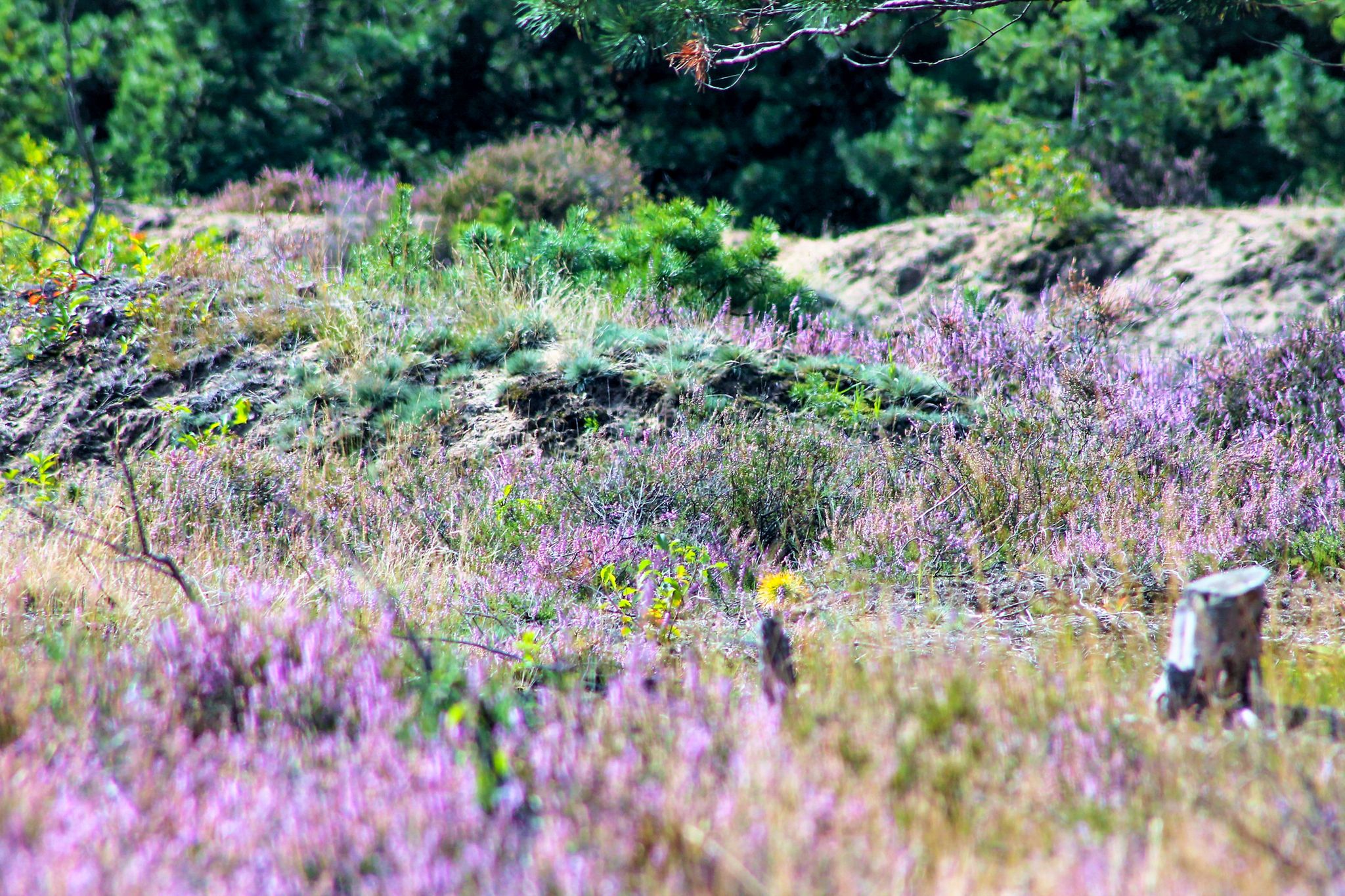
Purple splendour – by S-Bahn into the heath
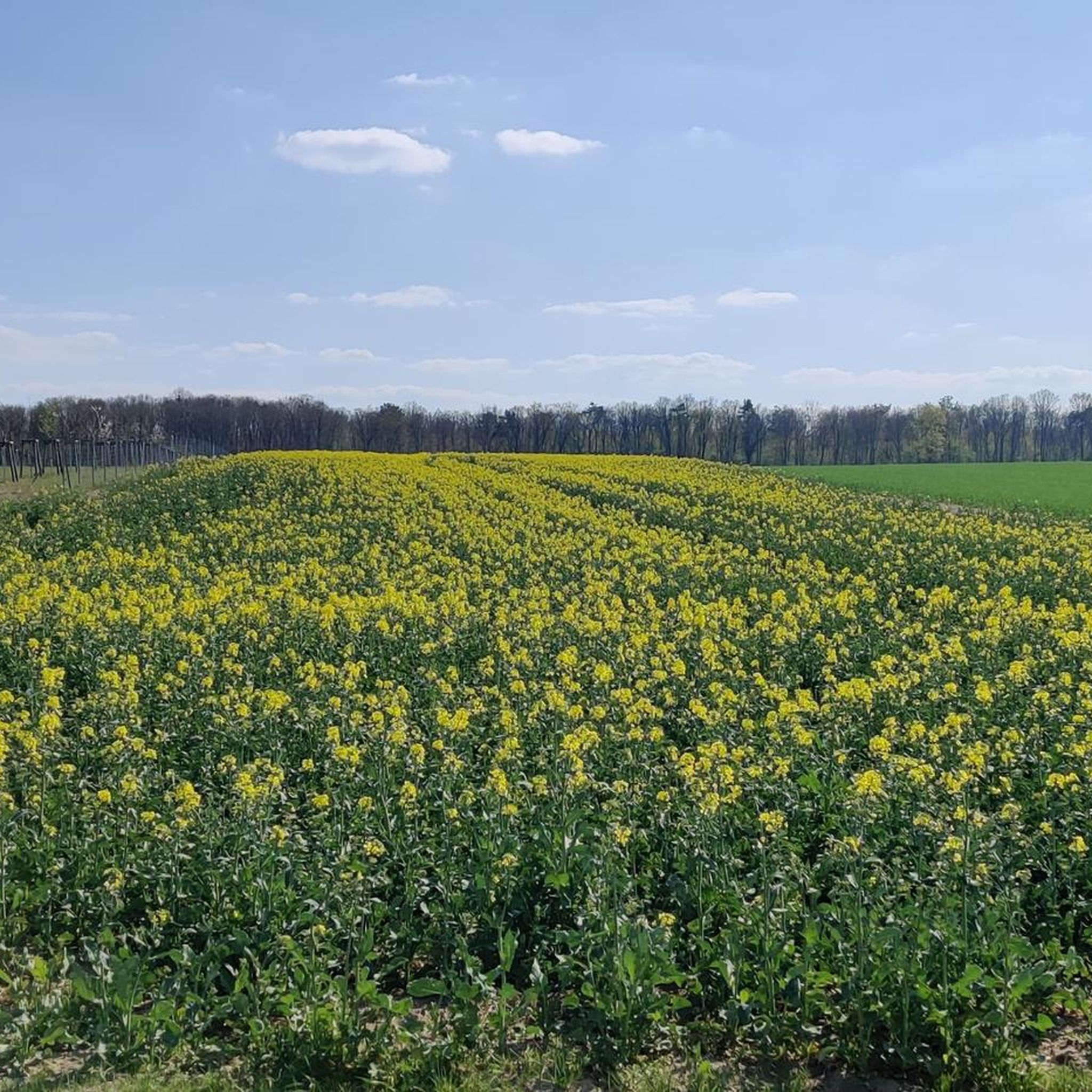
Hiking around Dallgow-Döberitz
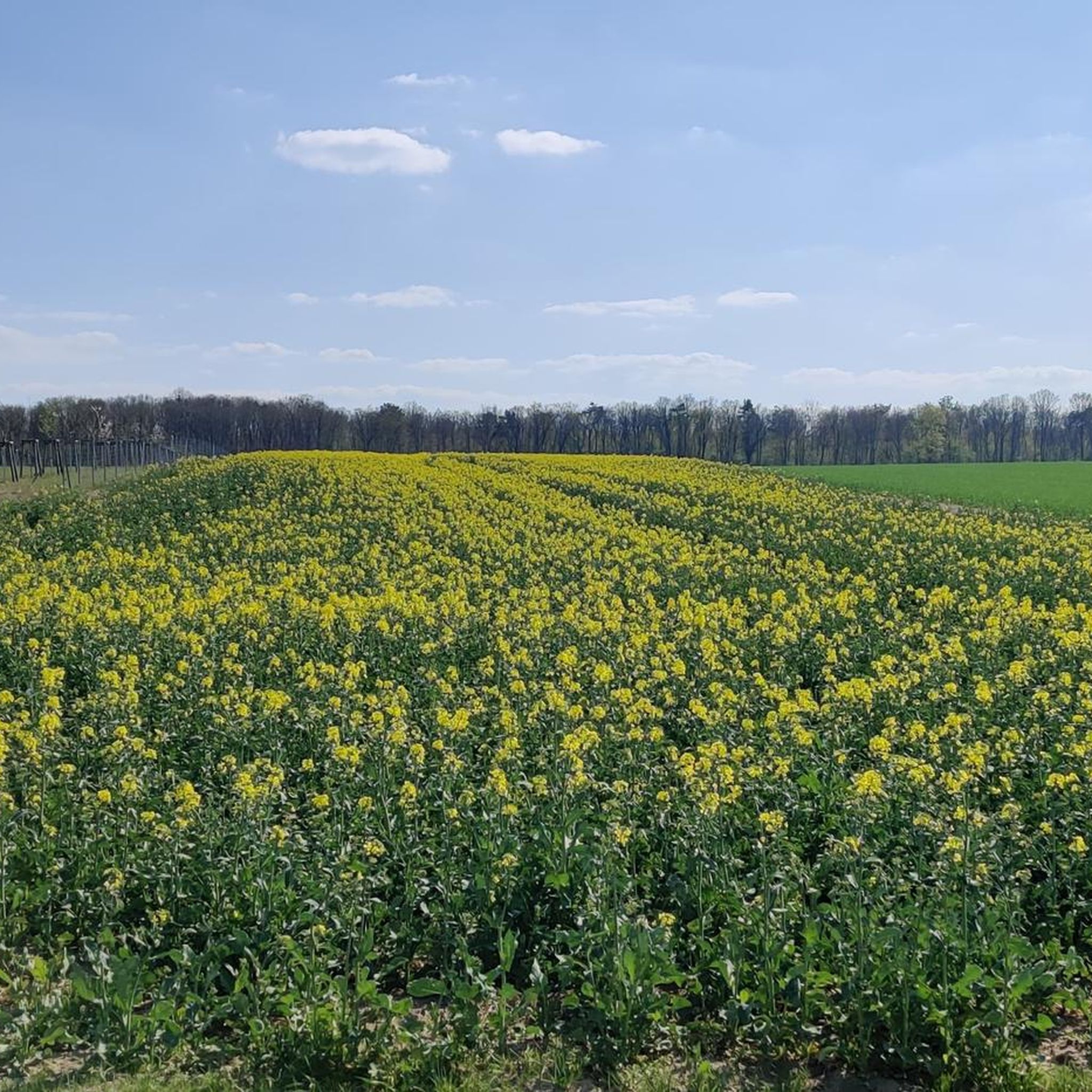
Cycling around Dallgow-Döberitz
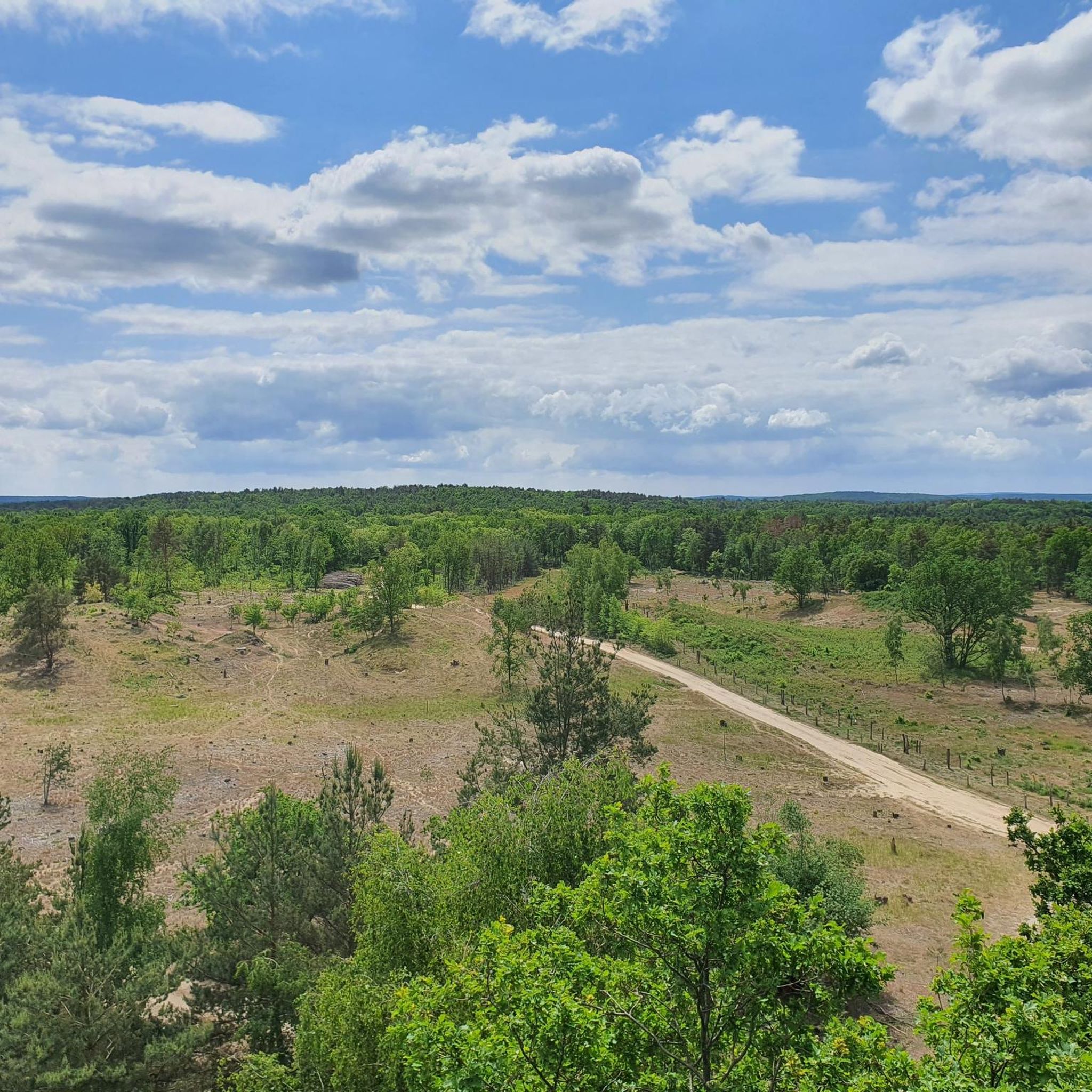
Running Trails around Dallgow-Döberitz
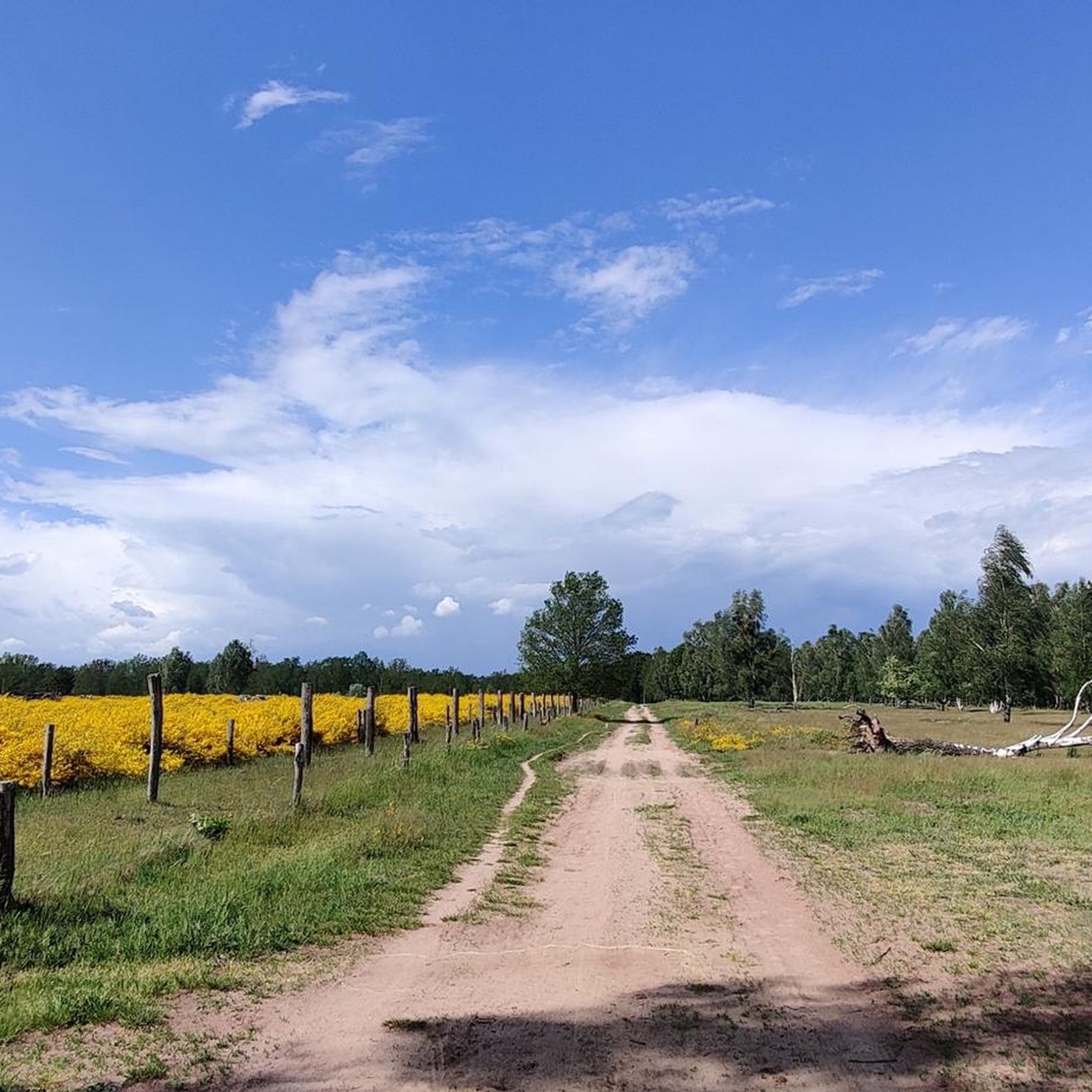
Road Cycling Routes around Dallgow-Döberitz

Gravel biking around Dallgow-Döberitz
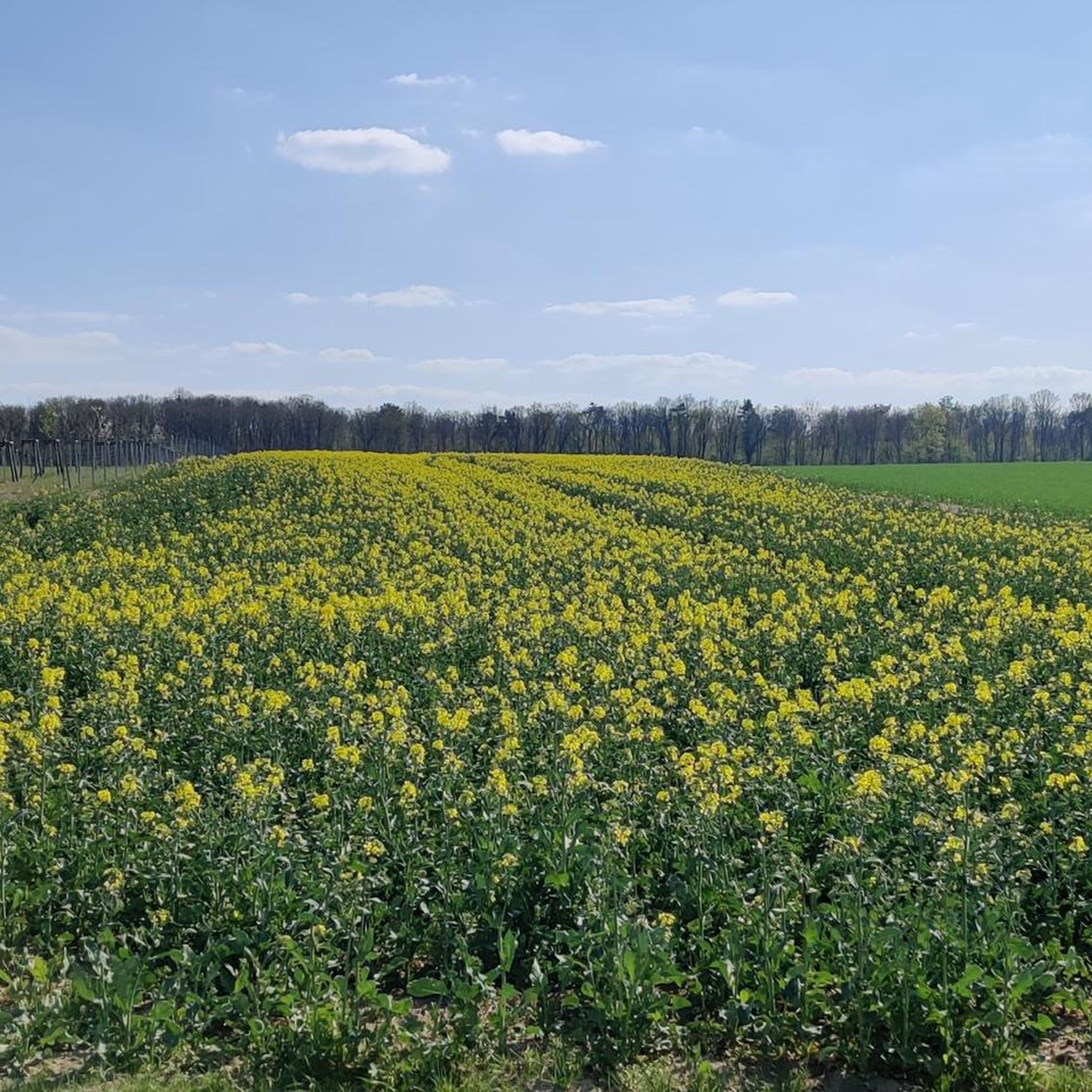
MTB Trails around Dallgow-Döberitz
Other adventures around Dallgow-Döberitz


Tips from the Community

A beautiful, deeply relaxing hiking trail around the lake. Nothing special or challenging, but a lovely shoreline path with a few swimming spots along the route.
0
0

The idyllic lake is filled with life, especially on the meadows on the western shore, as soon as the sun shines its warm rays on us. Nevertheless, it is very idyllic here 💙...
1
0

Just out of the city and after a few meters you can enjoy the peace and quiet on this bench and have a very beautiful view over the Holy Lake.
1
2

Sand mining in the Grunewald forest created a pit 18 hectares in size and 15 to 25 meters deep.
4
0

Anyone setting out from the southern end of Lake Sacrow will quickly realize: this isn't a hike, this is a stroll – with views that repeatedly linger on the water. The approach from Potsdam via Krampnitz and the small parking lot in Sakrow offer no hint of what awaits. But as soon as you step onto the path along the shore, a silent natural cinema unfolds, scene after scene. The trail begins to turn left – through sparse forests, accompanied by the gentle gurgling of the lake and the whispering of the trees. And suddenly: a small restaurant, hidden in the greenery, like a reliable interjection on the way to Sacrow Castle. There – unless it's winter break – a cozy beer garden awaits. The perfect place for a break with a lake view. A few steps further, and you're standing in front of the Church of the Redeemer – photogenic, steeped in history, sublime. Here, the hike becomes a journey through time. And those who linger a little longer will be rewarded: with peace, space, and a sense of what "place of the soul" can mean. The return journey via Kladow, Gatow, and Havelchaussee isn't a journey home, but rather an echo. Drive slowly—you have to anyway. The Grunewald Tower is on the left, a beer garden on the right, and Lindwerder beckons with culinary promises. Those who like hearty food can take a detour to the Spinnerbrücke bridge: currywurst, fries, the sound of engines, and a hint of wanderlust. Lake Sacrow is no insider tip—but it's one of those places that never wears out. The water: clear as glass, with a visibility of over four meters. The entrance: shallow, clean, and inviting. In summer, get there early or simply escape into the water. A second, smaller bathing area is just a few meters away in the forest—shadier, quieter, ideal for those who prefer reading to talking. And amidst all this: traces of history. A memorial stele commemorates a dramatic escape across the lake during the time of German division. Those who hike here also hike through German history—almost unnoticed, but not without impact.
2
0

The Glienicker Bridge is easily accessible from the Holy See.
2
3

Very nice and picturesque but very crowded in summer. Then only if you want to bathe yourself. A visit to the Öko-Werk (great bistro!) is well worth it.
5
0

Absolute celebrity area. The park is great. The Marble Palace is located directly on the lake
2
3
Frequently Asked Questions
What are the main natural features to explore in Dallgow-Döberitz?
The region around Dallgow-Döberitz is characterized by its diverse natural landscape, with the Döberitzer Heide as its most significant natural monument. Here, you can explore sandy dune terrain, extensive heathlands, wetlands like Ferbitzer Bruch, and sparse woodlands of oak, birch, and pine trees. Beyond the Heide, the broader Havelland region offers numerous forests, lakes, and rivers.
What unique wildlife can I observe in the Döberitzer Heide?
The Döberitzer Heide is a haven for wildlife. Visitors often have the chance to spot wild horses, red deer, and various rare bird species in their natural habitat. The diverse ecosystems, including heathlands and wetlands, support a rich variety of flora and fauna.
Are there family-friendly natural monuments around Dallgow-Döberitz?
Yes, several natural monuments in the area are suitable for families. For instance, the Drachenberg offers wonderful views and is accessible via moderate paths. The View of the sand dune in Grunewald is another family-friendly spot, offering a unique landscape feature that can feel like a beach in the middle of the forest. Many paths around the South End of Sacrower Lake are also easy to walk for families.
What kind of outdoor activities can I do near these natural monuments?
The natural monuments around Dallgow-Döberitz are perfect for various outdoor activities. You can enjoy extensive walking and riding trails, especially within the Döberitzer Heide. For cycling enthusiasts, there are numerous routes, such as those found in the Cycling around Dallgow-Döberitz guide. Runners can explore trails like the 'Döberitzer Heide loop' detailed in the Running Trails around Dallgow-Döberitz guide, and mountain bikers have options like the 'Obelisk in the Döberitzer Heath loop' from the MTB Trails around Dallgow-Döberitz guide.
What are some popular viewpoints offering scenic vistas?
For breathtaking views, consider visiting the Drachenberg, which provides panoramic views of West Berlin and the surrounding landscape. Another excellent spot is the View of the Grunewald Tower across the Havel, offering a magnificent vista over the Havel river towards the Grunewald.
Are there any historical or cultural sites near the natural monuments?
While the focus is on natural monuments, the region does offer cultural points of interest. For example, the Sanssouci Park, a UNESCO World Heritage site, is nearby and features impressive palaces and gardens. The area around Sacrower Lake also has historical significance, with parts of the Berlin Wall Trail and a memorial booth informing about Cold War history.
What is the best time of year to visit the natural monuments in Dallgow-Döberitz?
The Döberitzer Heide and surrounding natural monuments are beautiful year-round. Spring brings blooming flora, while summer is ideal for lake activities and long hikes. Autumn offers stunning foliage, especially in the sparse woodlands. The heathlands are particularly picturesque when the heather is in bloom, typically in late summer. Even winter hikes can be rewarding, offering a tranquil experience.
How accessible is the Döberitzer Heide by public transport?
The Döberitzer Heide is easily accessible from Berlin, offering a tranquil escape from city life despite its wild character. Specific public transport routes will depend on your starting point, but the proximity to urban areas means there are usually bus or train connections to Dallgow-Döberitz, from where you can access the reserve.
Can I bring my dog to the natural monuments and trails?
Many natural areas and trails around Dallgow-Döberitz are dog-friendly. However, especially in nature reserves like the Döberitzer Heide, it's crucial to keep dogs on a leash to protect wildlife and ensure the safety of other visitors. Always check local signage for specific rules and regulations regarding pets.
What do visitors enjoy most about the natural monuments in Dallgow-Döberitz?
Visitors frequently praise the diverse landscapes, from the unique sand dune in Grunewald to the clear waters of Sacrower Lake. The opportunities for wildlife observation, particularly in the Döberitzer Heide, are highly valued. Many also appreciate the well-maintained paths for hiking and cycling, and the magnificent panoramic views from spots like Drachenberg and the vista towards the Grunewald Tower.
Are there any specific regulations or permits needed to visit the Döberitzer Heide?
Generally, no specific permits are required for public access to the Döberitzer Heide for recreational purposes like hiking and cycling on designated trails. However, as a nature reserve, it's important to respect environmental regulations, stay on marked paths, and avoid disturbing wildlife. Information on specific rules can often be found at the Döberitzer Heide Nature Experience Center or on local authority websites.
Where can I find parking for natural monuments in the area?
Parking options are available at various access points to the natural monuments. For instance, there is free parking at the foot of the Drachenberg. For the Döberitzer Heide, specific parking areas are usually designated near trailheads or visitor centers. It is advisable to check maps or local information for the most convenient parking spots depending on your planned route.
Are there any hidden gems or less-known natural spots worth exploring?
While the Döberitzer Heide is the prominent natural monument, the broader Havelland region offers many quieter spots. Exploring the varied topography within the Heide itself, beyond the main trails, can reveal hidden wetlands and sparse woodlands. The numerous small bathing places around the South End of Sacrower Lake are also considered charming, less crowded spots for relaxation.
Most popular routes around Dallgow-Döberitz
Most popular attractions around Dallgow-Döberitz

Get inspired with the komoot mobile app


Explore more
Extend your search for the best caves by checking out these guides of the top ones around Dallgow-Döberitz:
