Top 20 Natural Monuments around Bad Nenndorf
Best natural monuments around Bad Nenndorf are primarily found within its historic Kurpark, a recognized cultural monument. This spa town is notable for its unique geological features, including one of Europe's strongest sulphur springs. The landscape offers a blend of natural beauty and historical significance, providing opportunities for exploration. The area features diverse natural attractions, from rare tree collections to tranquil water features.
Best natural monuments around Bad Nenndorf
- The most popular natural monuments is Wennigsen Waterwheels, a unique…
Last updated: May 28, 2026
Meerbruchwiesen Bird Sanctuary
Highlight • Natural Monument
Translated by Google •
Tip by

Wennigsen Waterwheels
Highlight • Structure
Translated by Google •
Tip by

Sign up now to discover places like this
Get recommendations on the best single tracks, peaks, & plenty of other exciting outdoor places.
Sign up for free
Blanketeich
Highlight • Lake
Translated by Google •
Tip by

Old Baptismal Font
Highlight • Natural Monument
Translated by Google •
Tip by

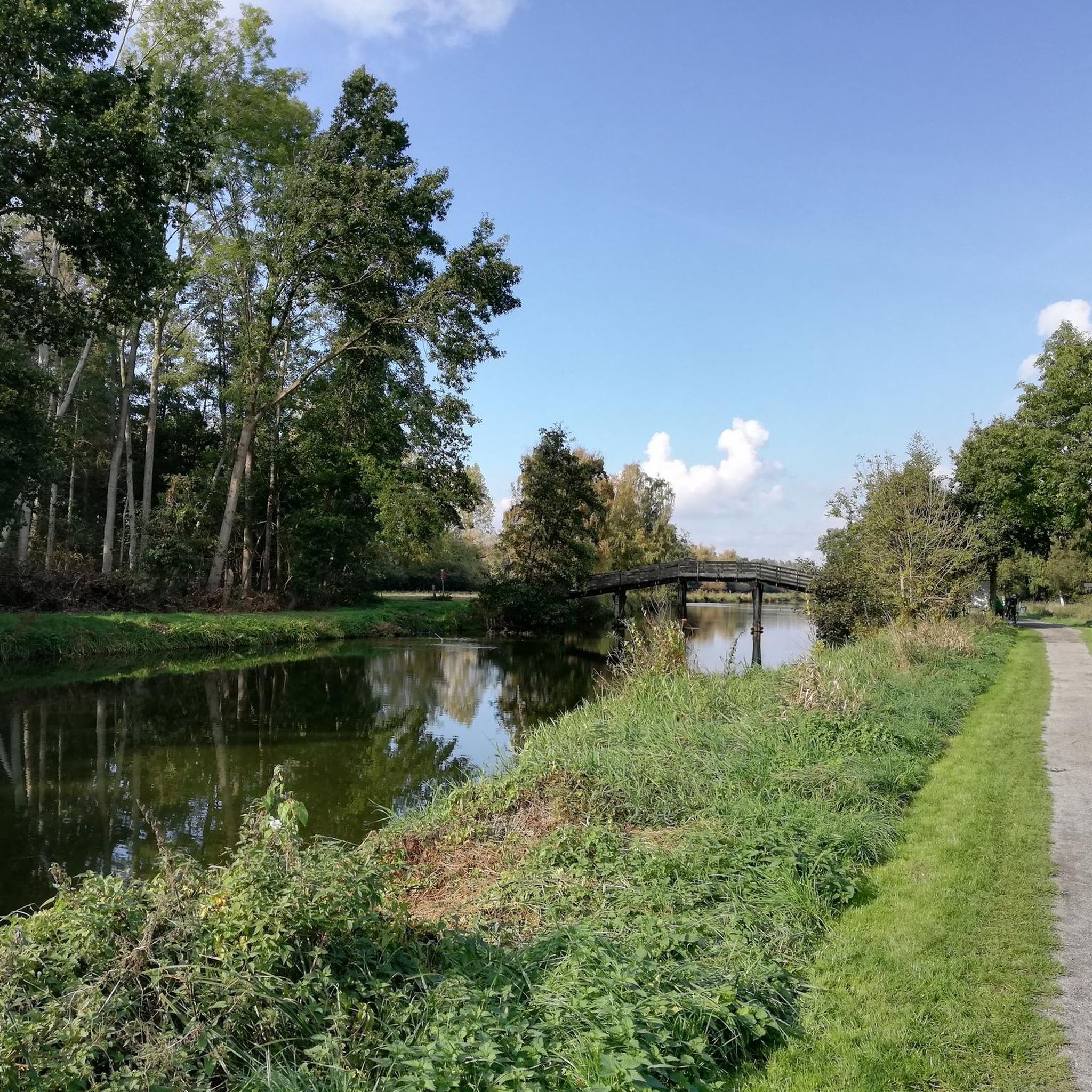
Hagenburg Canal
Highlight • River
In the summer months you can watch water bats hunting here.
Translated by Google •
Tip by

Sign up for free to discover even more natural monuments around Bad Nenndorf.
Sign up for free
Already have an account?
Start today with a free account
Your next adventure awaits.
Login or Signup
Popular around Bad Nenndorf
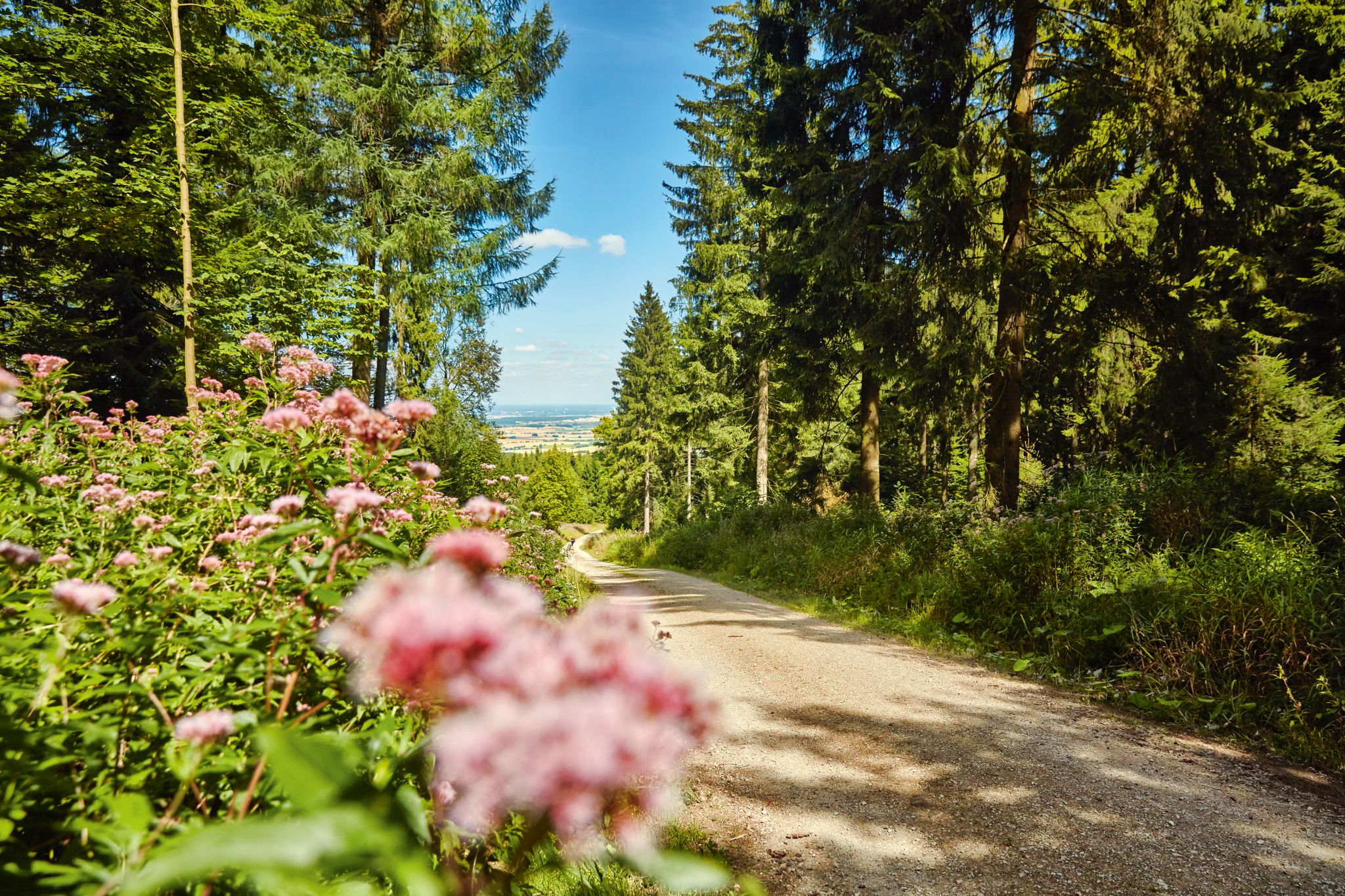
Hanover trails – hiking between Steinhuder Meer and Deister
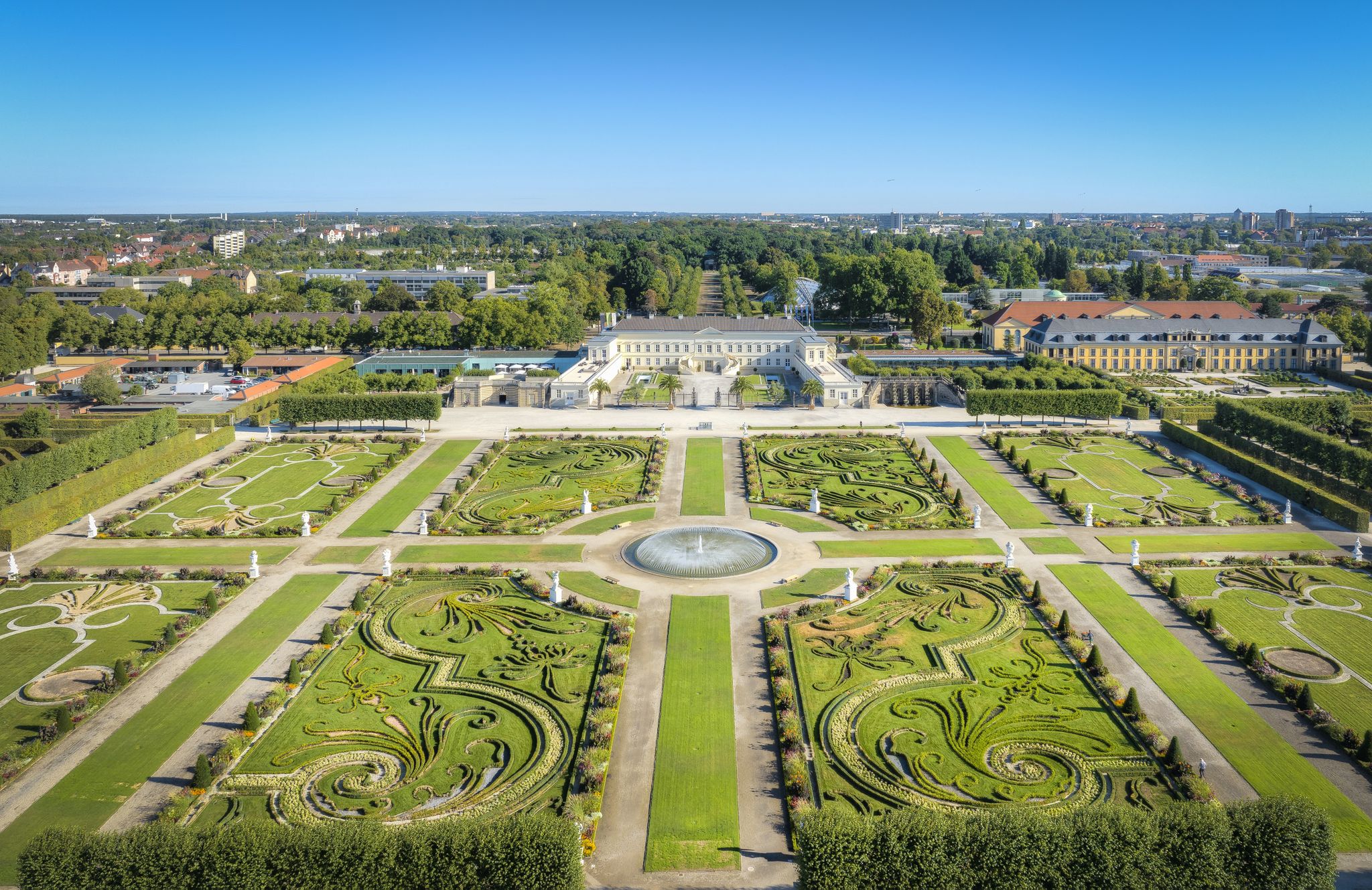
Hannover holiday region – varied cycling experiences in culture and nature
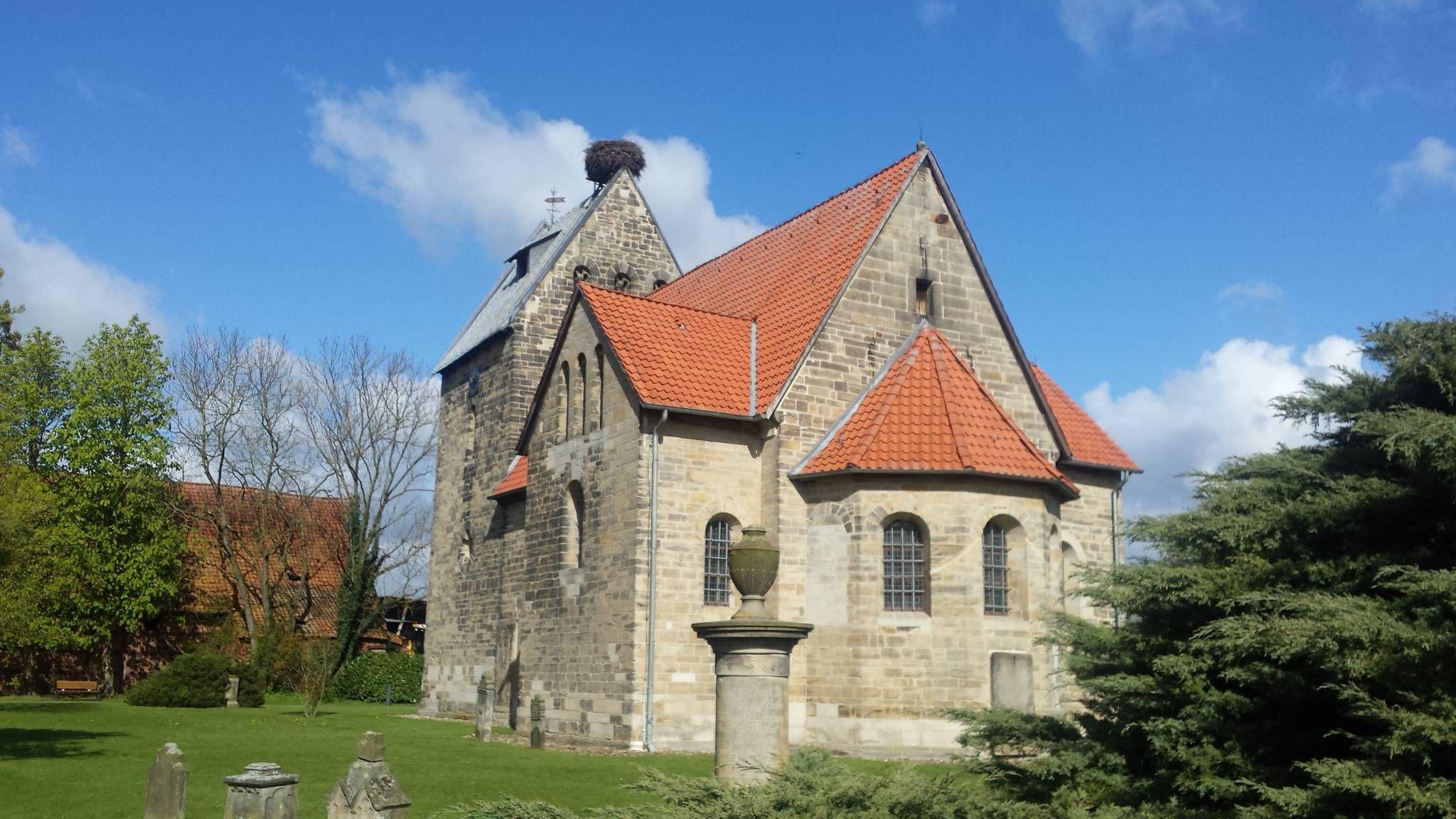
A 10-day pilgrimage in Lower Saxony – Sigwardsweg
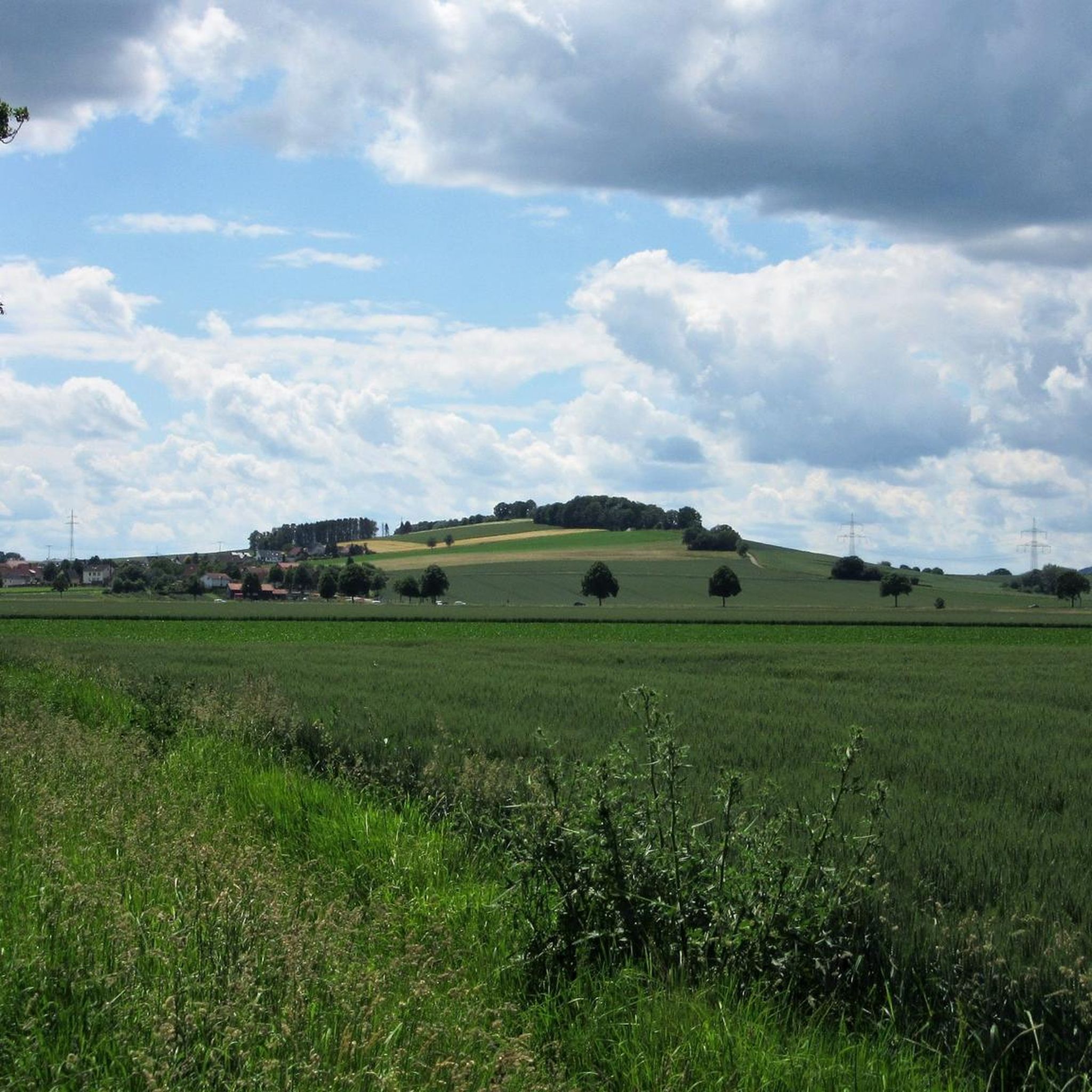
Hiking around Bad Nenndorf
Cycling around Bad Nenndorf
Running Trails around Bad Nenndorf
Road Cycling Routes around Bad Nenndorf
MTB Trails around Bad Nenndorf
Gravel biking around Bad Nenndorf
Other adventures around Bad Nenndorf


Tips from the Community

The old baptism is the subject of a local legend, which takes place at the time of Christianization. The stone's name may derive from the embellished idea that it was used as a baptismal font after the advent of Christianity. Forced baptisms are conceivable, but just as little documented as pagan human sacrifices in prehistoric times. Nonetheless, the idea of human sacrifice in the ancient baptism is considered as one of several explanations of the idiom "walking over the Deister." The idiom means "disappear" and possibly "die" - similar to "cross the Jordan" and "cross the Wupper". Other explanations of phraseologism do not draw on the sagas associated with the ancient baptism. Source: https://de.wikipedia.org/wiki/Alte_Taufe
4
0
The old baptism (formerly also wolf baptism or heathen baptism) is a cliff in the Deister in Lower Saxony. The cuboid made of Wealden sandstone with an edge length of around 3 meters and a deep trough on the top is located about 50 m away from the Deisterkamm, west of the Nordmannsturm in the municipality of Lauenau. The Old Baptism was regarded as an old Germanic sacrificial site for which there is no archaeological evidence. An excavation in the area of the stone has not yet been carried out. Detlef Schünemann tries to make a prehistoric processing and ritual use of the stones credible in comparison with other striking, large stones, which also have hollows (so-called sacrificial stones). The old baptism is the subject of a local legend, which takes place at the time of Christianization. The stone's name may derive from the embellished idea that it was used as a baptismal font after the advent of Christianity. Forced baptisms are conceivable, but just as little documented as pagan human sacrifices in prehistoric times. Nonetheless, the idea of human sacrifice in the ancient baptism is considered as one of several explanations of the idiom "walking over the Deister." The idiom means "disappear" and possibly "die" - similar to "cross the Jordan" and "cross the Wupper". Other explanations of phraseologism do not draw on the sagas associated with the ancient baptism. Source: https://de.wikipedia.org/wiki/Alte_Taufe
4
1

very slippery and muddy at this time of year (January). For me as a beginner, the section of the trail is very exciting. But I made it there and back safely.
4
0


A wonderful route. A dream of a landscape.
12
0
A distance. Can be driven very well. The landscape around it is also beautiful.
8
0
A great view of nature.
12
0

Frequently Asked Questions
What unique natural features can I explore in Bad Nenndorf's Kurpark?
The Kurpark in Bad Nenndorf is home to several unique natural features. You can discover the Süntel Beech Alley, which boasts the largest collection of old Süntel beeches in Germany, known for their distinctive gnarled growth. The park also features ancient trees over 200 years old, including rare handkerchief trees and gigantic sequoias. Additionally, the historic Sulphur Springs, a cornerstone of Bad Nenndorf's spa tradition, are located within the park.
Are there family-friendly natural monuments around Bad Nenndorf?
Yes, several natural monuments are ideal for families. The Wennigsen Waterwheels offer a unique and lovingly designed attraction that children particularly enjoy. The Meerbruchwiesen Bird Sanctuary provides a great spot for a break with views, and the Blanke Pond is an idyllic place to relax in nature. The entire Kurpark, with its gentle paths and diverse trees, is also very suitable for family strolls.
What kind of outdoor activities can I do near these natural monuments?
Bad Nenndorf offers a variety of outdoor activities. You can enjoy easy hikes, such as the route from Süntelbuchenallee Entrance to Bad Nenndorf Spa Park. For cycling enthusiasts, there are routes like the Bad Nenndorf Spa Park – Hülsede Water Castle loop. Mountain biking trails are also available, including the Landgrafenhaus Bad Nenndorf – The Fleckendiener of Lauenau loop. These activities allow you to explore the natural beauty surrounding the monuments.
Do any natural monuments in Bad Nenndorf have historical significance?
Absolutely. Bad Nenndorf's natural monuments are deeply intertwined with its history as a spa town. The Sulphur Springs have been utilized for their healing properties for over 200 years, forming the basis of the town's health resort tradition. The Kurpark itself, established in 1792, is recognized as a historical garden and cultural monument. The Old Baptismal Font is another site with historical legends surrounding its use.
Are there any notable viewpoints among the natural monuments?
Yes, several natural monuments offer pleasant viewpoints. The Meerbruchwiesen Bird Sanctuary provides a nice place for a break with views towards Wilhelmstein Island. The Old Baptismal Font is situated in a scenic location, and the Kreuzbuche Memorial and Shelter also offers a viewpoint at a forest intersection.
What is the best time of year to visit the natural monuments in Bad Nenndorf?
The natural monuments in Bad Nenndorf, particularly the Kurpark and its ancient trees, are beautiful year-round. Spring brings blooming flowers, summer offers lush greenery and shade, and autumn transforms the Süntel beeches and other trees into a spectacle of colors. Even in winter, the unique forms of the Süntel beeches create a captivating sight. For comfortable walking and outdoor activities, spring to early autumn is generally ideal.
Are the natural monuments in Bad Nenndorf dog-friendly?
Many natural areas in Bad Nenndorf, including the Kurpark and its extended areas like Erlengrund, are generally dog-friendly. It's always recommended to keep dogs on a leash, especially in designated nature protection areas like the Meerbruchwiesen Bird Sanctuary, to protect wildlife and ensure a pleasant experience for all visitors.
How can I reach the natural monuments, and is parking available?
Bad Nenndorf is well-connected. The Kurpark, where many natural monuments are located, is central to the town and easily accessible on foot. For those arriving by car, parking facilities are available in and around Bad Nenndorf. Public transport options also serve the spa town, making it convenient to reach the main attractions.
Can I spot wildlife at the natural monuments?
Yes, particularly at the Meerbruchwiesen Bird Sanctuary, which is a prime location for birdwatching. The ponds in Erlengrund and the general tranquility of the Kurpark also provide opportunities to observe local flora and fauna, especially various bird species and small mammals.
Are there options for circular walks around Bad Nenndorf's natural features?
The Kurpark itself offers extensive grounds perfect for circular walks, allowing you to explore the Süntel Beech Alley, ancient trees, and the Sulphur Springs. The Erlengrund, with its freshwater springs and ponds, also provides peaceful retreats for gentle, circular strolls. Many of the nearby hiking routes, such as the Bad Nenndorf Spa Park loop, are designed as circular paths.
Are there cafes or places to rest near the natural monuments?
As a spa town, Bad Nenndorf has various cafes and restaurants, many of which are conveniently located near the Kurpark. Within the park itself, you'll find benches and protected resting places, particularly in areas like Erlengrund, allowing you to relax and enjoy the natural surroundings. The Kreuzbuche Memorial and Shelter also provides a spacious shelter and bench for taking a break.
What is the Kraterquelle, and where can I find it?
The Kraterquelle (Crater Spring) is mentioned as another natural phenomenon within Bad Nenndorf, suggesting a unique geological formation. While specific details about its features are less prominent, its designation indicates a point of natural interest worth exploring. It contributes to the town's diverse array of natural attractions, often found within or near the extensive Kurpark area.
Most popular routes around Bad Nenndorf
Most popular attractions around Bad Nenndorf

Get inspired with the komoot mobile app


Explore more
Extend your search for the best caves by checking out these guides of the top ones around Bad Nenndorf:
