Top 20 Natural Monuments around Insel Hiddensee
Best natural monuments around Insel Hiddensee showcase a diverse and dynamic natural landscape, making it a significant natural heritage site in Germany. The island features a post-Ice Age landscape, vital bird sanctuaries, and notable geological formations. These areas include expansive dune and heath landscapes, dramatic cliff coasts, and important bird resting grounds. Visitors can explore unique habitats and observe ongoing geological processes across the island.
Best natural monuments around Insel Hiddensee
- The most popular natural monuments is Pramort Observation Tower…
Last updated: July 22, 2026
Pramort Observation Tower
Highlight • Viewpoint
Translated by Google •
Tip by

Dornbusch Lighthouse
Highlight • Monument
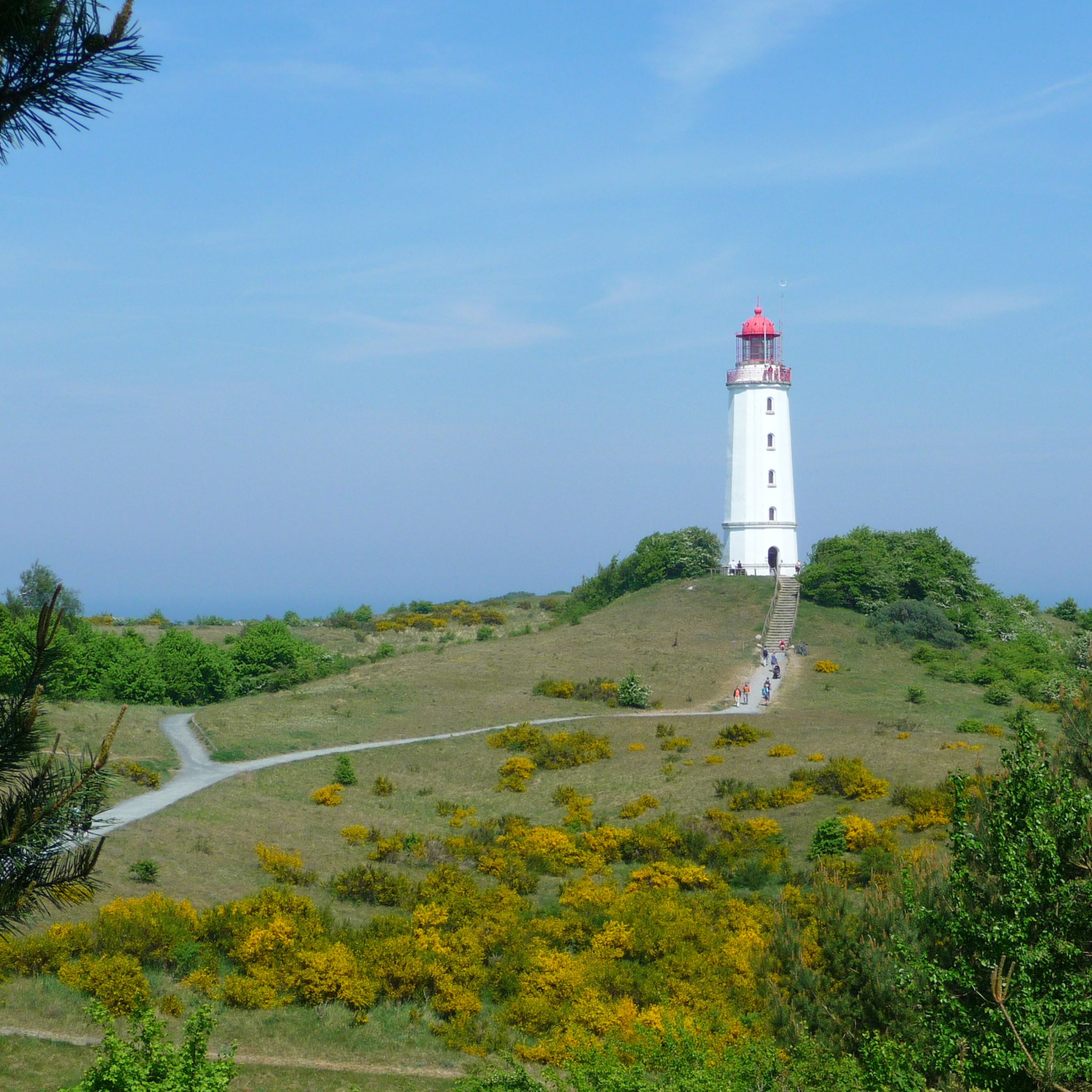
The lighthouse is easily accessible on foot - if you want to go up the lighthouse, you should check the opening times beforehand. As of 2022, admission costs €3.
Translated by Google •
Tip by

Sign up now to discover places like this
Get recommendations on the best single tracks, peaks, & plenty of other exciting outdoor places.
Sign up for free
View of Hiddensee Island
Highlight • Viewpoint
Translated by Google •
Tip by

Enddorn Cliffs and Beach
Highlight • Beach
Translated by Google •
Tip by

Dornbusch Cliff Enddorn
Highlight • Natural Monument
Translated by Google •
Tip by

Sign up for free to discover even more natural monuments around Insel Hiddensee.
Sign up for free
Already have an account?
Start today with a free account
Your next adventure awaits.
Login or Signup
Popular around Insel Hiddensee
The National Natural Landscapes in Mecklenburg-Vorpommern
#GoFurther – discover the views of Germany!
Hiking around Insel Hiddensee
Cycling around Insel Hiddensee
Running Trails around Insel Hiddensee
MTB Trails around Insel Hiddensee
Road Cycling Routes around Insel Hiddensee

Gravel biking around Insel Hiddensee


Tips from the Community

They breed right here at the lookout point and nesting aids have also been installed.
21
1

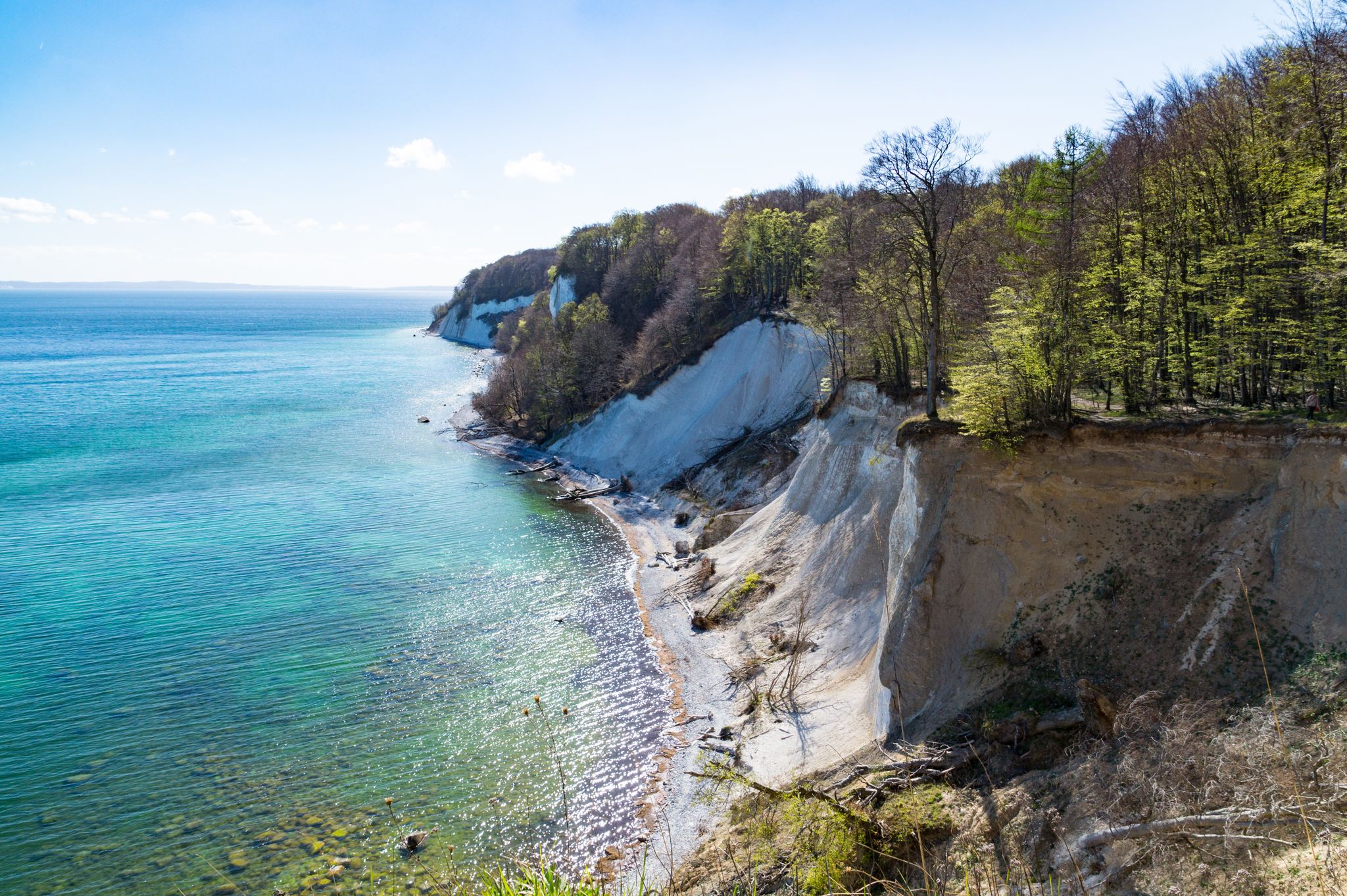
Not without, again and again collapses from the cliffs, but nature simply top👌🌊🤗
11
0

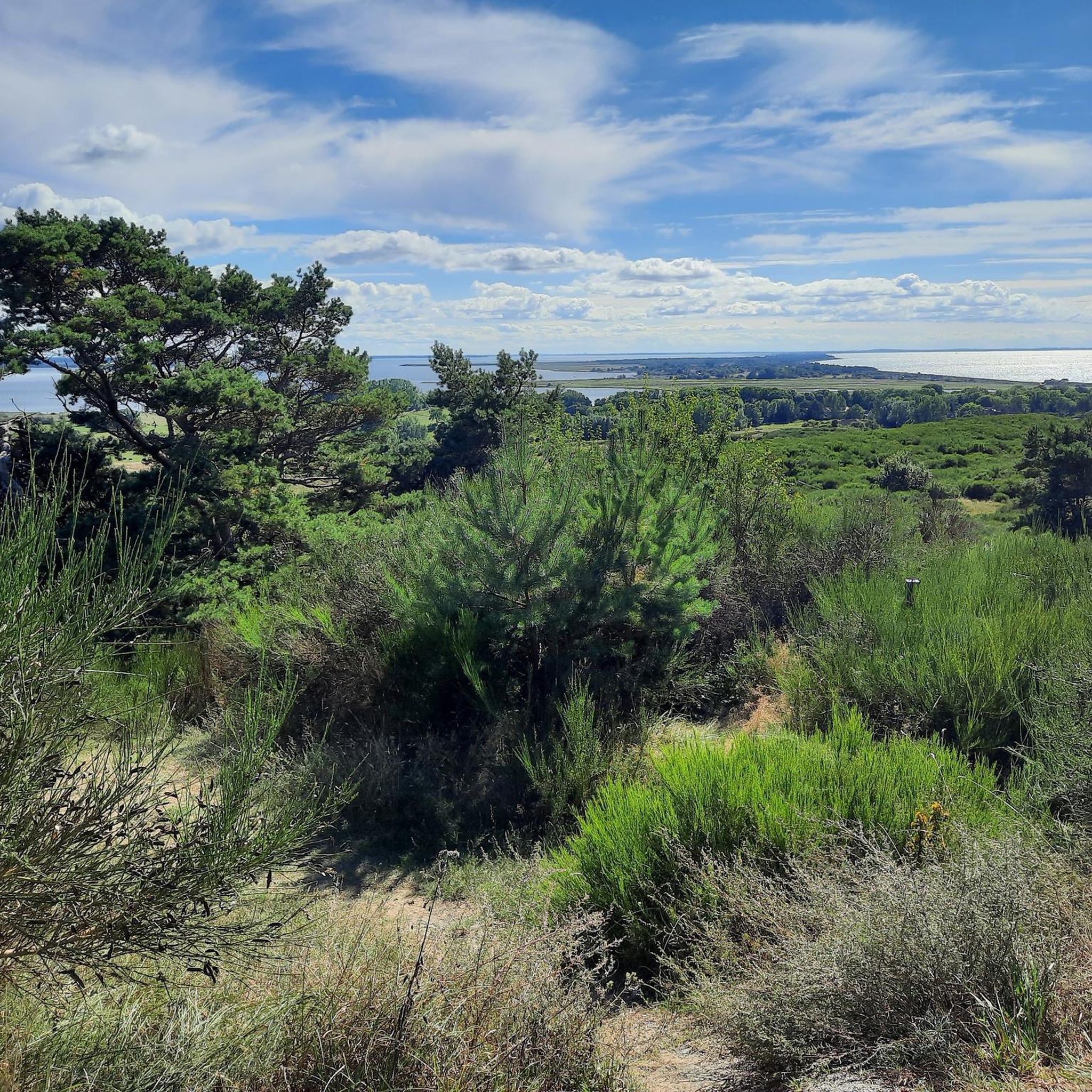
There are a few benches here and some wooden sculptures decorate the square. From here you can enjoy the view over the island and the Baltic Sea in peace and without crowds.
2
0

In good weather you can even see as far as Denmark (Zealand/Sjælland)!
4
0

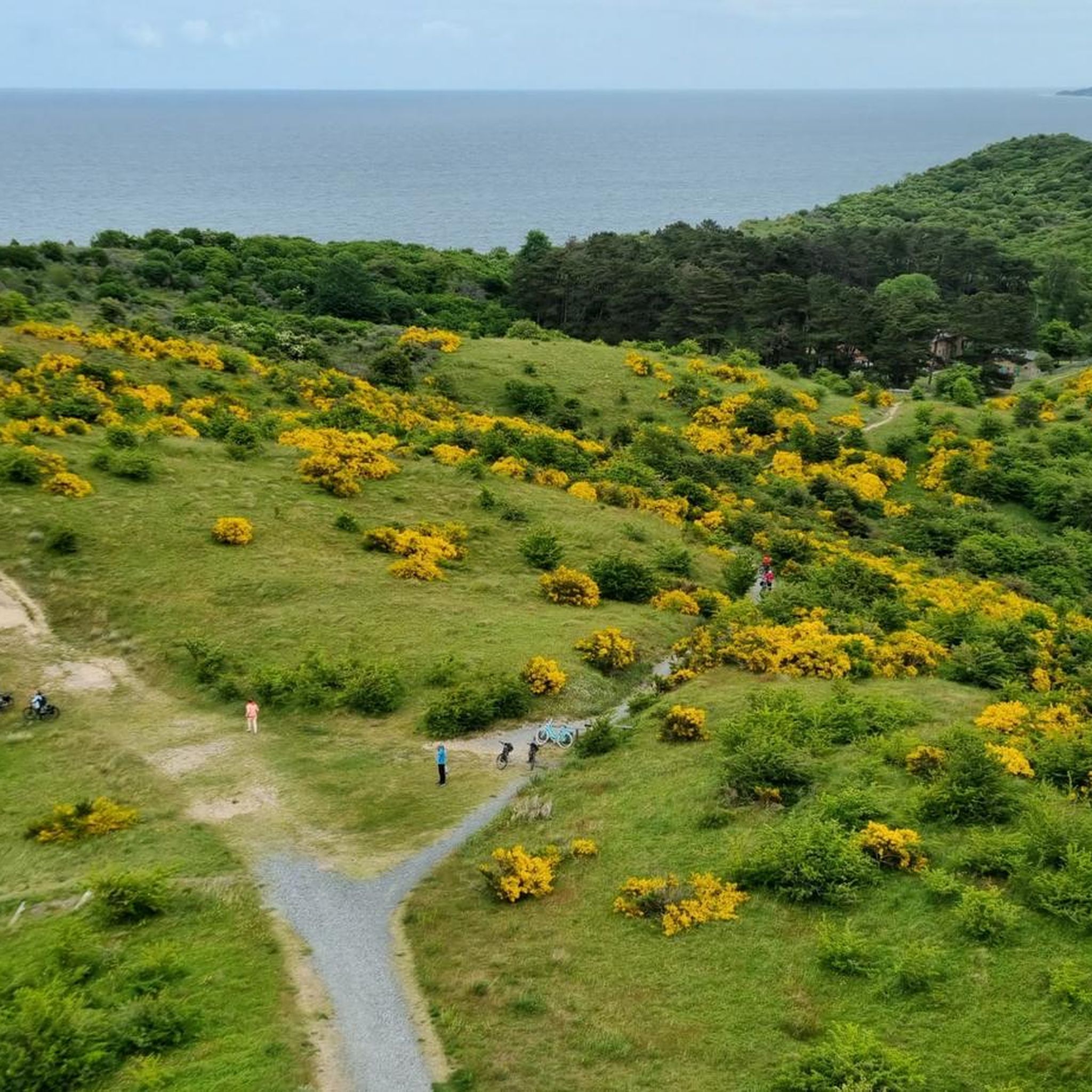
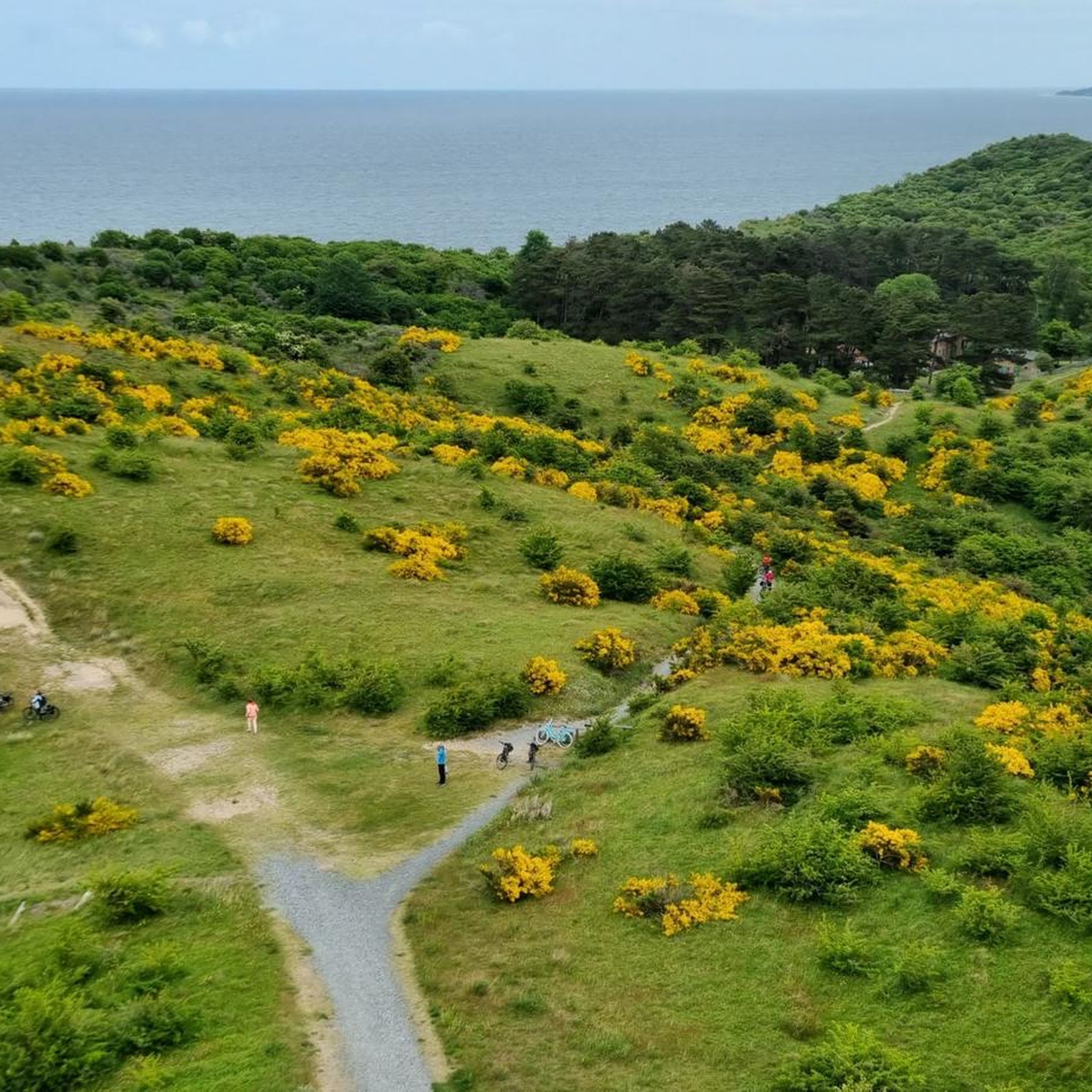
What a play of colors 🤩 The white lighthouse with a blue sky and the yellow broom in a green meadow, simply fantastic!
7
0

An old lighthouse that was renovated last year. It shines in new colors. Great view from up there.
5
0

At the Enddorn Cliff you can see how the sea is gnawing away at the island. The different layers deposited during the last ice age can also be clearly seen at the edge of the cliff.
5
0
At Endthorn Cliff you can see how the sea is gnawing away at the island.
4
0
Frequently Asked Questions
What are some of the most popular natural monuments to visit on Insel Hiddensee?
Visitors frequently enjoy the Pramort Observation Tower, which offers a unique spot for nature observation and birdwatching, complete with nesting aids. The Dornbusch Lighthouse, situated on the island's highest point, is another landmark offering panoramic views. For a more secluded experience, the Enddorn Cliffs and Beach provides natural beauty away from the main tourist crowds.
Are there family-friendly natural monuments on Insel Hiddensee?
Yes, several natural monuments are suitable for families. The Pramort Observation Tower is family-friendly and offers opportunities to observe breeding birds. The area around the Dornbusch Lighthouse is also accessible for families, with trails leading through varied landscapes.
What kind of natural features can I expect to see on Insel Hiddensee?
Insel Hiddensee boasts a diverse range of natural features. You can explore expansive dune and heath landscapes, particularly vibrant in August and September. The island also features dramatic cliff coasts, such as those near the Dornbusch highlands, and important bird sanctuaries like the Gellen spits. Spring bogs and sandy dry grasslands contribute to the island's rich habitat diversity.
What is the best time of year to visit Insel Hiddensee for its natural monuments?
The island's natural monuments offer beauty year-round. However, for vibrant colors, visit in August and September when the heathlands are in bloom. Birdwatchers will find spring and autumn particularly rewarding, as thousands of cranes and other migratory birds use the island as a resting ground.
Are there opportunities for wildlife spotting around the natural monuments?
Absolutely. Insel Hiddensee is a haven for wildlife, especially birds, as it's part of the Western Pomerania Lagoon Area National Park. The Pramort Observation Tower is specifically designed for bird observation, with nesting aids installed. The Gellen and Bessin spits are crucial undisturbed habitats for endangered bird species, though access to some core zones is restricted to protect them.
What outdoor activities can I do near the natural monuments on Insel Hiddensee?
Insel Hiddensee is car-free, making it ideal for exploration on foot or by bike. You can find numerous routes for gravel biking, running, and mountain biking. For example, explore the island's landscapes on routes like the 'Hiddensee Island Cycle Path – Neuendorf Harbor loop' or the 'Beach Promenade Hiddensee – Vitte Marina loop'. You can find more details on these activities in the Gravel biking around Insel Hiddensee, Running Trails around Insel Hiddensee, and MTB Trails around Insel Hiddensee guides.
Are there any easy walking routes to natural monuments for beginners or those seeking a relaxed pace?
Yes, many areas on Insel Hiddensee are suitable for easy walks. The island's car-free nature encourages leisurely exploration. While specific 'beginner' routes aren't highlighted, the general landscape, particularly the dune heaths, offers gentle terrain. The path to the Dornbusch Lighthouse is easily accessible on foot, though it involves some elevation.
What makes Insel Hiddensee's natural monuments geologically significant?
Insel Hiddensee is a 'young landscape' formed during the last ice age. Its geological significance lies in its ongoing processes of coastal erosion and deposition. The impressive cliff coasts of Dornbusch recede by about 30 centimeters annually, and the evolving spits of Alter and Neuer Bessin at the southern end are formed by landmasses carried away from the island's northern tip, showcasing dynamic geological change.
Can I access all natural monuments on Insel Hiddensee?
While many areas are open for visitors, some highly protected core zones, such as parts of Gellen and Neuer Bessin, are strictly inaccessible. These restrictions are in place to protect vulnerable wildlife and their breeding and resting grounds. However, numerous other areas offer opportunities to experience the island's natural splendor respectfully.
What do visitors enjoy most about the natural monuments on Insel Hiddensee?
Visitors frequently highlight the untouched nature and tranquility of the island. The unique blend of ecological importance, geological dynamism, and scenic beauty is a major draw. The wide beaches, rugged cliffs, and pine forests invite quiet contemplation, and the vibrant heathlands in bloom are often mentioned as a particular highlight. The community has upvoted the natural beauty and diverse landscapes over 3000 times.
Is the Dornbusch Lighthouse considered a natural monument?
While the Dornbusch Lighthouse itself is a man-made structure, it is situated within the Dornbusch highlands, which are a significant natural monument. The Dornbusch area consists of glacial deposits and features impressive cliff coasts, making the lighthouse a landmark within a valuable natural landscape.
Are there any hidden natural gems on Insel Hiddensee?
Beyond the well-known spots, the island holds many natural treasures. The Dünenheide auf der Insel Hiddensee Nature Reserve, with its expansive dune and heath landscapes, offers a unique habitat. The Spring bog Ellersegen and Rübenberg are also explicitly identified as natural monuments, contributing to the island's high habitat diversity and offering interest for those seeking less-traveled natural spots.
Most popular routes around Insel Hiddensee
Most popular attractions around Insel Hiddensee

Get inspired with the komoot mobile app


Explore more
Extend your search for the best caves by checking out these guides of the top ones around Insel Hiddensee:
