Top 20 Natural Monuments around Zerbst/Anhalt
Natural monuments around Zerbst/Anhalt are situated between the Elbe River and the Fläming region, offering diverse natural landscapes. The area is known for its extensive forests and unique botanical specimens, including various ancient trees. It encompasses parts of the UNESCO Biosphere Reserve Flusslandschaft Elbe, providing opportunities to explore varied terrain from river meadows to dense forests.
Best natural monuments around Zerbst/Anhalt
- The most popular natural monuments is Confluence of the Saale and the Elbe, a river and natural monument…
Last updated: May 28, 2026
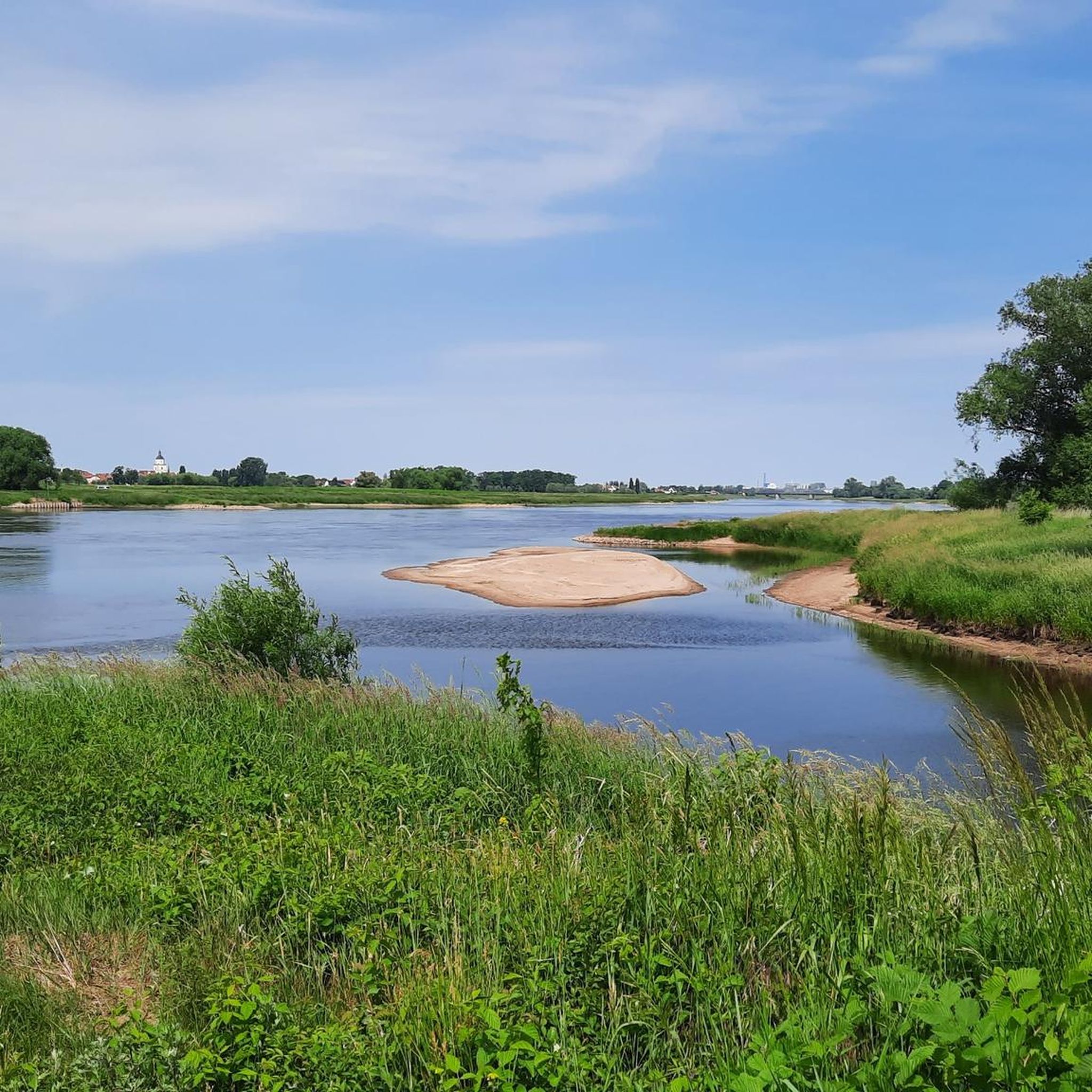
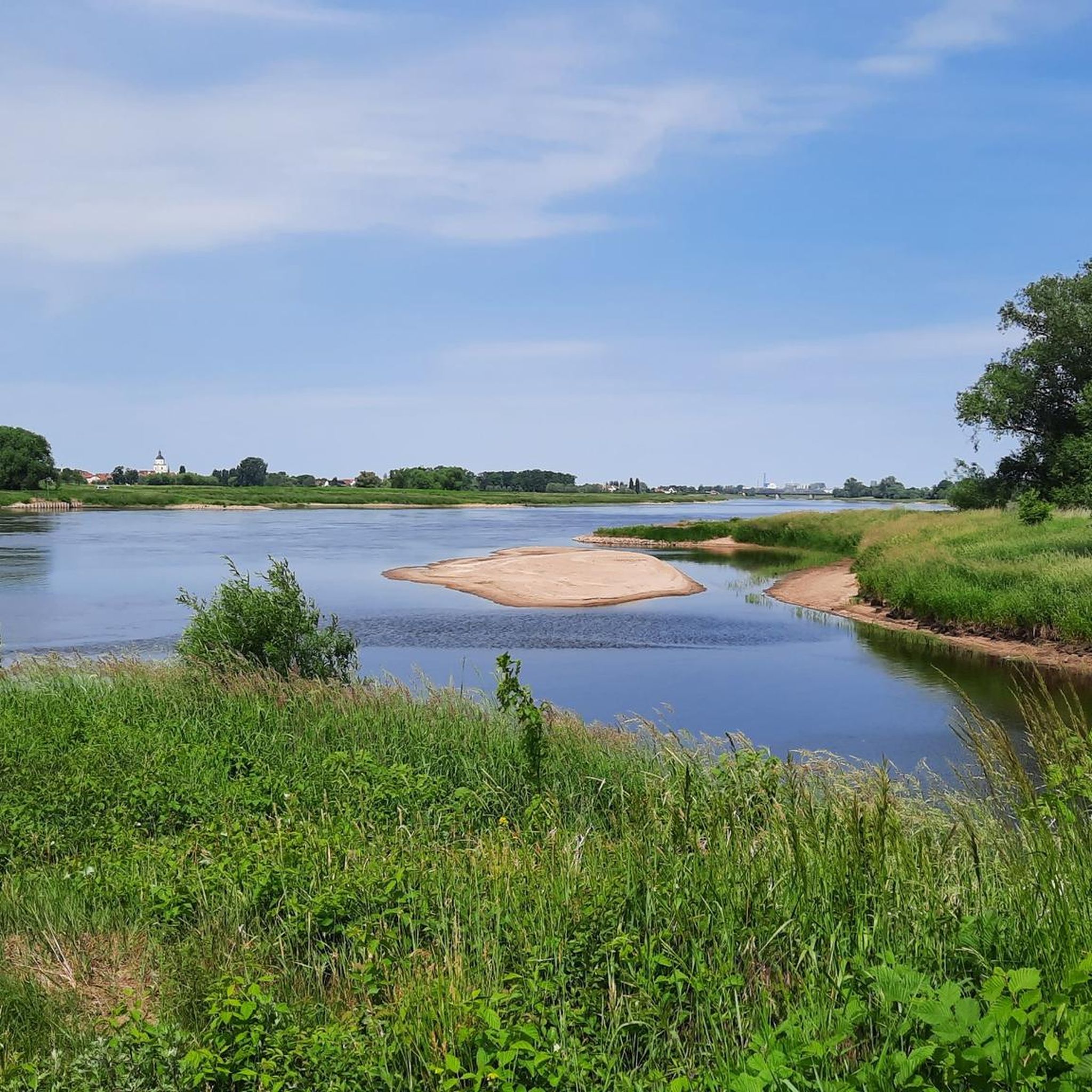
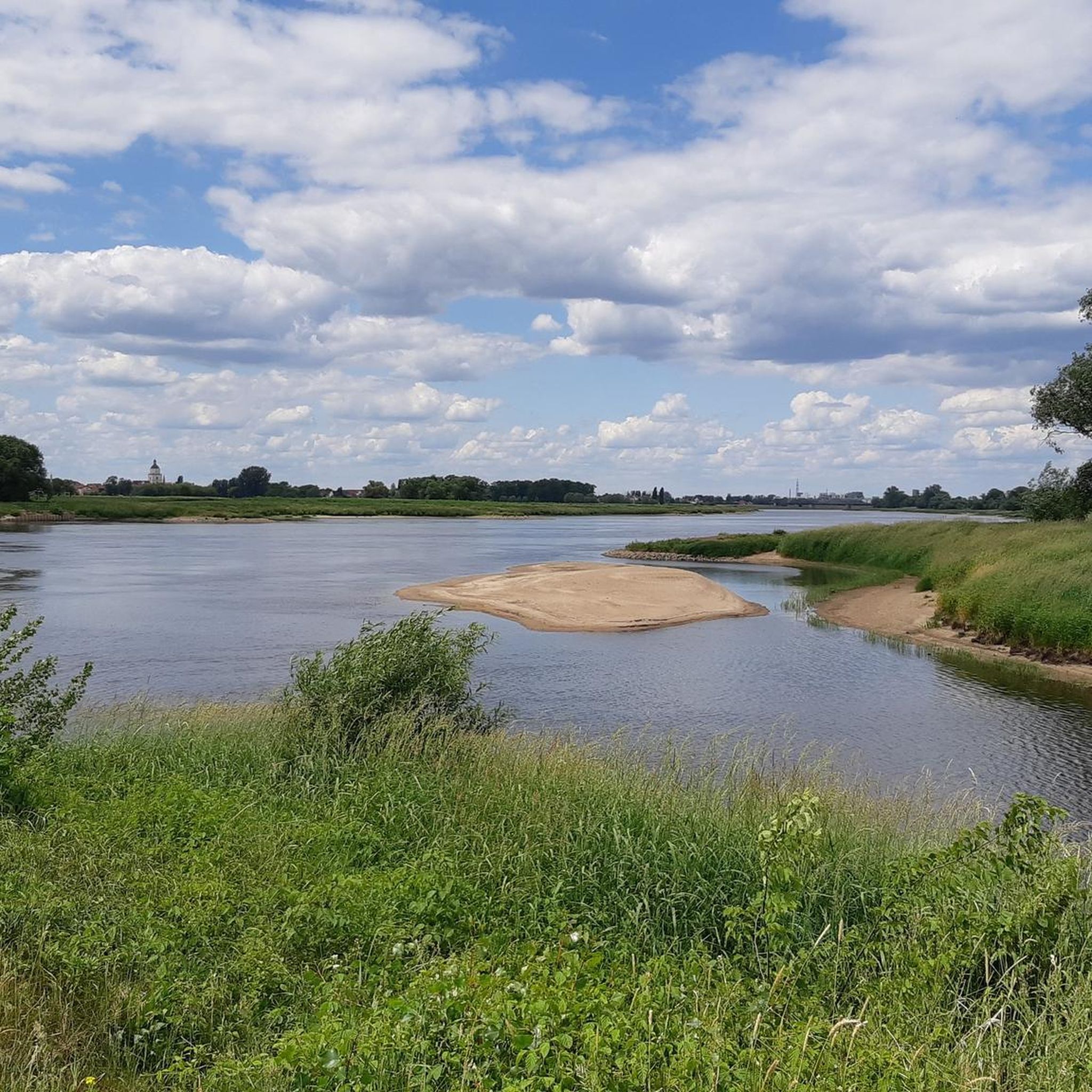
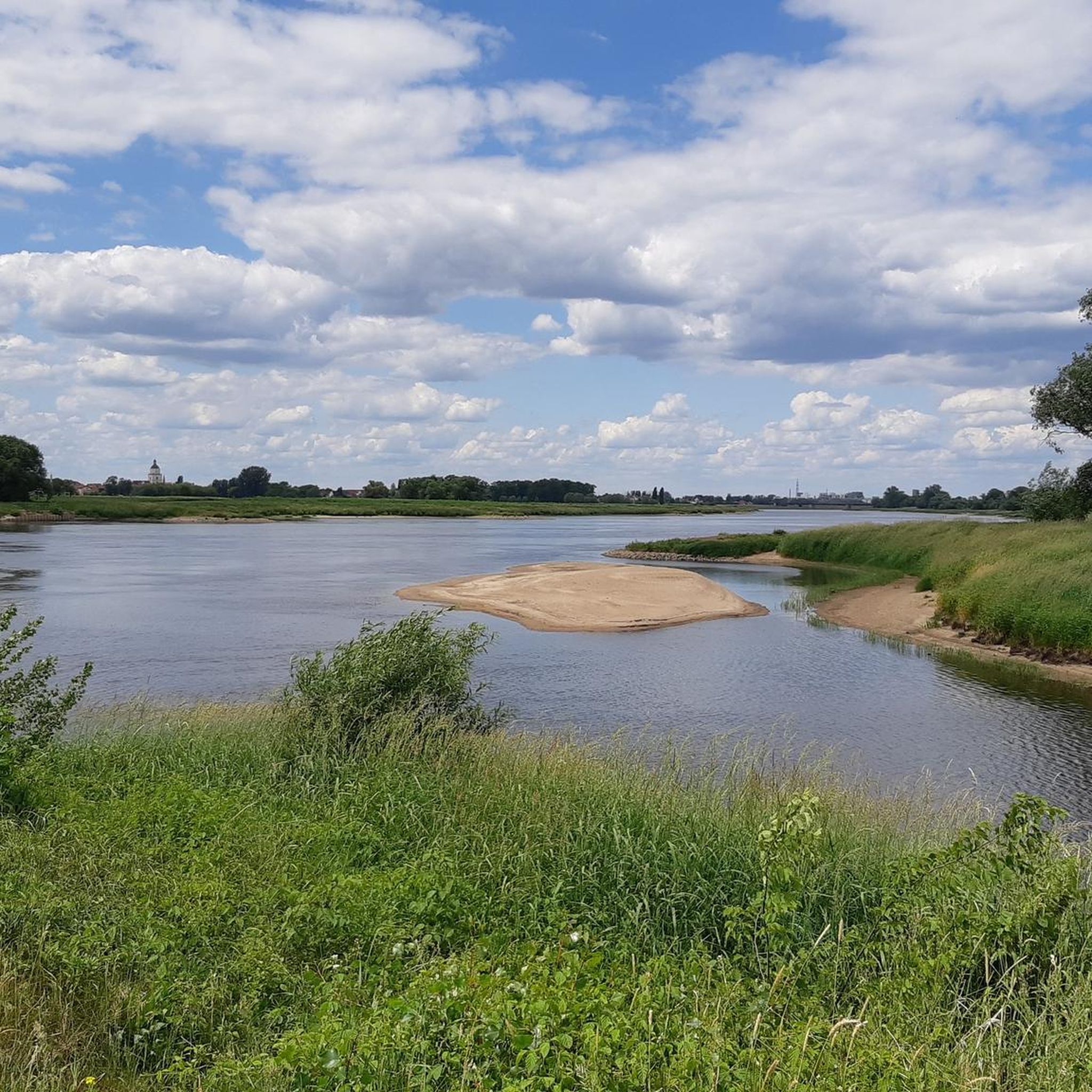
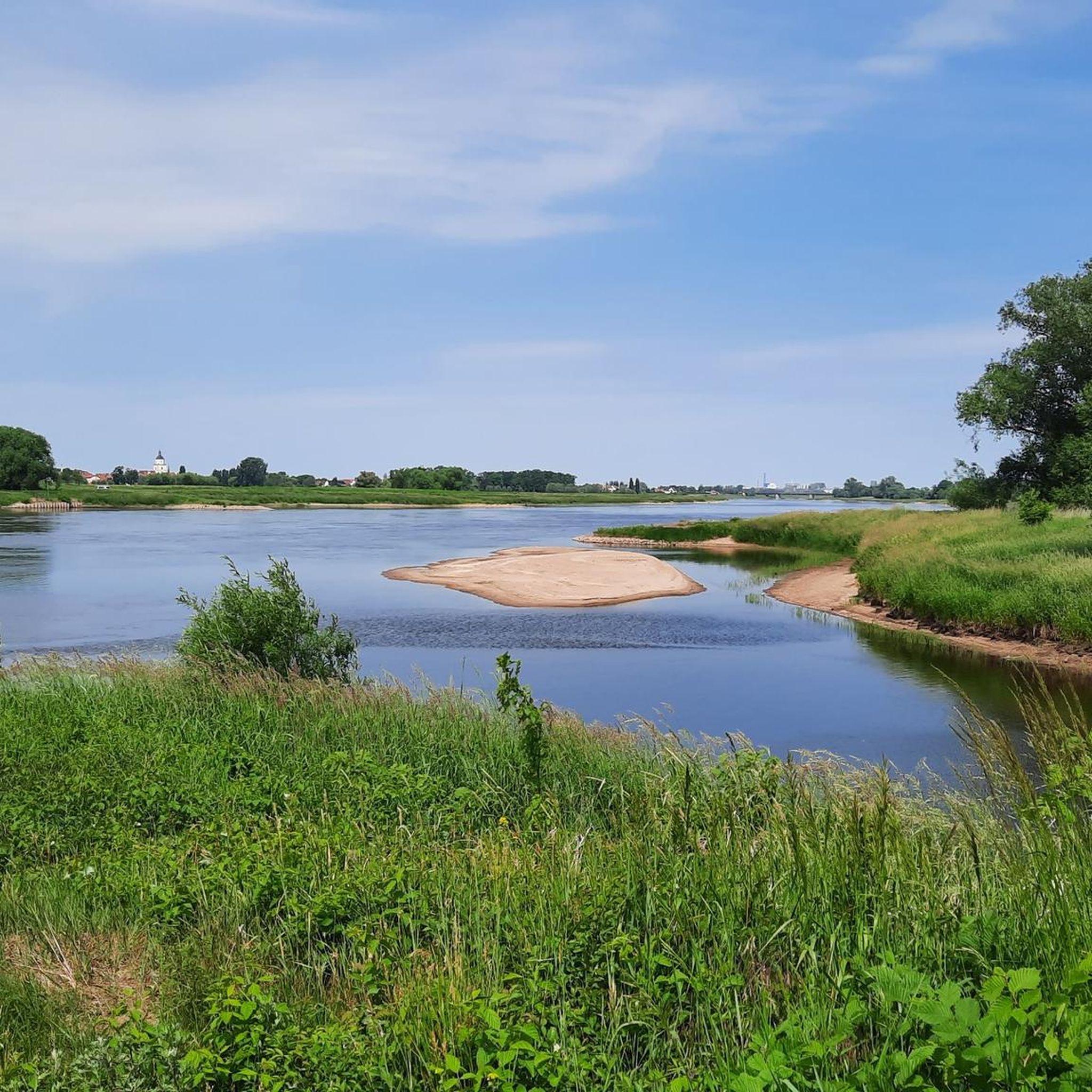
Confluence of the Saale and the Elbe
Highlight • River
Translated by Google •
Tip by

Wiesenburg Castle Park
Highlight • Natural Monument
Sign up now to discover places like this
Get recommendations on the best single tracks, peaks, & plenty of other exciting outdoor places.
Sign up for free
Gesteinsgarten Gommern
Highlight • Natural Monument
Translated by Google •
Tip by

Pömmelte Ring Sanctuary
Highlight • Historical Site
Translated by Google •
Tip by

Kühnauer Lake
Highlight • Lake
Translated by Google •
Tip by

Sign up for free to discover even more natural monuments around Zerbst/Anhalt.
Sign up for free
Already have an account?
Start today with a free account
Your next adventure awaits.
Login or Signup
Popular around Zerbst/Anhalt


Tips from the Community

A beautiful park, with ever-new views.
0
0

A great moment to look at the Saale as it flows into the Elbe
0
0

we call it the "Central German Corner"
2
0

Very interesting. Stopping is rewarding.
0
0

The rock garden in Gommern is well worth seeing. You can also learn a lot about the quarry industry around Gommern.
0
0

During the redesign, the lake was divided into different areas. A small part was redesigned as a natural swimming pool.
0
0

Very large, beautiful, informative rock garren
0
0

On the site of the cult or sacrificial site there is an observation tower that allows you to overlook the ring sanctuary from above. It is nice to see the individual circles of the wooden palisades from this angle. There is the opportunity to have a drink in the visitor center (note opening times). 2 covered rest areas are available outside and are freely accessible regardless of opening times
16
0
Frequently Asked Questions
What are some of the most popular natural monuments to visit in Zerbst/Anhalt?
Visitors frequently enjoy the Confluence of the Saale and the Elbe, a significant natural landmark. Another favorite is Wiesenburg Castle Park, known for its diverse tree stock and views of the castle. Georgium Park, a historical landscape park with small paths and temples, is also highly appreciated.
What unique tree species can I find among the natural monuments in Zerbst/Anhalt?
Zerbst/Anhalt is home to several distinctive tree species designated as natural monuments. You can find impressive plantation groups of plane trees, unique swamp cypresses, and individual specimens of winter linden, tulip trees, Kentucky coffeetrees, and trumpet trees. The "Waldfrieden" park also features hemlock firs and Eastern white pines.
When is the best time to visit the natural monuments in Zerbst/Anhalt?
The natural monuments in Zerbst/Anhalt, particularly the tree groups and parks, are beautiful throughout the year. Spring offers blooming flowers and fresh greenery, while autumn provides vibrant foliage. Summer is ideal for longer walks and enjoying the lush landscapes, and even winter can offer serene, picturesque views.
Are the natural monuments in Zerbst/Anhalt suitable for families?
Yes, many natural monuments are family-friendly. For instance, Georgium Park and Wiesenburg Castle Park offer pleasant paths for strolling and exploring. The Kühnauer Lake is also a great spot for families, offering opportunities for relaxation and swimming.
Can I bring my dog to the natural monuments in Zerbst/Anhalt?
Generally, dogs are welcome in most natural areas and parks in Zerbst/Anhalt, provided they are kept on a leash and owners clean up after them. Specific rules may apply to certain protected areas or castle parks, so it's always good to check local signage.
What outdoor activities can I do near the natural monuments?
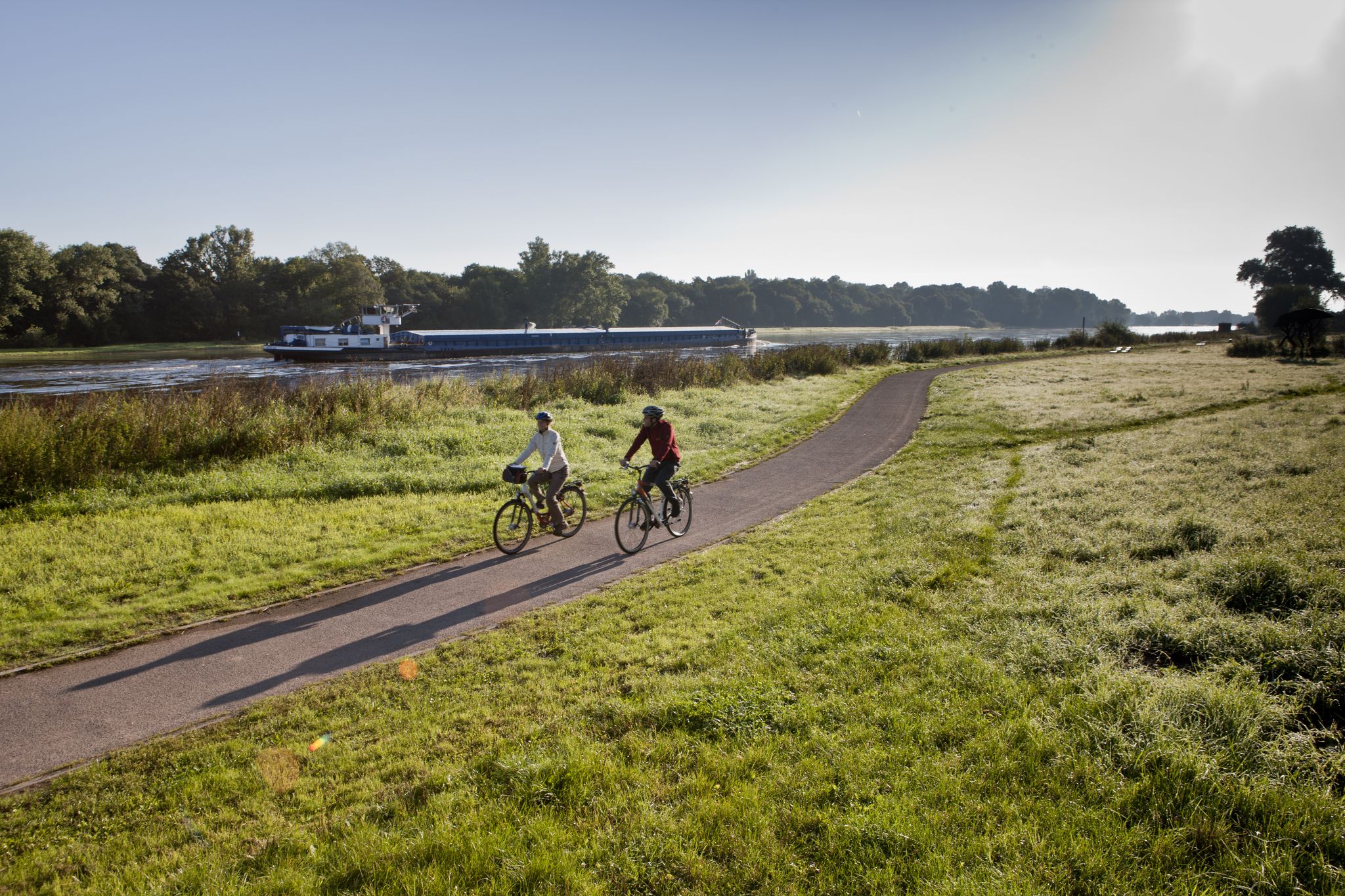
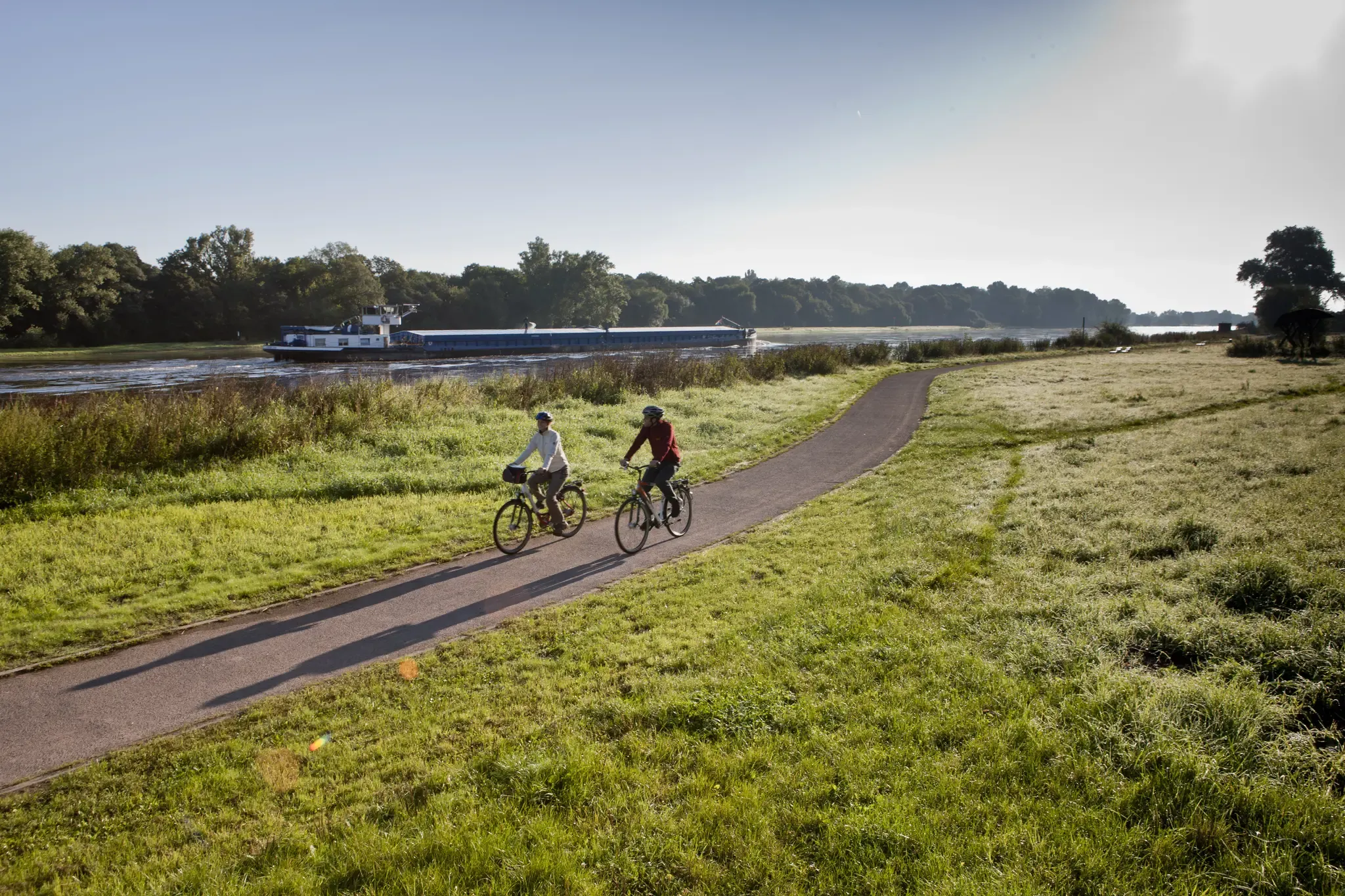
The region offers diverse outdoor activities. You can enjoy hiking through varied terrain, from river meadows to dense forests. There are also numerous road cycling routes, including scenic paths along the Elbe. For those who enjoy a quicker pace, running trails are also available.
Are there any historical or cultural sites near the natural monuments?
Yes, the region blends natural beauty with historical significance. Georgium Park is a historical landscape park and part of the Dessau-Wörlitz Garden Kingdom. Wiesenburg Castle Park surrounds a historic castle. Additionally, the Pömmelte Ring Sanctuary, an ancient cult site, offers a glimpse into the area's prehistoric past.
What kind of natural landscapes characterize the Zerbst/Anhalt region?
Zerbst/Anhalt is situated between the Elbe River and the Fläming region, offering a rich variety of natural landscapes. These include extensive forests, wide river meadows, and unique botanical specimens. The area also encompasses parts of the UNESCO Biosphere Reserve Flusslandschaft Elbe, highlighting its ecological importance.
Are there any natural monuments that are particularly good for photography?
Many natural monuments offer excellent photographic opportunities. The Confluence of the Saale and the Elbe provides scenic river views. The ancient and unique trees like the swamp cypresses, tulip trees, and Kentucky coffeetrees offer interesting botanical subjects. Landscape parks like Georgium Park also feature picturesque settings with historical elements.
How much time should I plan for visiting the natural monuments?
The time needed varies depending on the monument. For individual trees or smaller parks, an hour or two might suffice. Larger areas like Wiesenburg Castle Park or Georgium Park could easily fill a half-day or more, especially if you plan to explore thoroughly or combine your visit with a hike or bike ride.
What kind of wildlife can I expect to see near the natural monuments?
Given the region's diverse landscapes, including forests and river meadows, you might encounter various bird species, small mammals like deer or foxes, and insects. The UNESCO Biosphere Reserve Flusslandschaft Elbe is particularly rich in biodiversity, offering opportunities for wildlife observation, especially near the Elbe River.
Are there any natural monuments with water features like lakes or rivers?
Yes, the region is defined by its proximity to the Elbe River, notably at the Confluence of the Saale and the Elbe. Additionally, Kühnauer Lake is a beautiful natural lake suitable for swimming and relaxation, offering another water-based natural attraction.
Most popular routes around Zerbst/Anhalt
Most popular attractions around Zerbst/Anhalt

Get inspired with the komoot mobile app


Explore more
Extend your search for the best caves by checking out these guides of the top ones around Zerbst/Anhalt:
