Top 20 Natural Monuments around Flossenbürg
Natural monuments around Flossenbürg are characterized by a landscape rich in unique geological formations, primarily granite, and dense forests. Situated in Bavaria near the Czech border, the region offers compelling natural monuments for exploration. These sites provide insights into the area's natural history and the enduring power of geological forces. The landscape features prominent granite rock formations and extensive boulder fields.
Best natural monuments around Flossenbürg
- The most popular natural monuments is Schellenberg Castle Ruins and Observation Tower, a…
Last updated: July 22, 2026
Schellenberg Castle Ruins and Observation Tower
Highlight • Castle
Translated by Google •
Tip by

Bread Rock
Highlight • Natural Monument
Translated by Google •
Tip by

Sign up now to discover places like this
Get recommendations on the best single tracks, peaks, & plenty of other exciting outdoor places.
Sign up for free
Doost Granite Boulder Field
Highlight • Natural Monument
Translated by Google •
Tip by

Girnitz Stream in the Doost Nature Reserve
Highlight • Natural Monument
Translated by Google •
Tip by

Doost Boulder Field on the Girnitz Stream
Highlight • Natural Monument
Translated by Google •
Tip by

Sign up for free to discover even more natural monuments around Flossenbürg.
Sign up for free
Already have an account?
Start today with a free account
Your next adventure awaits.
Login or Signup
Popular around Flossenbürg


Tips from the Community

It's amazing what nature has come up with here. You have to take a look if you're in the area 👍. For the children it's pure adventure. At the beginning and at the end the children can play in the shallow water and come up with something with sand and fine gravel 😉.
6
0
It's amazing what nature has come up with here. A must-see if you're in the area 👍. It's pure adventure for the kids. At the beginning and end, the kids can play in the shallow water and come up with new ideas with the sand and fine gravel 😉.
7
0

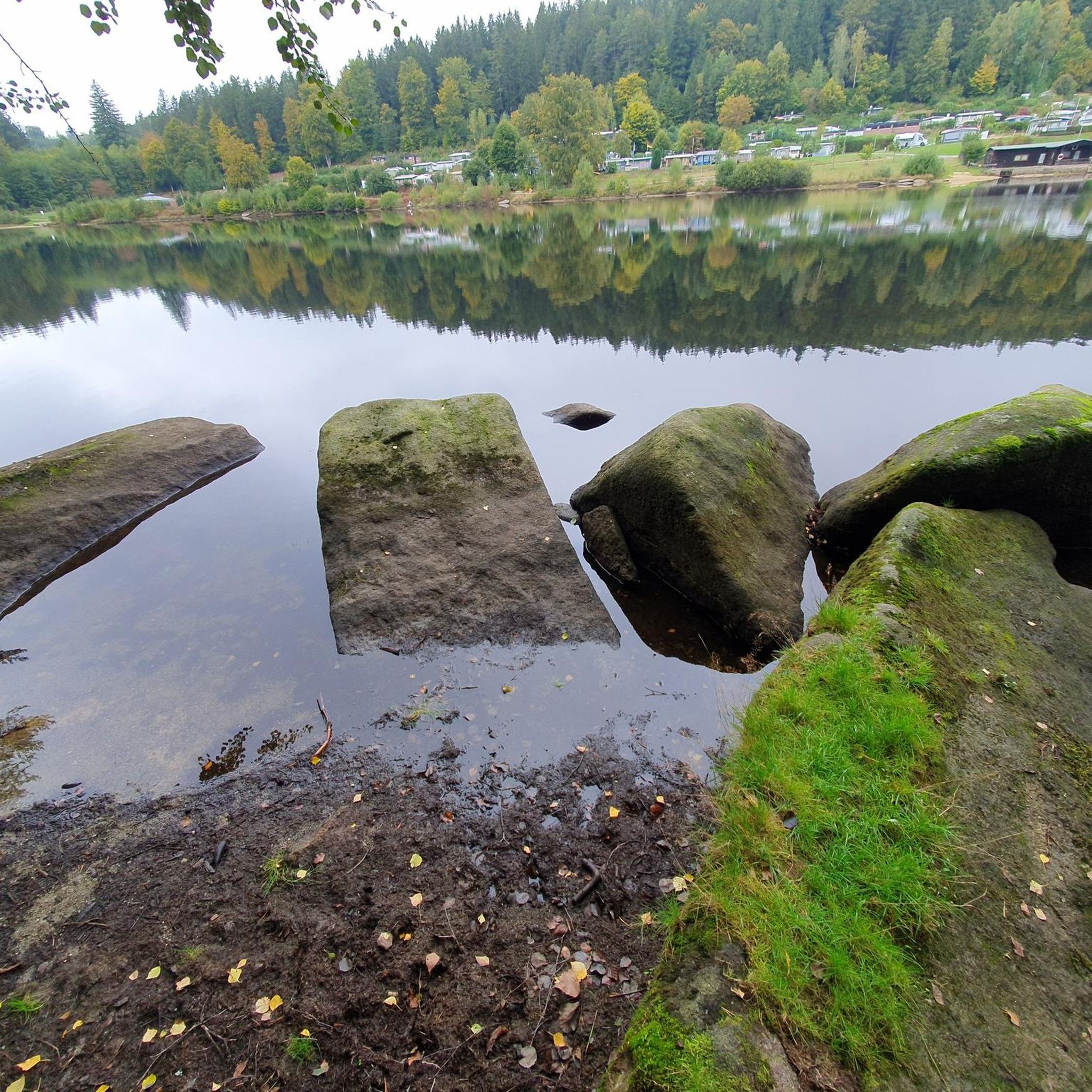
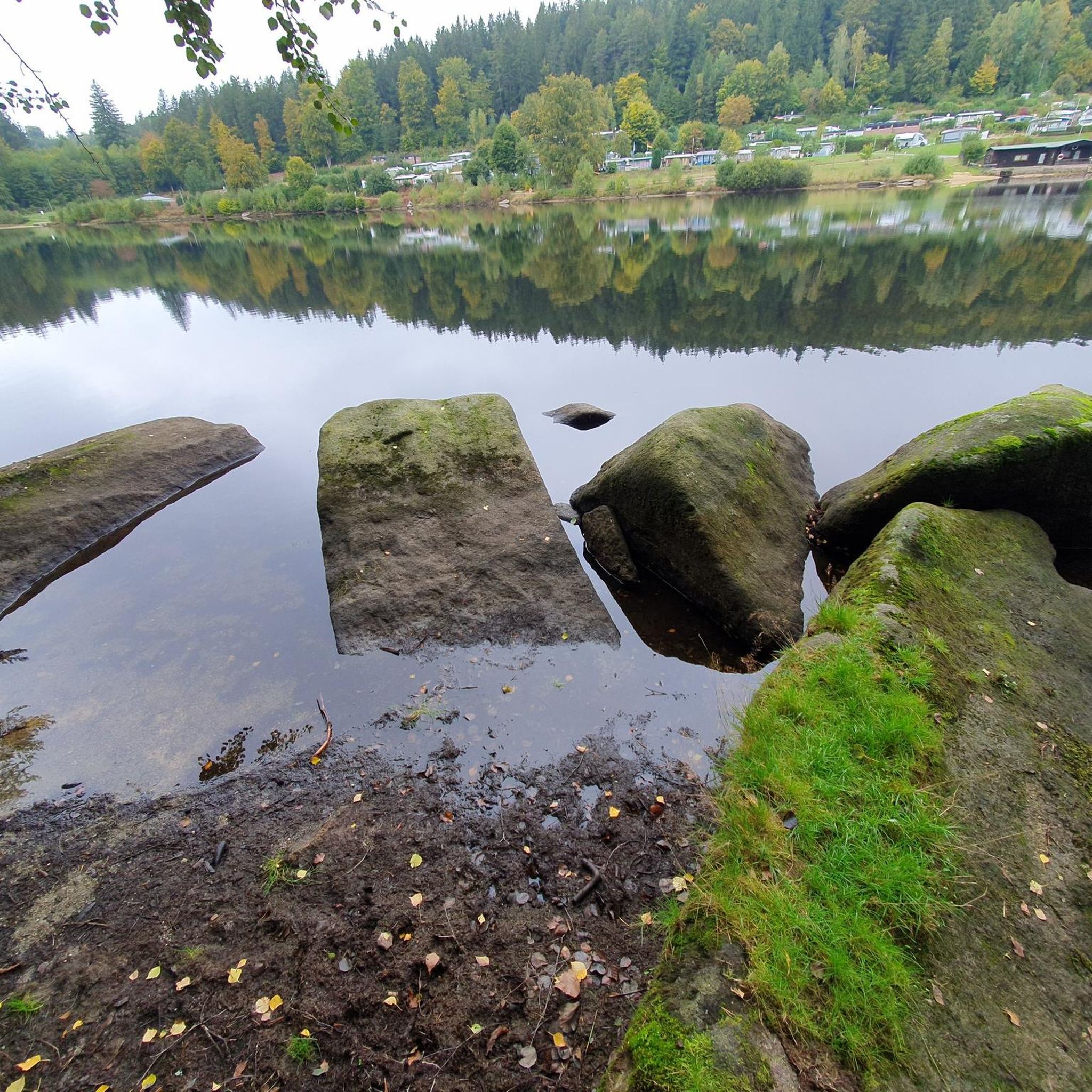
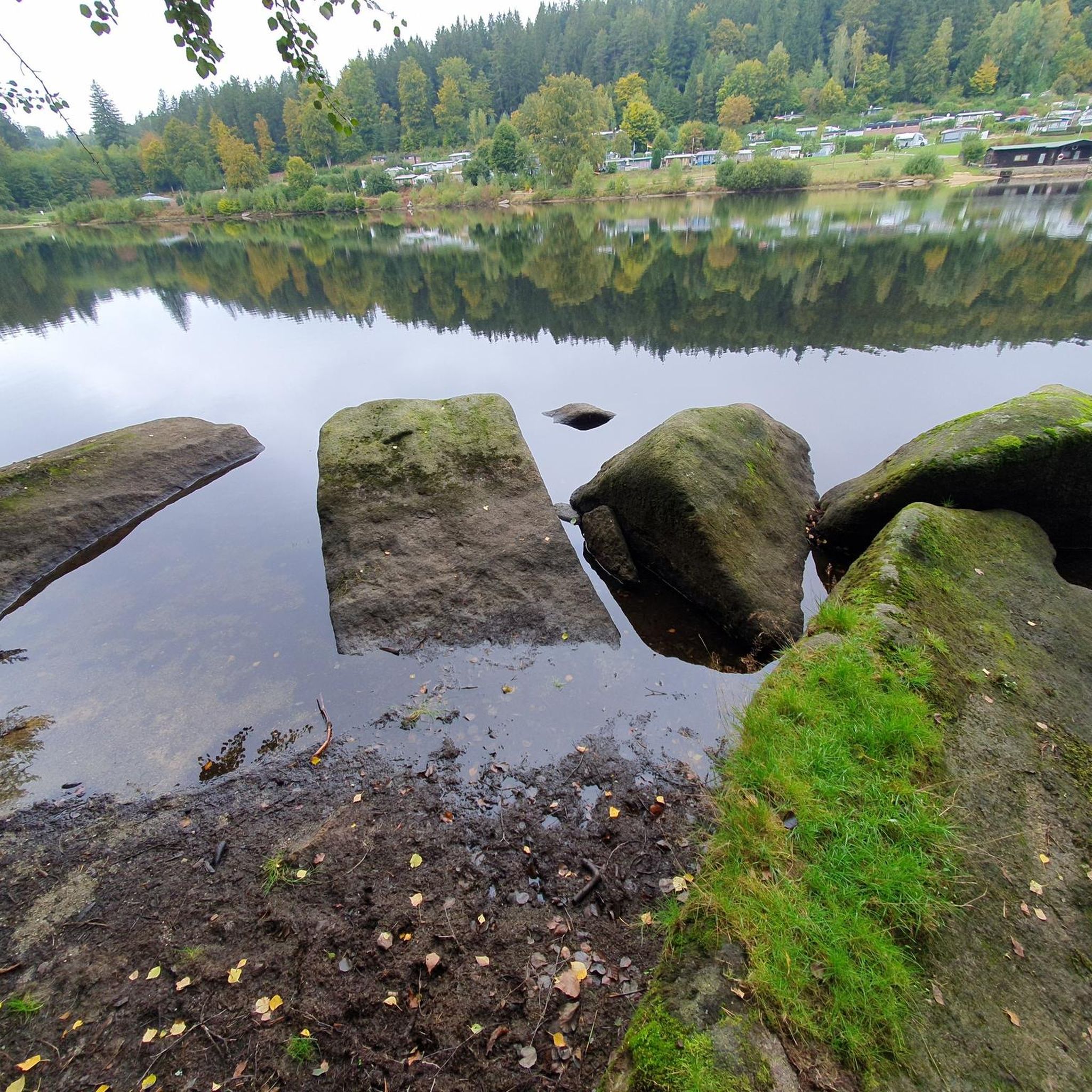
A large number of large, rounded granite boulders lie along the Girnitz stream in the flat valley. It represents an impressive example of the effect of eroding forces on a granite rock body.
9
0
The Doost nature reserve has become a worthwhile destination for - not just geological - excursions, the fauna and flora can also inspire here. The "Doost" was placed under protection very early on, on October 14, 1937 - making it the oldest nature reserve in the Upper Palatinate.
10
0
Round granite blocks lie impressively on top of and next to each other in the Doost. The water of the Girnitzbach rushes beneath them. Popular belief interprets them as the work of giants, and the devil is also brought into play in the legends. In fact, the Doost goes back to a long geological process that began millions of years ago.
11
0
A large number of large, rounded granite boulders lie along the Girnitz stream in the flat valley. It represents an impressive example of the effect of eroding forces on a granite rock body.
10
0
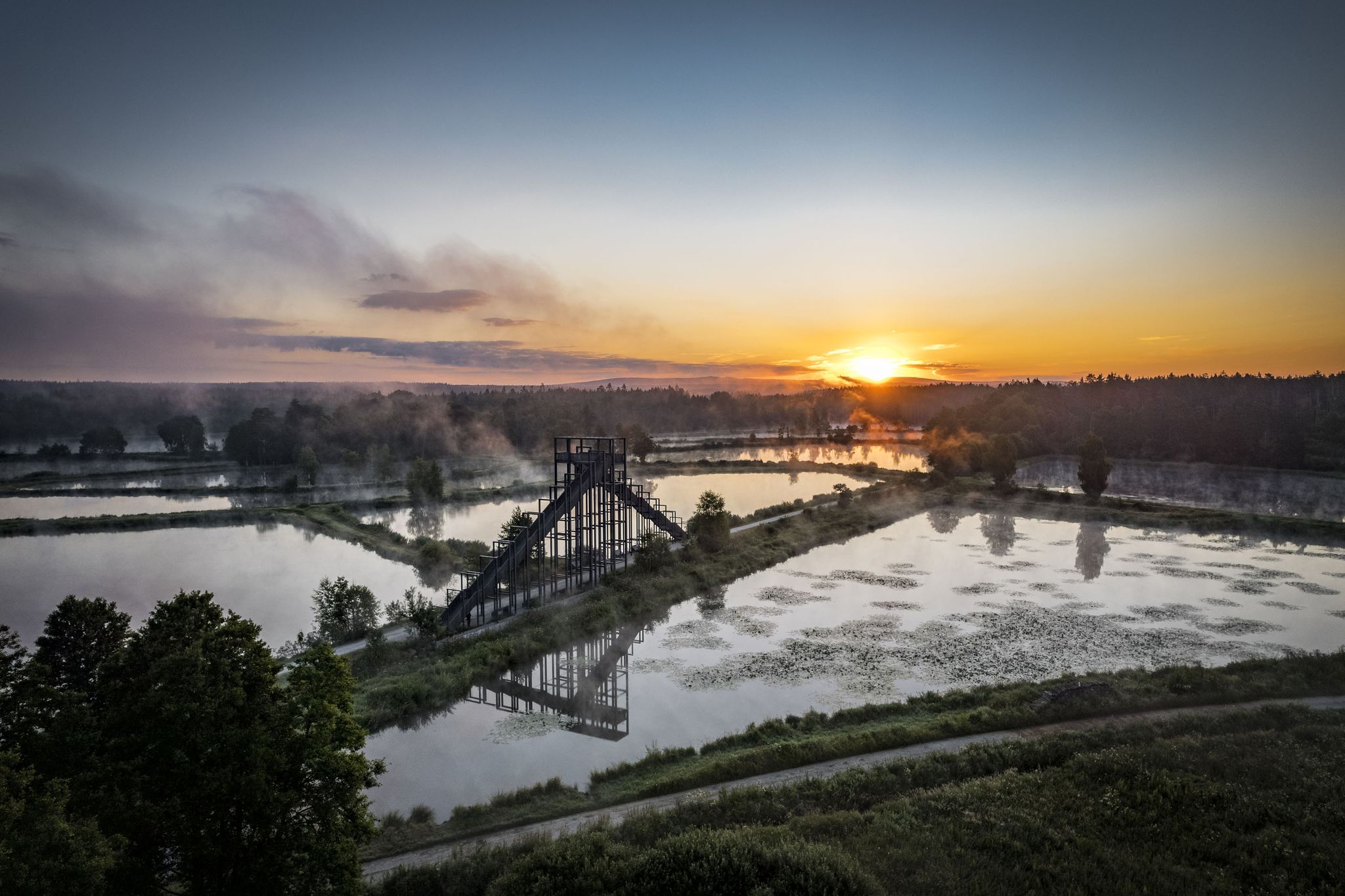
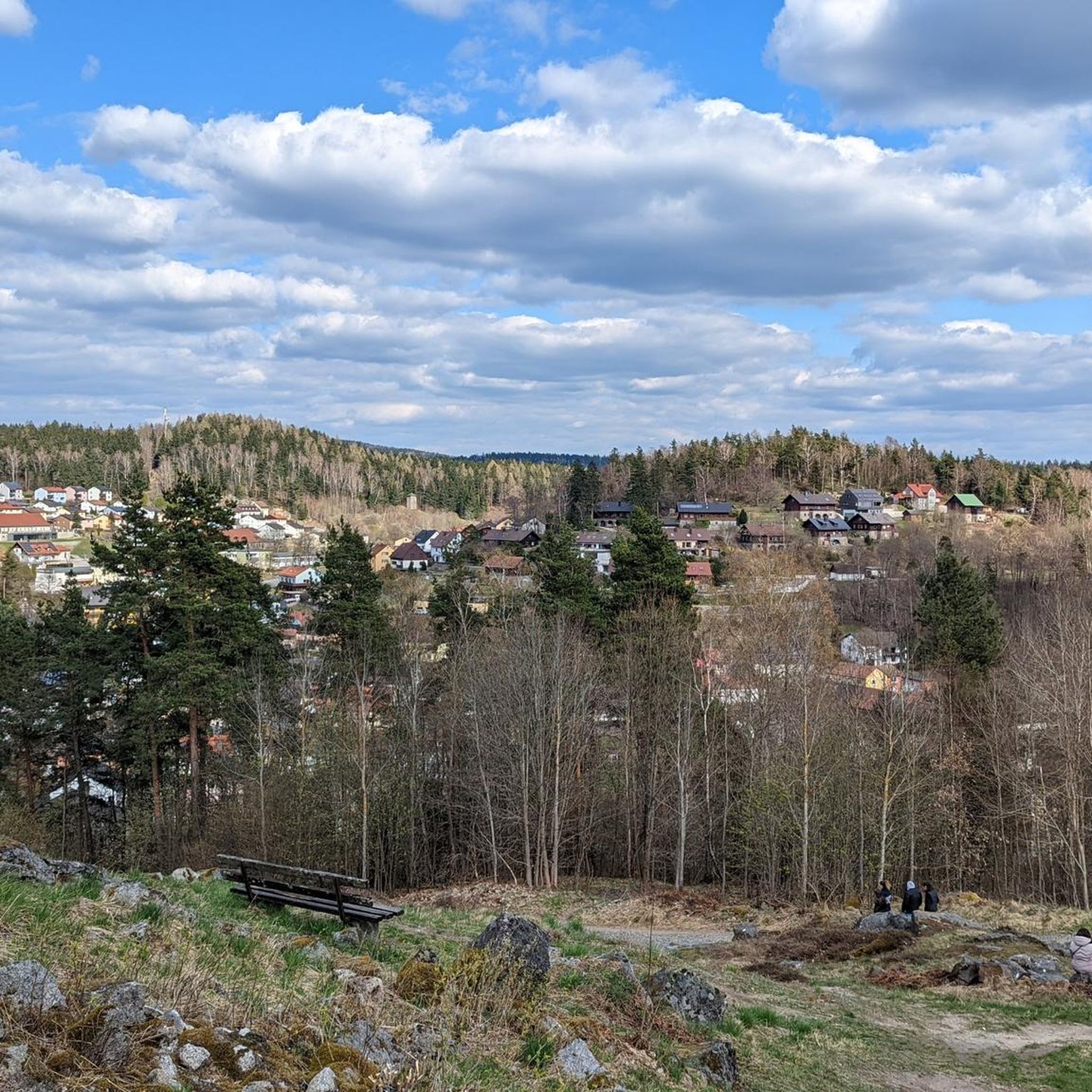
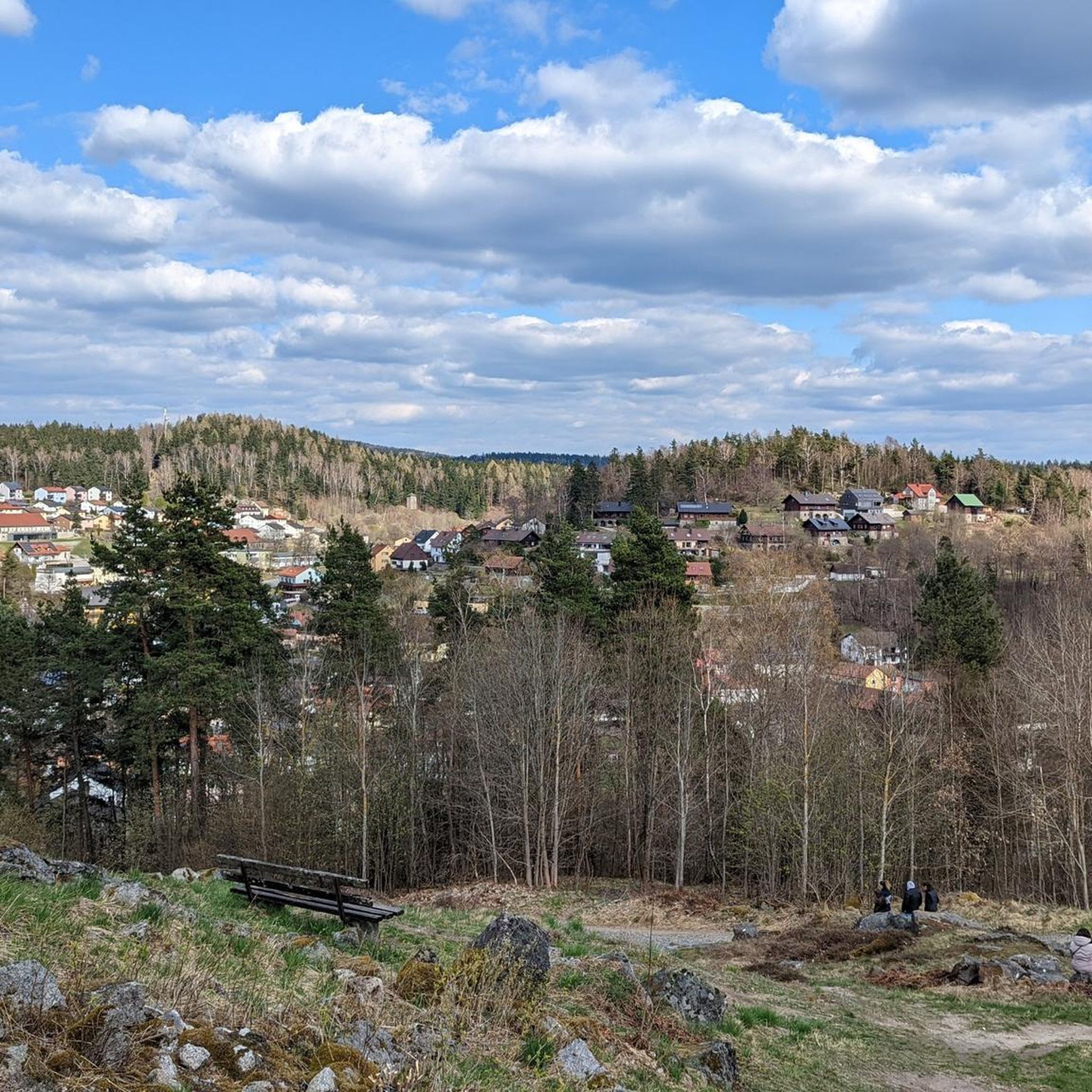
In 1347, Emperor Ludwig the Bavarian had Schellenberg Castle, which was then called "Lug ins Land", built to protect against attacks from Bohemia. On July 12, 1498, the castle was stormed under the leadership of Captain Konrad von Wirsberg, who was in the service of the Margrave of Brandenburg. The castle was partially destroyed. Their owner, Knight Moritz von Guttenberg, was captured. The castle was never rebuilt.
9
0
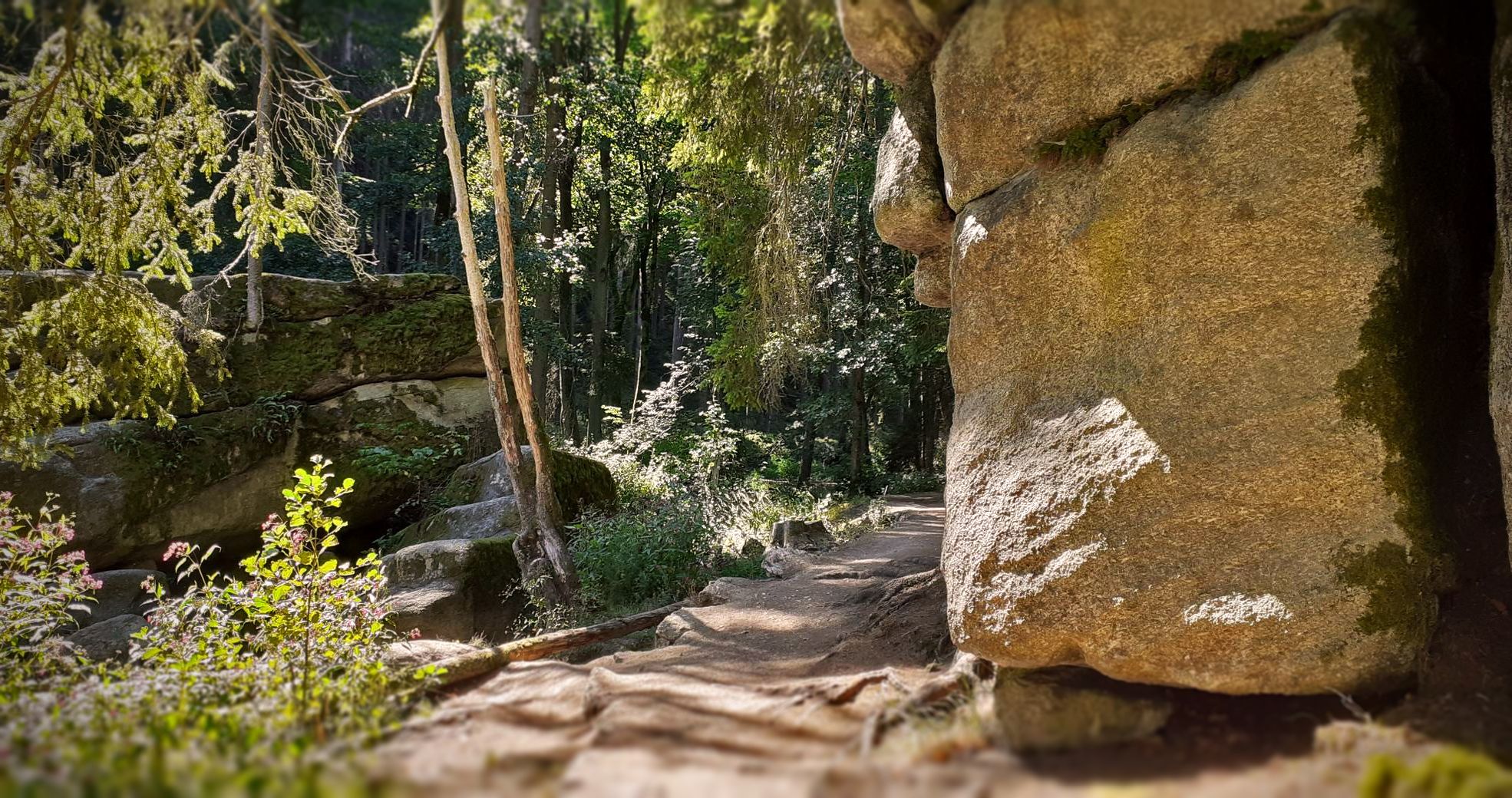
As if by a giant hand, granite blocks are piled on top of each other, which are actually reminiscent of stacked loaves of bread. A silver cross can be seen on top of the rock.
10
0
Frequently Asked Questions
What geological features define the natural monuments around Flossenbürg?
The natural monuments around Flossenbürg are primarily characterized by unique granite formations. You'll find impressive granite rock structures, extensive boulder fields, and distinctive shapes formed by natural weathering processes, showcasing millions of years of geological activity.
Are there any natural monuments suitable for families with children?
Yes, several natural monuments are family-friendly. The Doost Granite Boulder Field and the Girnitz Stream in the Doost Nature Reserve are particularly popular, offering an idyllic setting with rounded granite boulders where children can explore. The Schellenberg Castle Ruins and Observation Tower is also listed as family-friendly, combining natural beauty with historical interest.
Which natural monuments offer the best views?
For panoramic views, the Schellenberg Castle Ruins and Observation Tower is an excellent choice. Located at 826 meters, it is the highest vantage point in the Upper Palatinate, offering extensive vistas from a striking rock formation. The Bread Rock also provides a viewpoint amidst its unique granite formations.
What is the 'Bread Rock' and what makes it unique?
The Bread Rock is a distinctive granite rock formation north of Schellenberg Castle. Its unique shape, created by cushion or mattress weathering, remarkably resembles stacked loaves of granite, giving it its name. It's an impressive example of nature's artistry with rock and a popular natural monument.
What is the 'Doost Granite Boulder Field' and what can I expect to see there?
The Doost Granite Boulder Field is a nature reserve characterized by a 'sea of boulders.' You can expect to see numerous large, rounded granite boulders scattered along the Girnitz stream and on the flat valley slopes. It's an impressive example of the erosional forces acting on granite and a popular spot for nature lovers and hikers.
Are there historical sites combined with natural monuments in the area?
Yes, the Schellenberg Castle Ruins and Observation Tower is a prime example. While a significant natural monument and viewpoint, it also features the ruins of a castle built in 1347, offering a blend of natural beauty and historical intrigue.
What outdoor activities can I do near the natural monuments around Flossenbürg?
The region offers a variety of outdoor activities. You can find numerous hiking trails, including those that lead to the natural monuments. For cycling enthusiasts, there are many road cycling and gravel biking routes. Running trails are also available. You can explore options like the 'Path Along the Flood Canal loop' for road cycling or the 'Kreuzstein Rest Area – Silberhütte Shelter loop' for running. Find more details on these activities in the Road Cycling Routes around Flossenbürg, Gravel biking around Flossenbürg, and Running Trails around Flossenbürg guides.
What is the best time of year to visit the natural monuments in Flossenbürg?
The natural monuments around Flossenbürg can be enjoyed throughout the year. Spring and autumn offer pleasant temperatures for hiking and vibrant foliage. Summer is ideal for longer explorations, while winter can transform the landscape into a serene, snow-covered wonderland, though some paths might be more challenging.
Are there any legends associated with the natural monuments?
Yes, the Devil's Butter Churn, located near the Doost, is particularly rich in local legends. Stories tell of the devil churning butter in the area, and various tales are associated with the unique rock formations and the wild, romantic valley of the Doost nature reserve.
What do visitors enjoy most about the natural monuments in Flossenbürg?
Visitors frequently appreciate the unique geological formations, especially the striking granite rocks and boulder fields. The scenic beauty, the opportunities for hiking and nature observation, and the sense of history at sites like the Schellenberg Castle Ruins are also highly valued. Many enjoy the peaceful and idyllic atmosphere, particularly in areas like the Doost Nature Reserve.
How long does it typically take to explore the natural monuments?
The time required varies depending on the monument and your chosen activity. Short walks to individual highlights like the Bread Rock or the Devil's Butter Churn might take an hour or two. Exploring the Doost Granite Boulder Field or hiking to the Schellenberg Castle Ruins can easily fill a half-day or more, especially if you combine them with longer hiking routes.
Most popular routes around Flossenbürg
Most popular attractions around Flossenbürg

Get inspired with the komoot mobile app


Explore more
Extend your search for the best caves by checking out these guides of the top ones around Flossenbürg:
