Top 20 Natural Monuments around Schlammersdorf
Natural monuments around Schlammersdorf offer access to diverse natural features. The region is characterized by its varied landscapes, including volcanic formations and wetlands. A prominent feature is the Rauher Kulm, a protected volcanic cone with historical significance. The area provides opportunities for hiking and exploring unique geological formations and rich biodiversity, making it a destination for those interested in Wandern Naturdenkmäler Schlammersdorf.
Best natural monuments around Schlammersdorf
- The most popular natural monuments is Between Großer Rußweiher and Rußloheweiher, a…
Last updated: May 11, 2026
Rauher Kulm Lookout Tower
Highlight • Viewpoint
Nicolaus Apel built a wooden observation tower as early as 1807. There was a movable gold-plated sun above …
Translated by Google •
Tip by

Circular rampart at Rauher Kulm
Highlight • Historical Site
Translated by Google •
Tip by

Sign up now to discover places like this
Get recommendations on the best single tracks, peaks, & plenty of other exciting outdoor places.
Sign up for free
Osprey and White-tailed Eagle Observation Point, Großer Rußweiher
Highlight • Viewpoint
Translated by Google •
Tip by

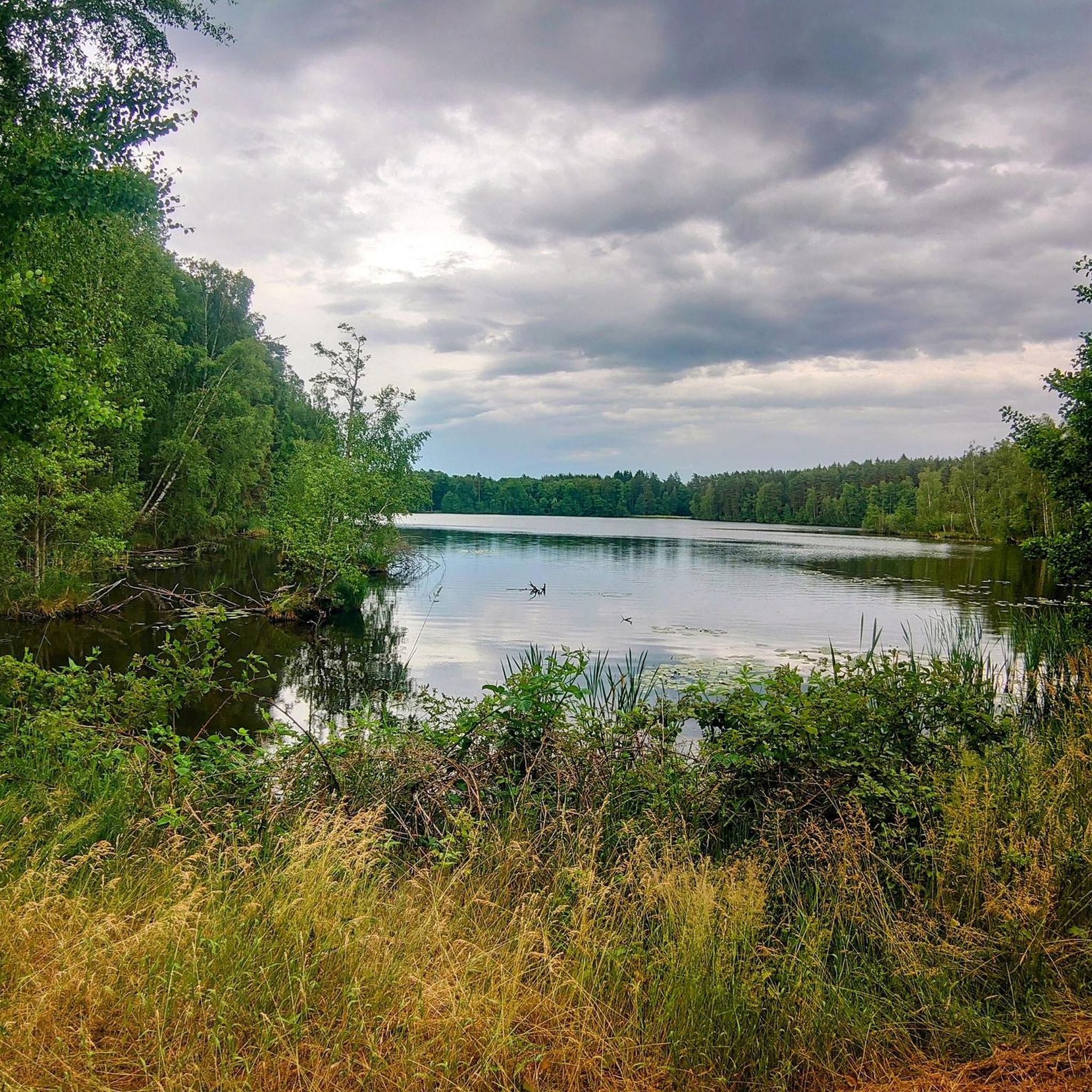
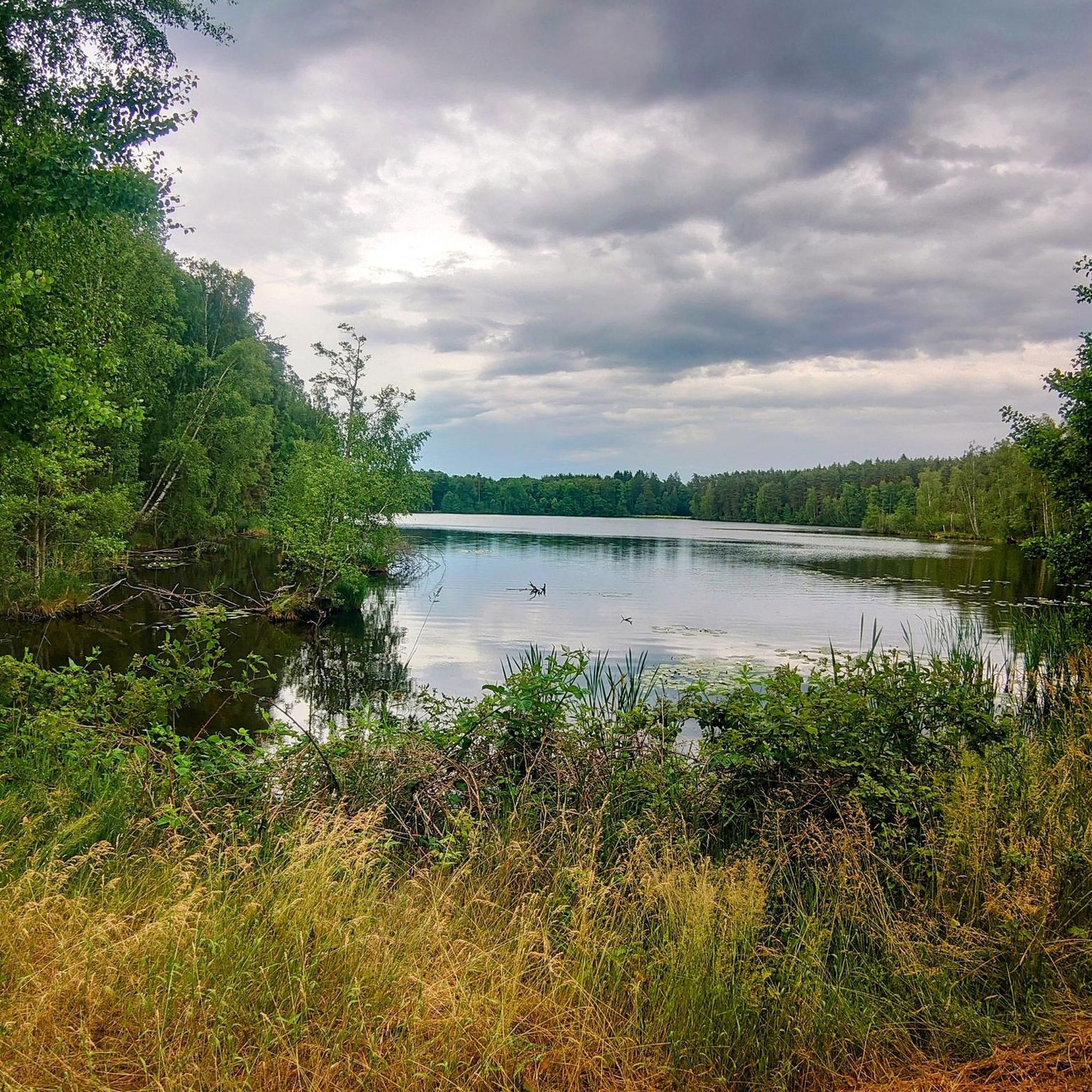
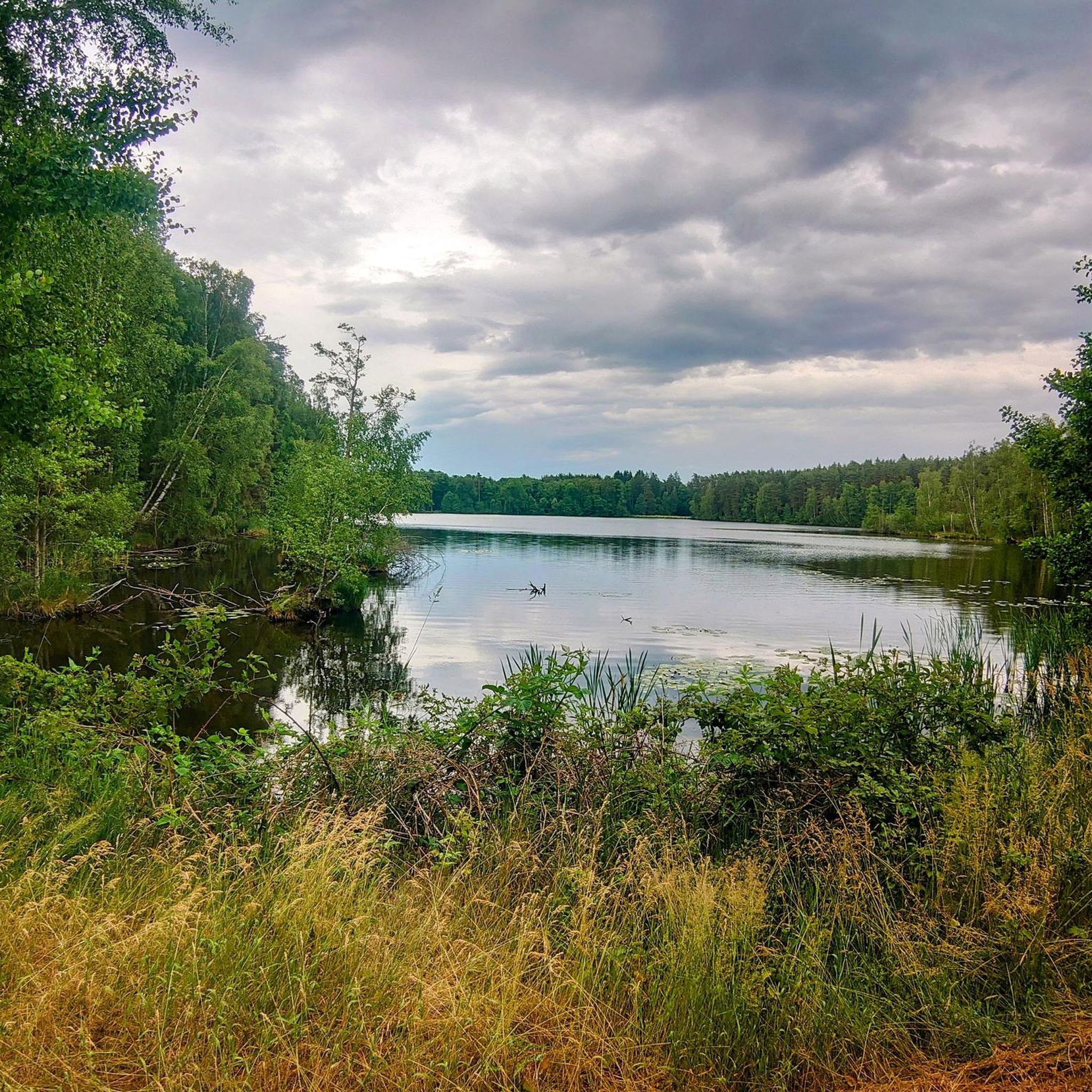
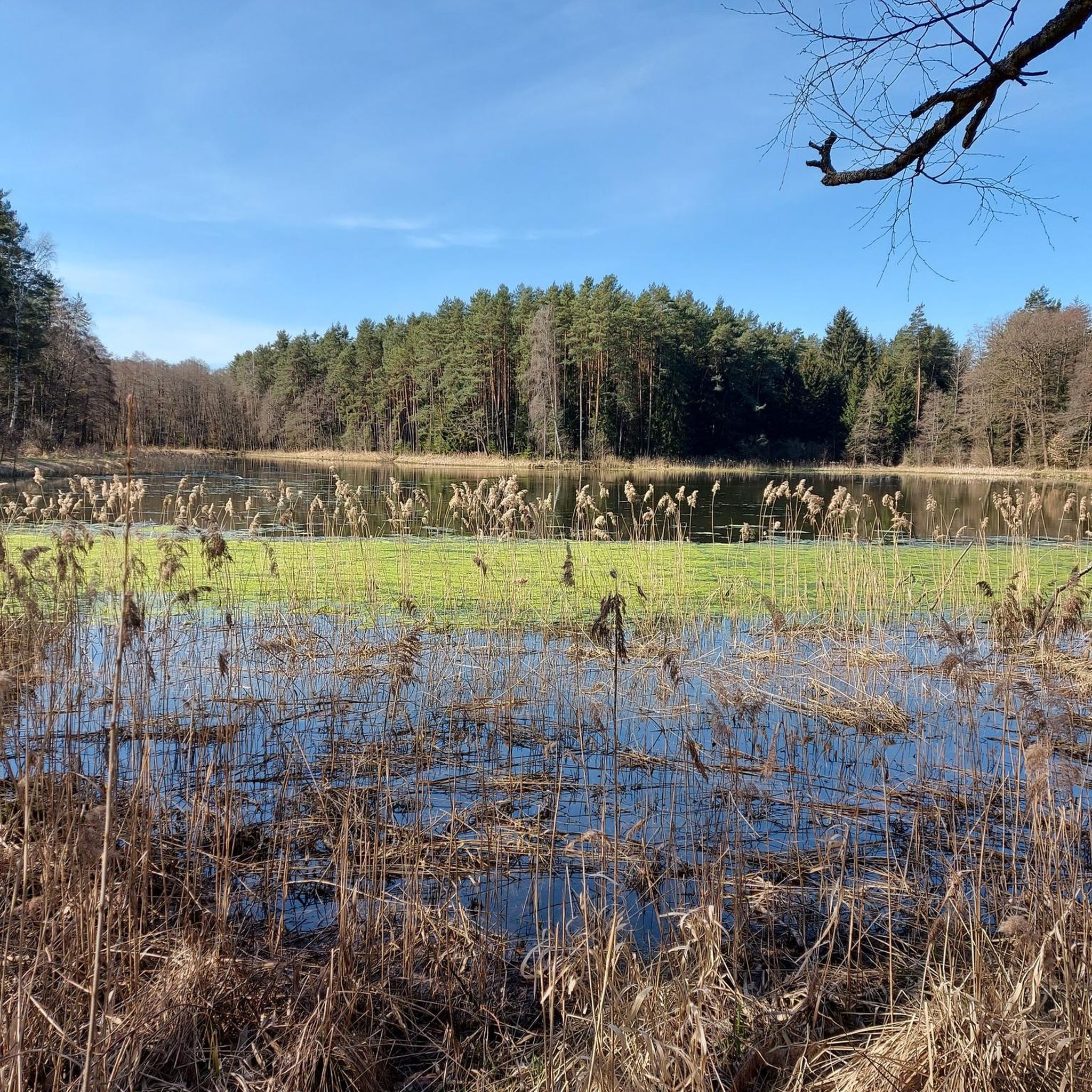
Between Großer Rußweiher and Rußloheweiher
Highlight • Lake
Translated by Google •
Tip by
Basalt blockfields at Rauher Kulm
Highlight • Natural Monument
Translated by Google •
Tip by

Sign up for free to discover even more natural monuments around Schlammersdorf.
Sign up for free
Already have an account?
Start today with a free account
Your next adventure awaits.
Login or Signup
Tips from the Community


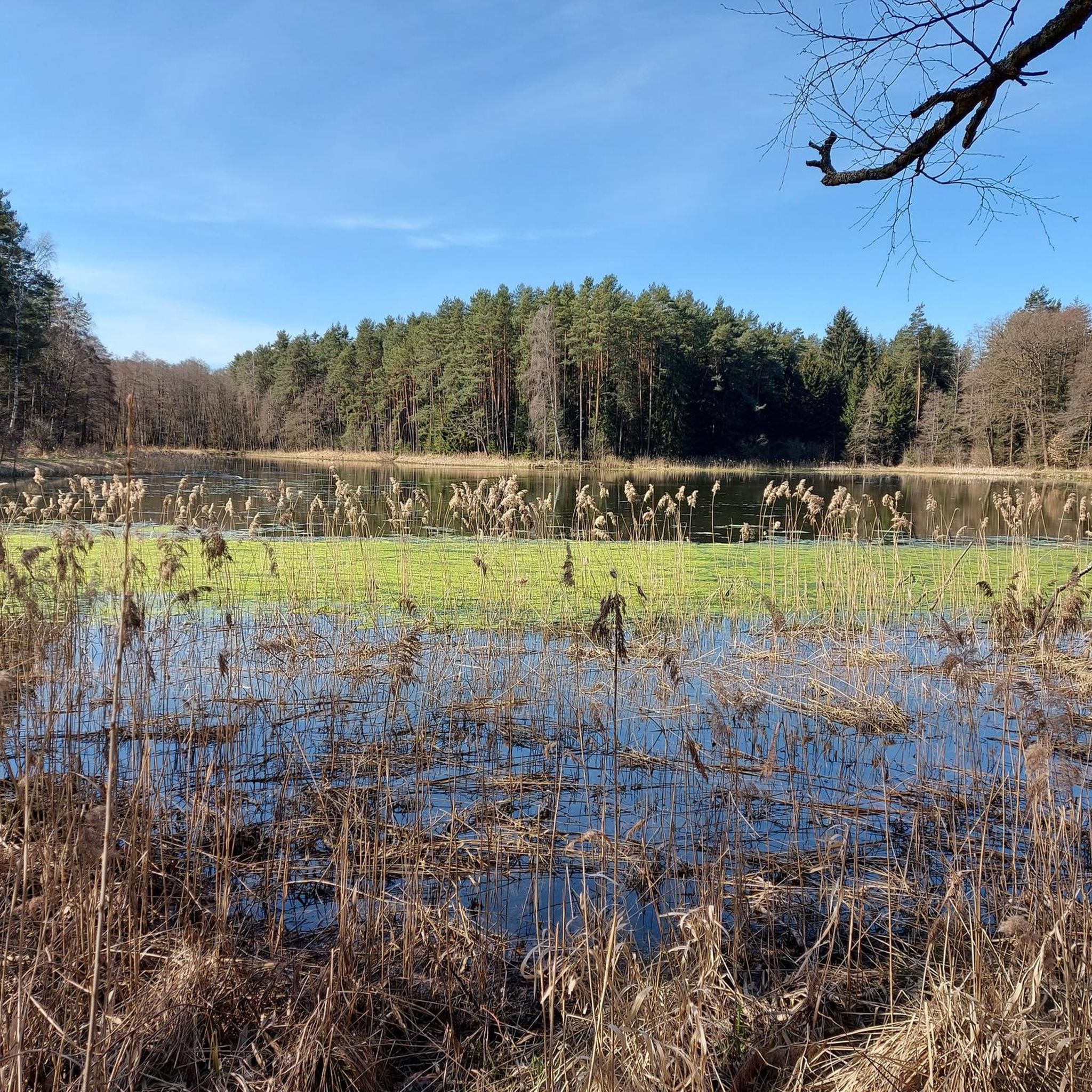
Dam that separates the large and small Rußweiher - beautiful view of both ponds
1
0

The rampart on the Rauher Kulm is a fortification at the foot of the Rauher Kulm. Gate area of the rampart Area disturbed by quarrying The Rauher Kulm, as a basalt mountain in the otherwise flat surroundings, was already visited by people in prehistoric times. The rampart made of basalt blocks runs around the foot of the mountain. Finds point to the Bronze Age, the Celts, the time of the Carolingians and the Slavic settlement chambers. Fighting took place during the time of the Hungarian invasions. Even if the rampart has been disturbed by later interventions, including the creation of an English garden across the entire mountain or the mining of the basalt in quarries, the course can be recognized from the basalt boulders. There is a lower main rampart with at least two gate areas and another fortified area at medium height. The hilltop castle is, however, classified as largely late medieval. Several burial mounds are also known. It is assumed that the settlement was located within the protective wall, so that it was not just a refuge. The predominantly stone remains were reinforced by wooden structures, among other things. There is evidence of post-and-slot walls, kennel-shaped walls and additionally secured gate areas. The cartographer Johann Christoph Stierlein made a drawing of the Rauher Kulm and recorded both the rampart and the hilltop castle.[1] The rampart was researched at the beginning of the 20th century by Adalbert Neischl on behalf of the Nuremberg Natural History Society and Hugo Obermaier, who completed Neischl's work. Hans Losert has been carrying out excavations for over ten years and is responsible for the scientific analysis.
1
0
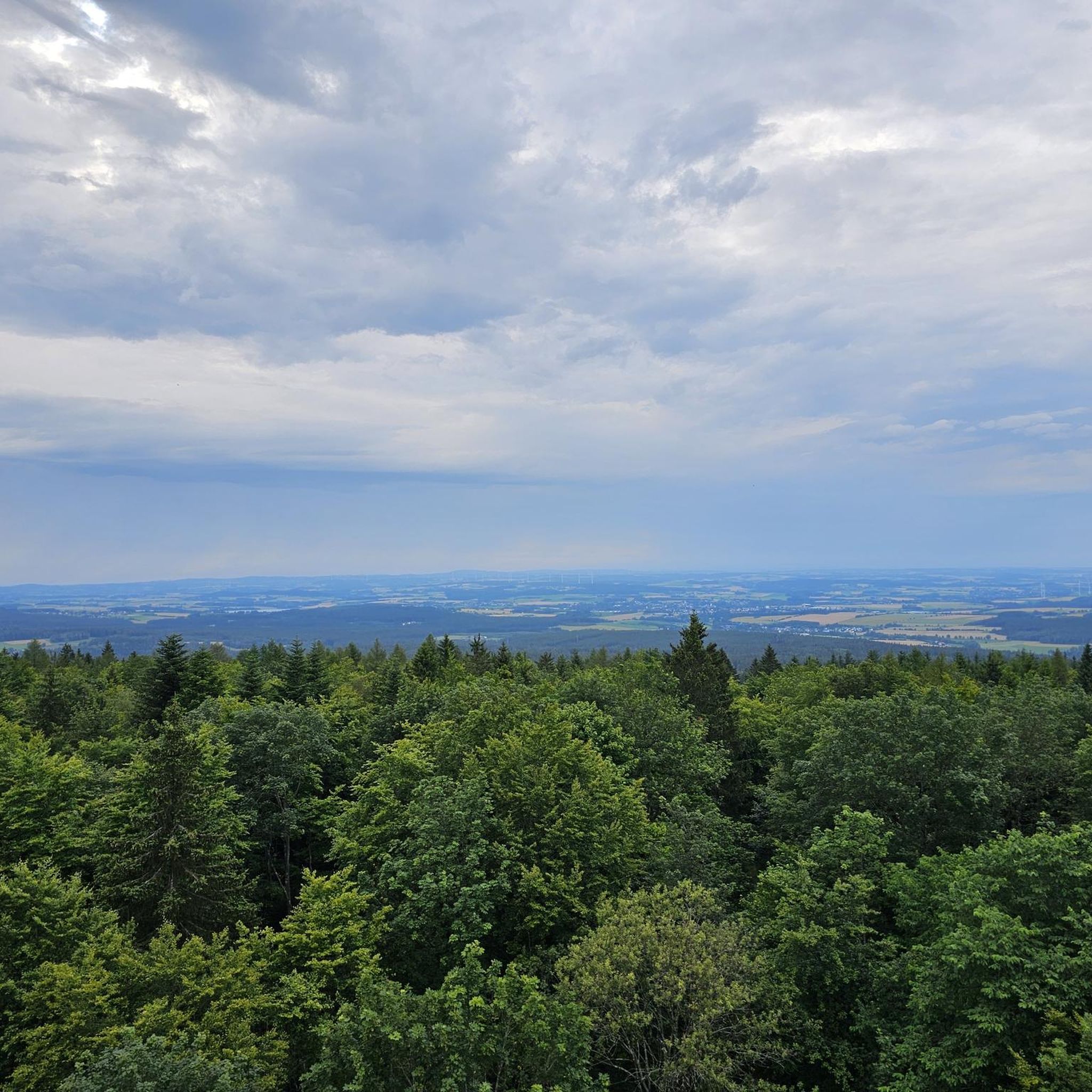
The Rauhe Kulm is a volcano around 25 million years old that never erupted. The magma that solidified inside was exposed over the years by erosion until the current formation was created. It was protected as a natural monument in 1949 and is now part of the Upper Palatinate Forest Nature Park. There are several routes you can walk around or climb the mountain. A 25 m high observation tower was built on the summit. After a somewhat arduous climb, you can enjoy a wonderful panoramic view of the Fichtel Mountains, the Franconian Alb and northern Upper Palatinate. In the Middle Ages, this view also fascinated those rulers who built a castle on the summit. However, it was destroyed in 1554. The surrounding forests have been in Bavarian ownership for around 200 years. Previously, they were an elementary basis for obtaining wood as fuel for smelting and the many iron hammers in the region. The Upper Palatinate was the "Ruhr region of the Middle Ages". Back then, the only source of energy was the forests. Today, foresters are doing everything they can to develop mixed and structurally rich forest stands.
0
0
The rock, a nepheline basalt, contains a number of inclusions, souvenirs from the depths, so to speak. On the one hand there is olivine and augite, on the other hand (especially in the "tuff") sandstone (presumably Keuper sandstone). The small olivine deposits weather easily, which is how the centimeter-sized "holes" in the basalt came about. On the Kleiner Kulm (popularly known as the "bad Kulm"), small augite crystals (similar to Anzenberg) have repeatedly been found in the "tuff". In the past (now overgrown), the sharp contact between the basalt and the surrounding sandstone was clearly visible on the Rauher Kulm. Today, the changing vegetation (the basalt forms a different, fairly good humus) reveals the subsoil. The enormous sea of blocks on the south and east flanks of the mountain is a form of weathering that was favored by the ice ages.
0
0

The ring wall itself dates back to the time of the Celts and probably served as a refuge or place of worship. The remains of the ramparts are still clearly visible and make for an exciting exploration tour. The climb to the summit is a bit strenuous, but the view and the historic atmosphere definitely make the effort worthwhile.
4
0
The Rauhe Kulm is an impressive basalt cone in Upper Palatinate, Bavaria, and a popular destination for hikers and nature lovers. With a height of 682 meters, it offers breathtaking views of the surrounding landscape1. The mountain was formed around 21 million years ago by volcanic activity, with the magma solidifying beneath the earth's surface, forming the distinctive shape of the Rauhe Kulm2. At the summit there is a 25-meter-high observation tower that offers a panoramic view of the Fichtel Mountains, the Franconian Jura and northern Upper Palatinate2. The Rauhe Kulm is not only geologically interesting, but also historically significant. Archaeological finds indicate that the mountain was already inhabited in Celtic times around 500 BC2. The remains of a ring wall bear witness to this early settlement2. The area around the Rauhe Kulm is protected as a natural monument and provides a habitat for rare animal and plant species2. Particularly noteworthy are the basalt block heaps, which create unique habitats due to their special microclimatic conditions2. A visit to the Rauher Kulm is worthwhile not only because of the impressive view, but also because of the fascinating geological and historical aspects. Source: KI
4
0

The old basalt quarry directly next to the archaeological excavations is part of the Geopark
1
1
Frequently Asked Questions
What unique natural features can I explore around Schlammersdorf?
The region offers diverse natural features, including volcanic formations and wetlands. A prominent example is the Rauher Kulm, a striking volcanic cone with exposed basalt slopes that provide a habitat for numerous animals and rare plant species, including around 90 types of lichens and mosses. You can also find significant wetlands like the Großer Rußweiher area.
Are there family-friendly natural monuments to visit near Schlammersdorf?
Yes, several natural monuments are suitable for families. The Osprey and White-tailed Eagle Observation Point, Großer Rußweiher, is a great spot where information boards provide details on resident ospreys and other bird species. The area Between Großer Rußweiher and Rußloheweiher is also recognized as a valuable nature reserve and bird sanctuary, offering gentle trails for all ages.
What kind of wildlife can I observe at the natural monuments?
The wetlands, particularly around the Großer Rußweiher, are known for their rich birdlife. The Osprey and White-tailed Eagle Observation Point is specifically designed for birdwatching, where you can spot ospreys and other rare bird species. The basalt slopes of the Rauher Kulm also host a variety of unique lichens, mosses, and other flora and fauna.
Are there historical sites among the natural monuments?
Absolutely. The Circular rampart at Rauher Kulm is a significant historical site, believed to be a former Celtic ringfort. The remains of the ramparts are still visible, offering an exciting exploration alongside its natural beauty. Additionally, the Barbaraberg Pilgrimage Site and Ruins of St. Barbara Church combines natural views with historical and religious significance.
What hiking opportunities are available near the natural monuments?
The natural monuments are surrounded by a network of hiking trails. For example, the Rauher Kulm features well-established paths through mixed forests and ancient beech stands. You can find various hiking routes, from easy to moderate, in the area. For more detailed options, explore the Hiking around Schlammersdorf guide, which includes routes like the 'View of the Stockweiher – Haark Chapel loop'.
Can I find viewpoints offering scenic panoramas?
Yes, several natural monuments double as excellent viewpoints. The Circular rampart at Rauher Kulm offers impressive views from its summit. The Barbaraberg Pilgrimage Site also provides great views extending far into the surrounding landscape, revealing the beauty of the baroque cultural landscape.
What other outdoor activities can I do in the vicinity of these natural monuments?
Beyond hiking, the region offers opportunities for other outdoor sports. You can find numerous running trails, such as the 'Rohrweiher loop from Vorbach', by checking the Running Trails around Schlammersdorf guide. For mountain biking enthusiasts, the MTB Trails around Schlammersdorf guide lists routes like the 'Kalvarienberg Chapel – Kalvarienberg lookout tower loop'.
Is there parking available near the natural monuments?
While specific parking details for every natural monument are not provided, popular sites like the Rauher Kulm and the Großer Rußweiher area typically have designated parking facilities nearby to accommodate visitors exploring the trails and observation points.
What is the best time of year to visit the natural monuments around Schlammersdorf?
The natural monuments can be enjoyed throughout the year, each season offering a different experience. Spring and autumn are ideal for hiking due to pleasant temperatures and vibrant foliage. Summer allows for longer days and full enjoyment of the wetlands and viewpoints. Even winter can offer serene, picturesque landscapes, especially around the Rauher Kulm's forests.
Are the trails around the natural monuments suitable for beginners?
Many areas offer trails suitable for various fitness levels. For instance, the paths around the Großer Rußweiher are generally easy and family-friendly. While the climb to the summit of the Rauher Kulm can be a bit strenuous, there are also well-paved forest paths and natural hiking trails that are less demanding. Always check route descriptions for difficulty levels.
What makes the basalt blockfields at Rauher Kulm special?
The Basalt blockfields at Rauher Kulm are a unique geological feature. These exposed basalt slopes are a valuable habitat for numerous animals and rare plants. Around 90 different lichens and mosses thrive on the heat-storing basalt boulders, creating unique microclimatic conditions and a distinct ecosystem. The Rauhe Kulm itself was formed by volcanic activity millions of years ago.
Most popular routes around Schlammersdorf
Most popular attractions around Schlammersdorf

Get inspired with the komoot mobile app


Explore more
Extend your search for the best caves by checking out these guides of the top ones around Schlammersdorf:
