Eschenbach in der Oberpfalz
Eschenbach in der Oberpfalz
Top 20 Natural Monuments around Eschenbach in der Oberpfalz
Best natural monuments around Eschenbach in der Oberpfalz include significant geological formations and extensive nature reserves. The region features the Rauhe Kulm, a basalt mountain recognized for its ecological importance and unique geological features. Additionally, the area encompasses the Rußweihergebiet, an extensive lake system known for its biodiversity. These natural features offer diverse environments for exploration.
Best natural monuments around Eschenbach in der Oberpfalz
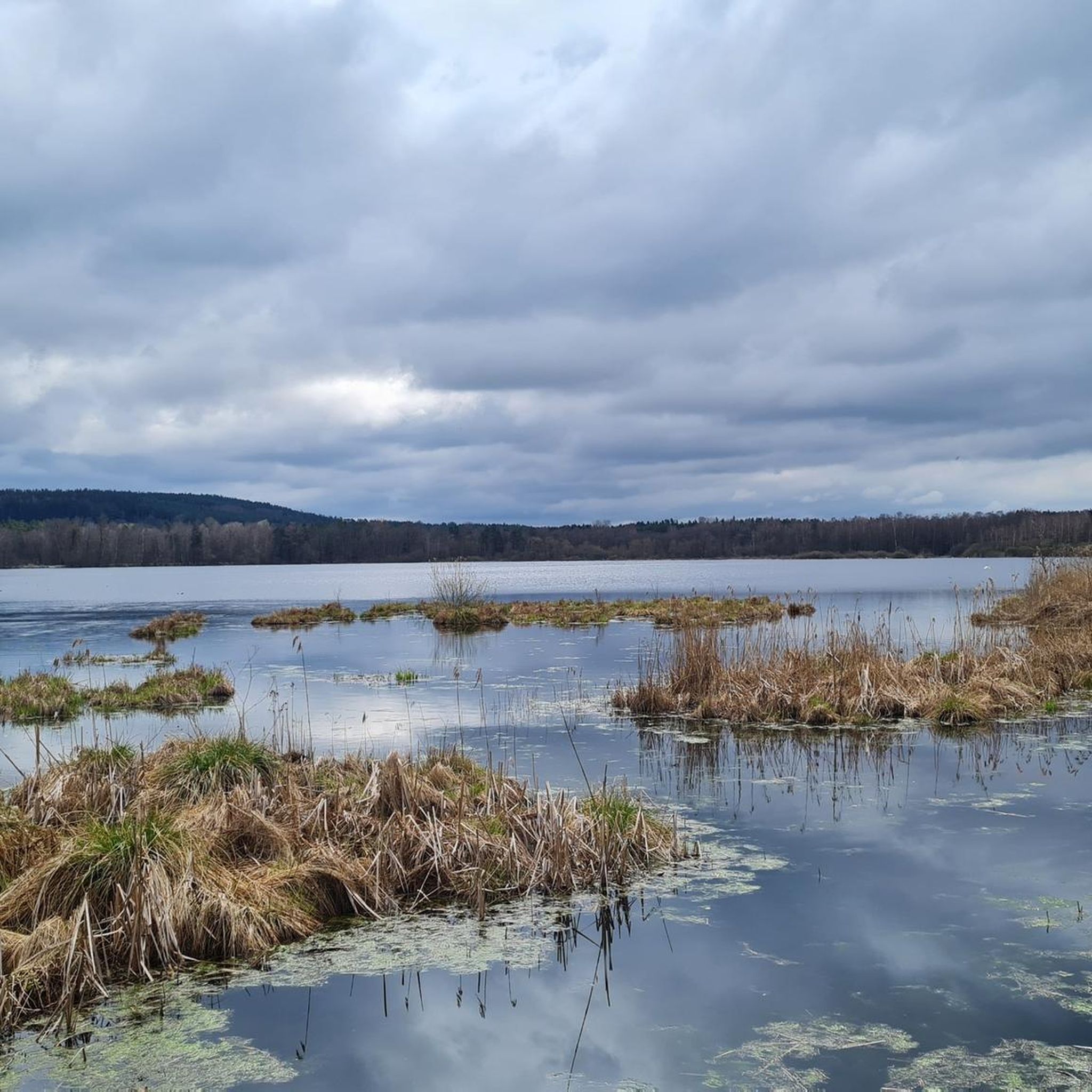
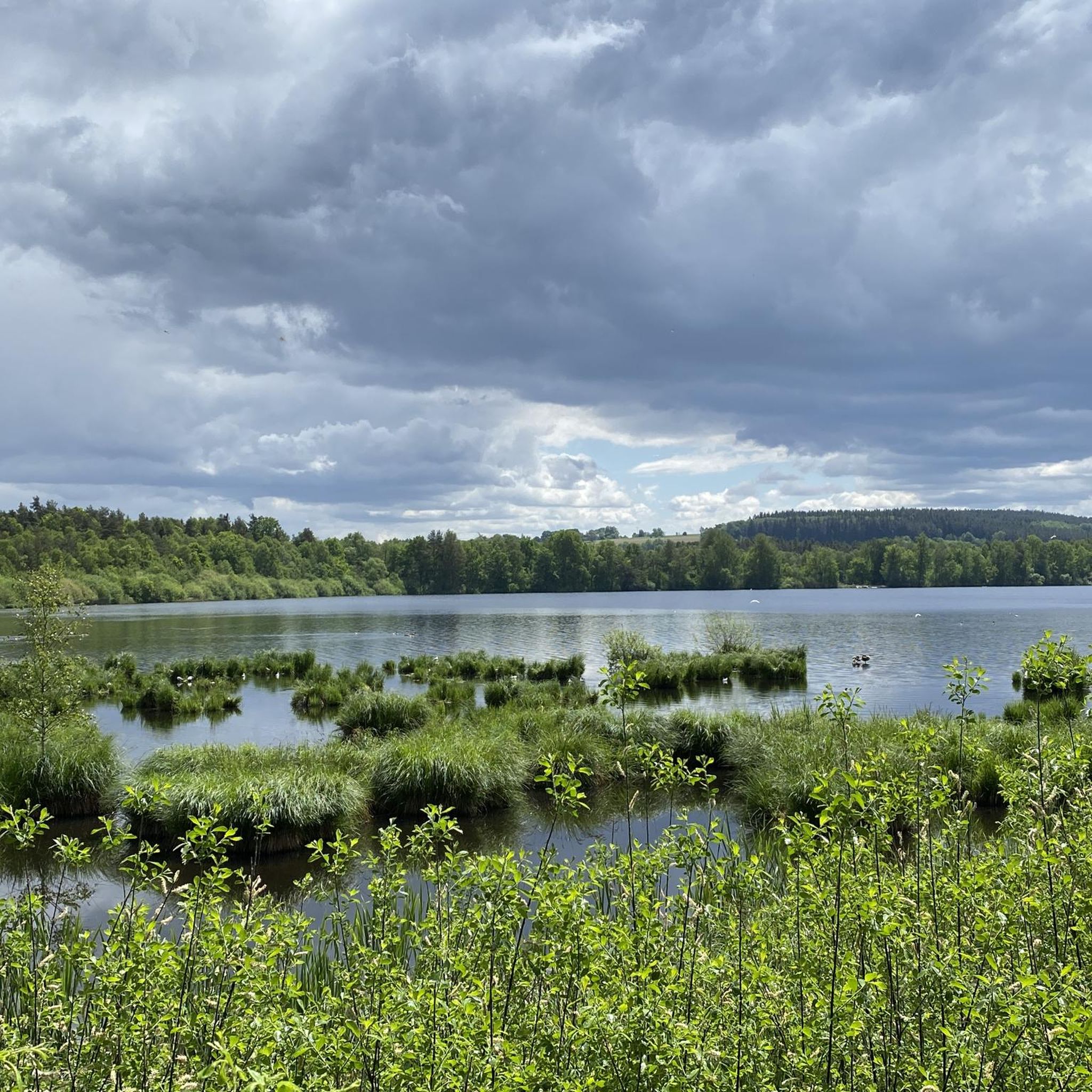
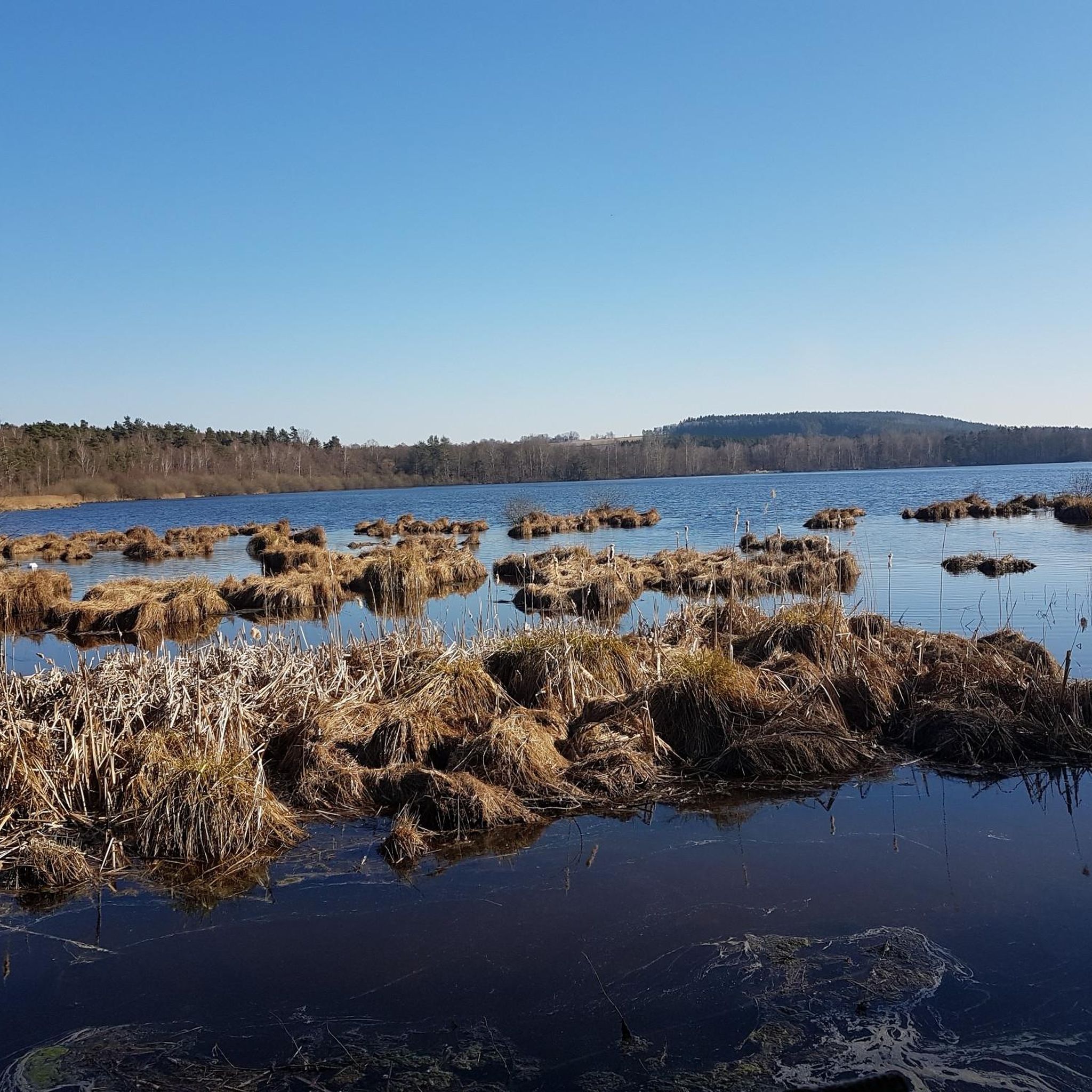
- The most popular natural monuments is Between Großer Rußweiher and Rußloheweiher, a lake and natural…
Last updated: May 11, 2026
Rauher Kulm Lookout Tower
Highlight • Viewpoint
Nicolaus Apel built a wooden observation tower as early as 1807. There was a movable gold-plated sun above …
Translated by Google •
Tip by

Circular rampart at Rauher Kulm
Highlight • Historical Site
Translated by Google •
Tip by

Sign up now to discover places like this
Get recommendations on the best single tracks, peaks, & plenty of other exciting outdoor places.
Sign up for free
Osprey and White-tailed Eagle Observation Point, Großer Rußweiher
Highlight • Viewpoint
Translated by Google •
Tip by

Between Großer Rußweiher and Rußloheweiher
Highlight • Lake
Translated by Google •
Tip by
Basalt blockfields at Rauher Kulm
Highlight • Natural Monument
Translated by Google •
Tip by

Sign up for free to discover even more natural monuments around Eschenbach in der Oberpfalz.
Sign up for free
Already have an account?
Start today with a free account
Your next adventure awaits.
Login or Signup
Popular around Eschenbach in der Oberpfalz
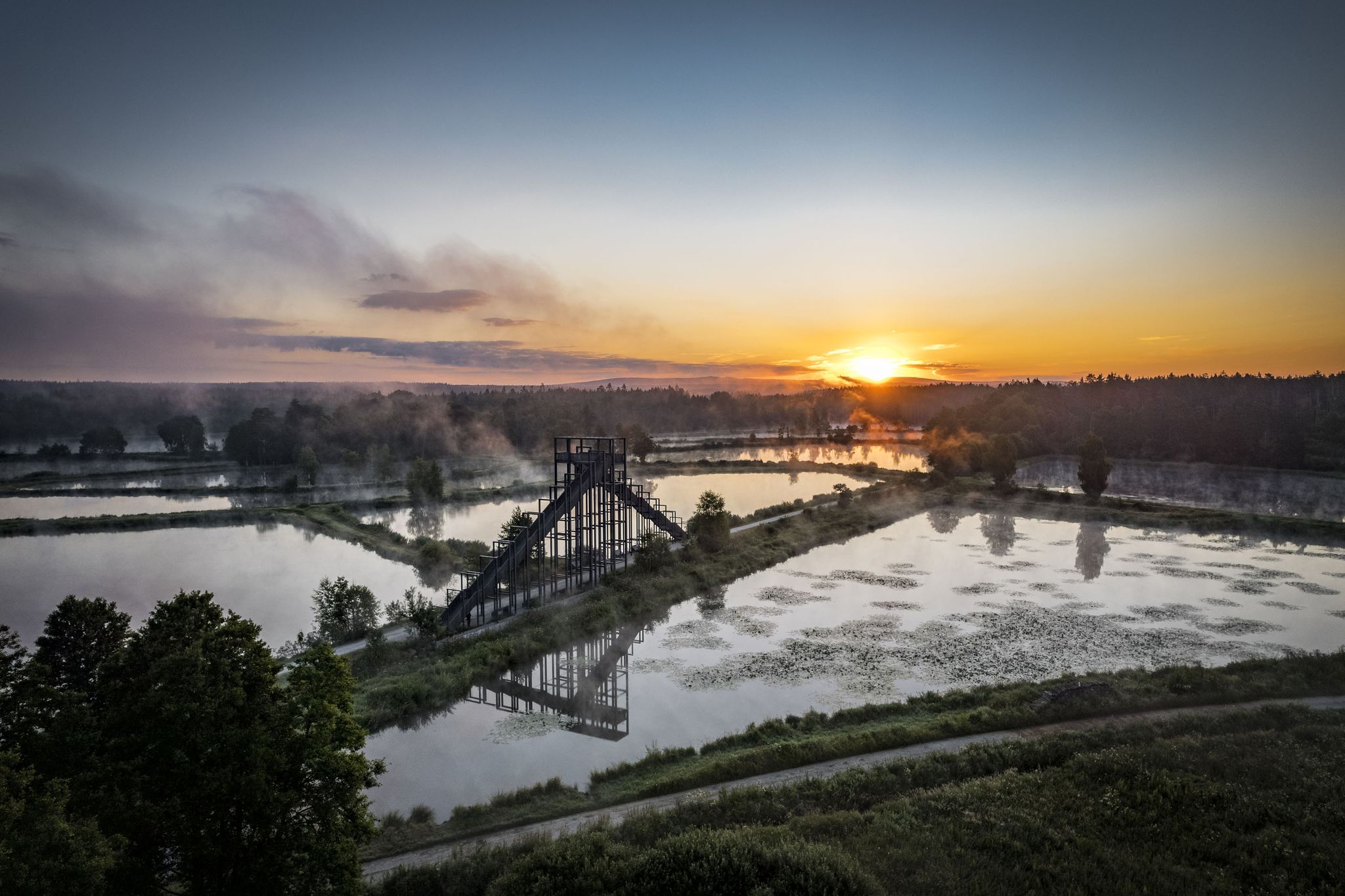
How refreshing! Trails by the water in the Upper Palatinate Forest
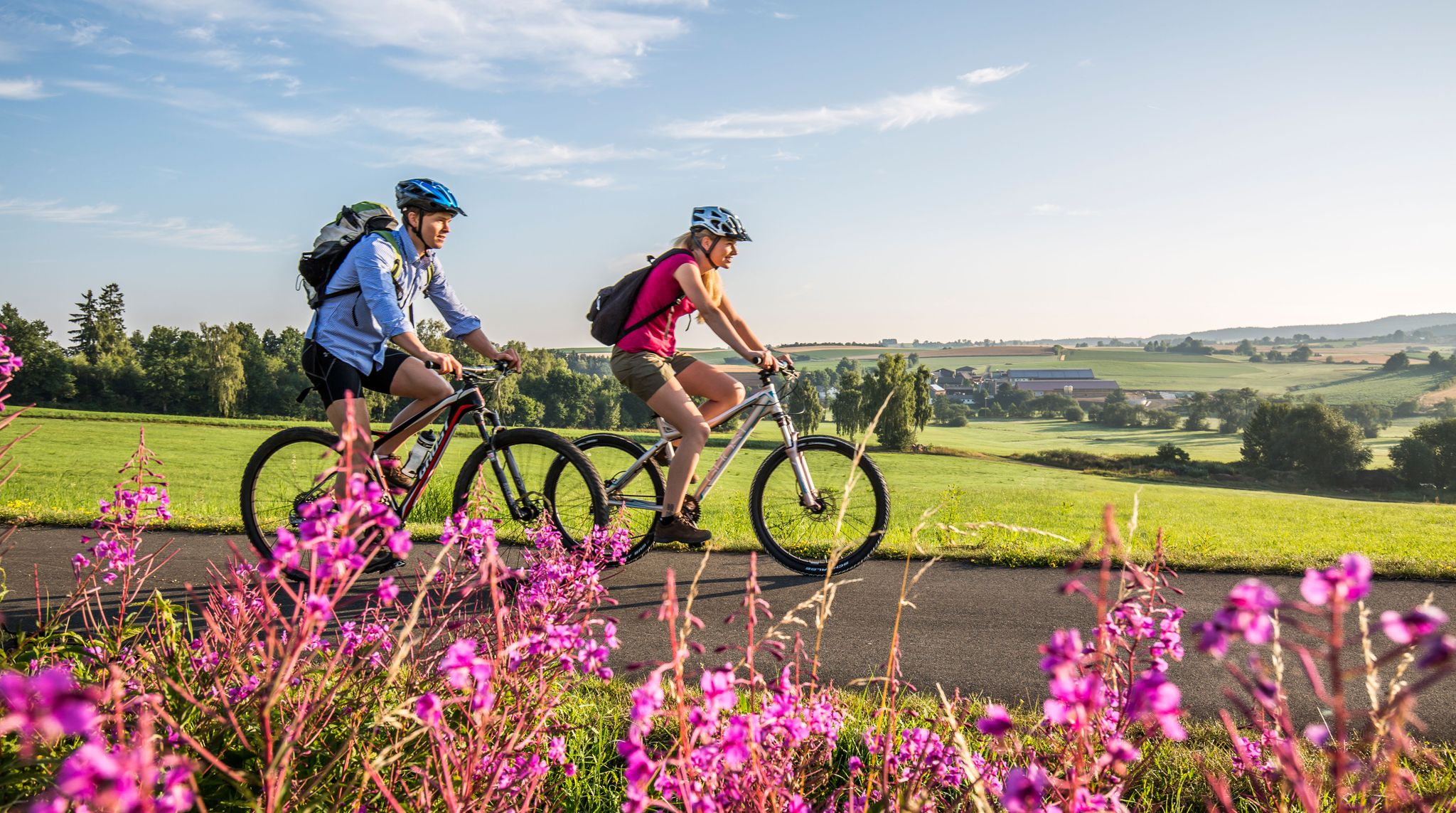
Nature and Culture — Cycling in the Upper Palatinate Forest
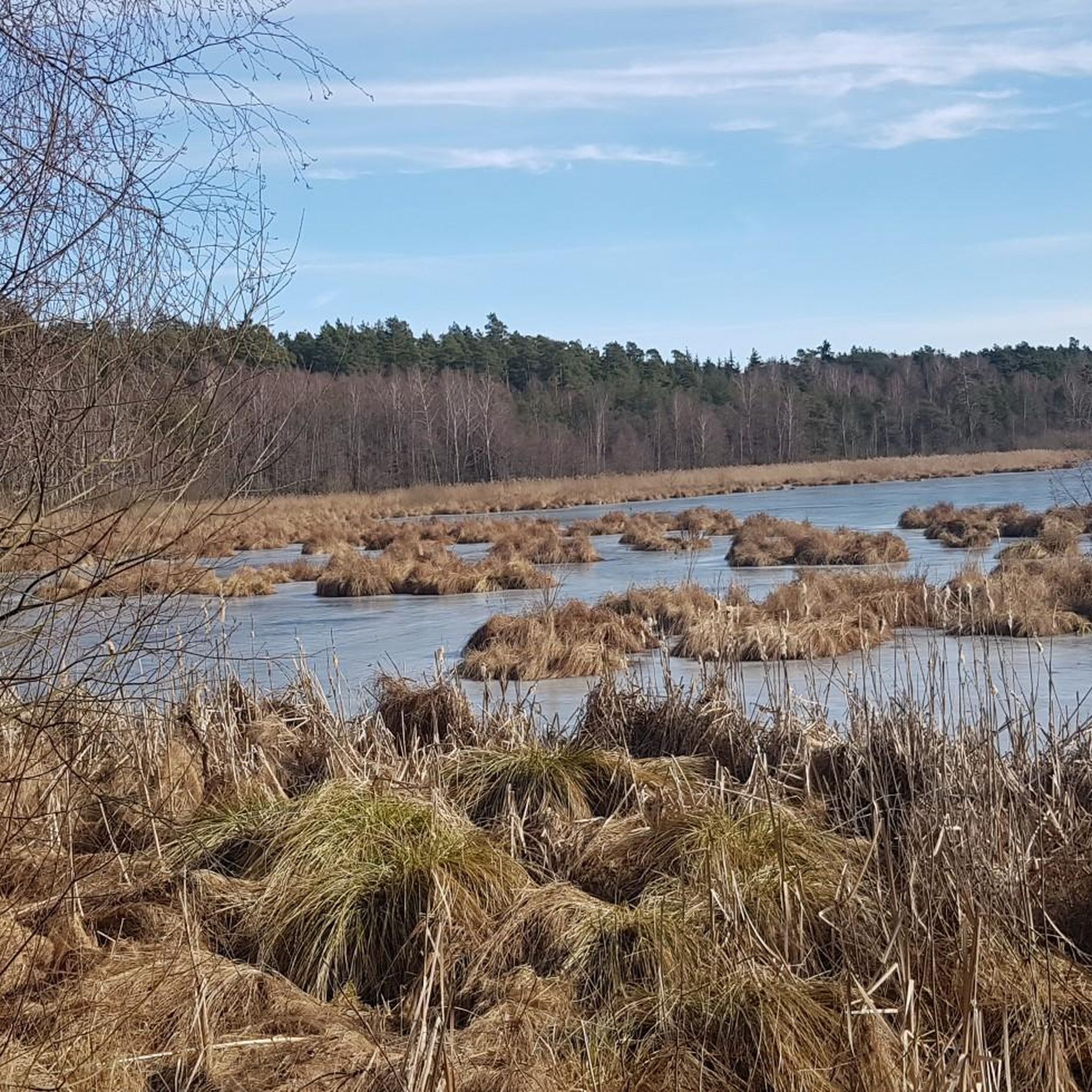
Hiking around Eschenbach in der Oberpfalz
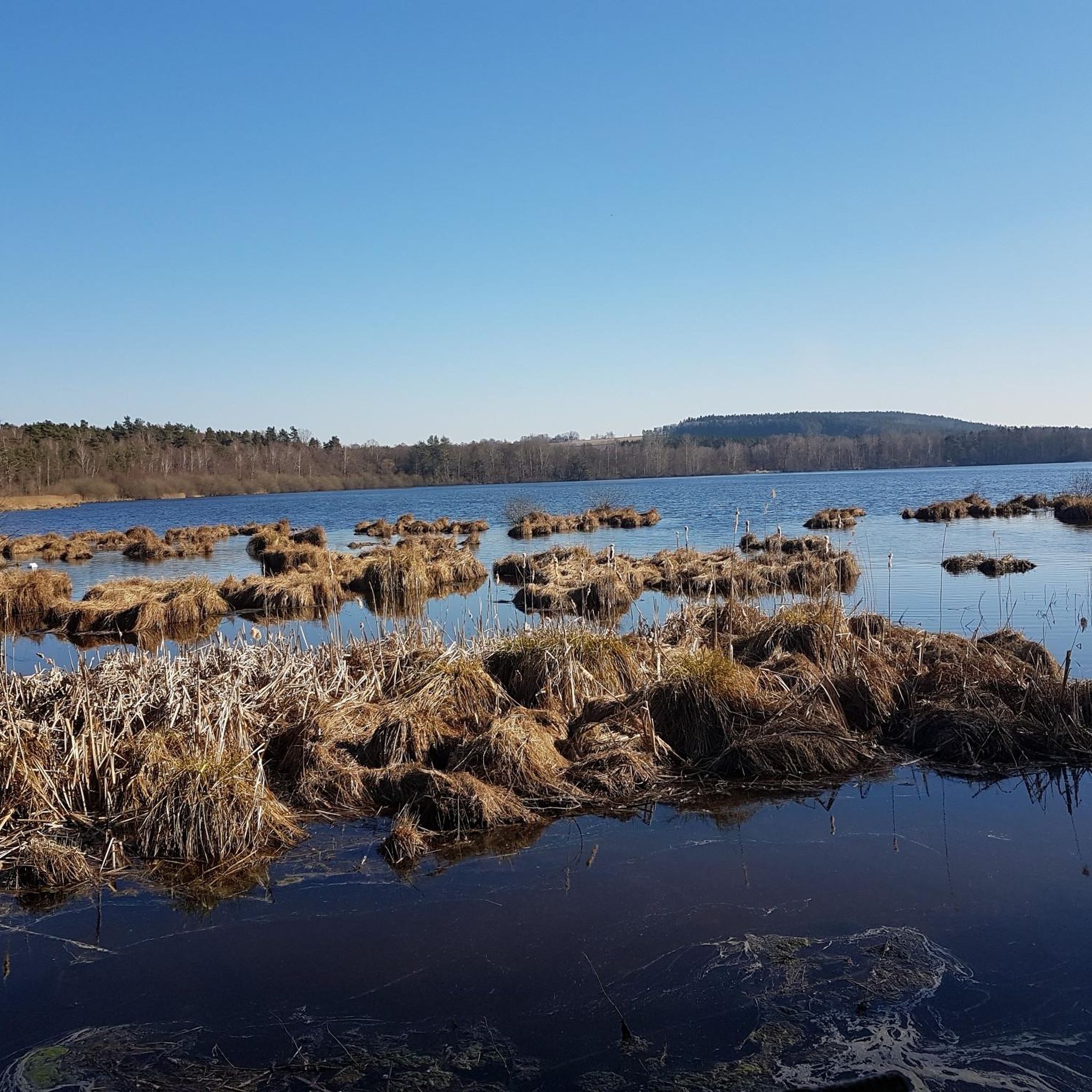
Cycling around Eschenbach in der Oberpfalz
Running Trails around Eschenbach in der Oberpfalz
MTB Trails around Eschenbach in der Oberpfalz
Road Cycling Routes around Eschenbach in der Oberpfalz

Gravel biking around Eschenbach in der Oberpfalz
Other adventures around Eschenbach in der Oberpfalz

Tips from the Community


Dam that separates the large and small Rußweiher - beautiful view of both ponds
1
0

The rampart on the Rauher Kulm is a fortification at the foot of the Rauher Kulm. Gate area of the rampart Area disturbed by quarrying The Rauher Kulm, as a basalt mountain in the otherwise flat surroundings, was already visited by people in prehistoric times. The rampart made of basalt blocks runs around the foot of the mountain. Finds point to the Bronze Age, the Celts, the time of the Carolingians and the Slavic settlement chambers. Fighting took place during the time of the Hungarian invasions. Even if the rampart has been disturbed by later interventions, including the creation of an English garden across the entire mountain or the mining of the basalt in quarries, the course can be recognized from the basalt boulders. There is a lower main rampart with at least two gate areas and another fortified area at medium height. The hilltop castle is, however, classified as largely late medieval. Several burial mounds are also known. It is assumed that the settlement was located within the protective wall, so that it was not just a refuge. The predominantly stone remains were reinforced by wooden structures, among other things. There is evidence of post-and-slot walls, kennel-shaped walls and additionally secured gate areas. The cartographer Johann Christoph Stierlein made a drawing of the Rauher Kulm and recorded both the rampart and the hilltop castle.[1] The rampart was researched at the beginning of the 20th century by Adalbert Neischl on behalf of the Nuremberg Natural History Society and Hugo Obermaier, who completed Neischl's work. Hans Losert has been carrying out excavations for over ten years and is responsible for the scientific analysis.
1
0
The Rauhe Kulm is a volcano around 25 million years old that never erupted. The magma that solidified inside was exposed over the years by erosion until the current formation was created. It was protected as a natural monument in 1949 and is now part of the Upper Palatinate Forest Nature Park. There are several routes you can walk around or climb the mountain. A 25 m high observation tower was built on the summit. After a somewhat arduous climb, you can enjoy a wonderful panoramic view of the Fichtel Mountains, the Franconian Alb and northern Upper Palatinate. In the Middle Ages, this view also fascinated those rulers who built a castle on the summit. However, it was destroyed in 1554. The surrounding forests have been in Bavarian ownership for around 200 years. Previously, they were an elementary basis for obtaining wood as fuel for smelting and the many iron hammers in the region. The Upper Palatinate was the "Ruhr region of the Middle Ages". Back then, the only source of energy was the forests. Today, foresters are doing everything they can to develop mixed and structurally rich forest stands.
0
0
The rock, a nepheline basalt, contains a number of inclusions, souvenirs from the depths, so to speak. On the one hand there is olivine and augite, on the other hand (especially in the "tuff") sandstone (presumably Keuper sandstone). The small olivine deposits weather easily, which is how the centimeter-sized "holes" in the basalt came about. On the Kleiner Kulm (popularly known as the "bad Kulm"), small augite crystals (similar to Anzenberg) have repeatedly been found in the "tuff". In the past (now overgrown), the sharp contact between the basalt and the surrounding sandstone was clearly visible on the Rauher Kulm. Today, the changing vegetation (the basalt forms a different, fairly good humus) reveals the subsoil. The enormous sea of blocks on the south and east flanks of the mountain is a form of weathering that was favored by the ice ages.
0
0

The ring wall itself dates back to the time of the Celts and probably served as a refuge or place of worship. The remains of the ramparts are still clearly visible and make for an exciting exploration tour. The climb to the summit is a bit strenuous, but the view and the historic atmosphere definitely make the effort worthwhile.
4
0
The Rauhe Kulm is an impressive basalt cone in Upper Palatinate, Bavaria, and a popular destination for hikers and nature lovers. With a height of 682 meters, it offers breathtaking views of the surrounding landscape1. The mountain was formed around 21 million years ago by volcanic activity, with the magma solidifying beneath the earth's surface, forming the distinctive shape of the Rauhe Kulm2. At the summit there is a 25-meter-high observation tower that offers a panoramic view of the Fichtel Mountains, the Franconian Jura and northern Upper Palatinate2. The Rauhe Kulm is not only geologically interesting, but also historically significant. Archaeological finds indicate that the mountain was already inhabited in Celtic times around 500 BC2. The remains of a ring wall bear witness to this early settlement2. The area around the Rauhe Kulm is protected as a natural monument and provides a habitat for rare animal and plant species2. Particularly noteworthy are the basalt block heaps, which create unique habitats due to their special microclimatic conditions2. A visit to the Rauher Kulm is worthwhile not only because of the impressive view, but also because of the fascinating geological and historical aspects. Source: KI
4
0

The old basalt quarry directly next to the archaeological excavations is part of the Geopark
1
1
Frequently Asked Questions
What are some unique natural features to explore around Eschenbach in der Oberpfalz?
The region offers diverse natural features. You can explore the striking basalt formations of the Rauhe Kulm, which was once voted Germany's most beautiful natural wonder. Additionally, the extensive Rußweihergebiet features a large lake system and is one of Bavaria's oldest nature reserves, known for its rich biodiversity.
Are there any historical sites among the natural monuments?
Yes, the Circular rampart at Rauher Kulm is a significant historical site. This basalt mountain features the remains of a Celtic ring wall, which likely served as a refuge or place of worship. You can also visit the Barbaraberg Pilgrimage Site and Ruins of St. Barbara Church, a former pilgrimage church with a rich history and impressive views.
What is the best time to visit the natural monuments in Eschenbach in der Oberpfalz?
The natural monuments are beautiful year-round. Spring and autumn offer pleasant temperatures for hiking and birdwatching, with vibrant foliage or blooming nature. Summer is ideal for enjoying the outdoor adventure trails and lake areas. Even in winter, the landscapes can be stunning, though some paths might be less accessible.
Are there family-friendly natural monuments in the region?
Absolutely. The Osprey and White-tailed Eagle Observation Point, Großer Rußweiher is family-friendly, offering opportunities to observe rare birds. The Walderlebnispfad Holzweg (Forest Adventure Trail) in Eschenbach is also excellent for families, featuring interactive stations, a walk-in birdhouse, and a playground, with options for stroller and wheelchair accessibility.
Can I go birdwatching at the natural monuments?
Yes, the Rußweihergebiet is a prime location for birdwatching. It's an important bird sanctuary where you can observe rare species, including fish and sea eagles, which have resettled here due to conservation efforts. The Osprey and White-tailed Eagle Observation Point specifically provides information boards and good viewing spots.
Are there accessible paths for strollers or wheelchairs?
The Walderlebnispfad Holzweg (Forest Adventure Trail) in Eschenbach is designed to be accessible for strollers and wheelchairs, offering a 2 km shorter option that is suitable for all visitors. This trail provides an interactive and educational nature experience for everyone.
Are dogs allowed on trails near the natural monuments?
Many natural trails in the region are dog-friendly, but it's always recommended to keep dogs on a leash, especially in nature reserves like the Rußweihergebiet, to protect wildlife. The hiking paths around the Rauhe Kulm are generally suitable for walks with dogs.
What kind of hiking trails can I find near the natural monuments?
You'll find a variety of hiking trails. The Rauhe Kulm offers a well-developed network of paths through mixed and beech forests, ranging from well-paved forest roads to natural hiking trails. The Rußweihergebiet also features easy walking trails around the lakes. For more hiking options, explore the Hiking around Eschenbach in der Oberpfalz guide.
How can I reach the natural monuments by public transport?
While specific public transport routes to each monument can vary, Eschenbach in der Oberpfalz is generally accessible by regional bus services. It's advisable to check local bus schedules and routes to the nearest towns or stops for destinations like the Rauhe Kulm or the Rußweihergebiet before your visit.
Where can I park when visiting the natural monuments?
Designated parking areas are available near the main natural monuments. For instance, there are official parking spots close to the starting points of trails for the Rauhe Kulm and near the access points for the Rußweihergebiet. Look for signs indicating visitor parking upon arrival.
What outdoor activities are available near the natural monuments in Eschenbach in der Oberpfalz?
Beyond hiking, the area offers excellent opportunities for cycling. You can find various routes for MTB Trails around Eschenbach in der Oberpfalz and Gravel biking around Eschenbach in der Oberpfalz, allowing you to explore the diverse landscapes on two wheels.
What do visitors enjoy most about the natural monuments in Eschenbach in der Oberpfalz?
Visitors particularly appreciate the diverse natural beauty and tranquility. The opportunity to observe rare birds at the Rußweihergebiet, the impressive geological formations and panoramic views from the Rauhe Kulm, and the engaging, family-friendly experiences like the Walderlebnispfad Holzweg are frequently highlighted as favorites.
Most popular routes around Eschenbach in der Oberpfalz
Most popular attractions around Eschenbach in der Oberpfalz

Get inspired with the komoot mobile app


Explore more
Extend your search for the best caves by checking out these guides of the top ones around Eschenbach in der Oberpfalz:
