Top 20 Natural Monuments around Beratzhausen
Best natural monuments around Beratzhausen are located in the Upper Palatinate, a region defined by the Schwarze Laber river and its geological formations. This area features distinctive rock formations, river valleys, and caves, offering opportunities for outdoor exploration. The landscape is characterized by its natural beauty and geological interest.
Best natural monuments around Beratzhausen
- The most popular natural monuments is Robber's Cave, a cave created during the Jurassic period by running water. This large cave hall has cracks and…
Last updated: August 4, 2026
Vils Riverside Trail and Rock Formations
Highlight (Segment) • Trail
Translated by Google •
Tip by

Robber's Cave
Highlight • Cave
Translated by Google •
Tip by

Sign up now to discover places like this
Get recommendations on the best single tracks, peaks, & plenty of other exciting outdoor places.
Sign up for free
Loch Cave Castle Ruins
Highlight • Castle
Translated by Google •
Tip by

Cross on the Hutberg near Fischbach
Highlight (Segment) • Monument
The Hutberg is a 20-hectare nature reserve that belongs to the market town of Kallmünz. It is a habitat of numerous rare and endangered plant and …
Translated by Google •
Tip by

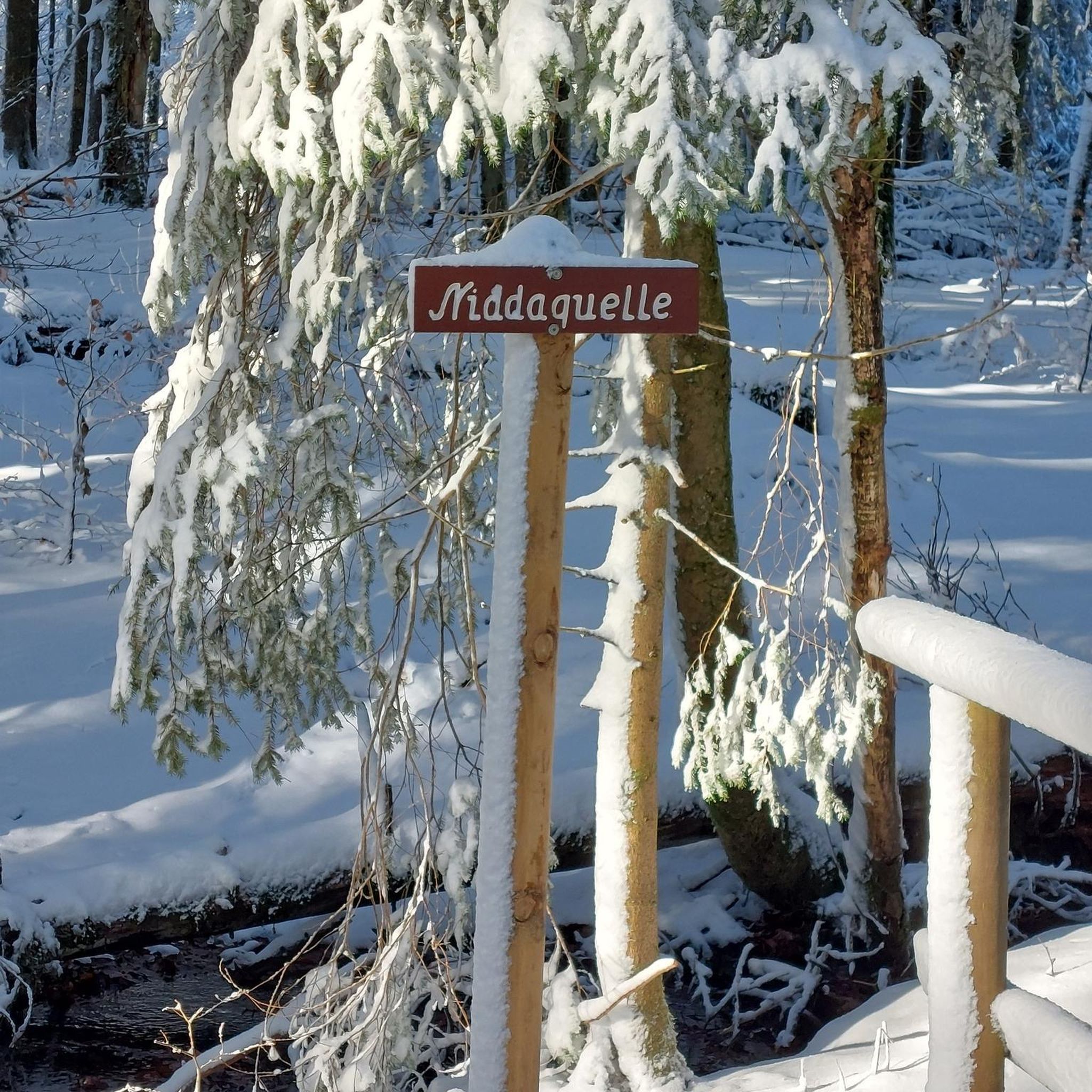
Sebastian Spring
Highlight • Natural Monument
We are on this trail:
komoot.de/highlight/1920710
over here.
Translated by Google •
Tip by

Sign up for free to discover even more natural monuments around Beratzhausen.
Sign up for free
Already have an account?
Start today with a free account
Your next adventure awaits.
Login or Signup
Tips from the Community

The Höhlenburg Loch > a geotope The Höhlenburg Loch is one of only two cave castles in Bavaria (the second is in Stein an der Traun in Upper Bavaria). The lower, flatter part of the castle complex lies in slab dolomites belonging to the Velburg Horizon. The steep wall, at the base of which the (residential) caves appear, is formed by mass dolomites of the Middle Franconian Alb Formation. Bavarian State Office for the Environment (LfU). https://www.umweltatlas.bayern.de/standortauskunft/rest/reporting/sb_geotope/generate?additionallayerfieldvalue=375A026
1
0

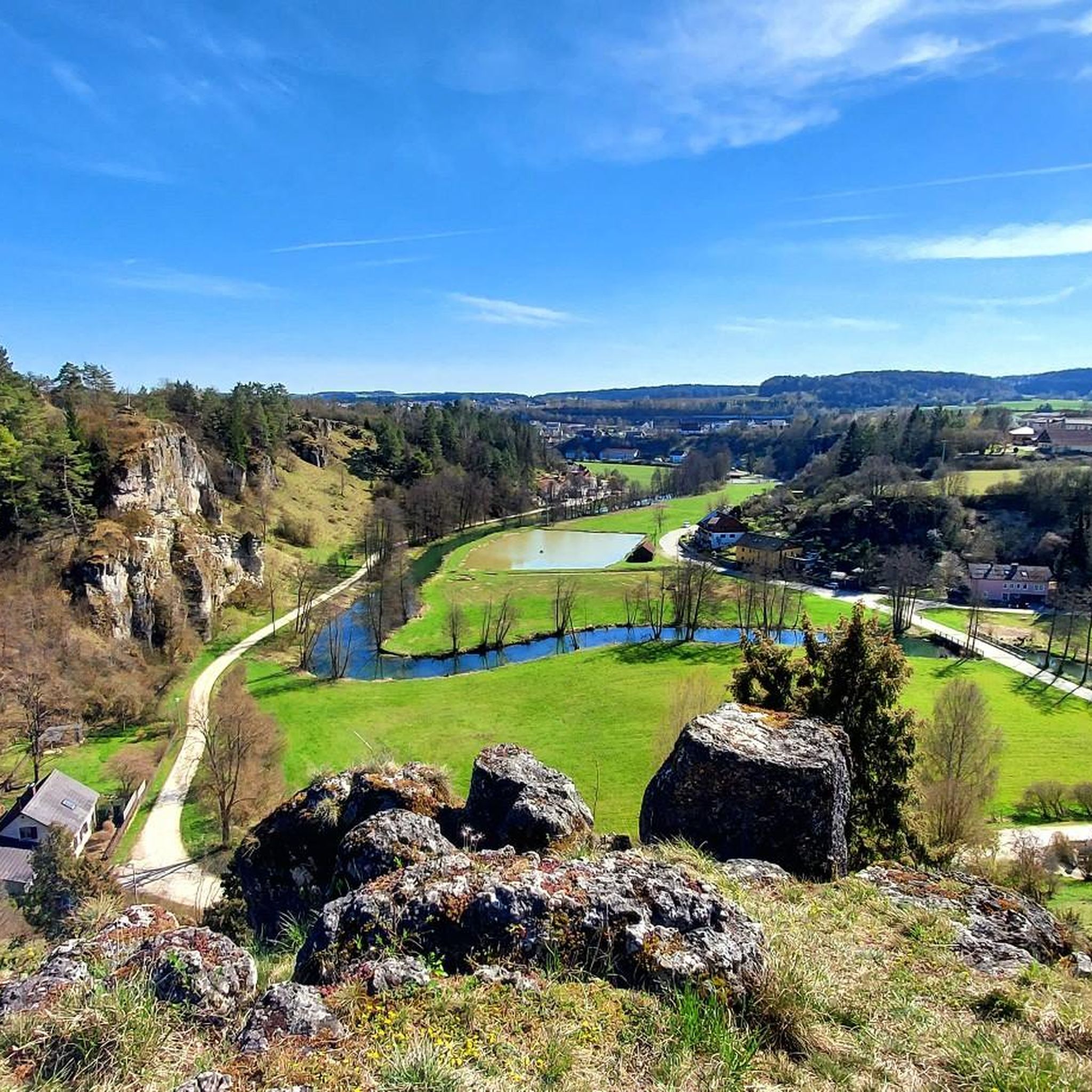
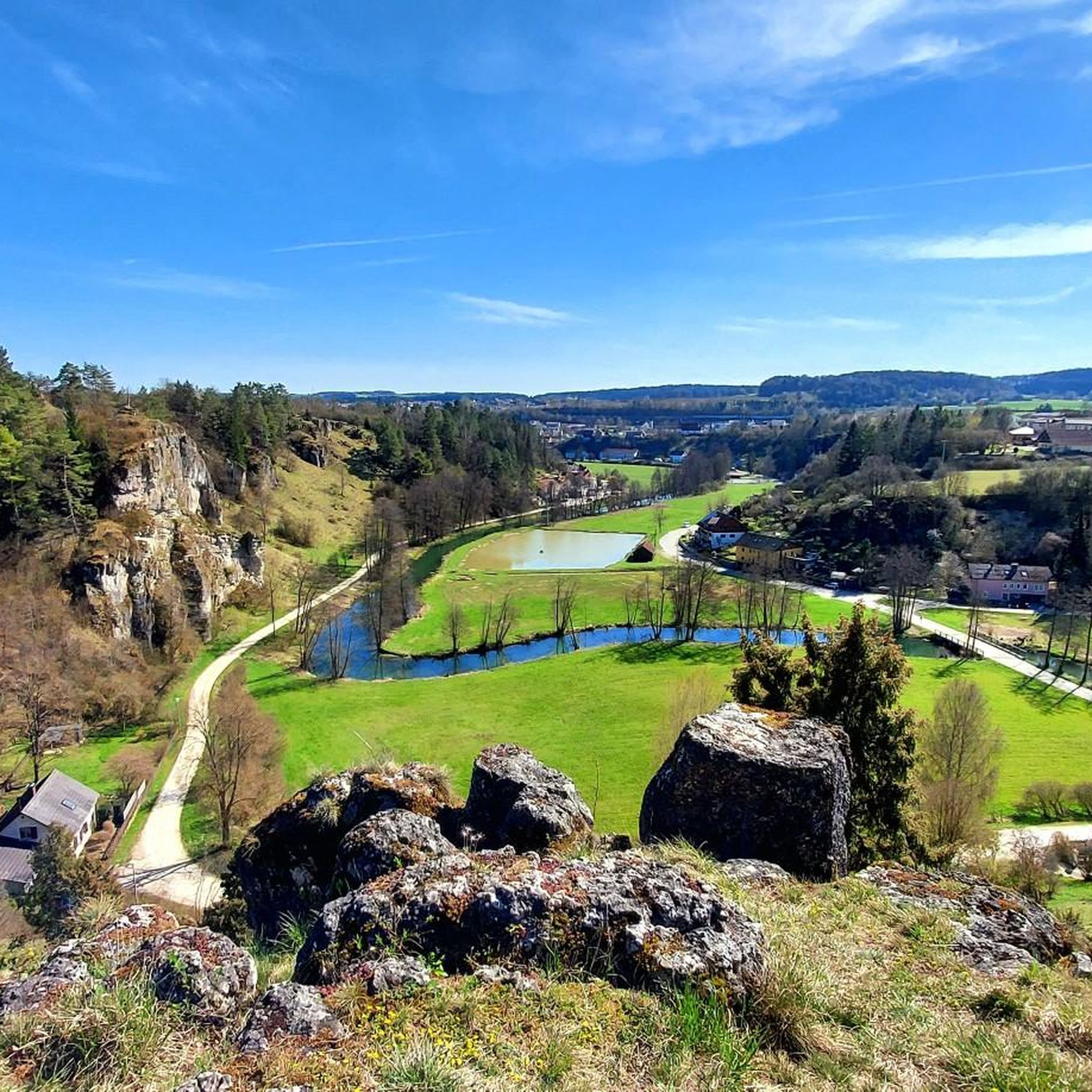
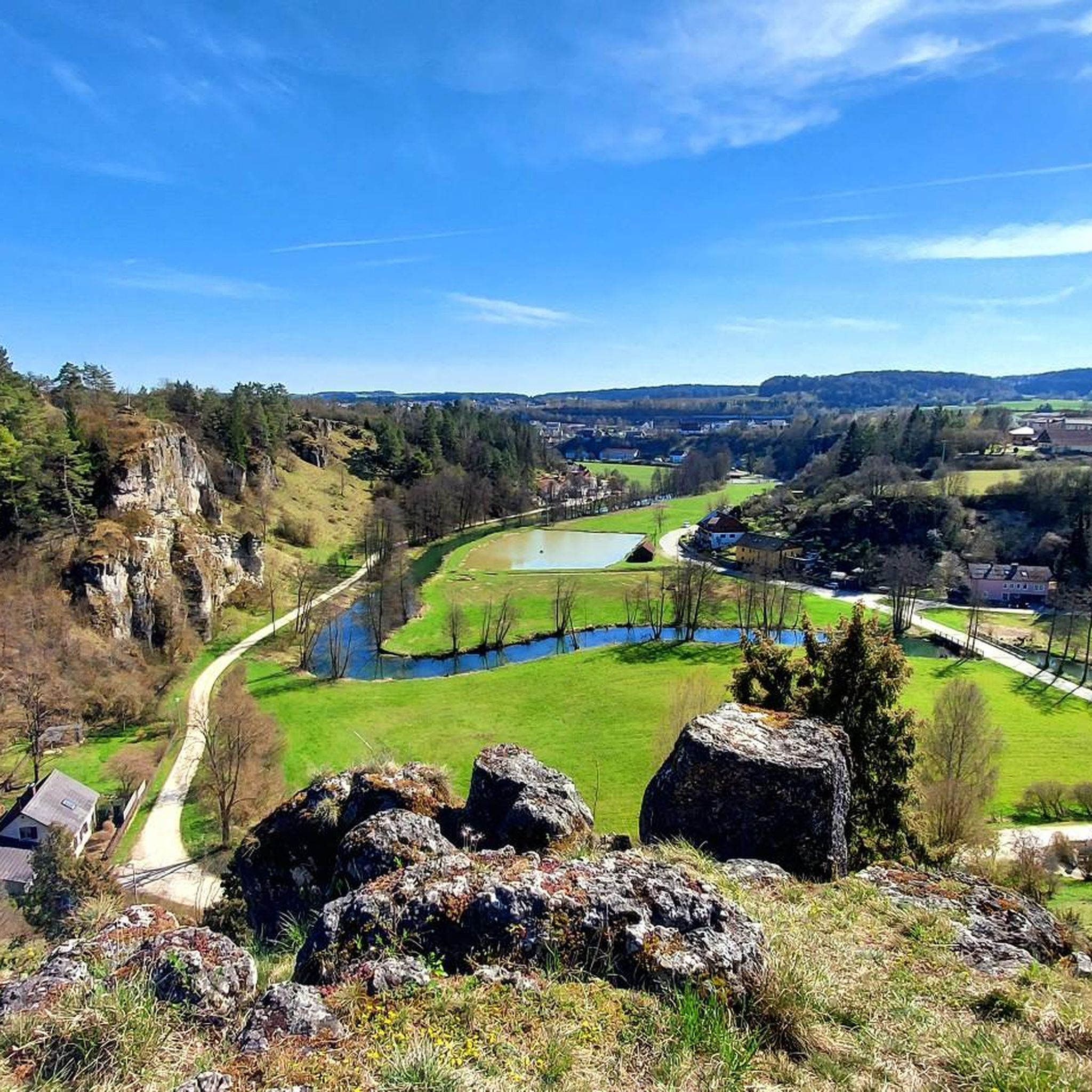
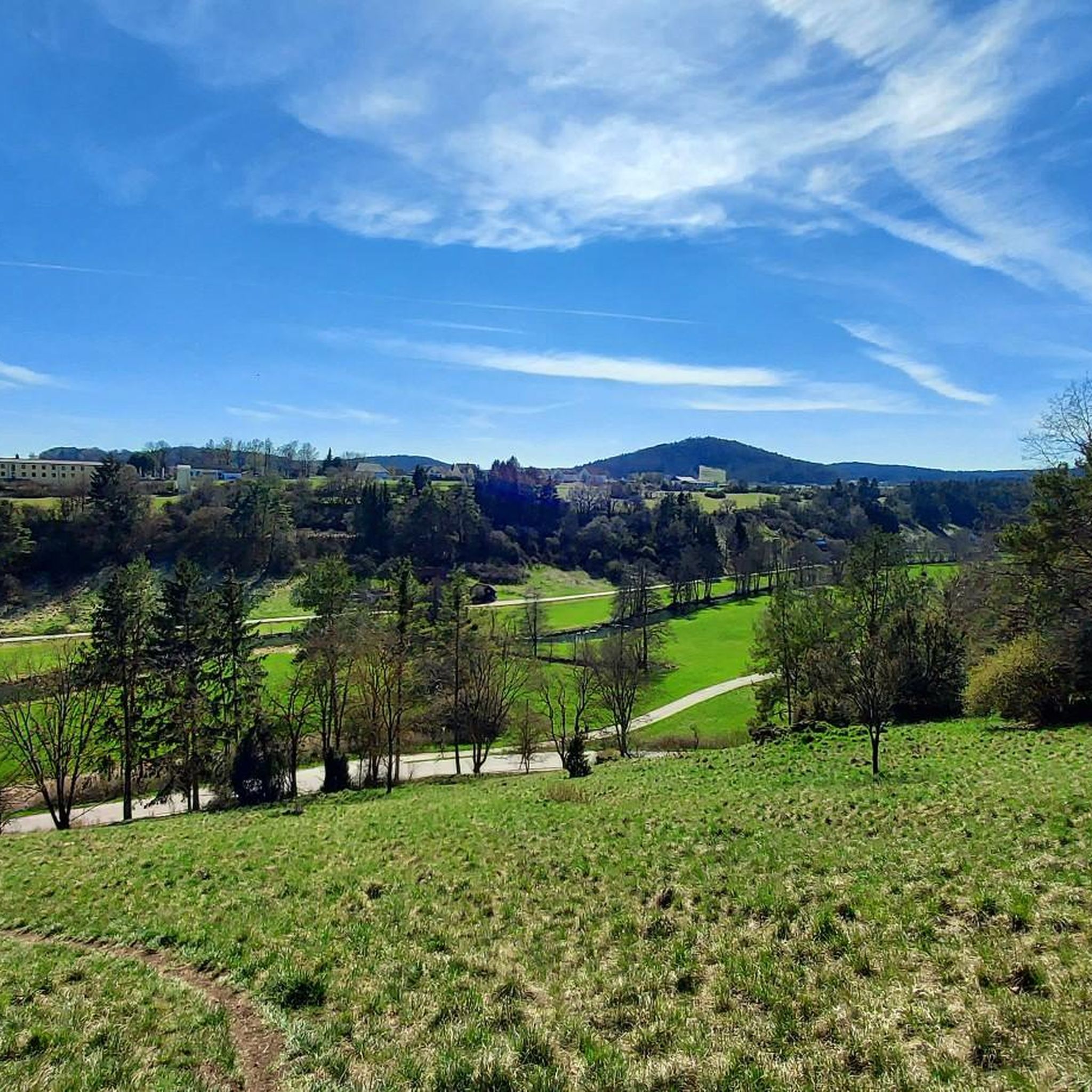
Beautiful rock formations in the forest
2
0

Beautiful view back over the Vils
3
0
Rock formations are now majestically visible in March. They soon disappear into the sea of leaves and are then almost invisible again—unfortunately!
4
0

Loch Castle Ruins Loch Castle was probably built by the Rammelsteiners, the lords of a nearby estate. They were first mentioned in the 12th century and were ministerials of the burgraves of Regensburg and later of the Bavarian dukes. Their castle in Loch was probably only built after 1300 to protect an iron hammer mill in the Laber Valley. A "Hugo vom Loch" is mentioned in a fief book of the Regensburg monastery of St. Emmeram at this time. Jakob Rammelsteiner vom Loch was district judge in Sulzbach in 1388 and court master to the Duke of Ingolstadt, Ludwig the Bearded, in 1413. His descendants Dietrich and Wolfgang took part in the knights' revolts of the Böckler and Löwler, but this did not cause any lasting damage to the family. After 1500, the lords of the castle also gained control of the Schönhofen and Eichhofen castles. When the last Rammelsteiner Sebastian died in 1556, the complex passed to his nephew Wolf Heinrich Sauerzapf in 1573 after long inheritance disputes. The Sauerzapf - a very successful family of hammer lords - gave up their seat in 1625 at the latest and resided in Schönhofen. In 1714, the last Sauerzapf Christoph bequeathed Loch Castle, already in ruins, to the Carthusian monastery of Prüll in Regensburg. The former Loch Castle, although it remained historically insignificant, offers many interesting features. The shape of the cave castle is extremely rare. The entrance was in the north, where a moat, still clearly visible today, separates the castle terrace. A gatehouse with a drawbridge can be clearly seen in the 1718 depiction, as can the residential buildings, which lean against the steep wall in the east in front of several cave rooms. At the southern end of the terrace stands the well-preserved keep, which is 23 meters high. It has 2 m thick walls, a toilet bay and large windows on the top floor. The structural design of the keep, which was built from roughly hewn rubble stone and was designed to be relatively comfortable with large windows and a toilet bay, clearly points to the 14th century. Clearly visible remains of built-in features have been preserved in the largest cave. It is surprising that such an uncomfortable and defensively unfavourable location was chosen for a castle in the late Middle Ages. It was extremely vulnerable to attack from the plateau above. The reason for the choice of location was probably solely the nearby hammer mill. Source: Excerpts from www.burgenseite.de
3
0

The castle is best seen from Eichhofen, as entering is forbidden and not possible due to the fence
0
0

Beautiful, wonderful tips that make you want to go on a nasty tour! Thanks!
1
0

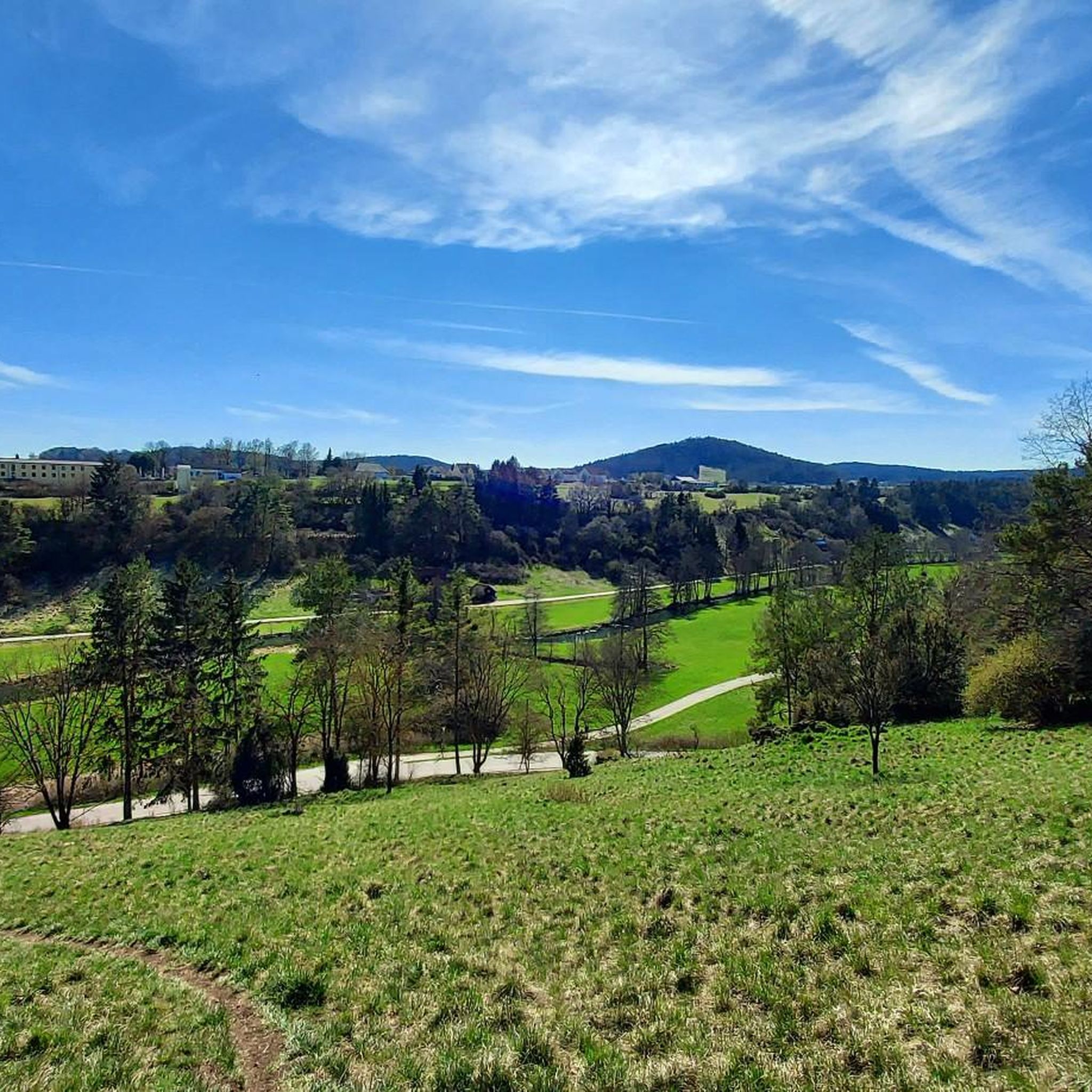
Wow. From the forest you look directly at such a great rock. With lean meadow. Hawks sneeze here. Really great to watch them fly. A bit slippery when it rains, but it works.
1
1
Frequently Asked Questions
What are some notable natural monuments to explore around Beratzhausen?
The region around Beratzhausen offers several distinctive natural monuments. You can visit the Robber's Cave, a large Jurassic-era cave hall, or experience the Vils Riverside Trail and Rock Formations, known for its majestic rock formations and views over the Vils river. Another significant site is the Cross on the Hutberg near Fischbach, a viewpoint within a nature reserve featuring dry grassland and limestone rocks.
What kind of geological features can I expect to see in the natural monuments near Beratzhausen?
The natural monuments around Beratzhausen are primarily shaped by the Schwarze Laber river and its geological surroundings. You'll encounter impressive rock formations, such as the dolomitic structures of the Hohe Felsen, and deep river valleys. The area also features various cave formations, including the Robber's Cave, which was formed by running water dissolving limestone during the Jurassic period.
Are there any historical sites integrated with the natural monuments?
Yes, several natural monuments in the area have historical significance. The Robber's Cave, for instance, was historically used as a refuge and a strategic point for raids. The Hohe Felsen, a striking rock formation, once served as a medieval castle site (Burgstall Hohe Felsen). Additionally, the Loch Cave Castle Ruins represent a rare cave castle where natural caves were adapted into living quarters.
What outdoor activities can I do near these natural monuments?
The natural monuments around Beratzhausen are excellent starting points for various outdoor activities. You can find numerous hiking and mountain biking trails. For hiking, consider routes like the 'Golden Cap rock formation – Schlossberg Beratzhausen loop' or the 'Black Laber River – Ehrenfels Castle Ruins loop'. For mountain biking, options include the 'Schwarze Laber Riverside Trail – Labertal Wall' or the 'Pexmühle Valley – Forest Trail Near Kohlmühle loop'. You can find more details on these activities in the hiking guide and MTB trails guide for Beratzhausen.
Are there family-friendly natural monuments or trails in the Beratzhausen area?
Yes, the Sebastian Spring is noted as family-friendly. It's a historical spring with fresh, ice-cold water, located at the foot of a pilgrimage church. While specific trails are not explicitly marked as 'family-friendly' in the data, many of the shorter, moderate hiking routes in the Schwarze Laber Valley are suitable for families, offering scenic views and opportunities to explore nature.
Where can I find impressive viewpoints among the natural monuments?
For stunning views, visit the Cross on the Hutberg near Fischbach, which offers panoramas from a nature reserve. The Hohe Felsen also provides spectacular views over the Schwarze Laber valley. Additionally, the Vils Riverside Trail and Rock Formations offers views back over the Vils river.
What is the Schwarze Laber Valley known for?
The Schwarze Laber Valley is a significant natural attraction in itself, characterized by a typical Jura landscape with juniper-covered green slopes and spectacular rock formations lining its course. It's renowned for its deeply incised river valley and offers numerous viewpoints along extensive hiking trails, making it ideal for nature lovers and hikers.
What do visitors particularly enjoy about the natural monuments in Beratzhausen?
Visitors frequently appreciate the unique geological formations, such as the majestic rocks along the Vils Riverside Trail, especially in early spring before leaves obscure them. The historical aspect of sites like the Robber's Cave and the scenic beauty of viewpoints like the Cross on the Hutberg are also highly valued. The community has shared over 170 photos and given more than 400 upvotes to these natural highlights.
Are there any natural springs to visit?
Yes, the Sebastian Spring is a notable natural spring in the area. Located at the foot of a pilgrimage church, it's known for its fresh, ice-cold water and has been associated with healing powers since 1672. An attached stone tablet recounts its history.
Can I explore cave formations in the natural monuments?
Yes, the region is rich in cave formations. The Robber's Cave is a large, publicly accessible cave hall with cracks and cavities to discover. The Loch Cave Castle Ruins also incorporate natural caves that were historically adapted. Remember to bring a flashlight when exploring caves like the Robber's Cave.
What is the 'Goldene Haube' (Golden Cap) and where can I find it?
The 'Goldene Haube' (Golden Cap) is a beautiful rock formation located in the forest near Beratzhausen. It's a visually distinctive natural highlight often encountered along local hiking routes, such as the 'Golden Cap rock formation – Schlossberg Beratzhausen loop from Beratzhausen' which is a moderate hiking trail.
Are there any natural monuments that are also nature reserves?
Yes, the Hutberg near Fischbach, where the Cross on the Hutberg is located, is a 20-hectare nature reserve. It's recognized for its dry grassland and limestone rocks, providing a habitat for numerous rare and endangered plant and animal species, including pasque flowers, Carthusian carnations, and sand lizards.
Most popular routes around Beratzhausen
Most popular attractions around Beratzhausen

Get inspired with the komoot mobile app


Explore more
Extend your search for the best caves by checking out these guides of the top ones around Beratzhausen:
