Top 20 Natural Monuments around Duggendorf
Natural monuments around Duggendorf are situated in a landscape characterized by diverse geological features and natural beauty. The region is part of the broader Bavarian Forest Nature Park, offering a mix of forests, river valleys, and unique rock formations. These natural areas provide opportunities to explore varied terrain, from limestone cliffs to ancient caves. The confluence of the Isar and Danube rivers, a significant nature reserve, is also located nearby, highlighting the area's rich biodiversity.
Best natural monuments around Duggendorf
…Last updated: May 28, 2026
Alpiner Steig — Jura limestone cliffs and species-rich dry (calcareous) grasslands
Highlight (Segment) • Trail
Translated by Google •
Tip by

Vils Riverside Trail and Rock Formations
Highlight (Segment) • Trail
Translated by Google •
Tip by

Sign up now to discover places like this
Get recommendations on the best single tracks, peaks, & plenty of other exciting outdoor places.
Sign up for free
Robber's Cave
Highlight • Cave
Translated by Google •
Tip by

Lower Alpine Trail
Highlight (Segment) • Trail
Translated by Google •
Tip by
Labertal Wall, Schönhofen
Highlight • Climb
On Sunday afternoon there are a lot of climbers trying to scale the rock face. If …
Translated by Google •
Tip by

Sign up for free to discover even more natural monuments around Duggendorf.
Sign up for free
Already have an account?
Start today with a free account
Your next adventure awaits.
Login or Signup
Tips from the Community

Beautiful rock formations in the forest
2
0

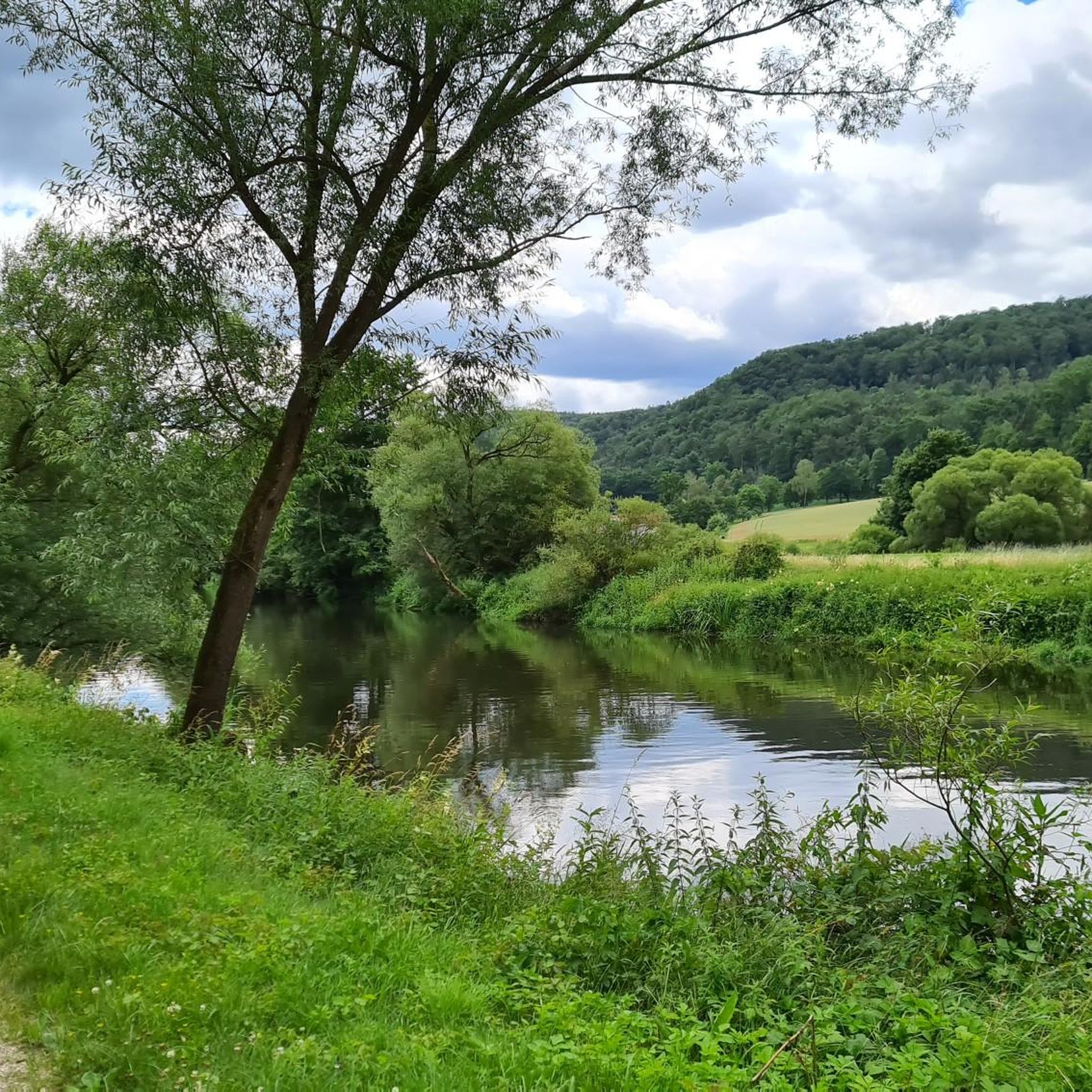
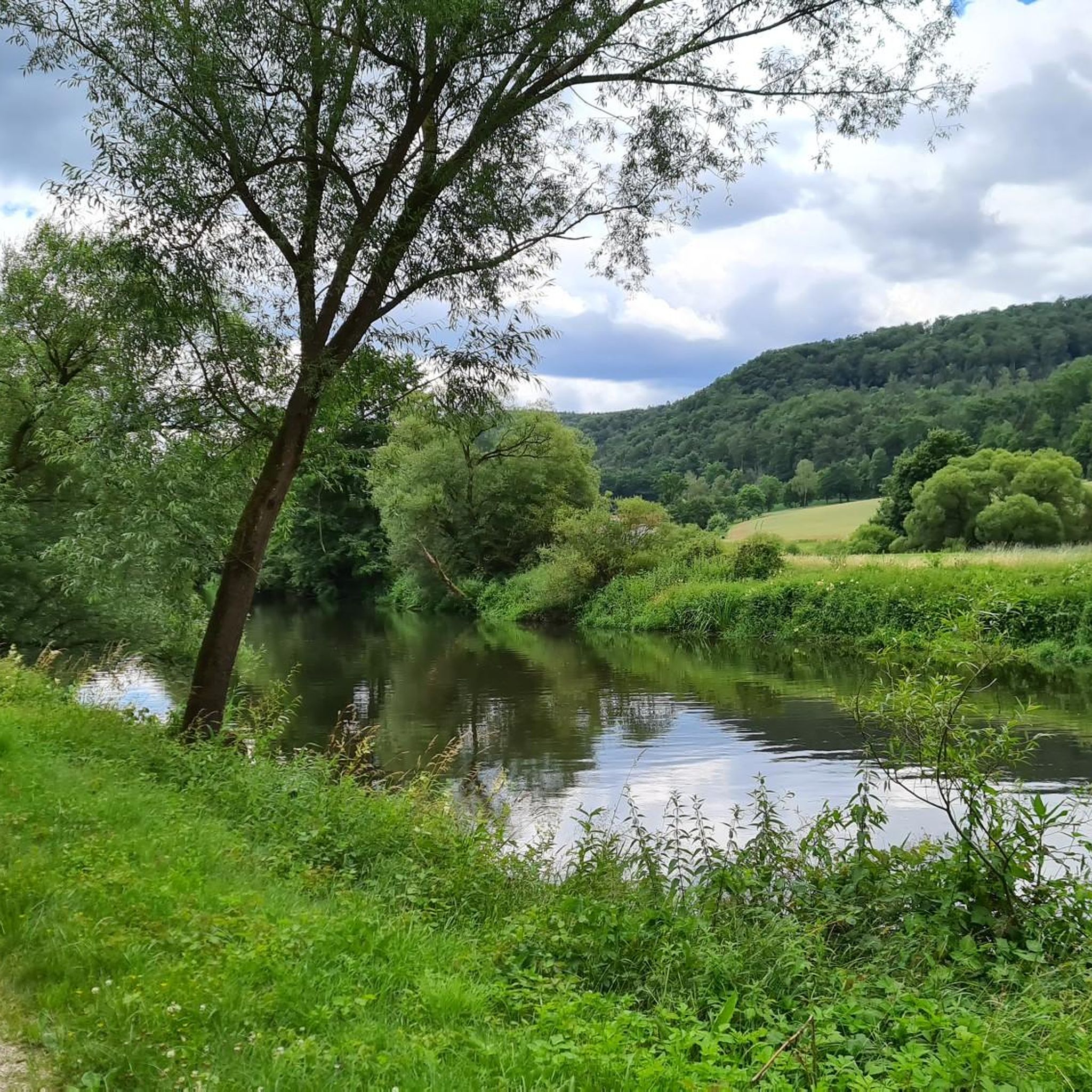
Beautiful view back over the Vils
3
0
Rock formations are now majestically visible in March. They soon disappear into the sea of leaves and are then almost invisible again—unfortunately!
4
0

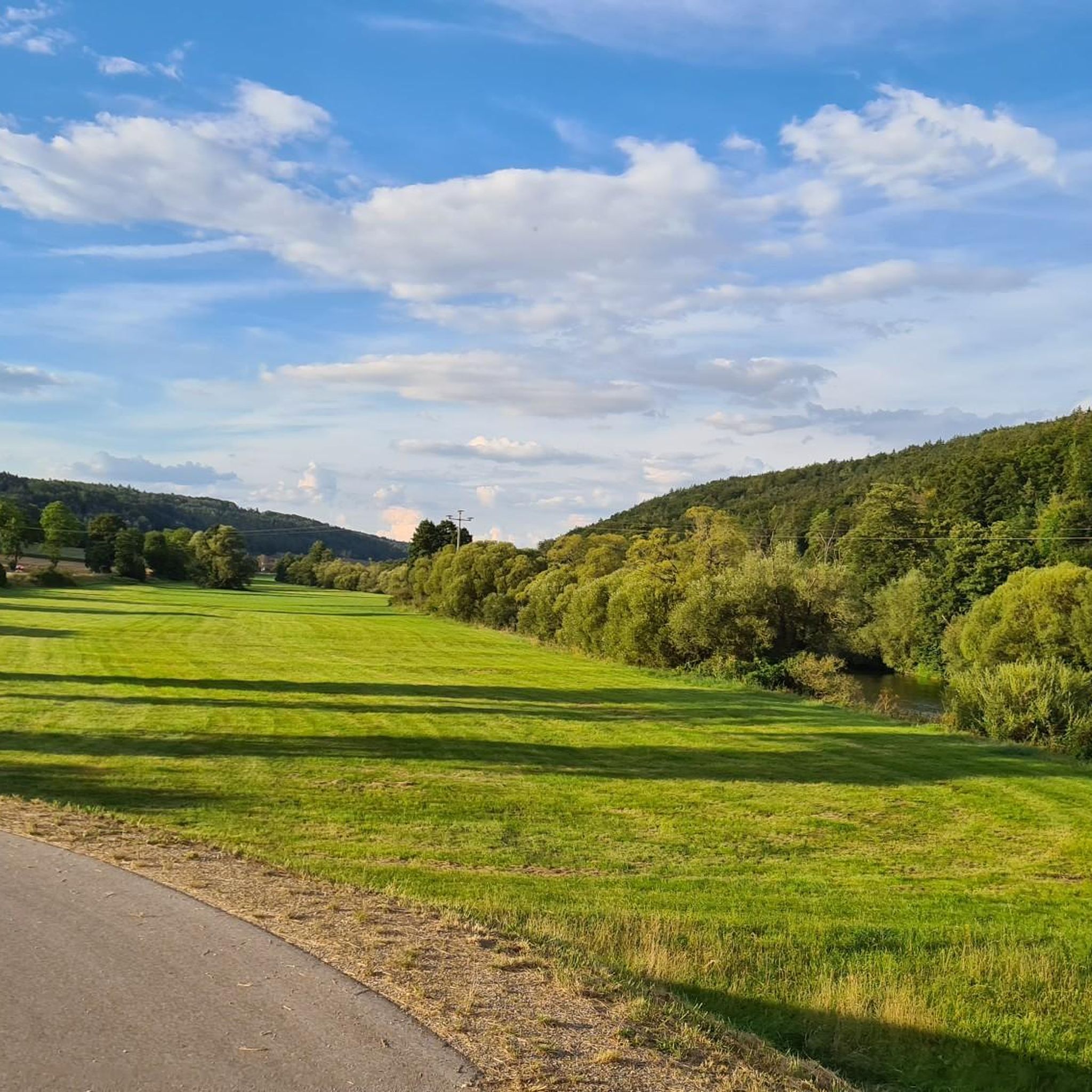
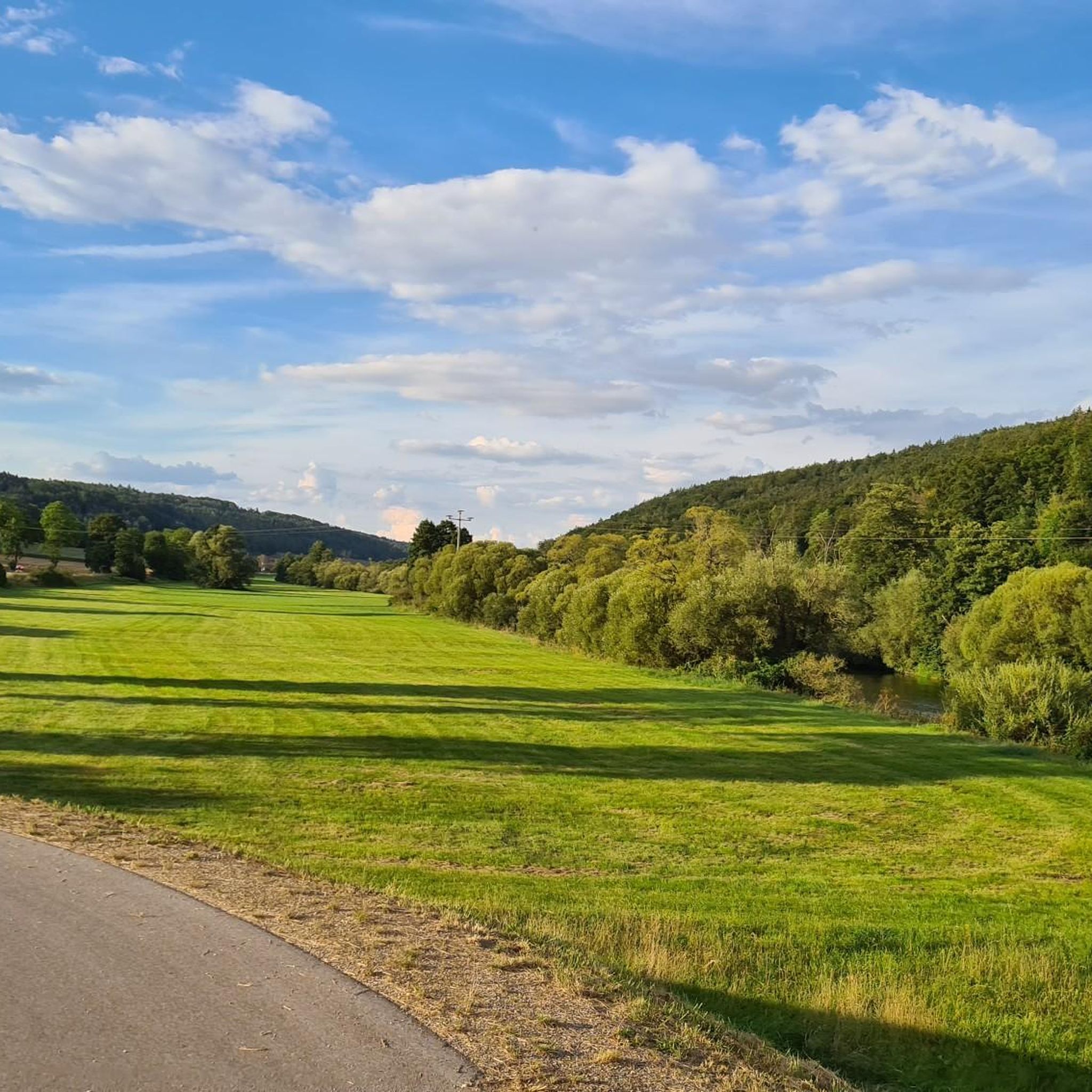
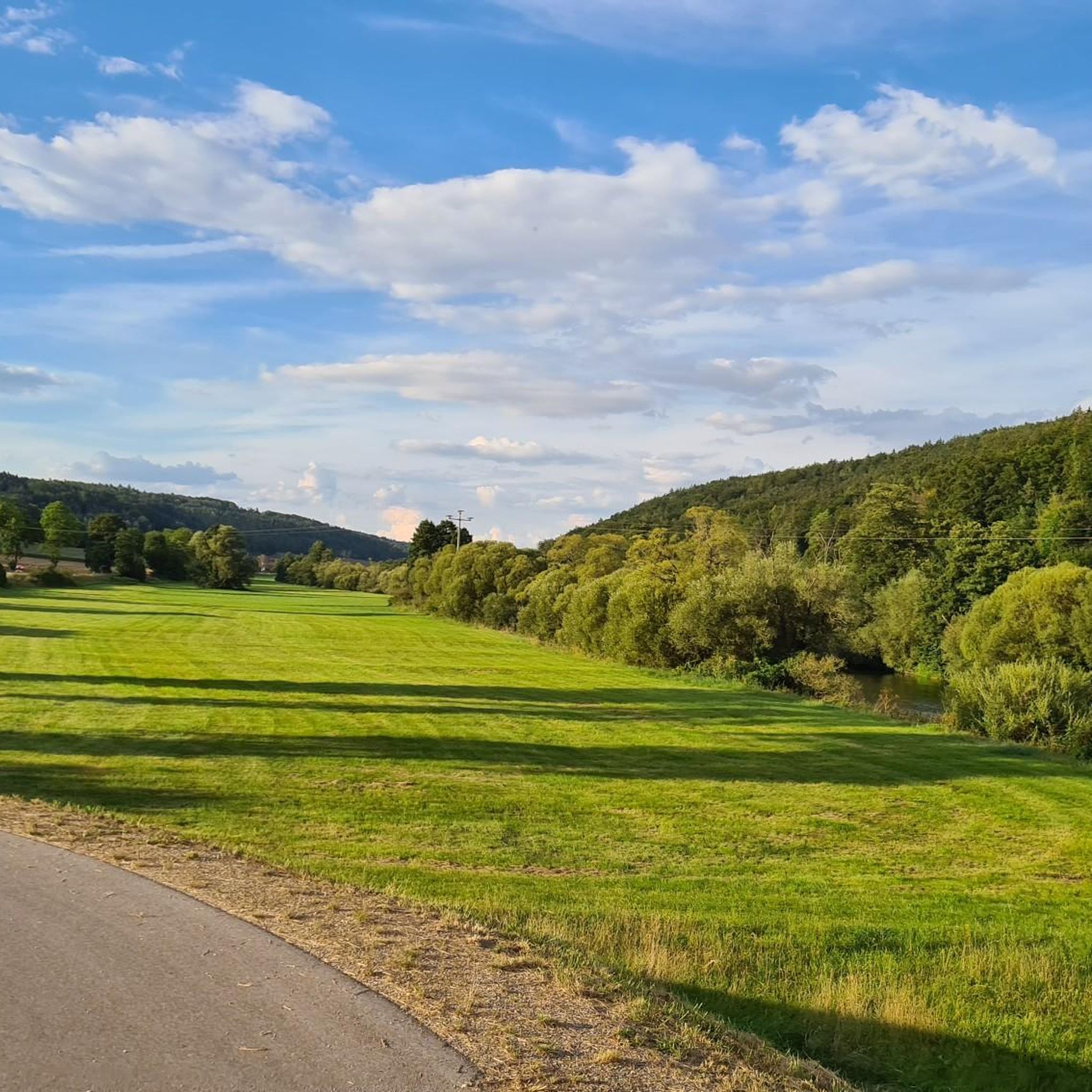
Beautiful dry grass slope with Jura rocks and a great view down into the Labertal to Schönhofen
4
0

the vils The Vils rises in Kleinschönbrunn in the market town of Freihung in the district of Amberg-Sulzbach. On its first five kilometers, it initially flows north-northeast towards Freihung. At the south-west edge of the town, it turns abruptly to the west and crosses the densely wooded landscape with the Forstlohe in the south and the Grafenwöhr military training area in the north, crossing into the district of Vilseck. There it turns south-southeast and then flows through the districts of the market town of Hahnbach and the municipality of Poppenricht. Then, on its middle course, it crosses the independent city of Amberg, the largest town on its banks. In a constant direction, it runs through the districts and main towns of the municipalities of Kümmersbruck and Ensdorf. When it enters the area of Markt Rieden, it continues to flow approximately to the south and then, in the following Markt Schmidmühlen, from the right takes in the Lauterach, which is almost 35 kilometers long and by far its longest tributary. On the rest of the lower course, the Hohenfels military training area in the district of Neumarkt in der Oberpfalz borders on the right, which is briefly opposite the urban district of Burglengenfeld in the district of Schwandorf. It then flows into the lower Naab after about 87 kilometers at the market town of Kallmünz in the district of Regensburg. Source: excerpts from Wikipedia
2
0
Quiet area, beautiful nature
2
1

Narrow but not too difficult trail between impressive rocks and rough meadows. Great view of the Labertal. Definitely worth seeing!
5
3

Nice narrow path. In rainy weather, the clay soil is quite slippery. It gets slippery, especially down the slope. Very scenic; Everything was colorful here in autumn 🍁🍂
2
1
Frequently Asked Questions
What types of natural monuments can I explore around Duggendorf?
Duggendorf's natural monuments offer a diverse range of features, from ancient caves and impressive rock formations to river valleys and expansive viewpoints. You can explore sites like Robber's Cave, a Jurassic-era cave, or the mighty rock faces of Labertal Wall, Schönhofen. The region is also known for its limestone cliffs and species-rich dry grasslands, as seen along the Alpiner Steig.
Are there any natural monuments suitable for families with children?
Yes, several natural monuments around Duggendorf can be enjoyed by families. Robber's Cave offers an exciting, publicly accessible exploration opportunity that children often find fascinating. The Alpiner Steig, while requiring good shoes and surefootedness, is a beautiful trail with impressive rock formations and views that can be a rewarding experience for active families.
What are some notable viewpoints among the natural monuments?
Many natural monuments in the Duggendorf area offer stunning panoramic views. The Labertal Wall, Schönhofen provides a wonderful vista over the landscape. The Lower Alpine Trail also boasts great views of the valley and unique rock formations. Further afield, the Breitenauer Riegel Summit offers expansive views over the Danube valley, and Klosterstein Summit provides a wide panorama of the Bavarian Forest.
Can I go hiking or running near these natural monuments?
Absolutely. The natural monuments are often integrated into or surrounded by extensive trail networks. For hiking, you can find numerous routes, including moderate trails like the 'Klosterwirtschaft Pielenhofen – Narrow forest trail in the Naab Valley loop'. If you prefer running, there are options such as the 'Baldursstube loop'. You can explore more options on the Hiking around Duggendorf and Running Trails around Duggendorf guide pages.
Are there opportunities for climbing or bouldering?
Yes, the region offers specific spots for climbing enthusiasts. The Labertal Wall, Schönhofen is a well-known climbing area with mighty rock faces like Nixenwand and Eisenbahnerwand, where you can often observe climbers in action. Additionally, the Hausstein Chimney and Rock Formation is a good spot for bouldering, featuring huge rock formations along its summit ridge.
What is the best time of year to visit the natural monuments around Duggendorf?
The natural monuments around Duggendorf can be enjoyed throughout the year, each season offering a different experience. Spring and autumn are ideal for hiking, with pleasant temperatures and vibrant foliage. In winter, areas like The Rusel are popular for cross-country skiing and snowshoe tours. For observing rock formations, early spring before the leaves fully emerge can offer clearer views, as noted for the Vils Riverside Trail and Rock Formations.
Are there any natural monuments with historical significance?
Yes, Robber's Cave holds historical significance. It was formed during the Jurassic period and, due to its strategic location overlooking the Naab, served as a good starting point for raids for many centuries. It was also likely used by the Celts and as a place of refuge.
What kind of wildlife can I expect to see?
The natural monuments and surrounding areas are home to diverse wildlife. Robber's Cave is now a habitat for numerous bats. The Confluence of the Isar and Danube Rivers, a significant nature reserve near Duggendorf, is renowned for its wetlands and the many species of rare flora and fauna found there, making it an excellent spot for biodiversity observation.
Are there any natural monuments that are particularly unique or 'hidden gems'?
The Confluence of the Isar and Danube Rivers, located between Plattling and Deggendorf, is a unique and significant nature reserve. It's renowned for its wetlands and exceptional biodiversity, offering insights into river ecosystems. While not a 'hidden gem' in terms of being unknown, its ecological importance and the Infohaus Isarmündung make it a distinct and valuable natural monument to explore.
What do visitors appreciate most about the natural monuments here?
Visitors frequently praise the stunning natural beauty and the diverse experiences offered. They enjoy the impressive rock formations, the idyllic trails, and the magnificent views. The Alpiner Steig, for example, is described as an 'extremely impressive and very special piece of nature' with 'beautiful grassy slopes and great rock formations'. The opportunity to explore geological features and observe nature is highly valued.
Can I combine a visit to a natural monument with other outdoor activities?
Absolutely. The Duggendorf region, being part of the Bavarian Forest Nature Park, is perfect for combining visits. You can hike along the Vils Riverside Trail, which features rock formations and a small cave, and then continue with a longer cycling tour. There are dedicated Road Cycling Routes around Duggendorf that pass through scenic areas, allowing you to experience both the natural monuments and the wider landscape.
Is there public transport available to reach these natural monuments?
While specific public transport routes directly to every natural monument can vary, Duggendorf itself is accessible. For detailed information on reaching specific natural areas by public transport, it's advisable to check local transport schedules. Many natural monuments are best accessed by car, with parking available nearby, or as part of longer hiking or cycling routes originating from accessible towns.
Most popular routes around Duggendorf
Most popular attractions around Duggendorf

Get inspired with the komoot mobile app


Explore more
Extend your search for the best caves by checking out these guides of the top ones around Duggendorf:
