Top 20 Natural Monuments around Bruck in der Oberpfalz
Natural monuments around Bruck in der Oberpfalz offer diverse outdoor experiences in the Upper Palatinate region of Bavaria, Germany. The area features a landscape characterized by forests, lakes, and unique geological formations. Visitors can explore various natural features, including nature reserves and historical sites integrated into the natural environment. The region provides opportunities for hiking and appreciating the local ecology.
Best natural monuments around Bruck in der Oberpfalz
- The most popular natural monuments is Wobbling Stone, a natural monument…
Last updated: October 11, 2026
Weichselbrunner Weiher Nature Reserve
Highlight • Lake
Translated by Google •
Tip by

Wobbling Stone
Highlight • Natural Monument
Translated by Google •
Tip by

Sign up now to discover places like this
Get recommendations on the best single tracks, peaks, & plenty of other exciting outdoor places.
Schwandorf Lake District
Highlight • Lake
Translated by Google •
Tip by
Lobenstein Castle Ruins
Highlight • Castle
Translated by Google •
Tip by

Rail trail in Naturpark Oberer Bayerischer Wald
Highlight (Segment) • Cycleway
Translated by Google •
Tip by

Sign up for free to discover even more natural monuments around Bruck in der Oberpfalz.
Already have an account?
Start today with a free account
Your next adventure awaits.
Popular around Bruck in der Oberpfalz
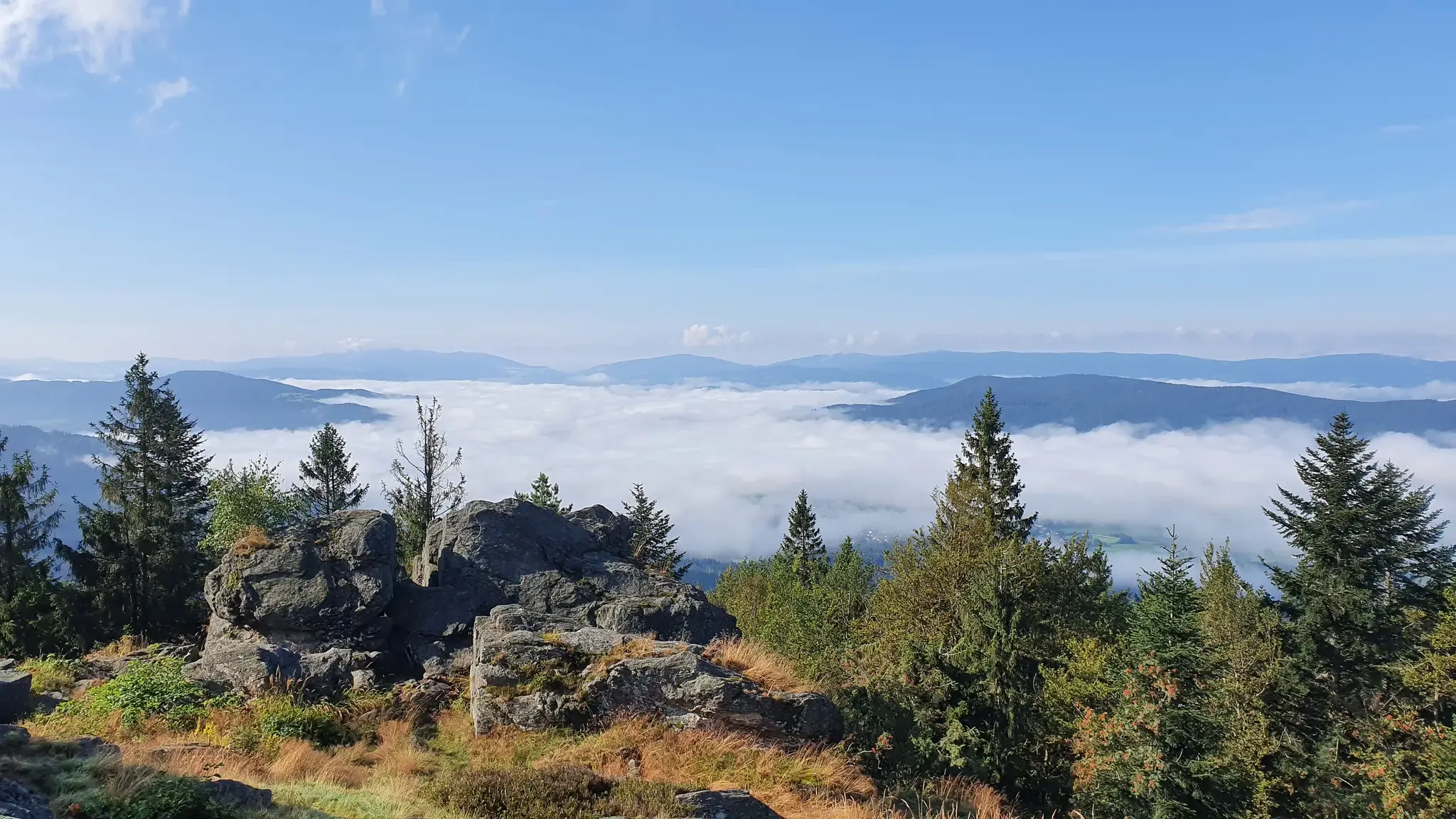
The Goldsteig – 38 stages between Upper Palatinate and Passau
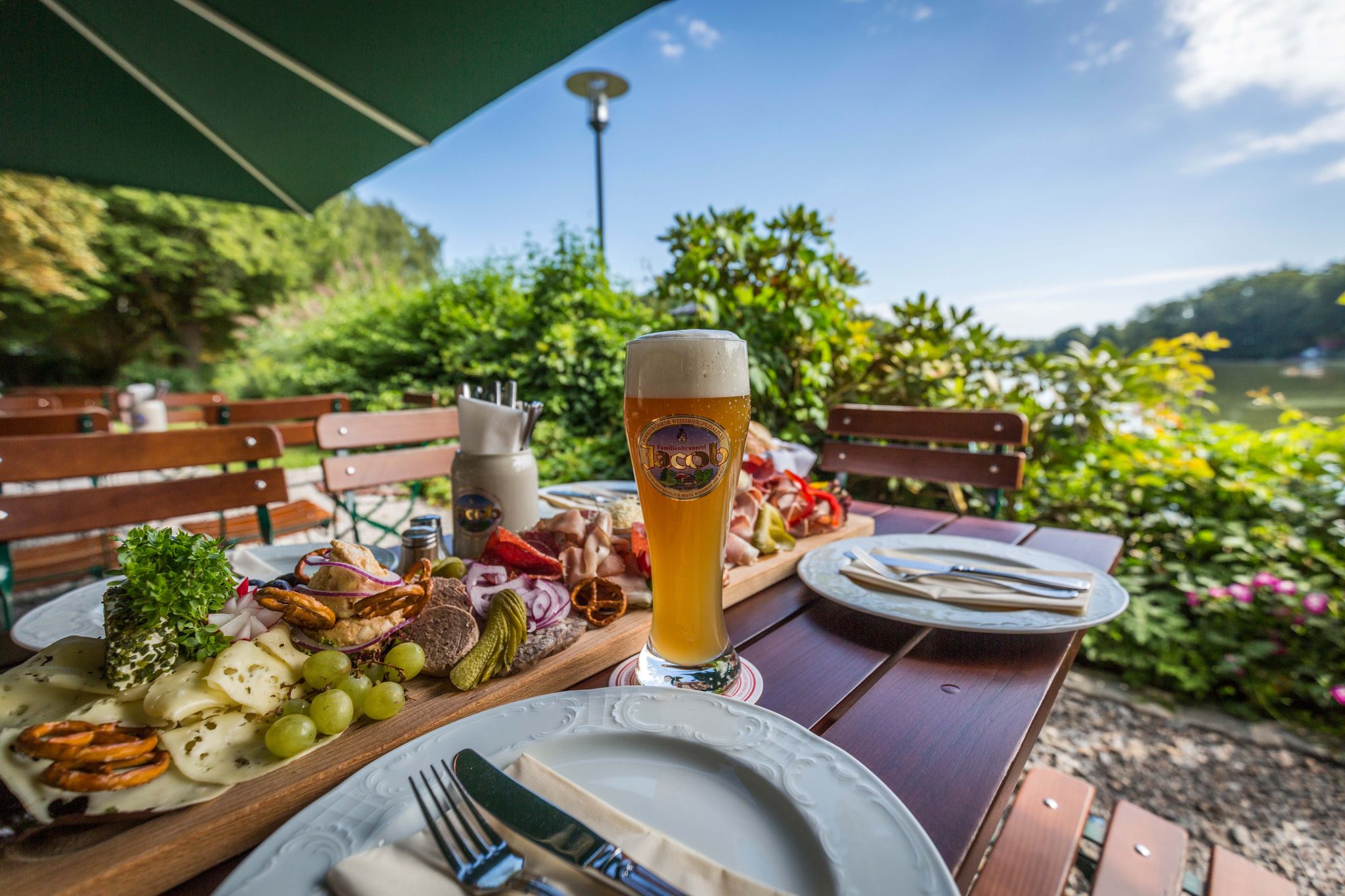
Hiking to the Inns — culinary hikes in the Upper Palatinate Forest
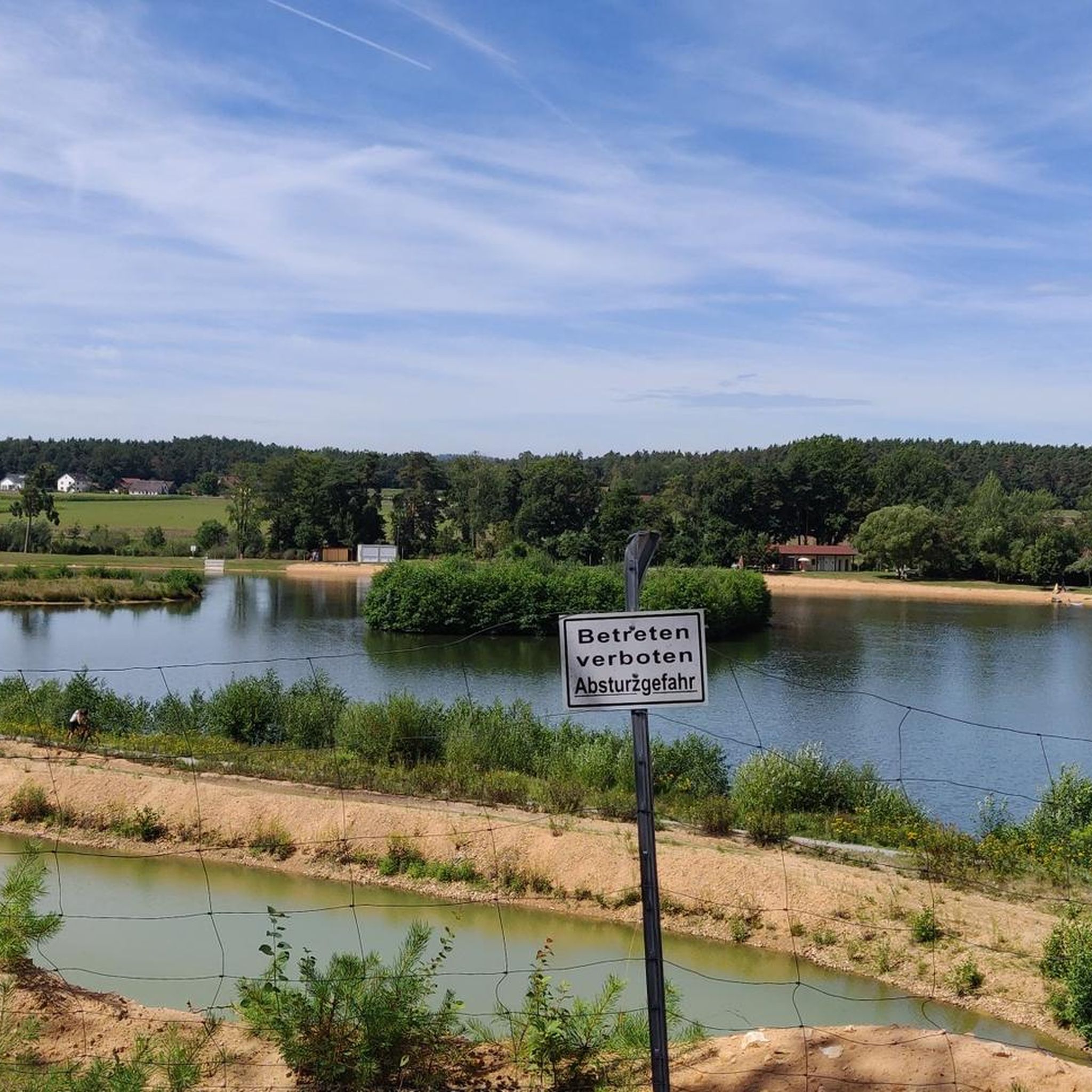
Cycling around Bruck in der Oberpfalz
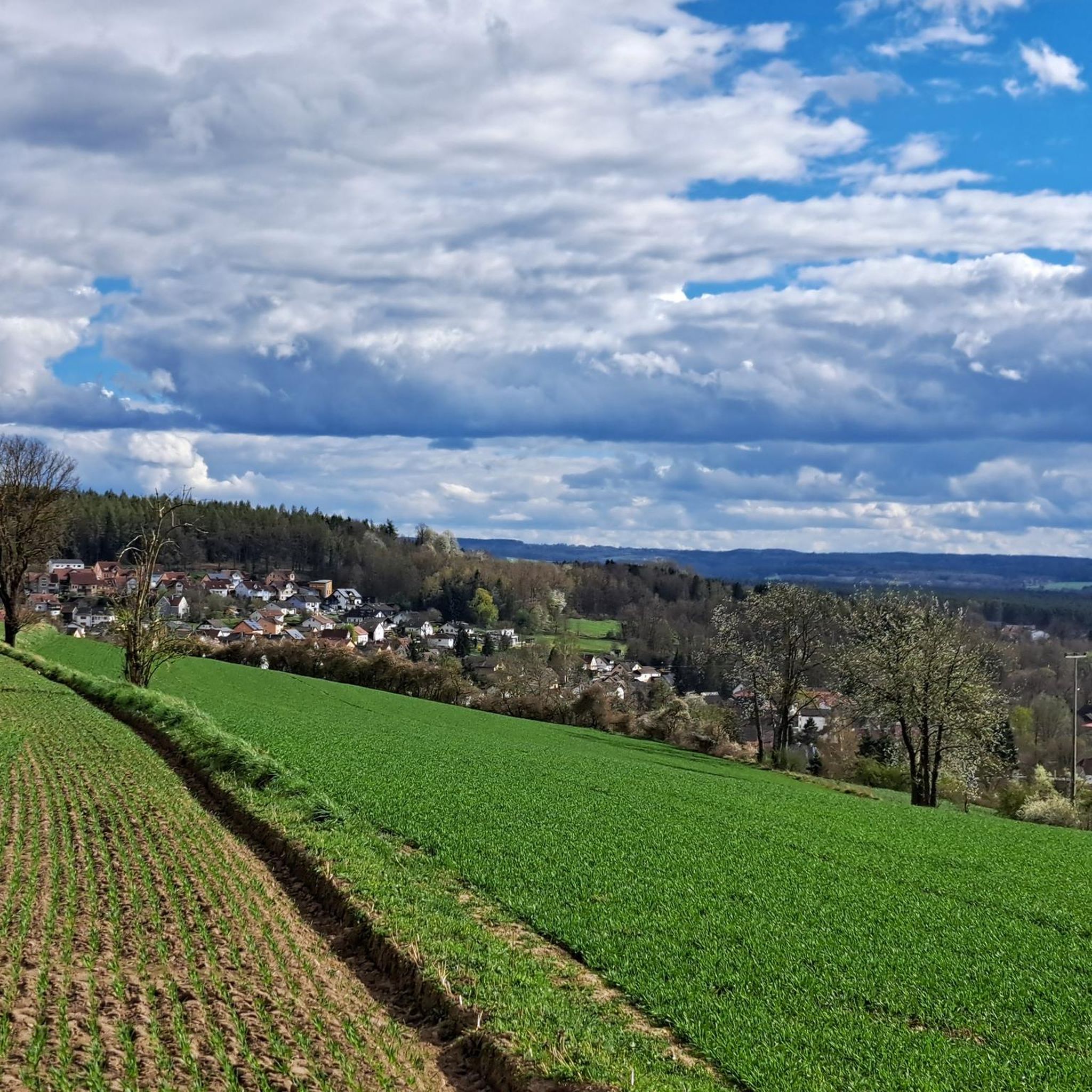
Hiking around Bruck in der Oberpfalz

Gravel biking around Bruck in der Oberpfalz
Road Cycling Routes around Bruck in der Oberpfalz
Running Trails around Bruck in der Oberpfalz
MTB Trails around Bruck in der Oberpfalz


Tips from the Community

A very beautiful railway line cycle path with a moderate gradient and almost entirely surrounded by beautiful nature. There are rest stops at regular intervals along the path, and several newly constructed playgrounds also invite you to linger. Coming from Regensburg, the surface is initially asphalt, later changing to gravel.
4
2

Lake Murn is a wonderful destination for cyclists and hikers. 🚴♂️🚶♀️ With a great view and a well-maintained cycling and hiking path around the lake, it offers ideal conditions for a relaxed tour. Whether you want to jog, go on a bike ride or just enjoy nature - Lake Murn is a good choice. The clear, blue lake and the quiet surroundings invite you to linger and offer a relaxing break from everyday life. Pack your backpack and explore this beautiful place - it's worth it!
2
0

Lobenstein Castle Ruins Around 1150, Othmar and Rizman von Lobeneck appear in local documents as ministerials of the Margrave of Cham. It is uncertain whether the nobility was referring to the later Lobenstein Castle. We are on safe ground in 1340, when Eberhard von Hof buys an existing "purkstal near Zelle" from Eiban von Peilstein and receives permission from Emperor Ludwig the Bavarian to build there in return for the right to open it. From 1342, Eberhard calls himself Hofer von Lobenstein. He manages a Hofmark in Zell for Bavaria and appoints judges there. After the castle is destroyed by the Hussites at the beginning of the 15th century, the Hofers run into financial difficulties and become robber barons. In 1443, Duke Albrecht III of Bavaria occupied the castle because Degenhard Hofer had killed some of his subjects. Hans Hofer's part of the castle was taken away from him by Count Palatine Otto II in 1468 for similar crimes. From 1489, Dietrich Hofer was a member of the Löwler Knights' League, which opposed the Bavarian Duke. He conquered the castle and only returned it to Dietrich's son Wolf in 1507. In 1530, Lobenstein became part of the Palatinate, but after the damage it was probably never properly inhabited again. The Hofers remained the owners because nobody wanted to buy the ruins. The last Hofer to live in Lobenstein was Hans Georg, who had to leave his domain in 1629 because of his Protestant faith. The Bavarian-occupied Lobenstein Castle was probably finally destroyed by the Swedes in 1633. It has remained a ruin ever since. All that is left of Lobenstein Castle today is the residential tower, which seems to literally grow out of the stone of the granite rock tower. The slightly raised entrance was protected by a round wall tower on the southeast corner. Instead of simple beamed ceilings, barrel vaults were built on Lobenstein with plaster that is still clearly visible today. The residential tower has 3 floors and is 18 m high with a wall thickness of 2.5 m. The walls are built from rough rubble stone and the corners are made of ashlars. In the lower regions between these rocks, remains of walls can still be found that stand out clearly from the rest and could have come from the previous castle. In the basement there are a few narrow light slits, while the larger windows on the upper floors have comfortable seating niches. On the northwest corner of the second floor, the consoles of a toilet bay can still be seen. Source: Excerpts from www.burgenseite.de
6
0

Great bike route to Falkenstein
0
0

The four largest lakes, Steinberger See, Murner See, Brückelsee and Knappensee, form the heart of the Upper Palatinate Lake District; in total there are over 2,000 ponds and 300 lakes. Lake Steinberger offers countless opportunities for relaxation, sport and leisure, the most outstanding being the adventure wooden ball, the largest of its kind in the world. From its viewing platform at a height of around 40 meters you have a wonderful view of the lake and the surrounding area.
6
1

I really liked the very natural and idyllic little path around the Weichselbrunn pond.
1
0

Definitely high if you're in the area. Very nice.
5
0
A highlight, of course. Definitely go up to the Schlossberg.
2
0
Frequently Asked Questions
What are some family-friendly natural attractions around Bruck in der Oberpfalz?
For families, the Weichselbrunner Weiher Nature Reserve offers an easy 3 km circular path suitable for all ages. The Wobbling Stone is also a fun spot with large boulders to explore. Additionally, the Sandoase Sulzbach, a former quarry lake, provides a sandy beach, swimming, a playground, and a fitness trail, while the Keltischer Baumkreis (Celtic Tree Circle) near Sollbach is an educational and easy walking trail.
Are there any unique geological features to explore?
Yes, the Wobbling Stone is a notable natural monument featuring large boulders. Although it no longer wobbles due to being secured, climbing on the rocks offers nice views to the west. The Schwandorf Lake District, formed from former lignite mining areas, also presents a unique landscape with numerous lakes.
What kind of outdoor activities can I do near these natural monuments?
The region around Bruck in der Oberpfalz is excellent for various outdoor activities. You can enjoy hiking on trails like the circular path around Weichselbrunner Weiher Nature Reserve. Cycling is popular on the Rail trail in Naturpark Oberer Bayerischer Wald, a well-developed path on a former railway line. For more options, explore the many hiking routes or road cycling routes in the area.
Are there any historical sites integrated with the natural environment?
Yes, the Lobenstein Castle Ruins offer a blend of history and nature. This former Adelsburg is freely accessible and provides a beautiful vantage point from its lookout tower at 564 meters, allowing visitors to ponder the past amidst scenic surroundings.
Where can I find lakes or water-based natural attractions?
The Weichselbrunner Weiher Nature Reserve features a beautiful lake and forest area with a protected ecosystem. The Schwandorf Lake District is also a significant attraction, comprising over 2,000 ponds and 300 lakes, including the large Steinberger See, Murner See, Brückelsee, and Knappensee, offering numerous leisure activities.
What is the 'Rail trail in Naturpark Oberer Bayerischer Wald' like for cycling?
The Rail trail in Naturpark Oberer Bayerischer Wald is a very well-developed bike path built on a former railway line. This means it has gradual inclines, making it enjoyable for cyclists. It passes through several protected nature conservation areas, offering scenic views. The surface varies from asphalt to gravel.
What can I expect at the Sandoase Sulzbach?
The Sandoase Sulzbach is a popular local recreation area, formerly a quarry lake. It features a beautiful sandy beach, a designated swimming area, a large sunbathing lawn, beach volleyball, a bouldering wall, a climbing net, and a children's playground. There's also a 3.2 km '4Fcircle' fitness trail and a 'Sand-Erlebnis-Weg' nature trail. A kiosk, changing rooms, and sanitary facilities are available.
Is there an educational nature trail in the area?
Yes, the Keltischer Baumkreis (Celtic Tree Circle) near Sollbach is an educational hiking trail. This 2.4 km to 3.6 km circular path features various trees, each representing a 'birth tree' according to Celtic traditions. Visitors can learn about the properties associated with their personal tree and connect with nature and local folklore.
What makes the Weichselbrunner Weiher Nature Reserve special?
The Weichselbrunner Weiher Nature Reserve protects over one hundred hectares of dry, lichen, and dwarf shrub-rich pine forests, typical for the Bodenwöhrer bay. It's home to many rare animal and plant species. A 3 km circular path allows visitors to explore this diverse ecosystem, but it's important to stay on the signposted paths to protect the sensitive environment.
What do visitors particularly enjoy about the natural monuments around Bruck in der Oberpfalz?
Visitors appreciate the diverse outdoor experiences, from tranquil nature reserves to scenic viewpoints. The Wobbling Stone is enjoyed for its large boulders and views, while the Weichselbrunner Weiher Nature Reserve is valued for its protected dry pine forests and circular path. The well-developed Rail trail is also a community favorite for cycling through natural conservation areas.
Are there any viewpoints offering panoramic scenery?
Yes, both the Wobbling Stone and the Lobenstein Castle Ruins provide excellent viewpoints. From the Wobbling Stone, you can enjoy nice views to the west, while the lookout tower at Lobenstein Castle Ruins, situated at 564 meters, offers a beautiful panoramic perspective of the surrounding landscape.
Can I find opportunities for gravel biking near the natural monuments?
Absolutely. The region offers several gravel biking opportunities. For instance, you can explore routes like the 'Schwarzachtal Cycle Path – View of Lake Murnersee loop' or the 'Hammersee Bodenwöhr – Reichertweiher loop'. More detailed information and routes can be found in the Gravel biking around Bruck in der Oberpfalz guide.
Most popular routes around Bruck in der Oberpfalz
Most popular attractions around Bruck in der Oberpfalz

Get inspired with the komoot mobile app


Explore more
Extend your search for the best caves by checking out these guides of the top ones around Bruck in der Oberpfalz:
