Top 19 Natural Monuments around Karolinenkoog
Best natural monuments around Karolinenkoog are found in a region of Schleswig-Holstein, Germany, known for its significant natural landscapes. The area is situated near the Eider Estuary, which includes the Katinger Watt Nature Reserve, and is connected to the UNESCO World Heritage Wadden Sea. These locations offer diverse natural features, from expansive wetlands to dynamic coastal ecosystems. The landscape provides habitats for numerous bird species and marine life, shaped by the Eider River and the North Sea.
Best natural monuments…
Last updated: November 21, 2026
Katinger Watt Nature Reserve
Highlight • Natural Monument
Translated by Google •
Tip by

Kiek-Ut view in the Katinger Watt
Highlight • Viewpoint
Translated by Google •
Tip by

Sign up now to discover places like this
Get recommendations on the best single tracks, peaks, & plenty of other exciting outdoor places.
Old Harbor Schülperneuensiel
Highlight • Historical Site
Translated by Google •
Tip by

Observation Tower Lundener Niederung
Highlight • Viewpoint
Translated by Google •
Tip by

Katinger Watt Nature Reserve
Highlight • Natural Monument
Translated by Google •
Tip by

Sign up for free to discover even more natural monuments around Karolinenkoog.
Already have an account?
Start today with a free account
Your next adventure awaits.
Tips from the Community

The port of Schülpersiel (often also called port Schülperneuensiel) is a small, idyllic sports boat harbor on the southern bank of the Eider in the Dithmarschen district, Schleswig-Holstein. It is located near Karolinenkoog and is mainly used by the sailing club Eiderdamm e.V. (SVED).
3
0

Here you have a good overview of the Lundener Moor
0
0

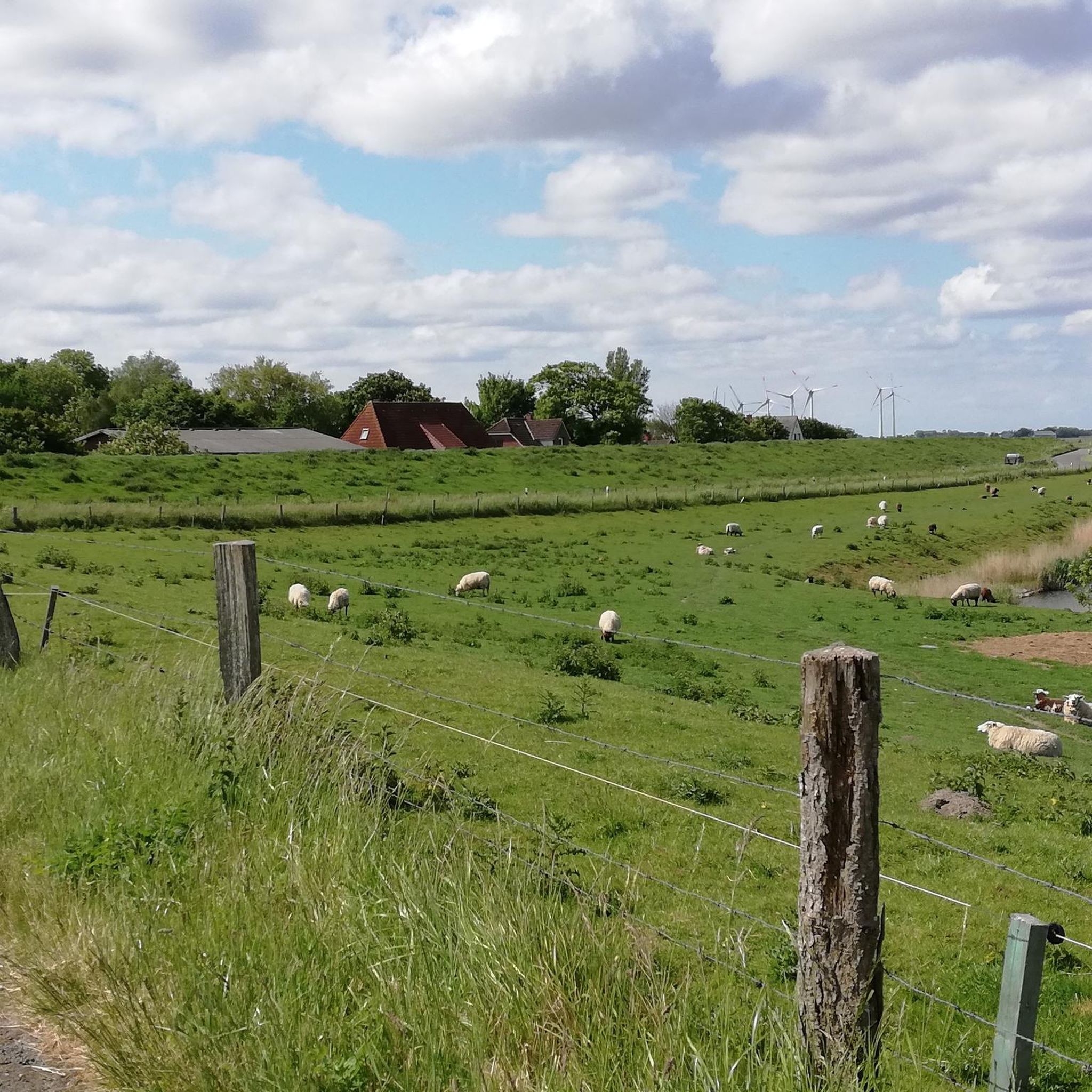
Katinger Watt The Katinger Watt is a bird sanctuary covered with meadows and forests at the mouth of the Eider river. In the early 1970s, the area was dammed and thus protected from storm surges. The Katinger Watt now offers a unique habitat for plants and animals. Walking paths invite you to hike and experience nature.
3
0

Very beautiful especially at sunset
0
1

A beautiful spot, pure nature
3
0

From here we saw a deer with a fawn.
0
0

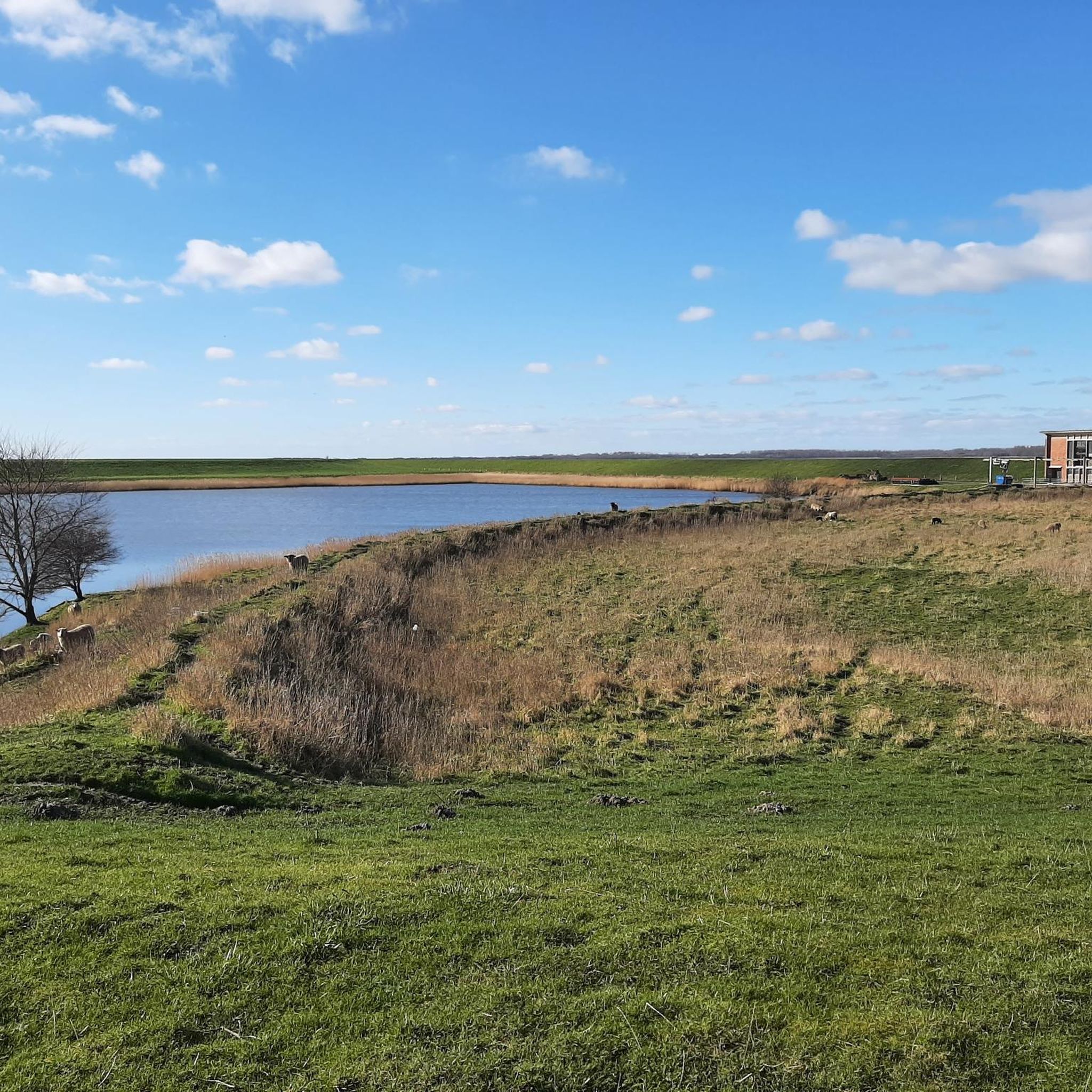
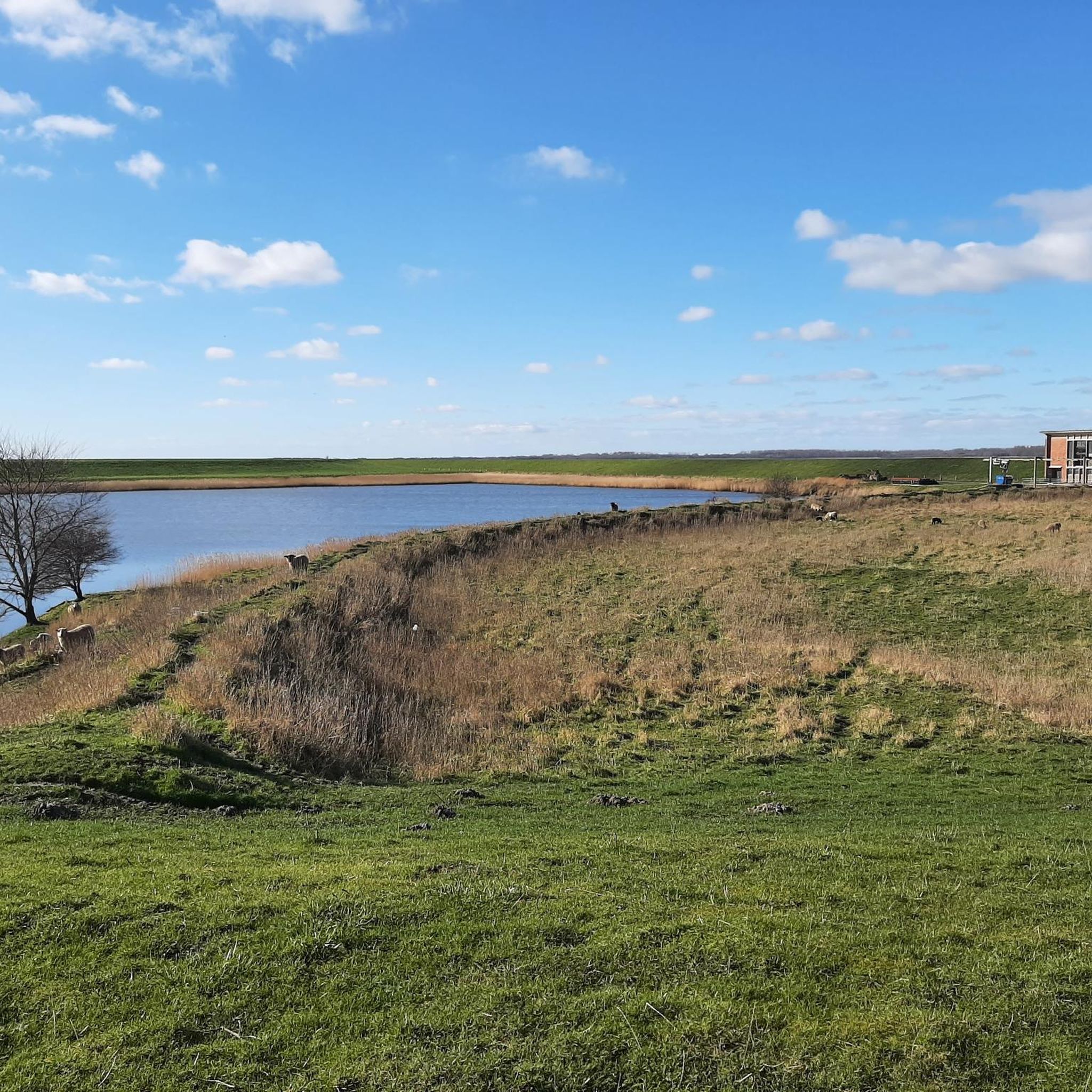
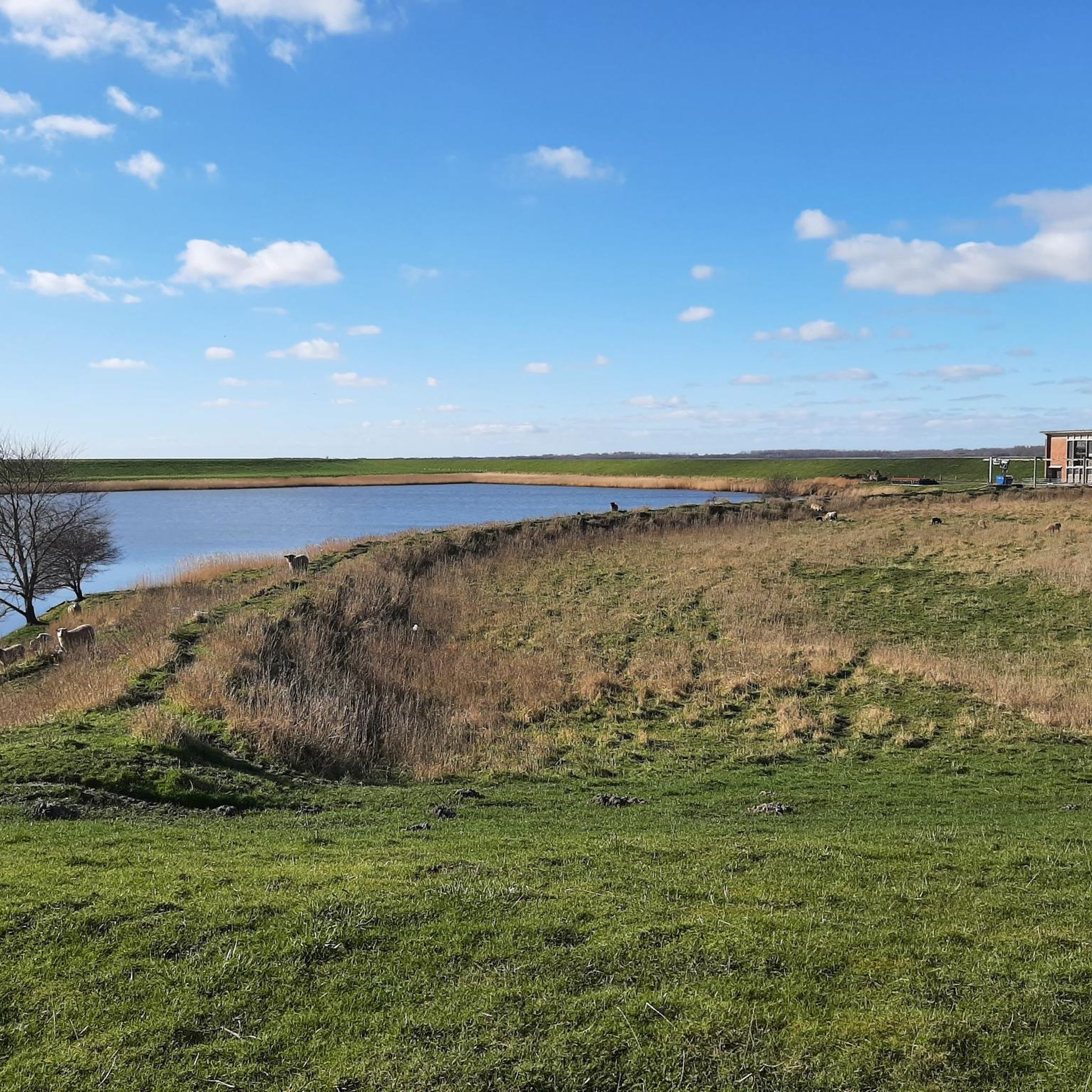
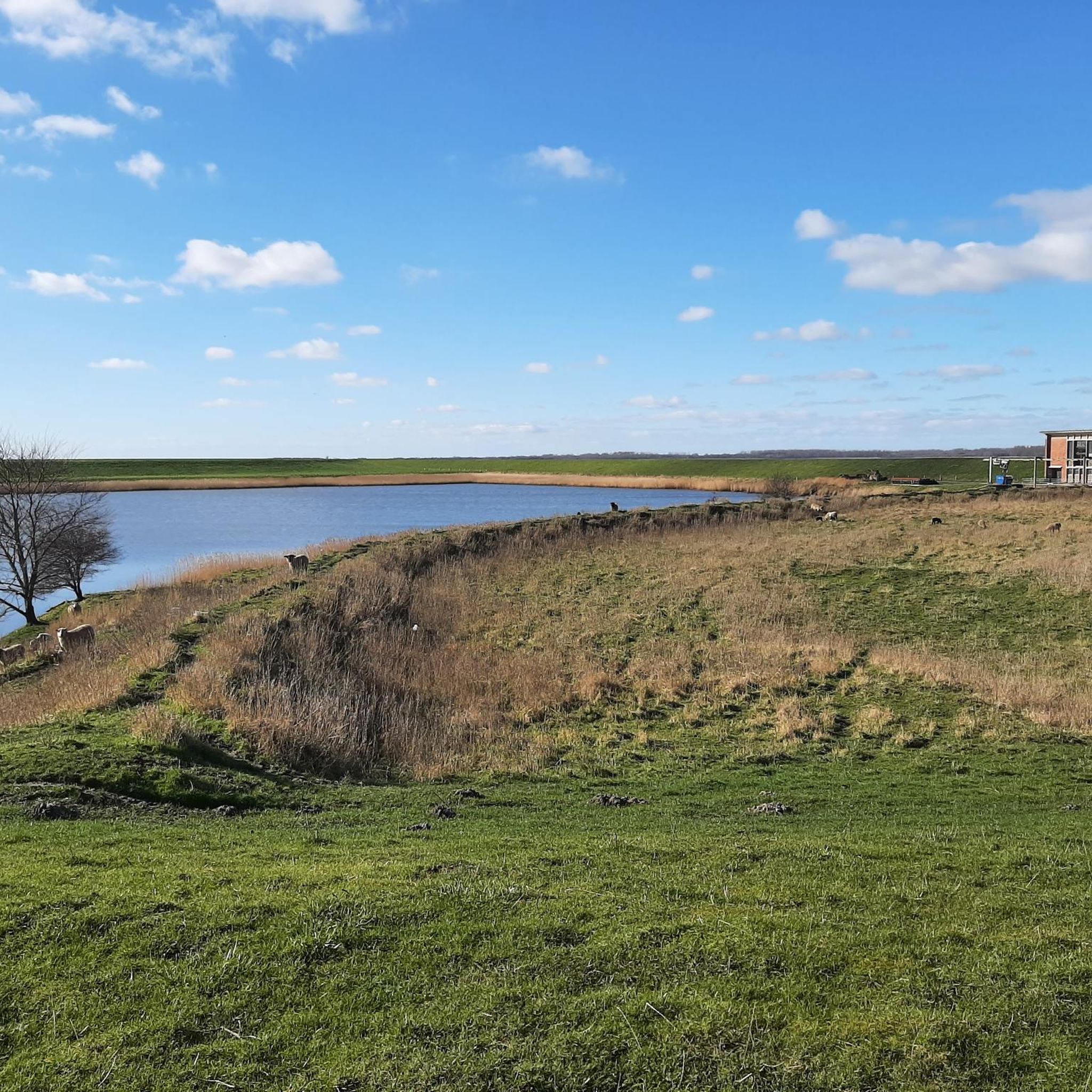
The port of Schülperneuensiel is located in the dike foreland on the south bank of the Eider. Around 1600, Neuensiel was relocated to the new sea dike. When the Karolinen- and Wesselburenerkooges were re-covered, Neuensiel remained. Today's drainage sluice was built in 1964/65. This is a peak pumping station with a dyke. Normally, the dyke is used for drainage, but the pumping station is switched on when the Eider reaches peak water levels. Three pumps can pump a total of 11,400 liters per second into the Eider. The sluice associations Wesselburenerkoog, Karolinenkoog, Schülperweide, Hillgroven, Schülp, Strübbel and Neuenkirchen drain an area of 6,321 hectares here. Inside the pumping station is a five to six hectare reservoir. 75,000 cubic meters of water can be absorbed here. There used to be a lot of shipping traffic in the port. The main commodity was grain. Today the port area is leased to sailors. The Eider foreland and the tidal flats are part of a salt and brackish water area of the Eider estuary that was designated as a nature reserve in 1989 and is influenced by the tides. The characteristic plant and animal species that occur are protected on around 620 hectares. Despite the change in the tidal rhythm, the associated changes in salinity and the bank vegetation due to the construction of the Eider barrage in 1973, numerous red-listed species have found a refuge here; the Eider estuary is still considered a wetland of international importance.
3
0

At the Mötjensee near Rehm-Flehde-Bargen, a 🦅 sea eagle pair has been at home for several years. Every year 🐣 white-tailed eagle hatch here. The observation tower allows a fantastic 👀 view over the nature reserve Lundener Niederung. With a little 🍀 luck, the imposing sea eagles can be observed.
3
0
Frequently Asked Questions
What are the primary natural attractions near Karolinenkoog?
While Karolinenkoog itself doesn't have specific natural monuments, it's an excellent base for exploring significant natural landscapes nearby. Key attractions include the Katinger Watt Nature Reserve, the Eider Estuary, and the broader UNESCO World Heritage Wadden Sea. These areas offer diverse habitats, from expansive wetlands to dynamic coastal ecosystems.
What kind of natural features can I expect to see in the Katinger Watt Nature Reserve?
The Katinger Watt Nature Reserve features a diverse landscape including ponds, ditches, green and arable land, and a 350-hectare forest. It's a unique mix of freshwater and saltwater environments, providing a crucial habitat for numerous bird species and other wildlife.
Are there good spots for birdwatching near Karolinenkoog?
Yes, the region is a paradise for birdwatchers. The Katinger Watt Nature Reserve attracts numerous waders, ducks, geese, and meadow birds. Rare species like the avocet, common kingfisher, and white-tailed eagle can also be spotted. The Observation Tower Lundener Niederung is particularly known for observing sea eagles.
What are the best viewpoints to observe the natural surroundings?
You can get excellent panoramic views from several observation towers. The Kiek-Ut view in the Katinger Watt offers vistas over the nature adventure trail and the Eiderwiesen. Another great spot is the Observation Tower Lundener Niederung, which provides a view over the Lundener Niederung nature reserve, ideal for spotting sea eagles.
What outdoor activities can I do near these natural monuments?
The area around Karolinenkoog offers various outdoor activities. You can explore the natural monuments via marked hiking and cycling trails. The Eider Estuary is also suitable for canoeing. For more specific routes, you can find numerous hiking routes, road cycling routes, and running trails around Karolinenkoog.
Are there family-friendly options for visiting the natural monuments?
Yes, many areas are family-friendly. The Katinger Watt Nature Reserve has relatively easy walking paths suitable for families. Observation towers like Kiek-Ut view and Observation Tower Lundener Niederung provide engaging experiences for all ages. The NABU Nature Center at Katinger Watt also offers educational insights and guided tours.
What is the best time of year to visit the natural monuments around Karolinenkoog?
The best time to visit largely depends on your interests. Spring and autumn are ideal for birdwatching, as thousands of migratory birds use the region as a resting place. Summer offers pleasant weather for hiking and cycling. The Wadden Sea's unique mudflat walks are tide-dependent and can be experienced throughout the warmer months.
What is the significance of the Wadden Sea in this region?
The Wadden Sea, connected to the Eider Estuary, is a UNESCO World Heritage site and the largest unbroken system of intertidal sand and mud flats globally. It's a critical stopover for up to 12 million migratory birds annually and home to over 10,000 species of plants and animals, including marine mammals like seals. Its dynamic landscape is shaped by tides and winds, offering unique natural experiences.
Can I learn more about the Eider River and its importance?
The Eider River is the longest in Schleswig-Holstein and forms a significant estuary. Its wetlands and marshes are crucial for numerous bird species and diverse flora and fauna. You can find more information about the Eider River on Wikipedia.
Are there any historical sites among the natural monuments?
While primarily focused on nature, the Old Harbor Schülperneuensiel is a historical site located in the dike foreland on the south bank of the Eider. It once served as a busy port and is now part of the Eider estuary nature reserve, showcasing the interplay between human activity and natural landscapes.
What do visitors enjoy most about the natural monuments around Karolinenkoog?
Visitors particularly appreciate the rich birdlife and the opportunities for nature observation. The diverse landscapes, from the forests and wetlands of Katinger Watt to the expansive views from observation towers, are highly rated. Many find the area very informative and a beautiful place to connect with nature.
Is it possible to explore the Wadden Sea from Karolinenkoog?
Yes, Karolinenkoog's proximity to the Eider Estuary means you are close to the broader Wadden Sea. While not directly on the Wadden Sea, you can easily access areas for unique activities like guided mudflat walks (Wadlopen) at low tide, offering an intimate connection with this dynamic ecosystem. More information about the Wadden Sea's global significance can be found on UNESCO's website.
Most popular attractions around Karolinenkoog

Get inspired with the komoot mobile app


Explore more
Extend your search for the best caves by checking out these guides of the top ones around Karolinenkoog:
