Top 20 Natural Monuments around Reinhardshagen
Natural monuments around Reinhardshagen showcase the region's natural heritage, primarily featuring ancient trees and significant geological formations. Located in the Kassel district of Hesse, Germany, Reinhardshagen offers a landscape characterized by its riverine environments and forested areas. These natural landmarks provide points of interest for those exploring the local natural features and walking routes.
Best natural monuments around Reinhardshagen
- The most popular natural monuments is Confluence of the Werra and Fulda rivers, a man-made monument and natural monument where…
Last updated: October 11, 2026
Confluence of the Werra and Fulda rivers
Highlight • Monument
Translated by Google •
Tip by

Weserstein (Confluence of Werra and Fulda Rivers)
Highlight • Monument
Where Werra and Fulda kiss
You have to pay for …
Translated by Google •
Tip by

Sign up now to discover places like this
Get recommendations on the best single tracks, peaks, & plenty of other exciting outdoor places.
Ancient Oaks of the Urwald Sababurg
Highlight • Forest
Translated by Google •
Tip by

Rapp Oak
Highlight • Natural Monument
Translated by Google •
Tip by

Ancient Beech Trees at Urwald Sababurg
Highlight • Forest
Translated by Google •
Tip by

Sign up for free to discover even more natural monuments around Reinhardshagen.
Already have an account?
Start today with a free account
Your next adventure awaits.
Popular around Reinhardshagen
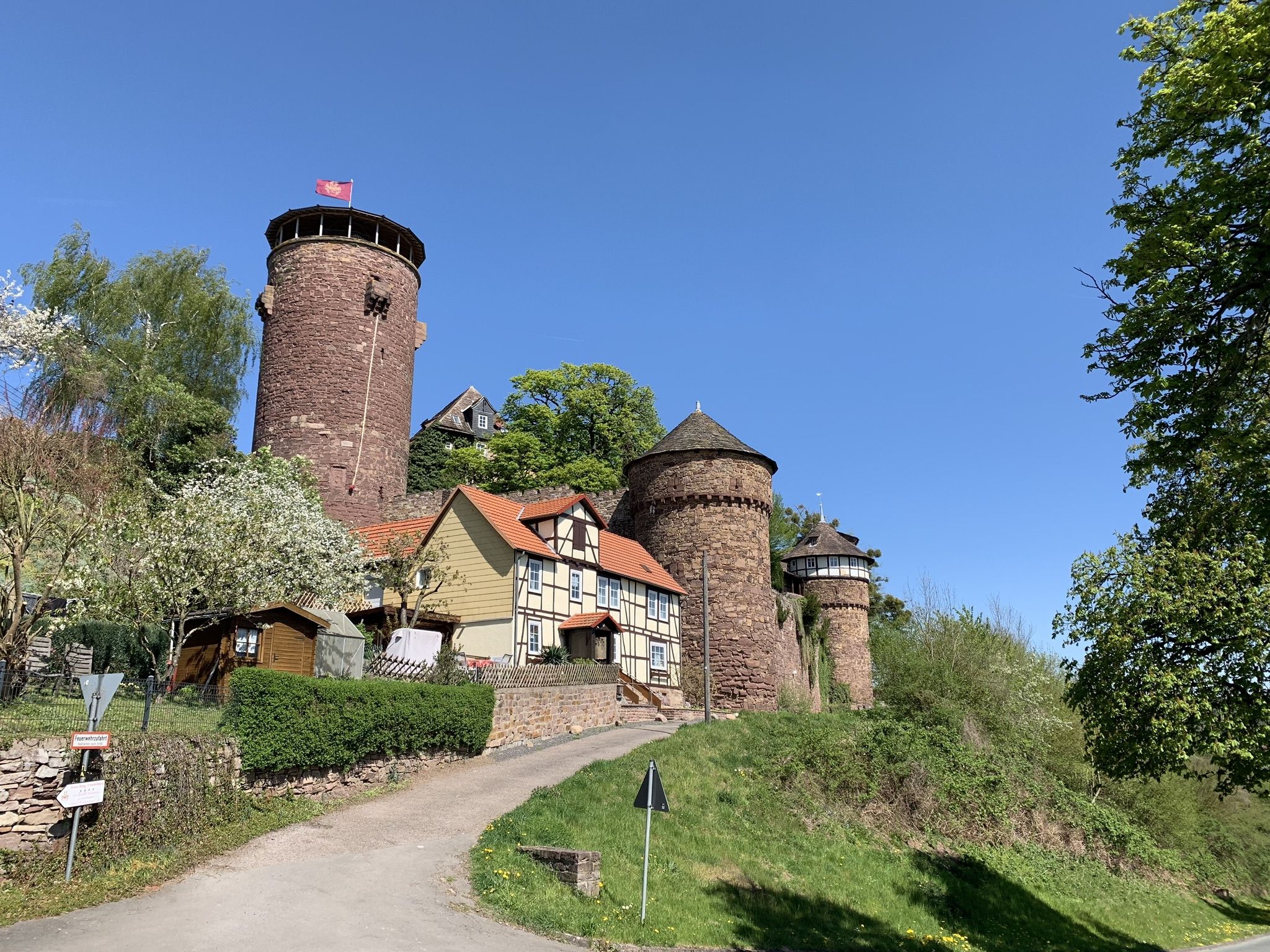
Hike the Fairy Tale Route – Enchanting days in Germany
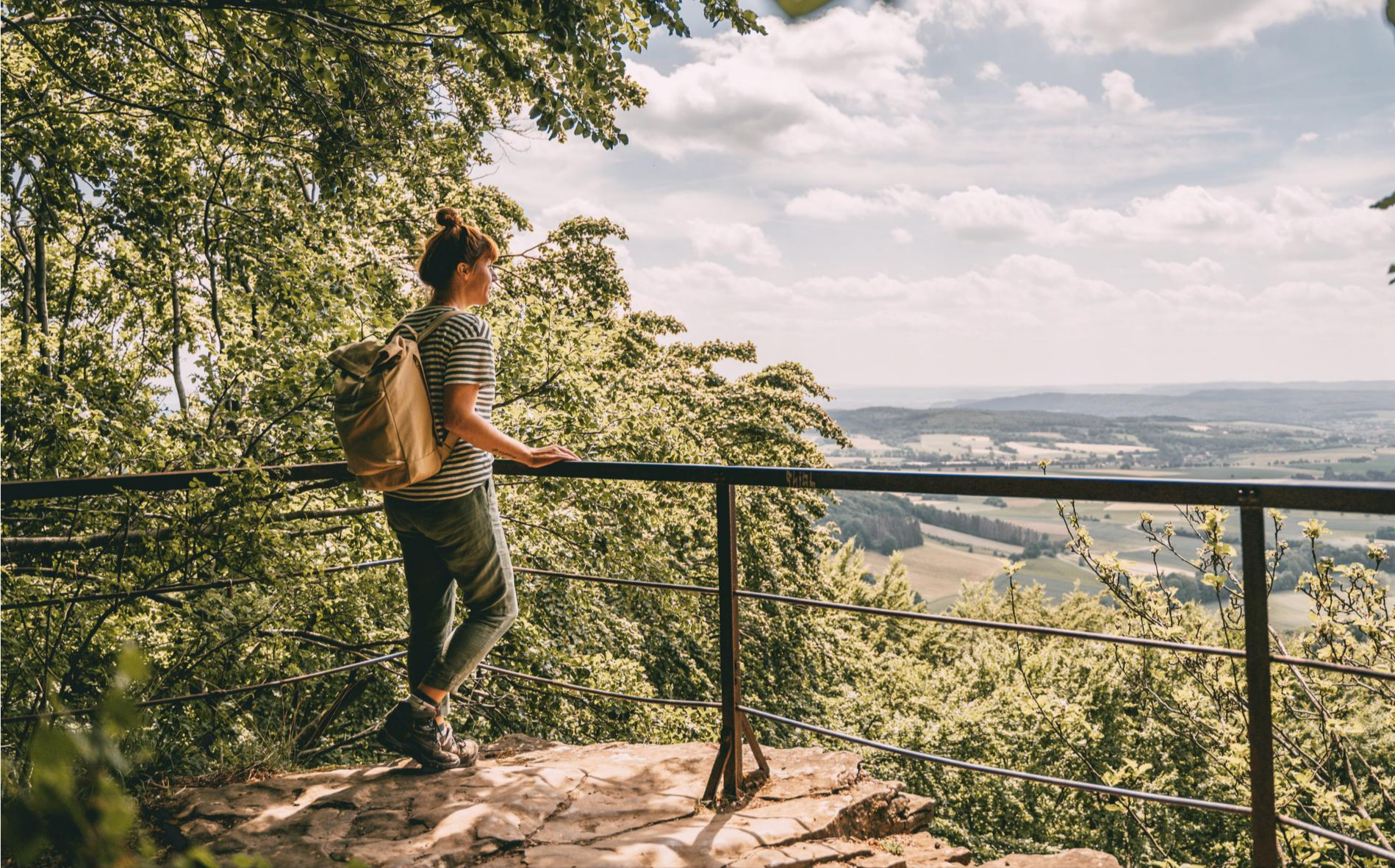
Fabulously scenic – hiking Germany’s Weserbergland Trail
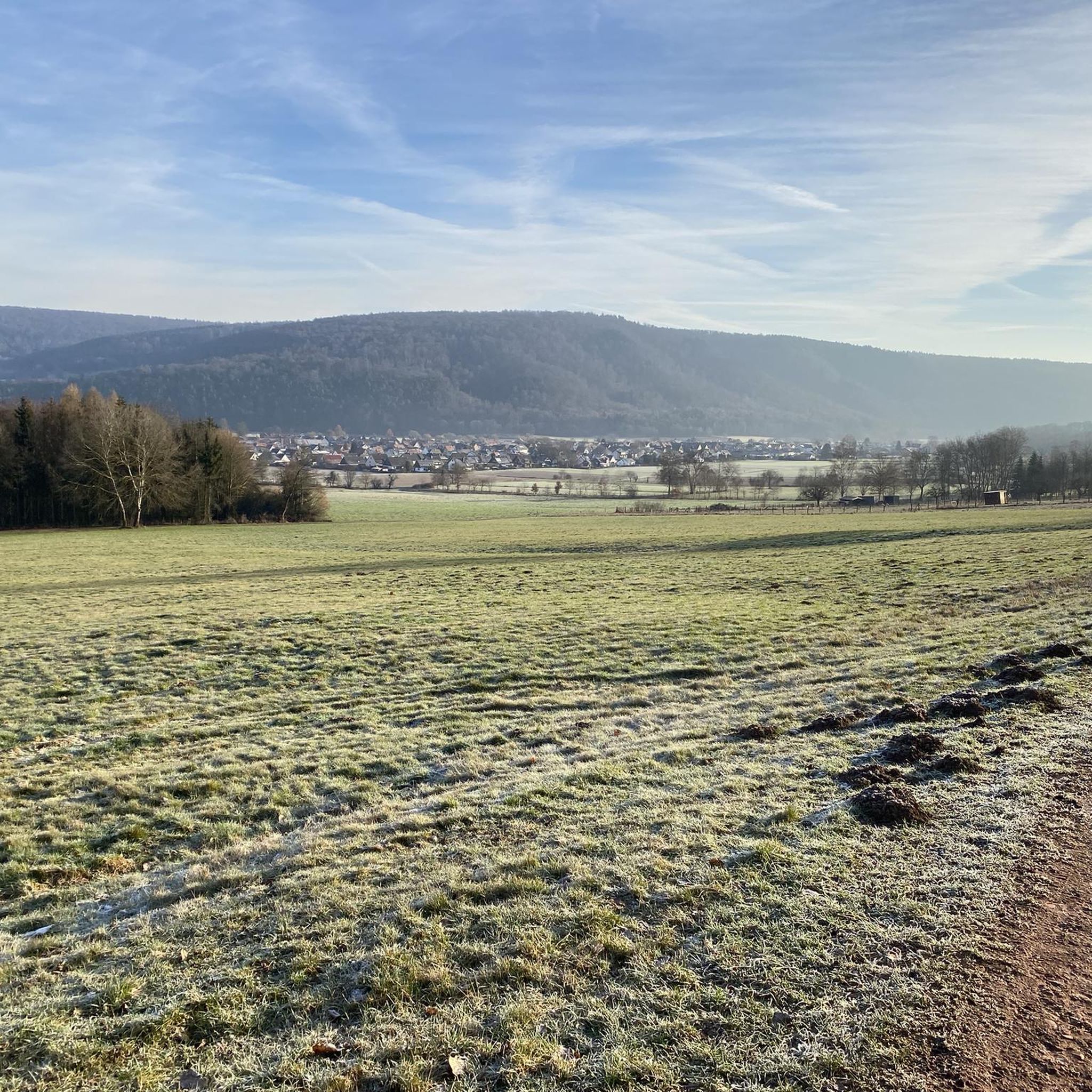
Road Cycling Routes around Reinhardshagen
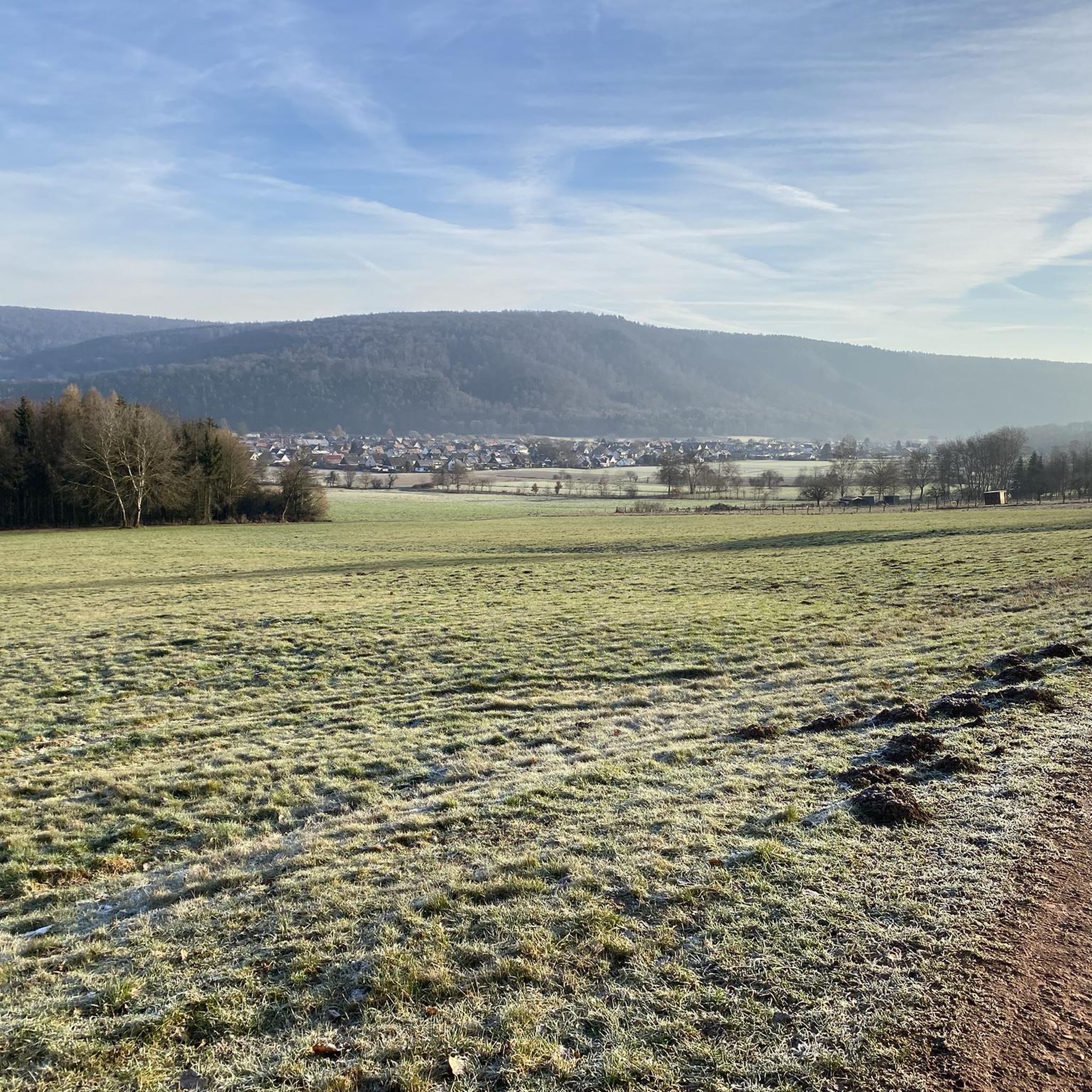
Hiking around Reinhardshagen
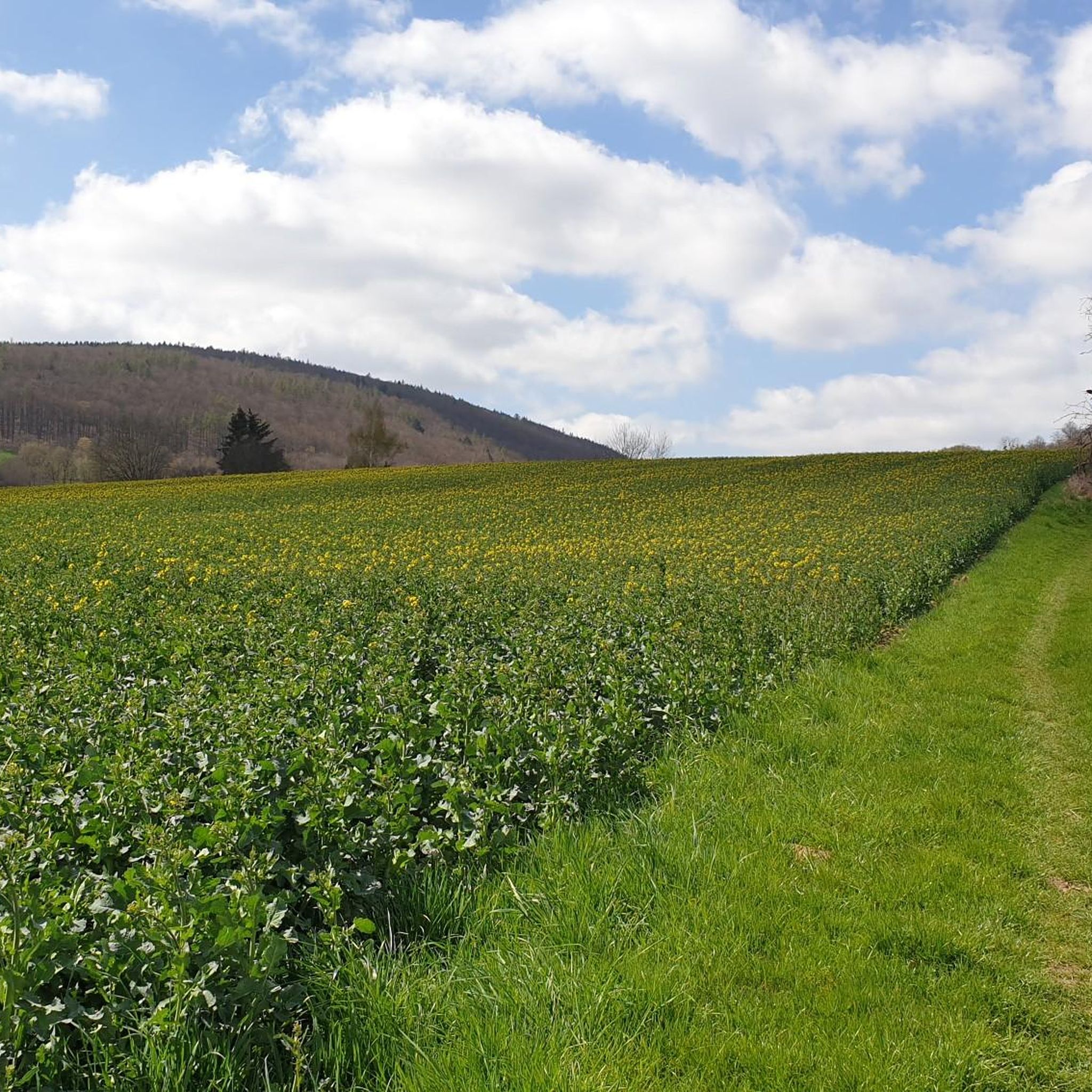
Cycling around Reinhardshagen
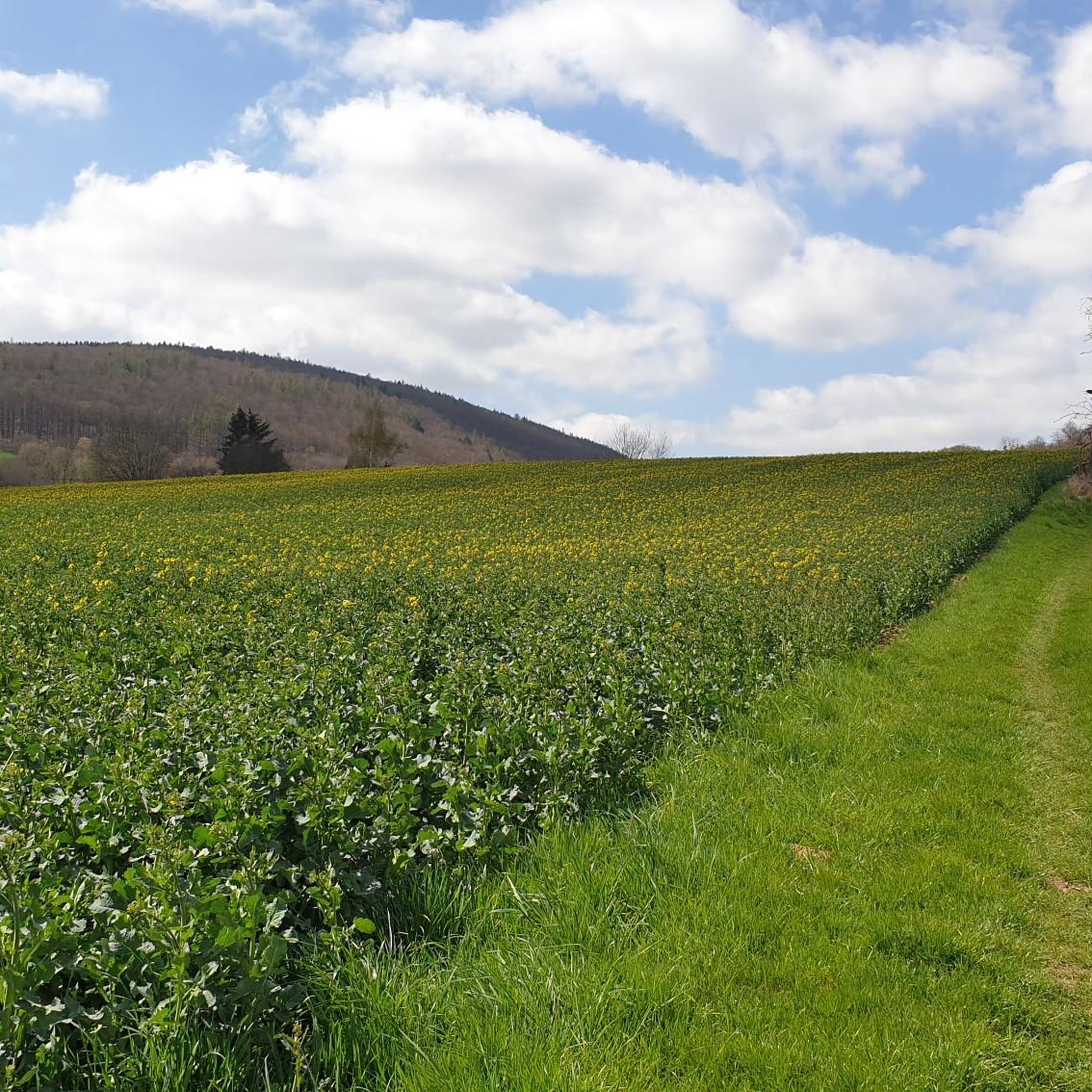
MTB Trails around Reinhardshagen
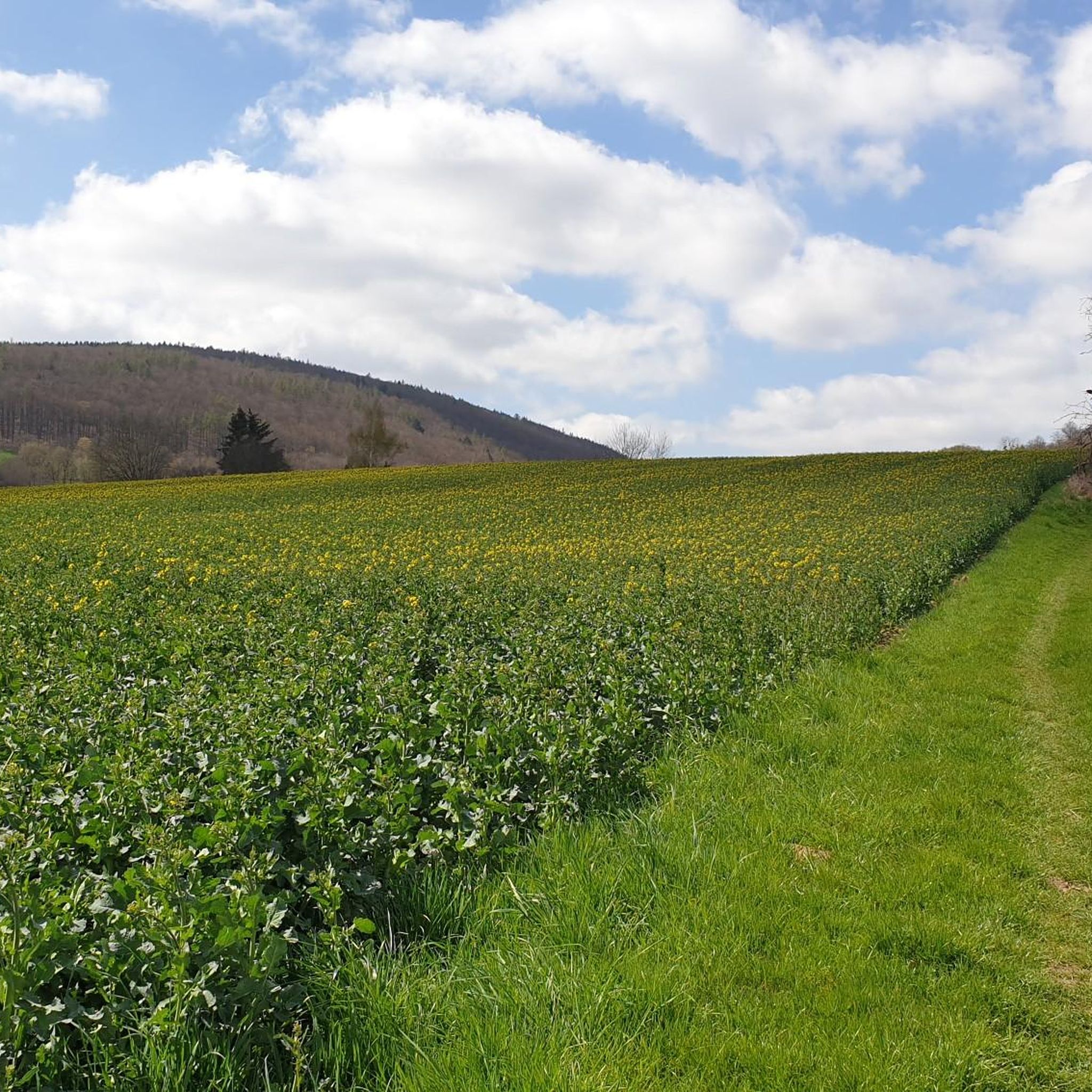
Running Trails around Reinhardshagen
Gravel biking around Reinhardshagen


Tips from the Community

What a tree population. Monumental and mystical at the same time. Cheers to nature! I was thrilled.
1
0

Large old beech tree in what was formerly a grazing forest.
1
0

Rapp oak is not at this location, but further north-north-west from there
1
1

It's really nice to be standing where Fulda and Werra "kiss" and the Weser is formed. You have an even better overview from the car bridge with bicycle and pedestrian path across the street.
10
0

Here the Weser begins at the confluence of the Fulda and Werra - the cycle path to Bremen is mostly well developed and recommendable.
15
1

Every visit to Hann.-Münden also includes a walk to the Weserstein. It has stood on the island of Tanzwerder for a good 110 years and marks the beginning of the Weser at the confluence of the Fulda and Werra. The manufacturer Carl Natermann had the stone erected in 1899 and the well-known verse engraved: "Where Werra and Fulda kiss They have to atone for their names. And here comes from this kiss "German to the sea of the Weser River"
12
1

The Sababurg Primeval Forest in the Reinhardswald Nature Park is one of the most beautiful destinations in northern Hesse! Three different circular trails, two of which can be easily combined, lead through the primeval forest. Strictly speaking, the primeval forest is not a primeval forest, but rather a former grazing forest. The approximately 300-year-old grazing oaks and beeches acquired their current gnarled shape through intensive grazing. Partly over footbridges, you walk through this primeval forest and encounter one special tree after another. Definitely worth a visit! Parking is available right next to the primeval forest. There is also a well-serviced bus stop.
4
0

Named after Hermann-Josef Rapp, former deputy forest manager of the forest office in Reinhardshagen
15
2
Frequently Asked Questions
What types of natural monuments can I expect to see around Reinhardshagen?
Reinhardshagen is renowned for its impressive ancient trees and significant riverine environments. You'll find majestic oaks, beeches, and lime trees, some centuries old, alongside notable geological formations and river confluences. The area's natural heritage is primarily characterized by these remarkable specimens and scenic river landscapes.
Are there any family-friendly natural monuments in the Reinhardshagen area?
Yes, several natural monuments are suitable for families. The Confluence of the Werra and Fulda rivers is a great spot to linger under a shady chestnut tree. The Ancient Oaks of the Urwald Sababurg also offers accessible paths, including footbridges, through a forest of 300-year-old trees, making it an engaging experience for all ages.
What are some of the most notable ancient trees in Reinhardshagen?
Reinhardshagen is home to several impressive ancient trees. These include the Common Ash in Vaake, planted around 1915, and the 'Liberation Oak' (Befreiungseiche) in Veckerhagen, which dates back to around 1875. Another magnificent example is the Lime Tree north of Veckerhagen, planted around 1805, which stands majestically by the Weser River.
Where can I see the start of the Weser River?
You can witness the beginning of the Weser River at the Confluence of the Werra and Fulda rivers. This spot is both a man-made monument and a natural landmark, offering a peaceful place to observe where these two rivers merge to form the Weser.
What kind of natural features are prominent at the Urwald Sababurg?
The Urwald Sababurg is famous for its ancient forest, specifically the Ancient Oaks of the Urwald Sababurg and the Ancient Beech Trees at Urwald Sababurg. This area features approximately 300-year-old grazing oaks and beeches with gnarled shapes, some accessible via wooden walkways, providing a unique primeval forest experience.
Are there any viewpoints among the natural monuments?
Yes, several natural monuments offer excellent viewpoints. The Confluence of the Werra and Fulda rivers provides a scenic outlook over the merging waterways. Additionally, the Gauß Tower on Hoher Hagen, while a man-made structure, is situated on a natural summit and offers a great panoramic view above Scheden.
What outdoor activities can I do near the natural monuments in Reinhardshagen?
The natural monuments in Reinhardshagen are surrounded by opportunities for outdoor activities. You can enjoy various running trails, such as the 'Zur Fähre Inn and Beer Garden loop' from Reinhardshagen. Cycling is also popular, with routes like the 'View of Hann. Münden’s Old Town loop' available. For those who prefer gravel biking, there are options like the 'Old Railway Bridge Werratal loop'. You can find more details on these activities in the running, cycling, and gravel biking guides for Reinhardshagen.
Is there a specific oak tree known for its age and history?
Yes, the Rapp Oak is a very imposing natural monument within a forest, estimated to be around 220 years old. It is directly passed on the jungle path and is named after Hermann-Josef Rapp, a former deputy forest manager of the local forest office, giving it a touch of local history.
What do visitors enjoy most about the natural monuments around Reinhardshagen?
Visitors frequently appreciate the tranquility and natural beauty of the area. Many enjoy lingering under the shady trees at the river confluence or exploring the ancient, gnarled oaks and beeches of the Urwald Sababurg. The opportunity for photography, especially in different lighting conditions and seasons, is also a highlight for many, as are the well-maintained paths and wooden walkways.
Are there any natural monuments that are also significant for local history?
The 'Liberation Oak' (Befreiungseiche) in Veckerhagen, planted around 1875, holds local historical significance. It is identified by a sign as the 'Horst Kröhnert Eiche,' possibly named after a former sawmill manager, connecting this ancient tree to the community's past.
How accessible are the natural monuments by public transport?
For the Ancient Oaks of the Urwald Sababurg, there is a well-serviced bus stop conveniently located right next to the primeval forest, making it easily accessible for visitors relying on public transport.
Can I find parking near the natural monuments?
Yes, parking is generally available near the more popular natural monuments. For instance, there is parking available right next to the Ancient Oaks of the Urwald Sababurg, making it convenient for visitors arriving by car.
Most popular routes around Reinhardshagen
Most popular attractions around Reinhardshagen

Get inspired with the komoot mobile app


Explore more
Extend your search for the best caves by checking out these guides of the top ones around Reinhardshagen:
